Whether an Italian Greyhound Is Quiet Enough for Neighbors
Ah, the age-old question for Italian Greyhound parents, especially those of us living in apartments or close-knit communities: "Is my little shadow quiet enough for the neighbors?" It's a genuine concern, isn't it? Nobody wants to be that neighbor whose dog is constantly barking, disrupting the peace. This guide aims to pull back the curtain on Italian Greyhound vocalizations, exploring their natural tendencies, what triggers their barks, and most importantly, how we can manage their noise levels to keep everyone, including our precious Iggies, happy and harmonious in our homes.
The Nature of Italian Greyhound Vocalizations
When you consider bringing an Italian Greyhound into your life, you might imagine a quiet, elegant little creature gracing your sofa. And while they certainly are elegant and love a good cuddle on the sofa, "quiet" isn't always their default setting. Like all dogs, Iggies communicate through a range of sounds, and understanding these can go a long way in managing how your neighbors perceive your furry family member.
The "Alert Bark" and Its Purpose
Italian Greyhounds, despite their delicate appearance, are sighthounds with a keen awareness of their surroundings. This means they are often the first to notice any change in their environment – a leaf skittering across the sidewalk, the postman's arrival, a squirrel daring to venture onto the fence, or even just someone walking past your window. Their primary vocalization, the "alert bark," is their way of telling you, "Hey! Something's happening out there!"
These barks are typically sharp, high-pitched, and often repeated in rapid succession. They're not usually deep, booming barks like a larger breed might have, but their intensity can still carry. Imagine living in a ground-floor apartment, and your Italian Greyhound is convinced every passing pedestrian is a direct threat to the household. The constant "yip, yip, yip!" at the window, while perfectly logical to your dog, can quickly become grating for a neighbor whose bedroom window is just a few feet away. It's a fundamental part of their sighthound nature to be observant, and this often translates into being vocal about their observations.
Whining, Sighing, and Other "Quiet" Sounds
While the alert bark is often the biggest concern for neighborly relations, Italian Greyhounds have a rich repertoire of other sounds that, while not as disruptive, are worth noting. They are masters of the dramatic sigh, especially when nudged off a forbidden lap or denied a piece of your dinner. These sighs are usually endearing to their owners, a hallmark of their expressive personalities.
Then there's the whine. Iggies can be incredibly persistent whiners when they want something – attention, food, to be let under the covers, or to go outside right now. This isn't a loud, angry sound, but it can be a piercing, high-frequency plea that, if prolonged, might still catch a neighbor's attention, particularly if walls are thin. You'll also hear soft grumbles, happy "woo-woos" when they're excited to see you, and sometimes even chattering teeth when they're cold or especially excited. These are generally less problematic for neighbors than barking, but they contribute to the overall soundscape of living with an Italian Greyhound. They're a very communicative breed, just not always through barking. You might find that What an Italian Greyhound Does All Day involves a fair amount of sound, even if it's not all barking.
The Infamous "Zoomie" Noises
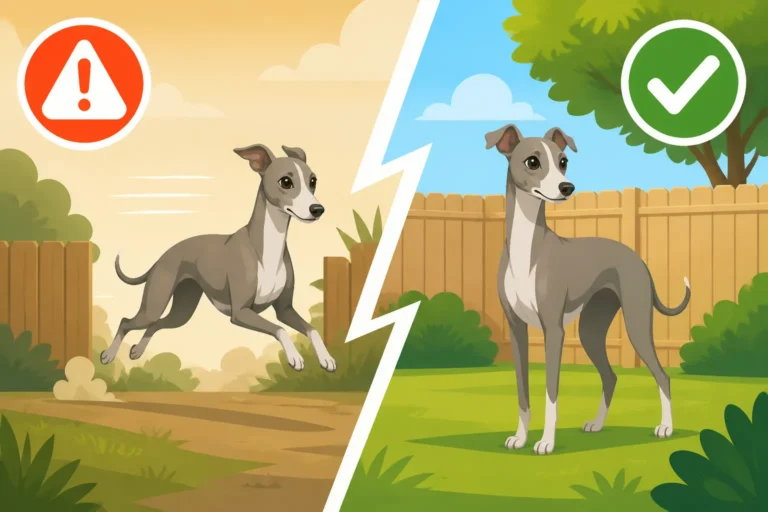
Anyone who has ever lived with an Italian Greyhound knows about the "zoomies" – those sudden, explosive bursts of energy where they tear around the house at top speed, often bouncing off furniture or doing tight turns. While the primary "noise" here is the thump-thump-thump of tiny paws on the floor, especially on hard surfaces, there can be accompanying vocalizations. Excited yips, happy growls, or a breathless panting can all be part of the zoomie experience.
If you live in an upstairs apartment, this can be a particular point of contention with downstairs neighbors. The sound of a 9-pound dog tearing across a hardwood floor might not seem like much, but it can resonate surprisingly loudly, especially in older buildings. It's not malicious, it's just pure, unadulterated Italian Greyhound joy! But managing this means considering your flooring, providing soft landing spots, and understanding that these bursts of energy, while a sign of a happy dog, do create noise that can carry. The Indoor Zoomies an Italian Greyhound Gets are a sight to behold, but also something to manage in close quarters.
Common Triggers for Italian Greyhound Barking
Understanding why your Italian Greyhound barks is the first step in addressing the issue. It's rarely out of spite; rather, it's usually a response to something in their environment or an internal state they can't otherwise express.
Environmental Stimuli: Sounds and Sights
Italian Greyhounds are visually stimulated, and their sighthound nature means they're constantly scanning their surroundings. This makes them particularly prone to barking at things they see outside windows or hear through thin walls. Imagine your Iggy spending its day watching the street from the sofa, and every time a delivery truck rumbles by, or a child cycles past, or a new dog is walked on the sidewalk, you get a barrage of alert barks.
Furthermore, their excellent hearing means they'll often pick up on sounds you might not even notice. The distant siren, the upstairs neighbor dropping something, the elevator dinging down the hall – all can trigger a reaction. If you live in an urban environment with lots of street noise, or in an apartment complex where sounds easily travel, your Italian Greyhound will likely have more "reasons" to bark. It's not about being "bad"; it's about their instincts kicking in. Managing this might involve limiting window access or using sound-dampening techniques in your home. What an Italian Greyhound Barks At is usually something they perceive as new or potentially threatening to their tiny domain.
Separation Anxiety and Loneliness
This is perhaps the biggest culprit for Italian Greyhound barking that affects neighbors, especially for those who work outside the home. Italian Greyhounds are famously "Velcro dogs." They thrive on companionship and can develop significant separation anxiety if left alone for too long or if not properly conditioned to solitude. A lonely Italian Greyhound can become a very vocal one.
Their barking in this context isn't an alert; it's a distress signal. It can manifest as continuous, mournful howling, persistent whining, or incessant barking, often accompanied by destructive chewing or potty accidents. This isn't just a few barks; it can be hours of sustained noise, which is incredibly difficult for any neighbor to tolerate. If your Iggy suffers from separation anxiety, simply leaving them alone more often will only exacerbate the problem, leading to more noise and stress for everyone involved. Addressing this requires patience, desensitization training, and sometimes professional intervention. Signs an Italian Greyhound Has Separation Anxiety are crucial to recognize early. For guidance, resources like BAXTER & Bella offer online puppy training programs that can be incredibly helpful in teaching your dog to cope with being alone from an early age, potentially preventing severe separation anxiety.
Boredom and Lack of Mental Stimulation
An Italian Greyhound that isn't getting enough mental and physical exercise can quickly become a bored and disruptive one. While they aren't marathon runners, they do need regular walks, opportunities for safe sprints, and plenty of engaging activities to keep their intelligent minds occupied. A bored Iggy might resort to barking out of sheer frustration or to get attention.
Think about it: if your dog spends eight hours a day in an empty house with nothing to do but stare at the walls, any slight noise outside becomes an exciting event worthy of a full barking announcement. This isn't just about physical exercise; mental stimulation is equally important. Puzzle toys, interactive feeders, and short training sessions throughout the day can make a huge difference. Even something as simple as scattering their kibble in a snuffle mat instead of just putting it in a bowl can engage their brain. A well-exercised and mentally stimulated Italian Greyhound is generally a much quieter and more content one. You might be surprised by How Much Exercise an Italian Greyhound Needs to be truly happy and quiet.
Strategies for Managing Italian Greyhound Noise
So, you've identified the triggers. Now what? The good news is that Italian Greyhound barking, like most dog behaviors, can be managed with consistent effort, understanding, and the right approach.
Consistent Training and Positive Reinforcement
Effective noise management starts with solid training. Teaching your Italian Greyhound a "quiet" cue is paramount. This involves rewarding them when they are silent, especially when they could be barking. For instance, if they let out an alert bark at the mail carrier, wait for a moment of silence, then reward that silence with a treat and praise. Over time, you can introduce a "quiet" command, gently redirecting their attention and rewarding them for ceasing their vocalization.
Avoid scolding or punishing barking, as this can often make matters worse. A sensitive breed like the Italian Greyhound can become anxious or learn to bark more because they're seeking attention, even negative attention. Instead, focus on positive reinforcement to encourage the behaviors you do want. Online training programs, like those offered by BAXTER & Bella, can provide structured lessons and expert guidance on impulse control, desensitization to triggers, and teaching quiet cues, which can be invaluable for new and experienced owners alike. Consistency is key here; everyone in the household needs to be on the same page. Remember, Why Raising Your Voice Sets an Italian Greyhound Back a Month is a real phenomenon with this sensitive breed.
Enrichment and Exercise for a Content Dog
A tired dog is often a quiet dog, but for an Italian Greyhound, "tired" means both physically and mentally stimulated. Regular, safe exercise is crucial. This doesn't mean hours of intense activity, but rather consistent opportunities for walks, playtime in a secure area, and those delightful bursts of zoomies indoors. After a good run or a stimulating walk, your Iggy is far more likely to settle down and nap rather than bark at every passing shadow.
Beyond physical exercise, provide plenty of mental enrichment. Interactive puzzle toys, like those found on Amazon, where they have to work to get treats, can keep their minds engaged for significant periods. Rotating toys keeps things fresh and interesting. Consider teaching them new tricks or even trying out dog sports like scent work (which Iggies often excel at due to their sighthound senses, even if not scent hounds themselves). A dog whose brain is regularly challenged is less likely to resort to barking out of boredom. Offering them outlets for their natural curiosity and intelligence can dramatically reduce their need to create their own "entertainment" through noise.
Creating a Calming Home Environment
Sometimes, reducing external stimuli is the most effective way to cut down on barking. If your Italian Greyhound is constantly barking at things outside the window, consider blocking their view during peak hours or when you're not home. Frosted window film, blinds, or even strategically placed furniture can help.
For dogs prone to anxiety, creating a serene space can work wonders. A comfortable, secure crate can be a safe haven, especially if they are properly crate trained. Using white noise machines or playing classical music specifically designed for dogs can help mask external sounds that might trigger barking. Calming diffusers, available on Amazon, which release dog-appeasing pheromones, can also contribute to a more relaxed atmosphere. Ensure they have access to their favorite blankets (Iggies love to burrow!) and a cozy bed to retreat to. Think about the overall sensory input your dog receives; sometimes, a quieter, less stimulating environment can lead to a quieter dog. Whether a Heated Bed Is Safe for an Italian Greyhound is a common question, but a warm, cozy bed is definitely a calming element for these sensitive dogs.
Assessing Your Living Situation and Neighbor Expectations
Even with the best training and management, some living situations are inherently more challenging for Italian Greyhounds and their vocalizations. It's important to be realistic about your environment and your neighbors.
Apartment vs. House Living: What's the Difference?
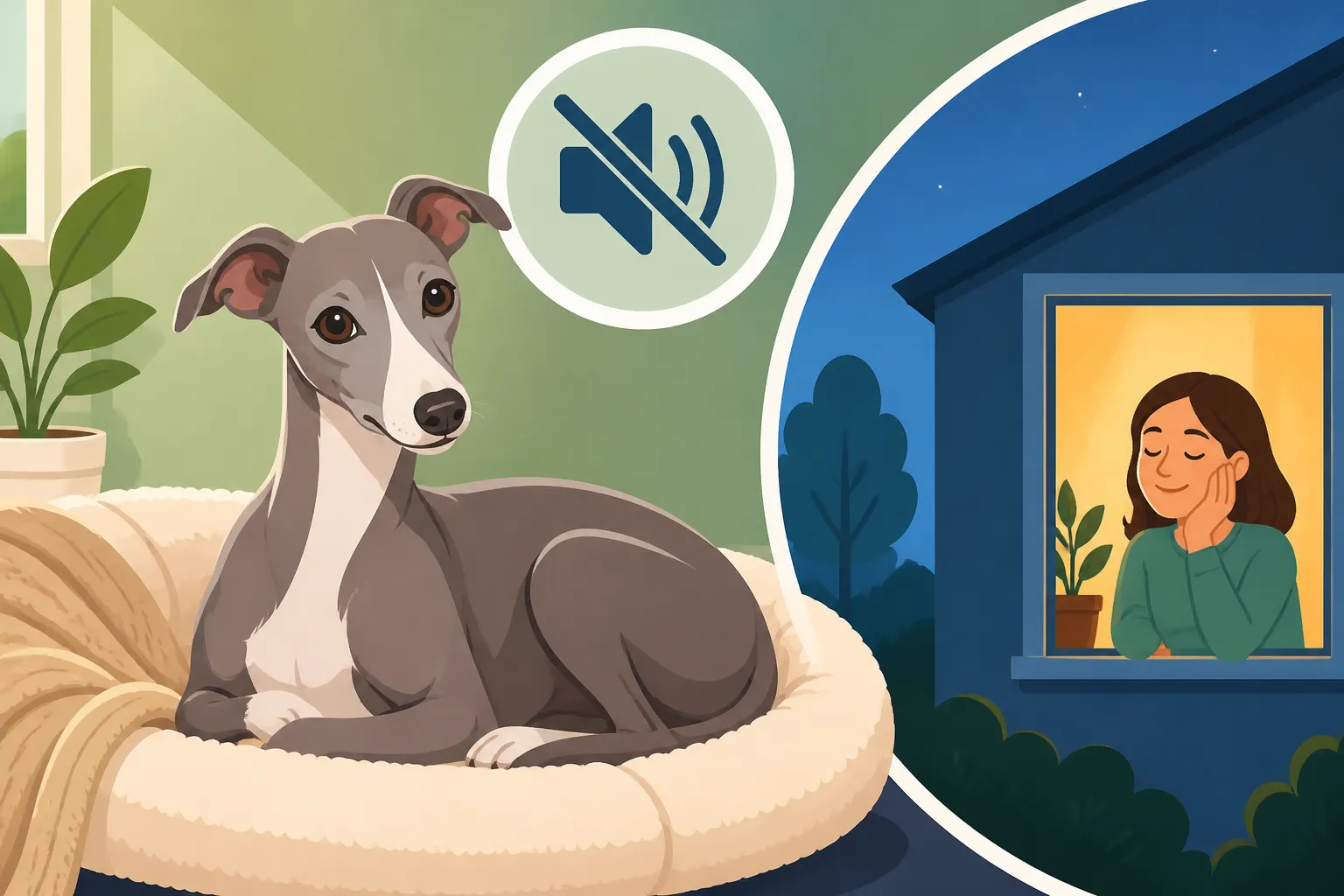
The acoustic properties of your home significantly impact how much your Italian Greyhound's barks will affect neighbors. In a detached house with a sizable yard, occasional barking might be less noticeable. However, in an apartment, condo, or townhouse with shared walls, ceilings, and floors, every sound is amplified. Your Iggy's alert barks, even if short, can echo through the building. Extended separation anxiety barking becomes an undeniable issue.
If you live in an apartment, consider investing in sound-dampening measures. Thick rugs and carpets can absorb the noise from zoomies and general movement, benefiting both your Iggy's joints and your downstairs neighbors. Heavy curtains can help with window barking and overall sound absorption. Placing furniture against shared walls can also act as a buffer. Being proactive about mitigating sound transmission is crucial for harmonious multi-unit living with an Italian Greyhound. Many owners successfully manage How an Italian Greyhound Lives in an Apartment, but it often requires careful planning and consideration of noise.
Open Communication with Your Neighbors
One of the best proactive steps you can take is to communicate with your neighbors before issues arise. A friendly conversation can go a long way. Let them know you're aware that dogs can make noise, and you're actively working on training your Italian Greyhound. Exchange contact information so they feel comfortable reaching out to you if your dog's barking becomes problematic, rather than going straight to management.
Sometimes, a neighbor might just need reassurance that you're trying. They might not even realize what triggers your dog's barks and can provide valuable feedback (e.g., "He barks every time I leave for work at 7 AM"). This open dialogue fosters understanding and can prevent minor annoyances from escalating into major conflicts. It shows respect and a willingness to be a good neighbor, which is often appreciated more than you might think.
When Professional Help Might Be Needed
If you've tried all the standard training and environmental adjustments, and your Italian Greyhound's barking is still a significant issue, especially if it's related to severe separation anxiety or reactivity, it might be time to call in a professional. A certified professional dog trainer or a veterinary behaviorist can assess your specific situation, identify underlying causes for the excessive vocalization, and develop a tailored behavior modification plan.
These professionals have the expertise to address complex behavioral issues that are beyond the scope of general obedience training. They can teach you advanced techniques, help with desensitization, and recommend appropriate tools or even medication if anxiety is severe. Investing in professional help isn't a sign of failure; it's a commitment to your dog's well-being and to maintaining peace in your living environment. Ultimately, a happy, well-adjusted Italian Greyhound is a quiet Italian Greyhound, and sometimes, that means enlisting expert guidance. Don't be afraid to seek help if you feel overwhelmed; it’s a loving step for your pet.
Disclaimer
This article is for general informational purposes only and does not constitute professional advice. Laws, prices and regulations vary by location and change over time. Consult a qualified professional for guidance on your specific situation.