What an Italian Greyhound Should Weigh
It's incredibly common for Italian Greyhound owners to fret over their dog's weight. These elegant, delicate creatures have such a unique build that what looks "healthy" for a typical dog might seem alarmingly thin for an IG, or vice-versa, making it hard to know if you're doing right by them. This guide aims to clear up the confusion, helping you understand the ideal weight range for your Italian Greyhound and how to accurately assess their body condition so you can keep them in peak health.
The Italian Greyhound's Unique Physique and Why Weight Matters So Much
Italian Greyhounds aren't built like your average dog, and understanding their unique physiology is the first step in appreciating why their weight needs such careful monitoring. They are sighthounds, and that means a lean, athletic frame is part of their natural design.
Understanding the Sighthound Build
When you look at an Italian Greyhound, you see a picture of elegant athleticism. They have a fine bone structure, long, lean muscles, and very little subcutaneous fat. This isn't because they're starved; it's how they're genetically designed to be fast and agile. Think of a human marathon runner or a ballet dancer – they are typically lean, not bulky. Your IG is the canine equivalent. Their deep chest, tucked-up abdomen, and visible hip bones are all hallmarks of a healthy sighthound. This distinct build means that traditional weight assessment methods, often geared towards more robust breeds, can be misleading.
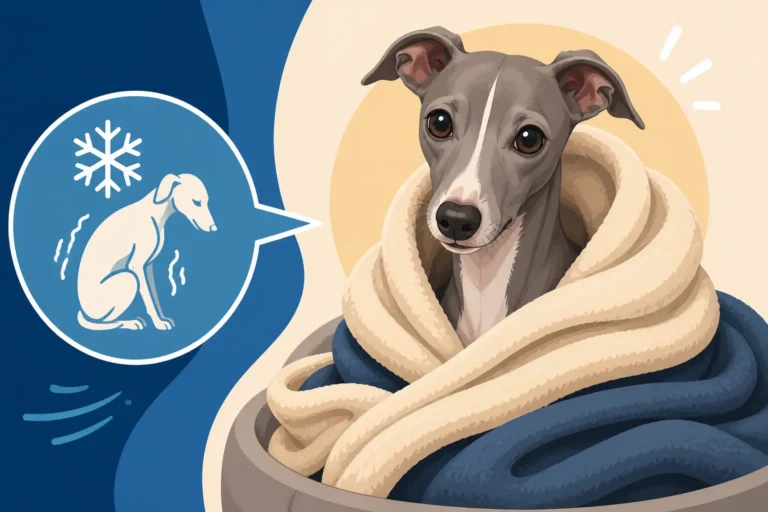
Because they carry so little natural insulation, Italian Greyhounds are particularly sensitive to cold, and their body temperature can drop quickly. Why an Italian Greyhound Carries Almost No Body Fat explains this in more detail. Their minimal body fat also means they have fewer energy reserves to draw upon if they become ill or injured, which can complicate recovery. This lean build is a genetic advantage for speed and agility, but it also necessitates a more vigilant approach to their overall health and weight management from their human companions.
The Dangers of Being Underweight
While a naturally lean physique is ideal, an underweight Italian Greyhound faces specific health challenges. If your IG is too thin, their ribs, spine, and hip bones will not only be easily felt but also prominently visible from a distance, with little to no muscle covering. This lack of adequate body mass can significantly impact their resilience. They are more susceptible to the cold and struggle to maintain their body temperature, even indoors, making them shiver excessively.
Beyond comfort, an underweight IG has diminished reserves to fight off illness or recover from injury. Surgeries, which are unfortunately common in the breed due to their delicate bones, can become riskier if the dog doesn't have enough muscle and fat to support healing. They might also appear lethargic or develop a dull coat. It’s a delicate balance; you want to see definition, but not emaciation.
The Risks of Being Overweight
On the flip side, an overweight Italian Greyhound might not look like a huge, chunky dog, but even a few extra pounds can be detrimental to their health, especially given their fine bone structure. That sleek, tucked-up abdomen might become a bit squarer, and those easily felt ribs might start to disappear under a layer of fat. This added weight puts unnecessary strain on their joints, particularly their delicate leg bones, which are already prone to injury.
An overweight Italian Greyhound has a significantly increased risk of fractures, as their slender bones were not designed to carry excess load. Why an Overweight Italian Greyhound Is at Fracture Risk delves into this serious concern. Beyond skeletal issues, carrying extra weight can contribute to other health problems like heart strain, diabetes, and a reduced lifespan. Even daily activities, like jumping on and off furniture, become riskier and more taxing. For a breed meant to be light and agile, excess weight robs them of their natural grace and vitality, often making them less active and more prone to sedentary behaviors, which only compounds the problem.
What the Ideal Weight Range Actually Looks Like
Forget the exact number on the scale for a moment. While a general range exists, what truly matters is your Italian Greyhound's overall body condition. This is a visual and tactile assessment that gives you a much better picture of their health than a simple numerical reading.
General Guidelines vs. Individual Variation
Most adult Italian Greyhounds typically weigh anywhere from about 7 to 14 pounds (approximately 3 to 6.5 kg) and stand around 13 to 15 inches (33 to 38 cm) at the shoulder. However, these are broad guidelines, not strict rules. Just like people, Italian Greyhounds come in a range of sizes, even within the breed standard. Some IGs might be perfectly healthy at 6 pounds, while others are a robust 16 pounds and still in excellent condition. A smaller, finer-boned Italian Greyhound will naturally weigh less than a taller, more substantial one.
What's crucial to remember is that genetics, sex, and individual build play a huge role. Don't get fixated solely on the number your vet scale spits out. Instead, use this range as a loose indicator, and focus more on how your particular Italian Greyhound looks and feels in your hands. It's about proportion and musculature, not just pounds.
The Body Condition Score: A Better Indicator Than the Scale
This is where the Body Condition Score (BCS) comes in. It's a veterinarian-approved method for assessing a dog's fat reserves and muscle mass, usually on a scale of 1 to 9 (with 1 being emaciated, 9 being obese, and 4-5 being ideal). Unlike a simple weight, the BCS takes into account their unique sighthound build. An ideal Italian Greyhound will have a visible "tuck-up" where their belly slopes sharply up towards their hind legs. You should be able to clearly see their waist from above, like an hourglass figure, and their hip bones should be prominent but not jutting out sharply.
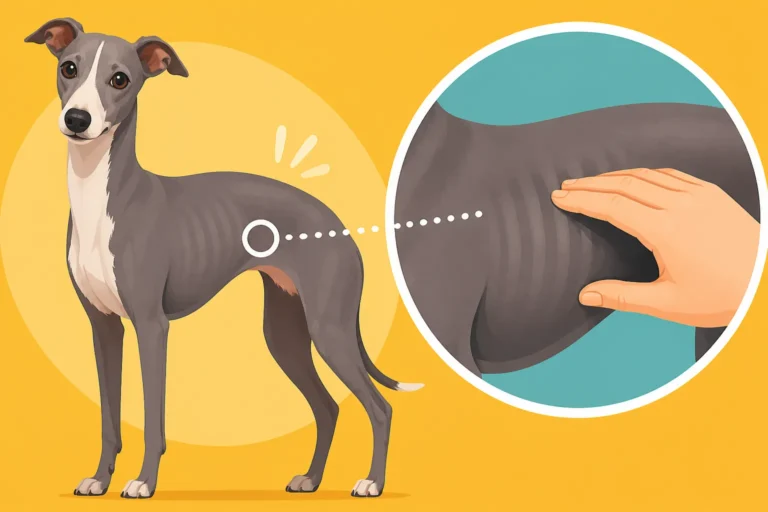
When you run your hands over their sides, you should be able to easily feel their ribs without pressing hard, much like feeling the knuckles on your hand. Their spine should also be palpable but not sharp. If you have to search for the ribs, or if you feel a spongy layer over them, your IG is likely carrying too much weight. Conversely, if their ribs, spine, and hip bones are extremely prominent and have little to no muscle or fat covering, they are probably underweight. This hands-on assessment is invaluable for truly understanding your dog's condition.
How to "Read" Your Italian Greyhound's Ribs and Spine
Learning to "read" your Italian Greyhound's body condition by touch is a skill every owner should master. To assess their ribs, gently run your open palms along their sides, just behind their front legs. In an ideal weight Italian Greyhound, you should feel each rib distinctly, almost like the back of your fingers on your hand when you make a fist. You shouldn't have to press to find them, nor should they feel sharp or like they're poking through the skin. If you can't feel the ribs at all without really pushing, or if there's a definite cushion of fat over them, your IG is likely overweight. If the ribs are visibly pronounced and feel like exposed bones with no discernible tissue coverage, then your dog is probably too thin. How to Feel an Italian Greyhound's Ribs provides more specific guidance.
Next, move your hands along their spine. You should be able to feel the individual bumps of the vertebrae without much effort. Again, they shouldn't feel like a sharp ridge, but rather a distinct, bony line with a slight muscle covering. Their hip bones, located just in front of where their tail begins, should also be palpable and visible as subtle points. If these bones protrude sharply with no surrounding tissue, it’s a sign of being underweight. If they are completely covered and disappear under a layer of fat, then your IG is overweight. Regularly checking these areas by touch will become second nature and is far more informative than the number on a scale.
Growth and Development: Puppy Weight Milestones
Watching an Italian Greyhound puppy grow is a joy, but it also means paying close attention to their weight and development. Their rapid growth phases are critical, and maintaining a healthy trajectory is important for their long-term soundness.
Tracking Puppy Weight in the First Few Months
Italian Greyhound puppies grow incredibly quickly during their first few months, doubling and tripling their birth weight in a surprisingly short time. From the moment they arrive, monitoring their weight is crucial for breeders and new owners alike. For the first few weeks, daily weight checks are often recommended to ensure they're nursing well and thriving. After that, weekly weigh-ins become a valuable tool. Weighing an Italian Greyhound Puppy Every Week can help you understand the importance of this practice. You’ll want to see a steady, consistent gain, not sudden spikes or plateaus, unless advised by your vet.
During this time, their diet needs to be precisely balanced for growth. Overfeeding can lead to rapid weight gain that puts stress on their developing bones, while underfeeding can result in stunted growth and a lack of vital nutrients. Your puppy's ribs should be easily felt, but not sharply visible. They should have a good amount of puppy fat, but still retain that characteristic Italian Greyhound tuck-up and lean appearance. Consult with your veterinarian regularly to ensure your puppy's growth curve is healthy for their individual build and genetics.
When an Italian Greyhound Reaches Adult Weight
Most Italian Greyhounds reach their full adult height by about 6 to 9 months of age, but they will continue to fill out and gain muscle mass until they are closer to 12 to 18 months old. This "filling out" period often involves adding a small amount of lean muscle, which contributes to their mature adult weight and condition. The Age an Italian Greyhound Reaches Full Weight outlines these developmental stages. During this time, the rapid puppy growth rate slows down significantly, and you'll transition from a puppy food formulated for intense growth to an adult formula.
It's important to remember that reaching adult weight doesn't always mean reaching full maturity. Their growth plates, the areas of cartilage where bone growth occurs, typically close between 10 to 12 months, but sometimes later for larger individuals. It's during this phase that you should be fine-tuning their diet and exercise to maintain their ideal adult body condition, using the BCS as your primary guide. While they might hit their maximum height relatively early, their body will continue to develop and strengthen throughout their first year and beyond.
Factors Influencing Your Italian Greyhound's Weight
Weight management in Italian Greyhounds isn't a one-size-fits-all approach. Several factors come into play, influencing how much food they need, how quickly they metabolize it, and ultimately, what their ideal body condition will be. Understanding these variables can help you tailor your care to your specific dog.
Age and Activity Level
Just like humans, an Italian Greyhound's metabolic rate and energy needs change throughout their life. A growing puppy requires more calories relative to its size to fuel its rapid development. An active adult, perhaps one who regularly enjoys zoomies in a safe, fenced area or participates in Lure Coursing and Racing With an Italian Greyhound, will burn more calories than a more sedate couch potato. Conversely, as IGs enter their senior years, typically around 10-11 years old, their metabolism often slows down, and their activity levels may decrease.
An older Italian Greyhound might need fewer calories to maintain their ideal weight, and their diet may need to be adjusted to prevent unwanted weight gain. However, some senior IGs can also become underweight due to underlying health conditions or a decreased appetite. It's vital to observe your dog's daily routine and adjust their food portions accordingly, ensuring they get enough energy without accumulating excess fat. Regular assessments using the Body Condition Score are particularly important as your IG ages.
Diet and Feeding Habits
The type and quality of food you provide, along with how much and how often you feed it, are paramount to managing your Italian Greyhound's weight. Because IGs are smaller, they don't require the same volume of food as a larger breed, but the nutritional density is crucial. Why an Italian Greyhound Eats Less Than You Expect highlights this common observation. Many Italian Greyhounds can be surprisingly picky eaters, turning their nose up at perfectly good kibble one day and devouring it the next. This can make consistent feeding a challenge.
Choosing a high-quality, easily digestible small breed formula is often a good starting point. Brands available on Chewy or Amazon often have specific small-breed options. You might also consider fresh food options, which some owners find help with finicky appetites, though these can be more costly. Companies like Ollie offer pre-portioned fresh food tailored to your dog's needs. Regardless of the food, portion control is key. Measure their food precisely, rather than eyeballing it, and limit treats to a healthy minimum, as these can quickly add unnecessary calories.
Health Conditions and Medications
Sometimes, an Italian Greyhound's weight fluctuations aren't simply a matter of diet and exercise; they can be a symptom of an underlying health condition or a side effect of medication. For instance, an underactive thyroid (hypothyroidism) can cause unexplained weight gain, even if your dog isn't overeating. Hypothyroidism in an Italian Greyhound is a condition to be aware of. On the other hand, conditions like dental disease can make eating painful, leading to weight loss if your dog can't comfortably chew their food. Gastrointestinal issues or certain parasites can also prevent proper nutrient absorption, resulting in a thin appearance despite adequate intake.
Additionally, some medications, particularly steroids, can cause increased appetite and lead to weight gain. Other drugs might suppress appetite, leading to weight loss. If your Italian Greyhound experiences any sudden or unexplained changes in weight, whether gain or loss, and you haven't altered their diet or exercise, it's always best to consult your veterinarian. They can perform diagnostic tests to rule out any medical causes and help you adjust their care plan accordingly.
When to Worry: Signs Your Italian Greyhound's Weight Is Off
Being vigilant about your Italian Greyhound's weight goes beyond occasional checks; it means being attuned to the subtle signs that something might be amiss. Early detection of weight issues, whether they are gains or losses, allows for prompt intervention and helps prevent more serious health complications down the line.
Identifying Underweight Concerns
It can be difficult to tell if a naturally slender Italian Greyhound is simply lean or truly underweight. However, there are clear indicators. If your IG's ribs, spine, and hip bones are not only easily felt but also prominently visible with little to no muscle definition, it's a red flag. From above, their waist will appear extremely narrow, almost pinched, and from the side, their tuck-up will be very severe. Signs an Italian Greyhound Is Underweight further details these visual cues. Beyond appearance, an underweight IG might feel cold to the touch, shiver more frequently, even in moderate temperatures, and generally have less energy than usual.
You might also notice a dullness to their coat, or that their skin seems unusually dry or flaky. They might be constantly seeking warmth, burrowing deeper into blankets. If their appetite is poor, or if they seem unusually lethargic or withdrawn, these are all signs that your Italian Greyhound isn't thriving at their current weight. A trip to the vet is highly recommended to rule out any underlying medical causes for the weight loss and to develop a feeding plan to help them gain weight safely.
Recognizing Overweight Tendencies
An overweight Italian Greyhound might not look "fat" in the traditional sense, but you will notice a distinct change in their body shape and feel. The most obvious sign is that you'll have difficulty feeling their ribs without applying significant pressure, or you'll feel a definite layer of fat over them. Their characteristic tuck-up will be diminished or completely absent, giving them a more barrel-chested or straight-sided appearance from the side. From above, their waist will appear less defined, losing that elegant hourglass shape. Signs an Italian Greyhound Is Overweight outlines what to look for.
Beyond these physical changes, an overweight IG might be less enthusiastic about walks or play, show signs of panting more easily after minimal exertion, or struggle to jump onto furniture that was once effortless. They might seem more lethargic or spend more time sleeping. Even a slight increase in weight can put additional strain on their delicate bones and joints, increasing their risk of injury. If you suspect your Italian Greyhound is becoming overweight, it’s time to re-evaluate their diet, portion sizes, and exercise routine, ideally with veterinary guidance.
The Importance of Regular Vet Check-ups
No matter how diligent you are with home assessments, regular veterinary check-ups are absolutely essential for maintaining your Italian Greyhound's ideal weight and overall health. Your vet can provide an objective assessment of your dog's Body Condition Score, which is particularly helpful if you're unsure. They have the expertise to distinguish between a healthy lean build and an underweight or overweight condition. How Often an Italian Greyhound Needs a Wellness Exam emphasizes the importance of these routine visits.
During these appointments, your vet can discuss your dog's diet, exercise routine, and any recent changes in their behavior or appetite. They can also recommend appropriate food brands or specialized diets, such as those found on Chewy or Amazon, or suggest consulting with a veterinary nutritionist for a tailored plan. If there are any concerns about sudden weight changes, your vet can conduct blood tests or other diagnostics to identify and treat any underlying medical conditions, ensuring your Italian Greyhound stays happy, healthy, and at their perfect weight throughout their life.
| Assessment Area | Ideal Italian Greyhound | Underweight Italian Greyhound | Overweight Italian Greyhound |
|---|---|---|---|
| Ribs | Easily felt with slight pressure, like knuckles on your hand. Not visible from a distance, but subtle definition is okay. | Clearly visible and sharp to the touch, with little to no fat or muscle covering. | Difficult to feel without firm pressure, covered by a layer of fat. No visible definition. |
| Waist | Clearly visible hourglass shape from above, sharp tuck-up from the side. | Extremely narrow, pinched waist from above. Very pronounced tuck-up from the side, almost concave. | Waist is indistinct or absent from above. Tuck-up is minimal or straight, giving a "barrel" appearance. |
| Spine | Easily felt individual vertebrae with slight muscle coverage. Not sharp. | Visible and sharply prominent, with little to no muscle. | Difficult to feel individual vertebrae, covered by fat. Appears flat or rounded. |
| Hip Bones | Prominent but rounded, not jutting. | Very prominent and bony, often sharply angled. | Covered by fat, difficult to feel, or appear as a rounded hump. |
| Energy Level | Active, playful, enthusiastic. | Lethargic, cold, seeking warmth, less playful. | Reluctant to move, easily winded, less playful. |
| Coat | Shiny, healthy, smooth. | Dull, dry, flaky. | Often dull, sometimes greasy. |
Disclaimer
This article is for general informational purposes only and does not constitute professional advice. Laws, prices and regulations vary by location and change over time. Consult a qualified professional for guidance on your specific situation.