Cleaning an Italian Greyhound’s Folded Ears
Those delicate, velvety ears of your Italian Greyhound are absolutely charming, aren't they? But behind that sweet, folded appearance lies an area that can easily become a magnet for dirt, wax, and moisture, leading to discomfort or worse if not properly maintained. This guide is here to walk you through everything you need to know about keeping your Italian Greyhound's ears clean, healthy, and happy, ensuring those adorable rose or button folds stay in tip-top condition.
Understanding Your Italian Greyhound's Unique Ear Structure
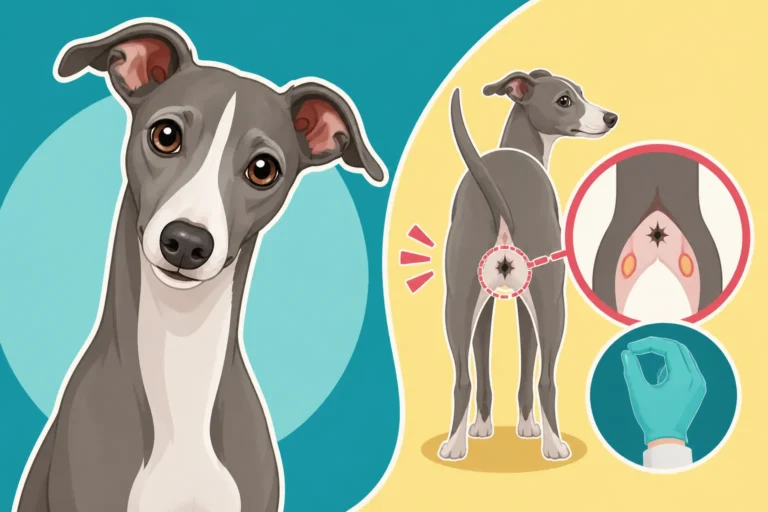
Italian Greyhounds are known for their elegant, sometimes fragile appearance, and their ears are no exception. Unlike breeds with upright, open ears that allow for plenty of air circulation, Iggies typically sport what are often called "rose ears" or "button ears." These delicate folds create nooks and crannies that, while beautiful, can inadvertently trap debris and create an environment ripe for issues if not regularly attended to.
The Rose Ear vs. Button Ear Debate and What It Means for Cleaning
When we talk about Italian Greyhound ears, you'll often hear "rose ear" and "button ear" mentioned. While breeders have specific standards for these, for us owners, what matters most is how they fold and where they might collect grime.
A rose ear is typically carried folded back, revealing a portion of the inner ear. The fold creates a pocket where air circulation is somewhat restricted, but not entirely closed off. Think of it like a delicate rose petal unfurling just slightly. This partial opening can still allow for some evaporation of moisture, but it also means dust and other environmental particles have an easier time settling in.
A button ear, less common in Iggies than the rose ear but still seen, is typically folded forward, covering the ear canal completely. These ears are usually slightly thicker and form a tight "button" against the head. While they might offer a bit more protection from outside dirt, the complete closure means less air circulation and a potentially warmer, moister environment inside – a perfect breeding ground for bacteria or yeast if not kept dry and clean.
Regardless of whether your Iggy has classic rose ears or the less common button fold, the principle remains the same: these folds create areas that don't get as much natural air and can become warm, moist havens for trouble. Knowing your dog's specific ear type helps you understand where to focus your cleaning efforts and how diligent you need to be. It's not just about looking clean; it's about preventing problems before they even start.
Why Italian Greyhound Ears Are Prone to Specific Issues
The very design that makes an Italian Greyhound's ears so endearing also makes them susceptible to a few common problems. Their delicate skin and the way the ear cartilage folds combine to create a microclimate that can lead to irritation and infection.
First, the lack of consistent airflow. When an ear is folded, air doesn't circulate as freely into the ear canal. This means moisture from baths, humid weather, or even just natural ear secretions can get trapped. That warm, damp environment is a paradise for yeast and bacteria, which can then multiply rapidly and cause an infection. It's a bit like a tiny greenhouse for microbes right inside your pup's ear!
Second, the Italian Greyhound's fine, short coat. While it means less shedding, it also means the ear canal itself might have less hair acting as a natural barrier to dirt. Coupled with the exposed skin in the folds, this can lead to quicker accumulation of dust, dander, and pollen. Imagine walking through a dusty park; those tiny particles have nowhere to go but right into those inviting folds.
Finally, their overall delicate nature. Italian Greyhounds tend to have thinner skin than many other breeds, which can be more sensitive to harsh cleaning solutions or even just too much rubbing. What might be fine for a sturdier dog could cause redness and irritation in an Iggy. This sensitivity means we need to be extra gentle and choose our cleaning products carefully. How Often an Italian Greyhound Gets Ear Infections is often a direct result of these inherent predispositions, so proactive care is key.
Recognizing When Your Italian Greyhound's Ears Need Attention
It's easy to overlook ear care, especially when your Iggy seems perfectly happy. But by paying close attention to both their behavior and the appearance of their ears, you can catch minor issues before they escalate into painful infections. Early detection saves your pup discomfort and saves you a trip to the emergency vet.
Common Signs of Ear Build-Up or Irritation
Your Italian Greyhound can't tell you directly that their ears are bothering them, but they certainly communicate it through their actions. Learning to read these subtle (and not-so-subtle) cues is essential.
One of the most obvious signs is increased scratching at the ears or rubbing their head against furniture or the carpet. Itching is a primary indicator of irritation, whether it's from too much wax, a foreign body, or the beginnings of an infection. You might see them shaking their head more frequently than usual, sometimes quite vigorously, as if trying to dislodge something. This head shaking might also be accompanied by a tilt of the head, favoring the side that's bothering them.
Beyond behavior, take a good look and a good sniff. Is there any redness inside the ear flap or around the opening of the ear canal? Does the ear feel warm to the touch compared to the other ear or the rest of their body? Is there a discharge? Normal ear wax is usually light brown and minimal, but a yellowish, greenish, or dark brown discharge, especially if it's thick or crusty, is a red flag. And speaking of red flags, don't forget your nose! A healthy Italian Greyhound's ear shouldn't have a strong odor. If you detect a yeasty, sweet, or foul smell, that's a sure sign something is amiss. Sometimes, if the problem is severe, your Iggy might even become withdrawn, grumpy, or Why an Italian Greyhound Refuses Its Dinner, indicating significant discomfort.
The Difference Between Normal Ear Wax and a Problem
Understanding what's normal for your Italian Greyhound's ears is your best defense against developing serious problems. Not all wax is bad, and not every little bit of gunk means an infection is brewing.
Normal ear wax, or cerumen, is actually a good thing! It's a natural protective substance produced by glands in the ear canal. It traps dirt, dust, and foreign particles, preventing them from going deeper into the ear. In a healthy Italian Greyhound, this wax is typically a light brownish-yellow, has a mild, almost waxy smell (or no smell at all), and you'll find it in small amounts. It should be relatively dry and not greasy or sticky. When you look into their ear (gently pulling back the flap), you might see a thin layer of this wax, often in the folds, which is perfectly normal and just needs a gentle wipe if it accumulates.
However, when things go awry, the wax changes. If you see an excessive amount of wax, especially if it's dark brown or black, resembling coffee grounds, that often points to ear mites. A thick, yellowish, or greenish discharge is indicative of a bacterial infection. A yeasty, sweet, or pungent smell, often accompanied by red, inflamed skin and dark, brownish-red greasy discharge, usually signifies a yeast infection. These infections can be incredibly itchy and painful. If you notice any of these alarming changes, it's time to call your vet. Routine What an Italian Greyhound's Annual Checkup Costs should always include an ear check, but don't wait for the annual visit if you suspect an issue.
| Ear Appearance/Symptom | What it Might Mean | Action to Take |
|---|---|---|
| Light brown, minimal wax | Normal | Routine cleaning |
| Mild "waxy" smell | Normal | Routine cleaning |
| Increased scratching | Irritation, mild build-up | Gentle cleaning, monitor |
| Excessive dark brown/black wax | Ear mites | Veterinary visit for diagnosis and treatment |
| Yellow/green discharge | Bacterial infection | Veterinary visit for diagnosis and treatment |
| Strong, foul, or yeasty smell | Bacterial or yeast infection | Veterinary visit for diagnosis and treatment |
| Redness, swelling, pain | Infection, allergic reaction | Veterinary visit immediately |
| Head shaking/tilting | Discomfort, foreign object | Inspect gently, veterinary visit if unresolved |
Gathering Your Gentle Ear Cleaning Supplies
Before you embark on your ear-cleaning mission, it's crucial to have the right tools at hand. Using the wrong products or techniques can do more harm than good, especially with an Italian Greyhound's sensitive skin. Think of it like preparing for a delicate art project – you need the right brushes and paints for the best outcome.
Essential Cleaning Solutions and Their Ingredients
When choosing an ear cleaning solution, think "gentle and effective." You want something that will break down wax and dirt without irritating the delicate skin inside your Iggy's ear.
Look for solutions specifically formulated for dogs. These usually contain mild antiseptic agents and drying agents to help prevent moisture build-up. Common beneficial ingredients include:
- Witch Hazel: A natural astringent that can help clean and soothe.
- Aloe Vera: Known for its soothing properties, good for sensitive skin.
- Salicylic Acid: Helps to break down dead skin cells and wax.
- Boric Acid: A mild antiseptic and drying agent, often found in solutions for dogs prone to ear infections.
- Chlorhexidine: A stronger antiseptic, used in some veterinary-grade cleaners for ears prone to bacterial issues.
What you generally want to avoid are solutions with high concentrations of alcohol, hydrogen peroxide, or strong detergents. While these might seem effective, they can dry out and irritate your Italian Greyhound's sensitive ear canal, potentially leading to inflammation or even encouraging more wax production as the body tries to protect itself. Always read the label carefully. Many reputable pet supply stores, like Chewy or even the pet section of Amazon, offer a wide array of vet-approved ear cleaning solutions. If your vet has previously prescribed a specific cleaner, stick with that, as it's tailored to your dog's needs.
Choosing the Right Tools: Wipes, Cotton Balls, and Avoiding Q-Tips
Having the right solution is only half the battle; the tools you use to apply it are just as important. For Italian Greyhounds, gentleness and safety are paramount.
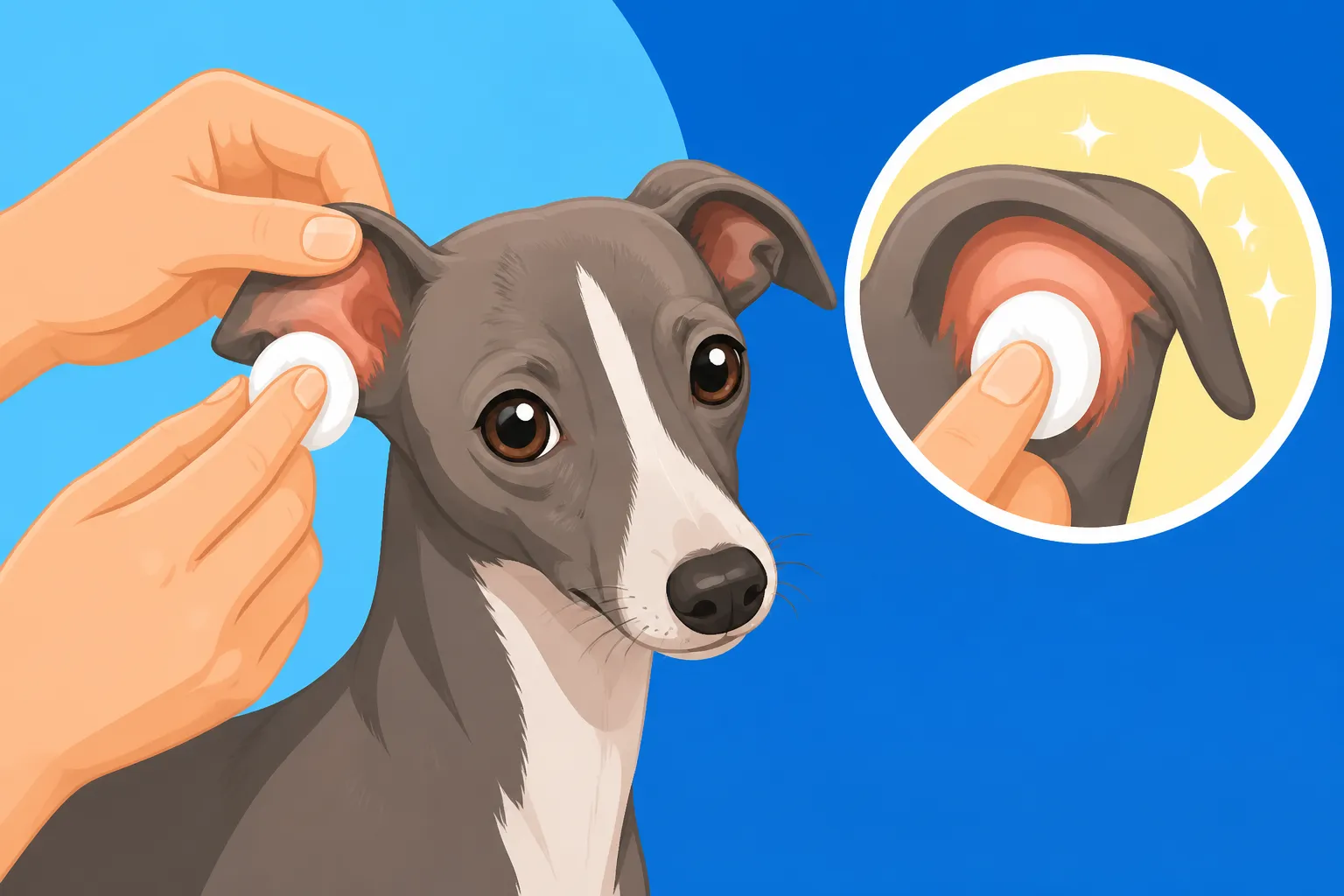
Soft Cotton Balls or Pads: These are your best friends for ear cleaning. They are soft, absorbent, and allow you to get into the folds without being abrasive. You can saturate a cotton ball with your chosen ear cleaner and gently wipe the visible parts of the ear. Make sure to use fresh cotton balls for each ear, and switch to a new one if it becomes visibly soiled.
Dog-Specific Ear Wipes: These are a fantastic convenience, especially if your Iggy isn't keen on liquid solutions. Many brands offer pre-moistened wipes infused with gentle cleaning agents. They're great for quick clean-ups of the outer ear and visible folds. Again, choose ones designed for sensitive dog ears and free from harsh chemicals.
Absolutely NO Q-Tips (Cotton Swabs): This is a critical rule! While tempting to use for perceived precision, Q-tips can be incredibly dangerous when used inside a dog's ear canal. You can accidentally push wax and debris deeper into the ear, potentially causing a blockage or even rupturing the eardrum. The ear canal of a dog has a different shape than a human's, making it even easier to cause harm. Stick to cleaning only the parts of the ear you can clearly see. If you can't see it, don't try to clean it yourself. Your veterinarian has specialized tools for deep ear cleaning if necessary.
In addition to your cleaning solution and cotton, have a few small treats on hand (maybe from a high-quality brand like Ollie, if your Iggy loves them!) to make the experience positive. A positive association will make future cleanings much smoother.
Step-by-Step Guide to Cleaning Your Italian Greyhound's Ears Safely
Cleaning your Italian Greyhound's ears doesn't have to be a wrestling match. With the right approach – focusing on calm, gentle movements and positive reinforcement – it can become a routine part of their care that causes minimal stress for both of you. Remember, their ears are delicate, and their trust is even more so.
Creating a Calm Environment for Your Sensitive Pup
Italian Greyhounds are often sensitive souls, easily startled by loud noises, sudden movements, or anything they perceive as a threat. This sensitivity extends to handling, especially around delicate areas like their ears. Therefore, setting the right atmosphere is crucial for a successful cleaning session.
First, choose a quiet time when your Iggy is relaxed, perhaps after a short walk or a cuddle session on the sofa. Avoid times when they're super energetic or when there's a lot of household commotion. Find a comfortable, well-lit spot where you can sit with your dog. Some people prefer sitting on the floor, others use a table (with non-slip matting for safety, of course) so they don't have to bend over. Make sure all your supplies are laid out within easy reach before you even bring your Italian Greyhound over. Fumbling for bottles and cotton balls will only add to their anxiety.
Speak to your Iggy in a soft, reassuring voice throughout the process. Offer praise and gentle strokes. If your dog gets particularly anxious, it might help to have a second person gently hold them or offer treats while you focus on the cleaning. The goal is to make this a calm, uneventful experience, building positive associations rather than dread. Even if it takes a little longer at first, the investment in a calm approach will pay dividends in future cooperation. What an Italian Greyhound Does All Day often involves a lot of napping, so perhaps try right after they wake up from one of those deep sleeps.
The Gentle Technique: How to Clean a Folded Ear Without Causing Discomfort
Now that you've got your supplies and a calm environment, it's time for the actual cleaning. Remember, gentle is the operative word here.
- Examine the Ear: Before you start, gently lift your Italian Greyhound's ear flap and take a good look inside. Note the color of the skin, the amount and type of wax, and if there's any redness, swelling, or odor. This initial check helps you decide if it's just a routine clean or if a vet visit is needed.
- Apply Solution to Cotton: Take a soft cotton ball or pad and generously moisten it with your veterinarian-approved ear cleaning solution. You want it damp, not dripping wet. Avoid squirting liquid directly into your Iggy's ear canal unless specifically instructed by your vet for a medical condition, as this can be startling and uncomfortable.
- Wipe the Visible Areas: Gently fold back your Iggy's ear and use the moistened cotton ball to wipe the inner surface of the ear flap and all the visible folds and crevices. Work from the inside out, removing any dirt, wax, or debris you can see. Be thorough but never dig deep into the ear canal. If the cotton ball gets dirty, discard it and use a fresh one. Repeat until the cotton comes away clean.
- Dry Gently: Once you've cleaned the visible areas, use a dry, clean cotton ball or soft tissue to gently blot any excess moisture from the ear. Ensuring the ear is dry is crucial, especially with those folded ears, to prevent moisture-related infections.
- Praise and Reward: As soon as you're done, offer lots of praise, cuddles, and that tasty treat. This positive reinforcement is vital for making the experience less stressful for your Italian Greyhound. You want them to associate ear cleaning with good things, not just unpleasant sensations.
Remember, you're only cleaning what you can see. The deep part of the ear canal has a self-cleaning mechanism, and probing it yourself can cause damage. If you suspect an issue deeper inside, that's a job for your vet.
Frequency and Maintenance for Healthy Italian Greyhound Ears
How often you need to clean your Italian Greyhound's ears isn't a one-size-fits-all answer. It largely depends on your individual dog, their environment, and their natural ear wax production.
For most Italian Greyhounds with healthy ears and no history of issues, a check and light cleaning every two to four weeks is generally sufficient. This routine helps prevent excessive wax build-up and allows you to catch any problems early. However, some Iggies might need more frequent attention, while others might only need a quick wipe every month or so.
Factors that might necessitate more frequent cleaning include:
- Allergies: Dogs with environmental or food allergies often have more ear wax or develop infections more easily.
- Humid Climates: If you live in a warm, humid area, moisture can accumulate faster in those ear folds.
- Outdoor Activities: If your Iggy loves to roll in the grass or explore dusty trails, their ears might collect more debris.
- Excessive Wax Production: Some dogs just naturally produce more ear wax.
It's a good practice to quickly check your Italian Greyhound's ears daily or every few days as part of your regular petting routine. Just a quick lift of the ear flap, a visual inspection, and a sniff can tell you a lot. If you notice any signs of irritation or excessive gunk, that's your cue for a more thorough cleaning, or a vet visit if signs point to infection. How Often an Italian Greyhound's Ears Need Checking is more important than a rigid cleaning schedule; let their ears tell you what they need.
Addressing Common Ear Cleaning Challenges and Misconceptions
Even with the best intentions and the gentlest approach, ear cleaning can sometimes present challenges. Knowing when to step back and seek professional help, and understanding what not to do, is just as important as knowing the proper technique.
When to Seek Veterinary Help: Signs of Infection or Deeper Issues
While routine cleaning is an essential part of Italian Greyhound care, there are definite red flags that indicate a problem beyond what you can handle at home. Delaying a vet visit when these signs appear can lead to more serious, painful, and costly issues.
You should always consult your veterinarian if you notice any of the following:
- Persistent Redness or Swelling: If the ear remains red or appears swollen even after a gentle cleaning, or if it feels hot to the touch.
- Strong, Foul Odor: A healthy ear should be relatively odorless. Any strong, yeasty, sweet, or foul smell is a clear indicator of infection.
- Excessive or Abnormal Discharge: Thick, yellow, green, or black discharge, especially if it's copious or smells bad, requires professional attention. Dark, coffee-ground-like debris strongly suggests ear mites.
- Pain or Sensitivity: If your Italian Greyhound cries out, flinches, or aggressively resists you touching their ear, they are likely in pain. Don't force cleaning; this could be a sign of a severe infection or injury.
- Head Tilt or Loss of Balance: A persistent head tilt, stumbling, or seeming disoriented can indicate a middle or inner ear infection, which is much more serious.
- Bleeding or Open Sores: Any blood or raw, open skin within the ear.
- No Improvement with Home Cleaning: If you've tried a gentle cleaning and the symptoms persist or worsen within a day or two.
A veterinarian, especially one who understands the delicate nature of sighthounds like your Iggy – it might be worth finding a sighthound-savvy vet (Finding a Surgeon Who Has Plated an Italian Greyhound), even for ears, because they often have more general sighthound knowledge – can properly diagnose the issue using an otoscope to look deep into the ear canal, and perform tests on any discharge to identify bacteria or yeast. They can then prescribe appropriate medication, whether it's antibiotics, antifungals, or anti-inflammatories. Early intervention is key to preventing chronic ear problems.
Debunking Ear Cleaning Myths: What Not to Do
There are many well-meaning but ultimately harmful ideas floating around about ear cleaning. Let's set the record straight to ensure you're giving your Italian Greyhound the safest, most effective care.
Myth 1: You need to clean your dog's ears really deeply to get all the gunk out.
- Reality: As mentioned, never insert anything beyond what you can clearly see into your dog's ear canal. A dog's ear canal is L-shaped, and you can easily push debris deeper, compacting wax, or even perforating the eardrum. Stick to wiping the visible folds and outer ear. The inner ear is self-cleaning, and if there's a problem deeper, it requires a vet.
Myth 2: Hydrogen peroxide or rubbing alcohol is great for cleaning ears.
- Reality: Absolutely not for routine cleaning! While these might be used for initial wound cleaning, they are far too harsh for the delicate tissues of a dog's ear canal. Alcohol can be very drying and irritating, causing inflammation and discomfort. Hydrogen peroxide can damage healthy cells and leave too much moisture in the ear, making it prone to infection. Always use a solution specifically formulated for canine ears.
Myth 3: You should clean your dog's ears every day to keep them pristine.
- Reality: Over-cleaning can be just as detrimental as under-cleaning. Excessive cleaning can disrupt the natural balance of beneficial bacteria and yeast in the ear, strip away protective ear wax, and irritate the skin. This can paradoxically make your Italian Greyhound more prone to infections. Stick to a regular schedule that suits your dog's needs, typically every 2-4 weeks, and adjust if they're particularly dirty from an activity.
Myth 4: If my dog's ears smell bad, I just need to clean them more vigorously.
- Reality: A strong odor is a sign of an infection, not just dirt. While cleaning might temporarily mask the smell, it won't resolve the underlying issue. Vigorous cleaning can further irritate an already inflamed ear. If there's a foul odor, it's time for a vet visit, not a more aggressive home cleaning. Trying to self-treat an infection can lead to it worsening or spreading.
Long-Term Ear Health: Beyond Routine Cleaning
While wiping away visible wax and dirt is crucial, truly maintaining your Italian Greyhound's ear health involves more than just a cotton ball and cleaner. It's about understanding the broader factors that impact their well-being, from their environment to their dinner bowl.
Environmental Factors That Influence Ear Health
Your Italian Greyhound's ears are constantly interacting with their environment, and certain factors can significantly influence their health. Being aware of these can help you take preventative measures.
Humidity: Italian Greyhounds often enjoy being indoors, but if you live in a naturally humid climate, or if your home runs warm and moist, those folded ears can become a breeding ground for yeast and bacteria. Remember, these microbes thrive in damp, dark conditions. After baths, ensure their ears are thoroughly dried, not just the outer coat. If your Iggy spends time outdoors in very humid weather, a quick check and gentle wipe of the outer ear might be beneficial.
Allergens: Just like humans, dogs can suffer from environmental allergies to pollen, dust mites, or molds. A common symptom of allergies in dogs is recurrent ear infections. If your Italian Greyhound frequently experiences itchy, red ears or develops infections despite consistent cleaning, allergies could be the culprit. Your vet might suggest allergy testing or dietary changes.
Swimming and Water Exposure: While many Italian Greyhounds aren't big swimmers, any water getting into their ears can be problematic. If your Iggy does get wet around the head during a bath or outdoor playtime, always make sure to gently dry the outer ear folds. Some owners even place cotton balls (removed immediately afterward!) in their dog's ears before bathing to prevent water ingress.
Dust and Debris: Living in a dusty environment or frequent trips to parks or outdoor areas with lots of loose dirt can lead to more debris accumulating in the ear folds. A quick visual check after these activities can help you stay on top of any build-up. Consider how much effort you put into Setting Up a House an Italian Greyhound Cannot Break a Leg In, and extend that care to considering their environment for ear health too.
Diet and Overall Wellness: A Holistic Approach to Ear Care
You might not immediately connect what your Italian Greyhound eats with the health of their ears, but nutrition plays a surprisingly vital role in overall skin and coat health, which includes those sensitive ear tissues.
A balanced, high-quality diet provides all the essential nutrients your Iggy needs for a strong immune system and healthy skin barrier. When the immune system is robust, it's better equipped to fight off opportunistic infections, including those that can take hold in the ears. Skin allergies, which often manifest as itchy, inflamed ears, can sometimes be linked to food sensitivities. If your Italian Greyhound experiences chronic ear issues, discussing their diet with your veterinarian is a smart move. They might suggest a limited ingredient diet or a food specifically formulated for sensitive skin.
Brands like Ollie, which focus on fresh, human-grade ingredients, or high-quality kibbles found on Chewy or Amazon, can contribute to overall wellness. Ensuring your Italian Greyhound gets enough Omega-3 fatty acids, often found in fish oils, can also promote healthy skin and reduce inflammation throughout the body, including the ears.
Beyond diet, general wellness practices such as regular exercise, maintaining a healthy weight, and stress reduction all contribute to a stronger immune system. An Italian Greyhound with a healthy immune system and a robust skin barrier is simply less likely to succumb to recurring ear infections. It’s all interconnected – a happy, healthy Iggy from nose to tail (and ear to ear!) is the goal. Remember, your Iggy's overall Why an Italian Greyhound Lives Fourteen to Fifteen Years is a testament to comprehensive care, and that includes diligent ear maintenance.
Disclaimer
This article is for general informational purposes only and does not constitute professional advice. Laws, prices and regulations vary by location and change over time. Consult a qualified professional for guidance on your specific situation.