Whether a Neutered Italian Greyhound Gains Weight
It's a really common worry for Italian Greyhound owners: you're doing right by your beloved companion by having them neutered, but then you hear whispers or read articles about pets piling on the pounds afterward. It feels like a catch-22, doesn't it? You want them healthy, but you certainly don't want them getting chunky and impacting their delicate joints or overall health. This guide is here to shed some light on why weight gain can occur after an Italian Greyhound is neutered and, more importantly, how you can proactively prevent it, ensuring your sighthound stays sleek, happy, and healthy for years to come.
The Hormonal Shift After Neutering and Its Impact on Metabolism
Let's be real, neutering is a significant procedure, and it brings about some very real physiological changes in your Italian Greyhound. One of the biggest, and often least discussed, impacts is on their hormone levels. For male dogs, neutering removes the testes, which are the primary producers of testosterone. This sudden drop in a key hormone can kick off a chain reaction that affects their metabolism and, consequently, their weight.
Understanding Testosterone and Metabolism
Testosterone isn't just about male reproductive functions; it plays a crucial role in a dog's overall metabolism and body composition. Think of it as a natural metabolic booster. It helps maintain muscle mass, which in turn burns more calories, even at rest. It also contributes to higher energy levels and a more active disposition. For an Italian Greyhound, a breed already known for its lean, athletic build and incredibly high metabolism, these hormonal influences are particularly finely tuned. They carry Why an Italian Greyhound Carries Almost No Body Fat, and every bit of that is hard-won.
When testosterone levels are high, your IG's body is naturally more efficient at burning calories and building or maintaining lean muscle. This means they can often eat a bit more without gaining weight, simply because their internal furnace is roaring. They're built for speed and agility, and their natural physiology supports that.
Why a Drop in Hormones Affects Energy Burn
Once your Italian Greyhound is neutered, those testosterone levels plummet. This isn't a bad thing for their overall health or behavior, but it does mean their metabolism will naturally slow down a notch. It's like turning down the heat on that internal furnace. Their body no longer has that same hormonal push to burn calories at the same rate.
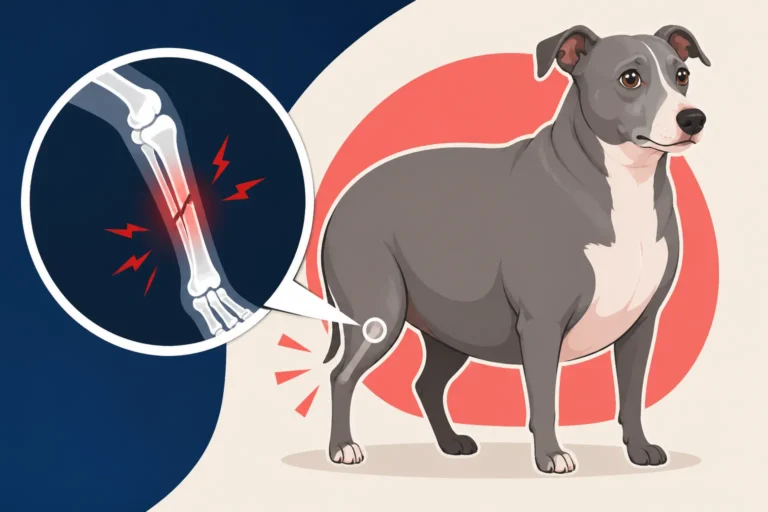
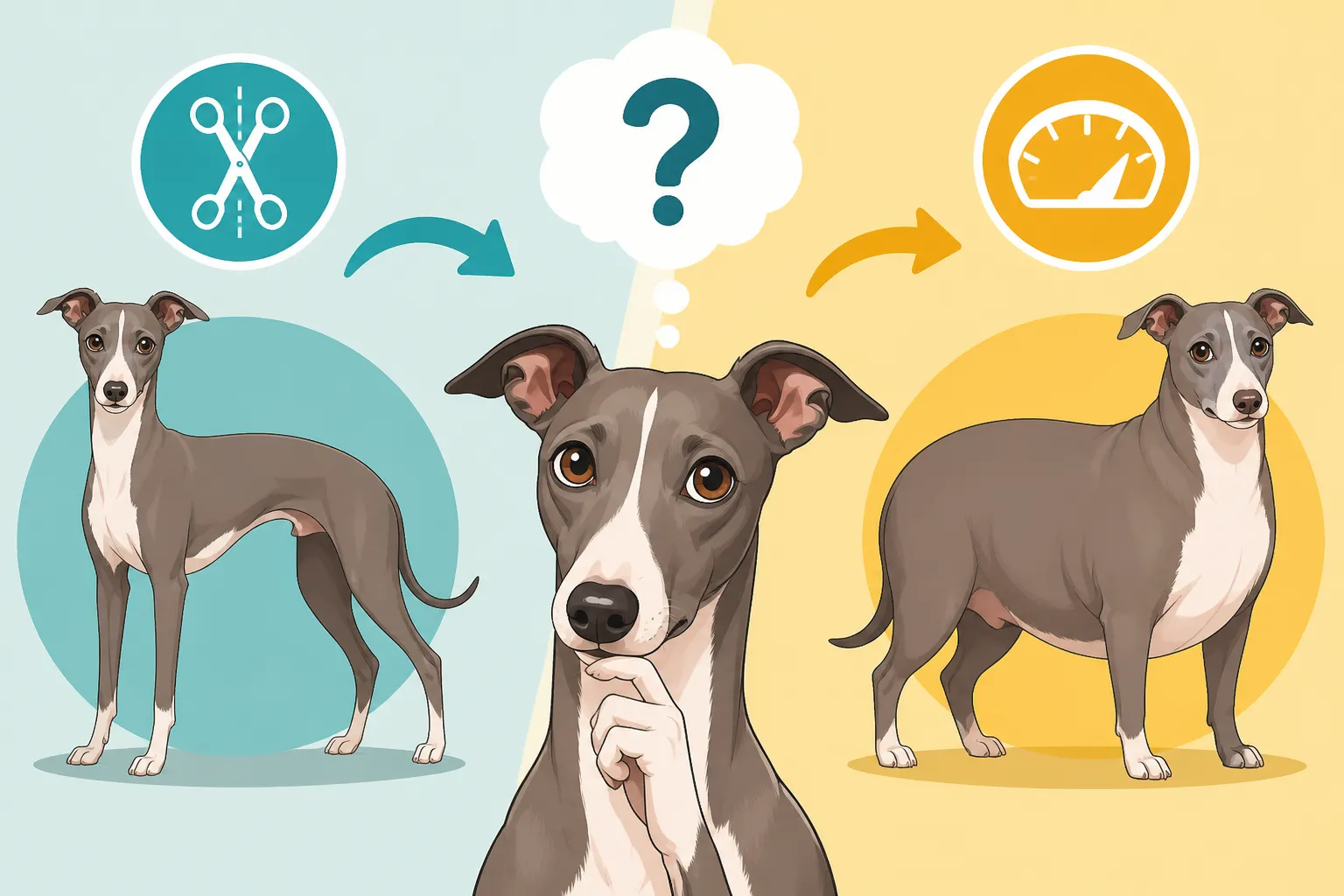
This isn't to say they'll suddenly become obese overnight, but it does mean their caloric needs will decrease. If their food intake and exercise regimen remain exactly the same as before neutering, they will likely start storing those extra, unburned calories as fat. For a breed as slender as an Italian Greyhound, even a small amount of extra weight can be surprisingly noticeable and, more importantly, put undue stress on their delicate bone structure. We're talking about a breed whose bones are already prone to issues, so maintaining an ideal weight is paramount.
The Italian Greyhound's Unique Metabolic Needs
Italian Greyhounds are often described as having "paper-thin skin" and a very low body fat percentage, typically around 17% or less. They’re built for sprinting, not for carrying extra cushioning. Their active nature and fast metabolism mean they burn through calories quickly. You often see their ribs and hip bones, which is normal and healthy for the breed. This characteristic makes them particularly susceptible to the effects of a slowed metabolism post-neutering.
Because they are already so lean, any weight gain tends to be quite visible and can quickly lead to health concerns that wouldn't be as pronounced in a stockier breed. For example, excess weight can stress their joints, which are already vulnerable, potentially increasing the risk of issues like Patellar Luxation in an Italian Greyhound. Their thin skin also means less natural padding against pressure points if they gain weight, making them more prone to sores if their beds aren't right. It’s all interconnected, and it truly emphasizes why paying attention to their weight after neutering is so crucial.
Lifestyle Changes That Contribute to Post-Neuter Weight Gain
It's not just the hormonal shifts; often, unconscious changes in daily routine and feeding habits also play a significant role in a neutered Italian Greyhound gaining weight. As owners, we mean well, but sometimes our habits shift without us even realizing it, or we misinterpret our dog's post-surgery recovery as a permanent need for less activity.
Decreased Activity Levels
After any surgery, including neutering, there's a recovery period where your vet will advise restricted activity. This is completely necessary for proper healing. However, sometimes this period of quiet can inadvertently extend, or owners might assume their dog is simply less energetic once the procedure is done. Your IG might also feel a bit more subdued initially, further reinforcing this idea.
An Italian Greyhound needs regular exercise to stay fit and mentally stimulated. While they might enjoy a good cuddle session, they also thrive on short, fast bursts of running and daily walks. If those daily zoomies become less frequent, or walks shorten, the calories they were burning pre-neuter are now simply accumulating. It’s vital to gradually reintroduce and then maintain a consistent exercise routine once your vet gives the all-clear, ensuring your Italian Greyhound gets How Much Exercise an Italian Greyhound Needs. They might seem content to nap, but don't let their love for blankets fool you into thinking they don't need to move!
"Comfort Feeding" and Unconscious Overfeeding
Let's face it, we love to spoil our dogs, and food is often a primary way we show affection. After surgery, there's a natural tendency to want to "comfort" them with extra treats or perhaps be less strict with portion sizes, thinking they deserve a little extra TLC. Even slight increases in daily calories can add up quickly, especially for a small dog like an Italian Greyhound whose caloric needs are relatively low.
You might also find yourself less diligent about measuring kibble. A scoop that seems "about right" can easily contain more calories than your dog actually needs, especially if their metabolism has slowed. Consider the difference between a precisely measured How Much an Adult Italian Greyhound Eats versus a generous pour. Those little extra bits from your plate, those seemingly harmless training treats, or the spoonful of peanut butter can all contribute significantly to their daily intake. It's not uncommon for owners to not realize how much they're actually feeding until they start tracking it.
The Importance of Mental Stimulation
Weight gain isn't always purely about physical calories and exercise. Mental well-being plays a part too. A bored Italian Greyhound can sometimes seek comfort or stimulation in food. If their routine becomes too sedentary or they're not challenged mentally, they might start nudging for extra treats or showing more interest in food bowls out of sheer boredom.
Italian Greyhounds, despite their delicate appearance, are intelligent and sensitive dogs. They benefit from puzzle toys, short training sessions, and opportunities to sniff and explore. If their physical activity is lower, ensuring their minds are engaged becomes even more critical. A dog that is mentally stimulated is often a happier, more balanced dog, less likely to resort to constant food seeking as an activity. Keeping them busy and engaged with appropriate toys and training can go a long way in preventing boredom-induced snacking.
Practical Strategies to Prevent Weight Gain in Your Neutered Italian Greyhound
The good news is that post-neuter weight gain is absolutely preventable with a proactive approach. It's all about making conscious adjustments to their diet and lifestyle to match their new physiological reality. It might feel like a bit of an effort at first, but it quickly becomes second nature.
Adjusting Food Portions and Caloric Intake
This is arguably the most critical step. Since your Italian Greyhound's metabolism will likely slow down, their caloric needs will decrease. It’s important to work with your veterinarian to determine the ideal caloric intake for your specific dog, taking into account their age, activity level, and current weight. As a general rule, many vets suggest reducing their intake by about 20-30% after neutering, but this is a guideline, not a hard-and-fast rule.
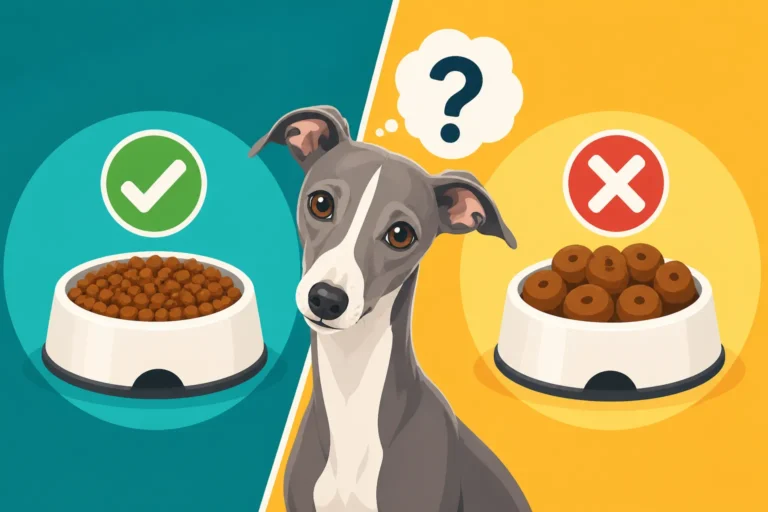
You might need to transition to a food that is slightly lower in calories or simply feed less of their current food. Precision is key here. Invest in a proper measuring cup or, even better, a kitchen scale to weigh out their food. This ensures you're giving the exact amount needed. Don't just eyeball it. Many high-quality dog food brands, which you can find readily on platforms like Chewy or even specialized, fresh-food services like Ollie, provide detailed feeding guidelines. Remember that even if you're feeding Whether an Italian Greyhound Should Be Fed Twice a Day, both meals together should not exceed their new daily caloric allowance.
Boosting Activity and Exercise
Once your Italian Greyhound has fully recovered from surgery, it's time to get them moving! Consistent, appropriate exercise is vital. While they might not be built for long-distance endurance, they absolutely thrive on short, intense play sessions and regular walks.
Here are a few ideas:
- Daily Walks: Aim for at least two walks a day, even if they're just 15-20 minutes each. These don't have to be marathons, but consistent movement helps burn calories and maintain muscle tone.
- Indoor Zoomies: Italian Greyhounds are famous for their bursts of energy indoors, especially if it's cold or wet outside. Encourage these "zoomies" by playing with toys in a safe, open space. This is a fantastic way for them to burn off energy. The Indoor Zoomies an Italian Greyhound Gets are more than just cute; they're essential exercise.
- Playdates: If your IG enjoys the company of other appropriate-sized, gentle dogs, playdates can be a great way to encourage activity. Always supervise closely, though, as their delicate build makes them vulnerable to injury from rough play.
- Training and Brain Games: Incorporate short, fun training sessions or hide-and-seek games with their toys or a portion of their kibble. Mental exercise can be surprisingly tiring and helps keep them engaged.
Smart Snacking and Healthy Treats
Treats don't have to be eliminated entirely, but they need to be chosen wisely and given in moderation. Instead of high-calorie biscuits, opt for low-calorie alternatives.
- Vegetables: Many Italian Greyhounds love small pieces of carrots, green beans, or cucumber. These are low in calories and provide a satisfying crunch. Always check with your vet for safe vegetable options.
- Fruit in Moderation: Small pieces of apple (no seeds!) or berries can be a welcome treat. Again, moderation is key due to sugar content.
- Training Treats: When training, break treats into tiny, pea-sized pieces to minimize caloric intake. Choose treats specifically labeled as low-calorie.
- Interactive Toys: Stuff a puzzle toy with a portion of their regular kibble instead of extra treats. This makes them "work" for their food and provides mental stimulation.
Regular Weight Monitoring and Vet Check-ups
One of the best ways to prevent significant weight gain is to catch it early. Get into the habit of regularly monitoring your Italian Greyhound's weight.
- Weekly Weight Checks: You can purchase a pet scale, available from retailers like Amazon, or simply weigh yourself holding your dog, then weigh yourself alone, and subtract the difference. This gives you a good baseline. You should know What an Italian Greyhound Should Weigh for their build.
- Body Condition Scoring: Learn how to assess your dog's body condition. You should be able to easily feel their ribs without pressing hard, see a distinct waist when viewed from above, and a noticeable tuck-up from the side. Being able to How to Feel an Italian Greyhound's Ribs is a vital skill.
- Veterinary Check-ups: Regular vet visits are crucial. Your vet can provide an objective assessment of your dog's weight, body condition score, and advise on any necessary dietary adjustments. Don't skip those annual wellness exams.
Here's a quick comparison of pre and post-neuter considerations for managing your Italian Greyhound's weight:
| Aspect | Before Neutering | After Neutering |
|---|---|---|
| Metabolism | Higher due to reproductive hormones | Slightly slower due to reduced hormones |
| Caloric Needs | Generally higher to maintain weight | Lower; often needs reduction to prevent gain |
| Food Portions | May tolerate larger portions/more treats | Must be precisely measured and often reduced |
| Exercise Intensity | High energy often means burning calories effortlessly | Consistent, intentional exercise becomes more critical |
| Treats | Can be given with less scrutiny | Should be low-calorie, limited, and chosen wisely |
| Weight Monitoring | Good practice, but less urgent for prevention | Essential and regular; early detection is key |
| Vet Advice | Focus on growth and overall health | Focus on metabolic changes, specific dietary adjustments |
Recognizing the Signs of Weight Gain and Addressing It Proactively
Sometimes, despite our best efforts, a little weight can creep on. The key is recognizing the signs early and taking action rather than letting it become a more significant issue. For a breed like an Italian Greyhound, every extra pound carries more risk than it would for a heavier-boned dog.
The Visual and Palpation Test
You are your Italian Greyhound's first line of defense against weight gain. Regularly performing a visual and palpation (touch) test is simple and effective.
- Visual Test: Stand over your Italian Greyhound and look down at their back. You should see a distinct "waistline" or hourglass shape where their abdomen tucks in behind the ribs. When you view them from the side, their belly should tuck up from their rib cage to their hindquarters, not hang low or appear straight across. If they're starting to look more like a sausage or a brick, that's a red flag.
- Palpation Test: Gently run your hands along their sides. You should be able to easily feel their ribs with minimal pressure, almost like feeling the back of your hand. If you have to press firmly to feel them, or if you can't feel them at all, your Italian Greyhound is likely carrying too much fat. You should also be able to feel their hip bones without them protruding sharply. These simple checks are crucial indicators; pay attention to Signs an Italian Greyhound Is Overweight.
What to Do if Your IG is Gaining Weight
If you've noticed your neutered Italian Greyhound is gaining weight, don't panic, but do act. Proactive intervention is far easier and healthier than trying to shed many pounds later.
- Re-evaluate Food Intake: Go back to basics. Are you meticulously measuring their food? Have you factored in all treats and table scraps? Consider slightly reducing their daily portions. Even a small cut, like a quarter cup of kibble, can make a difference over time.
- Increase Exercise Safely: If your vet has cleared them for full activity, incrementally increase their walks or play sessions. Extend a walk by 5-10 minutes, or add another short play session to their day. Remember, the goal is consistent, moderate activity rather than sporadic bursts that could lead to injury. For their delicate frame, avoid high-impact activities or interactions with large, boisterous dogs.
- Switch to Lower-Calorie Options: This might mean transitioning to a "weight management" or "light" formula dog food, or simply incorporating more lean proteins and safe vegetables into their diet as fillers. Always make dietary changes gradually over several days to avoid upsetting their stomach.
- Consult Your Veterinarian: If you're unsure how to proceed, or if your Italian Greyhound's weight gain seems significant, make an appointment with your vet. They can help you calculate exact caloric needs, rule out any underlying medical conditions that might contribute to weight gain (though less common after neutering unless other issues are present), and recommend a safe weight loss plan. They can also discuss whether switching to something like Whether an Italian Greyhound Needs Small Breed Kibble is the right choice, as these are often formulated with different caloric densities. Getting Weight Off an Overweight Italian Greyhound requires a structured approach, and your vet is your best partner in this.
Remember, an Italian Greyhound's lifespan is long, often Why an Italian Greyhound Lives Fourteen to Fifteen Years, and keeping them at an ideal weight is one of the most important things you can do to ensure those years are full of health and happiness, free from the complications that extra weight can bring.
Disclaimer
This article is for general informational purposes only and does not constitute professional advice. Laws, prices and regulations vary by location and change over time. Consult a qualified professional for guidance on your specific situation.