Whether an Italian Greyhound Needs a Cone After Stitches
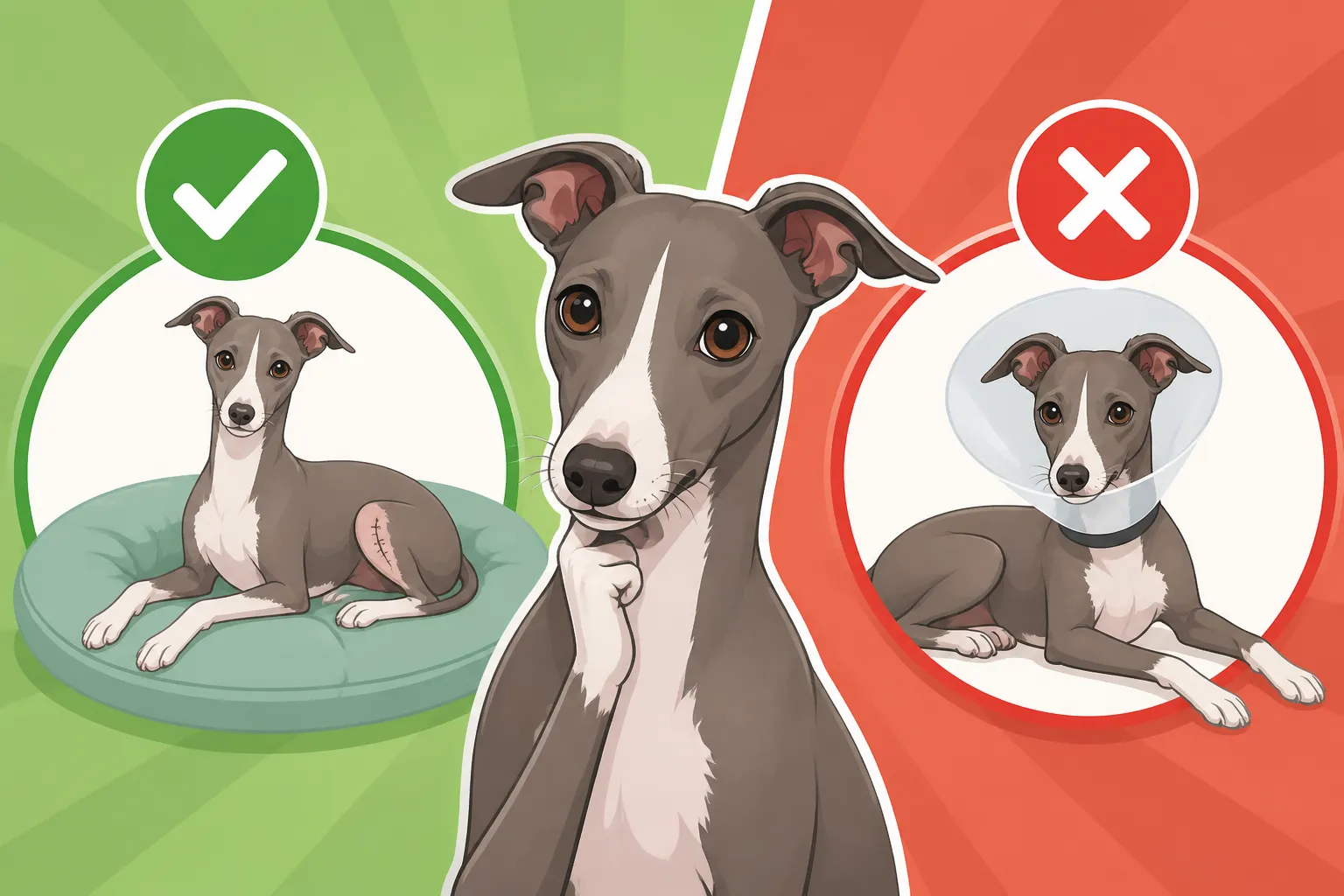
Bringing your beloved Italian Greyhound home after surgery, be it a routine spay or neuter, or something more serious like a fracture repair, is always a relief mixed with anxiety. You want them to heal quickly and comfortably, but then comes the dreaded "cone of shame" – that big, plastic Elizabethan collar that vets almost universally recommend. It feels like an added punishment, making you wonder if it's truly necessary for your delicate companion. This guide will walk you through why that cone is indeed a crucial part of your Italian Greyhound's recovery after stitches, exploring alternatives, and how to make the experience as gentle as possible.
Understanding Why the Cone (E-Collar) Is So Often Necessary for Italian Greyhounds
It's natural to feel bad for your Italian Greyhound when they're sporting an E-collar. They bump into everything, struggle to eat, and generally look miserable. But there's a very good reason your vet insists on it, especially for our sighthound friends. Their unique physiology and natural instincts combine to make self-trauma a real threat to proper healing.
The Delicate Nature of Italian Greyhound Skin and Stitches
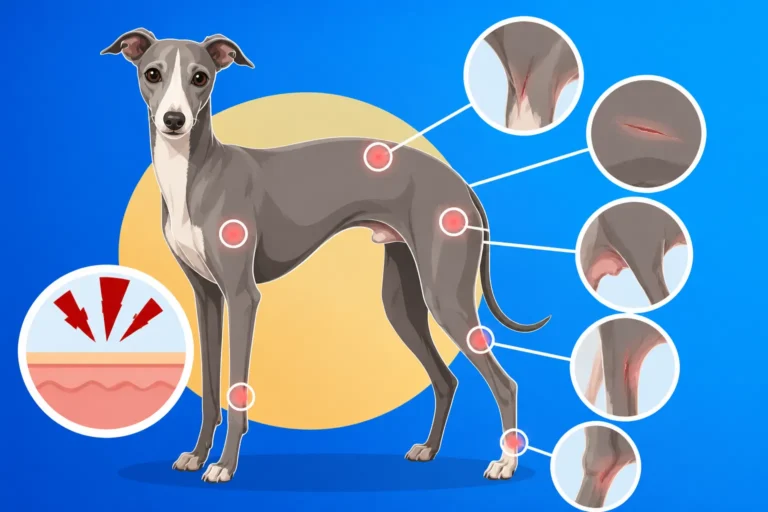
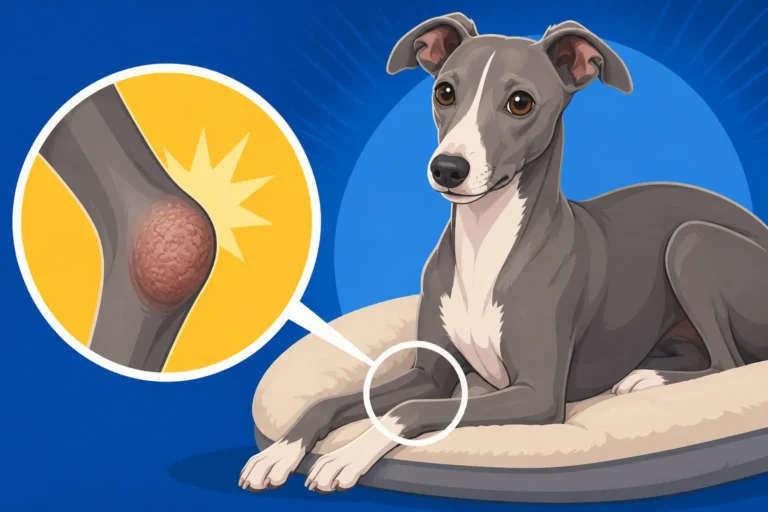
One of the defining characteristics of an Italian Greyhound is their incredibly fine, thin skin. It’s almost like tissue paper compared to many other breeds. While this contributes to their elegant appearance, it also means their skin is far more fragile and susceptible to injury. When incisions are made and stitches are placed, this delicate skin is even more vulnerable. The stitches themselves, tiny threads holding the edges of a wound together, can become easily irritated or torn if your IG licks, chews, or even just scratches at them with a hind paw.
Imagine the frustration of seeing a beautifully closed incision suddenly become an open wound again because your dog managed to pull out a stitch or two. This isn't just a minor setback; it can lead to complications like infection, delayed healing, or even necessitate another trip to the vet for re-stitching, which is both stressful and costly. For Italian Greyhounds, whose bone structure is also quite delicate (think Why an Italian Greyhound's Radius Is the Bone That Breaks), any surgical repair, like that for A Broken Leg Is the Emergency Every Italian Greyhound Owner Fears, makes the integrity of the skin and stitches paramount to recovery.
The Instinct to Lick and Chew: A Dog's Natural Response
While we might interpret a dog licking a wound as an attempt to self-soothe or clean, it’s actually one of the biggest threats to a healing incision. A dog's mouth, despite what some might think, is full of bacteria. When they lick an open wound or a freshly stitched area, they're introducing all sorts of microbes that can lead to infection. Saliva, while having some antimicrobial properties, isn't enough to prevent infection, and the constant moisture can break down skin cells and macerate the wound edges, hindering the natural healing process.
Beyond simple licking, many dogs will try to chew at their stitches. This is often driven by irritation, itchiness, or simply curiosity. A few minutes of unsupervised chewing can be all it takes for your Italian Greyhound to remove stitches, opening the incision completely. This is a common and heartbreaking scenario for owners, turning what should be a straightforward recovery into a prolonged and potentially dangerous ordeal. Whether it's a spay incision or the site of a complex What Fracture Repair Costs on an Italian Greyhound, protecting those sutures is absolutely vital.
Specific Scenarios Where a Cone Is Non-Negotiable
There are certain situations where a cone isn't just a good idea; it's practically essential for your Italian Greyhound's safety and successful recovery. Any surgical incision, from the simplest to the most complex, almost always falls into this category. This includes routine procedures like spays and neuters, but also more involved surgeries such as those for orthopedic issues, tumor removals, or even extensive dental work like what happens after What Happens During an Italian Greyhound's Dental where gumline stitches might be present.
Furthermore, if your Italian Greyhound has sustained an injury requiring sutures, such as a deep cut or tear (which is not uncommon given Why an Italian Greyhound's Skin Tears), protecting that repair is equally important. Italian Greyhounds are incredibly flexible and agile, capable of reaching almost any part of their body. Their long necks mean they can contort themselves to get at stitches on their legs, flanks, bellies, and even sometimes their chests or backs. If your vet recommends an E-collar, trust that it's because they understand the breed's vulnerabilities and the high risk of self-trauma.
Navigating the Cone of Shame: Alternatives and Practical Tips
We get it. The cone of shame is, well, shameful. It makes your sleek, graceful Italian Greyhound look like a walking satellite dish, and it can be truly heartbreaking to see them struggle. But while the traditional plastic cone is highly effective, it's not the only option, and there are definitely ways to make the experience less traumatic for everyone involved.
The Limitations and Frustrations of Traditional E-Collars
Let's be honest, traditional rigid plastic E-collars come with a whole host of frustrations. Your Italian Greyhound will likely bump into furniture, doorframes, and your legs, making a clatter that echoes through the house. Their peripheral vision is severely restricted, which can make them anxious and disoriented. Eating and drinking often become a messy, awkward affair, sometimes requiring raised bowls or for you to remove the cone (under strict supervision, of course).
Sleeping can be a challenge too, as the cone can prevent them from curling up comfortably or resting their head. These collars can be heavy and cumbersome, especially for a small, delicate breed like an Italian Greyhound. The overall misery your dog expresses can be incredibly tough to witness, leading many owners to try and find alternatives or cheat the system, often to their dog's detriment. The desire to provide comfort is strong, but sometimes tough love is necessary for healing.
Exploring Cone Alternatives for Italian Greyhounds
Thankfully, the market has evolved, and there are now several alternatives to the classic plastic E-collar that might offer a more comfortable experience for your Italian Greyhound, depending on the location of the stitches and your dog's temperament.
- Inflatable Collars (Donut Collars): These collars inflate like a neck pillow, preventing your dog from bending their neck enough to reach the wound.
- Pros: They are much softer and generally allow for better peripheral vision, making navigation easier. Many dogs tolerate them better for eating and sleeping. They're often quieter than plastic cones. You can find options on Amazon or Chewy.
- Cons: They might not prevent access to wounds on very long legs or tails, or certain areas of the body if your IG is particularly flexible. Some dogs find them hot, and they can sometimes be chewed through if your dog is determined.
- Soft E-Collars: These collars are made from flexible fabric, sometimes with stays to hold their shape.
- Pros: Lighter, quieter, and less prone to breaking. They can be more comfortable for sleeping and feel less restrictive to some dogs.
- Cons: Because they are flexible, a determined Italian Greyhound might be able to bend the collar just enough to reach the stitches, especially on the feet or tail. They can also get dirty easily.
- Surgical Recovery Suits (Onesies): These are full-body garments designed to cover and protect surgical sites on the torso and sometimes legs.
- Pros: They allow full freedom of movement, no vision impairment, and often reduce stress as the dog doesn't feel confined by a cone. Many dogs adapt to them quickly. Brands available on sites like Chewy or Amazon often offer various sizes and styles. They can be particularly helpful after a spay incision.
- Cons: Not suitable for all wound locations (e.g., head, lower legs, tail). They can become soiled during potty breaks if not designed with an opening, or if your dog has an accident. Some IGs might still try to chew through the fabric, or they can get hot in warmer climates. They require regular washing.
- Custom-Fitted Coverings or Bandages: In very specific cases, and only with strict veterinary guidance and application, specialized bandages or coverings might be used.
- Pros: Directly covers and protects the wound without impacting the dog's movement or vision.
- Cons: Requires professional application and frequent changes to prevent moisture build-up, skin irritation, and ensure the wound is clean. If not done perfectly, they can cause more harm than good, cutting off circulation or allowing the dog to still access the wound. This is generally reserved for situations where a cone is absolutely impossible or ineffective.
Making the Cone Experience as Comfortable as Possible
Regardless of the type of protective collar or suit you choose, there are practical steps you can take to make the recovery period smoother for your Italian Greyhound.
First, if you know surgery is coming, try to introduce the cone beforehand. Let them wear it for short periods, giving treats and praise, so it's not a complete shock after surgery.
When they are wearing the cone, adjust your home environment. Clear pathways to prevent bumping. Use raised food and water bowls, or temporarily remove the cone for meal times, supervising closely to ensure no licking or chewing occurs. For a picky eater or one struggling to reach, consider offering softer food options, perhaps from a brand like Ollie, that might be easier to manage in a cone.
Ensure your Italian Greyhound has plenty of soft, comfortable bedding. They already Why an Italian Greyhound Carries Almost No Body Fat and can get pressure sores easily. Providing extra blankets or a cozy donut bed where they can still rest their head within the cone can make a huge difference. Supervised outdoor time for potty breaks is crucial, and remember to bundle them up if it's chilly, as they feel the cold easily, especially if they're still recovering from anesthesia which can leave them feeling extra cold. Use positive reinforcement and distraction with toys or gentle petting to keep their minds off the cone and the stitches.
Long-Term Healing and Preventing Future Incidents
The cone is a temporary necessity, but the healing process extends far beyond its removal. Proper post-operative care and proactive measures can ensure a full recovery and help prevent future injuries that might require stitches.
Monitoring the Stitched Area for Complications
Your job as an Italian Greyhound owner doesn't end when you put the cone on. Diligent monitoring of the stitched area is critical. Regularly (as instructed by your vet) check the incision for any signs of complications. Look for excessive redness, swelling, or heat around the wound. Any discharge that is not clear or a foul odor are immediate red flags. Of course, visibly missing or damaged stitches mean you need to call your vet right away.
It's also important to watch your dog's behavior. Are they excessively lethargic, refusing to eat, or showing signs of pain despite medication? These could indicate a deeper problem. Always follow your vet's post-operative instructions to the letter regarding medication, wound cleaning, and activity restrictions. An Italian Greyhound often How an Italian Greyhound Hides Pain, so even subtle changes in their demeanor can be important clues.
Gradual Reintroduction to Normal Activity and Cone Removal
Your veterinarian will provide a specific timeline for when the cone can be removed and when your Italian Greyhound can gradually return to their normal activity level. Do not rush this process. Removing the cone too soon, even if the external stitches look healed, can be detrimental. Internal layers of tissue take longer to gain strength, and vigorous activity or unprotected access to the site can cause internal wound breakdown or a seroma (fluid build-up).
When the time comes, start with supervised periods without the cone. Watch closely for any attempts to lick or chew. Gradually increase these periods over a few days. Even after the cone is off completely, remember that the skin and underlying tissues are still in a remodeling phase for several weeks. Continue to monitor the incision for any changes and restrict strenuous activity as advised by your vet. If the stitches were due to something like a broken leg, the rehabilitation will be even more extensive, ensuring Whether an Italian Greyhound Regains Full Use of the Leg.
Proactive Measures to Protect Your Italian Greyhound
While some stitches are unavoidable due to health issues or unforeseen accidents, many can be prevented with proactive care. For Italian Greyhounds, whose bones are so delicate, preventing falls and jumps that could lead to fractures requiring surgery and stitches is paramount. Installing Ramps and Steps for an Italian Greyhound's Furniture can significantly reduce the risk of leg breaks from jumping off sofas or beds.
Regular How Often an Italian Greyhound Needs a Wellness Exam allows your vet to catch potential health issues early, which might prevent more invasive procedures down the line. Discussing surgical options and wound closure techniques with your vet beforehand can also be helpful. Being prepared for potential costs, like those covered in What an Italian Greyhound's Emergency Vet Visit Costs, can also reduce stress during an unexpected event. Investing in appropriate safety measures and being vigilant about their environment are key to keeping your delicate Italian Greyhound healthy and stitch-free.
Weighing the Benefits Against the Burden
Ultimately, the decision to use a cone or an alternative protective device comes down to prioritizing your Italian Greyhound's health and successful recovery over temporary inconvenience. It’s a short-term struggle for a long-term benefit.
The Peace of Mind a Cone Provides
The primary benefit of a cone, or any effective protective barrier, is the profound peace of mind it offers you as an owner. Knowing that your Italian Greyhound cannot access their stitches means you can worry less about them tearing the wound open, introducing infection, or delaying healing. This dramatically reduces the chances of needing costly follow-up veterinary visits for complications, re-stitching, or antibiotic treatments. It's a simple, albeit cumbersome, device that does a critical job: it protects your dog from themselves.
While you might hate seeing your elegant companion in such an awkward contraption, remember that it's a testament to your commitment to their well-being. The immediate discomfort of the cone is a small price to pay for a smooth, infection-free recovery.
When a Cone Might Not Be Strictly Necessary (Vet Discretion)
There are very rare instances where a cone might be deemed less critical, but these decisions always rest solely with your veterinarian. For example, if a wound is in an extremely hard-to-reach area where even the most flexible Italian Greyhound couldn't possibly lick, or if it's a very superficial, tiny wound. Sometimes, a dog might have an exceptionally calm temperament and show absolutely no interest in their incision. However, for a breed as sensitive and prone to Why an Italian Greyhound's Skin Tears as the Italian Greyhound, these cases are few and far between.
Never make the decision to forgo the cone on your own. If you have concerns or believe an alternative might be better, have an open conversation with your vet about the specific location and nature of your dog's stitches and their individual behavior.
Embracing the Temporary Inconvenience for Long-Term Health
It's easy to focus on how much your Italian Greyhound dislikes the cone, but try to shift your perspective. This temporary inconvenience is an investment in their long-term health. The weeks they spend wearing a protective collar ensure that the wound heals correctly, without infection or dehiscence, setting them up for a complete recovery.
Think of the alternative: a prolonged healing time, potential infection, further pain for your dog, and additional vet bills for complications. By embracing the cone or an approved alternative, you're not just preventing problems; you're actively facilitating a healthy and speedy return to their normal, playful selves. Your Italian Greyhound might give you sad eyes, but they'll thank you in the long run with a fully healed body and the ability to continue living their happy life.
Comparison of Protective Collar Options
Here's a quick overview of common options to protect your Italian Greyhound's stitches, keeping their unique needs in mind:
| Collar Type | Pros for Italian Greyhounds | Cons for Italian Greyhounds | Best For… |
|---|---|---|---|
| Traditional Plastic Cone | Highly effective at blocking access; widely available. | Heavy, obstructive vision, noisy, difficult for eating/drinking. | Any wound location requiring absolute blockage, especially for persistent lick/chewers. |
| Inflatable Collar (Donut) | More comfortable, better vision, softer, quieter. | May not block access to very long legs/tails or flexible dogs. | Most torso wounds, or less determined lick/chewers. |
| Soft E-Collar (Fabric) | Lighter, quieter, more comfortable than rigid plastic. | Can be bent, allowing access to wounds for determined dogs. | Calm dogs with wounds that are easily covered by the collar's length. |
| Surgical Recovery Suit (Onesie) | Full body freedom, no vision obstruction, less stressful appearance. | Not suitable for all wound locations (head/lower legs); can get dirty. | Torso wounds (spay/neuter), where full coverage is desired without a cone. |
Disclaimer
This article is for general informational purposes only and does not constitute professional advice. Laws, prices and regulations vary by location and change over time. Consult a qualified professional for guidance on your specific situation.