How Common Dental Disease Is in an Italian Greyhound
It's a conversation every Italian Greyhound owner has probably had, or will have, with their vet: "Your dog has dental disease." It's not just a casual observation; for our delicate Iggies, dental disease is a profoundly common, often silent, and deeply impactful health concern. This comprehensive guide is here to unravel the widespread prevalence of dental issues in Italian Greyhounds, exploring why they're so susceptible, what signs to look for, and how we can best protect our beloved companions from this often painful and costly condition.
The Alarming Reality of Italian Greyhound Dental Health
For many Italian Greyhound owners, the phrase "dental disease" might initially conjure images of bad breath or perhaps a slightly yellow tooth. But the reality is far more serious, especially for our breed. Italian Greyhounds are disproportionately affected by dental disease, and it's not something to be taken lightly. This isn't just about aesthetics; it's about their overall health and well-being.
Why Dental Disease Isn't Just "Bad Breath"
The first mistake many of us make is dismissing bad breath as just "dog breath." For an Italian Greyhound, that odor is often a direct indicator of bacterial infection festering in their mouth. Periodontal disease, which is the most common form of dental disease, starts with plaque, a sticky film of bacteria, food particles, and saliva. If not removed, plaque hardens into tartar, which then spreads under the gumline, creating pockets where more bacteria thrive. This process is insidious, often progressing for years without obvious signs of pain to us, but causing constant discomfort and inflammation for our dogs.
Beyond the immediate oral pain, the bacteria from severe dental disease don't just stay in the mouth. They can enter the bloodstream, traveling to major organs like the heart, kidneys, and liver, causing secondary infections and serious systemic health problems. A healthy mouth is intrinsically linked to a healthy body, and neglecting dental care can literally shorten Why an Italian Greyhound Lives Fourteen to Fifteen Years. It's a silent threat that can undermine their health from nose to tail, making it far more than just a cosmetic or breath issue.
Statistics That Paint a Stark Picture
The numbers are genuinely sobering when it comes to canine dental health. Veterinary studies consistently show that by the age of three, a staggering 80% of dogs exhibit some form of periodontal disease. While that's a general statistic for all dogs, our Italian Greyhounds tend to fall into the group that experiences this problem earlier and more severely. Their unique breed characteristics, which we’ll dive into shortly, make them prime candidates for advanced dental issues, often before they even hit their prime.
It's not uncommon for Italian Greyhound owners to find themselves discussing extractions with their vet when their dog is barely five or six years old. The progression can be rapid, and the cumulative effect of chronic inflammation can lead to significant tooth loss and even jaw bone degradation over time. Understanding these statistics helps us realize that dental disease isn't a rare anomaly for an IG; it's practically an inevitability without dedicated, proactive intervention.
Understanding the Italian Greyhound's Predisposition to Dental Issues
So, why are Italian Greyhounds seemingly more prone to dental problems than many other breeds? It's not just bad luck; it's a combination of their delicate physiology and inherent breed traits. Their distinct elegance, unfortunately, comes with a specific set of oral health challenges that we, as their guardians, need to be acutely aware of.
The Unique Anatomy of an Italian Greyhound's Mouth
Take a look at your Italian Greyhound's beautiful, long, narrow muzzle. While it contributes to their classic sighthound profile, it's also a significant factor in their dental woes. Within that slender jawline, they have the same number of teeth as a much larger dog – typically 42 adult teeth. This means that their teeth are often crowded, twisted, or misaligned, making perfect contact impossible. This crowded condition creates tight spaces where food particles and bacteria easily become trapped, forming plaque and tartar at an accelerated rate.
When teeth are crowded, it's incredibly difficult for an owner to effectively clean between them, even with daily brushing. The natural chewing action of eating also does little to abrade plaque from these tightly packed surfaces. This inherent anatomical challenge is a primary reason Why an Italian Greyhound's Teeth Crowd and why they struggle with oral hygiene. This environment is an ideal breeding ground for the bacteria that lead to gingivitis and eventually, full-blown periodontal disease, starting a cycle that is hard to break without intervention.
The Role of Genetics and Breed-Specific Traits
Beyond the physical structure of their jaws, genetics also play a critical role in an Italian Greyhound's susceptibility to dental disease. Like many purebred dogs, Italian Greyhounds can inherit predispositions to certain health conditions, and oral health is no exception. Some lines may have weaker enamel, leading to faster plaque adhesion, or a genetic tendency for more alkaline saliva, which can contribute to quicker tartar formation. While responsible breeders strive to produce healthy dogs, the genetic factors contributing to dental problems are complex and not always easily identified or bred out.
It's also worth noting that because Italian Greyhounds are a toy breed, they are generally among those dog groups that face higher risks of dental issues. Smaller breeds often have proportionally larger teeth for their jaw size, exacerbating the crowding problem. This combination of size, jaw structure, and potential genetic predispositions means that dental care isn't just a recommendation for an IG; it's a fundamental part of their lifelong health management. While breeders focus on general health, perhaps one day there will be more specific screening for dental health indicators, similar to how What an Italian Greyhound Breeder Should Have Tested for other conditions.
Early Warning Signs and the Progression of Dental Disease
The insidious nature of dental disease means that by the time you notice overt signs, the problem is often quite advanced. Italian Greyhounds, being stoic little creatures, are also masters at hiding pain, making early detection even more challenging. However, knowing what to look for can empower you to catch issues before they escalate into severe problems.
Recognizing Subtle Changes in Behavior and Mouth
Because Italian Greyhounds are so adept at masking discomfort, you might not see them pawing at their mouth or overtly complaining until the pain is significant. Instead, look for more subtle behavioral shifts. Perhaps your IG is suddenly less enthusiastic about their favorite chewy toy, or they're taking longer to eat their meals, even if they finish them eventually. You might notice them favoring one side of their mouth when chewing, or perhaps dropping food more frequently. Sometimes, they might shy away when you try to touch their face or head.
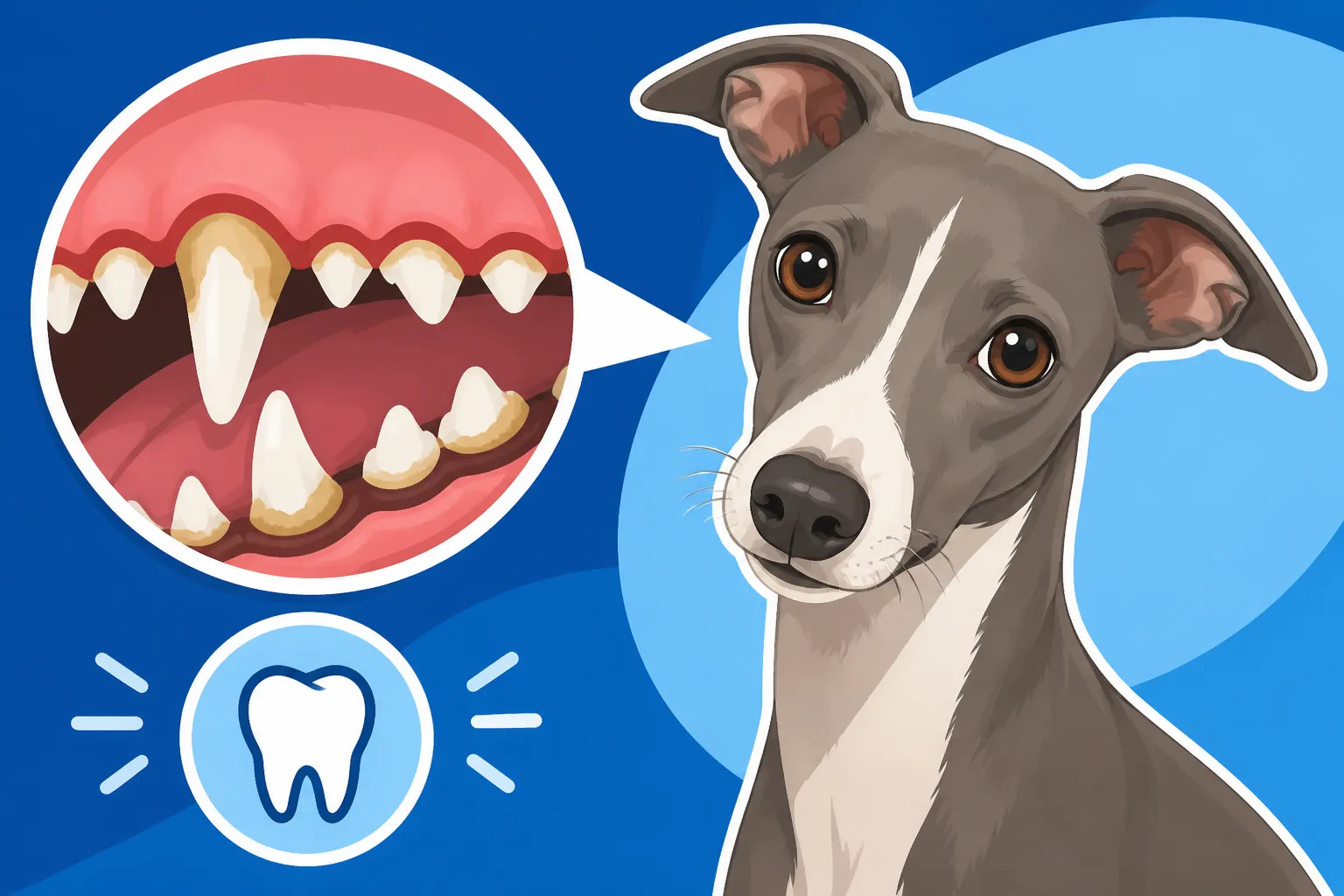
Beyond behavior, there are visual cues in their mouth. Red, swollen gums, especially along the gumline where the tooth meets the gum, are a clear indicator of gingivitis. Tartar, which looks like yellowish-brown crusty buildup on the teeth, will become increasingly apparent. You might even notice slight bleeding from the gums when they chew on something or when you attempt to brush their teeth. Bad breath, of course, is a prominent sign. If you notice any of these, it's time for a veterinary check-up. These signs are often the subtle whispers before the louder cries of pain, similar to how other conditions might manifest before becoming critical, like trying to discern Signs an Italian Greyhound's Mouth Hurts.
The Stages of Periodontal Disease
Understanding the progression of periodontal disease helps underline the urgency of early intervention. It's not a sudden onset problem, but a gradual decline in oral health:
- Stage 1: Gingivitis: This is the earliest stage, characterized by red, swollen gums and bad breath. There's no bone loss yet, and this stage is completely reversible with professional cleaning and diligent home care.
- Stage 2: Early Periodontitis: The gums are more inflamed and might bleed easily. You'll start to see more plaque and tartar buildup. Some minor bone loss has begun, but it's often still reversible or manageable.
- Stage 3: Moderate Periodontitis: At this point, there's significant inflammation, bleeding, and noticeable tartar. There's also moderate bone loss (25-50% of the bone supporting the tooth is gone), and pockets have formed under the gumline. Tooth mobility might be present. This stage often requires extractions and intensive treatment.
- Stage 4: Advanced Periodontitis: This is severe disease with extensive tartar, pus, severe gum recession, and more than 50% bone loss. Teeth are often very loose, painful, and infected. Extraction of affected teeth is almost always necessary to alleviate pain and prevent further systemic infection.
This progressive nature means that what starts as a mild issue can quickly become debilitating and require significant intervention. Knowing that Periodontal Disease Is the Italian Greyhound's Most Common Diagnosis reinforces the need for constant vigilance and proactive care. Waiting until the problem is severe not only causes more pain for your IG but also leads to more complicated and costly treatments.
The Impact of Diet and Lifestyle on Dental Health
While genetics and anatomy set the stage for dental issues in Italian Greyhounds, diet and lifestyle choices can either accelerate the problem or help mitigate it. There's a lot of misinformation out there, and it's important to separate fact from fiction when it comes to keeping our Iggies' pearly whites healthy.
The Myth of Dry Kibble as a Dental Solution
Many dog food brands market their dry kibble as having "dental benefits" or being able to "clean teeth." While it's a lovely thought, for most kibble, this is largely a myth, especially for Italian Greyhounds. The idea is that the abrasive action of chewing hard kibble will scrape off plaque and tartar. However, the average kibble piece is simply too small and too brittle to provide any significant scraping action. Most dogs, especially Iggies, tend to swallow kibble whole or give it a couple of quick crunches, which isn't enough to clean the tooth surface.
Furthermore, many kibbles are high in carbohydrates, which can actually contribute to plaque formation. The starches in kibble can stick to the teeth, providing a food source for oral bacteria. So, relying solely on a dry food diet as a dental preventative is generally ineffective. While it might offer minimal benefit compared to soft, wet food, it is certainly not a substitute for active dental care. This is why when people ask Whether Dry Food Keeps an Italian Greyhound's Teeth Clean, the answer is often "not really." Specialized dental diets, which have larger, tougher kibble pieces designed to encourage deeper chewing and a mechanical scrubbing action, are a different story, but they are specifically formulated and not just any dry food.
The Importance of Proactive Home Care
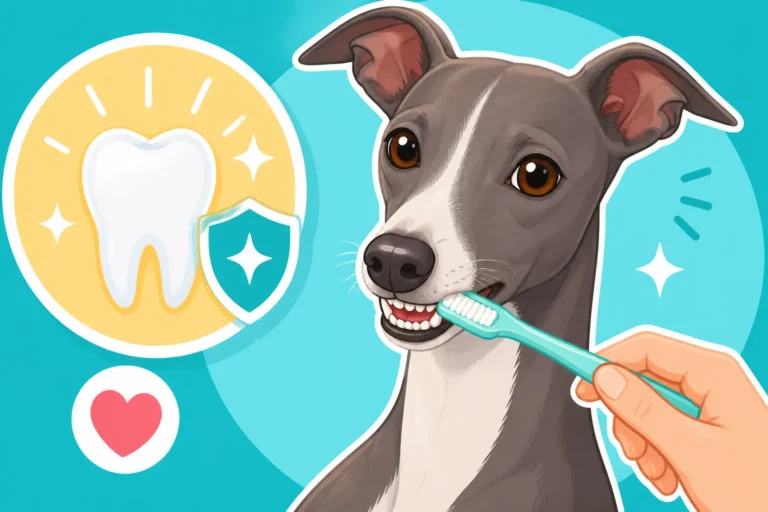
Given the predisposition of Italian Greyhounds to dental disease, proactive home care isn't optional; it's absolutely essential. The gold standard for home dental care is daily tooth brushing. Just like in humans, mechanical removal of plaque is the most effective way to prevent its buildup and subsequent hardening into tartar. This means using a soft-bristled pet toothbrush and pet-specific toothpaste (never human toothpaste).
Starting when your IG is a puppy is ideal, making it a positive and routine experience. Even if your IG is older, with patience and positive reinforcement, you can often introduce brushing. Beyond brushing, certain dental chews, water additives, and oral rinses can provide supplemental benefits, but they are not standalone solutions. Always look for products approved by the Veterinary Oral Health Council (VOHC), as these have been scientifically proven to reduce plaque and/or tartar. Consistency is truly the key to preventing widespread dental issues and keeping those professional cleanings less intensive. Making Brushing an Italian Greyhound's Teeth Every Day a part of your routine can make a huge difference in their long-term health.
Professional Dental Care: When and Why it's Crucial
Despite the best home care efforts, Italian Greyhounds will almost certainly need professional dental cleanings throughout their lives. This is simply due to their breed's inherent challenges. Understanding when and why these procedures are critical is vital for every IG owner.
The Necessity of Regular Veterinary Dentals
A professional veterinary dental cleaning, performed under general anesthesia, is the only way to truly assess and address the full scope of your Italian Greyhound's oral health. During these procedures, your vet can meticulously clean beneath the gumline, where most periodontal disease takes hold and where home brushing simply cannot reach. This involves scaling off plaque and tartar with specialized ultrasonic tools, polishing the teeth to smooth out any microscopic etches that could attract new plaque, and conducting a thorough oral examination.
X-rays are also a crucial part of a complete dental, as they allow the vet to see below the gumline and assess the health of the tooth roots and jawbone – areas where significant disease can exist unseen. If severe periodontal disease is found, extractions may be necessary to remove painful, infected teeth and preserve the health of the remaining ones. The frequency of these cleanings will depend on your individual Italian Greyhound's needs, but many Iggies require them annually or biennially. Understanding How Often an Italian Greyhound Needs a Dental Cleaning is a conversation you should have regularly with your veterinarian. This proactive approach can help your Italian Greyhound Whether an Italian Greyhound Can Keep Its Teeth for Life.
Addressing Common Concerns About Anesthesia
The thought of an Italian Greyhound going under anesthesia can be daunting for any owner. These delicate sighthounds are known to be more sensitive to certain anesthetic agents and can be prone to hypothermia due to their low body fat. However, with modern veterinary medicine and proper protocols, the risks are significantly minimized. It's crucial to discuss your concerns with your veterinarian, ensuring they are experienced with sighthounds and are aware of the breed-specific considerations for anesthesia.
Before any anesthetic procedure, pre-anesthetic bloodwork is always recommended to assess organ function and ensure your IG is a good candidate for anesthesia. Your vet should use specific anesthetic agents known to be safer for sighthounds, and monitor your dog's vital signs (heart rate, breathing, blood pressure, temperature) closely throughout the procedure and during recovery. Maintaining body temperature with warming blankets and intravenous fluids is also standard practice. Don't let fear of anesthesia prevent necessary dental care; the risks of untreated dental disease often far outweigh the carefully managed risks of a professional cleaning, especially when considering Why Anesthesia Is Handled Differently in an Italian Greyhound. Many pet insurance providers, like Healthy Paws, recognize the importance of these routine procedures and may offer wellness plans that help cover a portion of the costs, making these vital treatments more accessible. This is a crucial consideration for long-term health.
Long-Term Management and Preventing Recurrence
Dental disease in Italian Greyhounds isn't a "one and done" problem; it's a chronic condition that requires lifelong vigilance. The goal isn't just to treat current issues, but to prevent future ones and maintain the best possible oral health for your IG for as long as possible.
Creating a Comprehensive Dental Health Plan
For an Italian Greyhound, a comprehensive dental health plan is a multi-faceted approach combining consistent home care, appropriate diet, and regular professional veterinary cleanings. After a professional cleaning, it's a fresh start, and that's the absolute best time to redouble your efforts with daily brushing. Think of the professional cleaning as hitting the "reset" button, and home care as preventing it from quickly reverting.
Regularly inspecting your IG's mouth at home can also help you spot early signs of gingivitis or new tartar buildup between professional visits. This might include checking for redness along the gumline, any unusual odors, or changes in their chewing habits. If you notice What Bad Breath Means in an Italian Greyhound, it's a cue to step up your home care or consult your vet. Consistency in all aspects of this plan is paramount. It’s a commitment, but one that significantly contributes to their comfort and overall health, potentially reducing the need for more invasive and frequent dental procedures in the long run. Consider it an investment in their quality of life, which impacts their Caring for an Italian Greyhound Past Eleven.
Financial Considerations and Pet Insurance
Let's be realistic: dental care for Italian Greyhounds can be expensive, particularly if extractions or specialized procedures are needed. What an Italian Greyhound's Annual Dental Costs can vary widely based on the severity of the disease and the number of extractions required, but it's not unusual for a comprehensive dental with X-rays and a few extractions to run into hundreds or even over a thousand dollars. This makes budgeting for dental care a significant part of owning an IG.
This is where pet insurance can be a game-changer. Many pet insurance providers, like Healthy Paws, offer accident and illness plans that cover dental procedures deemed medically necessary, such as those related to periodontal disease. While routine cleanings might fall under a separate wellness add-on, coverage for extractions, root canals, or treatment for infections can provide substantial financial relief. It's important to read the policy details carefully to understand what is covered and what waiting periods apply. Investing in pet insurance early, before any pre-existing conditions develop, can ensure you're prepared for the inevitable dental challenges that Italian Greyhounds face, potentially cutting How Home Brushing Cuts an Italian Greyhound's Dental Bill even further, by making comprehensive professional care more affordable. Always check Whether an Italian Greyhound's Dental Is Covered by your specific plan.
Here's a quick overview of the stages of periodontal disease:
| Stage | Description | Key Characteristics | Reversibility | Typical Treatment |
|---|---|---|---|---|
| Gingivitis | Earliest stage, inflammation of gums. | Red, swollen gums; bad breath. No bone loss. | Fully reversible | Dental cleaning, home care |
| Early Periodontitis | Increased inflammation, minor bone loss. | More pronounced gum redness/swelling, slight bone loss. | Mostly reversible | Dental cleaning, scaling |
| Moderate Periodontitis | Significant inflammation, moderate bone loss, pocket formation. | Bleeding gums, visible tartar, 25-50% bone loss. | Manageable, not fully reversible | Dental cleaning, scaling, root planing, extractions |
| Advanced Periodontitis | Severe disease with extensive bone loss, tooth mobility. | Severe gum recession, pus, >50% bone loss, loose teeth. | Not reversible | Extractions, advanced therapy |
Disclaimer
The information provided in this guide is for general educational purposes only and should not be considered a substitute for professional veterinary advice. Always consult with a qualified veterinarian for any health concerns or before making any decisions about your Italian Greyhound's care.