How Often an Italian Greyhound Needs a Dental Cleaning
One of the most persistent and frustrating health battles Italian Greyhound owners face is undoubtedly dental disease. Their delicate, aristocratic muzzles might be beautiful, but underneath lies a mouth uniquely predisposed to problems, often leading to discomfort, pain, and significant vet bills if not managed proactively. It’s a sad reality that many Iggies, even with diligent home care, require professional dental cleanings far more frequently than their larger canine cousins. This comprehensive guide will walk you through why your Italian Greyhound's dental health demands such close attention, how often professional cleanings are typically needed, and what you can do to keep their pearly whites (or what’s left of them) in the best possible condition.
Understanding Your Italian Greyhound's Unique Dental Challenges
It’s easy to look at an Italian Greyhound and simply see a miniature version of a larger sighthound, but their anatomy, especially their oral structure, presents distinct challenges. This isn't just about small teeth; it's about the entire delicate ecosystem within their mouth that makes them a prime candidate for dental woes.
The Anatomy of an Italian Greyhound's Mouth
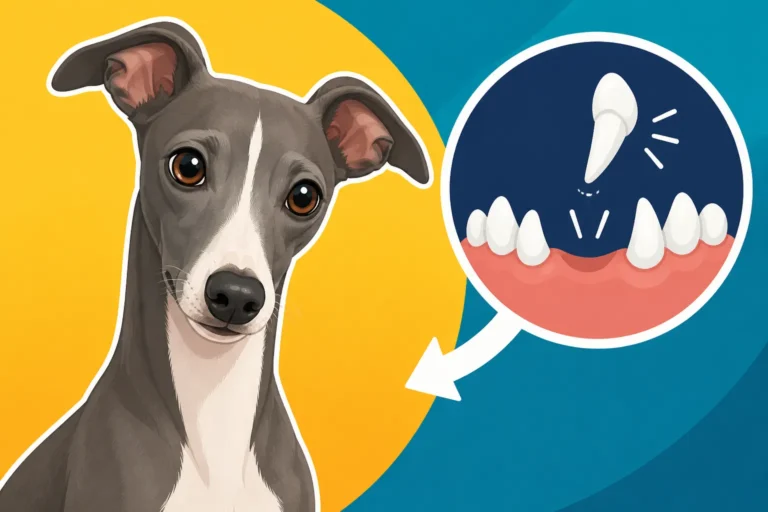
Imagine trying to fit a standard set of adult human teeth into the jaw of a child – that’s essentially what’s happening in an Italian Greyhound’s mouth. Their jaws are incredibly small and fine-boned, a characteristic of the breed, yet they possess a full complement of 42 adult teeth, just like much larger breeds. This immediately creates a crowding issue. When teeth are tightly packed, they are more likely to rotate, overlap, or sit at awkward angles.
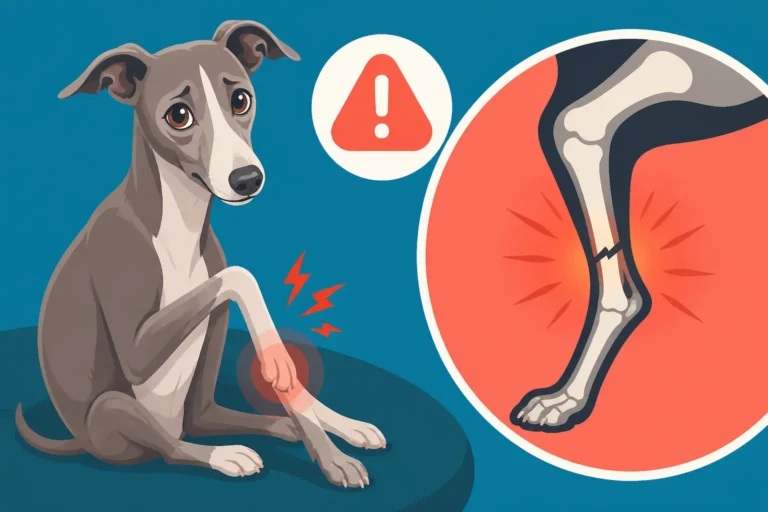
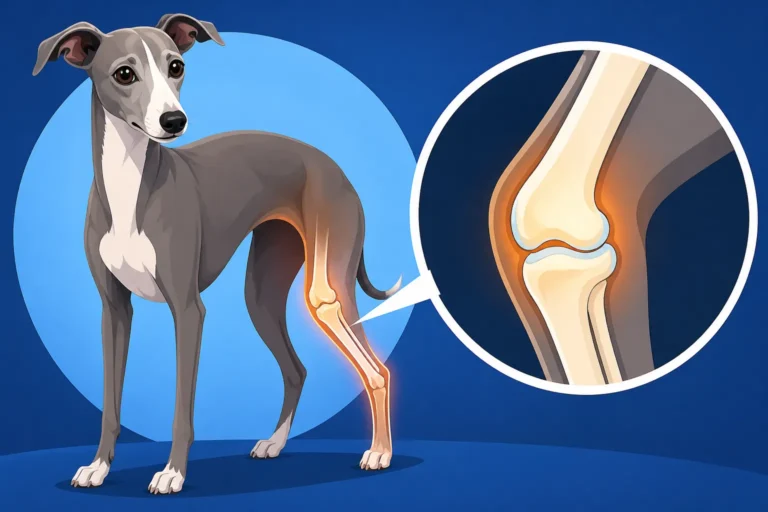
This crowding creates prime real estate for food particles and plaque to accumulate. Think about flossing your own teeth; it’s hard enough when they’re perfectly aligned. For an Iggy, those nooks and crannies created by misalignment become breeding grounds for bacteria. Furthermore, the root structures of these crowded teeth can be complex and are often situated very close to the surface of the delicate jawbone. This anatomical feature means that if extractions become necessary due to severe disease, the risk of a jaw fracture during the procedure is a serious concern, requiring immense skill and caution from the veterinary team.
Why Italian Greyhounds Are So Prone to Dental Disease
Beyond the physical crowding, Italian Greyhounds have a genetic predisposition to dental disease, specifically periodontal disease, which truly sets them apart from many other breeds. It's often said that Periodontal Disease Is the Italian Greyhound's Most Common Diagnosis, and this isn't an exaggeration. Plaque, a sticky film of bacteria, forms almost continuously on teeth. If not removed, it hardens into tartar (calculus), a rough, porous substance that attracts even more plaque. For Italian Greyhounds, this process happens at an accelerated rate compared to many other dogs.
The issue isn’t just unsightly yellow teeth; tartar buildup at the gum line acts like a wedge, pushing the gums away from the tooth, creating pockets where bacteria thrive unseen. This leads to gingivitis (inflamed gums), which progresses to full-blown periodontal disease, infecting the ligaments and bone supporting the teeth. It's a painful condition that often goes unnoticed by owners until it's quite advanced, because dogs are masters at hiding discomfort. The delicate Why an Italian Greyhound's Teeth Crowd is a major contributing factor, making it nearly impossible for their natural chewing to adequately clean all surfaces of their teeth.
Factors Influencing Dental Cleaning Frequency
So, how often should your beloved Italian Greyhound go under anesthesia for a professional dental cleaning? The answer isn't a simple one-size-fits-all, as several key factors play a significant role in determining the ideal schedule for your specific dog.
Age and Its Impact on Dental Health
Age is one of the most undeniable indicators of when a dental cleaning might be necessary. While Italian Greyhound puppies generally start with pristine mouths, their journey into dental issues often begins surprisingly early. It’s not uncommon for veterinarians to recommend a first professional cleaning for an Italian Greyhound by the age of two or three. By this point, significant tartar buildup and gingivitis can already be present, especially on the molars and canines.
As your Italian Greyhound matures, the battle against plaque and tartar intensifies. Older Iggies, those typically considered senior around the age of 8 or 9, often require even more frequent cleanings, perhaps annually or even every six to nine months, depending on the severity of their condition and the effectiveness of their home care routine. Years of cumulative wear and tear, coupled with a naturally progressing susceptibility, mean that older dogs are more likely to have advanced periodontal disease, The Age an Italian Greyhound Starts Losing Teeth due to bone loss, and painful infections that necessitate more intensive care. Regular monitoring becomes paramount to catch issues before they escalate.
Diet and Chewing Habits
Many owners mistakenly believe that feeding dry kibble is sufficient for keeping their dog's teeth clean. While some specialized dental diets are formulated with larger, abrasive kibble designed to scrape plaque, a typical dry food diet offers very minimal, if any, dental benefit for a breed like the Italian Greyhound. Their delicate chewing action often means the kibble is swallowed with little to no abrasive effect on the tooth surfaces most prone to buildup.
Appropriate chewing habits, however, can make a difference. Veterinary-approved dental chews, such as those from brands like Virbac or Purina's Dentalife, can help reduce plaque and tartar, but they must be selected carefully to match the Italian Greyhound's size and chewing strength. Aggressive chewers might benefit from harder, longer-lasting chews, but for Iggies, there's always a risk of tooth fracture with anything too hard. Conversely, soft, easily digestible chews offer little mechanical cleaning. Some owners explore raw feeding with appropriate raw bones, but this carries its own set of risks and should only be done under veterinary guidance. The general rule is: if your Iggy isn't actively engaging in cleaning chews or a dental diet, their diet won't be contributing much to their oral hygiene.
Home Dental Care Routine
This is perhaps the single most impactful factor you, as an owner, can control. A consistent and effective home dental care routine can significantly extend the time between professional cleanings. The gold standard for home care is daily tooth brushing. Yes, daily! Just like humans, bacteria are constantly forming, and mechanical removal is key. If you are regularly Brushing an Italian Greyhound's Teeth Every Day, you are actively disrupting plaque formation and preventing it from hardening into tartar.
If daily brushing isn't feasible, aiming for at least 3-4 times a week is still beneficial, but know that any reduction in frequency increases the likelihood of needing professional cleanings more often. Other home care products, such as dental wipes, oral rinses, and water additives, can offer supplementary benefits, but they are never a substitute for the mechanical action of brushing. They work best in conjunction with brushing or for Iggies who absolutely refuse brushing, but even then, their efficacy is limited compared to consistent brushing. The more diligent you are at home, the less frequently your vet will recommend costly and anesthetic-heavy professional cleanings.
The Signs It's Time for a Professional Cleaning
Even with the best intentions and a stellar home care routine, there will come a time when your Italian Greyhound needs a professional dental cleaning. Recognizing the subtle (and sometimes not-so-subtle) signs that it's time is crucial for preventing pain and more serious health issues.
Visual Cues of Dental Trouble
One of the easiest ways to monitor your Iggy's dental health is to get comfortable looking inside their mouth. While they might not appreciate it, a quick visual inspection can tell you a lot. The most obvious sign is the presence of yellow or brown tartar buildup, particularly on the outer surfaces of the upper canine teeth and the molars at the back of the mouth. If you see this, it’s a clear indication that plaque has been allowed to harden and is no longer removable by brushing alone.
Beyond tartar, observe the gums. Healthy gums should be a pale pink color, firm, and hug the teeth tightly. If you notice redness, swelling, or bleeding when you brush or when they chew, these are classic signs of gingivitis, the early stage of periodontal disease. You might also spot a missing tooth, a fractured tooth (which can be incredibly painful), or teeth that appear loose. Don't forget to gently lift their lips to check the back teeth, as these are often the hardest to clean and can harbor the worst of the disease.
Behavioral and Olfactory Indicators
Sometimes, the first sign you notice isn't visual at all, but rather something you smell or observe in their behavior. That distinctive, unpleasant odor, often described as "dog breath," is almost always a sign of bacterial overgrowth in the mouth due to plaque and tartar. What Bad Breath Means in an Italian Greyhound is usually a direct indicator of dental disease, not just "doggy-ness." If their breath has taken a turn for the worse, it's a strong signal that professional intervention is needed.
Italian Greyhounds are often stoic, so subtle changes in behavior can be critical clues. They might show a reluctance to eat, particularly hard kibble or chews, preferring softer foods. You might see them dropping food, chewing on one side of their mouth, or pawing at their face. They might become less playful, more irritable, or just generally "off" due to chronic pain. Sometimes, even seemingly unrelated changes, like a decrease in grooming, can be linked to oral discomfort. If you suspect pain, don't wait; an Iggy in pain is usually an Iggy in advanced discomfort.
The Role of Regular Vet Check-ups
While home monitoring is important, your veterinarian is an indispensable partner in maintaining your Italian Greyhound’s dental health. Regular annual or bi-annual wellness exams should always include a thorough oral examination. During these visits, your vet can identify issues that you might miss or might not understand the significance of, such as subtle gum recession, early signs of pocketing, or suspicious growths.
Even if you’re diligent with home brushing and your Iggy isn’t showing obvious signs of pain, your vet might recommend a cleaning based on their professional assessment. Sometimes, a comprehensive oral exam requires sedation to truly assess the full extent of disease beneath the gum line, especially if your Iggy is particularly shy or uncooperative with mouth handling. Don't underestimate the power of these routine check-ups; they are your first line of defense against advanced dental disease.
The Professional Dental Cleaning Process
When your Italian Greyhound needs a professional dental cleaning, it's more than just a quick scrape. It's a comprehensive veterinary procedure designed to address both visible and hidden dental issues, and understanding the steps involved can help ease any anxieties you might have.
Why Anesthesia is Non-Negotiable
This is often the biggest hurdle for owners: the thought of their beloved Iggy going under general anesthesia. However, for a truly effective and safe dental cleaning, anesthesia is absolutely essential. Imagine trying to thoroughly scale plaque and tartar from a dog's teeth, especially beneath the gum line, while they are awake and moving, and then performing dental X-rays or extractions. It's simply not possible to do it properly, humanely, or safely.
Why Anesthesia Is Handled Differently in an Italian Greyhound is a common concern among owners. Iggies, like many sighthounds, have unique physiological characteristics that make them more sensitive to certain anesthetic agents and more prone to hypothermia due to their low body fat. A reputable veterinary practice will take these factors into account, using specific protocols tailored for sighthounds. This includes comprehensive pre-anesthetic bloodwork to assess organ function, intravenous fluids to maintain blood pressure and hydration, and constant monitoring of vital signs (heart rate, respiration, oxygen saturation, temperature) by a dedicated veterinary technician throughout the entire procedure. These precautions drastically minimize the risks associated with anesthesia, making it a controlled and safe environment for your Italian Greyhound.
What Happens During the Procedure
Once your Iggy is safely under anesthesia, the real work begins. The first critical step is often full mouth dental X-rays. Unlike humans, whose dental problems are often visible, a dog's most significant dental disease lurks beneath the gum line, hidden from view. Studies show that a large percentage of dental disease in dogs is only detectable with X-rays. For Italian Greyhounds, whose jawbones are fragile, X-rays are even more vital for identifying bone loss, root abscesses, un-erupted teeth, or potential jaw integrity issues before extractions are attempted.
After X-rays, the veterinary team performs a thorough examination of each tooth, probing the gum line for pockets and documenting all findings. Then comes the scaling: an ultrasonic scaler removes tartar from above and below the gum line, followed by hand scaling to get into every nook and cranny. Each tooth is then polished with a special paste to smooth the enamel, making it harder for plaque to adhere again. If extractions are necessary, they are performed meticulously, often requiring surgical techniques to preserve as much bone as possible. Finally, a fluoride treatment may be applied to strengthen enamel and reduce sensitivity. This entire process, carefully detailed in What Happens During an Italian Greyhound's Dental, ensures that every tooth is addressed.
Post-Cleaning Care and Prevention
Once the cleaning is complete, your Italian Greyhound will be carefully monitored as they recover from anesthesia. They might be a little groggy or disoriented for the rest of the day, which is perfectly normal. If extractions were performed, they will likely be sent home with pain medication and possibly antibiotics. Your vet will provide specific instructions for post-op care, including feeding softer food for a few days and when to resume home dental care.
This recovery period is the perfect time to commit to establishing or re-establishing a rigorous home dental care routine. Because professional cleanings are not a cure, but rather a reset, the daily battle against plaque begins anew the moment your Iggy's teeth are clean. Starting with gentle brushing a few days after the procedure can help maintain that clean slate for as long as possible, truly leveraging the investment you’ve made in their oral health.
Crafting a Personalized Dental Care Plan
Given the intricacies of Italian Greyhound dental health, a "one-size-fits-all" approach simply doesn't cut it. Instead, you'll need to work closely with your veterinary team to develop a personalized dental care plan that accounts for your individual Iggy's needs and your lifestyle.
Working with Your Veterinarian
Your veterinarian is your most important ally in this journey. They have the expertise to assess your Italian Greyhound's specific dental condition, taking into account their age, genetic predispositions, and the effectiveness of your home care routine. During annual wellness checks, they can evaluate tartar buildup, gum health, and even suggest when X-rays might be beneficial for a deeper look. They might recommend professional cleanings every year, every 18 months, or even more frequently for Iggies particularly prone to rapid buildup or those with existing advanced disease.
Don't hesitate to ask questions and discuss your concerns about anesthesia or costs. A good vet will educate you on all the options and help you make informed decisions. If your Italian Greyhound has very complex dental issues, such as multiple painful extractions, severe bone loss, or an oral mass, your vet might even recommend a referral to a veterinary dental specialist. These specialists have advanced training and equipment to handle the most challenging cases, ensuring the best possible outcome for your precious companion, especially considering Why an Italian Greyhound's Jaw Can Break During Extraction if not handled by an expert.
Budgeting for Ongoing Dental Health
Let's be realistic: excellent dental care for an Italian Greyhound isn't cheap. Professional cleanings, especially those involving X-rays and extractions, can add up quickly. It's a significant financial commitment, but one that is absolutely crucial for their quality of life. Thinking about What an Italian Greyhound's Annual Dental Costs can be daunting, but ignoring it will inevitably lead to far more expensive and painful procedures down the line. Preventative care, even with its upfront costs, almost always saves money in the long run by preventing complications.
This is where pet insurance can be a game-changer. Companies like Healthy Paws, for example, often cover a significant portion of unexpected dental procedures due to accident or illness, as long as the condition isn't pre-existing and you've maintained regular cleanings. While routine cleanings might not always be covered, having a policy that covers unexpected issues like fractured teeth or extensive periodontal disease treatment can provide immense peace of mind. Consider setting aside an emergency fund specifically for veterinary care, including dental work, to ensure you're always prepared.
The Long-Term Benefits of Proactive Dental Care
While the discussions about frequency, anesthesia, and cost can feel overwhelming, it's vital to remember the immense long-term benefits of proactive dental care. Untreated dental disease is not just about bad breath or missing teeth; it's a gateway to systemic health problems. The bacteria from infected gums can enter the bloodstream and travel to vital organs, potentially causing serious damage to the heart, kidneys, and liver. In fact, How Dental Disease Shortens an Italian Greyhound's Life is a very real consequence.
By committing to regular professional cleanings and diligent home care, you're not just ensuring your Italian Greyhound has a sparkling smile; you're actively contributing to their overall health and longevity. A healthy mouth means a happier, more comfortable dog, free from chronic pain and able to enjoy their food and toys without discomfort. It significantly improves their quality of life and helps ensure that your cherished companion can truly Whether an Italian Greyhound Can Keep Its Teeth for Life and stay by your side for as many years as possible.
Here’s a general guideline for dental cleaning frequency based on various factors:
| Factor | Ideal Home Care (Daily Brushing) | Moderate Home Care (2-3x/week) | Minimal/No Home Care |
|---|---|---|---|
| Young Adult (1-3 years) | Every 1.5 – 2 years | Every 12-18 months | Every 9-12 months |
| Middle-Aged (4-7 years) | Every 12-18 months | Every 9-12 months | Every 6-9 months |
| Senior (8+ years) | Every 9-12 months | Every 6-9 months | Every 4-6 months (or as needed) |
| Genetic Predisposition/Known Issues | More frequent, consult vet | More frequent, consult vet | Very frequent, consult vet |
| Existing Periodontal Disease | As recommended by vet | As recommended by vet | As recommended by vet |
This table is a general guide. Always consult with your veterinarian to determine the best schedule for your Italian Greyhound, as their individual needs may vary significantly.
Disclaimer
The information provided in this article is for general informational purposes only and does not constitute veterinary medical advice. Always consult with a qualified veterinarian for any health concerns or before making any decisions about your Italian Greyhound's health or treatment plan.