What Most Italian Greyhounds Die Of
There's nothing quite as heartbreaking as contemplating the day you might have to say goodbye to your beloved Italian Greyhound. These delicate, affectionate companions burrow deeply into our hearts, and the thought of their short lives compared to our own can be a real source of anxiety for any devoted owner. You want to give them the best chance at a long, healthy life, but understanding the most common health challenges and, frankly, what most Italian Greyhounds eventually die of, can help you be a more prepared and proactive advocate for your little sighthound. This comprehensive guide will shed light on the primary causes of mortality in Italian Greyhounds and equip you with the knowledge to potentially mitigate risks and support their well-being throughout their precious years.
Understanding the Italian Greyhound Lifespan
When you welcome an Italian Greyhound into your home, you're signing up for a journey that, for all its joys, often comes with a distinct set of health considerations. Knowing what to expect regarding their longevity and the factors that influence it is the first step in responsible ownership. It’s not just about genetics; it’s about daily care, environmental safety, and a keen eye for subtle changes.
Average Lifespan and Contributing Factors
Generally speaking, Italian Greyhounds are a relatively long-lived toy breed. Many sources, including the American Kennel Club, suggest that an Italian Greyhound lives fourteen to fifteen years on average, with some individuals even reaching eighteen or more with exceptional care. This is quite remarkable for a purebred dog. However, this average is just that – an average. Several factors play a crucial role in whether your specific Italian Greyhound falls on the lower or higher end of this spectrum.
Genetics, of course, are a primary influence. Reputable breeders work tirelessly to screen for and breed away from hereditary conditions that could shorten a dog's life or significantly impact its quality. Conditions like certain eye diseases or autoimmune issues, while not always directly fatal, can lead to a decline in health and quality of life that might necessitate difficult decisions down the line. Beyond genetics, the quality of daily care, including diet, exercise, and preventative veterinary medicine, is paramount. A balanced, high-quality diet provides the building blocks for a strong immune system and healthy organs. Regular, appropriate exercise keeps their sighthound bodies lean and strong without putting undue stress on their delicate bones, and consistent veterinary check-ups catch potential problems early. The environment they live in also profoundly impacts their health, particularly in a breed as prone to accidents as the Italian Greyhound.
The Frailty Myth vs. Reality
It's a common misconception that Italian Greyhounds are inherently fragile creatures, constantly teetering on the brink of injury or illness. While it's true they possess a delicate bone structure and thin skin, leading to a higher propensity for certain injuries, this doesn't mean they are constantly "sick" or universally frail. The reality is more nuanced. Their fine bones, especially their radius, are indeed prone to fractures, making concerns about Why an Italian Greyhound's Leg Bones Break So Easily a very real and valid anxiety for owners. This can certainly lead to life-altering injuries and, in severe cases or with complications, can unfortunately contribute to a decision for euthanasia if repair is not possible or feasible.
However, outside of these specific physical vulnerabilities, Italian Greyhounds are generally quite healthy. They don't typically suffer from the widespread orthopedic issues or respiratory problems seen in many other breeds. Their "frailty" is often more about their physical build and less about a weak constitution or a predisposition to a multitude of severe internal diseases. This distinction is important because while vigilance against accidents is crucial, owners shouldn't live in constant fear that their Italian Greyhound is inherently sickly. Instead, focus on understanding their unique physical needs and providing a safe, warm, and loving environment that minimizes accident risks and supports their overall robust health.
Common Causes of Mortality in Italian Greyhounds
While Italian Greyhounds are generally healthy, there are distinct patterns in what ultimately leads to their passing. Understanding these common causes helps owners focus their preventative efforts and prepare for potential challenges. It's often a combination of age, accidents, and specific health conditions that eventually catch up with these spirited dogs.
Accidents and Trauma
Perhaps one of the most heartbreaking realities for Italian Greyhound owners is the high incidence of accidents and trauma, particularly in their younger, more exuberant years. These dogs are sprinters and jumpers, often without a strong sense of self-preservation, which, combined with their fine bone structure, creates a recipe for disaster. Fractures, especially of the foreleg, are notoriously common. A simple jump off the sofa that breaks an Italian Greyhound's leg is a scenario many owners dread, but it happens all too frequently. These injuries are not only painful and expensive to treat but can sometimes lead to complications or a reduced quality of life that, in unfortunate circumstances, can factor into end-of-life decisions.
Beyond fractures, other traumatic incidents can prove fatal. Italian Greyhounds are lightning-fast and possess a strong prey drive, making them incredibly prone to bolting if not properly secured. This means they are at significant risk of being hit by cars, even if only loose for a moment. Falls from heights (like open windows or balconies), being stepped on, or even rough play with larger, less careful dogs can also result in catastrophic injuries. The delicate nature of their bodies demands constant vigilance and a highly supervised environment. This isn't just about preventing a broken leg; it's about safeguarding their very lives from the hazards of a world not designed for their delicate build and impulsive nature.
Age-Related Health Concerns
As Italian Greyhounds age gracefully, typically entering their senior years around age 10-11, their bodies naturally begin to experience wear and tear, making them susceptible to a range of age-related health conditions. While these conditions can affect any breed, Italian Greyhounds have their own specific predispositions and vulnerabilities.
Cancer is, unfortunately, a leading cause of death across all dog breeds, and Italian Greyhounds are no exception. While they might not be as prone to certain aggressive cancers as some larger breeds, they can still develop various types of tumors, both benign and malignant, as they age. Regular veterinary check-ups, especially for Caring for an Italian Greyhound Past Eleven, become critical for early detection and intervention, which can significantly improve outcomes. We all dread hearing the 'C' word, but catching it early can make a world of difference for our aging companions.
Heart disease is another significant concern in older Italian Greyhounds. Degenerative mitral valve disease is fairly common in many small breeds, and Italian Greyhounds can develop this or other cardiac issues that lead to congestive heart failure. Symptoms like coughing, reduced exercise tolerance, or difficulty breathing should always prompt a veterinary visit. Similarly, kidney disease is a silent killer in many senior dogs. The kidneys gradually lose function over time, and by the time symptoms become obvious, the disease is often advanced. Regular blood and urine screenings are vital for catching kidney disease early, when dietary changes and medication can still make a substantial difference in prolonging life and maintaining comfort. Neurological issues, such as cognitive dysfunction (canine "Alzheimer's"), spinal problems, or even late-onset Epilepsy in an Italian Greyhound, can also impact an Italian Greyhound's quality of life, potentially leading to difficult decisions as their abilities decline.
Specific Health Conditions Leading to Decline
Beyond general age-related issues, Italian Greyhounds have certain breed-specific health challenges that, if left unaddressed, can lead to serious decline and shortened lifespans. Being aware of these particular vulnerabilities allows owners to be proactive in their care.
Dental Disease Complications
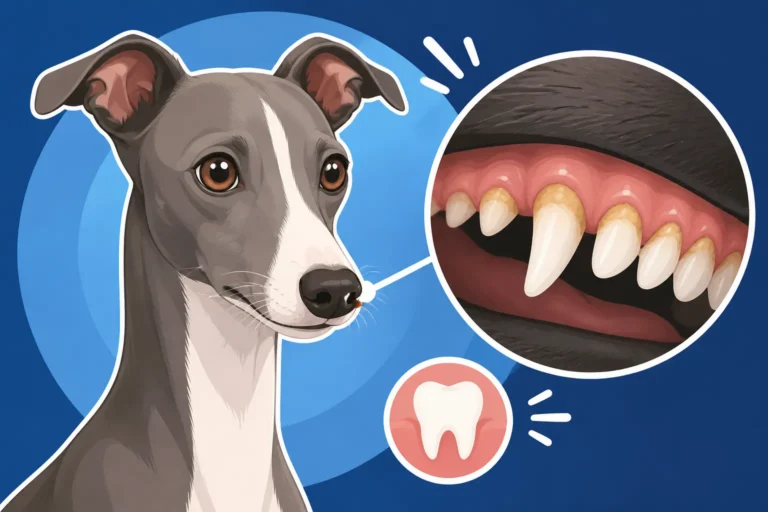
If there's one health issue that Italian Greyhound owners will battle throughout their dog's life, it's dental disease. Periodontal disease is the Italian Greyhound's most common diagnosis, and it’s not just about bad breath and unsightly teeth. Their narrow muzzles mean their teeth are often crowded, leading to plaque and tartar buildup at an accelerated rate. This isn't merely an aesthetic problem; the bacteria from severe dental disease can enter the bloodstream and cause systemic inflammation, damaging vital organs like the heart, kidneys, and liver. For a small dog with delicate systems, this chronic infection can significantly shorten their lifespan.
The progression of dental disease can be incredibly rapid in Italian Greyhounds. Without diligent home care, like daily brushing, and regular professional dental cleanings under anesthesia, it's not uncommon for these dogs to suffer from significant tooth loss, painful infections, and even jaw fractures during tooth extractions due to weakened bone from advanced periodontal disease. The cost of repeated dental work, including extractions, can be substantial, leading some owners to delay necessary procedures, which only exacerbates the problem. Investing in proactive dental care from a young age can prevent a cascade of more serious, life-threatening health issues down the road. Pet insurance plans, such as those from Healthy Paws, can sometimes help offset the significant costs associated with ongoing dental care, making consistent treatment more accessible.
Anesthesia Risks and Surgical Complications
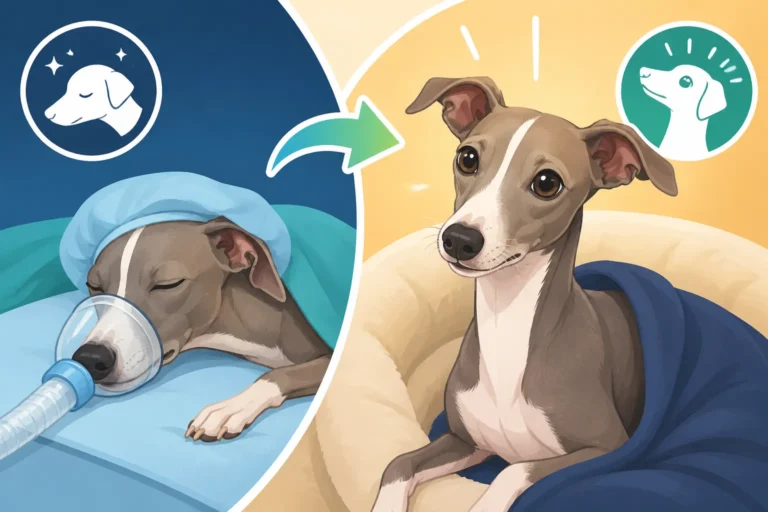
Italian Greyhounds, like other sighthounds, have unique physiological characteristics that make anesthesia a more significant concern than in many other breeds. Their extremely low body fat and unique metabolism mean they process anesthetic drugs differently and are highly susceptible to hypothermia during surgery. This isn't a minor concern; hypothermia can lead to a slower recovery, cardiac arrhythmias, and increased risks of complications. This is why Why Anesthesia Is Handled Differently in an Italian Greyhound is such a critical topic for owners and veterinarians alike.
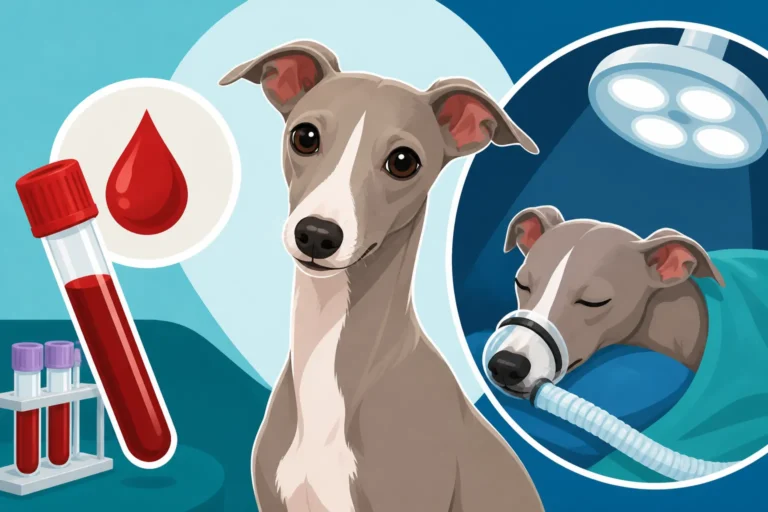
Because of these sensitivities, any surgical procedure, from a routine dental cleaning to a fracture repair, carries an elevated level of risk. While advancements in veterinary medicine have made anesthesia much safer, Italian Greyhounds still require a specialized protocol, including careful monitoring of body temperature, heart rate, and blood pressure, along with tailored drug choices and dosages. This often means working with a veterinary team experienced with sighthounds. Complications like aspiration pneumonia, prolonged recovery, or adverse reactions to medication can unfortunately lead to critical situations, and in rare cases, even death. Owners must always discuss the specific anesthetic protocols and monitoring procedures with their vet prior to any surgery to ensure their Italian Greyhound receives the safest possible care.
Genetic Predispositions
While often not direct causes of death themselves, several genetic conditions prevalent in Italian Greyhounds can significantly impact their quality of life, lead to painful chronic conditions, or necessitate difficult medical interventions that carry their own risks.
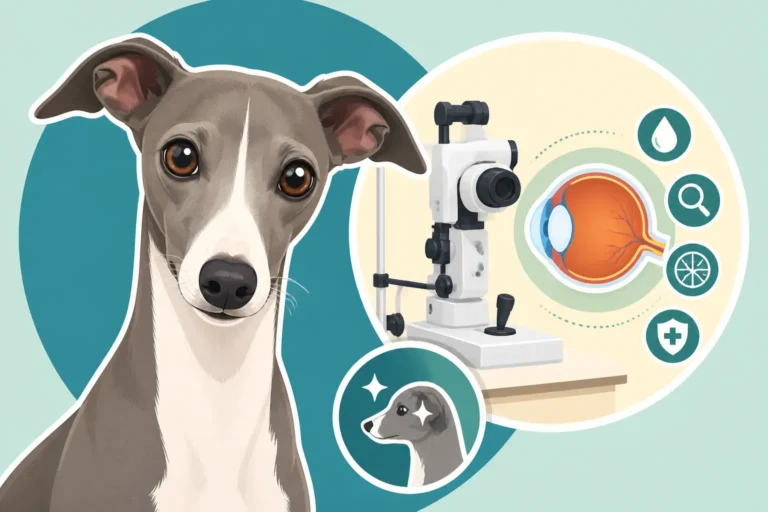
Eye conditions, for instance, are a concern. Progressive Retinal Atrophy in an Italian Greyhound is an inherited condition that leads to blindness, typically later in life. While blindness itself isn't fatal, a blind dog might be more prone to accidents or injuries, and the stress of adapting to vision loss can impact their overall well-being. Cataracts in an Italian Greyhound can also impair vision. Reputable breeders screen for these conditions, as early detection can allow owners to prepare and implement safety measures.
Orthopedic issues, beyond the common leg fractures, also appear. Legg Calve Perthes Turns Up in an Italian Greyhound at Six Months, a degenerative hip joint disease, can cause significant pain and lameness, often requiring costly surgery. Similarly, Patellar Luxation in an Italian Greyhound, where the kneecap slips out of place, can range from mild to severe, causing chronic pain and potentially leading to arthritis or requiring surgical correction. While not immediately fatal, the chronic pain, reduced mobility, and potential need for multiple surgeries for these conditions can certainly affect an Italian Greyhound's overall health and happiness, and can lead to owners having to make tough decisions about their dog's long-term comfort and quality of life. Understanding these genetic risks through good breeder practices and regular vet check-ups is key to managing them effectively.
Preventative Measures and Proactive Care for Longevity
For Italian Greyhound owners, a proactive approach to their dog's health isn't just a recommendation; it's a necessity. Given their unique vulnerabilities, especially their delicate bone structure and propensity for dental issues, preventing problems before they start is often the best strategy for ensuring a long and happy life.
Creating a Safe Environment
The single most impactful thing an Italian Greyhound owner can do to extend their dog's life is to create a home environment that minimizes the risk of injury. Their natural athleticism combined with their fine bones makes them prone to fractures from seemingly innocuous activities. This means rethinking furniture access. Ramps and steps for an Italian Greyhound's furniture are not luxuries; they are essential safety equipment. Discouraging jumping on and off sofas, beds, and chairs can drastically reduce the risk of a broken leg, especially in puppies whose bones are still hardening.
Beyond preventing falls, securing your home against escape is paramount. Italian Greyhounds are sighthounds with a fierce prey drive and incredible speed. A momentary lapse in vigilance can see them dart out an open door or gate, putting them at extreme risk of being hit by a vehicle. Child gates, secure leashes, and careful door protocols are not overkill; they are life-saving measures. Inside, consider non-slip rugs on hard floors to prevent slips and falls that can lead to sprains or fractures. Supervision during play, especially with larger dogs or boisterous children, is also critical to prevent accidental injury. An Italian Greyhound's safety truly lies in the owner's hands, making a well-thought-out, hazard-free environment the foundation of their long-term health.
Regular Veterinary Care and Early Detection
Consistent and comprehensive veterinary care is the cornerstone of an Italian Greyhound's long and healthy life. These aren't dogs you can just take to the vet when something seems obviously wrong; they thrive on preventative medicine and early detection. Regular annual or bi-annual wellness exams are crucial, especially as they get older. During these visits, your vet can perform thorough physical exams, discuss any subtle changes you've noticed, and recommend appropriate screenings.
This includes blood work and urinalysis, which can catch the earliest signs of kidney disease, liver issues, or thyroid imbalances – conditions that are often asymptomatic in their initial stages but can be managed much more effectively if detected early. For a breed prone to dental issues, discussions about How Often an Italian Greyhound Needs a Dental Cleaning and proactive dental care should be a regular part of these visits. Your vet can also guide you on appropriate vaccination schedules, parasite prevention, and any breed-specific health screenings that might be relevant, such as those for eye conditions. Establishing a strong relationship with a veterinarian who understands the nuances of sighthound physiology, particularly concerning anesthesia protocols, is invaluable. Early intervention based on regular check-ups can prevent minor issues from escalating into life-threatening conditions. Many pet owners opt for insurance like Healthy Paws to cover unexpected vet bills, but regular wellness checks are often just as important for maintaining health over the long term.
Nutrition and Weight Management
Feeding your Italian Greyhound a high-quality, balanced diet and maintaining an ideal weight are absolutely critical for their overall health and longevity. These dogs have very little body fat, and their metabolism is efficient, meaning they don't require vast quantities of food. The challenge is often finding a diet that is palatable for their sometimes-picky appetites while providing all necessary nutrients without excess calories.
An Italian Greyhound's ideal weight typically falls between 7 to 14 pounds, though this can vary slightly by individual. You should be able to easily feel their ribs without them being visibly prominent (unless they're stretched or moving), and they should have a distinct waist. Being even slightly overweight puts unnecessary strain on their delicate joints and internal organs, increasing the risk of conditions like arthritis, heart disease, and diabetes. An overweight Italian Greyhound is also at a significantly higher Why an Overweight Italian Greyhound Is at Fracture Risk. Conversely, being underweight can compromise their immune system and make them more susceptible to cold and illness.
Consult with your veterinarian to determine the best food and portion sizes for your individual dog, taking into account their age, activity level, and any specific health needs. Regular monitoring of their weight at home, along with consistent access to fresh water, will go a long way in supporting their health. A well-nourished, lean Italian Greyhound is a healthier, more resilient Italian Greyhound, better equipped to ward off illness and enjoy a longer, more active life.
Navigating End-of-Life Decisions
Even with the most diligent care, the time will inevitably come when your Italian Greyhound approaches the end of their life. This is perhaps the hardest part of pet ownership, but understanding how to recognize signs of decline and provide compassionate support can make this difficult period a little more manageable for both you and your beloved companion.
Recognizing Signs of Decline
It's incredibly challenging to objectively assess your dog's quality of life, especially when they are so adept at hiding pain. Italian Greyhounds, like many dogs, instinctively try to mask discomfort, making it even harder for their devoted owners to know when something is truly wrong. However, there are several key indicators that can signal a decline in their health and well-being.
Look for changes in their daily habits. Are they eating and drinking less? Are they suddenly refusing their favorite treats? A significant decrease in appetite or an increase in thirst can indicate underlying medical issues, such as Kidney Disease in an Old Italian Greyhound or other metabolic problems. Pay attention to their mobility: are they struggling to get up, hesitant to jump (even onto ramps), or showing stiffness after rest? While some slowing down is normal with age, persistent lameness or reluctance to move can indicate pain from arthritis or other orthopedic issues. Changes in bathroom habits, such as accidents indoors, might signal cognitive decline or loss of bladder control. Furthermore, a decrease in their usual enthusiasm for walks, playtime, or even your company can be a profound indicator of discomfort or malaise. They might sleep more, seek solitude, or become irritable when touched. Keeping a journal of these changes can provide objective data to share with your veterinarian, helping them assess your Italian Greyhound's true quality of life.
Supporting Your Senior Italian Greyhound
Once you recognize that your Italian Greyhound is aging or experiencing health decline, the focus shifts to maximizing their comfort and maintaining their dignity. This period is about providing palliative care and adjusting their environment to meet their changing needs. Your veterinarian will be your most important partner during this time, helping to manage pain with appropriate medications, discuss dietary adjustments, and explore therapies that can improve comfort.
Creating a comfortable and accessible home environment becomes even more critical. This means ensuring they have soft, orthopedic beds that support their joints, easy access to food and water bowls, and perhaps a heated bed for an old Italian Greyhound who feels the cold more acutely. Ramps and steps should be readily available to help them navigate furniture without strain. If their vision or hearing is declining, maintaining a consistent home layout and using verbal cues or gentle touches can help them feel more secure. Continue engaging them with gentle exercise and mental stimulation that matches their capabilities – short, easy walks, puzzle toys, or simply quiet cuddle time. Most importantly, continue showering them with love and affection. Your presence and comfort are invaluable as they navigate these final chapters. Sometimes, the most loving decision we can make for our cherished companions is to ensure their peace and comfort when their quality of life diminishes, no matter how painful that choice might be for us.
Disclaimer
This article is intended for informational purposes only and does not constitute professional veterinary advice. Always consult with a qualified veterinarian for any health concerns or before making any decisions about your Italian Greyhound's care.