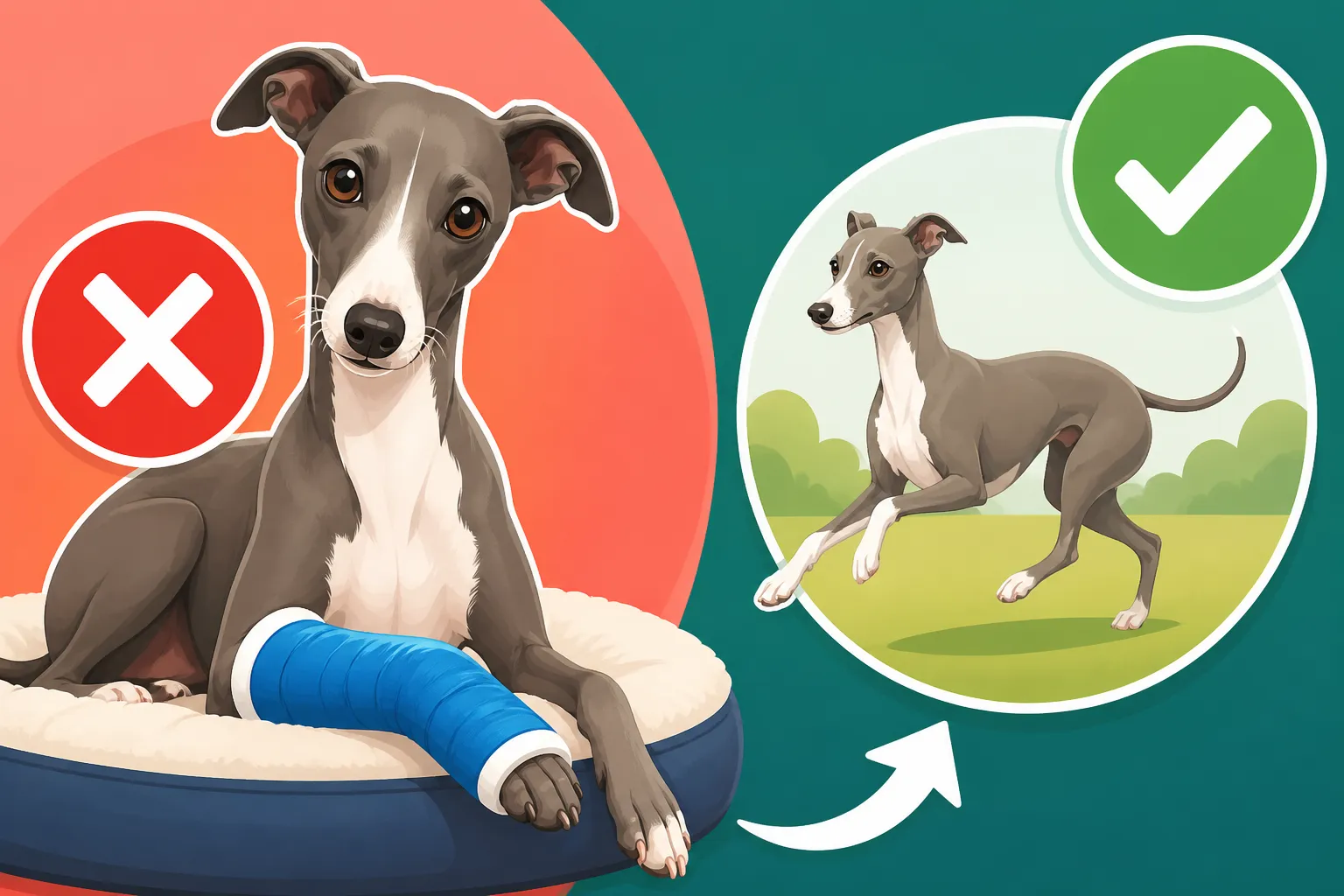
Why a Cast Rarely Holds on an Italian Greyhound
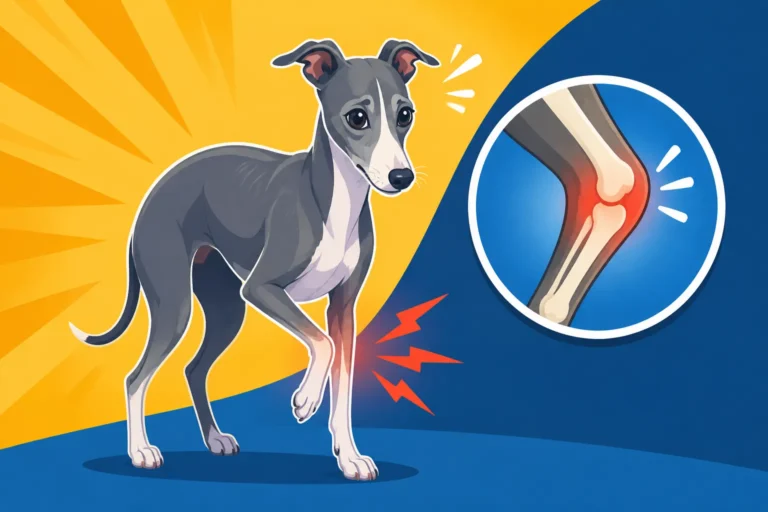
One of the most heart-wrenching realities for an Italian Greyhound owner is the sound of that terrible yelp, followed by the sight of your beloved pup holding up a fractured leg. The immediate thought, naturally, is to get a cast on it and hope for the best. However, many of us quickly learn the frustrating and often devastating truth: casts often don't hold well on an Italian Greyhound's delicate anatomy, leading to complications, more vet visits, and even more heartache. This guide will explore exactly why casts are such a challenge for our tiny sighthounds and what alternatives exist.
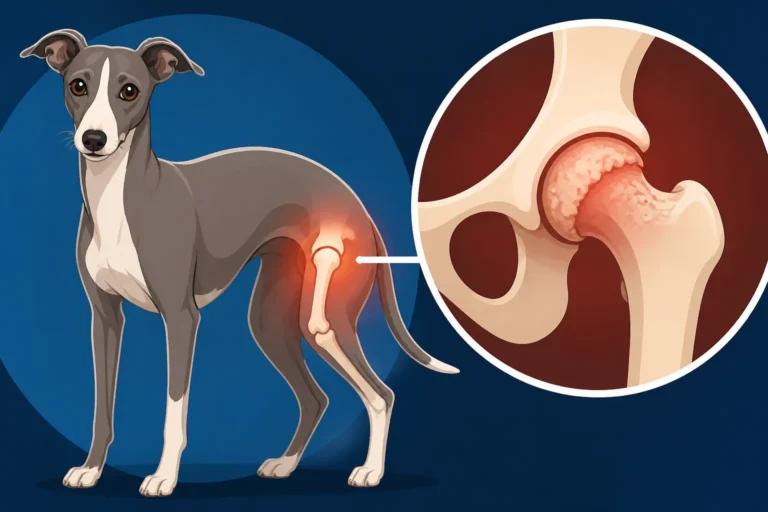
The Delicate Anatomy of an Italian Greyhound's Legs
Italian Greyhounds, or Iggies as we lovingly call them, are built for speed and elegance, not for rough-and-tumble play or high-impact landings. This inherent fragility is a major factor in why their bones are so susceptible to breaks, and consequently, why traditional casting methods often fall short. It's not just bad luck; it's a matter of unique physiology that makes them particularly prone to fractures and complicates their healing process.
Why Italian Greyhounds Break Bones So Easily
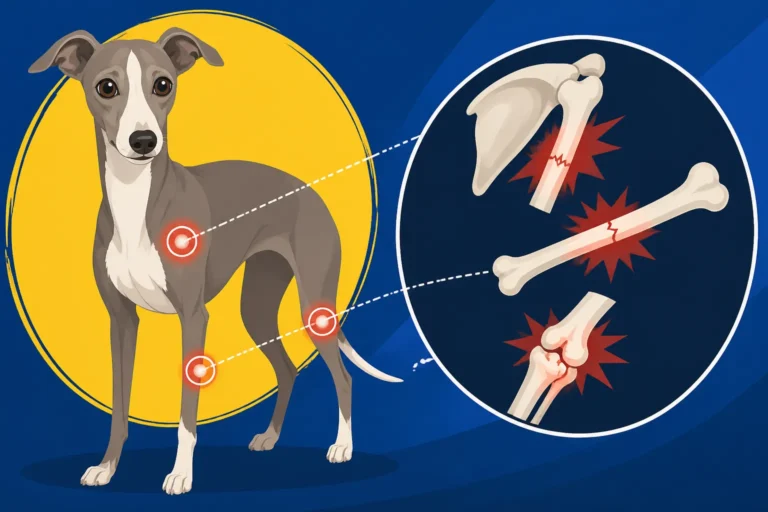
If you've spent any time with an Italian Greyhound, you know they are bundles of boundless energy, zipping around the house and leaping onto furniture with reckless abandon. Their slender, fine bones, particularly in the lower limbs, are simply not designed for the kind of impact that larger, sturdier breeds can withstand. The radius and ulna, the two long bones in their foreleg, are especially vulnerable. It's not uncommon for an otherwise innocuous jump off a sofa to result in a devastating fracture. Many owners, especially those with young, energetic Iggies, find themselves asking, "The Age an Italian Greyhound Is Most Likely to Break a Leg". It's a question rooted in the harsh reality of their delicate structure. This fragility means that even small missteps can have big consequences, and the subsequent treatment needs to be as precise and delicate as the dogs themselves.
The Unique Bone Structure of an Italian Greyhound
Italian Greyhounds possess a distinct bone structure that sets them apart from most other breeds. Their bones are remarkably fine-boned, almost hollow-looking, and quite dense despite their thin appearance. This sighthound characteristic contributes to their incredible speed and agility but provides less structural support against twisting forces or blunt trauma. Imagine a finely crafted piece of porcelain; beautiful and elegant, but incredibly fragile if dropped or stressed incorrectly. This is a crucial distinction when considering how their bones respond to injury and why standard orthopedic solutions, like casts, need careful consideration. The unique conformation of their legs, with long, slender shafts, also means there's less muscle mass to provide natural padding and support, making the bones even more exposed to injury.
Inherent Challenges of Casting an Italian Greyhound
Applying and maintaining a cast on an Italian Greyhound's fractured leg presents a cascade of challenges that are frustrating for owners and veterinarians alike. It’s not just about putting a cast on; it’s about making it stay, making it effective, and managing all the issues that arise from immobilizing such a lively, delicate creature. Many of us wish it were as simple as a human child breaking an arm, but for Iggies, it's a whole different ballgame.
The Conical Shape of Their Legs
One of the most significant anatomical hurdles is the Italian Greyhound's conical leg shape. Their legs taper from a wider top near the shoulder or hip down to a very narrow ankle. This means there's no real "shelf" or consistent width for a cast to grip onto securely. Think about trying to hold onto a cone with a loose grip – it's bound to slip. This lack of a consistent diameter makes it incredibly difficult for a veterinarian to apply a cast that will remain snug and stable without either being too tight (and cutting off circulation) or too loose (and failing to immobilize the fracture). Owners often find themselves constantly adjusting or noticing the cast slipping, which compromises its effectiveness entirely.
Their Thin Skin and Lack of Padding
Another major concern is the Italian Greyhound's paper-thin skin and minimal body fat. Unlike many breeds with thicker coats and more subcutaneous fat, Iggies have very little natural padding to protect their bones and skin. This means that a cast, even when perfectly applied, can easily cause pressure sores, rub spots, or even open wounds. These secondary skin issues can be incredibly painful, lead to infection, and necessitate removing the cast prematurely, which is exactly what you want to avoid when trying to heal a fracture. The delicate nature of their skin also makes them particularly susceptible to irritation from the cast materials, exacerbating the problem and adding another layer of discomfort for your suffering pup. It's a delicate balance to achieve immobilization without causing more harm.
The Importance of Precision in Immobilization
For a bone to heal properly, especially a complex fracture in a delicate breed like an Italian Greyhound, precise immobilization is paramount. Any movement at the fracture site can disrupt the healing process, prevent bone fusion, or even cause the bone fragments to shift, leading to a non-union or malunion. Because of the aforementioned conical leg shape and thin skin, achieving this perfect, unmoving immobilization with a cast is incredibly difficult. Even a slight shift can negate the cast's purpose, turning a hopeful solution into a frustrating setback. This is why some vets specialize in knowing exactly "Finding a Surgeon Who Has Plated an Italian Greyhound" because casting often isn't enough, and surgical intervention becomes the primary, more reliable route for effective immobilization.
Common Reasons Casts Fail or Slip on Italian Greyhounds
It's a common story: you bring your Italian Greyhound home with a carefully applied cast, only for it to be a source of constant worry and frequent reapplication. There are several recurring issues that cause casts to fail or slip, and understanding these can help you discuss alternative treatment plans with your vet from the outset.
Incorrect Application or Material Issues
While veterinarians strive for perfection, applying a cast on a wiggly, anxious Italian Greyhound is an art, not a science, and even the best efforts can fall short. If the cast isn't applied with exactly the right tension, or if the material isn't ideal for their unique anatomy, failure is almost inevitable. Too loose, and it slips. Too tight, and it causes swelling and circulation problems. Sometimes, the materials themselves might not be perfectly suited to the fine contours of an Iggy's leg, leading to weak points or areas where it's more likely to crack or break down. The initial swelling after a fracture can also complicate things; a cast applied initially might become too loose once the swelling subsides, requiring a reapplication. It's a continuous balancing act.
Dog's Activity Level and Attempts to Remove the Cast
Let's be real: Italian Greyhounds are not known for their calm, sedentary nature. Even with pain medication, their inherent zest for life, coupled with the discomfort or irritation of a foreign object on their leg, often leads them to try and remove it. They'll chew, lick, pull, and drag at it with surprising determination. It's a constant battle to keep them still and prevent them from damaging the cast. This is why strict confinement and often, an Elizabethan collar (the "cone of shame") are necessary, but even these measures aren't foolproof. A particularly determined Iggy can still find ways to compromise the cast, leading to slippage or outright destruction, which then lands you back at the vet and facing potentially higher bills, unless you're prepared with pet insurance like that offered by Healthy Paws.
Swelling, Muscle Atrophy, and Skin Issues
Beyond the initial application, a cast can fail due to physiological changes in your Italian Greyhound's leg. Swelling is common immediately after a fracture, but as it resolves, the cast that was once snug might become loose. Conversely, if the cast is too tight, it can impede blood flow, leading to more swelling and discomfort. Prolonged immobilization also leads to muscle atrophy; the muscles surrounding the fracture site will diminish in size, making the cast even less likely to fit properly over time. Furthermore, the thin skin of an Italian Greyhound is highly susceptible to pressure sores and dermatitis under a cast. These skin issues are not only painful but can become infected, demanding immediate removal of the cast and a new treatment plan. This cyclical problem of the cast causing secondary issues that then necessitate its removal is a common and frustrating reality for Iggy owners.
When a Cast Isn't Enough: Exploring Alternatives
Given the significant challenges with casts, many Italian Greyhound owners and veterinarians often look to alternative, more stable methods of fracture repair. It’s a hard decision, especially considering the cost implications, but sometimes, it’s the only way to ensure proper healing and prevent further complications. When you consider "What Fracture Repair Costs on an Italian Greyhound", it's clear why owners want the most effective solution from the start.
Surgical Intervention: Plates, Pins, and External Fixators
For many Italian Greyhound fractures, particularly those involving the radius and ulna, surgical intervention is often the most reliable and recommended course of action. This typically involves internal fixation, where a veterinary orthopedic surgeon uses small plates and screws, or pins and wires, to stabilize the bone fragments internally. These implants are secured directly to the bone, providing a much more rigid and precise form of immobilization than an external cast. In some cases, an external fixator might be used, which involves pins inserted through the skin and bone, connected to an external frame. While visually dramatic, external fixators allow for better wound care and can be adjusted externally. The question often arises, "Whether an Italian Greyhound's Fracture Needs a Plate", and for many common Iggy fractures, the answer is a resounding yes, precisely because casts are so unreliable.
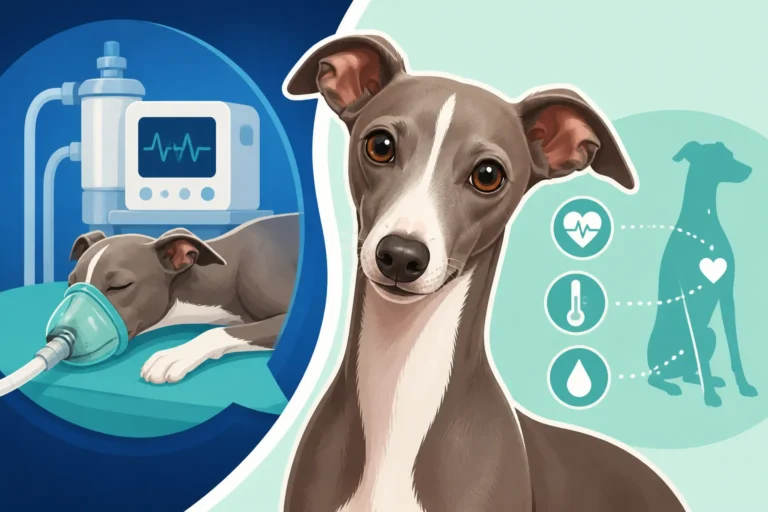
Surgical repair offers several advantages: it allows for immediate, rigid stabilization, which is crucial for delicate bones, and it often results in a faster and more predictable healing process. While more invasive and costly upfront, it can ultimately save money and stress by avoiding repeated cast changes, complications, and prolonged healing times. Pet insurance, such as Healthy Paws, can be incredibly helpful in managing the significant expenses associated with specialized orthopedic surgery.
The Healing Process After Advanced Repair
After a successful surgical repair, the healing journey still requires immense patience and diligent care. While the bone is internally stabilized, it still needs time to fuse and strengthen. Your Italian Greyhound will likely need a period of strict crate rest, often for 6-8 weeks or even longer, depending on the severity of the fracture. You might find guidance on "How Long an Italian Greyhound Stays Crated After Surgery" particularly useful during this phase. This confinement is critical to prevent undue stress on the healing bone.
Rehabilitation is also a vital component. Once the initial healing has progressed, your vet or a veterinary physical therapist will guide you through exercises to rebuild muscle mass, improve range of motion, and help your Iggy regain confidence in using the limb. The goal is always to see "Whether an Italian Greyhound Regains Full Use of the Leg", and with appropriate surgical repair and dedicated aftercare, the prognosis is generally very good. It's a long road, but seeing your little one scamper around again, free from pain and casts, makes every effort worthwhile.
Preventing Fractures to Avoid Casting Altogether
While understanding fracture repair is crucial, the best approach is always prevention. For Italian Greyhounds, who are so prone to these devastating injuries, taking proactive steps can save you and your pup a world of pain, stress, and expense. Preventing "A Broken Leg Is the Emergency Every Italian Greyhound Owner Fears" is the ultimate goal.
Creating a Safe Home Environment
The home environment is often where Iggies get into the most trouble. Their love for high places and their surprising jumping ability make furniture a common hazard. Investing in ramps or steps for sofas and beds is not a luxury; it's a necessity. Training your Italian Greyhound to use these aids consistently can significantly reduce the risk of them jumping down incorrectly and sustaining a fracture. Additionally, ensuring non-slip surfaces, especially for young puppies whose bones are still developing, can prevent slips and falls. A sudden skid on hardwood floors can put immense stress on delicate legs. Consider "Restricting an Italian Greyhound Under Two" to help ensure their growth plates have fully hardened before allowing unfettered access to high places.
Keeping your floors clear of clutter and supervising play, especially with larger, boisterous dogs, is also paramount. Even well-meaning wrestling can quickly turn dangerous for a fragile Italian Greyhound. Their light build means they can easily be knocked over or stepped on, leading to serious injury.
The Role of Responsible Breeding and Early Care
While environmental factors play a huge role, responsible breeding also contributes to bone health. Breeders who prioritize sound structure and avoid breeding dogs with known predispositions to bone weakness can help improve the overall health of the breed. When choosing a puppy, always inquire about the health history of the parents and ensure the breeder performs appropriate health screenings.
For puppies, proper nutrition is essential for strong bone development. A balanced diet designed for small breeds, without excessive calcium supplementation (which can be harmful), supports healthy growth. Regular, gentle exercise appropriate for their age helps build muscle tone around their delicate bones, offering some degree of natural protection. It’s about building a strong foundation, both genetically and environmentally, to minimize the risk of a fracture ever occurring, and hopefully, avoiding the complex problem of trying to keep a cast on your Italian Greyhound.
| Feature | Traditional Cast | Surgical Plate/Pins/External Fixator |
|---|---|---|
| Immobilization | External, less rigid, prone to slippage | Internal/External, highly rigid, precise |
| Suitability | Simple fractures, less active dogs, specific sites | Complex fractures, active dogs, common Iggy breaks |
| Comfort | Often irritating, can cause pressure sores | Can be more comfortable internally, external frames have challenges |
| Skin Issues | High risk of rubs, sores, infection | Lower risk, external fixators allow wound care |
| Healing Time | Potentially longer or complicated due to movement | Generally faster, more predictable |
| Cost | Lower initial cost, but can increase with re-dos | Higher initial cost (often requiring insurance like Healthy Paws) |
| Success Rate | Variable, often challenging for Iggies | Generally higher, especially for complex fractures |
| Aftercare | Frequent checks, cast changes, strict rest | Strict rest, rehab, potential for implant removal |
Disclaimer
This article is intended for informational purposes only and does not constitute veterinary advice. If your Italian Greyhound has sustained an injury or fracture, please seek immediate veterinary attention from a qualified professional. Decisions regarding your pet's health and treatment should always be made in consultation with your veterinarian.