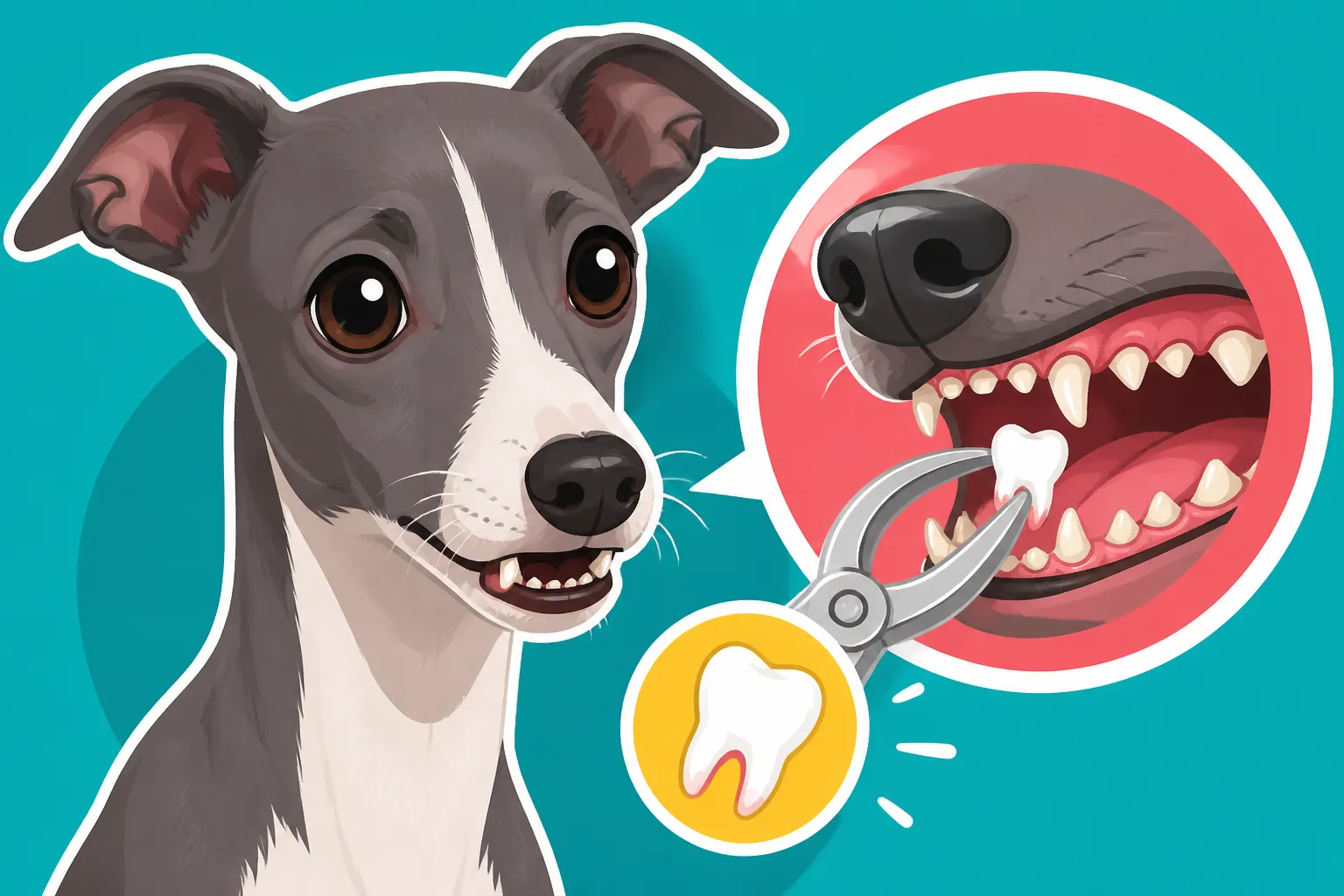
When an Italian Greyhound’s Baby Teeth Must Be Pulled
Few things are more confusing and anxiety-inducing for a new Italian Greyhound puppy parent than watching those tiny, needle-sharp baby teeth linger long past their welcome. You expect a smooth transition to adult teeth, but often, these delicate dogs hold onto their deciduous (baby) teeth with surprising tenacity, leading to a cascade of potential problems. This guide is here to walk you through exactly when these lingering puppy teeth become a serious issue and why prompt veterinary action is crucial for your Italian Greyhound's lifelong dental health.
The Natural Timeline of Italian Greyhound Puppy Teething
Understanding the normal process of teething in Italian Greyhounds is your first line of defense against future dental woes. When you know what to expect, you're better equipped to spot when things aren't quite right.
The Puppy Tooth Eruption Schedule
Just like human babies, Italian Greyhound puppies are born without teeth. Those adorable little nubs, the deciduous teeth, typically start breaking through the gums around 3 to 4 weeks of age. By the time your Italian Greyhound puppy is about 6 to 8 weeks old, they should have a full set of 28 baby teeth. These tiny teeth are incredibly sharp, perfect for exploring their world (and your fingers!).
The typical order of eruption usually starts with the incisors (front teeth), followed by the canines (fangs), and then the premolars. During this initial phase, you might notice some mild discomfort, increased chewing, and perhaps a slight change in appetite, though many IGs sail through this stage without much fuss at all. It's a busy time for their little mouths, but generally, these teeth emerge without major issues.
When Adult Teeth Begin to Arrive
The real show begins when the adult teeth start to push out the baby teeth. This usually kicks off around 3 to 4 months of age. The permanent teeth emerge directly beneath or alongside the deciduous teeth, and their job is to resorb the roots of the baby teeth, causing them to loosen and fall out. By the time an Italian Greyhound is typically 6 to 7 months old, they should have a full set of 42 permanent teeth.
This transition period is often marked by increased chewing again, sometimes called "secondary teething." Your puppy might be extra keen on gnawing on toys, furniture, or anything else they can get their jaws around. Providing appropriate chew toys is important not only for comfort but also to help encourage the shedding of those baby teeth. However, despite their best efforts, sometimes those baby teeth just don't want to let go, especially in smaller breeds like Italian Greyhounds. You might even find a tiny, blood-flecked baby tooth on the floor, which is a perfectly normal and even welcome sight! You can also read more about The Age an Italian Greyhound Starts Losing Teeth.
Identifying Retained Deciduous Teeth: Signs Your Italian Greyhound Needs Help
The term "retained deciduous teeth" might sound complex, but it simply means that a baby tooth hasn't fallen out even though the adult tooth has already started to erupt. This is a far more common issue in Italian Greyhounds than you might think, and it's something every IG owner needs to be vigilant about.
What Exactly Are Retained Baby Teeth?
In an ideal world, the emerging adult tooth acts like a little excavator, dissolving the root of the baby tooth as it pushes up. Once the root is gone, the baby tooth has nothing to anchor it and simply falls out. However, with Italian Greyhounds, their delicate bone structure and often crowded jaws can sometimes mean that the adult tooth doesn't quite line up properly. Instead of pushing directly on the baby tooth's root, it erupts next to it, leaving the baby tooth's root perfectly intact and stubbornly anchored in the jaw.
This phenomenon is most frequently seen with the canine teeth (the fangs) but can also occur with incisors and premolars. You'll literally see two teeth occupying the space meant for one – a baby tooth and an adult tooth side-by-side. This crowded situation isn't just an aesthetic concern; it paves the way for a host of painful and costly dental problems down the line.
The Harmful Consequences of Lingering Puppy Teeth
When a baby tooth doesn't fall out as it should, it creates a serious problem known as malocclusion, or an improper bite. Imagine trying to close your mouth properly with an extra tooth jamming everything up. For your Italian Greyhound, this can mean discomfort when chewing, difficulty picking up food, and even painful sores where misaligned teeth rub against gums or other parts of the mouth.
Beyond immediate discomfort, the most significant long-term issue is the accelerated development of periodontal disease. When two teeth occupy the same socket or are too close together, they trap food particles and bacteria. This creates a perfect breeding ground for plaque and tartar to build up rapidly, far more quickly than on properly spaced teeth. This accumulation of bacteria leads to gum inflammation (gingivitis) and eventually to more severe Periodontal Disease Is the Italian Greyhound's Most Common Diagnosis, which can cause painful infections, bone loss, and ultimately, premature tooth loss for your IG. You can tell your IG's mouth hurts by looking for signs like drooling, reluctance to eat hard food, or pawing at their mouth. Catching How Early Tartar Appears on an Italian Greyhound and addressing retained teeth is a major step in preventing this common ailment.
The Critical Window for Intervention: Why Waiting Harms Your Italian Greyhound
Many owners, understandably, hope that a stubborn baby tooth will eventually fall out on its own. While occasionally one might, the vast majority of retained deciduous teeth in Italian Greyhounds require professional intervention. Waiting too long can have permanent, detrimental effects on your dog's oral health and overall well-being.
The Ideal Age for Veterinary Action
The general consensus among veterinarians and breed specialists is that if a baby tooth is still present when the permanent tooth has visibly erupted, and your Italian Greyhound is 6 to 7 months old, it's time for extraction. This age often coincides with when most puppies are getting spayed or neutered, making it a convenient time to address the issue under a single anesthesia event.
At this stage, the roots of the baby teeth are still relatively shallow, making extraction a simpler and less traumatic procedure. Waiting longer allows the roots to strengthen, potentially complicating the extraction and increasing the risk of damaging the adult tooth or the jawbone. Your vet will perform a thorough oral examination during wellness visits, but it's crucial for you as an owner to regularly check your puppy's mouth at home. If you see two teeth in one spot, especially around the canine teeth, make an appointment.
Here's a quick guide to when to act:
| Tooth Type | Normal Adult Eruption (approx.) | When to Consult Vet for Retained Baby Tooth | Potential Issues if Untreated |
|---|---|---|---|
| Incisors (front) | 3-5 months | If baby incisors remain at 4-5 months and adult ones are through | Malocclusion, plaque buildup, gingivitis, discomfort, food trapping. |
| Canines (fangs) | 4-6 months | If baby canines remain at 6 months and adult ones are through | Severe malocclusion ("double fangs"), damage to palate or opposing jaw, severe periodontal disease, jaw misalignment. |
| Premolars (mid-mouth) | 4-6 months | If baby premolars remain at 6 months and adult ones are through | Crowding, plaque traps, periodontal disease, potential bone damage. |
| Molars (back) | 5-7 months | Adult molars have no baby predecessors | N/A |
The Risks of Delaying Extraction
Procrastinating on the removal of retained baby teeth can have several negative consequences. Firstly, the longer the baby tooth remains, the more opportunity there is for plaque and tartar to accumulate between the two teeth. This significantly increases the risk of early-onset How Common Dental Disease Is in an Italian Greyhound, which can lead to bad breath, pain, and eventually the need for more extensive (and expensive) dental procedures, including potentially losing permanent teeth down the road.
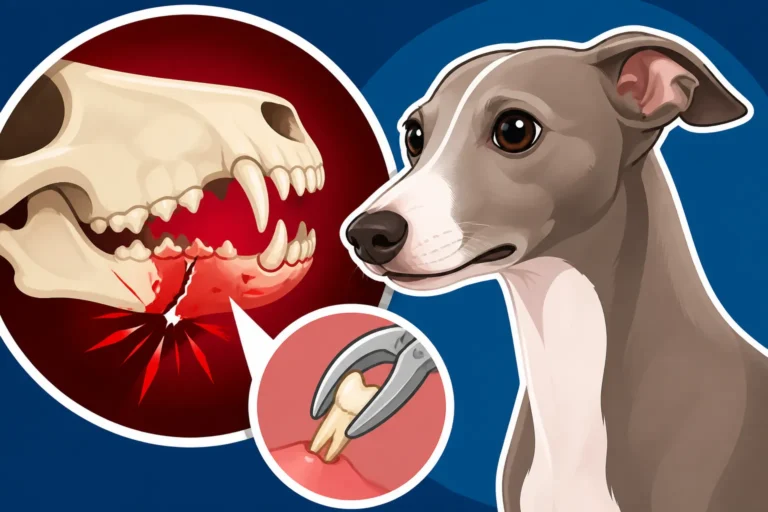
Secondly, the permanent adult tooth needs space to erupt correctly. If the baby tooth is still occupying its rightful spot, the adult tooth will often emerge in an abnormal position. This can lead to a misaligned bite that causes ongoing discomfort, difficulty eating, and potential damage to other teeth or soft tissues in the mouth. For example, a lower canine tooth that erupts too far inward because of a retained baby tooth can literally pierce the roof of the mouth, causing chronic pain and infection. These issues are much harder, if not impossible, to correct later in life. Early intervention is truly key to preventing a lifetime of dental challenges for your Italian Greyhound.
Preparing for a Retained Baby Tooth Extraction
Once your veterinarian determines that extraction is necessary, it's natural to have questions and concerns, especially since it involves anesthesia. Knowing what to expect can help ease your mind and ensure the best outcome for your beloved Italian Greyhound.
The Veterinary Consultation and Pre-Anesthetic Workup
When you bring your Italian Greyhound in for a retained tooth consultation, your vet will thoroughly examine their mouth. They'll confirm which teeth are retained, assess the degree of crowding, and check for any signs of early gum disease. Sometimes, they might take an X-ray to see the roots of both the baby and adult teeth, which helps plan the extraction to avoid damaging the permanent tooth. This diagnostic step is crucial for Italian Greyhounds due to their delicate bone structure.
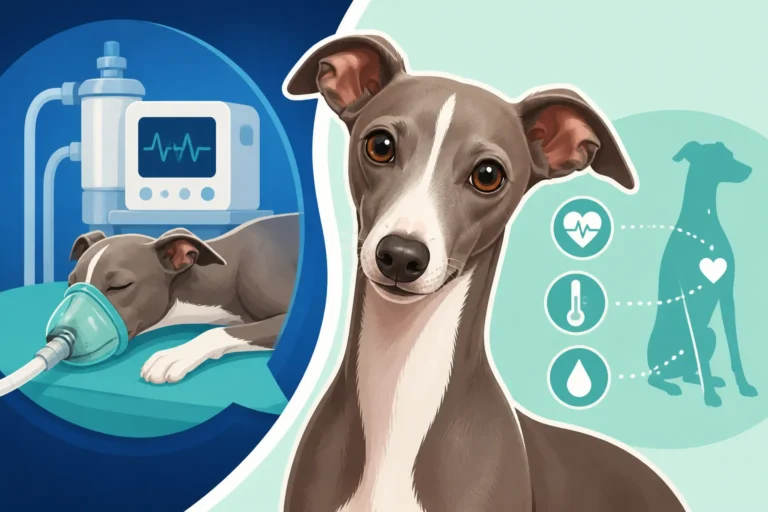
If extraction is recommended, your vet will discuss the procedure, including the need for general anesthesia. This is a critical point, as many owners worry about their tiny IGs going under. However, modern veterinary anesthesia protocols are very safe, especially when appropriate precautions are taken. This includes a full pre-anesthetic blood panel to check organ function, ensuring your dog is healthy enough for the procedure. Your vet will also discuss Why Anesthesia Is Handled Differently in an Italian Greyhound and how they will specifically tailor the plan for your little sighthound.
The Extraction Procedure and Post-Operative Care
On the day of the procedure, your Italian Greyhound will be carefully monitored throughout the anesthesia. The vet will extract the retained baby teeth, ensuring that the entire root is removed to prevent future complications. They will likely use small instruments and may even need to suture the gum line if the extraction site is large. The entire process is geared towards being as minimally invasive as possible while ensuring complete removal.
After the extraction, your IG will need some post-operative care. This usually involves soft food for a few days, pain medication, and sometimes antibiotics. You'll need to watch for any swelling, excessive bleeding, or signs of discomfort. Most Italian Greyhounds recover very quickly from these extractions and are back to their normal playful selves within a day or two.
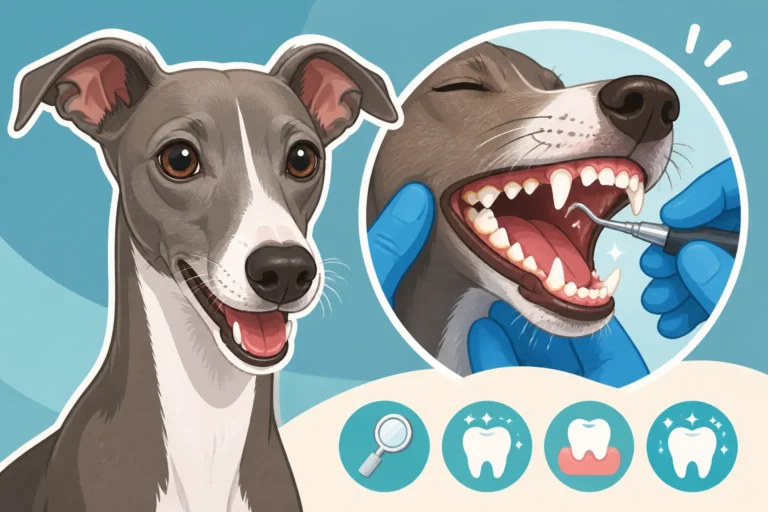
It's also a good time to remember that dental care doesn't stop after this procedure. Italian Greyhounds are prone to dental issues throughout their lives, so establishing good habits now, such as daily tooth brushing and regular vet check-ups, is paramount. If you're concerned about the financial aspect of this, many owners find that a good pet insurance plan, such as one from Healthy Paws, can significantly help with the unexpected costs of veterinary care, including necessary dental extractions. It's an investment in your dog's long-term health. Knowing What an Italian Greyhound's Annual Dental Costs can help you budget, and pet insurance like Healthy Paws can alleviate some of the burden.
The Long-Term Impact of Early Intervention
Making the decision to extract retained baby teeth promptly is one of the best things you can do for your Italian Greyhound's overall health and comfort. It prevents a myriad of issues that can otherwise plague them throughout their lives.
Ensuring a Healthy Bite and Preventing Pain
When retained deciduous teeth are removed at the appropriate time, it allows the permanent teeth to settle into their correct positions. This results in a proper bite, or occlusion, which is crucial for comfortable eating and prevents abnormal wear on the teeth. Without the baby teeth crowding the space, the adult teeth have the best chance to align naturally, reducing the risk of painful impaction into the palate or misalignment that causes rubbing and sores.
Think of it like setting up a strong foundation for a house; getting the dental alignment right in puppyhood creates a much more stable and pain-free oral environment for years to come. This proactive approach minimizes the chances of your Italian Greyhound developing chronic pain or needing extensive orthodontic work later in life, which can be far more complex and costly than a simple puppy tooth extraction. It helps your dog maintain the quality of life they deserve.
Reducing the Risk of Future Periodontal Disease
As discussed, retained baby teeth are significant contributors to early-onset periodontal disease. By removing these teeth, you eliminate the prime locations where food and bacteria get trapped, creating those notorious "double-teeth" pockets. This significantly reduces the rate at which plaque and tartar accumulate, thereby lowering your Italian Greyhound's risk of developing gingivitis, infections, and bone loss around the teeth.
While Italian Greyhounds are still prone to dental issues due to their breed characteristics – notably their crowded mouths and delicate jaws (you can read more on Why an Italian Greyhound's Teeth Crowd) – addressing retained baby teeth is a crucial first step in their lifelong dental care journey. This early intervention makes subsequent preventative care, like regular brushing and professional cleanings, much more effective. It can literally add years of healthy chewing and comfort to your Italian Greyhound's life. Consider exploring pet insurance options like Healthy Paws that often cover a portion of unexpected dental procedures, helping you prioritize your IG's health without undue financial stress. Early care, whether preventive or corrective, contributes greatly to Why an Italian Greyhound Lives Fourteen to Fifteen Years. This early removal also helps prevent How Dental Disease Shortens an Italian Greyhound's Life later on.
Disclaimer
This article is for general informational purposes only and does not constitute professional advice. Laws, prices and regulations vary by location and change over time. Consult a qualified professional for guidance on your specific situation.