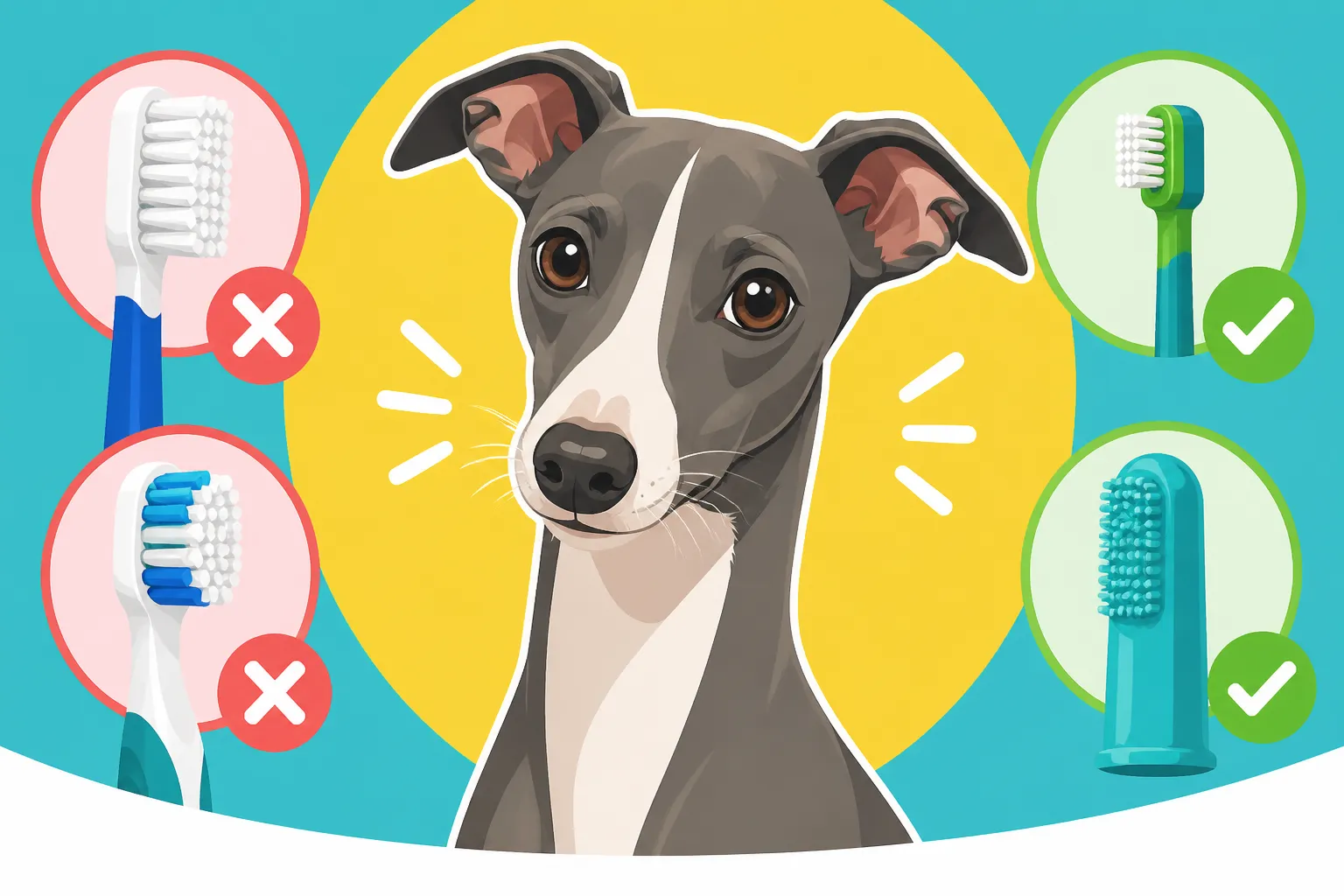
Which Toothbrush Fits an Italian Greyhound’s Mouth
Italian Greyhounds are adored for their delicate beauty and sweet dispositions, but ask any Iggy owner about dental health, and you’ll likely hear a sigh. Their tiny, elegant mouths, while undeniably charming, pose a significant challenge when it comes to oral hygiene. Finding the right toothbrush that effectively cleans their crowded teeth without causing discomfort or injury can feel like searching for a needle in a haystack. This guide is here to demystify the options and help you select the ideal toothbrush to keep your beloved Italian Greyhound's smile as healthy as possible.
The Peculiarities of an Italian Greyhound's Mouth That Impact Brushing
The Italian Greyhound's unique anatomy is a double-edged sword when it comes to dental care. While their svelte appearance is a hallmark of the breed, the structure of their mouth can predispose them to significant oral health issues. Understanding these peculiarities is the first step toward choosing the right tools and establishing an effective dental routine.
Why Italian Greyhounds Have Such Crowded Teeth
Take a good look inside your Italian Greyhound's mouth, and you'll immediately notice that there's simply not enough room for all those pearly whites. Unlike some breeds with broader muzzles, Iggies have long, narrow jaws that are quite delicate. However, they possess the same number of teeth as much larger dogs, typically 42 adult teeth. This anatomical mismatch means that their teeth are often packed together, rotated, or misaligned. Think of it like trying to fit too many books onto a small shelf – they end up jammed in, some sideways, some at odd angles.
This crowding isn't just an aesthetic concern; it creates countless tiny crevices, overlaps, and tight spaces where food particles and bacteria can easily become trapped. These hidden nooks and crannies become breeding grounds for plaque and tartar, making it incredibly difficult for a toothbrush, or even the dog's own tongue, to reach and clean effectively. It's precisely why regular and targeted brushing is so critical for this breed, as these areas are prime real estate for dental disease to take root. Without intervention, these crowded areas rapidly develop into significant problems.
The Delicate Nature of Their Gums and Jaw
Beyond the crowding, an Italian Greyhound's oral tissues are remarkably delicate. Their gums are often thin and sensitive, much like their skin, making them prone to irritation, inflammation, and injury if brushed too aggressively or with an inappropriate toothbrush. A brush that might feel perfectly fine for a larger, more robust breed could easily cause microscopic abrasions or discomfort in an Iggy's mouth. This sensitivity means that owners must prioritize soft bristles and a gentle technique above all else.
Furthermore, the delicate bone structure of their jaws is another factor to consider. While not directly impacted by toothbrush choice, aggressive brushing techniques can put undue stress on the mouth area. It's about being mindful of the entire oral environment. You're not scrubbing a bathtub; you're carefully cleaning a precious and fragile anatomical feature. The goal is to clean effectively without causing any pain or fear, which could make future brushing sessions a battle rather than a routine. Respecting the inherent fragility of their mouths is paramount for long-term dental success.
The High Risk of Periodontal Disease in Iggies
It's a disheartening truth for many Italian Greyhound owners, but Periodontal Disease Is the Italian Greyhound's Most Common Diagnosis. This isn't just a minor inconvenience; it's a progressive and often painful condition that affects the gums and supporting structures of the teeth. Due to their crowded teeth and delicate oral environment, Iggies are highly susceptible to plaque and tartar buildup, which quickly escalates into gingivitis and then full-blown periodontal disease. This insidious process begins with bacteria accumulating on the tooth surface, forming plaque. If not removed, plaque hardens into tartar, which cannot be brushed away and irritates the gums, leading to inflammation and infection.
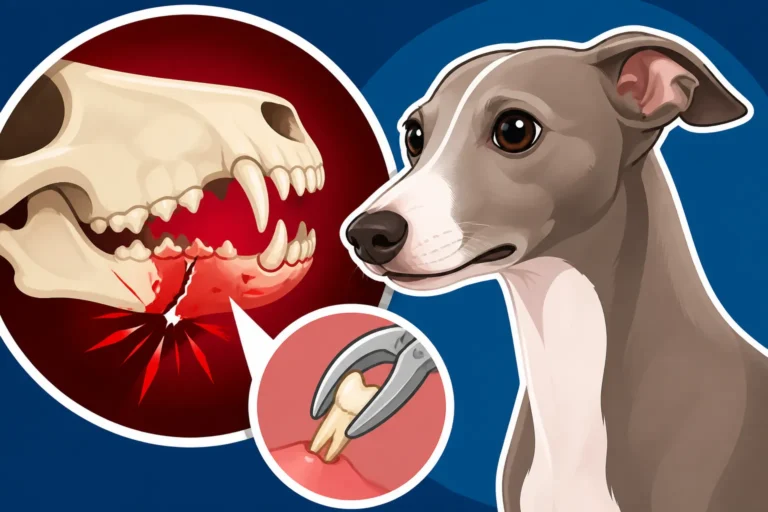
As the disease progresses, the infection spreads beneath the gum line, damaging the bone and ligaments that hold the teeth in place. This can result in loose teeth, painful abscesses, and ultimately, tooth loss. What's even more concerning is that the bacteria from severe dental disease can enter the bloodstream and impact vital organs, potentially leading to serious systemic health issues and, sadly, How Dental Disease Shortens an Italian Greyhound's Life. This dire prognosis underscores why selecting the correct toothbrush and establishing a consistent, effective home dental care routine is not just about fresh breath; it's a critical component of your Italian Greyhound's overall health and longevity. Proactive daily care is the best defense against this pervasive and damaging condition.
A Closer Look at Toothbrush Options for Your Italian Greyhound
Given the unique challenges of an Italian Greyhound's mouth, selecting the right toothbrush isn't a one-size-fits-all endeavor. You need tools designed for precision and gentleness. Thankfully, several options exist, each with its own set of pros and cons, allowing you to find what works best for both you and your sensitive Iggy.
The Simplicity and Control of Finger Brushes
Finger brushes are often the first port of call for many new Italian Greyhound owners, and for good reason. These small, silicone or rubber thimbles slip over your fingertip, featuring soft nubs or bristles. Their primary advantage lies in the direct tactile feedback they offer. You can physically feel the contours of your dog's teeth and gums, allowing for incredibly precise and gentle cleaning. This direct contact can be less intimidating for some Iggies, especially puppies, who might be wary of a long-handled brush. The soft material is inherently less abrasive than nylon bristles, making them an excellent choice for highly sensitive gums.
However, finger brushes do have limitations. While superb for desensitizing a puppy to mouth handling and for surface-level cleaning, their soft nubs might not be as effective at penetrating the tight spaces between crowded teeth where plaque loves to hide. They're also not as efficient at mechanically scrubbing away tartar buildup as traditional bristled brushes. Think of them as a gentle introduction or a supplement rather than a complete solution for established dental hygiene. They are perfect for teaching an Italian Greyhound to tolerate having their mouth handled and to associate dental care with positive experiences, laying the groundwork for more advanced tools later on. For an Iggy just starting their dental journey, or one with extremely delicate gums, a finger brush can be an invaluable initial step.
Standard Dog Toothbrushes with Small Heads
When it comes to dedicated dog dental care products, small-headed dog toothbrushes are designed with canine anatomy in mind. Many brands offer brushes specifically formulated for toy breeds, featuring compact heads that can navigate the tight confines of an Italian Greyhound's mouth. The bristles are typically very soft, which is crucial for preventing gum irritation, and often angled to reach different tooth surfaces more effectively. You'll often find options with different bristle lengths or even double-ended brushes, providing a larger brush on one end for the broader surfaces and a smaller, more tapered brush on the other for those tiny, hard-to-reach molars at the back of the mouth.
These brushes offer a significant step up in cleaning efficacy compared to finger brushes because their bristles can better sweep away plaque from tooth surfaces and just under the gum line. When selecting one, pay close attention to the bristle density and flexibility. A good quality small dog toothbrush will have fine, flexible bristles that can conform to the tooth's surface without being too stiff. These brushes also typically have longer handles, which can be advantageous for owners who find it difficult to maneuver their fingers deep into their Iggy's mouth. They represent a balanced approach, combining effective cleaning power with a design considerate of a small breed's delicate oral structure, making them a popular and reliable choice for many Italian Greyhound parents.
Exploring Human Baby or Toddler Toothbrushes
Don't be surprised if your veterinarian suggests a human baby or toddler toothbrush for your Italian Greyhound. Often, these brushes are an excellent, readily available, and affordable alternative to specialized dog toothbrushes. Why? Because they are specifically designed for the incredibly delicate gums and tiny mouths of human infants, making them perfectly suited for the sensitive oral environment of an Italian Greyhound. They feature ultra-soft bristles that are gentle on gums, miniature heads that can easily access even the tightest spaces, and often have ergonomic handles that provide a comfortable grip for the person doing the brushing. Brands like Oral-B or Colgate often have excellent baby brush lines.
The key advantage here is the softness and size. The bristles are much finer and more flexible than most adult toothbrushes, ensuring that you can clean effectively without causing discomfort or inadvertently injuring your Iggy's delicate gums. Remember, however, that while the brush itself is interchangeable, the toothpaste is not. Never use human toothpaste on your dog, as it often contains ingredients like xylitol (a sugar substitute) or fluoride, which are toxic to canines. Always pair a human baby toothbrush with a veterinary-approved, pet-specific toothpaste that comes in flavors appealing to dogs, such as poultry or beef. These brushes are a fantastic secret weapon for Iggy owners, offering a high-quality, gentle, and effective cleaning tool that you can easily find at your local pharmacy.
The Potential of Electric or Sonic Dog Toothbrushes
For those seeking the pinnacle of plaque removal, electric or sonic toothbrushes designed for pets are an option gaining traction. These brushes work by vibrating at high frequencies, creating thousands of brush strokes per minute. This action disrupts plaque and bacteria with minimal manual effort, making them incredibly efficient. The vibrations can reach into very small crevices, offering a superior clean compared to manual brushing. For an Italian Greyhound with severe crowding or a history of significant tartar buildup, an electric brush could potentially make a noticeable difference in their oral health, possibly reducing the frequency of professional dental cleanings or the severity of issues found during check-ups.
However, introducing an electric toothbrush to an Italian Greyhound requires immense patience and desensitization. The buzzing sound and vibrating sensation can be alarming for many dogs, especially sensitive Iggies. You'll need to slowly acclimate your dog to the sound and feel, often over weeks or even months, rewarding them generously for every small step of tolerance. It's also a more significant financial investment up front. While highly effective, it's not a solution for every dog or every owner. For dogs who remain highly anxious despite desensitization efforts, a manual brush will always be the kinder and more practical choice. But for those Iggies who can be trained to accept it, an electric or sonic toothbrush offers unparalleled cleaning power that can dramatically improve their long-term dental health.
Choosing the Best Toothbrush for Your Individual Iggy
So, with all these options, how do you pinpoint the perfect brush for your unique Italian Greyhound? It really boils down to a combination of factors: what fits their mouth, what you can comfortably use, and what your Iggy will tolerate. Making the right choice ensures that you can consistently provide the dental care they desperately need.
Prioritizing Size, Shape, and Bristle Softness
When you're standing in the dental care aisle, whether for pets or babies, the absolute non-negotiables for an Italian Greyhound's toothbrush are its size, shape, and bristle softness. The brush head must be small enough to easily fit into your Iggy's mouth without having to pry their jaws open excessively wide, which would cause discomfort and resistance. A tiny head, often no wider than your pinky finger, is ideal for maneuvering around individual teeth and reaching those notoriously crowded areas at the back of the mouth. This precision is key to effectively cleaning without causing irritation or pain.
Next, consider the shape of the brush head. Some are rectangular, others more oval or even triangular. Experiment to see which shape allows you to best access all surfaces of your dog's teeth, especially the tricky ones. And finally, the bristles – they should be ultra-soft. This is paramount. Bristles that are too firm will abrade delicate gum tissue, leading to pain, bleeding, and a negative association with brushing. Always choose the softest option available. If you're unsure, press the bristles against your own gums; if it feels at all stiff or scratchy to you, it will be even more so for your Iggy. Remember, the goal is gentle but effective cleaning, not aggressive scrubbing. Finding this sweet spot will greatly enhance your success in Getting an Italian Greyhound to Tolerate Tooth Brushing.
Considering Your Comfort and Control While Brushing
While your Iggy's comfort is paramount, your comfort as the brusher is also a significant factor in maintaining a consistent routine. If the toothbrush handle is awkward, slippery, or too short, you'll find yourself struggling, becoming frustrated, and potentially doing a less thorough job. A well-designed handle should offer a secure grip, even when wet, and provide enough length to reach the back teeth without you having to contort your hand into uncomfortable positions. Some brushes have ergonomic grips, rubberized sections, or even angled shafts that can make a world of difference.
Consider the balance of the brush in your hand. Does it feel unwieldy or precise? The more control you have over the brush head, the more effective and gentle you can be. This can be particularly important when trying to navigate the tight spaces of an Italian Greyhound's mouth. If you’re constantly readjusting your grip or fumbling with the brush, the experience will be stressful for both of you. A brush that feels like an extension of your hand will allow for smoother, more confident movements, transforming a potential chore into a manageable and even bonding ritual. Investing a little time in finding a brush that feels good to you will pay dividends in the long run by ensuring you stick to that crucial daily brushing schedule.
The Importance of Introducing the Brush Slowly
No matter how perfect the toothbrush, it's virtually useless if your Italian Greyhound vehemently opposes its presence. The key to successful dental hygiene, especially with a sensitive breed like the Iggy, is a slow, positive introduction. Think of it as a gradual desensitization process, not a forced procedure. Start by simply letting your dog sniff and explore the toothbrush, perhaps even licking a tiny bit of palatable, dog-specific toothpaste off the bristles. Praise them enthusiastically for any interest shown.
Once they're comfortable with the brush's presence, gently touch the brush to their lips, then briefly to a single tooth, then maybe a few. Keep sessions extremely short – literally seconds – and always end on a positive note with treats and praise. Never force the issue or hold them down; this will only create negative associations and make future attempts much harder. Some Iggies might adapt quickly, while others could take weeks or even months to tolerate a full brushing. The investment of time and patience at the beginning will build trust and cooperation, paving the way for a lifetime of easier dental care. Remember, consistency in positive reinforcement is just as important as the brush itself.
A Holistic Approach to Italian Greyhound Dental Health
Choosing the right toothbrush is a monumental first step, but it's important to remember that it's just one piece of the puzzle. An Italian Greyhound's dental health requires a comprehensive, lifelong strategy that combines diligent home care with regular professional veterinary attention. Neglecting any part of this holistic approach can lead to painful and costly consequences down the line.
Why Daily Brushing is Non-Negotiable
For Italian Greyhounds, daily brushing isn't just a recommendation; it's an absolute necessity. Plaque, a sticky film of bacteria, begins forming on teeth within hours of eating. If this plaque isn't mechanically removed every 24 hours, it starts to harden into tartar, which then requires professional removal. Given how quickly dental disease can progress in an Iggy's mouth, with their crowded teeth providing perfect hiding spots for bacteria, Brushing an Italian Greyhound's Teeth Every Day is the single most effective thing you can do at home to stave off serious problems. Think of it as preventing a snowball effect; the longer plaque sits, the bigger the problem becomes.
Skipping even a few days can allow significant buildup, making it harder to clean and accelerating the onset of gingivitis. This diligent routine will also significantly impact the health of their gums and the longevity of their teeth, potentially delaying problems like The Age an Italian Greyhound Starts Losing Teeth. Without daily intervention, many Italian Greyhounds will start to experience significant tooth loss by middle age, and by the time they reach eight, it's not uncommon for them to have lost How Many Teeth an Italian Greyhound Loses by Eight or more. Establishing and maintaining this daily habit is the cornerstone of preventing pain, infection, and the myriad of health issues that stem from poor oral hygiene.
The Role of Professional Dental Cleanings
Even with the most meticulous daily brushing routine, professional dental cleanings performed by your veterinarian remain an indispensable part of your Italian Greyhound's oral health strategy. Unlike home brushing, which primarily removes plaque, professional cleanings allow for the removal of tartar that has accumulated both above and, crucially, below the gum line. This procedure, which involves scaling and polishing, can only be done safely and effectively under general anesthesia. It allows the vet to thoroughly examine each tooth, check for pockets of infection, identify any abscesses, and perform necessary extractions.
Understanding What Happens During an Italian Greyhound's Dental can help alleviate some of the natural anxieties associated with anesthesia. Your vet will conduct pre-anesthetic bloodwork to ensure your Iggy is a good candidate, and they'll be carefully monitored throughout the procedure. While the thought of anesthesia is daunting for any pet owner, especially with a delicate breed, Why an Italian Greyhound's Dental Requires Anesthesia is a critical safety measure, ensuring your dog feels no pain and remains still for the intricate work required. For many Iggies, depending on their genetics and the effectiveness of home care, these professional cleanings may be needed How Often an Italian Greyhound Needs a Dental Cleaning, sometimes annually or every other year, to maintain optimal oral health.
Financial Planning for Ongoing Dental Care
The reality of Italian Greyhound ownership includes factoring in the significant and recurring costs of dental care. From their earliest years, these little dogs are prone to dental issues, and the expenses associated with professional cleanings, extractions, and potential follow-up care can quickly add up. A single professional dental cleaning, especially if extractions are required, can easily run into several hundred or even a few thousand dollars. These are not one-time costs; they are ongoing expenses that you should budget for throughout your Iggy's life. Understanding What an Italian Greyhound's Annual Dental Costs will help you plan ahead.
This is where pet insurance can be an absolute lifesaver. Many owners find that a comprehensive pet insurance plan, such as those offered by Healthy Paws, can help mitigate the financial burden of unexpected and routine dental procedures. While policies vary, a good plan can reimburse a significant portion of the costs for cleanings, extractions, and any treatments for periodontal disease. By investing in proactive measures like daily brushing and having a robust insurance plan from providers like Healthy Paws in place, you’re not only protecting your Italian Greyhound’s health but also giving yourself peace of mind. Without insurance, these bills can be a major stressor, but with a plan from Healthy Paws, you can focus on getting your beloved Iggy the care they need without worrying as much about the immediate impact on your wallet. Being financially prepared for these inevitable expenses is just as important as being emotionally prepared.
Toothbrush Comparison for Italian Greyhounds
To help you visualize the differences and make an informed decision, here's a quick comparison of the common toothbrush types suitable for Italian Greyhounds:
| Toothbrush Type | Pros | Cons | Ideal For |
|---|---|---|---|
| Finger Brush | Excellent tactile control, very gentle, good for desensitization, less intimidating for puppies. | Less effective at deep cleaning, bristles can be too soft for advanced plaque, limited reach. | Puppies, Iggies new to brushing, highly sensitive gums, owners seeking maximum control. |
| Small Dog Toothbrush | Designed for canine anatomy, soft bristles, effective at plaque removal, good handle length. | Quality varies between brands, may still be too large for some tiny Iggy mouths. | Most adult Iggies with some tolerance for brushing, daily comprehensive cleaning. |
| Human Baby/Toddler Toothbrush | Ultra-soft bristles, very small head, readily available, cost-effective, ergonomic handles. | Must only be used with dog-specific toothpaste, can sometimes have very short handles. | Excellent all-around choice for Iggies, especially those with very small mouths or sensitive gums. |
| Electric/Sonic Dog Toothbrush | Highly effective at plaque disruption, reduces manual effort, deep cleaning action. | Noise/vibration can be scary, high initial cost, requires significant desensitization training. | Iggies who tolerate vibrations, owners committed to consistent advanced care, stubborn plaque. |
Disclaimer
The information provided in this article is for general informational purposes only and is not a substitute for professional veterinary advice. Always consult with a qualified veterinarian for any health concerns or before making any decisions related to your pet's health and treatment.