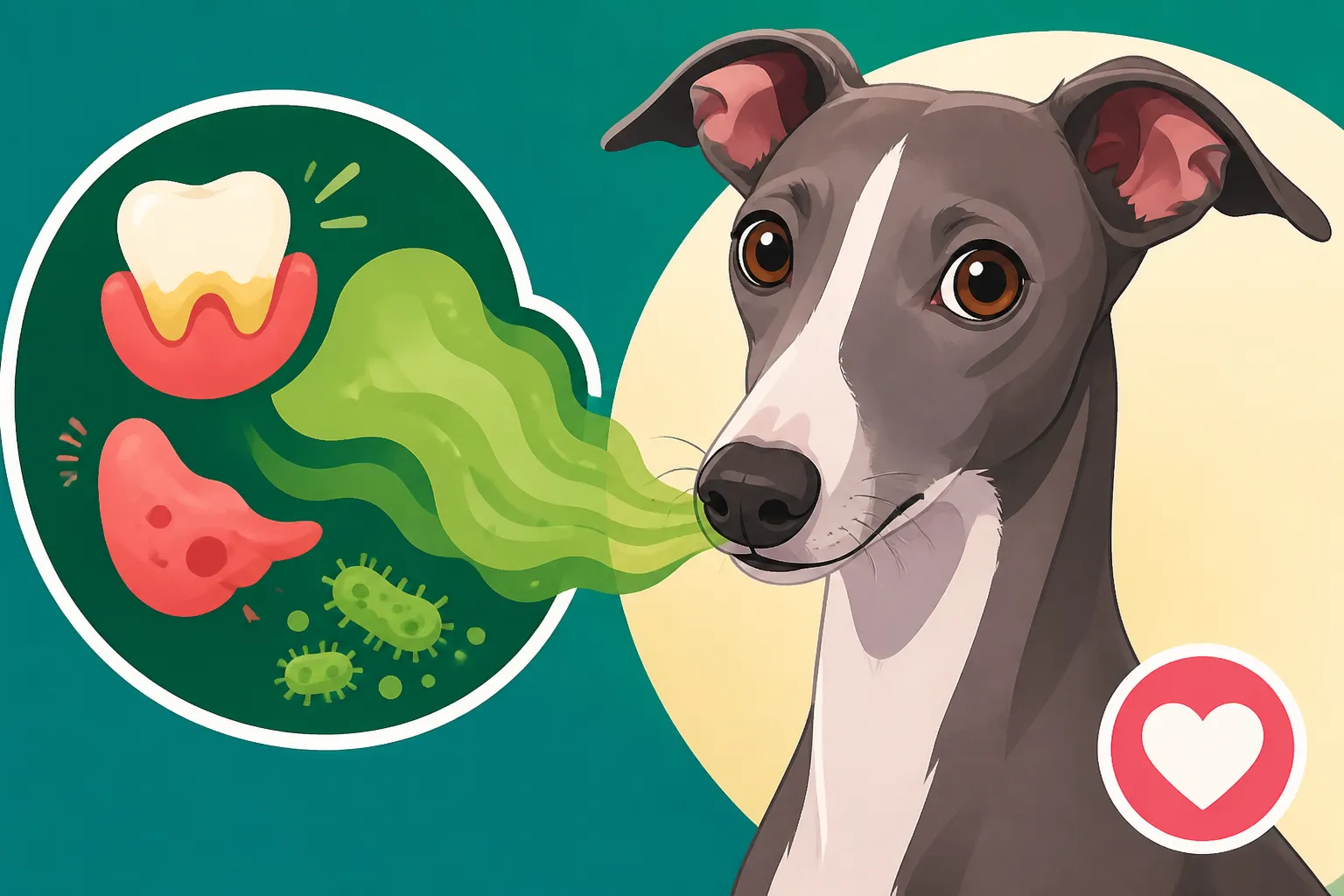
What Bad Breath Means in an Italian Greyhound
That funky, unsettling smell wafting from your beloved Italian Greyhound's mouth is more than just an unpleasant odor; it's often a distress signal that something isn't quite right beneath the surface. As Iggy owners, we know their delicate nature extends beyond their fragile bones, and their dental health is no exception. This guide is here to help you decipher what that bad breath truly means, explore its underlying causes, and arm you with the knowledge to tackle it head-on, ensuring your lean, lanky companion stays as healthy and happy as possible.
The Alarming Reality of Italian Greyhound Dental Health
Let's be honest, few things are as off-putting as a blast of truly awful dog breath when your sweet Iggy leans in for a cuddle. You might dismiss it as "just dog breath," but for Italian Greyhounds, bad breath is almost never just a minor annoyance. It's often the first, most glaring symptom of burgeoning dental problems that can rapidly escalate, impacting not only their comfort but their overall health.
More Than Just "Doggy Breath"
Unlike some larger breeds that might have a generally "doggy" smell, a truly foul odor from an Italian Greyhound's mouth is a red flag. It’s not simply residual food particles or a quirky breed trait. That stench, often described as rotten meat or sewage-like, is typically a direct result of bacteria proliferation, plaque, and tartar buildup, leading to inflammation and infection in the gums and supporting structures of the teeth. If you've been noticing it more often, or it's gotten progressively worse, it's time to pay closer attention because your Iggy is likely trying to tell you something important.
Many owners feel a sense of guilt when they realize the severity of the issue, thinking they should have caught it sooner. But the truth is, dental disease progresses insidiously, often hidden from plain sight until it becomes quite advanced. We're all doing our best, and acknowledging the problem is the crucial first step. It's easy to overlook because Italian Greyhounds are notoriously stoic, often masking pain until the condition is significant.
The Unique Vulnerabilities of the Italian Greyhound Mouth
Italian Greyhounds, with their elegantly long, narrow muzzles, unfortunately, come with a predisposition to dental issues. Their mouths are often simply too small to comfortably house all 42 adult teeth. This crowding leads to teeth rotating, overlapping, and sitting too close together, creating perfect little nooks and crannies where food particles and bacteria can easily accumulate and thrive. It's a frustrating genetic lottery these wonderful dogs often lose. You can learn more about this specific challenge in our article on Why an Italian Greyhound's Teeth Crowd.
Beyond the crowding, Iggys also have thin jawbones, which makes them more susceptible to complications from advanced periodontal disease, including jaw fractures during extractions – a truly terrifying thought for any owner. Their delicate constitution means that any infection can take a greater toll on their system, emphasizing the importance of preventative care and early intervention. It's a constant tightrope walk, and understanding these inherent vulnerabilities helps us be more vigilant.
Recognizing the Red Flags of Oral Disease
Bad breath is undeniably the most common and noticeable symptom, but it's far from the only one. If you're smelling something off, take a moment to gently lift your Iggy's lips and look inside. What do you see? Healthy gums should be a pale, uniform pink, without redness, swelling, or bleeding. The teeth should be relatively clean, without heavy brown or yellow deposits of tartar, especially near the gum line.
Here’s a quick checklist of other signs to look out for:
- Excessive Drooling: More slobber than usual, sometimes tinged with blood.
- Reluctance to Eat or Chewing Difficulties: They might drop food, chew only on one side, or show disinterest in hard kibble, preferring softer options. This is a big one, as Iggys love to eat, and a change in appetite can be very telling.
- Pawing at the Mouth or Face Rubbing: They might try to relieve discomfort by scratching or rubbing their face against furniture.
- Bleeding Gums: Even a tiny bit of blood when they chew or you try to brush their teeth is a warning sign.
- Loose or Missing Teeth: This indicates advanced disease.
- Swelling Around the Muzzle or Under the Eye: This can signal an abscess.
- Changes in Behavior: They might be more withdrawn, irritable, or less playful due to pain.
Recognizing these subtle cues can make all the difference, allowing you to seek veterinary attention before the problem becomes severe.
Common Causes Behind Your Iggy's Stinky Breath
So, you've identified that your Italian Greyhound's breath is indeed, well, stinky. Now, let's dive into the common culprits behind this pungent problem. Knowing the cause is the first step toward finding an effective solution and preventing future issues.
Periodontal Disease: The Silent Culprit
Hands down, the most frequent cause of bad breath in Italian Greyhounds – and dogs in general – is periodontal disease. This insidious condition starts innocently enough with plaque, a sticky film of bacteria, food particles, and saliva, accumulating on the teeth. If plaque isn't removed, it mineralizes into hard tartar, which adheres stubbornly to the tooth surface. You might notice How Early Tartar Appears on an Italian Greyhound.
Tartar acts like a rough surface, encouraging more plaque to build up. More importantly, it creates a haven for harmful bacteria to multiply under the gum line, leading to gingivitis – inflammation of the gums. Untreated gingivitis progresses to periodontitis, where the infection spreads deeper, destroying the tissues and bone supporting the teeth. This is where the truly foul odor comes from, as rotting tissue and bacterial byproducts create volatile sulfur compounds that smell terrible. Periodontal disease isn't just a dental issue; it's a systemic health threat, which is why Periodontal Disease Is the Italian Greyhound's Most Common Diagnosis is such an important read for Iggy owners. If left unchecked, these bacteria can enter the bloodstream and impact vital organs, shortening your Iggy's life.
Retained Deciduous Teeth and Crowding Issues
Another common cause, especially in younger Italian Greyhounds, stems from their small mouths not shedding baby teeth correctly. Puppies have deciduous (baby) teeth that should fall out as their permanent adult teeth erupt. However, in small breeds like Iggys, it's very common for baby teeth to linger, sometimes even after the adult tooth has come in. This is known as "retained deciduous teeth." If you're wondering when your pup's baby teeth must be pulled, check out When an Italian Greyhound's Baby Teeth Must Be Pulled.
When two teeth try to occupy the same space, it exacerbates the crowding problem inherent in their breed. This creates exceptionally tight spaces where food and bacteria get trapped, leading to accelerated plaque and tartar buildup and, consequently, early-onset bad breath. These retained teeth often aren't properly aligned or functional and can contribute significantly to gum inflammation and eventual periodontal disease. Early detection and extraction of retained baby teeth by your vet can prevent a lifetime of dental woes for your Iggy. It’s a relatively simple procedure that can make a huge difference in their long-term oral health.
Systemic Health Concerns and Other Factors
While dental disease is the primary suspect, sometimes bad breath can be a symptom of broader systemic health issues. For instance, kidney disease can cause a urine-like or ammonia-like smell in the breath due to a buildup of toxins. Liver disease might produce a particularly musty or moldy odor. Diabetes can result in a sweet, fruity smell, caused by ketones in the breath.
Other less common but possible causes include:
- Oral Tumors: Growths in the mouth, whether benign or malignant, can become infected and necrotic, producing a foul smell.
- Foreign Objects: Something lodged between teeth or in the gums (like a splinter or a piece of bone) can cause localized infection and odor.
- Dietary Habits: While not usually the sole cause of truly bad breath, a diet heavy in certain strong-smelling foods or persistent chewing on unwashed toys can contribute to a less-than-fresh mouth.
- Gastrointestinal Issues: Sometimes, digestive problems or reflux can manifest as bad breath, though this is usually secondary to the above causes.
It's crucial to understand that if bad breath persists despite good oral hygiene, or if it's accompanied by other symptoms like lethargy, changes in appetite, or excessive drinking/urination, a comprehensive veterinary check-up is essential to rule out these more serious underlying conditions.
Practical Steps to Combat and Prevent Bad Breath
The good news is that you don't have to live with your Italian Greyhound's bad breath, and more importantly, they don't have to suffer silently. There are concrete, actionable steps you can take to combat existing issues and prevent future ones, giving your Iggy a healthier, happier life.
Daily Oral Hygiene: Your First Line of Defense
This might sound daunting, especially with a tiny, wiggly Italian Greyhound, but daily tooth brushing is the single most effective way to prevent plaque and tartar buildup. It mechanically removes the sticky film before it can harden. Start slowly, make it a positive experience with lots of praise and treats, and aim for consistency. Even a minute a day makes a world of difference. Our guide Brushing an Italian Greyhound's Teeth Every Day offers some fantastic tips to get started.
You'll need a soft-bristled brush or a finger brush designed for pets, and enzymatic dog toothpaste (never human toothpaste, as it contains xylitol which is toxic to dogs). Focus on the outside surfaces of the teeth, especially where the gums meet the tooth, as this is where plaque accumulates most. Many Iggy owners find that once their dog gets used to the routine, it becomes a bonding experience. Consider starting young with puppies, getting them accustomed to having their mouths handled early on. This preventative measure is invaluable and can save you significant vet bills down the line.
Professional Dental Care: When to Seek Help
While home care is paramount, it's usually not enough to completely prevent dental disease in Italian Greyhounds due to their genetic predispositions. Regular professional dental cleanings under anesthesia, performed by your veterinarian, are often a necessity. These cleanings allow the vet to thoroughly scale away tartar above and below the gum line, polish the teeth to smooth out microscopic scratches where bacteria can adhere, and perform a comprehensive oral examination.
During these procedures, your vet can identify and address issues like periodontal pockets, abscesses, or teeth that need to be extracted. They can also take dental X-rays to assess the health of the tooth roots and jawbone, which are often hidden from plain view. Many pet insurance plans, like those offered by Healthy Paws, recognize the importance of these routine cleanings and will cover a portion of the costs, which can be a significant help for managing ongoing care. It's a worthy investment in your Iggy's health. For a deeper look into the process, check out What Happens During an Italian Greyhound's Dental.
Here’s a general guideline for when professional intervention is needed:
| Symptom | Severity | Recommended Action |
|---|---|---|
| Mild Bad Breath, Slight Tartar | Mild | Increase home brushing, schedule vet check-up soon. |
| Moderate Bad Breath, Visible Tartar | Moderate | Vet consultation, likely professional dental cleaning. |
| Severe Bad Breath, Red/Bleeding Gums | Advanced | Urgent vet visit, comprehensive dental procedure with extractions likely needed. |
| Swelling, Pain, Drooling | Critical | Emergency vet visit, immediate diagnosis and treatment required. |
Dietary Considerations and Chew Toy Choices
What your Italian Greyhound eats and chews on can also play a supporting role in their oral health. While "dental diets" exist, many veterinarians agree that mechanical brushing is far more effective. However, some kibble formulations are designed with a texture that helps scrape away plaque as the dog chews. Discuss these options with your vet to see if they are a good fit for your Iggy.
When it comes to chew toys, choose wisely. Avoid extremely hard chews like antlers, real bones, or synthetic bones that don't give when you press them with your thumbnail. These can easily fracture an Italian Greyhound's delicate teeth, leading to painful and expensive repairs. Instead, opt for softer, more pliable rubber toys, dental-specific chews that have been vet-approved for safety and efficacy, or even textured toys that can be filled with dog-safe peanut butter or treats to encourage chewing. These can provide some mental stimulation and mild mechanical cleaning without the risk of dental injury. Remember, even with good quality dental chews, they are a supplement, not a replacement, for daily brushing.
Long-Term Outlook and Why It Matters
Understanding that bad breath in your Italian Greyhound is more than just an inconvenience is key to providing them with the best possible care. It's about looking at their overall well-being and acknowledging the profound impact oral health has on their entire body.
The Link Between Oral Health and Overall Lifespan
It might seem dramatic, but dental disease can genuinely shorten your Italian Greyhound's life. The constant presence of infection and inflammation in the mouth creates a chronic burden on their immune system. Bacteria from infected gums don't stay confined to the mouth; they can enter the bloodstream and travel to vital organs like the heart, kidneys, and liver, causing secondary infections and damage. This is a topic we delve into more deeply in How Dental Disease Shortens an Italian Greyhound's Life.
For example, studies have shown a clear link between periodontal disease and an increased risk of heart valve infections (endocarditis). For a small, delicate breed like the Italian Greyhound, these systemic complications can be particularly devastating. Investing in your Iggy's dental health isn't just about fresh breath; it's about protecting their internal organs, improving their quality of life, and helping them live out their full, beautiful lifespan of Why an Italian Greyhound Lives Fourteen to Fifteen Years. Early, consistent care, often supported by comprehensive pet insurance like Healthy Paws, can make a significant difference in preventing these long-term issues.
Creating a Proactive Dental Care Routine
The best approach to Italian Greyhound dental health is always proactive, not reactive. Don't wait until you smell that tell-tale foul odor or see visible signs of decay. Develop a comprehensive dental care routine from day one. This should include:
- Daily Brushing: As discussed, this is the cornerstone of at-home care.
- Regular Oral Inspections: Get into the habit of lifting your Iggy's lips weekly to check for any redness, swelling, or new tartar buildup.
- Annual Veterinary Dental Check-ups: Your veterinarian should examine your Iggy's teeth and gums during their yearly wellness exam. They can advise you on the frequency of professional cleanings your individual dog may need.
- Professional Dental Cleanings: Plan for these as recommended by your vet. For many Italian Greyhounds, this might be every 1-2 years, starting as early as 2-3 years of age, depending on their individual needs and the effectiveness of home care.
- Appropriate Chews and Diet: Support oral health with vet-approved dental chews and a high-quality diet.
Remember, the goal is to prevent disease, not just treat it. With diligence and a solid routine, you can help your Italian Greyhound maintain a healthy mouth, free from the pain and complications that bad breath so often signals. It takes commitment, but the reward of a happy, healthy companion is absolutely priceless. You might even find yourself wondering Whether an Italian Greyhound Can Keep Its Teeth for Life!
Disclaimer
This guide offers general information and is not a substitute for professional veterinary advice. Always consult with a qualified veterinarian for any health concerns or before making any decisions about your Italian Greyhound's care, particularly concerning dental health and treatment.