How Legg Calve Perthes Is Diagnosed in an Italian Greyhound
Few things are more heartbreaking for an Italian Greyhound owner than seeing their lively, energetic companion suddenly start limping or showing signs of discomfort. When you have a breed known for its delicate bone structure and zest for life, any hint of lameness sends your anxiety soaring, and determining the exact cause is paramount. This comprehensive guide will walk you through the diagnostic process for Legg-Calvé-Perthes Disease (LCPD) in Italian Greyhounds, from those first worrying signs to the definitive veterinary steps.
Recognizing the Early Warning Signs of Hip Pain
As an Italian Greyhound owner, you become attuned to your dog's movements and habits. When something changes, especially concerning their mobility, it's a huge red flag. LCPD often presents subtly at first, making it easy to dismiss as a minor sprain or a temporary soreness from over-exuberant play. However, understanding the early indicators is crucial for prompt diagnosis and intervention.
Observing Your Italian Greyhound's Gait and Activity Levels
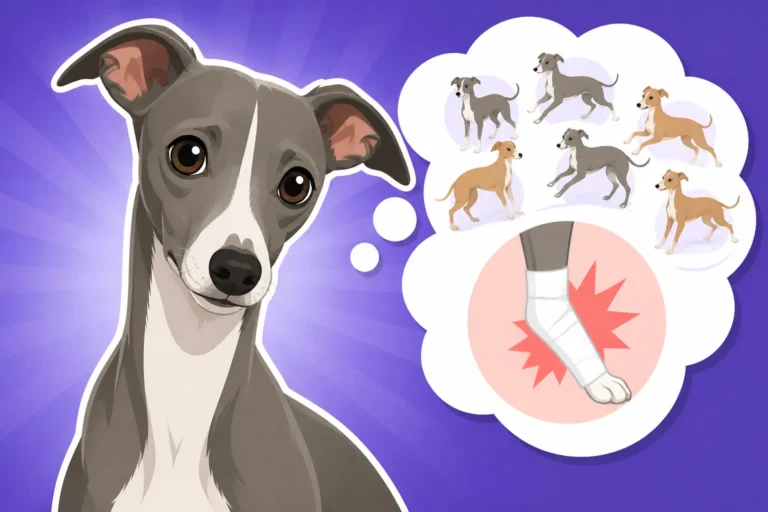
One of the most common early signs of Legg-Calvé-Perthes Disease is a gradual onset of lameness in one of the hind legs. You might notice your Italian Greyhound holding up a leg momentarily, taking shorter strides, or simply being less willing to jump, run, or play. This isn't usually an acute, sudden lameness like you'd see with a broken bone; instead, it often waxes and wanes. Maybe one day they're a little off, the next they seem fine, only for the limp to return with greater intensity. This inconsistency can be frustrating and confusing, making you second-guess whether there's a real problem. Owners often describe a "skipping" gait or a reluctance to put full weight on the affected limb. It’s also important to pay attention to How Suddenly an Italian Greyhound Starts Limping as this can differentiate it from other issues.
Beyond the visible limp, you might observe a decrease in your Italian Greyhound's overall activity level. A dog that once loved chasing squirrels in the yard or doing zoomies through the living room might now prefer to lounge more, seemingly losing interest in activities they previously adored. This change isn't just about physical discomfort; it's about their joy being dampened by pain. They might struggle to climb stairs, hop onto the sofa, or even rise from a lying position. You know your IG's normal energy; any significant dip should prompt concern.
Noticing Muscle Atrophy and Pain Responses
As LCPD progresses, if left unchecked, the muscles in the affected hind leg can begin to atrophy or waste away. This happens because your dog naturally tries to avoid putting weight on the painful hip, leading to disuse of those muscles. You might visually notice that the thigh on the affected side looks thinner than the other, or you might feel a difference when you pet them. This muscle loss can make the lameness even more pronounced, creating a vicious cycle of pain and weakness.
Italian Greyhounds are notoriously stoic when it comes to pain; they are masters at hiding it. This can make diagnosis tricky because they won't always cry out or whine, even when they're hurting significantly. However, you might observe subtle behavioral changes like a reluctance to be touched on the affected hip, growling when approached in a certain way, or becoming generally more irritable. Some might even avoid lying down on the affected side. Pay close attention to Signs an Italian Greyhound Puppy Has Hip Pain, as understanding these subtle cues can make all the difference. When you suspect pain, gentle palpation of the hip area might elicit a flinch or a quick withdrawal, confirming your suspicions.
The Veterinary Examination: Getting a Professional Assessment
Once you've noticed these concerning signs, the next critical step is a visit to your veterinarian. A thorough professional examination is the cornerstone of diagnosing LCPD, allowing the vet to systematically evaluate your Italian Greyhound's symptoms and narrow down the potential causes of their lameness.
The Thorough Physical Examination
Your vet will begin with a comprehensive physical examination, focusing particularly on your Italian Greyhound's hindquarters. They'll observe your dog's stance and gait, looking for subtle shifts in weight distribution, any signs of limping, or abnormal movements. This initial observation often provides invaluable clues about which limb is affected and the severity of the lameness. It's not uncommon for an Italian Greyhound to try and mask their pain during a vet visit due to stress or their inherent stoicism, which is why your detailed observations at home are so important.
Next, the vet will perform palpation and range-of-motion tests on both hind legs. They'll gently feel along the bones and muscles, checking for swelling, warmth, tenderness, or muscle atrophy. They'll manipulate your Italian Greyhound's hip joints through their full range of motion, carefully extending, flexing, and rotating the femurs. With LCPD, this manipulation often elicits pain, especially when the leg is extended. The vet will be looking for a reduced range of motion, crepitus (a grinding sensation), or signs of discomfort that point directly to the hip joint. They might also check for conditions like Patellar Luxation in an Italian Greyhound which can also cause hind leg lameness.
Gathering Medical History and Lifestyle Information
During this initial visit, your veterinarian will ask you a series of detailed questions about your Italian Greyhound's history. This includes when you first noticed the lameness, how it has progressed, any specific incidents that might have occurred (like a fall or rough play), and their general health and activity levels. They'll also inquire about your dog's breed, age, diet, and any other symptoms you may have observed. LCPD typically affects small breed dogs, including Italian Greyhounds, usually presenting between 4 and 12 months of age. Knowing The Age Legg Calve Perthes Shows in an Italian Greyhound can help the vet consider LCPD as a primary suspect.
It's helpful to provide as much detail as possible during this conversation. For example, did the limp start after a particularly vigorous play session, or did it seem to appear out of nowhere? Does it worsen after rest or exercise? Information about your dog's typical day, including how much exercise they get, what surfaces they walk on, and their sleeping habits, can also contribute to a clearer picture. This holistic approach helps your vet rule out other possibilities and focus on the most likely culprits for your Italian Greyhound's specific symptoms.
Diagnostic Imaging: The Definitive Steps
While a thorough physical exam and detailed history can strongly suggest LCPD, definitive diagnosis almost always relies on diagnostic imaging, particularly radiographs (X-rays). These images allow the veterinarian to look inside the joint and visualize the changes characteristic of the disease.
The Critical Role of Radiographs (X-rays)
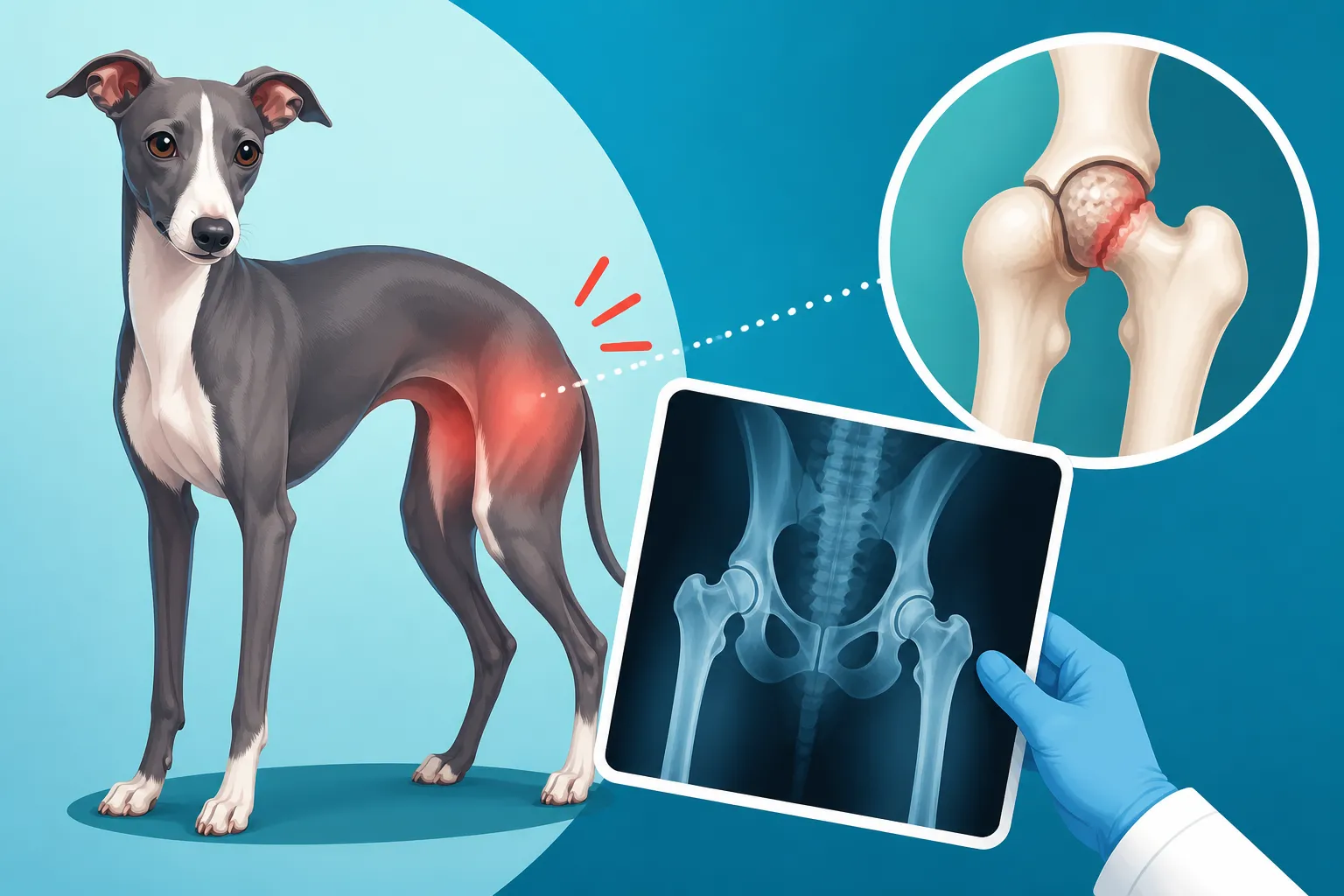
X-rays are the primary tool for diagnosing Legg-Calvé-Perthes Disease. Your vet will typically take multiple views of your Italian Greyhound's hips, often positioning the dog in specific ways to get the clearest images of the femoral head and neck. These X-rays will reveal the hallmark signs of LCPD: a decreased bone density (osteopenia) in the femoral head, flattening of the femoral head, irregular bone growth, and widening of the joint space. In advanced cases, you might even see complete collapse and fragmentation of the femoral head, which is the "ball" part of the hip joint.
Because Italian Greyhounds can be squirmy and uncomfortable, and because accurate positioning is absolutely vital for diagnostic quality radiographs, sedation or even general anesthesia is often required. This ensures your dog is still and relaxed, allowing the vet to get precise, clear images without causing further pain or stress. It's a common practice for breeds like IGs, where proper positioning is crucial for diagnosis and Warming an Italian Greyhound Through Surgery or diagnostic procedures under anesthesia is always a consideration due to their low body fat. Discuss the What X Rays Cost on an Italian Greyhound with your vet, and if you have pet insurance like Healthy Paws, this is definitely a time to use it to help cover these crucial diagnostic expenses.
Advanced Imaging and Referral to a Specialist
In some complex or ambiguous cases, your vet might recommend advanced imaging techniques, such as a CT scan or MRI. While X-rays are usually sufficient for LCPD, these more sophisticated scans can provide a three-dimensional view of the joint and surrounding tissues, offering even greater detail about the extent of bone and cartilage damage. They can also be instrumental in ruling out other, less common conditions that might mimic LCPD.
If the diagnosis is confirmed, or if there's any uncertainty, your primary vet might refer you to a board-certified veterinary orthopedic surgeon. These specialists have extensive experience with complex musculoskeletal conditions and can offer the most advanced treatment options. They can interpret specialized imaging, discuss the specifics of What Legg Calve Perthes Does to an Italian Greyhound and help you understand if Whether Legg Calve Perthes in an Italian Greyhound Needs Surgery and what that entails for your beloved pet. Having pet insurance like Healthy Paws can be incredibly reassuring when facing the potential costs associated with specialist consultations and advanced procedures.
Differentiating LCPD from Other Lameness Causes
Diagnosing LCPD isn't always straightforward because many conditions can cause hind leg lameness in dogs. A crucial part of the diagnostic process is ruling out other potential issues that might present with similar symptoms.
Ruling Out Trauma and Fractures
Given the Italian Greyhound's delicate bone structure, trauma and fractures are always a significant concern when lameness occurs. A broken leg or a severe sprain can present with a sudden, painful limp, similar to the initial stages of LCPD. Your vet will carefully examine the limb for signs of fracture, such as swelling, deformity, or extreme pain on palpation. X-rays are also vital here, as they can clearly distinguish between a fracture and the degenerative changes associated with LCPD. Knowing that A Broken Leg Is the Emergency Every Italian Greyhound Owner Fears emphasizes why vets are always vigilant about ruling out such injuries immediately.
Sometimes, Italian Greyhounds can hide pain incredibly well, even with a fracture. You might notice they are still weight-bearing, but their gait is clearly off. This makes thorough examination and imaging even more important. The vet will look at the growth plates in young dogs, as issues there can also mimic other conditions.
Considering Other Orthopedic Issues
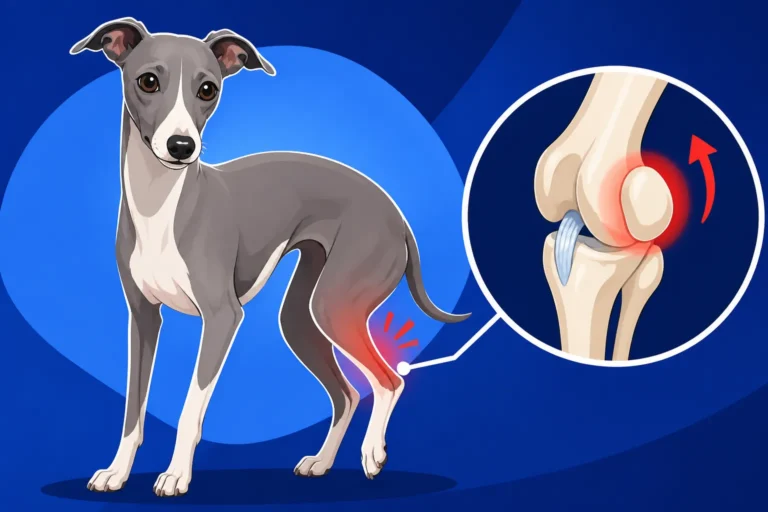
Besides fractures, several other orthopedic conditions can cause hind leg lameness in Italian Greyhounds. Patellar luxation, where the kneecap slips out of place, is another common concern in small breeds. While LCPD affects the hip, patellar luxation impacts the knee, but both can result in a skipping gait or reluctance to use the leg. Your vet's physical examination, specifically manipulating the kneecap, will usually differentiate this from hip pain. Hip dysplasia, though less common in small breeds than large, could also be a consideration, though LCPD typically has a distinct presentation in younger, smaller dogs.
Arthritis, while more typical in older dogs, can also cause joint pain and lameness. However, LCPD's early onset and specific radiographic findings usually distinguish it from age-related degenerative joint disease. An experienced veterinarian who understands sighthound anatomy and common breed-specific issues is invaluable here. The specific expertise that comes from a vet who has experience with Why an Italian Greyhound's Vet Should Know Sighthounds can ensure a more accurate and swift diagnosis.
The Diagnostic Process: A Comparative Look
To help visualize the diagnostic journey, here's a table comparing key steps and what they reveal for LCPD versus other common causes of lameness in Italian Greyhounds:
| Diagnostic Step | What it Involves | What it Reveals for LCPD | What it Reveals for Other Conditions (e.g., Fracture, Patellar Luxation) |
|---|---|---|---|
| Owner Observation | Noticing limp, pain, reluctance to move | Gradual, intermittent hind leg lameness, muscle atrophy | Sudden, acute lameness (fracture), skipping gait (patellar luxation) |
| Physical Exam | Palpation, range of motion, gait analysis | Pain on hip extension, reduced hip motion, crepitus, atrophy | Pain/swelling on specific bone (fracture), kneecap displacement (PL) |
| Radiographs (X-rays) | Images of hips (often under sedation) | Flattening/fragmentation of femoral head, joint space widening | Bone break/fissure (fracture), normal hip but knee pathology (PL) |
| Advanced Imaging | CT/MRI (less common, for complex cases) | Detailed 3D view of bone necrosis and joint integrity | Soft tissue injury, complex fractures not clear on X-ray |
| Age of Onset | Typically 4-12 months | Classic for LCPD | Any age (fracture), variable (PL), older (arthritis) |
Understanding how LCPD is diagnosed in an Italian Greyhound, from those first anxious observations to the definitive imaging, empowers you as an owner. Early and accurate diagnosis is critical for managing the pain and planning the most effective treatment, ultimately giving your beloved Italian Greyhound the best chance at a comfortable, active life. Remember that investing in proactive care and considering options like Healthy Paws pet insurance can provide peace of mind when these health challenges arise.
Disclaimer
The information provided in this guide is for general informational purposes only and does not constitute veterinary advice. Always consult with a qualified veterinarian for any health concerns or before making any decisions about your pet's medical care.