The Age Color Dilution Alopecia Starts in an Italian Greyhound
One of the most concerning things for an Italian Greyhound owner is when you start to notice their beautiful, sleek coat thinning, especially if they have one of those striking blue or fawn colorations. It's a subtle change at first, a patch here, a slightly coarser texture there, and it can leave you wondering if something serious is wrong. This guide will walk you through Color Dilution Alopecia (CDA) in Italian Greyhounds, focusing on when you might first see signs and what you can do about it.
Understanding Color Dilution Alopecia in Italian Greyhounds
Color Dilution Alopecia, often just called CDA, is a genetic skin condition that primarily affects dogs with "dilute" coat colors, such as blue, fawn, or Isabella (a mix of blue and fawn). While it's certainly not exclusive to Italian Greyhounds, our delicate Iggies, with their already fine and sparse coats, can sometimes make the effects of CDA seem even more pronounced and worrisome. It's not a life-threatening condition, but it can lead to significant aesthetic changes and, if not managed, secondary skin issues that can make your pup uncomfortable. It's a specific type of follicular dysplasia where the hair follicles develop abnormally, leading to fragile hair shafts that break easily and, eventually, hair loss.
When you first notice your Italian Greyhound's coat changing, it’s natural to feel a pang of worry. Is it normal shedding? Is it a symptom of something worse? For many, the first instinct is to Google, leading to a rabbit hole of possible conditions. Rest assured, CDA is a well-understood, inherited condition that affects how pigment is distributed in the hair, weakening the hair itself. If you're wondering Which Italian Greyhound Colors Carry the Alopecia Risk, it's overwhelmingly seen in dilute colored IGs, particularly blues. Owners of black, red, or seal Italian Greyhounds are far less likely to encounter this particular issue.
The Typical Onset Age for Color Dilution Alopecia
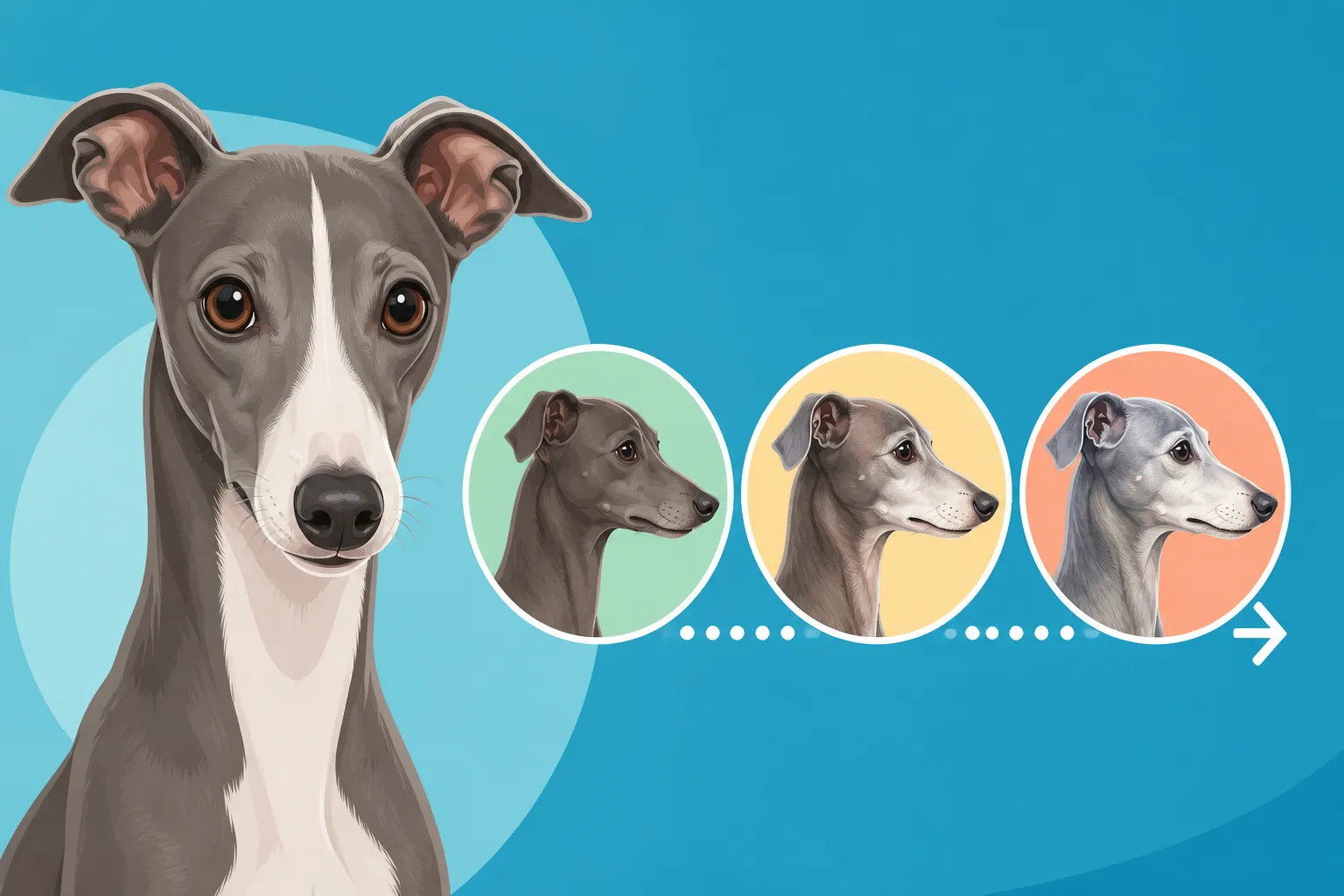
The question of "when" CDA starts is a really common one, and it's understandable why. Many owners notice changes when their Italian Greyhound is still quite young, which can be unsettling. Typically, Color Dilution Alopecia can begin to show its first subtle signs anywhere from puppyhood, around 6 months of age, up to early adulthood, often by 2 to 3 years old. It's usually not something that appears overnight. Instead, it's a gradual process, almost insidious in its progression.
Imagine you have a beautiful blue Italian Greyhound puppy. For the first few months, their coat is perfectly fine, maybe even lush for an Iggy. Then, as they approach their first birthday, you might start to notice a slightly less dense patch on their ears, or perhaps the hair on their back looks a little thinner than it used to. It's not baldness yet, but it's a noticeable change in texture and coverage. This slow onset is characteristic of CDA. Some dogs might have a very mild form that progresses slowly over many years, while others might experience more rapid and widespread hair loss in their younger years. It's a spectrum, and each dog's experience can be a little different, making it all the more confusing for owners.
Early Signs and How to Spot Them
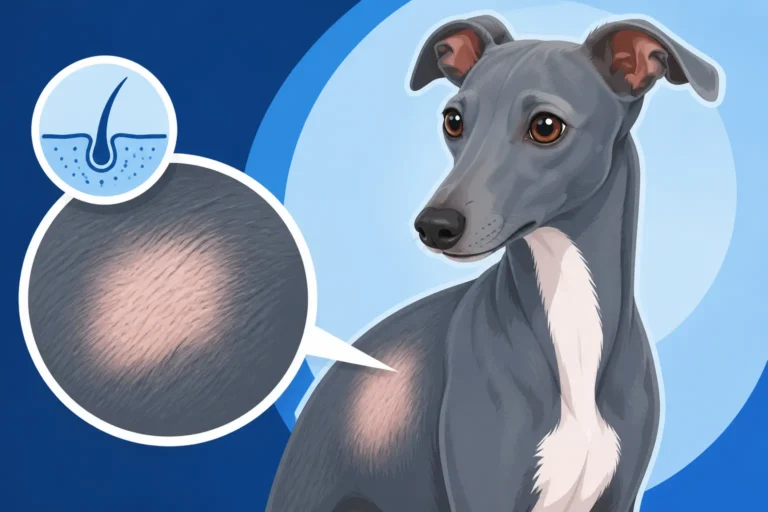
Recognizing the early signs of CDA can help you get a diagnosis and start a management plan sooner. The initial changes are often subtle, so you'll need a keen eye, especially if you have a blue or fawn Italian Greyhound. The first things many owners notice are areas of thinning hair, particularly on the ears, chest, belly, flanks, and along the back. It's rarely a uniform thinning across the entire body; rather, it often starts in patches. The hair in these areas might also appear dull, dry, and brittle, breaking off easily.
Beyond just the thinning, you might observe changes in the skin itself. The affected areas can become dry and flaky, sometimes accompanied by a dull, slightly scaly appearance. A common, though not universal, sign is the presence of small blackheads (comedones) in the affected skin. These are blocked hair follicles, and they're a tell-tale sign of follicular issues. It's crucial to differentiate these signs from other skin conditions. For instance, sometimes a dull coat and skin changes can be indicative of Signs an Italian Greyhound Has an Underactive Thyroid, which requires entirely different treatment. If you spot these changes, a visit to your vet is definitely in order to get a proper diagnosis and rule out other potential causes. Early detection also means you can discuss options with your vet, and perhaps explore whether services like Healthy Paws pet insurance might offer support for diagnostic testing and ongoing care if you have a policy.
Why Italian Greyhounds Are Prone to Color Dilution Alopecia
The susceptibility of Italian Greyhounds to Color Dilution Alopecia isn't random; it's deeply rooted in their genetics and the very characteristics that give them their beautiful dilute coat colors. The "dilute" gene, often represented as the 'd' allele, is responsible for lightening what would otherwise be a solid black or liver coat into blue or fawn, respectively. While stunning, this genetic trait also affects how melanin (pigment) is distributed within the hair shaft and skin. In dogs with CDA, the pigment clumps unevenly within the hair, leading to structural weaknesses. This makes the hair shafts incredibly fragile and prone to breaking, which eventually results in hair loss.
Our beloved Italian Greyhounds already have a single, very fine coat, which is quite different from many double-coated or more heavily furred breeds. This inherent delicacy of their coat can make the effects of CDA more visible and, in some ways, more impactful. The sparse nature of an Iggy's hair means that when thinning occurs due to CDA, it can quickly progress to noticeable bald patches, especially on sensitive areas. It's not just about the color; it's about the interaction of that dilute gene with the breed's naturally delicate follicular structure. For a deeper dive, understanding What Color Dilution Alopecia Does to an Italian Greyhound can help owners grasp the full implications of this genetic condition.
The Role of Genetics and Coat Color
It truly all comes down to genetics. The dilute gene is recessive, meaning a dog must inherit two copies (one from each parent) to express a dilute color like blue or fawn. Dogs that are carriers (have one copy) or are dominant for full color (have two dominant copies) will not display a dilute coat. However, it's those beautiful dilute coats that are primarily at risk for CDA. Blue Italian Greyhounds are particularly well-known for being susceptible, but fawn Iggies can also develop it. It's a common misconception that all dilute-colored dogs will get CDA, which isn't true. Many blue or fawn Italian Greyhounds will live their entire lives with perfectly healthy coats. However, the genetic predisposition is undeniably there for these colors.
To illustrate, consider the following:
| Coat Color | Genetic Predisposition to CDA | Typical Appearance |
|---|---|---|
| Black, Red, Seal | Very Low | Solid, glossy, full Iggy coat |
| Blue | Moderate to High | Steel grey, can thin on ears, back, flanks |
| Fawn | Moderate | Light tan/beige, can thin on neck, chest, thighs |
| Isabella | Moderate to High | Pale fawn/lilac, similar thinning to blue |
This table highlights why a blue Italian Greyhound might thin on the back, which is a classic presentation of the condition. Why a Blue Italian Greyhound Thins on the Back is directly related to the dilute gene affecting the hair follicles in these specific areas. It’s important to remember that the presence of the dilute gene doesn't guarantee CDA, but it significantly increases the risk compared to non-dilute colors.
Distinguishing CDA from Other Skin Conditions
One of the challenges for both owners and veterinarians is that the symptoms of CDA can sometimes mimic other dermatological issues. This is why a proper veterinary diagnosis is absolutely paramount. Without it, you could be treating the wrong condition, leading to frustration and continued discomfort for your Italian Greyhound. Conditions that might look similar include:
- Hypothyroidism: An underactive thyroid can lead to a dull, dry coat, symmetrical hair loss, and flaky skin. This is why your vet might recommend blood tests to check thyroid levels, as a low reading in an Italian Greyhound could indicate this systemic issue. You can read more about Hypothyroidism in an Italian Greyhound to understand the nuances of this condition.
- Demodectic Mange: This is caused by microscopic mites that live in the hair follicles. While it often presents with more distinct patches of hair loss and skin irritation, it can sometimes be confused with CDA, particularly in its early stages.
- Allergies: Environmental or food allergies can cause itching, redness, and secondary skin infections that lead to hair loss, especially if your Iggy is constantly scratching or licking.
- Folliculitis (Bacterial or Fungal): Infections of the hair follicles can also cause hair thinning, redness, and bumps.
A definitive diagnosis typically involves a skin biopsy and/or a trichogram (microscopic examination of hair shafts). These tests allow the vet to look at the hair follicles and shafts for the characteristic pigment clumping and structural abnormalities seen in CDA. If your Italian Greyhound is showing signs of hair loss, a consultation with a veterinary dermatologist might be recommended, especially if initial treatments aren't yielding results. Having pet insurance, like a policy from Healthy Paws, can certainly help offset the costs associated with these specialized diagnostic tests and consultations, making it easier to get to the bottom of your Iggy's skin issues.
Managing and Living with Color Dilution Alopecia
Discovering your Italian Greyhound has Color Dilution Alopecia can be a bit disheartening, but it's crucial to remember that it's a manageable condition. While there isn't a "cure" that will make the hair grow back completely to its original state (as detailed in Whether an Italian Greyhound's Hair Grows Back After Alopecia, which unfortunately states it typically doesn't fully regenerate), the focus shifts to management. The main goals are to keep your Italian Greyhound comfortable, protect their delicate skin, and prevent secondary infections, which are the real risks associated with CDA. By taking proactive steps, you can ensure your Iggy lives a happy, healthy life despite their thinner coat.
The management strategy often involves a multi-faceted approach, combining veterinary treatments with dedicated home care. It's about maintaining skin health and minimizing irritation, as the compromised hair follicles and delicate skin are more susceptible to external factors. This commitment to ongoing care is what truly makes a difference in your Italian Greyhound's comfort and well-being.
Veterinary Diagnosis and Treatment Options
Getting a precise diagnosis from your veterinarian is the very first step. As mentioned, this often involves a skin biopsy, where a small tissue sample is taken and sent to a lab for histopathological examination. This microscopic analysis confirms the characteristic features of follicular dysplasia associated with CDA, such as melanin clumping within the hair shafts and sebaceous glands. Another diagnostic tool is a trichogram, where hair samples are examined under a microscope to look for these pigment abnormalities.
Once CDA is confirmed, your vet will work with you on a management plan. Common treatment strategies often include:
- Medicated Shampoos and Conditioners: These are typically mild, moisturizing, and sometimes contain ingredients like colloidal oatmeal, salicylic acid, or benzoyl peroxide. They help to keep the skin clean, hydrated, and reduce scaling and bacterial overgrowth. Regular bathing, as recommended by your vet, is essential.
- Omega-3 Fatty Acid Supplements: These dietary supplements can improve skin barrier function and reduce inflammation. Fish oil is a common source of Omega-3s and can significantly benefit overall skin and coat health, even if it doesn't regrow hair.
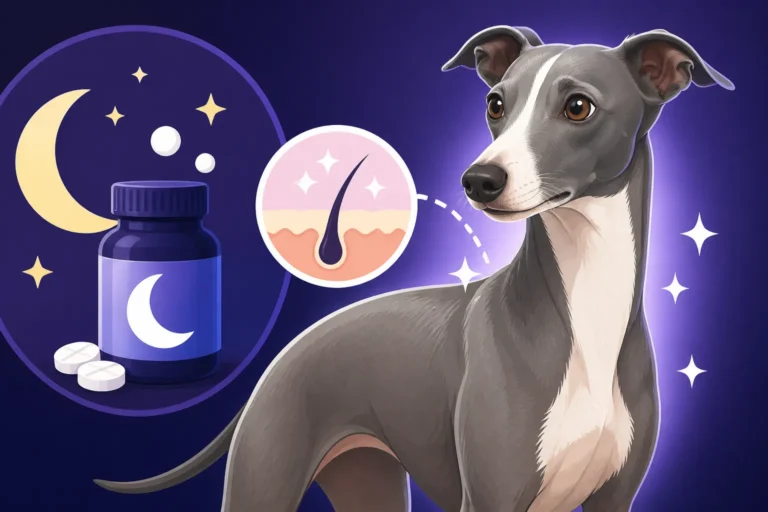
- Melatonin: This hormone can sometimes be prescribed for CDA, as some anecdotal evidence suggests it may stimulate hair growth or improve coat quality in some dogs. However, results vary, and it's not a guaranteed solution. Whether Melatonin Helps an Italian Greyhound's Coat is a common question, and while it might offer some benefit, it's important to have realistic expectations and discuss dosage with your vet.
- Topical Treatments: Certain topical creams or sprays can help moisturize dry patches or treat secondary infections. Your vet may also recommend antibacterial or antifungal washes if secondary skin issues develop.
It’s vital to follow your vet’s advice closely. Self-diagnosing or trying unproven remedies can worsen your Italian Greyhound's condition or delay effective management.
Daily Care and Environmental Considerations
Beyond veterinary treatments, daily care and environmental adjustments play a huge role in managing CDA. Because the skin in affected areas is more delicate and exposed, it's prone to injury, dryness, and sunburn.
- Sun Protection: Italian Greyhounds with CDA, particularly on their backs or bellies, can be very susceptible to sunburn. Just like human skin, prolonged exposure to UV rays can cause damage, pain, and increase the risk of skin cancer. Applying pet-safe sunscreen to exposed areas, especially during peak sun hours, is highly recommended. You can learn more about protecting your Iggy from the sun in Sunburn on a Bald Italian Greyhound.
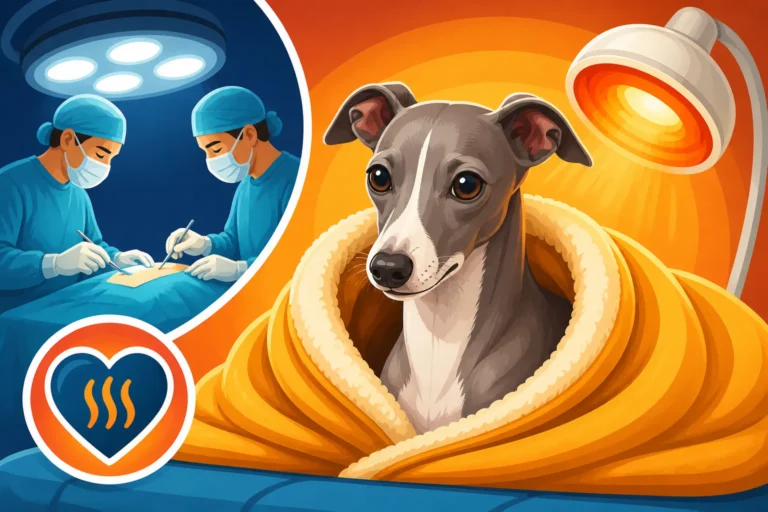
- Keeping Warm: The thin coat of an Italian Greyhound already means they struggle with cold, but CDA can exacerbate this. Less hair means less insulation, making them feel the cold even more acutely. Investing in high-quality, properly fitted sweaters and coats is not just a fashion statement for Iggies; it's a necessity. This is true indoors, too. They often need sweaters inside if your home isn't kept particularly warm. Keeping an Italian Greyhound Warm Is Daily Work, Not a Winter Job truly emphasizes how important this aspect of care is for the breed.
- Preventing Secondary Infections: The compromised skin barrier and follicular issues make Iggies with CDA more vulnerable to bacterial or yeast infections. Regularly inspecting their skin for redness, bumps, scabs, or unusual odors is crucial. If you notice any of these signs, contact your vet promptly.
- Comfortable Bedding: Choose soft, comfortable bedding that doesn't cause friction or irritation on their sensitive skin. Orthopedic beds with soft covers are ideal. Avoid rough blankets or surfaces that could rub against thinning areas.
Managing CDA is an ongoing commitment, but with consistent care, your Italian Greyhound can lead a comfortable life. Remember, the financial aspect of ongoing care, including vet visits, medications, and specialized products, can add up. This is another area where pet insurance, like that offered by Healthy Paws, can provide much-needed support, covering a percentage of eligible vet bills for chronic conditions.
Long-Term Outlook and Breeder Responsibilities
The long-term outlook for an Italian Greyhound with Color Dilution Alopecia is generally good, provided the condition is properly managed. While the cosmetic aspect of hair loss can be frustrating for owners, the primary concern shifts to preventing secondary skin infections and ensuring the dog's comfort. Understanding that it's a genetic condition also highlights the critical role of responsible breeding practices in minimizing its prevalence within the breed.
Living with an Iggy with CDA means being diligent about skin care and protective measures, but it certainly doesn't diminish their quality of life or their ability to be a loving, active companion.
Quality of Life for an Italian Greyhound with CDA
It’s important to reassure owners that an Italian Greyhound diagnosed with CDA can absolutely live a full, happy, and otherwise healthy life. The condition is primarily cosmetic and rarely causes severe pain or discomfort unless secondary issues, like severe infections or sunburn, are allowed to fester. Many Iggies with CDA are completely unaware of their thinning hair and continue to be their playful, affectionate selves.
The key to a good quality of life lies in consistent and proactive care. This means sticking to your vet's prescribed skin care regimen, providing adequate sun and cold protection, and regularly checking their skin for any new issues. For most Italian Greyhounds, Whether Color Dilution Alopecia Hurts an Italian Greyhound can be answered with a resounding "no," as long as the secondary complications are prevented. Their overall health, energy levels, and zest for life remain unaffected. They still love to zoom, cuddle under blankets, and demand all your attention, just with a little less hair in certain spots.
Breeding Considerations and Genetic Testing
Because Color Dilution Alopecia is an inherited genetic condition, responsible breeding practices are paramount in reducing its incidence. Reputable Italian Greyhound breeders will be aware of CDA and take steps to avoid producing affected puppies. This often involves careful selection of breeding pairs, particularly avoiding breeding two dilute-colored dogs together if there is a known history of CDA in their lines.
While there isn't a specific DNA test for CDA in Italian Greyhounds that can definitively identify affected dogs or carriers, breeders can make informed decisions based on the coat colors of their breeding stock and the health history of their lines. Avoiding breeding two dilute-colored parents, especially if CDA has appeared in previous litters or in their ancestry, is a responsible practice. Breeders should prioritize the health and well-being of their puppies, and transparency about any health issues in their lines is a hallmark of an ethical breeder. You can learn more about ethical breeding and health screening in Breeding Away From Alopecia in an Italian Greyhound and What an Italian Greyhound Breeder Should Have Tested. By choosing a responsible breeder, you're not only getting a healthy puppy but also supporting the long-term health of the entire breed.
Disclaimer
Please remember that this article is intended for informational purposes only and is not a substitute for professional veterinary advice. If you suspect your Italian Greyhound has Color Dilution Alopecia or any other health condition, please consult with a qualified veterinarian for accurate diagnosis and treatment.