Sedation for an Italian Greyhound’s Nail Trim
Trying to trim your Italian Greyhound's nails can quickly turn into a full-blown wrestling match, leaving both you and your sensitive companion stressed, defeated, and sometimes even injured. It's a frustrating situation that many Italian Greyhound owners face, often wondering if there's any peaceful way to manage this essential grooming task without causing a traumatic experience for everyone involved. This guide will explore why nail trims are such a challenge for our delicate Iggies, when it might be time to consider veterinary sedation, what the process entails, and how to make the best, most informed decision for your beloved dog.
Why Nail Trims Are Such a Struggle for Italian Greyhounds (and their humans!)
Let's be honest, nail trims are rarely a dog's favorite activity, but for Italian Greyhounds, it often feels like a special kind of torment. Their unique anatomy and sensitive personalities combine to make this routine chore exceptionally difficult, leading many owners to dread it. It’s not just you; it's a common struggle in the IG community.
The Anatomy That Makes It Tricky
Italian Greyhounds, with their fine bones and delicate structure, also possess rather unique nails. Their nails are often quite dark, making the quick (the pink, blood-filled part) incredibly difficult to see. This isn't like trimming a golden retriever's clear nails where you can easily spot the safe zone. One wrong snip and you've hit the quick, causing pain and bleeding, which instantly erodes any trust your Italian Greyhound had in the process. This leads to a vicious cycle: the harder it is to see the quick, the more hesitant you become, and the more likely you are to make a mistake, reinforcing your IG's fear. You might find yourself wondering Why an Italian Greyhound's Quick Is Hard to See and wishing for more transparent nails. Compounding this, their nails tend to grow quite rapidly, necessitating frequent trims. It's not a once-a-month task but often a weekly, or even bi-weekly, affair for optimal paw health. If you're not keeping up, you’ll soon find out Why an Italian Greyhound's Nails Grow Fast.
Fear and Negative Associations
For many Italian Greyhounds, the battle over nail trims isn't just about the physical sensation; it's deeply rooted in past negative experiences. Perhaps an accidental quicking happened once, or even just the anxiety they picked up from your own tension during a previous attempt. These intelligent and sensitive dogs remember. They associate the clippers or the Dremel, the specific way you hold their paw, or even just the approach to the grooming area with fear and discomfort. This can escalate into a full-blown phobia, where they shake, struggle, cry, or even try to bite – not out of aggression, but pure terror. It’s heartbreaking to witness your dog in such distress for something that's supposed to keep them healthy. They're not being "bad"; they're reacting to a perceived threat that, to them, is very real.
The Italian Greyhound Temperament
Italian Greyhounds are known for their exquisite sensitivity. They are often described as "Velcro dogs" who thrive on human companionship and are incredibly attuned to their owner's emotions. This also means they pick up on your stress, your frustration, and even your slight hesitation with the clippers. They are also incredibly dramatic, which, while endearing in many situations, can make a nail trim feel like a performance of Shakespearean tragedy. A little discomfort can quickly become a monumental ordeal in their minds, leading to frantic struggling and vocalizations that make you feel like you're committing a crime. Their lean, agile bodies are also incredibly strong when they decide to resist, making it nearly impossible to hold them still safely without proper cooperation. This combination of physical delicacy and emotional sensitivity creates a perfect storm for nail trim woes.
When Sedation Becomes a Necessary Consideration
After countless attempts, endless treats, and perhaps a few near misses, you might reach a point where you feel utterly defeated by the nail trim struggle. It’s at this juncture that many Italian Greyhound owners start to consider sedation. This isn't a sign of failure, but rather a responsible decision to prioritize your dog's well-being and prevent prolonged stress and potential injury.
Recognizing the Signs of Extreme Stress
How do you know when your Italian Greyhound's fear of nail trims has crossed the line from mild reluctance to extreme stress that warrants intervention? Look for these escalating signs:
- Panic before the trim even starts: Your IG might shake, hide, or try to escape the moment they see the clippers or you try to pick them up.
- Intense struggling and vocalizing: Persistent whining, yelping, or even growling/snapping (again, usually fear-based, not aggressive) during the attempt.
- Physiological responses: Heavy panting, drooling, dilated pupils, increased heart rate, even urinating or defecating out of fear.
- Long-lasting anxiety: Your dog remains fearful or withdrawn for hours after a nail trim attempt, indicating the experience was profoundly traumatic.
- Owner injury: You've been accidentally scratched or bitten due to their frantic attempts to get away.
If nail trims are consistently causing this level of distress, it's not just unpleasant; it's detrimental to your dog's mental health and your bond with them. It might be time to discuss options like sedation with your veterinarian.
The Risks of Not Trimming Nails
While the thought of sedation can be daunting, it's crucial to weigh it against the very real risks of overgrown nails. When you neglect nail trims because of the difficulty, you're inadvertently inviting a host of problems for your Italian Greyhound:
- Pain and Discomfort: Long nails push up into the nail bed, making walking painful and altering their gait. It's like walking in shoes that are too small and constantly pinching your toes.
- Splayed Toes and Arthritis: Over time, long nails can cause the toes to splay out, leading to improper weight distribution and potentially contributing to arthritis later in life.
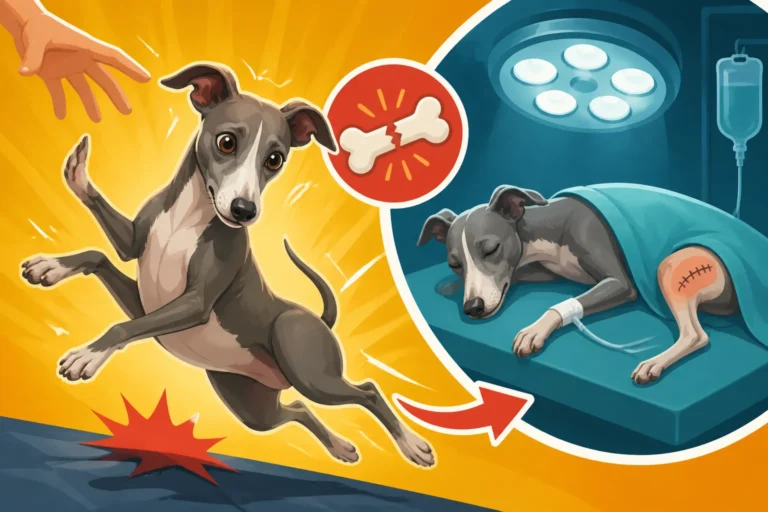
- Broken or Torn Nails: Extremely long nails are more prone to getting snagged and tearing, which is incredibly painful and often requires an emergency vet visit, sutures, and antibiotics.
- Infection: Torn nails can become infected if not properly cared for.
- Structural Damage: In severe cases, very long nails can even grow into the paw pad, causing deep wounds and severe infections.
It's clear that proper nail care isn't just cosmetic; it's fundamental to your Italian Greyhound's comfort, mobility, and overall health. If you're struggling to keep them trimmed, it's important to understand What Happens If an Italian Greyhound's Nails Get Long and take action.
Exploring Less Invasive Alternatives First
Before jumping straight to sedation, it's always a good idea to exhaust less invasive options, particularly if your IG's fear isn't yet extreme. Many owners find success with these methods:
- Positive Reinforcement and Desensitization: This is a slow, patient process. Start by simply showing the clippers or Dremel, rewarding calm behavior with high-value treats. Gradually build up to touching their paws, then touching a nail with the tool, then making a snip (or turning on the Dremel) without actually trimming, then one nail, and so on. The goal is to create positive associations. Check out resources on Teaching an Italian Greyhound to Accept Nail Trims for detailed steps.
- High-Value Rewards: Think cheese, cooked chicken, peanut butter (xylitol-free!), or spray cheese. These treats need to be so good that they momentarily distract or motivate your dog more than their fear.
- Using a Dremel vs. Clippers: Some dogs tolerate a Dremel (rotary tool designed for nails) better than clippers, as it grinds rather than snips, reducing the risk of quicking and the sudden "snapping" sound. Others are terrified of the vibration and noise. It’s worth exploring Whether a Dremel Suits an Italian Greyhound's Nails for your individual dog.
- Muzzles: A lightweight, comfortable muzzle (like a basket muzzle) can be used during training or quick trims to prevent bites, making the human feel safer, which in turn can reduce tension. It should be introduced positively, not as a punishment.
- Professional Groomers or Vet Technicians: Some Iggies do better with a professional, especially if they are calm and confident. They might use different holding techniques or tools. However, if your IG is truly phobic, even a professional might struggle without sedation.
- Chill Protocol: For dogs with moderate anxiety, your vet might prescribe a mild oral sedative to be given at home an hour or two before a scheduled trim, reducing anxiety without full sedation. This is often a good first step before considering injectables.
Remember, the key is consistency and patience. If these methods fail to yield results, or if your Italian Greyhound's stress levels are already through the roof, then exploring veterinary sedation is a perfectly valid and often kinder option.
The Sedation Process: What to Expect at the Vet's Office
Once you and your veterinarian decide that sedation is the best course of action for your Italian Greyhound's nail trims, understanding the process can alleviate some of your own anxiety. It’s a bit more involved than a quick snip at home, but the peace of mind knowing your dog is comfortable can be priceless.
Pre-Sedation Evaluation and Bloodwork
Your vet won't just sedate your Italian Greyhound without first ensuring it's safe to do so. This typically begins with a thorough physical examination. They'll listen to your IG's heart and lungs, check their overall health, and discuss any concerns you might have. Given the delicate nature of Italian Greyhounds, bloodwork is almost always recommended before any sedation or anesthesia. This pre-anesthetic blood panel checks liver and kidney function, red and white blood cell counts, and other vital indicators to ensure your dog can safely metabolize the sedative and that there are no underlying health issues that could complicate the procedure. It's an important safeguard, especially for a breed known for its sensitivity to certain medications. You'll want to ensure your vet is aware of how Bloodwork Before an Italian Greyhound's Anesthesia plays a critical role in minimizing risks. This is part of the broader understanding of Why Anesthesia Is Handled Differently in an Italian Greyhound.
Types of Sedation and Administration
The type and depth of sedation used will depend on your Italian Greyhound's level of anxiety and the vet's assessment.
- Oral Sedatives: As mentioned, for milder cases, your vet might prescribe an oral sedative to give your dog at home before the appointment. These typically reduce anxiety and make them drowsy but don't cause a deep sleep.
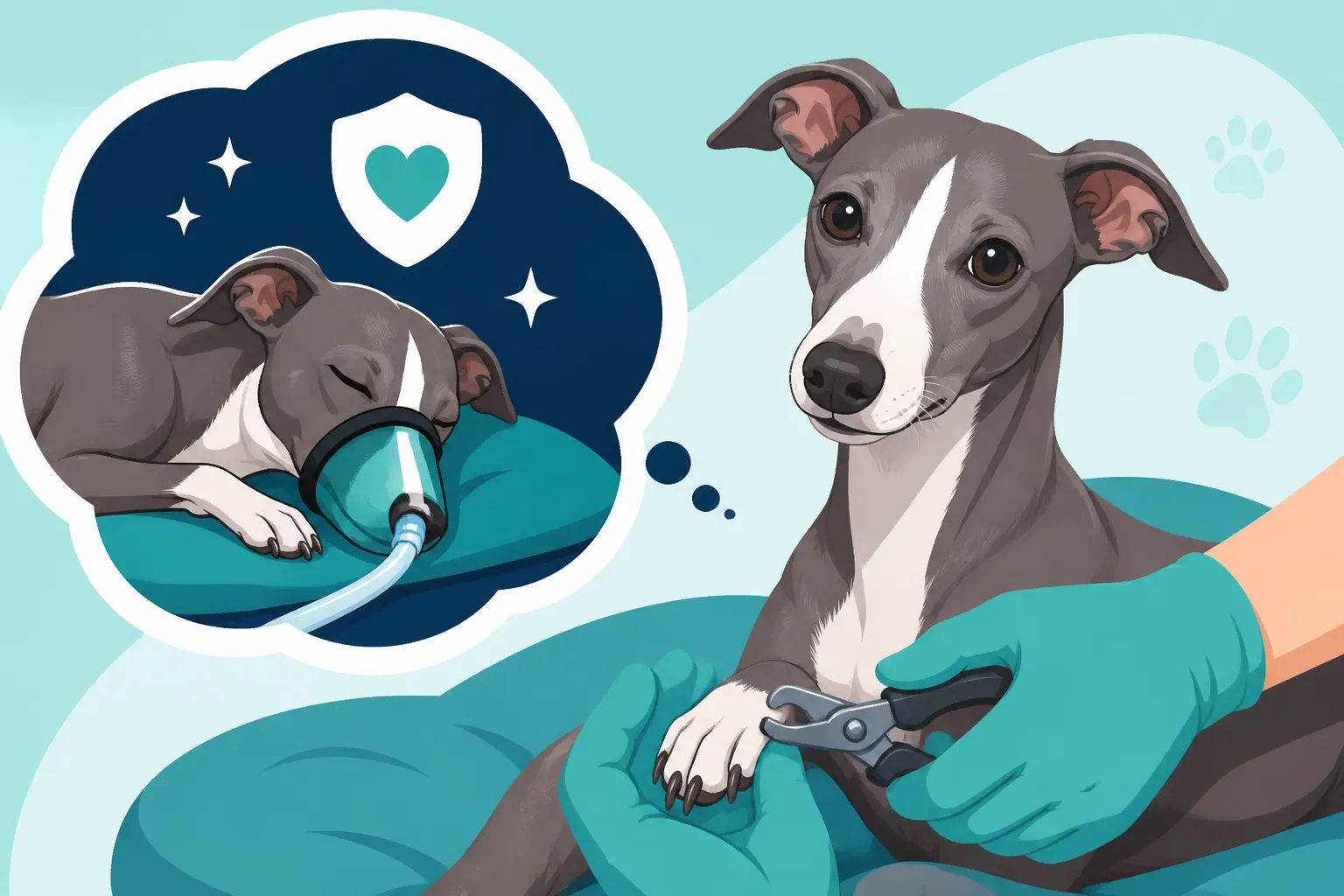
- Injectable Sedatives (Conscious Sedation): For dogs with more significant fear, an injectable sedative is often administered at the clinic. This is usually a combination of medications that will make your Italian Greyhound deeply relaxed, drowsy, and largely unaware of the procedure. They might still be able to respond to strong stimuli, but they won't be thrashing or panicking. This is distinct from full general anesthesia, where they would be completely unconscious and intubated. The goal is just enough sedation to safely and calmly trim their nails. The vet and vet techs will monitor your IG's vitals closely throughout the process, ensuring their safety and comfort.
Monitoring During the Procedure
Even with light sedation, your Italian Greyhound will be carefully monitored. Veterinary staff will check their heart rate, respiratory rate, and oxygen saturation using specialized equipment. Italian Greyhounds, with their low body fat (it's true, Why an Italian Greyhound Carries Almost No Body Fat), can get cold easily under sedation. Therefore, warming measures, like warm blankets or a heating pad, will be in place to keep them comfortable and prevent hypothermia. This careful attention to detail is paramount for their safety and recovery, much like the protocols for Warming an Italian Greyhound Through Surgery. It is essential to have a vet who understands the unique physiological needs of sighthounds, as they metabolize drugs differently. A vet who knows Why an Italian Greyhound's Vet Should Know Sighthounds will adjust protocols accordingly.
Post-Sedation Care and Recovery
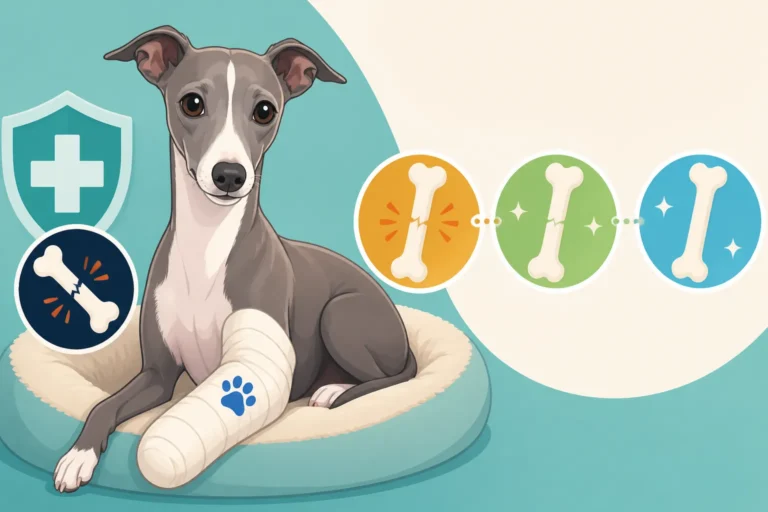
After the nail trim is complete, your Italian Greyhound will be moved to a quiet, warm recovery area. They might be groggy, a little wobbly, and possibly confused as the sedative wears off. The recovery time can vary depending on the specific medications used and your dog's individual metabolism, but typically they'll be ready to go home within a few hours.
- At Home: Once home, your IG will likely still be sleepy for several more hours. Provide a comfortable, quiet, and warm spot for them to rest.
- Food and Water: Offer small amounts of water first. Once they seem more alert and steady, you can offer a small, easily digestible meal. Avoid letting them overeat right away.
- Supervision: Keep a close eye on them, especially around stairs or furniture, as their coordination might be off.
- Praise and Comfort: Shower them with gentle praise and reassurance as they recover. The goal is to make the entire experience, from sedation to recovery, as calm and positive as possible.
Remember, the cost of this service can vary significantly depending on your location, the vet clinic, and the type of sedation used. It's always a good idea to discuss these costs upfront. For those with pet insurance, plans like those offered by Healthy Paws can often help cover these unexpected veterinary expenses, making the decision for necessary care a little less stressful financially. Considering What an Italian Greyhound's Emergency Vet Visit Costs can help you understand the importance of budgeting or insuring for such possibilities.
Weighing the Pros and Cons of Sedated Nail Trims
Deciding to sedate your Italian Greyhound for nail trims is a personal choice, and it's one that comes with both distinct advantages and potential considerations. It's about finding the balance that works best for your dog's welfare and your peace of mind.
Benefits for the Dog and Owner
The primary benefit of sedated nail trims is the drastic reduction in stress for both your Italian Greyhound and you. Imagine a nail trim where your dog isn't shaking, crying, or fighting you every step of the way.
- Reduced Anxiety and Trauma: For phobic dogs, sedation eliminates the traumatic experience of being forcibly restrained and having their paws handled. This can prevent further escalation of their fear and protect their mental well-being.
- Safety for All: Sedation ensures that your dog remains still, preventing accidental injury from struggling during the trim. It also protects you and the vet staff from bites or scratches.
- Thorough and Proper Trim: With your dog calm and still, the veterinary technician can trim the nails shorter and more accurately without hitting the quick, ensuring optimal paw health. This is especially crucial for Iggies whose Why an Italian Greyhound's Quick Is Hard to See.
- Maintenance of Paw Health: Regularly trimmed nails prevent discomfort, splayed toes, and potential infections, contributing to your Italian Greyhound's overall quality of life.
- Preservation of Your Bond: When nail trims are no longer a battleground, it removes a significant source of tension from your relationship, allowing you to focus on positive interactions.
Potential Risks and Concerns
While beneficial, sedation is not without its considerations, and it’s important to be fully aware of them.
- Anesthesia Risks: Any time a dog is sedated or anesthetized, there are inherent risks, though these are generally very low for routine procedures in healthy animals. Italian Greyhounds, being sighthounds, can be more sensitive to certain sedatives and anesthetics due to their lean body mass and unique metabolism. This is why thorough pre-sedation screening, careful drug selection, and vigilant monitoring are so vital.
- Cost: Sedated nail trims are significantly more expensive than regular trims or doing them at home. The cost includes the vet exam, bloodwork, the sedative itself, monitoring, and recovery care. If this is a recurring need, these costs can add up. Pet insurance, like policies from Healthy Paws, can be a great way to manage unexpected or ongoing veterinary expenses, including certain types of sedation for medical necessity. It’s worth looking into What Insuring an Italian Greyhound Costs a Month to see if it fits your budget and provides peace of mind.
- Recovery Time: Your dog will be groggy and need supervision for several hours post-procedure, which requires your time and attention.
- Frequency: While sedation makes the trim easy, you still need to bring your dog to the vet every few weeks or months, depending on how quickly their nails grow.
Long-Term Strategy: One-Time or Ongoing?
For some Italian Greyhounds, a sedated trim might be a one-off event to get overgrown nails under control, after which a dedicated positive reinforcement training program can begin anew with a "clean slate." The idea is that once the nails are at a healthy length, subsequent trims are easier and less likely to hit the quick, making training more effective.
However, for deeply phobic dogs, sedated nail trims might become a recurring necessity. If this is the case, discuss with your vet how frequently this can be done safely and what the long-term management plan looks like. You might still continue desensitization training at home in between sedated appointments, even if it's just getting them comfortable with paw handling, in hopes of gradually reducing the need for sedation over time. The ultimate goal is always to provide the best, most humane care for your Italian Greyhound, ensuring their health and happiness, even if it means taking a less conventional path for something as simple as a nail trim.
| Feature | At-Home Trimming (Non-Sedated) | Vet Visit (Sedated Nail Trim) |
|---|---|---|
| Stress Level | Potentially High (for dog & owner) | Low (for dog during trim), Moderate (for owner pre-vet) |
| Cost | Low (cost of clippers/Dremel) | Significantly Higher (vet exam, sedation, monitoring, trim) |
| Effectiveness | Varies greatly by dog's temperament & owner's skill | High (allows for thorough, proper trim) |
| Safety | Risk of quicking, accidental bites/scratches | Highly controlled, reduces risk of injury for all |
| Required Training | Extensive desensitization & positive reinforcement | Minimal for the actual trim, but continued handling training helps long-term |
| Frequency | Weekly to bi-weekly recommended | As needed, usually every 4-8 weeks depending on growth |
| Owner Involvement | Direct, hands-on, often stressful | Minimal during the actual procedure, focused on recovery |
| Veterinary Oversight | None | Full medical evaluation, monitoring, professional expertise |
Disclaimer
This article is for general informational purposes only and does not constitute professional advice. Laws, prices and regulations vary by location and change over time. Consult a qualified professional for guidance on your specific situation.