Setting Up a House an Italian Greyhound Cannot Break a Leg In
The fear of an Italian Greyhound breaking a leg is a constant, nagging worry for so many of us, and it's a fear rooted in a very real, very painful reality. These elegant, fragile dogs are prone to fractures, often from what seem like minor incidents around the house. This comprehensive guide is dedicated to helping you proactively create an environment where your beloved Italian Greyhound can live, play, and thrive with a significantly reduced risk of injury, easing your mind and keeping their delicate bones safe.
Understanding the Italian Greyhound's Unique Vulnerability
If you've spent any time researching Italian Greyhounds or, heartbreakingly, dealt with a fracture yourself, you know their leg bones are incredibly delicate. It's not just a myth; it's a fundamental aspect of their physiology that makes them distinct and requires a different approach to home safety. Understanding why they are so prone to breaks is the first step in setting up a truly safe environment.
Why Their Bones Are So Fragile
Italian Greyhounds are built for speed and agility, boasting a fine bone structure that contributes to their athletic, graceful appearance. However, this same delicate build means their bones, particularly the radius and ulna in their front legs, are less dense and more slender than those of many other breeds. Think of it like the difference between a bird's hollow bones and a sturdy retriever's dense ones. This delicate structure, combined with their boundless energy and propensity for sudden, explosive movements, creates a perfect storm for accidental fractures.
They might look sturdy enough to withstand everyday jumps and tumbles, but their long, thin leg bones, especially in the forearm, lack the robust protective muscle mass found in other dogs. When an Italian Greyhound jumps off a sofa, misjudges a landing, or even takes a tumble during a spirited game of zoomies, the impact can be too much for these slender bones. They aren't just breaking a leg; they are often shattering it, which leads to complex and expensive orthopedic surgeries. This fragility is a core reason why owners often ask, "Why an Italian Greyhound's Radius Is the Bone That Breaks".
Common In-Home Scenarios Leading to Fractures
It's often the most innocent, everyday activities that lead to an Italian Greyhound fracture. One of the most common culprits is jumping off furniture. A sofa might seem like a perfectly safe height for a human, but for an Italian Greyhound, a leap from even a standard couch can generate enough force upon landing to snap a bone. The same goes for beds, especially taller modern frames. They see the ground, they want to be there, and their instinct is to launch themselves without considering the physics. This sudden impact on hard surfaces is a recipe for disaster.
Another frequent scenario involves playful wrestling, especially with larger, more boisterous dogs or even well-meaning children who don't understand the breed's fragility. A larger dog could accidentally step on an Italian Greyhound's leg or knock them awkwardly during play. Similarly, a child might trip over them or try to pick them up incorrectly, leading to a fall. Slippery floors, too, are a huge hazard; a fast run followed by a sudden stop or turn on tile or hardwood can result in a splay-legged fall with serious consequences. We discuss these dangers in detail in our article, "The Jump Off the Sofa That Breaks an Italian Greyhound's Leg".
The Age of Highest Risk for Fractures
While an Italian Greyhound is always susceptible to injury, there's a particular window when they are most vulnerable: their puppyhood and adolescence. Generally, from the time they come home as a puppy until they are around 18-24 months old, their growth plates are still developing and haven't fully hardened. During this period, their bones are essentially still "soft" at the ends, making them even more prone to injury than an adult's already delicate structure.
Many owners face the heartbreaking reality that "The Age an Italian Greyhound Is Most Likely to Break a Leg" is before they reach two years old. This critical developmental stage means that even minor incidents can have severe consequences. Puppies, with their boundless energy, lack of coordination, and undeveloped judgment, are naturally more prone to risky behaviors like leaping without looking or tumbling during play. This is why strict supervision and a meticulously safe home environment are absolutely paramount during their formative years. It's a time for careful "Restricting an Italian Greyhound Under Two" to prevent accidents.
Evaluating and Mitigating Furniture-Related Risks
Most Italian Greyhounds absolutely adore snuggling on the sofa, burrowing under blankets on the bed, and generally being as close to their humans as possible. It's one of their most endearing traits, but it also presents a significant safety challenge. Allowing them free access to furniture without proper precautions is one of the quickest ways to invite a catastrophic injury.
Identifying Jump-Off Points and Landing Zones
Take a critical look at your home from your Italian Greyhound's perspective. Every sofa, armchair, and bed is a potential launchpad. How high are these pieces of furniture? What kind of flooring is directly below them? A plush rug offers some cushioning, but a bare hardwood floor or slippery tile can exacerbate the impact of a fall. Pay attention to how your dog currently gets on and off furniture. Do they launch themselves in a graceful arc, or do they scramble and sometimes miss a step? Even seemingly low furniture can pose a risk if they jump off it awkwardly or onto a hard surface.
Consider not just the height, but also the context. Is there a favorite sunny spot on the windowsill they might try to reach by jumping off a nearby chair? Do they get excited when you come home and leap off the couch to greet you? These moments of excitement or quick decisions are often when accidents happen. If you can anticipate these "jump-off points" and the potential "landing zones," you can start to devise a plan to make them safer. Remember, it's not if they jump, but when, so proactive measures are key.
The Essential Role of Ramps and Steps
This is where ramps and steps become non-negotiable for Italian Greyhound owners. They provide a safe, gradual incline or a series of easy steps, eliminating the need for your dog to jump on or off furniture. For a breed so susceptible to leg breaks, these aren't just convenient accessories; they are vital pieces of safety equipment. There are many options available, from stylish wooden ramps to more discreet, carpeted steps. The key is to find something stable that your Italian Greyhound feels comfortable using.
You'll find a wide variety of ramps and steps available through retailers like Chewy, offering different heights, materials, and price points to fit various furniture and home aesthetics. The important thing is to ensure the ramp or steps are sturdy enough not to wobble when your Italian Greyhound uses them, and that they have a non-slip surface to prevent slips and falls. Integrating "Ramps and Steps for an Italian Greyhound's Furniture" is perhaps the single most impactful change you can make to prevent furniture-related fractures.
Training Your Italian Greyhound to Use Safety Aids
Installing ramps and steps is only half the battle; your Italian Greyhound needs to learn to use them! Some Iggys take to them naturally, while others need a bit of patient encouragement. Start by placing the ramp or steps next to their favorite piece of furniture. Use high-value treats and praise to lure them up and down, making it a positive, rewarding experience. Initially, you might need to guide them with a gentle hand or a leash.
Consistency is crucial. Every single time your Italian Greyhound wants to get on or off the furniture, gently direct them to the ramp or steps. Prevent them from jumping by blocking their path or picking them up and placing them on the ramp. It might feel tedious at first, but it will quickly become second nature. Remember, raising your voice or being harsh will only make them fearful and less likely to cooperate. Keep it positive, keep it consistent, and soon they'll be using their new safety aids like a pro.
Conquering the Challenge of Stairs and Elevated Surfaces
Stairs, windowsills, and other elevated surfaces around the house present another set of unique risks for Italian Greyhounds. Their slender build and sometimes haphazard grace can lead to missteps, tumbles, and dangerous leaps from heights. Addressing these areas requires thoughtful planning and often, physical barriers.
Gating Strategies for Stair Safety
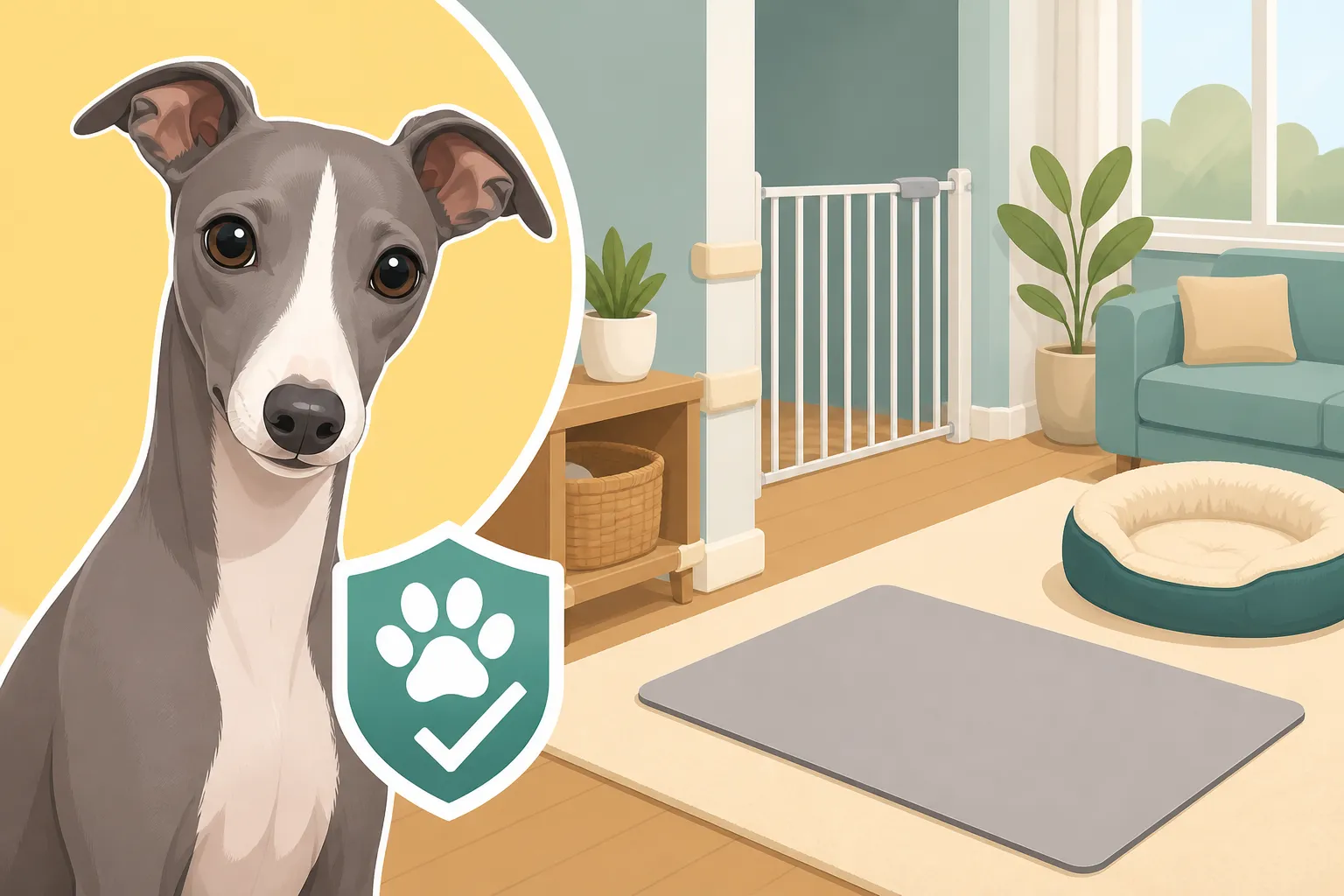
Stairs are a major hazard for Italian Greyhounds, especially puppies or senior dogs. A tumble down a full flight of stairs can easily result in a broken leg or worse. The best way to prevent this is to simply block access. Installing sturdy baby gates at the top and bottom of all staircases is a non-negotiable step in creating a safe environment. Don't opt for flimsy pressure-mounted gates if you have a determined jumper; invest in hardware-mounted gates that can withstand a bit of force.
When choosing gates, consider the height. While Italian Greyhounds aren't typically known for clearing very high obstacles, a determined or panicked dog might try to climb or squeeze through. Ensure the gate is tall enough and has narrow enough slats that they can't get stuck. For some Iggys, the sight of a person or another pet on the other side of a gate might tempt them to try to get over. Therefore, consistent use of the gates, making them a part of daily routine, is key. Our guide on "Whether Stairs Should Be Gated for an Italian Greyhound" offers more detailed advice on this critical safety measure.
Blocking Access to Precarious Window Sills and High Furniture
Italian Greyhounds are natural sunbathers and love to perch themselves in high spots to survey their domain or simply soak up some rays. Window sills, especially those with narrow ledges, can be dangerously inviting. If they attempt to jump up or down from a sill, or even slip while standing on one, it can lead to a fall. Similarly, some Italian Greyhounds are surprisingly agile climbers and might attempt to scale shelves or tables, particularly if there's something interesting up there.
Proactive blocking is the answer. Use furniture placement to make window sills inaccessible, or place decorative items that are too heavy or unstable for them to move. Ensure that any high furniture like bookshelves or dressers are clear of items that might tempt your Italian Greyhound to climb. If you have a particularly persistent climber, you might need to use temporary barriers or even reconsider the layout of certain rooms until they are past their most accident-prone age. The goal is to remove the temptation and the opportunity for dangerous leaps.
Preventing Jumps Out of Arms or Off Tables
It's a common scenario: you're holding your Italian Greyhound, perhaps after a cuddle on the sofa, and they suddenly decide they want down. Before you can gently place them on the ground, they squirm and launch themselves from your arms. This spontaneous jump from a human's hold is a leading cause of fractures, as the landing is often unexpected and uncontrolled. Similarly, if your dog is on a grooming table or vet exam table, a sudden movement or attempt to jump off can be disastrous.
Always anticipate their desire to jump. When holding your Italian Greyhound, keep one hand firmly under their chest and the other supporting their hindquarters, close to your body. When placing them down, lower them slowly and gently all the way to the floor before releasing. Never assume they will wait for you to reach the ground. If they are on a table (e.g., at the vet or groomer), ensure they are always held or secured. Never turn your back on an Italian Greyhound on an elevated surface without proper restraint. Explaining to visitors, especially children, "Why Children Should Not Carry an Italian Greyhound" is a crucial step in preventing these types of falls.
Transforming Slippery Floors into Safe Havens
Hard, smooth floors like tile, hardwood, or laminate are fantastic for keeping a house clean, but they are an Italian Greyhound's Achilles' heel. These dogs, with their delicate bone structure and sometimes awkward gait on slick surfaces, are highly susceptible to slips and falls that can easily lead to a fracture. Addressing your flooring is a critical step in creating a truly safe home.
Why Hard Floors Are a Major Hazard
Imagine trying to run full speed on an ice rink. That's essentially what an Italian Greyhound experiences on a bare, hard floor. Their fine paws, designed for gripping earth and grass, struggle to find purchase on smooth surfaces. When they get a case of the "zoomies" – those sudden bursts of energetic running – or try to stop quickly, change direction, or even just stand up from a nap, their legs can splay out from under them. This uncontrolled splaying or slipping can twist joints, strain muscles, and, most critically, put immense, unnatural pressure on their slender leg bones, leading to a break.
Beyond high-speed antics, even simple walking can be a low-grade stressor. Constant micro-slips can contribute to joint instability over time, and the lack of cushioning means every step is harder on their delicate frame. The problem is particularly acute in puppies who haven't yet mastered their coordination, and in senior Iggys who may have weaker muscles or early signs of arthritis. A safe floor isn't just about preventing dramatic falls; it's about providing a stable, forgiving surface for everyday movement.
The Life-Saving Benefits of Rugs and Runners
The single most effective way to combat slippery floors is to cover them up! Rugs, runners, and strategically placed mats create traction, giving your Italian Greyhound the grip they need to move confidently and safely. Think of pathways through your home: from the sofa to the kitchen, from the bed to the door, ensure these high-traffic routes are carpeted or have runners. Don't forget areas directly in front of furniture or at the bottom of stairs, where slips are most likely to occur.
When choosing rugs, opt for ones with non-slip backing or use rug pads underneath to prevent the rugs themselves from sliding. Thin, flimsy rugs can bunch up and become trip hazards, so look for something relatively flat and secure. You don't necessarily need to carpet your entire home, but creating "safe zones" and "safe paths" on hard surfaces will dramatically reduce the risk of slips and falls. Many pet supply stores, including Chewy, offer a wide array of pet-friendly rug options that are both functional and easy to clean.
Temporary and Permanent Flooring Solutions
Depending on your living situation and budget, you have several options for creating safer flooring. For a temporary solution, especially if you're renting or just starting with a puppy, invest in numerous non-slip area rugs and runners. You can strategically place these to cover the majority of your hard floors, focusing on areas where your Italian Greyhound runs, plays, and accesses furniture. Look for washable options for easy maintenance.
If you're in your forever home and considering a more permanent solution, wall-to-wall carpeting in key areas like living rooms and bedrooms is ideal. If you love the aesthetic of hard floors, consider installing them with texture or a less glossy finish to improve traction. Cork or luxury vinyl plank flooring with a slightly textured surface can be good compromises. Additionally, non-slip coatings can be applied to existing hard floors, though these typically require professional application.
Here's a quick comparison of common flooring types and their safety for Italian Greyhounds:
| Flooring Type | Italian Greyhound Safety Rating | Pros | Cons |
|---|---|---|---|
| Wall-to-Wall Carpet | Excellent | High traction, cushioning, warm | Harder to clean, can trap allergens |
| Area Rugs/Runners | Good (with non-slip backing) | Add traction, customizable, easy to clean | Can bunch up if not secured, some bare spots |
| Cork Flooring | Good | Softer, good traction, sound dampening | Can scratch, higher cost |
| Textured Vinyl/Laminate | Moderate-Good | Better traction than smooth, durable | Still some slip risk, can feel hard |
| Hardwood/Tile (Smooth) | Poor | Easy to clean, aesthetic | Very slippery, no cushioning, cold |
Ultimately, any effort to increase traction and provide cushioning will contribute significantly to "Setting Up a House an Italian Greyhound Cannot Break a Leg In".
Creating a Secure Indoor Environment for Play and Rest
Beyond furniture and floors, the general indoor environment needs careful consideration to ensure your Italian Greyhound can play safely, rest comfortably, and avoid common household hazards that could lead to injury. This includes appropriate play, thoughtful supervision, and the intelligent use of containment.
Appropriate Indoor Play and Exercise
Italian Greyhounds are bursts of energy indoors, prone to sudden "zoomies" that involve high-speed dashes and sharp turns. While these bursts are a normal and healthy expression of their breed, they need to happen in a safe space. Clear open areas of any obstacles they could crash into or trip over. Move coffee tables with sharp corners, ensure floor lamps are stable, and pick up any loose items like shoes or toys that could become a hazard.
Engage them in structured play that minimizes uncontrolled chaos. Fetch games with soft toys, puzzle feeders to stimulate their minds, or even a gentle game of chase in a carpeted room can provide exercise without excessive risk. Avoid any play that encourages jumping or rapid changes in elevation, especially during their vulnerable puppy stage. It's important to understand "How Much Exercise an Italian Greyhound Needs" and balance it with safe play opportunities.
Supervising Interactions with Children and Other Pets
Supervision is paramount when an Italian Greyhound shares a home with children or other animals, especially larger, more boisterous dogs. Even the most well-meaning child can accidentally drop a delicate Italian Greyhound or trip over one during play. Teach children how to gently interact with the dog, emphasizing that they are not toys and should always be handled carefully and on the floor. Emphasize "Why Children Should Not Carry an Italian Greyhound" to prevent accidental falls.
For multi-dog households, vigilance is key. A playful nip or an accidental bump from a larger dog can have serious consequences for an Italian Greyhound's delicate bones. Always supervise play sessions, especially if there's a size disparity. Consider separate playtimes or creating designated safe spaces where your Italian Greyhound can retreat if they feel overwhelmed. Early socialization can help, but instinctual play differences can be hard to overcome. Our article, "Why an Italian Greyhound Puppy Should Not Wrestle Big Dogs", delves deeper into this particular risk.
Utilizing Crates and Playpens for Safe Containment
Crates and playpens are invaluable tools for Italian Greyhound safety, particularly for puppies or when you can't offer 100% direct supervision. A crate, when introduced positively, becomes a safe, cozy den where your dog can rest without risk of jumping off furniture, slipping on floors, or getting into mischief. Ensure the crate is appropriately sized – large enough for them to stand, turn around, and lie down comfortably, but not so large that they can soil one end and sleep at the other.
Playpens offer a larger, contained space for supervised play or quiet time, giving them room to move without access to high-risk areas. This is especially useful when you're busy with chores or need to step away for a few minutes. Always furnish their crate or playpen with soft bedding and blankets, as Italian Greyhounds thrive on warmth and comfort. Crating an Italian Greyhound overnight can prevent unsupervised accidents while you sleep, offering peace of mind. We have more on "What a Crate for an Italian Greyhound Costs" and how to choose the right one.
Addressing Outdoor Hazards and Perimeter Security
While much of an Italian Greyhound's life is spent indoors, outdoor excursions, even in a fenced yard, come with their own set of risks. Their speed, prey drive, and delicate build mean that an unsecured perimeter or unsupervised outdoor play can quickly lead to an emergency.
Securing the Yard and Fencing Requirements
Italian Greyhounds are sighthounds, meaning they are built to spot and chase moving objects at high speeds. Their prey drive is incredibly strong, and if they see a squirrel, a rabbit, or even a leaf blowing in the wind, they will be off like a shot. This means a securely fenced yard is absolutely essential. A standard 4-foot fence might not be enough for a determined or panicked Italian Greyhound; many are surprisingly agile jumpers. A 6-foot fence is generally recommended to provide adequate containment.
Beyond height, inspect your fence for gaps or weak spots that an Italian Greyhound could squeeze under or through. They are slender and can fit into surprisingly small spaces. Regularly check gates to ensure they latch securely and cannot be easily pushed open. Invisible fences, while appealing, are generally not recommended for Italian Greyhounds due to their strong prey drive and high pain tolerance; they might blow through the boundary in pursuit of prey, ignoring the deterrent, and then be unwilling to cross back to return home. For more on this, check out "Which Fence Height Contains an Italian Greyhound".
Supervising Outdoor Play and Walks
Even in a secure yard, supervision is key. An Italian Greyhound can still trip over uneven ground, run into a tree, or collide with another dog during vigorous play. Always be present and attentive during outdoor time, ready to intervene if necessary. Avoid leaving them unsupervised, even for a few minutes, as accidents can happen quickly.
When walking your Italian Greyhound outside of a securely fenced area, they should always be on a leash. Their prey drive is simply too strong, and their recall, while trainable to a degree, is often unreliable when a chase instinct takes over. A secure harness (preferably a martingale-style harness designed for sighthounds) is essential to prevent them from slipping out of their collar and bolting. A long line can provide a sense of freedom in open, safe spaces, but always ensure the area is truly clear of roads, other animals, and hazards. Remember, "Why an Italian Greyhound Cannot Be Trusted Off Leash, Ever" is a fundamental safety rule for this breed.
Protecting Paws and Preventing Outdoor Injuries
Outdoor adventures can pose risks to your Italian Greyhound's delicate paws and skin. Hot asphalt in summer can burn their paw pads, while ice melt chemicals and jagged ice in winter can cause cracks, irritation, and even cuts. Consider dog boots for extreme weather conditions, or at least use paw balm to create a protective barrier. Always check their paw pads after walks for any signs of injury or irritation.
Their thin skin is also prone to cuts and scrapes from bushes, thorns, or rough surfaces. While their quick healing often means minor cuts resolve with basic first aid, keep a close eye on any nicks or tears. Preventative measures, like avoiding overgrown areas or keeping them on paved paths when possible, can help. Remember, Italian Greyhounds are not robust outdoor dogs; they require careful consideration of weather and terrain to keep them safe from superficial injuries as well as bone breaks.
The Human Element: Supervision, Training, and Preparedness
No matter how many physical modifications you make to your home, the human element remains the most crucial factor in keeping an Italian Greyhound safe. Constant vigilance, consistent training, and smart preparedness are your best defenses against injury.
Constant Supervision and Awareness
You are your Italian Greyhound's first and best line of defense. Constant, attentive supervision is necessary, especially during their high-risk puppy and adolescent phases. This doesn't mean hovering over them every second, but it does mean being aware of their location, what they're doing, and what potential hazards are nearby. Are they about to launch off the bed? Are they wrestling too roughly with another pet? Are they trying to climb onto something they shouldn't?
Being proactive means anticipating their next move. If you know your Italian Greyhound tends to get excited and zoom around after a meal, clear the area beforehand. If guests are visiting, keep your Italian Greyhound on a leash or in a safe, designated space to prevent accidental trips or falls. The more you observe your dog, the better you'll become at predicting risky behaviors and intervening before an accident happens.
Training for Safe Behavior
While physical barriers are crucial, training plays a significant role in fostering safe habits. Teach your Italian Greyhound basic obedience commands like "stay," "off," and "wait." These commands can be invaluable in preventing impulsive jumps or dangerous explorations. For instance, "wait" at the top or bottom of the stairs, or "off" the furniture, can reinforce the use of ramps or gates.
Positive reinforcement is key. Reward good choices and safe behavior enthusiastically with treats and praise. Never use punishment or harsh corrections, as Italian Greyhounds are incredibly sensitive and can shut down or become fearful, which can actually make them less predictable. A fearful dog might try to bolt or hide, putting them in greater danger. Gentle, consistent training creates a trusting relationship that encourages cooperation and safer habits. Our article, "Why Raising Your Voice Sets an Italian Greyhound Back a Month", explains the sensitive nature of this breed.
Financial Preparedness: Emergency Funds and Insurance
Despite all your best efforts, accidents can still happen. A broken leg can be an incredibly expensive emergency, often requiring specialized orthopedic surgery. The cost of "What Fracture Repair Costs on an Italian Greyhound" can run into thousands of dollars, easily becoming the biggest vet bill you'll ever face. Being financially prepared for such an event is a huge source of peace of mind.
Consider establishing an emergency fund specifically for your pet's medical needs. Even better, invest in pet insurance. Companies like Healthy Paws offer various plans that can cover a significant portion of unexpected veterinary costs, including accidents like broken bones. Research different providers and plans carefully, paying attention to deductibles, reimbursement rates, and waiting periods. Understanding "What Pet Insurance Actually Covers on an Italian Greyhound" can save you immense stress and allow you to make the best decisions for your dog's health without financial pressure during an emergency. Supplementing their diet with high-quality options from brands like Ollie can also contribute to overall bone health and well-being, but nothing replaces direct injury prevention.
Disclaimer
This article is for general informational purposes only and does not constitute professional advice. Laws, prices and regulations vary by location and change over time. Consult a qualified professional for guidance on your specific situation.