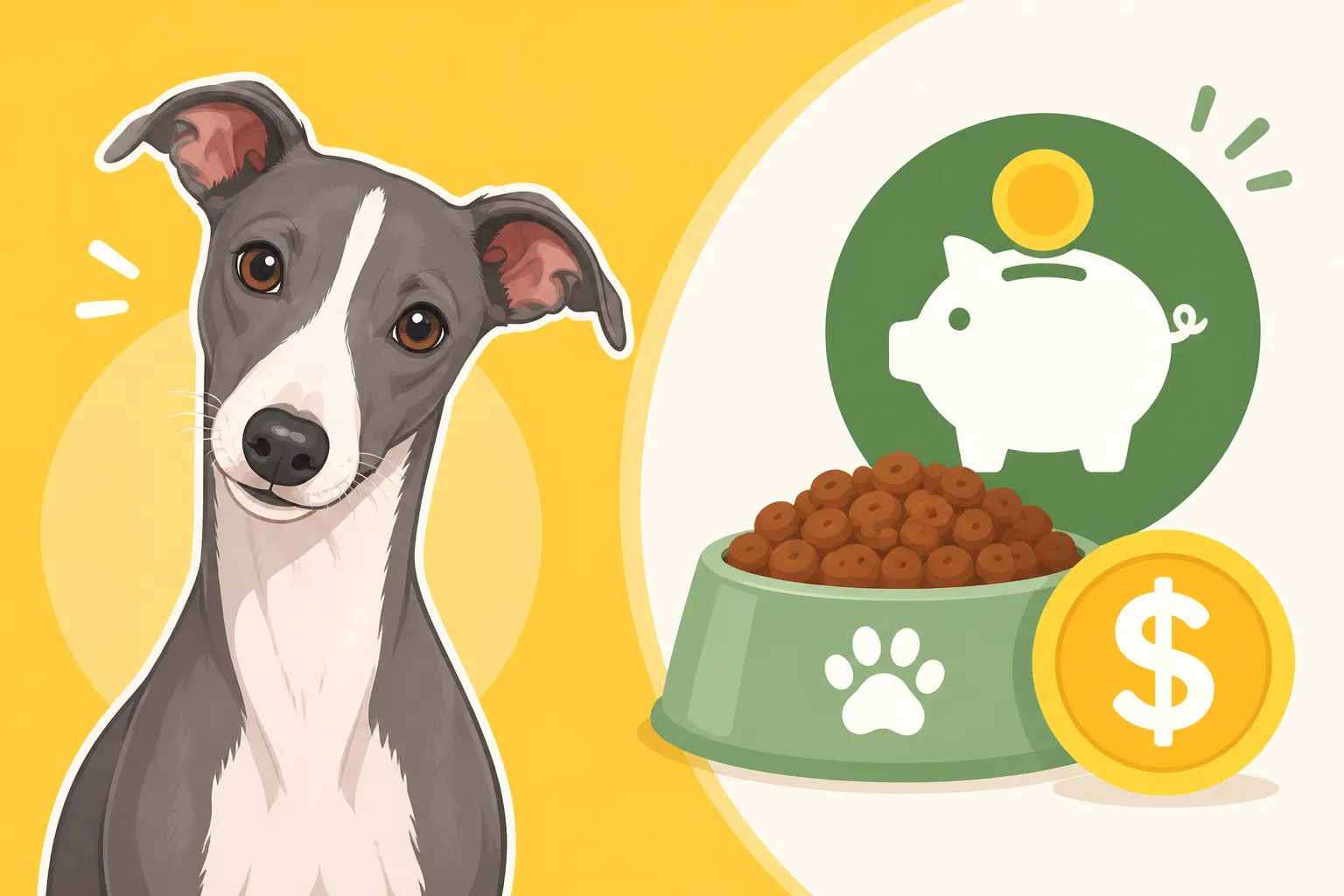
Why an Italian Greyhound Is Cheap to Feed
One of the common anxieties new dog owners face, especially when considering a purebred, is the looming cost of feeding. It’s easy to imagine those food bills stacking up, month after month, year after year. But if you’re looking at bringing an Italian Greyhound into your life, you might be pleasantly surprised to learn that they are, in fact, quite inexpensive to feed, a welcome relief in a world of ever-increasing pet expenses. This guide will walk you through all the reasons why your little Italian Greyhound won't be breaking the bank at mealtime.
Understanding the Italian Greyhound's Metabolism and Size
When you first lay eyes on an Italian Greyhound, their delicate frame and almost ethereal appearance might make you think they need some sort of specialized, high-calorie, expensive diet just to maintain their tiny bodies. The reality, however, is beautifully simple: their small size and efficient sighthound metabolism work together to keep their food requirements surprisingly modest. It's a fundamental aspect of their physiology that directly translates into a lighter grocery bill for you.
Small Stature, Small Appetite
It’s pretty straightforward, really. A smaller dog needs less food than a larger dog. An Italian Greyhound typically weighs in at a mere 7 to 14 pounds, sometimes a little more or less depending on the individual. Compare that to a Golden Retriever or a German Shepherd, which can easily tip the scales at 60 to 90 pounds, and you immediately see the difference in caloric needs. Your Italian Greyhound's stomach is only so big, and it fills up with a relatively small amount of kibble or fresh food. They're not going to be asking for a second helping, nor do they physically have the capacity for it! This small appetite is perhaps the most significant factor in their economical feeding.
Think about it this way: a single bag of quality dog food that might last a larger breed a week or two could easily stretch for a month or even longer with an Italian Greyhound. This isn't about skimping on quality, but simply acknowledging the proportional reality of their size. Owners often report being astonished at how little their Iggys actually consume compared to their previous, larger canine companions. They're truly the epitome of "good things come in small packages" when it comes to keeping your pantry stocked.
High Metabolism, Efficient Fuel
Despite their small size, Italian Greyhounds are sighthounds, bred for speed and agility. This means they have a relatively high metabolism. While this might sound like it would necessitate more food, it actually points to their efficiency. Their bodies are designed to convert food into energy effectively, without needing excessive amounts to fuel their active bursts. They burn calories quickly during those infamous "zoomies" or a spirited dash around the yard, but they're also excellent nappers, conserving energy for their next sprint.
Their lean muscle mass and very low body fat percentage mean there's not a lot of 'insulation' or 'storage' capacity for excess calories. The food they eat is quickly utilized, meaning they don't typically pack on weight easily unless significantly overfed or lacking adequate exercise. This efficient system means they get the most out of every bite, making their food go further. It’s like a finely tuned sports car that gets great gas mileage despite its ability to go fast – it’s not guzzling fuel constantly.
Activity Levels and Energy Output
While Italian Greyhounds are known for their bursts of incredible speed and enthusiasm (those zoomies are legendary!), they aren't dogs that require hours upon hours of strenuous exercise every single day. They are perfectly content with a couple of brisk walks, some indoor playtime, and then extensive napping. This balance of intense, short-duration activity followed by long periods of rest means their overall daily caloric expenditure isn't as high as, say, a working breed that needs to run for miles or perform demanding tasks.
If you have an Italian Greyhound, you know they can go from zero to sixty in a heartbeat, tearing around the house or yard in a blur. But just as quickly, they'll curl up on the sofa or under a blanket and sleep deeply. This pattern of activity means they don't need a constant influx of high-energy food like a marathon runner might. Their energy needs are met with consistent, appropriately sized meals, not endless bowls of kibble to sustain non-stop exertion. Understanding How Much an Italian Greyhound Sleeps a Day really puts their energy consumption into perspective.
Evaluating Food Choices and Portion Control
Even though Italian Greyhounds are cheap to feed in terms of quantity, the quality of food you choose still matters immensely for their long-term health. However, because you're feeding less, investing in a premium kibble or fresh food diet doesn't feel like such a financial pinch. It's a fantastic opportunity to provide them with the best without feeling the burn on your budget that owners of larger breeds might experience. This allows you to focus on nutritional value rather than just cost per pound.
Quality Over Quantity
When you're only feeding a small amount of food each day, you have a lot more flexibility in your budget to choose higher-quality options. Instead of buying the cheapest enormous bag of kibble for a huge dog, you can opt for a premium brand, a grain-free formula, or even a fresh food delivery service without breaking the bank. A small bag of high-quality kibble or a smaller subscription plan will last an Italian Greyhound a surprisingly long time. This means you can give your dog excellent nutrition, which often leads to better health outcomes down the line, potentially saving on vet bills.
For example, if a large dog needs cups and cups of food daily, a premium brand might be cost-prohibitive. But for an Italian Greyhound, who might only need a small fraction of that, the per-serving cost of a high-quality food becomes very manageable. You can consider brands like Ollie, which offers fresh, human-grade food, and find that a meal plan for a small Italian Greyhound is far more affordable than for a big dog. This focus on quality helps ensure your Italian Greyhound gets all the nutrients they need for their unique sighthound physiology.
Precise Portions Prevent Waste
Italian Greyhounds, due to their delicate build and tendency to be lean, really benefit from precise portion control. Overfeeding them, even slightly, can lead to weight gain which puts undue stress on their fragile bone structure, increasing the risk of injuries like A Broken Leg Is the Emergency Every Italian Greyhound Owner Fears. Because their nutritional needs are so specific and their stomachs so small, there's little room for error or waste. This naturally leads to owners being very careful with how much they put in the bowl, which directly translates to less food being consumed and therefore less money spent.
Veterinarians and breeders will often provide specific guidelines on how much to feed an Italian Greyhound based on their age, weight, and activity level. Following these guidelines meticulously means you’re not throwing away uneaten food, nor are you over-portioning and encouraging your Iggy to eat more than they need. Every scoop counts, and owners quickly learn to measure accurately, often using a kitchen scale for ultimate precision. This meticulous approach ensures that every bit of food is accounted for and serves its purpose, making their feeding truly economical.
Avoiding Overfeeding for Health and Budget
Overfeeding any dog is detrimental, but for an Italian Greyhound, it carries particular risks. Their slender bones are not designed to carry extra weight, and even a few extra pounds can significantly increase their susceptibility to bone fractures. This is why maintaining a healthy weight is absolutely crucial. Thankfully, keeping them lean also means you're not spending money on excess food. It's a win-win for both their health and your wallet.
An Italian Greyhound should have their ribs easily palpable, and a distinct tuck-up at their waist. If you can't feel their ribs without pressing, they're likely carrying too much weight. Keeping them at their ideal weight means you’re feeding them just enough, and no more. This mindful approach to feeding not only prevents costly health issues down the road but also ensures that you’re not literally "fattening" your dog with unnecessary expenses. It reinforces the idea that less can truly be more when it comes to feeding these elegant little dogs. You can learn more about What an Italian Greyhound Weighs and How to Tell If It Is Right.
The Impact of Health on Feeding Costs
A healthy dog generally costs less to feed, not necessarily because the food itself is cheaper, but because you avoid expensive prescription diets or supplements needed for chronic conditions. Italian Greyhounds, while having specific vulnerabilities like dental issues and fragile bones, are generally a pretty healthy breed when acquired from responsible breeders and given appropriate care. This baseline good health contributes significantly to their low feeding costs over their lifespan.
Fewer Dietary Restrictions
Many breeds, particularly larger ones, are prone to various health issues that require specialized or prescription diets. Think about dogs with severe allergies, joint problems requiring specific supplements mixed into food, or gastrointestinal sensitivities that necessitate expensive limited-ingredient formulas. While individual Italian Greyhounds can certainly develop such issues, as a breed, they don't have a widespread reputation for needing highly restrictive or unusually expensive diets compared to many other breeds.
For the average Italian Greyhound, a high-quality, balanced commercial dog food is perfectly adequate. You typically won't find yourself needing to hunt down obscure ingredients or spend a fortune on vet-prescribed foods unless a specific health issue arises. This means the standard range of good quality kibble, wet food, or fresh food options available on the market, such as those found readily on Chewy, will serve them well, keeping your options broad and your costs manageable. This lack of inherent dietary "baggage" is a quiet but significant contributor to their affordability at mealtime.
Prevention of Weight-Related Issues
We've touched on this, but it bears repeating: keeping an Italian Greyhound at their ideal, lean weight is paramount for preventing health issues. An overweight Italian Greyhound is at a much higher risk for orthopedic problems, particularly leg fractures, which can lead to astronomical veterinary bills. If you’re carefully monitoring their food intake and ensuring they get enough exercise, you’re not just saving money on food by avoiding overfeeding, you’re preventing potentially catastrophic expenses related to injuries.
Preventing obesity also means avoiding secondary health problems often associated with excess weight in other breeds, such as diabetes, heart disease, or exacerbated arthritis. For an Italian Greyhound, maintaining that svelte physique means their joints and bones are under minimal strain, contributing to their overall longevity and reducing the likelihood of needing expensive treatments, specialized mobility aids, or prescription weight-loss foods. It’s an investment in their health that pays dividends in both quality of life and financial savings.
Dental Health and Its Financial Connection
While not directly about feeding costs, dental health has a significant, indirect impact on the overall expense of maintaining an Italian Greyhound's mouth. Italian Greyhounds are notoriously prone to dental disease, often requiring annual professional cleanings and sometimes multiple extractions. Periodontal Disease Is the Italian Greyhound's Most Common Diagnosis, and those dental procedures can be quite costly. However, consistent home dental care can significantly reduce the severity and frequency of these expensive vet visits.
By brushing your Italian Greyhound's teeth daily, you can help mitigate tartar buildup and gum disease. This proactive approach, while not eliminating the need for professional care entirely, can extend the time between cleanings or reduce the number of extractions needed, saving you money in the long run. Since you're not spending a fortune on their daily food, you might find it easier to allocate a small part of your budget to quality dental chews (if safe and vet-approved) or the occasional dental water additive. The cost of a toothbrush and enzymatic toothpaste is minimal compared to a full dental surgery with extractions. Considering Brushing an Italian Greyhound's Teeth Every Day as a core part of their care can truly impact lifetime costs.
Comparing Feeding Costs to Other Breeds
To truly appreciate why an Italian Greyhound is cheap to feed, it helps to put their dietary needs into context with other dog breeds. When you look across the canine spectrum, from tiny Chihuahuas to giant Great Danes, the cost of feeding scales dramatically. Italian Greyhounds land squarely on the "economical" end of this spectrum, often surprising new owners with just how little it takes to keep them thriving.
Small vs. Large Breed Food Budgets
The difference in food costs between a small Italian Greyhound and a large or giant breed is truly astounding. Imagine feeding a Great Dane that might weigh well over 100 pounds. They easily consume multiple cups of kibble, sometimes specialized large breed formulas, multiple times a day. Their food budget can easily run into hundreds of dollars a month. Now, compare that to your 10-pound Italian Greyhound who might only eat half a cup to a cup of food daily. The disparity is immense.
A single bag of premium kibble that would be devoured by a large breed in a week might last your Italian Greyhound for four to six weeks, or even longer. This is where the real savings kick in. Over the lifespan of your Italian Greyhound, which can be Why an Italian Greyhound Lives Fourteen to Fifteen Years, these savings accumulate significantly. It's not just a monthly saving, but a decade-plus of lower food expenses compared to owning a bigger dog. This allows you to allocate more of your pet budget to other important areas of care, like their wardrobe for chilly weather or those necessary ramps and steps around the house.
Breed-Specific Dietary Needs
Some breeds have particular dietary requirements that can drive up food costs. For instance, certain breeds prone to bladder stones might need prescription diets to manage urinary pH. Dogs with chronic allergies might require novel protein diets or hydrolyzed protein formulas, which are often at the top end of the price scale. Breeds prone to certain heart conditions might benefit from diets with specific sodium levels, and so on.
The Italian Greyhound, generally speaking, doesn't come with a laundry list of complex, breed-specific dietary needs that necessitate expensive, specialized formulas. Of course, individual dogs will have their unique quirks and sensitivities, but as a breed standard, they are relatively low-maintenance in terms of needing bespoke nutrition. This means you can choose from a wide range of good quality commercial foods without having to seek out highly specialized (and thus highly priced) options. This flexibility in food choice further contributes to their economical feeding.
Unexpected Expenses in Other Breeds
Beyond the daily kibble, owners of other breeds often encounter unexpected food-related expenses. For example, some large breeds require joint supplements from a young age, which can be costly. Dogs with sensitive stomachs might frequently need digestive aids or probiotics, adding to the monthly spend. Breeds with deep chests can be prone to bloat, a life-threatening condition that, while not directly food-related, might lead owners to invest in slow-feeder bowls or specialized feeding setups to try and prevent it.
Italian Greyhounds, while having their own unique health considerations, generally don't present with these types of ongoing, food-adjacent expenses as a common breed trait. While a senior Iggy might eventually need Softer Food for an Old Italian Greyhound or joint support, these are generally age-related rather than breed-specific from puppyhood. Their streamlined physiology means fewer "add-ons" are typically required to support their basic dietary needs, keeping the feeding process simple and affordable.
Smart Shopping and Storage Strategies
Even though Italian Greyhounds are inherently cheap to feed, there are still smart strategies you can employ to maximize your savings without compromising on quality. Savvy shopping and proper storage techniques can stretch your budget further, ensuring that every penny spent on your Iggy's meals is well invested.
Buying in Bulk (When Appropriate)
For owners of larger dogs, buying enormous bags of kibble in bulk is a no-brainer for savings. For an Italian Greyhound, the calculus is a bit different. While buying a slightly larger bag than the smallest one available can offer a better price per pound, you have to be mindful of freshness. A huge bag might last an Italian Greyhound many months, and kibble can lose its nutritional value and appeal over time, not to mention potentially going stale or attracting pests.
Therefore, for an Italian Greyhound, "buying in bulk" often means purchasing a medium-sized bag (perhaps 5-10 pounds) that will last a few weeks to a couple of months, rather than a giant 30-pound bag. This balances cost savings with ensuring the food remains fresh and palatable. If you do opt for a larger bag, make sure you have an airtight container to store it in, ideally in a cool, dark place. Some online retailers, like Chewy, offer recurring delivery discounts, which can be a smart way to save a bit without buying an overwhelming quantity at once.
Utilizing Subscription Services
Subscription services, especially for premium kibble or fresh food, can be incredibly beneficial for Italian Greyhound owners. As mentioned earlier with a brand like Ollie, the cost for a small dog's fresh food plan is significantly less than for a large dog. These services often provide discounts for regular deliveries, take the hassle out of remembering to buy food, and ensure a consistent supply of fresh product. This predictability also helps with budgeting, as you know exactly what your monthly food cost will be.
For dry kibble, many online pet supply stores offer "auto-ship" options where you can schedule regular deliveries and often receive a percentage off the price. This is particularly useful for Italian Greyhounds because their consumption rate is so consistent and slow. Once you know How Many Cups a Day an Adult Italian Greyhound Eats, you can easily calculate how long a bag will last and set up your auto-ship accordingly, ensuring you never run out and always get the best price.
Proper Storage for Freshness and Savings
Proper food storage is essential for maintaining the quality and freshness of your Italian Greyhound's food, and it indirectly contributes to savings. Stale or rancid food is unappetizing to dogs and can even be unhealthy. If food goes bad, you're forced to throw it away, which is money wasted. For Italian Greyhounds, whose food lasts longer, this becomes even more important.
Always store dry kibble in an airtight container, preferably in its original bag (which provides a barrier and contains oils that can leach into plastic). Keep it in a cool, dry place away from direct sunlight and heat. For wet or fresh food, always refrigerate unused portions promptly and adhere to the "use by" dates. By ensuring your Iggy's food stays fresh and safe, you prevent spoilage and ensure they eat every nutritious bite, thereby optimizing your investment. This careful approach to storage ensures you get the full value out of every package you buy.
Italian Greyhound Feeding Cost Comparison Table
To give you a clearer picture of how Italian Greyhounds stack up against other breeds in terms of feeding costs, here's a general comparison. Please remember these are rough estimates and can vary greatly based on specific food brands, your dog's activity level, age, and individual metabolism.
| Breed | Average Weight (lbs) | Estimated Daily Food (cups dry kibble) | Estimated Monthly Food Cost (Avg. Quality) | Estimated Monthly Food Cost (Premium Quality) | Notes on Appetite/Needs |
|---|---|---|---|---|---|
| Italian Greyhound | 7-14 | 0.5 – 1.0 | $15 – $30 | $30 – $60 | Small, efficient metabolism. Moderate activity. |
| Chihuahua | 2-6 | 0.25 – 0.75 | $10 – $25 | $25 – $50 | Even smaller, but similar proportional costs. |
| Beagle | 20-30 | 1.5 – 2.5 | $30 – $50 | $50 – $90 | Medium size, often food-motivated, prone to weight gain. |
| Border Collie | 30-55 | 2.0 – 3.5 | $40 – $70 | $70 – $120 | High energy, requires more calories to maintain activity. |
| Labrador Retriever | 55-80 | 3.0 – 5.0 | $60 – $100 | $100 – $180 | Large, active, and notoriously food-loving. |
| Great Dane | 100-175 | 6.0 – 10.0+ | $100 – $200+ | $180 – $350+ | Giant breed, massive caloric needs, often requires large breed specific formulas. |
Disclaimer: These are general estimates. Actual costs will vary.
As you can see, the Italian Greyhound's position as an economical eater is quite clear. Their feeding costs are among the lowest, allowing you to invest in high-quality food without feeling the pinch that owners of larger or more demanding breeds might. This makes them an attractive option for those who want a wonderful companion without the burden of a hefty monthly food bill. It truly highlights What an Italian Greyhound's Monthly Food Bill Runs and why it's so manageable.
Disclaimer
This article is for general informational purposes only and does not constitute professional advice. Laws, prices and regulations vary by location and change over time. Consult a qualified professional for guidance on your specific situation.