Budgeting for an Italian Greyhound’s Broken Leg Before It Happens
The thought of your sweet Italian Greyhound breaking a leg is enough to send a chill down any owner's spine. It's not just the immediate panic and heartache, but the overwhelming financial burden that can hit unexpectedly. This guide is here to walk you through why these fragile pups are so prone to fractures and, more importantly, how you can proactively prepare your finances for this all-too-common emergency, giving you peace of mind.
Understanding Why Italian Greyhounds Break Legs So Easily
It's a harsh reality that many Italian Greyhound owners face: these beautiful, graceful dogs are prone to breaking their delicate leg bones. It’s not a reflection of poor care, but a fundamental aspect of their unique physiology. Understanding this vulnerability is the first step toward proactive care and financial planning.
The Fragile Reality of Their Bones
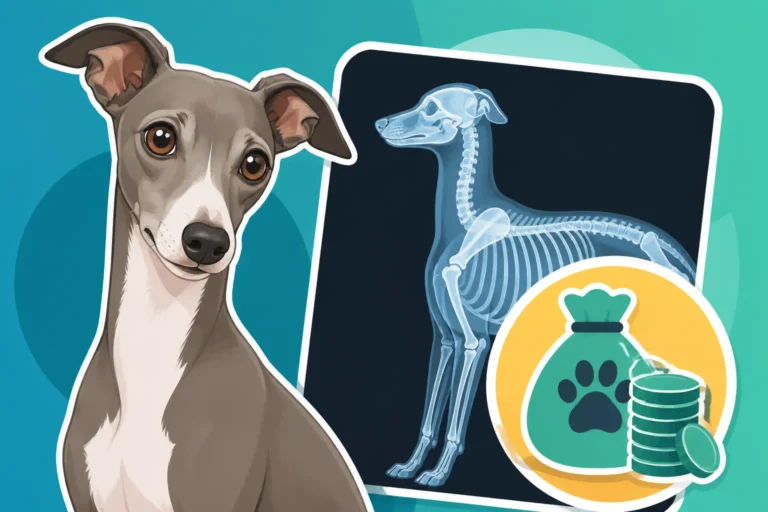
Italian Greyhounds are built for speed and agility, not brute strength. Their long, slender legs are characteristic of sighthounds, but unlike their larger Greyhound and Whippet cousins, the Italian Greyhound's bones are exceptionally fine and delicate. Imagine a bird's bone – hollow and lightweight – and you're getting closer to the structure of an IG's leg bones. Specifically, the radius, one of the two long bones in their forearm, is a frequent culprit. This bone is often thinner than the ulna and can bear a disproportionate amount of stress, making it highly susceptible to snapping. This isn't just a concern for puppies; adult IGs can suffer breaks too, even from seemingly minor mishaps. This inherent fragility means that even small missteps can have catastrophic consequences. You might wonder, "Why is my IG's bone so much weaker?" The reality is, it's a breed trait, a trade-off for their elegant form and incredible speed, but it demands constant vigilance from us, their caregivers. This is why Why an Italian Greyhound's Radius Is the Bone That Breaks is such a crucial piece of knowledge for any owner.
Common Scenarios Leading to Fractures
When we talk about a broken leg, many people picture a dramatic accident, like a car crash or a fall from a great height. With Italian Greyhounds, the reality is often far more mundane, which is what makes it so heartbreakingly unexpected. A common scenario is simply jumping off furniture. A quick leap from a sofa or bed, a height most other dogs would manage with ease, can be enough to twist an IG's delicate leg just wrong, resulting in a clean snap. Even playful interactions can be dangerous. An Italian Greyhound puppy, full of boundless energy, might get a little too rambunctious wrestling with a larger, sturdier dog, or even with another Italian Greyhound, leading to an accidental injury. Owners often describe the moment as "one minute they were fine, the next they were screaming." The impact doesn't have to be significant; the bone structure simply isn't designed to withstand much torsion or sudden impact. This means that seemingly harmless activities, like a happy zoomie on a slippery floor or a clumsy step off a low porch, can turn into an emergency. It's a constant tightrope walk, and understanding these common fracture triggers, such as The Jump Off the Sofa That Breaks an Italian Greyhound's Leg or Why an Italian Greyhound Puppy Should Not Wrestle Big Dogs, is vital for prevention.
The Staggering Cost of an Italian Greyhound Fracture
The moment you realize your Italian Greyhound has broken a leg, your heart sinks, and almost immediately, a cold wave of financial panic can set in. The cost of treating such an injury is not just significant; it can be truly staggering, easily becoming the largest veterinary bill many owners will ever face.
Initial Vet Visits and Diagnostics
The journey to healing starts with an immediate trip to the emergency veterinarian. This first visit isn't cheap, as it involves after-hours fees, pain management, and initial diagnostics to assess the damage. The vet will need to take X-rays from multiple angles to get a clear picture of the fracture type, location, and severity. These initial X-rays are critical, but they're just the beginning. In many cases, a general practice veterinarian, while wonderful for routine care, might not have the specialized equipment or expertise to properly evaluate and treat a complex Italian Greyhound fracture. Their fine bones and unique physiology often require the eye of an orthopedic specialist. This can mean a referral to a specialty clinic, adding another set of consultation fees before any definitive treatment even begins. The cost of these initial assessments, including bloodwork to ensure your IG is healthy enough for anesthesia, can quickly add up, laying the groundwork for what will become a very substantial bill. Knowing What X Rays Cost on an Italian Greyhound is helpful for understanding this initial outlay.
Specialist Surgery and Post-Op Care
Once the fracture is diagnosed, the reality often points to surgery. Unlike many other breeds where a cast might suffice for a simple break, an Italian Greyhound's delicate, weight-bearing leg bones frequently require internal fixation. This means an orthopedic surgeon will meticulously realign the bone fragments and secure them with plates, pins, or a combination of both. In some complex cases, an external fixator might be necessary, where pins are placed through the bone and connected to an external frame to stabilize the limb. This kind of specialized surgery requires immense skill, custom-sized hardware, and hours of operating room time. It's a precision job, and finding a surgeon who has specific experience with sighthound bones is paramount for the best outcome.
After the surgery, the financial commitment doesn't end. Your IG will need pain medication, antibiotics, and often follow-up X-rays to ensure the repair is holding properly. There will be multiple bandage changes, which need to be done carefully to avoid pressure sores or further damage to their thin skin. Rehabilitation, including strict crate rest, limited activity, and possibly physical therapy, will be crucial for a full recovery, adding further costs and demanding an incredible amount of time and dedication from you. This comprehensive process illustrates why What Fracture Surgery Costs on an Italian Greyhound is so much more than just the operating room fee. It's a whole package of care, and it's essential to diligently research and find Finding a Surgeon Who Has Plated an Italian Greyhound to ensure the best possible care for your beloved companion.
Strategies for Proactive Financial Preparation
Facing the potential for a broken leg is daunting, but you don't have to be caught completely off guard. By taking proactive steps, you can significantly lessen the financial blow and ensure your Italian Greyhound gets the care they need without adding crippling debt to your worries.
Building an Emergency Fund Specifically for Your IG
One of the most reliable ways to prepare for a vet emergency is to have a dedicated savings account. Think of it as your "IG broken leg fund." This isn't just about general savings; it's a fund specifically earmarked for those unexpected, high-cost veterinary events. The truth is, even with pet insurance, there will almost certainly be an out-of-pocket expense, whether it's a deductible, a co-pay, or costs not fully covered. Aim to save several thousand dollars. While specific costs vary wildly, having a cushion of at least $5,000 to $10,000 liquid can make a huge difference in your stress levels and your ability to make immediate decisions for your dog's health without financial hesitation. Set up an automatic transfer from your checking account each payday, even if it's a small amount. Over time, those contributions will add up, giving you a tangible safety net. This is truly the best way to start Budgeting for an Italian Greyhound's Broken Leg Before It Happens, ensuring you're ready when the unexpected inevitably strikes. For more detailed guidance on how much to save, consider What an Emergency Fund for an Italian Greyhound Should Hold.
Exploring Pet Insurance Options
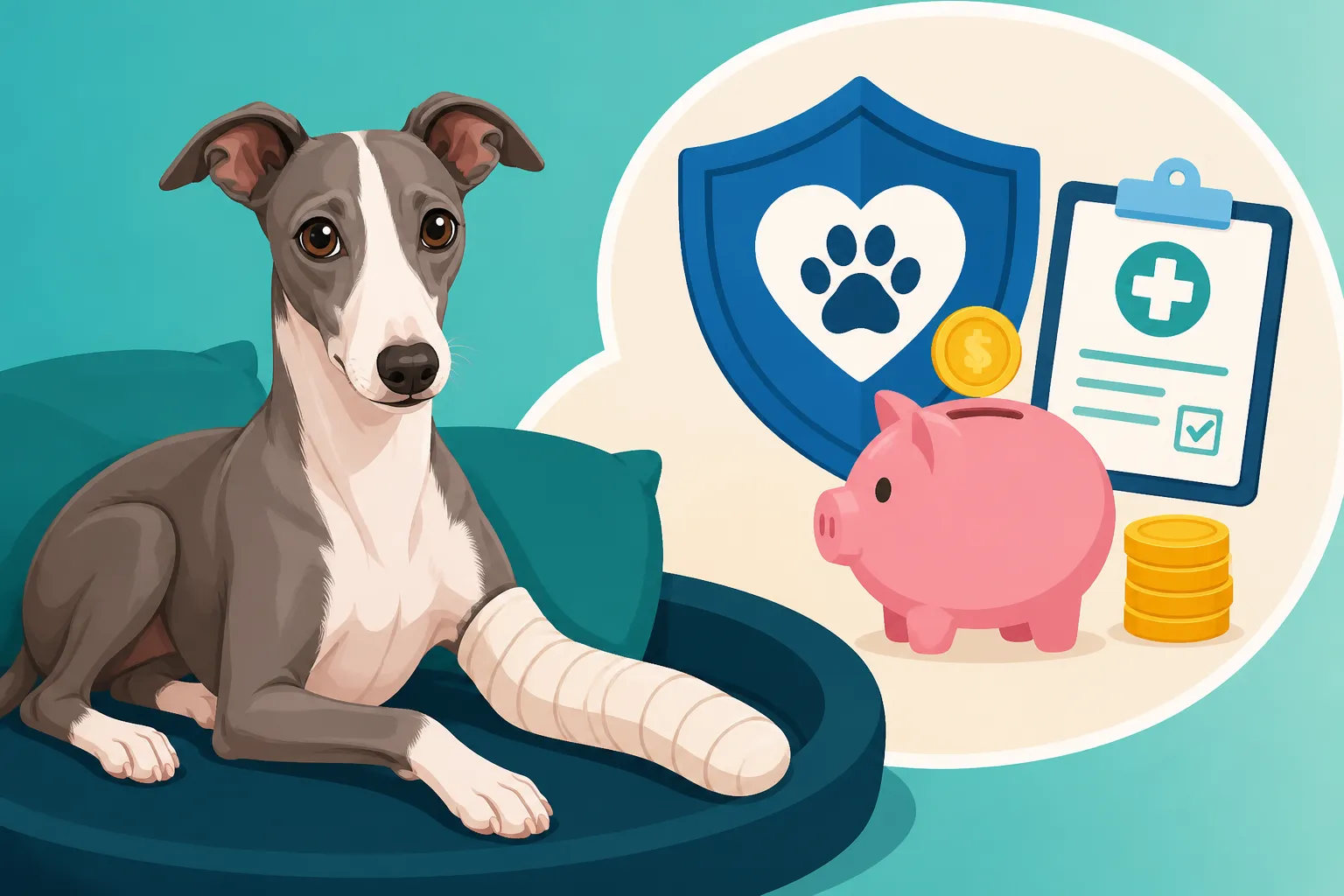
Pet insurance is another critical layer of protection for Italian Greyhound owners, especially given their breed-specific vulnerabilities. While it won't cover pre-existing conditions (meaning you can't get it after a break and expect coverage for that break), having a policy in place before an accident occurs can be a literal lifesaver. Most comprehensive accident and illness policies will cover a significant portion of fracture repair costs, including diagnostics, surgery, medication, and even some rehabilitation. However, it's crucial to read the fine print. Look for policies with reasonable deductibles, high reimbursement percentages (80% or 90% is often ideal), and no per-incident or annual caps that could leave you hanging on a major claim. Companies like Healthy Paws are known for their comprehensive coverage and straightforward claims process, which can be a huge relief during a stressful time. Be mindful of waiting periods; most policies have a short waiting period (often 14-30 days) before accident coverage kicks in, so don't wait until you suspect a problem to enroll. Understanding What Pet Insurance Actually Covers on an Italian Greyhound and specifically Whether Insurance Covers an Italian Greyhound's Broken Leg is key to making an informed decision.
Preventing Fractures to Reduce Risk
While some accidents are truly unavoidable, many Italian Greyhound fractures can be prevented with thoughtful home modifications and diligent supervision. This preventative approach not only saves heartache but also dramatically reduces the potential for those massive vet bills. Start by creating a safe indoor environment. This means installing ramps or steps to allow your IG safe access to sofas, beds, and other furniture they might jump on or off. You can find durable and attractive options for ramps on sites like Chewy, making it easy to integrate them into your home decor.
Supervision, particularly during puppyhood and with other pets, is also paramount. Young IGs, typically under two years of age, are at the highest risk because their growth plates are still open, and their bones haven't fully hardened. This is why Restricting an Italian Greyhound Under Two is such important advice. Avoid rough play with larger dogs, as even a gentle bump can lead to a fracture. If you have children, teach them how to safely interact with and handle your delicate Italian Greyhound. Furthermore, ensure your dog is on a high-quality diet, perhaps like those offered by Ollie, which provides excellent nutrition to support overall health and strong bones, though it's important to remember that diet alone cannot prevent a break in an inherently fragile breed. Implementing these preventative measures is a direct way to reduce the likelihood of costly injuries.
The Emotional and Practical Toll of a Fracture
Beyond the financial strain, dealing with an Italian Greyhound's broken leg takes a profound emotional and practical toll on the entire household. It's a journey filled with worry, guilt, and a deep commitment to their recovery.
The Stress on Pet Parents
Witnessing your beloved Italian Greyhound in pain is an incredibly distressing experience. The initial shock gives way to a rollercoaster of emotions: intense worry about their recovery, guilt over whether you could have prevented it, and the sheer exhaustion of managing their care. Pet parents often find themselves constantly on edge, listening for any whimper or uneasy movement. The burden of making critical medical decisions, navigating specialist appointments, and managing complex post-operative care can feel overwhelming. Many owners experience sleepless nights, anxiety, and even a form of grief for the active, carefree dog they had before the accident. This emotional weight is often compounded by the practical challenges of restricting a naturally active dog, which can lead to stress for both the dog and the human. It's a testament to the bond we share with our IGs that we push through these immense challenges, but it's important to acknowledge the significant emotional labor involved. The process of How Long an Italian Greyhound Stays Crated After Surgery alone can be a test of patience for everyone involved.
Long-Term Considerations and Potential Complications
Healing a broken leg is a marathon, not a sprint, and for an Italian Greyhound, the journey often extends far beyond the initial surgery. Even after the bone has mended, there are long-term considerations and potential complications that require ongoing attention. Arthritis is a common concern in the affected limb, particularly in cases of complex fractures or if the joint surface was involved. This can manifest as stiffness, pain, or reduced mobility years down the line, often requiring medication or supplements to manage.
Another major worry is the risk of re-injury. The repaired bone, or even the other leg, can be vulnerable if not properly managed during recovery and beyond. This means continued vigilance with ramps, careful supervision, and avoiding high-risk activities. Physical therapy might be recommended to help regain muscle strength, flexibility, and range of motion, which can be an additional time and financial commitment. While many Italian Greyhounds make remarkable recoveries and go on to live full, happy lives, owners must be realistic that Whether an Italian Greyhound Regains Full Use of the Leg isn't always a guarantee, and ongoing management for issues like Arthritis in an Italian Greyhound's Healed Leg might be part of their future. It's a commitment that can last the lifetime of your cherished companion.
Here's a quick comparison of the two primary financial preparation methods for unexpected vet bills:
| Feature | Emergency Savings Fund | Pet Insurance |
|---|---|---|
| Out-of-pocket | All costs are out-of-pocket until replenished | Deductible + Co-pay, then reimbursement |
| Coverage Scope | Covers anything you save for | Defined by policy terms (accidents, illness, wellness) |
| Waiting Periods | None | Typically 14-30 days for accidents/illness |
| Pre-existing | Not applicable | Usually not covered |
| Flexibility | Money is yours for any emergency | Can only be used for covered veterinary care |
| Monthly Cost | None (you're saving your own money) | Monthly or annual premium |
| Reimbursement | Instant access to your saved funds | Claims process required, can take days/weeks |
| Peace of Mind | High, if adequately funded | High, if policy is comprehensive |
Disclaimer
This article is for general informational purposes only and does not constitute professional advice. Laws, prices and regulations vary by location and change over time. Consult a qualified professional for guidance on your specific situation.