What an Italian Greyhound’s Final Year Costs
Reaching that final year with your beloved Italian Greyhound is a bittersweet journey. It's a time filled with cherished moments and deep love, but it also often comes with a looming question: what will this last chapter cost us, both emotionally and financially? This guide aims to gently illuminate the various expenses you might encounter during your Italian Greyhound's senior year, helping you understand and prepare for what lies ahead, ensuring comfort and dignity for your cherished companion.
Understanding the Nature of Senior Italian Greyhound Care Costs
It's a tough pill to swallow, but as our Italian Greyhounds age, their care often becomes more complex and, unfortunately, more expensive. This isn't just about covering basic needs; it's about managing the realities that come with extended lifespans, and Italian Greyhounds, bless their hearts, can live quite a long time. Why an Italian Greyhound Lives Fourteen to Fifteen Years is a testament to their hardiness, but those extra years mean more opportunities for age-related conditions to develop.
The financial aspect of senior care often feels like a moving target. One day your IG is zooming around the yard, and the next they're limping, or their appetite isn't quite right. These changes frequently lead to vet visits, diagnostic tests, and new medications. It's not just a single, predictable cost, but a series of incremental expenses that can add up quickly. Many owners feel overwhelmed, caught between the desire to provide the absolute best for their fading friend and the very real constraints of their budget. This emotional tug-of-war is incredibly common, and it's okay to acknowledge that it's a stressful time. The goal isn't to break the bank, but to thoughtfully plan how you can maintain your Italian Greyhound's quality of life without undue financial strain.
The reality is that senior pets often require a more proactive and involved approach to their health. What used to be an annual check-up might become bi-annual, or even quarterly, as your vet monitors subtle changes. These aren't always emergencies, but rather preventative measures or ongoing management for chronic conditions that are simply a part of Caring for an Italian Greyhound Past Eleven. We want them to be comfortable, happy, and pain-free for as long as possible, and that commitment naturally comes with a financial component.
Common Veterinary Expenses in an Italian Greyhound's Final Year
When our Italian Greyhounds enter their golden years, the veterinary clinic often becomes a more familiar place. The focus shifts from preventative care for a young, bouncy puppy to managing the complexities of an aging body. These visits are essential for maintaining their comfort and catching any issues early.
Increased Wellness Visits and Diagnostics
Gone are the days when a single annual check-up sufficed for most Iggys. As they age, regular wellness exams become increasingly important. Your vet might recommend visits every six months, or even more frequently, to keep a close eye on their overall health. These visits aren't just for a quick once-over; they often involve more extensive diagnostics.
Think about blood panels: these tests can reveal so much about organ function, particularly kidneys and liver, which can start to decline in older dogs. Your vet might suggest a complete blood count (CBC), a chemistry panel, and a urinalysis to get a comprehensive picture. If your Italian Greyhound is showing subtle signs of discomfort or changes in mobility, X-rays might be recommended to check for arthritis or other orthopedic issues. An ultrasound could be necessary if there are concerns about internal organs. All of these diagnostic tools are incredibly valuable for early detection and intervention, but each one carries a cost. It's like having a more thorough "health MOT" for your senior pet, and it's a necessary investment in their comfort. How Often an Italian Greyhound Needs a Wellness Exam may increase dramatically in this final stage of life.
Managing Chronic Conditions
Many senior Italian Greyhounds develop chronic health conditions that require ongoing management, which translates to recurring veterinary expenses. Arthritis is a common culprit, often manifesting as stiffness, difficulty getting up, or a reluctance to jump. While an Italian Greyhound is less likely to break a leg later in life, Arthritis in an Italian Greyhound's Healed Leg can certainly crop up. Treatment might include anti-inflammatory medications, joint supplements, or even specialized injections. These aren't one-time fixes; they're part of a continuous regimen to keep your dog comfortable.
Kidney disease is another frequent diagnosis in older Iggys. This requires regular blood work to monitor progression, dietary changes to a prescription kidney diet, and potentially medications or fluid therapy. Kidney Disease in an Old Italian Greyhound can be managed for quite some time with diligent care, but the costs of specialized food and ongoing vet checks are substantial. Similarly, heart conditions, often presenting as a murmur, necessitate regular cardiac evaluations, medications to support heart function, and perhaps even consultations with a veterinary cardiologist. The Heart Murmur an Old Italian Greyhound Develops is a common age-related issue that needs consistent monitoring. For some Iggys, cognitive decline, showing up as disorientation or changes in sleep patterns, often referred to as Night Confusion in an Old Italian Greyhound, might also require specific medications or supplements. These chronic conditions, while manageable, create an ongoing financial commitment for owners.
Dental Care Continues to Be Critical
Even if your Italian Greyhound has lost a few teeth over the years – and it's quite common for them to lose several teeth by age eight (How Many Teeth an Italian Greyhound Loses by Eight) – professional dental care remains absolutely vital in their final year. Periodontal disease doesn't stop just because a dog is older; in fact, it can worsen and lead to serious health issues if left untreated. Older Iggys are often more susceptible to infections spreading from their mouths to other organs, such as their heart or kidneys.
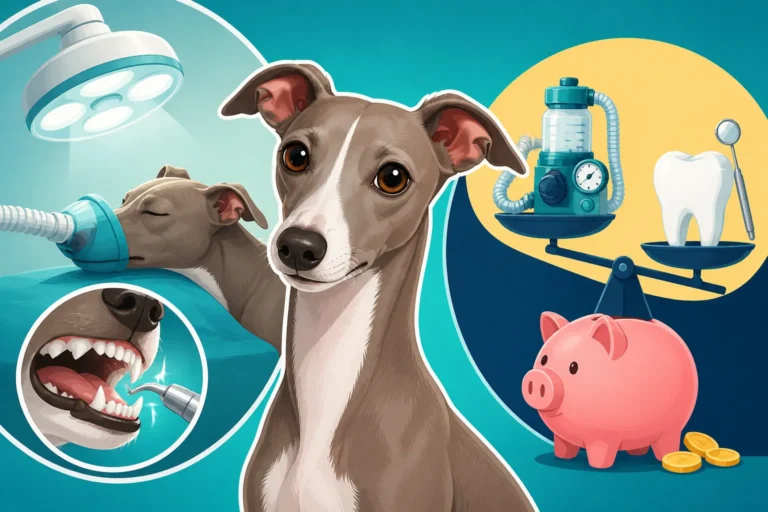
A senior dental cleaning typically involves a thorough examination, scaling, polishing, and potentially extractions of any remaining diseased teeth. Due to their age, anesthesia protocols for senior dogs are often more extensive, including pre-anesthetic bloodwork, IV fluids during the procedure, and close monitoring by the veterinary staff. These precautions are crucial for their safety but naturally add to the overall cost. Neglecting dental health isn't just about bad breath; it's about preventing pain, infection, and systemic illness that can severely impact your Italian Greyhound's quality of life during their last year. It might seem counterintuitive to spend on teeth when they're so old, but comfort is paramount, and a painful mouth significantly diminishes that comfort.
Supporting Comfort and Quality of Life: Non-Veterinary Costs
Beyond the essential veterinary care, there are many ways we try to enhance our senior Italian Greyhounds' daily comfort and quality of life. These non-vet expenses are just as important for their well-being and often involve thoughtful adjustments to their home environment and routine.
Specialized Bedding and Traction Aids
An aging Italian Greyhound often finds it harder to get comfortable, especially if they're dealing with arthritis or general body stiffness. That cheap, flat dog bed they've had for years simply won't cut it anymore. Investing in high-quality orthopedic bedding becomes a necessity. These beds offer superior support for their delicate joints and bony frames, preventing pressure sores and allowing for more restful sleep. Many senior Iggys also adore heated beds, especially since they naturally Why an Old Italian Greyhound Feels the Cold More. A heated bed can provide soothing warmth, easing stiff muscles and providing immense comfort. Whether an Old Italian Greyhound Needs a Warmer Bed is often a resounding yes for these thin-skinned seniors.
Mobility can also become a challenge. Hardwood or tile floors, which were once no problem, can become slippery hazards. This is where traction aids come in. Rugs and runners strategically placed around the house, especially in high-traffic areas or leading to favorite resting spots, can prevent slips and falls. Brands like Chewy often have a wide selection of non-slip rugs and orthopedic beds. Whether Rugs Help an Italian Greyhound on Hardwood is definitely true for many seniors. Ramps or steps are another critical addition, particularly for furniture they love to access, like the sofa or bed. Ramps and Steps for an Italian Greyhound's Furniture help prevent dangerous jumps and reduce strain on their aging joints, making their world more accessible and safer.
Keeping Warm and Cozy
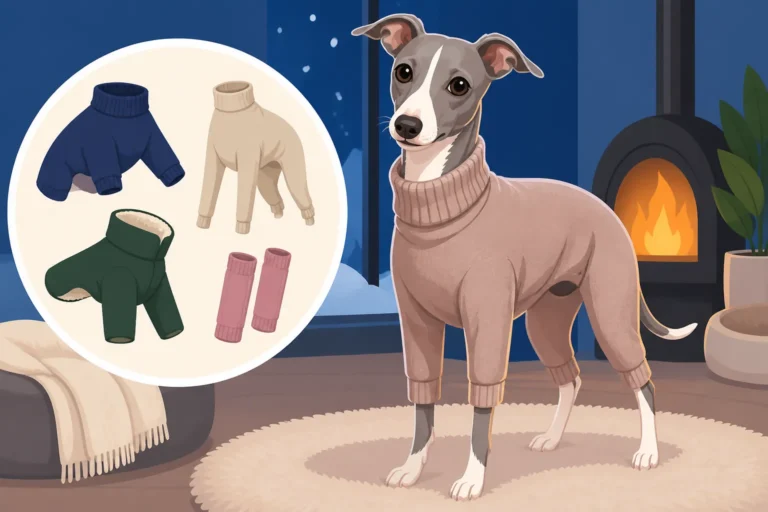
Italian Greyhounds, with their minimal body fat and thin coats, are perpetually cold. This sensitivity to temperature only increases with age. As their metabolism slows, senior Iggys struggle even more to regulate their body temperature, making them shiver easily, even indoors. This means their wardrobe often expands significantly in their final year.
You might find yourself buying more sweaters, fleece jackets, and even pajamas to keep them toasty. These aren't just fashion statements; they're essential items for their comfort and health. Layers are often key, especially during colder months or in air-conditioned homes. You might even discover that your IG, who once tolerated a single sweater, now demands two or three layers, especially when lounging or sleeping. The investment in quality, well-fitting clothing that truly keeps them warm is a non-negotiable expense for many senior Italian Greyhound owners.
Dietary Adjustments and Supplements
As Italian Greyhounds age, their dietary needs can change dramatically. Their metabolism might slow down, requiring fewer calories, or they might become pickier eaters. Some develop sensitivities or digestive issues that necessitate a switch to a more easily digestible food. Often, a softer food becomes necessary, especially if they've lost teeth or have a sore mouth. Softer Food for an Old Italian Greyhound can make a huge difference in their willingness to eat and their overall nutritional intake.
Many senior diets are formulated with specific nutrients to support aging bodies, such as joint-supporting ingredients, antioxidants for cognitive health, and moderate protein levels for kidney support. You might also add various supplements, from omega-3 fatty acids for skin and coat health to probiotics for digestion, or specific joint supplements. While these aren't always cheap, they can play a significant role in maintaining their vitality and comfort. Some owners turn to fresh food delivery services like Ollie, which can be an excellent option for picky seniors or those needing a highly palatable and easily digestible diet, although these often come at a higher price point than traditional kibble. The goal is to keep them nourished and feeling good, and sometimes that means a more specialized, and therefore more expensive, diet.
Planning and Preparing for End-of-Life Decisions
This is perhaps the hardest part of owning a senior Italian Greyhound, but also one of the most loving and responsible. Discussing and planning for end-of-life care not only provides peace of mind but also allows you to focus on your pet's comfort when the time comes, rather than being overwhelmed by last-minute decisions.
Euthanasia and Aftercare
When quality of life diminishes beyond what can be comfortably managed, the difficult decision of euthanasia may arise. This is one of the most profound acts of love an owner can give. The cost for euthanasia can vary depending on whether it's performed at a veterinary clinic or in the comfort of your own home, which many owners prefer for their beloved Italian Greyhound. In-home euthanasia, while often more expensive, can provide a serene and less stressful experience for both pet and family.
Beyond the procedure itself, there are aftercare options to consider. Cremation is common, with choices ranging from communal cremation (where ashes are not returned) to private cremation (where you receive your pet's ashes back in an urn). The cost increases with private cremation, and there are often additional fees for special urns, paw prints, or fur clippings as keepsakes. Some families also choose burial, either at a pet cemetery or on private property, which also carries its own set of costs. Having these conversations with your vet and family before the critical moment allows for more thoughtful decisions during a highly emotional time.
Financial Preparedness for the Inevitable
The costs associated with an Italian Greyhound's final year can be significant and, as we've seen, often unpredictable. This is why financial preparedness is so important. Many owners wish they had started an emergency fund specifically for their pet's senior years, setting aside a little bit each month. This dedicated fund can alleviate some of the stress when unexpected veterinary bills arise.
Pet insurance is another avenue to explore, though it's important to understand its limitations, especially for senior pets. While a policy from a provider like Healthy Paws might cover unexpected accidents or new illnesses, most plans have waiting periods and may not cover pre-existing conditions that your Italian Greyhound has already developed. If you have had insurance for many years, it may cover more. It's crucial to read policy details carefully and understand what is and isn't covered, especially regarding chronic age-related issues. For a senior pet, the investment in a comprehensive policy might be substantial, or certain conditions might be excluded. However, for those who enrolled their Iggys when they were younger, pet insurance can be a lifesaver, helping to mitigate the financial impact of costly treatments in their final years.
The Value of Comfort Over Cure
In the final stages of an Italian Greyhound's life, the focus often shifts from aggressive curative treatments to palliative care, prioritizing comfort and pain management above all else. This doesn't necessarily mean lower costs; sometimes, maintaining comfort requires ongoing medication, specialized diets, or even regular visits for pain injections or supportive therapies. The cost here is measured not just in dollars, but in the peace and quality of life it provides.
It's about making choices that serve your Italian Greyhound's well-being and dignity. This might mean deciding against a complex surgery that offers a slim chance of recovery and a long, difficult recuperation, in favor of ensuring their remaining days are pain-free and filled with love. This philosophical shift still has financial implications, as comfort care can involve a regimen of medications, supplements, and environmental adaptations. The investment is in making their last moments as joyful and comfortable as possible, a true testament to the bond you share.
Here's a quick overview of potential expenses during your Italian Greyhound's final year:
| Category | Description | Cost Implication |
|---|---|---|
| Increased Vet Visits | Bi-annual or quarterly check-ups, often with more in-depth physical exams. | Regular fees for consultations, potentially more frequent. |
| Diagnostic Tests | Blood panels, urinalysis, X-rays, ultrasounds to monitor organ function, arthritis, or new conditions. | Varies greatly by test type and frequency; can be significant. |
| Medications | For chronic conditions like arthritis, kidney disease, heart issues, cognitive decline, pain management. | Ongoing, monthly costs for prescriptions. |
| Specialized Diets | Prescription foods for kidney disease, sensitive stomachs, or highly palatable options for picky eaters. | Higher ongoing food costs. |
| Supplements | Joint support, omega-3s, probiotics, cognitive boosters. | Additional monthly expense. |
| Dental Procedures | Professional cleanings, extractions, with enhanced anesthesia protocols for seniors. | Can be a significant annual or bi-annual expense. |
| Comfort Items | Orthopedic beds, heated pads, ramps, steps, non-slip rugs, extra clothing. | Initial investment, some replacements as needed. |
| End-of-Life Care | Euthanasia (in-clinic or in-home), communal or private cremation, urns, memorial items. | One-time significant expense, varies by choices. |
Disclaimer
This article is for general informational purposes only and does not constitute professional advice. Laws, prices and regulations vary by location and change over time. Consult a qualified professional for guidance on your specific situation.