The Velcro Dog: What Constant Company Means With an Italian Greyhound
Owning an Italian Greyhound often comes with a delightful, yet sometimes overwhelming, realization: you've welcomed a four-legged shadow into your life. Many first-time Italian Greyhound parents are surprised by the sheer intensity of their dog's need for companionship, which can lead to feelings of being constantly watched or never having a moment alone. This guide will delve deep into why Italian Greyhounds are such "Velcro dogs," what that constant company truly entails, and how to embrace this unique trait for a harmonious life together, while also addressing the challenges it presents.
Understanding the Italian Greyhound's Innate Need for Closeness
If you’ve ever had an Italian Greyhound, you know the term "Velcro dog" isn't just a cute nickname – it's a literal description of their preferred mode of operation. These little sighthounds are deeply, profoundly attached to their people, often seeking out physical contact and proximity at almost all times. It's not just a quirk; it's a fundamental part of their breed's history and temperament.
Historical Roots of the "Velcro" Trait
Italian Greyhounds have a lineage stretching back thousands of years, primarily bred as companion animals for royalty and nobility. Unlike many breeds that originated for hunting, guarding, or herding, the Iggy's main job was, quite simply, to be loved and to offer affection in return. They were lap dogs, bed warmers, and constant confidantes. This long history of selective breeding for companionship has deeply ingrained the desire for closeness into their very DNA. They weren't meant to be out working in fields or guarding estates; they were meant to be with their people, often pampered and protected indoors.
Think about the environment these dogs thrived in: grand estates, warm clothes, and constant human attention. Their survival and comfort depended on staying close to their human companions. This historical context helps us understand that their clinginess isn't a flaw, but rather a perfected trait that has served them well for centuries. It's why they look at you with such soulful eyes, practically begging for a cuddle on the sofa, or why they follow you from room to room, never wanting to miss a beat.
The Sighthound Connection to Constant Company
While Italian Greyhounds are distinct from their larger sighthound cousins, they share certain fundamental traits, including a sensitivity and a deep need for security. Many sighthounds, despite their speed and independence outdoors, are incredibly gentle and affectionate indoors. However, Iggies take this to another level. Their delicate build and thin skin mean they are particularly susceptible to cold and injury, which naturally makes them seek warmth and protection – most readily found snuggled up against a human.
This physical vulnerability, combined with their history, creates a dog that instinctively knows its best bet for safety and comfort is to be with its trusted human. It's less about a lack of confidence and more about an ancient survival strategy. They thrive on the predictable warmth and safety that human proximity provides. You'll often notice them burrowing under blankets or snuggling into the crook of your arm, seeking that ultimate cozy comfort. Why an Italian Greyhound Burrows Under Blankets is a testament to this instinct.
Why They Attach to One Person So Strongly
It's common for an Italian Greyhound to bond intensely with one particular person in the household. While they can certainly be friendly and loving with everyone, there's often that one "chosen" human whom they will follow everywhere, sleep with, and constantly seek out. This isn't necessarily a slight against other family members; it's just how their deep attachment often manifests. This intense bond is part of what makes them such devoted companions, but it can also be a source of frustration for other family members who feel overlooked, or a concern for the primary caregiver who worries about their dog's reliance on them.
This strong, primary attachment might stem from their roots as personal companions. In historical courts, a dog might have been specifically "her" dog or "his" dog, rather than a family pet in the modern sense. This singular focus on one individual likely reinforced the trait over generations. It's a deep-seated connection that goes beyond simple affection; it's a profound reliance and trust placed in that one individual. Understanding Why an Italian Greyhound Attaches to One Person can help families navigate these dynamics.
The Daily Reality of an Italian Greyhound's Affection
Living with an Italian Greyhound means understanding that your personal space is now a shared commodity. Their constant quest for connection means they are almost always within touching distance, whether you're working, relaxing, or even just moving through your home.
Following You Room to Room
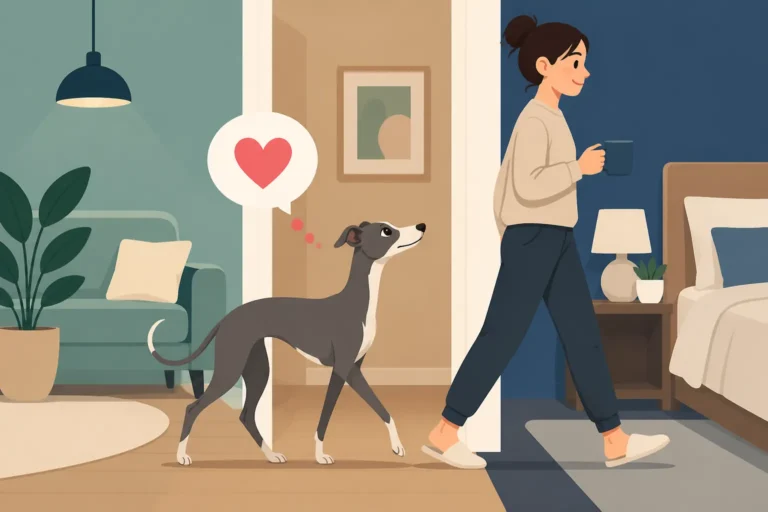
Prepare to never use the bathroom alone again. Seriously. If you have an Italian Greyhound, you know the soft patter of tiny paws behind you is a constant soundtrack to your life. They follow you from the kitchen to the living room, from the living room to the bedroom, and yes, even to the bathroom. This isn't just about curiosity; it's their innate desire to be part of your every moment. They genuinely want to know what you're doing, where you're going, and why they aren't right there with you.
This behavior, which can be endearing for some and a bit stifling for others, is simply an extension of their "Velcro" nature. They don't see themselves as separate entities; they see themselves as inextricably linked to you. If you're moving, they should be moving with you. If you stop, they stop. It's their way of staying connected and ensuring they're always in their favorite place: right by your side. Why an Italian Greyhound Follows You Room to Room explores this behavior in more detail.
The Lap Dog and Bed Warmer Phenomenon
Italian Greyhounds are champions of comfort, and their preferred comfort zone is almost always on you. Whether you're on the sofa watching a movie, sitting at your desk, or tucked into bed for the night, an Iggy will find a way to be in physical contact. They are natural lap dogs, experts at curling into the smallest possible space right against your body. And at night, they are the ultimate bed warmers, snuggling under the covers with an efficiency that would make a hot water bottle blush.
This isn't just about seeking attention; it's also deeply tied to their physical needs. Italian Greyhounds have very little body fat and thin coats, making them highly susceptible to cold. Your body heat is their favorite source of warmth. Why an Italian Greyhound Sleeps Under the Covers highlights this perfectly. Providing them with cozy blankets and soft beds around the house can help, but nothing truly compares to the warmth and security of being pressed against their human. Many Italian Greyhound owners find themselves investing in extra blankets and soft cushions, not just for their own comfort, but to accommodate their Iggy's elaborate nest-building efforts.
How Their Need for Touch Manifests
Beyond just following and snuggling, an Italian Greyhound's need for touch can manifest in various subtle and not-so-subtle ways. They might gently nudge your hand with their nose, lean heavily against your leg when you're standing, or try to burrow their head under your arm. Some will paw at you or give soft licks to get your attention, especially if they feel they aren't getting enough direct contact. It's their constant communication, a silent plea for connection.
This tactile communication is crucial for their emotional well-being. A lack of physical touch can leave an Iggy feeling insecure or anxious, even if they're in the same room as you. Regular petting, cuddling, and even just having them sleep nearby provides them with a sense of security and belonging. It's a two-way street; while they crave your touch, their soft fur and warm bodies offer incredible comfort and companionship in return.
Managing Separation Anxiety in Your Italian Greyhound
The downside of such intense attachment is the potential for separation anxiety. When a dog is so deeply bonded and reliant on their human, being left alone can be a genuinely terrifying experience for them. It's not about being "naughty"; it's a panic response.
Recognizing the Signs of Separation Anxiety
Separation anxiety in Italian Greyhounds can manifest in various ways, from subtle signs of distress to destructive behaviors. It's crucial to distinguish between a dog who is simply bored or a bit sad to see you go, and one experiencing true panic. Common signs include:
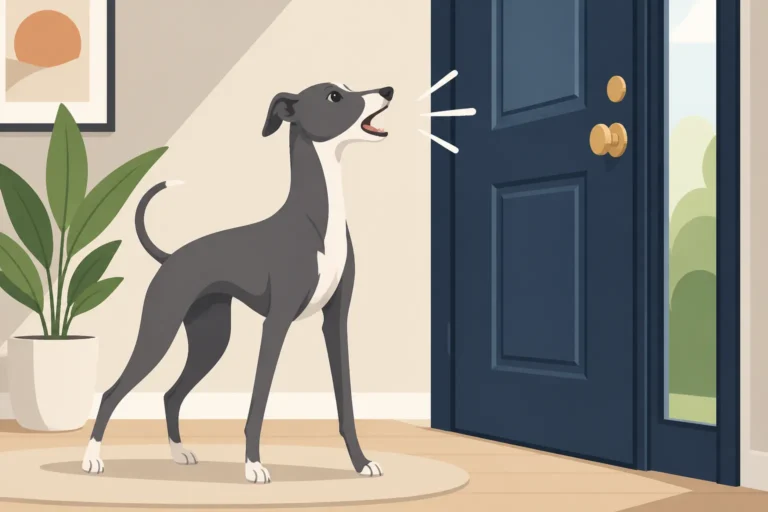
- Excessive vocalization: Persistent barking, howling, or whining the moment you leave or in the minutes following your departure. This isn't just a few barks; it's sustained vocalization.
- Destructive behavior: Chewing on door frames, windowsills, furniture, or your personal items (especially those that smell like you). They might scratch at doors or dig at carpets in an attempt to escape or get to you.
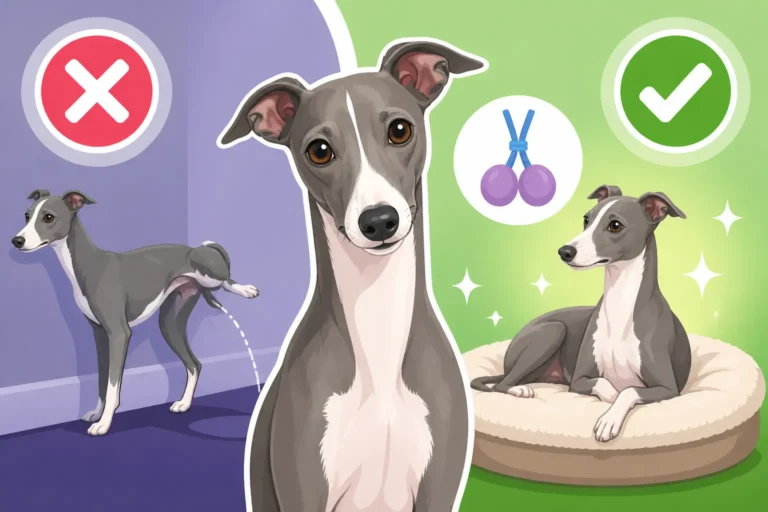
- House soiling: Urinating or defecating indoors, even if they are reliably house-trained. This is often a stress response, not a defiance.
- Pacing or trembling: Some Iggies might pace incessantly, pant excessively, or tremble when they realize you're preparing to leave.
- Escaping attempts: Trying to get out of crates, rooms, or the house itself, sometimes leading to self-injury.
It's heartbreaking to realize your beloved companion is suffering such distress. Observing their behavior both when you leave and when you return can give you clues. Signs an Italian Greyhound Has Separation Anxiety delves deeper into these indicators, helping you understand what your dog is trying to tell you.
Proactive Steps to Prevent and Address It
Prevention is always better than cure, especially with Italian Greyhounds and separation anxiety. Starting early with a puppy is ideal, but even adult dogs can benefit from consistent strategies.
- Practice short absences: Begin by leaving your dog alone for very brief periods (a few minutes), gradually increasing the time. Don't make a big fuss when you leave or return. The goal is to make your departure and arrival as unremarkable as possible.
- Desensitize departure cues: Your dog learns your "leaving routine" – grabbing keys, putting on shoes, picking up your bag. Practice these actions without actually leaving. This helps break the association between these cues and your departure, reducing anticipatory anxiety.
- Provide mental stimulation: Before you leave, engage your Iggy in some brain games or a short walk. A tired dog, both mentally and physically, is more likely to settle down. Interactive toys, puzzle feeders, or a long-lasting chew (like a bully stick or a KONG filled with frozen peanut butter) can keep them occupied and associate your absence with something positive. You can find many options on platforms like Amazon.
- Create a safe space: A comfortable crate or a designated "den" can provide security. Make sure it's a positive place, not used for punishment. Leaving an Italian Greyhound Crated can offer advice on making this a comforting space.
- Consider a companion: For some Iggies, having another calm, confident dog can help alleviate anxiety, though it's not a guaranteed fix. Whether a Second Italian Greyhound Fixes the Anxiety explores this option.
A key aspect of proactive management is teaching your Italian Greyhound to settle independently. While they love to be on you, they also need to learn that it's okay to be near you without being on you. "Place" training, where they learn to stay on a mat or bed, can be very helpful. This builds their confidence in being comfortable in their own space. Teaching an Italian Greyhound to Settle Alone offers strategies for this.
When to Seek Professional Help
Sometimes, despite your best efforts, separation anxiety can be severe and require more intervention. If your Italian Greyhound is causing self-harm, damaging your home extensively, or showing extreme distress, it's time to consult a professional.
- Certified Professional Dog Trainer (CPDT-KA): A trainer specializing in behavior issues can provide tailored strategies and guidance. Look for someone with experience in sighthounds, as their temperament can be unique.
- Veterinary Behaviorist (DACVB): These are veterinarians with specialized training in animal behavior. They can diagnose the severity of the anxiety and, if necessary, prescribe medication to help manage the panic alongside behavior modification protocols. This isn't a quick fix, but it can significantly aid the training process by reducing the dog's baseline stress level.
Remember, separation anxiety is a genuine panic disorder for dogs. It's not something they can "just get over" with punishment. Patience, consistency, and sometimes professional support are key to helping your Italian Greyhound feel safe and secure when you're not around. It's a long journey, but a deeply rewarding one for both you and your beloved companion.
Creating a Secure Environment for Your Italian Greyhound
Because Italian Greyhounds are so attached and prone to anxiety, their environment plays a huge role in their overall well-being. A secure, comfortable home setup can make all the difference, whether you're present or not.
Designated Safe Spaces and Crate Training
A safe, personal space is vital for an Italian Greyhound, especially one prone to anxiety or just needing a quiet retreat from a busy household. This space should be their sanctuary, a place where they feel protected and can relax undisturbed.
-
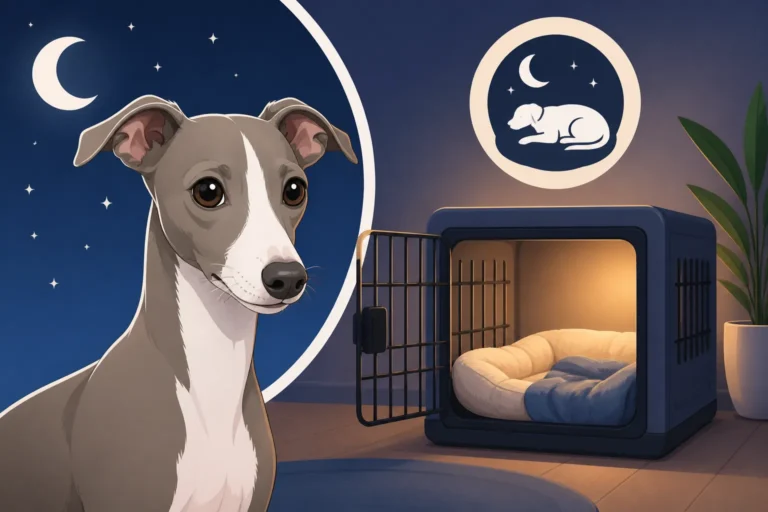
Crate Training: A crate, when introduced positively, becomes a den-like haven. It should be large enough for them to stand, turn around, and lie down comfortably, but not so big that they can relieve themselves in one corner and sleep in another. Make it cozy with soft blankets – Italian Greyhounds adore blankets! Leaving an Italian Greyhound Crated delves into how to make the crate a positive experience.
- Placement: Place the crate in a quiet corner of a room where you spend a lot of time, so they still feel connected.
- Positive Association: Feed meals in the crate, offer high-value treats, and provide toys like a stuffed KONG only when they're in the crate. This builds a strong positive association.
- Never for Punishment: The crate should never be used as a punishment tool. It must remain their safe, happy place.
-
Cozy Beds: Beyond a crate, strategically placed soft, orthopedic beds around the house provide alternative safe spots. Italian Greyhounds love to burrow, so beds with high sides or built-in covers are often a hit. These beds prevent pressure sores on their thin skin and offer additional warmth. When they need a moment to themselves, perhaps when guests are over, they know they have a quiet corner to retreat to.
Enriching Their Environment When You're Away
Leaving an Italian Greyhound alone can be tough, both for them and for you. The key is to make their time alone as comfortable, engaging, and stress-free as possible. Environmental enrichment isn't just about keeping them busy; it's about giving them something positive to focus on.
- Interactive Toys and Puzzle Feeders: These are a game-changer. Toys that dispense treats or require mental effort to "solve" can keep their minds engaged and prevent boredom, which can sometimes escalate into anxiety-driven behaviors. Brands like KONG offer various puzzle toys that you can stuff with kibble, wet food, or peanut butter and freeze for longer-lasting distraction.
- Chew Toys: Safe, appropriate chew toys can provide an outlet for stress and keep their jaws busy. Choose durable options designed for their size and chewing style.
- Background Noise: Some Iggies find comfort in background noise. Leaving a radio on a talk station or a TV playing a calm show can help mask outdoor noises that might trigger barking and make the house feel less empty. There are also specific "dog music" channels or calming soundscapes available on streaming services.
- Window View (or lack thereof): For some, a view out the window is entertaining; for others, it's a source of constant stress (barking at passersby, squirrels, etc.). Observe your dog. If the window view stresses them, close the blinds or use window film to obscure the view.
- Dog Walkers/Pet Sitters: If you're going to be gone for more than a few hours, consider hiring a reliable dog walker or pet sitter. This provides a much-needed potty break, some physical exercise, and crucial human interaction, which is priceless for a Velcro dog. Many pet care services can be found through local recommendations or apps.
The Role of a Companion Dog
The idea of getting a second dog to alleviate separation anxiety in an Italian Greyhound is a common one, and for some, it works wonderfully. However, it's not a guaranteed solution and requires careful consideration.
- Potential Benefits: A well-matched companion can provide comfort, play, and a sense of "pack" when you're not home. They might distract each other from your absence and share cuddles. Whether a Second Italian Greyhound Fixes the Anxiety explores these dynamics.
- Considerations:
- No Guarantee: The new dog might also develop separation anxiety, or the original Iggy might remain anxious even with a companion.
- Compatibility: The two dogs must be compatible in temperament, play style, and energy levels. A calm, confident dog can often be a good influence on an anxious one.
- Increased Workload: Two dogs mean double the care, double the vet bills, and double the potential for mischief. Be prepared for the commitment.
- Bonding: Ensure you still maintain individual bonds with both dogs. While they will have each other, your Italian Greyhound will still crave your unique companionship.
When considering a second dog, an Italian Greyhound of similar temperament or another calm, small breed known for gentleness can be a good choice. Always arrange supervised meetings to ensure they get along before making a commitment.
Integrating Your Italian Greyhound into Your Lifestyle
Living with a "Velcro dog" means making adjustments, but it doesn't mean sacrificing your own life. It's about finding a balance where your Italian Greyhound feels loved and secure, and you still have your personal freedom.
Balancing Independence and Closeness
The trick to a happy Italian Greyhound owner relationship is fostering a healthy balance between their inherent need for closeness and encouraging a degree of independence. You want them to feel secure in your presence, but also confident enough to be comfortable when you're not always right there.
- Encourage "Settle" Time: While they love to be on your lap, encourage them to occasionally settle on a dog bed nearby while you work or relax. Reward them for calm, independent behavior in their designated spot. This is where Teaching an Italian Greyhound to Settle Alone comes in handy, reinforcing positive quiet time.
- Short, Planned Absences: As discussed, gradually accustom them to short periods alone. Don't make a production of your comings and goings. The more casual you are, the less dramatic it will seem to them.
- Rotate Attention: If you have multiple people in the household, encourage everyone to spend quality time with the Iggy. This can broaden their comfort zone and slightly reduce their singular focus on one person, though they will likely still have a favorite.
- Scheduled Play and Cuddle Times: Make sure you carve out dedicated time each day for focused play, training, and cuddling. Knowing they have this special time with you can make them more content during the times you're busy. Remember, What an Italian Greyhound Does All Day often revolves around your schedule.
Travel and Socialization Considerations
An Italian Greyhound's "Velcro" nature profoundly impacts travel and socialization. They generally prefer to be with you, making them excellent travel companions if managed correctly.
- Traveling with Your Iggy: Because they're small and thrive on closeness, Italian Greyhounds often do well traveling with their people. They fit comfortably in airline-approved carriers that can go under the seat, and they love car rides (especially with a cozy blanket). However, their sensitive nature means they might find busy, loud places overwhelming. Consider their comfort and energy levels when planning outings. Always prioritize their safety and warmth during travel.
- Socialization: Early and positive socialization is crucial to help your Iggy be confident in new environments and around new people. While they might be initially shy, consistent exposure to various sights, sounds, people, and well-behaved dogs can help them develop into well-adjusted adults.
- Guest Etiquette: When guests visit, ensure your Iggy has a safe retreat if they feel overwhelmed. Don't force interactions. Let them approach visitors on their own terms. Many Iggies are reserved with strangers but will eventually warm up for a cuddle, especially if the guest is calm and gentle.
The Joys and Challenges of a Velcro Dog
There's no denying that living with a "Velcro dog" is a unique experience, full of both incredible joys and occasional frustrations.
Joys:
- Unconditional Love: The depth of their devotion is unparalleled. You'll never feel alone again.
- Constant Companionship: For those who love constant interaction and affection, an Iggy is the perfect fit.
- Emotional Support: Their intuitive nature means they often sense your moods and offer comfort.
- Warmth: On a cold night, there's no better foot warmer or cuddle buddy.
- Entertainment: Their silly antics and playful bursts of energy are a constant source of amusement.
Challenges:
- Lack of Personal Space: This is the big one. If you cherish your solitude, an Iggy might test your limits.
- Separation Anxiety Risk: As discussed, their intense bond makes them prone to distress when left alone.
- Dependence: They are highly reliant on you for comfort and security, which can feel like a heavy responsibility.
- Logistics: Planning vacations, working long hours, or even just running errands requires careful consideration of your Iggy's needs. Whether an Italian Greyhound Suits Someone Who Works Full Time is a common question for good reason.
Ultimately, the joys usually far outweigh the challenges for those who understand and appreciate the Italian Greyhound's unique personality. It's a relationship built on profound connection and mutual affection.
Common Misconceptions About the Italian Greyhound's Affection
When your Italian Greyhound is constantly underfoot, people sometimes offer well-meaning but often misinformed advice. It's important to understand the difference between a naturally affectionate dog and one with unhealthy behaviors.
Is It Just Spoiling?
Many people, looking at an Italian Greyhound curled up on a lap or nestled under blankets, assume the dog is simply spoiled. While Iggies certainly thrive on comfort and pampering, their need for closeness is far more than just being "spoiled." It's an intrinsic part of their breed, as we discussed, tied to their history and physical makeup.
"Spoiling" implies an unhealthy indulgence that creates bad habits. With an Italian Greyhound, providing warmth, comfort, and physical proximity is often fulfilling a genuine need for security and regulating their body temperature. It's not about giving in to every whim, but about recognizing their core requirements for well-being. Of course, setting boundaries is still important – they should respect your space when asked, and not demand attention aggressively – but meeting their inherent need for comfort is not spoiling, it's good ownership.
The Difference Between Needy and Secure Attachment
This is a critical distinction. A "needy" dog often displays clinginess rooted in anxiety or insecurity. They might be unable to cope even when you're in the next room, constantly seeking reassurance, or exhibiting distress behaviors like whining or pacing if you're not touching them. This type of attachment can be debilitating for the dog and stressful for the owner.
A "securely attached" Italian Greyhound, on the other hand, is confident in your presence and knows you are their safe haven. They will seek closeness, follow you around, and enjoy snuggles, but they can also settle calmly nearby. They understand that your presence is consistent and reliable. They might still get a bit antsy when you leave, but it escalates to panic less often. The goal is always to foster secure attachment, where their love for you doesn't tip into anxious dependency. Establishing routines, gentle training, and providing a consistent, loving environment contribute to this healthy bond.
Why "Toughening Up" Doesn't Work
Sometimes, people suggest that the best way to deal with a "Velcro dog" is to "toughen them up." This advice usually involves ignoring their pleas for attention, making them sleep alone, or otherwise trying to force independence. With an Italian Greyhound, this approach is almost always counterproductive and can be harmful.
- Increased Anxiety: Forcing an Iggy away when they're seeking comfort, or ignoring their subtle cues for connection, often exacerbates their anxiety. They don't understand it as "tough love"; they perceive it as rejection or a threat to their security. This can lead to an increase in undesirable behaviors as they try even harder to get your attention, or they may become withdrawn and fearful.
- Damage to Trust: Their bond with you is based on trust and a sense of safety. Repeatedly denying their innate need for closeness can damage this trust, making them less secure and potentially more prone to genuine separation anxiety.
- Breed Specific Needs: As a breed, Italian Greyhounds are delicate and sensitive. They respond best to gentle, positive reinforcement and a nurturing environment. Yelling, punishment, or isolation is particularly damaging to their sensitive psyches.
Instead of trying to "toughen them up," focus on building their confidence through positive reinforcement, gradual desensitization to absences, and providing plenty of outlets for their physical and mental energy. A secure Iggy is a happy Iggy, and that security comes from consistent, loving care, not from emotional deprivation.
Preparing for a Lifetime of Italian Greyhound Companionship
Deciding to bring an Italian Greyhound into your life is a significant commitment, one that promises nearly two decades of unwavering affection. Understanding their need for constant company means preparing not just your home, but also your lifestyle and expectations.
Assessing Your Own Lifestyle
Before welcoming an Italian Greyhound, take a very honest look at your current lifestyle and how it aligns with the needs of a "Velcro dog."
- Work Schedule: Do you work long hours away from home? An Italian Greyhound left alone for 8-10 hours every day is highly likely to develop separation anxiety or become deeply unhappy. If your job requires long absences, consider alternatives like a reliable dog walker, doggy daycare, or working from home. How Long an Italian Greyhound Copes Alone should be a serious consideration.
- Travel Habits: Are you a frequent traveler? While Iggies can travel well, they thrive on routine and familiarity. Regular, extended absences from you can be incredibly stressful. If frequent travel is unavoidable, ensure you have a trusted friend, family member, or professional pet sitter who understands their need for companionship and routine. Boarding kennels, especially noisy ones, are often not ideal for sensitive Iggies.
- Social Life: Are you out and about frequently, or do you prefer quiet evenings at home? An Italian Greyhound will happily accompany you to dog-friendly cafes or quiet gatherings, but they won't thrive if constantly left alone while you socialize elsewhere. They want to be part of your world.
- Household Dynamics: Do you live alone, or with a partner, children, or other pets? In a multi-person household, the care and attention can be shared, though your Iggy may still "choose" one primary person. With children, ensure they are old enough to understand gentle handling and respecting the dog's space. Why Children Should Not Carry an Italian Greyhound is an important read for families.
- Tolerance for Closeness: This is perhaps the most personal assessment. Do you genuinely enjoy constant physical proximity? Do you mind a dog always on your lap, following you to every room, and sleeping in your bed? If the thought of a constant shadow is appealing, an Iggy might be perfect. If it sounds suffocating, it might not be the right fit.
It's about finding a dog whose needs align with what you can realistically offer, not about forcing a square peg into a round hole.
Budgeting Time and Resources for Closeness
Owning an Italian Greyhound requires a commitment of not just financial resources, but also time and emotional energy. Their need for closeness directly translates into time investment.
- Time: You'll need to dedicate time daily for interaction, play, training, and cuddles. This isn't a dog you can ignore and expect to be happy. Even if they're just quietly sleeping on your lap, that "presence" time is vital for them. Think about how much time you genuinely have to give to a companion animal.
- Mental Engagement: Beyond physical presence, Iggies need mental stimulation. Short training sessions, puzzle toys, and interactive games are important. A bored Iggy can become a destructive or anxious Iggy. What an Italian Greyhound Does All Day should ideally involve mental engagement, even if it's just watching you.
- Comfort Items: Budget for cozy beds, blankets, sweaters, and possibly a heated bed. Their comfort, especially concerning warmth, is paramount. Brands like Amazon offer a wide array of options for all these needs.
- Training & Enrichment Tools: Factor in costs for quality treats (BAXTER & Bella has good options for training), puzzle toys, and potentially professional training classes if needed. Investing in these early can prevent larger behavioral issues down the road.
- Backup Care: If your lifestyle demands occasional absences, budget for reliable pet sitters or dog walkers who understand the unique needs of the breed. This isn't just a luxury; it's a necessity for their emotional well-being.
The Unconditional Love They Offer
Despite the considerations and adjustments required, the bond with an Italian Greyhound is one of the most rewarding experiences a dog owner can have. Their intense need for company translates into an almost overwhelming amount of unconditional love and devotion.
They greet you with tail wags and happy dances every single time you return, even if you've only been gone for five minutes. They offer soft nudges and soulful gazes when you're feeling down. They are constantly there, a warm, comforting presence that makes even the most mundane tasks feel less lonely. The depth of their affection, once experienced, is something many Italian Greyhound owners wouldn't trade for anything. They become more than just pets; they become integral members of the family, tiny shadows whose constant company enriches your life in countless ways. It's a lifelong commitment to a little dog who will give you their whole heart, demanding only your presence and love in return.
Disclaimer
This article is for general informational purposes only and does not constitute professional advice. Laws, prices and regulations vary by location and change over time. Consult a qualified professional for guidance on your specific situation.