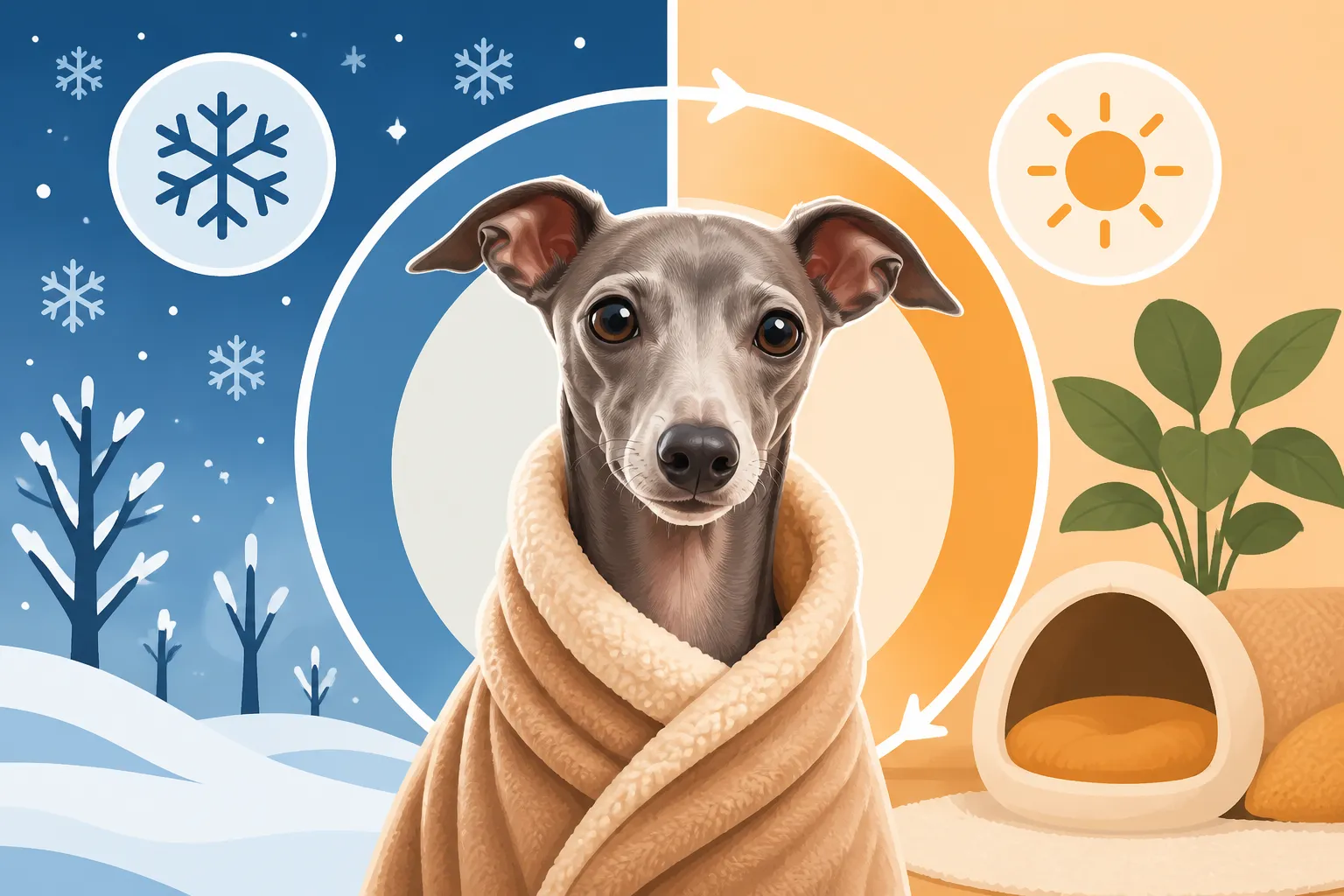
Keeping an Italian Greyhound Warm Is Daily Work, Not a Winter Job
Anyone who lives with an Italian Greyhound knows that keeping them warm isn't just a seasonal chore; it's a daily commitment, all year round. These sleek, thin-skinned beauties are notoriously sensitive to the cold, shivering even when we humans feel perfectly comfortable. This comprehensive guide will dive deep into why your Italian Greyhound feels the chill so profoundly and equip you with practical strategies to ensure they stay cozy and content in any environment, from breezy spring mornings to the depths of winter.
Why Italian Greyhounds Feel the Chill So Deeply
It’s not just in your head, and you're not overreacting when you bundle your Italian Greyhound up indoors on a day that feels mild to you. There's a genuine physiological reason why these elegant dogs shiver when other breeds are happily trotting around bare-skinned. Understanding this fundamental difference is the first step in providing the consistent warmth and comfort your Italian Greyhound truly needs. They aren't being dramatic; their bodies are simply not built for cold.
The Skinny on Their Physiology: Low Body Fat, Thin Skin, Short Coat
Let’s be honest, an Italian Greyhound is basically a walking skeleton wrapped in velvet. They are a sighthound breed, selectively bred for speed and agility, which means a lean, athletic build with minimal body fat. Unlike many breeds that boast a thick layer of insulation under their skin, Italian Greyhounds have Why an Italian Greyhound Carries Almost No Body Fat. This fat layer, or lack thereof, is crucial. It acts as a natural buffer against cold, much like the insulation in your house. Without it, heat escapes their bodies rapidly.
To compound this, their skin is incredibly thin, almost translucent in some spots. It’s not just about the thickness, either; it’s the density of their coat. Italian Greyhounds have a single, very fine layer of hair, often described as a soft, short velvet. This type of coat offers very little in the way of thermal protection. Think of wearing a thin silk shirt in winter versus a thick wool sweater. The silk offers hardly any barrier against the biting wind, and neither does an Italian Greyhound's coat. This combination of minimal fat, delicate skin, and sparse fur means they simply cannot retain body heat effectively, making them acutely vulnerable to even moderate drops in temperature.
The Metabolism Factor: Not Enough to Generate Heat
You might think that such an active, energetic breed would have a super-charged metabolism that keeps them perpetually warm. While Italian Greyhounds do have a generally high metabolism, it's not designed to generate enough extra heat to compensate for their lack of natural insulation. Their metabolism is geared more towards quick bursts of energy for running and playing, rather than a slow, sustained internal furnace. Imagine a highly efficient sports car; it's powerful and fast, but it doesn't idle hot for long.
Their small size also plays a role here. Smaller animals, generally speaking, have a larger surface area-to-volume ratio compared to larger animals. This means they lose heat to the environment more quickly. A tiny Italian Greyhound, weighing as little as seven pounds, has a lot of skin exposed to the cold relative to its body mass. This makes them particularly susceptible to rapid heat loss. So, while their bodies are constantly working, they're working just to maintain core temperature, and any external chill requires an immediate and often insufficient internal effort to counteract it. This constant battle against heat loss can be exhausting for them, which is why you often find them burrowed deep under blankets or snuggled tightly against you, seeking external warmth.
Why the Breed Originated in Warmer Climates
Understanding the historical context of the Italian Greyhound truly sheds light on their sensitivity. The breed has an ancient lineage, tracing back to the Mediterranean region, particularly ancient Egypt and then, more famously, to Italy during the Renaissance. These are regions known for their warm, often arid, climates, not for harsh winters. For centuries, these dogs were companion animals for nobility and royalty in these temperate zones, where their delicate build and minimal coat were not a disadvantage. They were prized for their elegant appearance and affectionate nature, often found lounging in sunny courtyards or curled on silken cushions.
They were not bred for hunting in icy forests or herding sheep on windswept plains. Their environment never required them to develop the thick double coats or robust body types seen in breeds from colder climates. Essentially, evolution and selective breeding in sunnier climes simply didn't equip them with the physiological tools to handle cold. When they were eventually introduced to cooler parts of Europe and beyond, their vulnerability to the cold became evident, but by then, their distinct characteristics were firmly established. Therefore, expecting an Italian Greyhound to comfortably tolerate cold weather is like asking a desert plant to thrive in an arctic tundra; it simply goes against their very nature and genetic predisposition.
Creating a Cozy Indoor Environment for Your Italian Greyhound
Since outdoor temperatures are often a challenge, ensuring your home is a consistent haven of warmth is paramount for an Italian Greyhound. This isn't just about cranking up the thermostat in winter; it's about year-round vigilance against drafts, cold floors, and sudden temperature drops. Your Italian Greyhound will spend the vast majority of their life indoors, so making that space perfect for their unique needs is a non-negotiable part of their care.
Ideal Room Temperatures and How to Maintain Them
For most Italian Greyhounds, a comfortable indoor temperature usually hovers between 70 to 75 degrees Fahrenheit (21 to 24 degrees Celsius). Many owners find that anything below 70°F will trigger shivering, even if it feels perfectly comfortable to a human. The Indoor Temperature an Italian Greyhound Starts Shivering At can vary slightly from dog to dog, but a good rule of thumb is to aim for the higher end of the typical human comfort zone. If you feel a slight chill, your IG is likely freezing.
Maintaining this temperature consistently can be a challenge, especially if you have an older home with drafts or open-plan living. Consider programmable thermostats to ensure the temperature doesn't dip too low overnight or when you're out. If heating your entire home to this level isn't feasible or economical, focus on creating warm zones. This might mean keeping a space heater in their favorite room (always supervised and safely out of reach) or ensuring the room they sleep in is particularly well-heated. Remember, consistent warmth is key; fluctuating temperatures can be just as uncomfortable as consistently cold ones, forcing their small bodies to constantly expend energy trying to adjust.
The Role of Sweaters and Pajamas Indoors
This might sound excessive to some, but for an Italian Greyhound, indoor clothing is often a necessity, not a fashion statement. Even in a warm house, factors like sitting near a window, lying on a tiled floor, or simply being away from a snuggly human can lead to a chill. When an Italian Greyhound Needs a Sweater Indoors is often whenever they're not actively snuggled under a blanket or on a warm lap.
Lightweight sweaters made of fleece or soft cotton are perfect for indoor wear. They provide that extra layer of insulation that their thin coats lack, helping to trap body heat close to their skin. Pajamas, especially full-body ones, are fantastic for overnight warmth, preventing chills when they stretch out or move away from their bedding. Many owners invest in several indoor sweaters and pajamas, rotating them for washing. Brands found on platforms like Chewy or Amazon often offer a wide selection of Italian Greyhound-specific clothing, which is essential because off-the-rack dog clothes rarely fit their deep chests and narrow waists correctly. You'll find many specialty retailers design patterns specifically for sighthounds.
Managing Drafts and Cold Spots
Even with a warm thermostat setting, drafts can quickly undo your efforts and make your Italian Greyhound uncomfortable. Pay attention to areas near windows, doors, and even floor vents. Cold air seeping in from under doors can create a constant chill, especially if your Italian Greyhound likes to nap on the floor nearby. Simple solutions like draft stoppers for doors and insulating curtains can make a huge difference.
Take a moment to crawl around your home at their level. You might be surprised at how many cold spots you find. Tiled or hardwood floors, while easy to clean, offer no insulation and can pull heat from your dog’s body. Strategically placed rugs or soft mats can provide much-needed warmth in these areas. You might also notice certain corners or rooms that are consistently cooler than others. These are spots to either avoid or equip with extra bedding and warmth solutions. Identifying and mitigating these cold spots ensures that your Italian Greyhound isn't constantly battling a subtle, persistent chill, which can lead to discomfort and even make them reluctant to relax in certain parts of their own home.
Essential Outdoor Gear and Practices for Cold Weather
Taking an Italian Greyhound outside in cold weather requires a completely different approach than with most other breeds. It’s not just about a quick potty break; it's about preparation, protective gear, and a keen awareness of their limits. Ignoring these needs can quickly lead to an uncomfortable, and potentially dangerous, situation for your delicate companion.
Choosing the Right Winter Coat
This isn't an option; it's a necessity. For truly cold weather, your Italian Greyhound needs more than just a thin fleece. Look for multi-layered coats that offer both warmth and protection from the elements. A good winter coat for an Italian Greyhound will typically feature:
- An outer, waterproof or water-resistant layer: This is crucial for protecting against rain, snow, and dampness, which can quickly pull heat from their body.
- An insulating middle layer: Often fleece, wool, or synthetic down, this is where the bulk of the warmth comes from.
- A soft inner lining: To prevent chafing and add comfort.
- Full coverage: The coat should ideally cover their chest, back, and belly. Many sighthound-specific coats extend down their legs a bit and have a high collar to protect their neck.
- Proper fit: This is paramount. A coat that's too loose won't trap heat, and one that's too tight will restrict movement. Look for brands that specifically cater to the Italian Greyhound's unique physique – deep chest, narrow waist, long legs. Which Measurements an Italian Greyhound Coat Needs will be more detailed than for a generic dog coat.
Having several coats is often wise – a lighter one for chilly days, and a heavy-duty, waterproof one for truly biting cold or wet weather. You can find excellent options on sites like Chewy and Amazon, but also consider smaller, specialized sighthound apparel makers for the best fit and quality. How Many Layers an Italian Greyhound Needs Below Freezing will depend on how low the temperature dips and how long you plan to be outside, but usually involves a base layer (like pajamas) under a substantial outer coat.
Paw Protection and the Perils of Salted Sidewalks
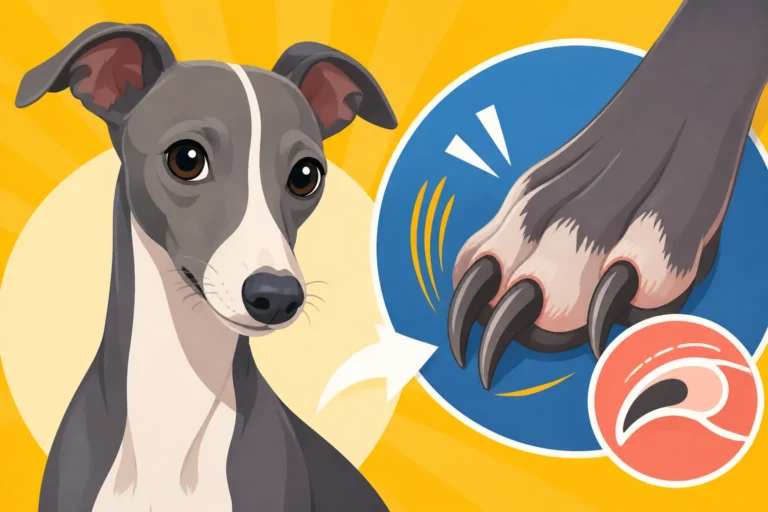
Many owners overlook paw protection, but an Italian Greyhound’s delicate paw pads are just as vulnerable as the rest of their body. In winter, icy ground, cold pavement, and especially salted sidewalks pose significant threats. Rock salt and other de-icing chemicals can cause painful burns and irritation to their pads, and if ingested when they lick their paws, can lead to digestive upset.
Dog booties are an excellent solution. While some IGs take time to get used to them, they provide an essential barrier against extreme cold and harsh chemicals. Look for booties that are easy to put on, stay on securely during walks, and offer good traction. Some brands are designed to fit slender sighthound paws better than others. Alternatively, paw balms or waxes can offer a layer of protection, though they are less effective than booties against chemicals and extreme cold. Walking an Italian Greyhound in Snow without paw protection can lead to frostbite and chemical burns, so it's a non-negotiable step in preparing for a winter walk.
Shortening Walks and Knowing When to Stay Inside
Even with the best gear, there's a limit to how long an Italian Greyhound can comfortably or safely spend outdoors in cold weather. Their fragile bones are also more brittle in very cold temperatures. For most Italian Greyhounds, extended periods outside in freezing temperatures (below 32°F / 0°C) are simply too risky. Even in moderately cold weather (32-45°F / 0-7°C), walks should be kept brief – perhaps 10-15 minutes, just long enough for a potty break and a quick stretch.
Pay close attention to your dog's cues. Are they shivering uncontrollably, lifting paws, or trying to turn back for home? These are all clear signals that they are too cold and need to go inside immediately. There will be days when it's simply too cold, too icy, or too stormy to venture out safely. On those days, an indoor potty solution like pee pads or a litter box might be a necessary compromise to avoid exposure. When to Skip an Italian Greyhound's Winter Walk is when the risk outweighs the benefit, and knowing their limits is a crucial part of responsible ownership. Don't push them to be "tough" in conditions their bodies aren't built for.
Crafting the Perfect Warm Sleeping Nook
An Italian Greyhound's need for warmth extends beyond waking hours; it's especially critical during sleep. This is when their body temperature naturally dips, and without adequate insulation, they can become uncomfortably cold, impacting their rest and overall well-being. Creating a truly warm, inviting sleep space isn't just a luxury; it's a fundamental aspect of their care.
The Importance of Blankets and Snuggle Sacks
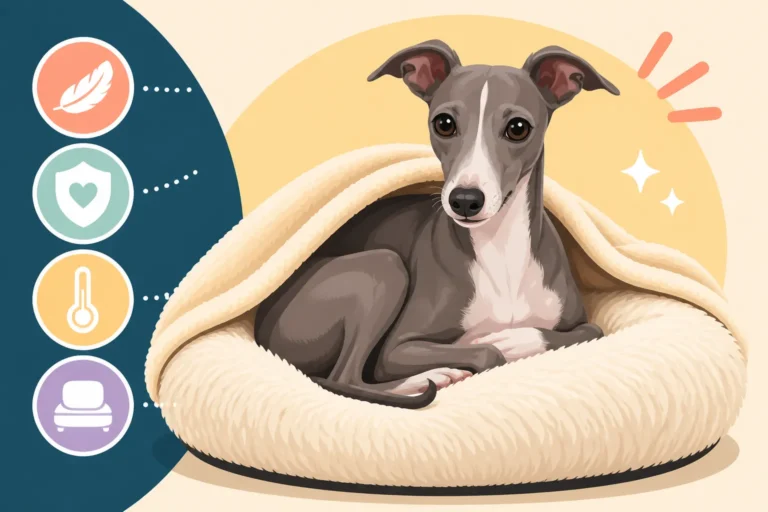
You'll quickly learn that Italian Greyhounds are champion burrowers. This isn't just a cute quirk; it's an instinctual drive to create a warm, protected nest. Soft, plush blankets are absolutely essential for any Italian Greyhound's bed, couch, or even just a designated floor spot. They love to tunnel under them, creating a personal cocoon of warmth. Think about having multiple blankets in different sizes and textures. Fleece blankets are a popular choice because they're soft, warm, and easy to wash.
Snuggle sacks or "burrow beds" take this concept to the next level. These are essentially dog beds with an attached blanket or a pouch design that allows your Italian Greyhound to fully disappear inside. They provide a sense of security and, more importantly, a contained space where their body heat can be effectively trapped. Many Italian Greyhound owners find these indispensable, especially during colder months or in air-conditioned homes. The feeling of being completely enveloped helps them feel safe, warm, and deeply rested. Which Blanket Weight Suits an Italian Greyhound often depends on the ambient temperature and their personal preference, but generally, anything soft and thick enough to hold shape for burrowing is ideal.
Heated Beds: Safety and Benefits
For Italian Greyhounds who struggle most with the cold, a heated bed can be a game-changer. These beds provide a gentle, consistent warmth that penetrates deep into their muscles, promoting relaxation and ensuring they stay toasty throughout the night. They can be especially beneficial for older Italian Greyhounds who may feel the cold more acutely or those with arthritis who benefit from soothing warmth. Why an Old Italian Greyhound Feels the Cold More makes these beds particularly appealing for seniors.
However, safety is paramount with heated products. Always choose a heated bed specifically designed for pets, as human heating pads can get too hot and lack safety features. Look for beds with low-voltage operation, automatic shut-off timers, and chew-resistant cords. Place the bed on a stable, flat surface away from anything flammable. While most IGs adore them, monitor your dog initially to ensure they don't overheat (though this is rare with pet-specific products). A heated bed can provide immense comfort, allowing them to rest deeply without their body constantly trying to generate warmth. Whether a Heated Bed Is Safe for an Italian Greyhound largely depends on selecting a reputable product and following all safety guidelines. You can often find a good selection of safe, reliable heated beds from retailers like Chewy or Amazon.
Elevated Beds vs. Floor Sleeping
When it comes to bedding, the surface an Italian Greyhound sleeps on makes a difference. Sleeping directly on a cold floor, especially tile or hardwood, can rapidly draw heat away from their body, even if they're otherwise bundled in blankets. The cold from the floor can penetrate their thin skin and minimal insulation.
Elevated dog beds, often with a sturdy frame and a fabric sling, can be beneficial because they lift your Italian Greyhound off the cold floor, preventing direct heat loss. While some elevated beds are designed for cooling, you can easily make them warm by adding a thick, plush bed cushion, a snuggle sack, or layers of blankets. This creates a cozy "nest" that is both elevated and insulated. For those who prefer traditional dog beds, opt for thick, orthopedic foam beds that offer good insulation from the floor and excellent support for their delicate joints. Combine these with plenty of burrowing blankets, and your Italian Greyhound will have a truly luxurious and warm place to sleep, far removed from any ground chill. Which Bed Protects an Italian Greyhound's Elbows is often one with plenty of cushioning, which also provides insulation.
Understanding and Addressing Cold-Related Behaviors
Italian Greyhounds communicate their discomfort in various ways, and many of their behaviors that might seem quirky or even stubborn are actually direct responses to feeling cold. Learning to interpret these signals is vital for their well-being and for fostering a deeper bond of understanding with your sensitive companion.
Shivering: Is it Cold or Anxiety?
One of the most common Italian Greyhound behaviors is shivering. It's often the first and most obvious sign they're feeling chilly, even when you don't. Their bodies instinctively tremble to generate heat when their core temperature starts to drop. However, shivering can also be a symptom of anxiety, fear, or stress. Distinguishing between the two is crucial for appropriate intervention.
- Shivering from Cold: This usually occurs in cool environments, and your Italian Greyhound might also be hunched, seeking warmth, or trying to burrow. Their body will feel cool to the touch (ears, paws, nose). The shivering often subsides quickly once they are warmed up with a blanket or sweater.
- Shivering from Anxiety/Fear: This can happen regardless of temperature. Your Italian Greyhound might also display other signs of stress, such as tucking their tail, panting, yawning excessively, licking their lips, pacing, or trying to hide. The shivering might persist even after they are warm if the source of anxiety is still present.
If you're unsure, try warming them up first. If the shivering stops, it was likely cold. If it continues or is accompanied by other distress signals, then addressing anxiety is the priority. Many Italian Greyhounds are naturally quite sensitive, so loud noises, new people, or unfamiliar situations can trigger anxiety-related shivering. Being attuned to the context helps you determine the cause and respond effectively. Cold or Nervous: Why an Italian Greyhound Shivers is a common question, and observing accompanying behaviors is key.
The Potty Strike: When Your IG Refuses to Go Out
This is a classic Italian Greyhound dilemma that every owner faces, particularly during colder months or inclement weather. You open the door, they take one sniff of the cold, rain, or snow, and they promptly put on the brakes, refusing to step outside. It's not defiance; it's a genuine aversion to the discomfort. For an Italian Greyhound with almost no body fat and thin skin, cold pavement, icy wind, or wet grass can feel truly painful. Why an Italian Greyhound Refuses to Go Out in Rain or snow is simply because it's deeply unpleasant for them.
Addressing the potty strike requires patience and preparation. First, ensure they are adequately dressed in a warm, waterproof coat and booties if needed. Sometimes, creating a sheltered outdoor potty area (a covered patio, for instance) can help. For truly stubborn cases, or during extreme weather, an indoor potty solution is often the most humane option. This could be pee pads, an artificial grass patch, or even a litter box designed for dogs. While it might feel like a setback in housetraining, it’s far better than forcing them into an uncomfortable situation or having accidents indoors due to their reluctance. How Cold Weather Undoes an Italian Greyhound's Training is a real phenomenon, as their physical discomfort can easily override their learned behavior.
Burrowing: A Natural Instinct for Warmth
As mentioned earlier, burrowing is more than just a cute habit; it's a deeply ingrained instinct for Italian Greyhounds. You'll find them digging and tunneling under blankets, cushions, or even your clothes. This behavior serves several vital functions:
- Warmth: By creating a tight, enclosed space, they trap their body heat, effectively making a personal oven. This is especially true when they're burrowed deep under multiple layers.
- Security: Being covered and hidden provides a sense of safety and protection, mimicking the feeling of being in a den. This can be particularly comforting for a breed known for its sensitive nature.
- Comfort: The soft, enclosed space offers a cozy spot for deep sleep and relaxation.
Encourage this natural behavior by providing plenty of soft blankets and dedicated snuggle sacks in various locations throughout your home. If they tend to burrow into your laundry pile or under pillows on your bed, it's a clear sign they're seeking warmth and comfort. Providing accessible, appropriate burrowing spots helps them self-regulate their temperature and feel secure in their environment. Never discourage this behavior, as it's fundamental to their comfort and well-being.
Recognizing and Responding to Hypothermia Risks
While keeping your Italian Greyhound cozy is a daily task, it's equally important to understand the serious risks associated with extreme cold exposure. Hypothermia is a dangerous condition where a dog's body loses heat faster than it can produce it, leading to a dangerously low core body temperature. Being aware of the signs and knowing how to respond can be life-saving.
Subtle Signs Your IG is Dangerously Cold
It's easy to spot obvious shivering, but when an Italian Greyhound starts to become truly hypothermic, the signs can become more subtle and alarming. Early recognition is key:
- Persistent Shivering: While normal shivering is an early sign of cold, if it becomes violent, uncontrollable, and prolonged, it's a red flag. As hypothermia progresses, shivering might actually stop as their body becomes too depleted to continue the effort. This is a critical danger sign.
- Lethargy and Weakness: They may appear unusually tired, reluctant to move, or generally sluggish. Their movements might be uncoordinated or stiff.
- Cold to the Touch: Beyond just their ears or paws, their entire body, especially their chest and abdomen, will feel abnormally cold.
- Pale Gums: Check their gums; they may appear pale or even bluish instead of a healthy pink.
- Slow, Shallow Breathing: Their respiration rate might decrease noticeably.
- Stumbling or Collapse: In severe cases, they might stumble, become disoriented, or even collapse.
If you observe any of these signs, particularly the cessation of shivering after prolonged exposure, consider it an emergency. Don't wait; immediate action is required to slowly and safely rewarm them.
What to Do in an Emergency
If you suspect your Italian Greyhound is experiencing hypothermia, prompt and careful rewarming is critical.
- Get Indoors Immediately: Remove them from the cold environment and bring them into a warm room.
- Dry Them Thoroughly: If they are wet, towel-dry them gently but completely. Wet fur loses heat even faster.
- Wrap in Warm Blankets: Use pre-warmed blankets (you can toss them in a dryer for a few minutes). Wrap them snugly, ensuring as much of their body is covered as possible.
- Apply Gentle External Heat: If available, use warm (not hot!) water bottles wrapped in towels, heating pads on the lowest setting (again, wrapped in towels to prevent burns), or even your own body heat to provide gentle warmth to their chest and abdomen. Never use direct, high heat, as this can cause burns or rewarming shock.
- Offer Warm Liquids (if conscious): If they are alert enough to drink, offer small amounts of warm, low-sodium chicken broth or warm water. Do not force them to drink if they are not conscious or responsive.
- Seek Veterinary Care: Even if they appear to improve, it's vital to contact your veterinarian immediately. Hypothermia can have serious internal consequences, and a vet can assess their condition, monitor for complications, and ensure a full recovery. They may need intravenous fluids or other supportive care.
Remember, the goal is gradual rewarming. Rapid rewarming can be dangerous and cause further complications.
Frostbite: Where and How it Happens on IGs
Frostbite occurs when body tissues freeze, damaging cells and blood vessels. Because Italian Greyhounds lack insulation and have delicate extremities, they are particularly susceptible. The areas most at risk for frostbite are those with minimal fur and poor circulation:
- Ears: Their thin, exposed ears are very vulnerable.
- Tail: The tip of their thin tail can easily suffer frostbite.
- Paws: Unprotected paw pads and toes can freeze quickly on icy surfaces.
- Nose: The nose is also exposed and vulnerable.
Signs of frostbite can be subtle at first and may not appear until hours or even days after exposure. Initially, the affected skin may look pale, grayish, or bluish due to restricted blood flow. It might feel cold, firm, or brittle to the touch. As the tissue thaws, it can become red, swollen, and painful. Blisters may form, and in severe cases, the tissue can turn black and slough off, indicating permanent damage.
Prevention is the best approach:
- Limit outdoor time in freezing temperatures.
- Always use a well-fitting, comprehensive winter coat that covers their ears (some coats have hoods) and body.
- Use dog booties to protect their paws.
- Check their ears, tail, and paws immediately after coming indoors from the cold.
If you suspect frostbite, warm the affected area gently with lukewarm (not hot!) water. Do not rub the frozen tissue, as this can cause further damage. Seek veterinary attention immediately. Prompt care can help minimize damage and prevent infection.
Tailoring Warmth Needs for Different Life Stages
An Italian Greyhound's life isn't static, and neither are their warmth requirements. From the vulnerability of puppyhood to the sensitivities of their senior years, their ability to regulate body temperature and withstand the cold changes. Recognizing these shifts allows you to adjust your care to meet their evolving needs.
Keeping Italian Greyhound Puppies Snug
Italian Greyhound puppies are especially delicate and prone to getting cold. Their tiny bodies have an even harder time regulating temperature than adults, and their immune systems are still developing. This means they can chill very quickly, leading to discomfort and potentially compromising their health.
For puppies, constant warmth is non-negotiable.
- Controlled Environment: Keep the room temperature consistently warm, ideally at the higher end of the 70-75°F range.
- Plenty of Bedding: Provide a soft, deep bed with ample blankets for burrowing. A snuggle sack is excellent for puppies.
- Safe Heat Sources: A low-wattage, pet-safe heated pad placed under a portion of their bed can be invaluable, allowing them to move on or off it as needed. Always ensure it's covered and set to a low temperature.
- Clothing: Even indoors, a lightweight puppy sweater can make a big difference, especially for very young puppies or those transitioning to a new home.
- Limit Outdoor Exposure: Keep outdoor potty breaks extremely brief, even in mild weather, and ensure they are well-covered with a small coat. Avoid prolonged exposure to cold, damp, or windy conditions entirely.
Monitoring a puppy's temperature is crucial. If they feel cold to the touch, or are shivering, they need immediate warming. A chilled puppy can quickly become lethargic and unwell, so proactive warmth is the best defense. The Vaccination Schedule an Italian Greyhound Puppy Needs is important, but so is ensuring they are warm enough throughout that process, as stress from cold can impact their immune response.
Senior Italian Greyhounds: Increased Sensitivity to Cold
As Italian Greyhounds age, their bodies undergo changes that make them more susceptible to cold. Just like older humans, their circulation may not be as robust, their metabolism can slow down slightly, and they might lose some of the already minimal muscle mass that helps generate body heat. Arthritis and other age-related conditions can also make cold more painful.
For senior Italian Greyhounds, consider:
- Consistent Warmth: Maintain indoor temperatures without drastic fluctuations. Their ability to adapt to changes diminishes.
- Enhanced Bedding: Orthopedic beds with ample cushioning are important for joint support, and pairing these with a heated bed can provide immense comfort. Layers of soft blankets for burrowing are more essential than ever. Whether an Old Italian Greyhound Needs a Warmer Bed is almost always a yes.
- Indoor and Outdoor Clothing: Even if they resisted clothing in their younger years, a senior IG will likely appreciate a lightweight sweater indoors and a very warm, protective coat for any outdoor excursions.
- Shorter, More Frequent Potty Breaks: They might not be able to "hold it" as long, but their tolerance for cold is lower, so more frequent, very brief trips outside are often needed.
- Monitoring Health: Underlying health conditions can make them more vulnerable. Regular veterinary check-ups are important to ensure any issues are managed, which can indirectly impact their ability to stay warm and comfortable. Why an Old Italian Greyhound Feels the Cold More emphasizes the need for extra attention to their comfort.
A senior Italian Greyhound's comfort should be a top priority. Their golden years should be spent in warmth and tranquility, free from the constant battle against the cold.
Anesthesia and Temperature Regulation Concerns
This is a critical area where an Italian Greyhound's unique physiology directly impacts their health and safety. Due to their extremely low body fat and thin skin, Italian Greyhounds struggle profoundly with temperature regulation under anesthesia. Why a Nine Pound Italian Greyhound Gets Cold on the Table is a well-known concern in veterinary circles. When sedated or under general anesthesia, their normal thermoregulatory mechanisms are suppressed, and they lose body heat very quickly. This can lead to hypothermia, which prolongs recovery, increases the risk of complications, and can even be life-threatening.
When your Italian Greyhound needs any procedure requiring sedation or anesthesia (e.g., dental cleanings, surgery, X-rays):
- Discuss Warming Protocols: Talk to your veterinarian beforehand about their specific warming protocols for sighthounds. This should include using circulating warm water blankets, heated air blankets (Bair Huggers), IV fluid warmers, and keeping them wrapped in warm blankets before, during, and after the procedure.
- Pre-warming: Ask if they can be pre-warmed before anesthesia administration.
- Post-Operative Care: Ensure they are kept warm during recovery, ideally in an incubator or with warmed blankets, until their body temperature returns to normal.
- Vet Experience: Ideally, choose a vet who has specific experience with sighthounds and their unique anesthetic needs. Why an Italian Greyhound's Vet Should Know Sighthounds is crucial for situations like this.
Don't hesitate to advocate for your Italian Greyhound in this situation. A proactive approach to temperature management during any anesthetic procedure can significantly improve their safety and recovery.
Cultivating a Year-Round Warmth Mindset
The phrase "Keeping an Italian Greyhound Warm Is Daily Work, Not a Winter Job" truly encapsulates the commitment required. It's not a seasonal adjustment but an ongoing lifestyle integration. A year-round warmth mindset means you're always thinking a step ahead, anticipating temperature drops, and ensuring your Italian Greyhound is protected, whether it's the peak of summer or the dead of winter.
Not Just for Winter: Cold Air Conditioning and Breezy Days
It’s easy to associate warmth with winter, but for an Italian Greyhound, the danger of cold exists year-round. Think about those glorious summer days when your air conditioning is blasting to keep your home cool. While it's heavenly for you, it can be absolutely frigid for your thinly-skinned companion. Drafts from vents, cold tile floors, or simply sitting in a low-temperature room can cause them to shiver and seek warmth even in July. Why Air Conditioning Bothers an Italian Greyhound is a common complaint among IG owners.
Similarly, breezy spring and autumn days can be deceptively cold. The air temperature might seem mild, but a strong wind can cut right through their sparse coat, creating a chill factor that their bodies can't combat. This means that a lightweight sweater or jacket might be necessary for walks on cool mornings or evenings, even when the sun is still high. An Italian Greyhound's perception of "cold" is dramatically different from ours, and recognizing this difference in all seasons is key to their comfort. Always have a light sweater or blanket handy, regardless of the calendar month.
Travel and Temperature Control
Traveling with an Italian Greyhound adds another layer of consideration to their warmth. Whether it's a short car ride or a longer journey, temperature fluctuations are inevitable.
- Car Travel: Your car's climate control system is essential. In winter, ensure the car is adequately warmed before your Italian Greyhound gets in. In summer, direct air conditioning vents away from them to avoid direct, chilling drafts, but ensure the car is not getting too hot. Always have a blanket in the car for them to burrow into. If you stop, be mindful of how quickly a car can cool down in winter or heat up in summer. How an Italian Greyhound Rides in a Car often involves a cozy carrier or car seat with plenty of blankets.
- Pet Carriers: If they travel in a carrier (for vet visits, flights, etc.), ensure it's lined with soft, warm bedding. A small blanket inside can provide a burrowing spot. During colder months, you might even consider wrapping the carrier in an additional blanket to insulate it from ambient cold.
- New Environments: When visiting friends or staying in hotels, be prepared. Always pack their favorite blankets and sweaters. Don't assume the host's home or hotel room will be kept at an Italian Greyhound-friendly temperature. Having their familiar, warm items will help them adjust and feel secure. Traveling With an Italian Greyhound means planning for their warmth.
Being prepared for temperature changes during travel helps minimize stress and ensures their comfort and safety throughout the journey.
When in Doubt, Add a Layer
This is perhaps the most fundamental principle of Italian Greyhound ownership when it comes to warmth: when in doubt, add a layer. It's almost always better to err on the side of too warm than too cold. An Italian Greyhound can usually move away from a heat source or un-burrow from a blanket if they're too warm (though they rarely do!). However, if they're too cold, they actively suffer.
It's a small breed, and adding a sweater, draping a blanket, or adjusting the thermostat takes minimal effort. The comfort and health benefits for your Italian Greyhound are immense. Don't second-guess yourself based on what you feel; trust that your Italian Greyhound's unique physiology demands a constant, proactive approach to keeping them toasty. This proactive mindset, consistently applied throughout their life, is one of the greatest gifts you can give your beloved, delicate companion.
Table: Italian Greyhound Warming Solutions at a Glance
| Solution Type | Examples | Primary Benefit | Considerations | Where to Find |
|---|---|---|---|---|
| Indoor Clothing | Lightweight Sweaters, Pajamas | Everyday indoor warmth, draft protection | Must fit sighthound body shape; need multiple for washing | Chewy, Amazon, Specialty IG Shops |
| Outdoor Clothing | Insulated/Waterproof Coats, Raincoats | Protection from cold, wind, rain, snow outdoors | Crucial for cold weather; requires proper fit, layering; check What an Italian Greyhound Wears in the Rain | Chewy, Amazon, Specialty IG Shops |
| Paw Protection | Dog Booties, Paw Wax | Shields paws from ice, salt, chemicals, extreme cold | May take time for dog to adapt; ensure proper fit and grip | Chewy, Amazon, Pet Stores |
| Bedding | Plush Blankets, Snuggle Sacks, Orthopedic Beds | Traps body heat, provides security & comfort | Provide multiple options; consider material for warmth; Which Bed Shape an Italian Greyhound Prefers | Chewy, Amazon, Pet Stores, Home Goods |
| Supplemental Heat | Pet-Safe Heated Beds, Space Heaters (supervised) | Consistent, deep warmth for rest | Heated beds: safety features critical; Space heaters: fire risk, placement | Chewy, Amazon, Pet Stores |
| Home Adjustments | Draft Stoppers, Rugs, Thermostat Control | Mitigates cold spots, maintains ambient temperature | Identify problem areas; consistent monitoring is key; The Indoor Temperature an Italian Greyhound Starts Shivering At | Home improvement stores, online |
Disclaimer
This article is for general informational purposes only and does not constitute professional advice. Laws, prices and regulations vary by location and change over time. Consult a qualified professional for guidance on your specific situation.