Feeding and Grooming an Old Italian Greyhound
Watching our beloved Italian Greyhounds gracefully enter their senior years is a truly special, yet sometimes challenging, journey. You've shared so many wonderful years with your lean, energetic companion, but now you might be noticing subtle changes – a little less pep in their step, perhaps a pickier appetite, or a coat that isn't quite as lustrous. It's completely normal to feel a mix of nostalgia and concern, wondering if you're doing everything you can to keep them comfortable and happy. This comprehensive guide is here to walk you through the nuances of feeding and grooming your old Italian Greyhound, ensuring their golden years are as vibrant and comfortable as possible.
Understanding the Shifting Needs of Your Senior Italian Greyhound
Just like us, our Italian Greyhounds don't wake up one morning suddenly "old." It's a gradual process, marked by subtle shifts in their physical capabilities, metabolism, and even personality. Understanding these changes is the first step in adapting their care routine to meet their evolving needs.
The Age an Italian Greyhound Is Considered Senior
For Italian Greyhounds, who are generally long-lived, the "senior" designation often begins around eight to ten years old. While some larger breeds are considered senior much earlier, Iggies can often remain quite spry well into their double-digit years. However, even if your ten-year-old is still zooming around the house, their internal systems are definitely maturing, and certain age-related considerations start to become important.
It's not a hard and fast rule, and every Italian Greyhound is an individual. Some might show signs of slowing down closer to eight, while others seem to defy time until well past twelve. Think of it less as a definitive line in the sand and more as a gentle curve, where their needs slowly but surely start to diverge from their younger selves. We often see subtle changes in sleep patterns, a preference for warmer spots, or perhaps a slight stiffness after a long nap. These are all natural parts of the aging process for a dog whose Why an Italian Greyhound Lives Fourteen to Fifteen Years.
What Changes in an Old Italian Greyhound's Care
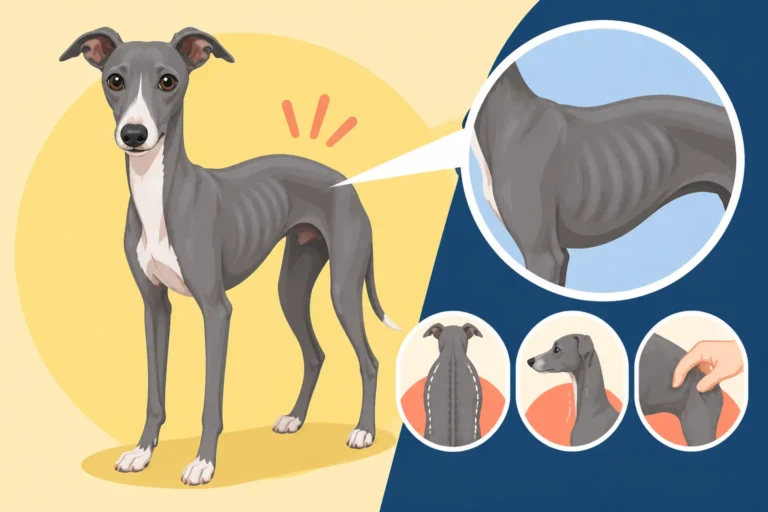
The biggest shifts in care for an older Italian Greyhound often revolve around comfort, gentle exercise, and meticulous attention to their diet and dental health. Their bodies become a little less resilient; their bones might be more brittle if they've suffered previous fractures, their joints can develop arthritis, and their teeth are almost certainly showing the cumulative effects of years of chewing and eating.
For instance, that once-vigorous hour-long walk might now be better replaced with two shorter, slower strolls. Their enthusiasm for jumping onto the sofa might wane, or they might struggle a bit more to land safely. Whether an Old Italian Greyhound Needs Steps Everywhere becomes a very real question. You'll likely find yourself focusing more on preventative care, watching for the earliest signs of discomfort, and adjusting their environment to minimize strain and maximize their ease of movement. It's about proactive care, recognizing that while they might not complain, their bodies are telling a story.
Recognizing Subtle Signs of Aging
Italian Greyhounds are masters at hiding discomfort, a trait common in many sighthounds. This means you need to become a detective, looking for very subtle cues. It might be a slight hesitation before jumping, a slower response to your call, or a change in their sleeping position. Perhaps they're a little less tolerant of rambunctious play from younger dogs or children.
Look for changes in their normal routine: Are they drinking more or less? Is their bathroom schedule different? Is their coat duller, or are they developing small lumps and bumps that weren't there before? Sometimes, even a change in their breathing patterns or how they settle down can be a sign that something is shifting. It’s not about panicking over every little thing, but rather about being observant and knowing your dog well enough to spot when "normal" has subtly changed. These early observations are crucial to intervening quickly and providing comfort, as How an Italian Greyhound Hides Pain incredibly well.
Tailoring Their Diet: Nourishing Your Older Iggy
As your Italian Greyhound ages, their dietary needs shift significantly. Their metabolism slows down, their appetite might become more finicky, and they may require specific nutrients to support aging joints, organs, and overall vitality.
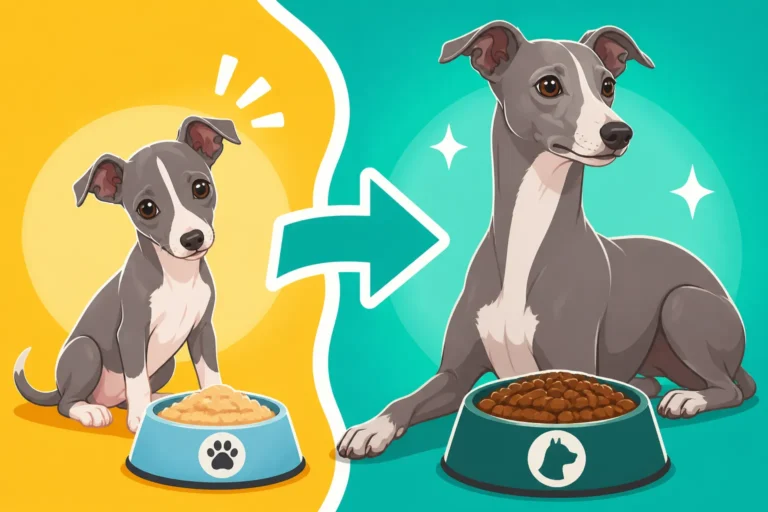
When an Old Italian Greyhound Needs Softer Kibble
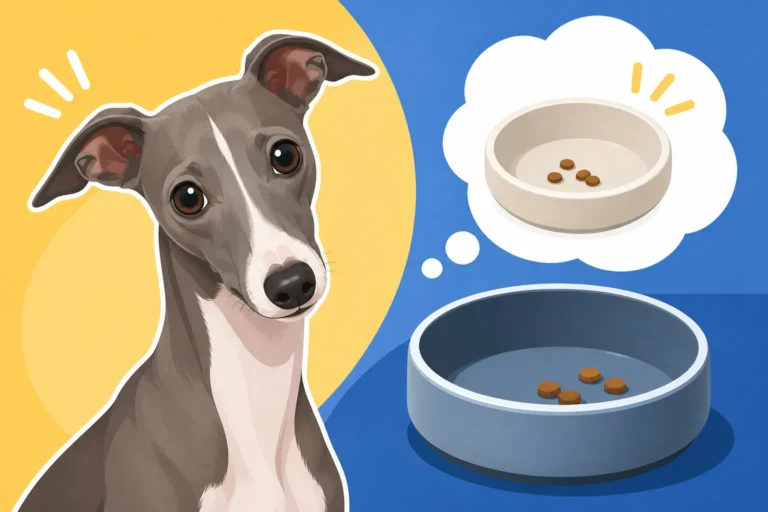
One of the most common issues senior Italian Greyhounds face is dental disease. After years of wear and tear, and often despite diligent home care, many Iggies end up with missing teeth or painful gum disease. This makes chewing hard kibble a chore, or even agonizing. If you notice your Italian Greyhound dropping kibble, taking an unusually long time to eat, or shying away from their food bowl, it might be time to consider a softer option.
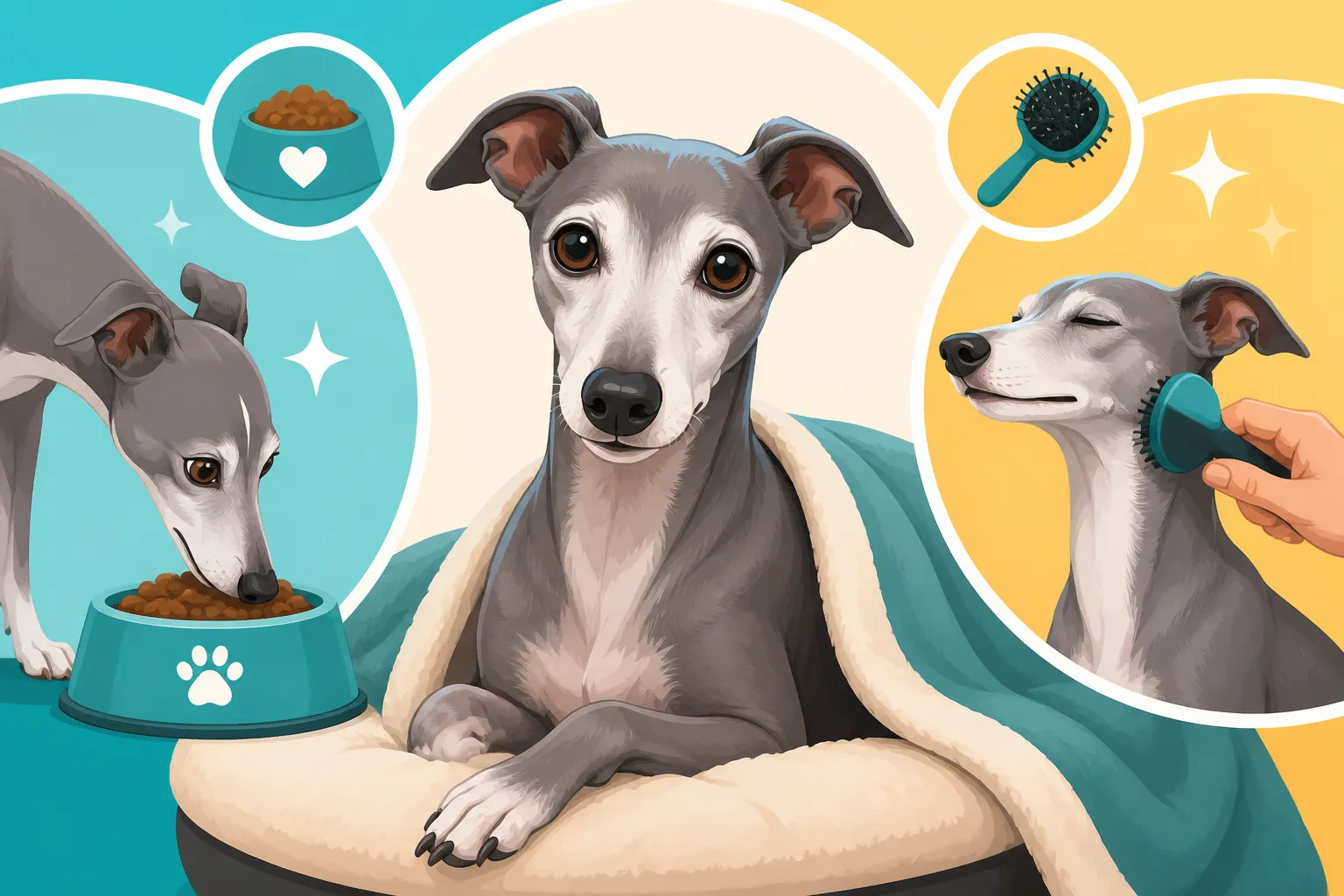
Switching to a senior-specific wet food or simply adding warm water or broth to their existing kibble can make a world of difference. You'll often see them eat with more enthusiasm and less visible discomfort. Brands like Ollie offer fresh, gently cooked meals that are naturally softer and can be very palatable for a senior dog. It’s not about spoiling them, but about ensuring they can actually ingest the nutrition they need without pain. This simple change can prevent weight loss and maintain their quality of life. Feeding an Italian Greyhound With No Teeth is a reality for many senior owners, making softer food a necessity.
Addressing Appetite Changes and Pickiness
It's common for older Italian Greyhounds to become a bit more particular about their food, or to experience a decrease in appetite. This can be due to a variety of factors: dental pain, reduced sense of smell, underlying health issues, or simply a slower metabolism that requires less energy. It can be incredibly frustrating when your once food-motivated Iggy suddenly turns up their nose at dinner.
To combat pickiness, try offering smaller, more frequent meals throughout the day instead of one or two large ones. Experiment with different textures and protein sources. Warming their food slightly can enhance its aroma and make it more appealing. Mixing in a small amount of wet food or a low-sodium broth with their kibble can also entice them. Avoid offering too many unhealthy treats, which can fill them up without providing proper nutrition. If the appetite loss is sudden or severe, it's always best to consult your vet to rule out any medical causes.
Nutritional Support for Aging Joints and Organs
Beyond simply softening food, the nutritional content itself needs to be considered for an older Italian Greyhound. Senior diets are typically lower in calories to prevent weight gain (due to decreased activity) but higher in certain beneficial nutrients. Look for foods enriched with omega-3 fatty acids, glucosamine, and chondroitin, which support joint health and can alleviate arthritis symptoms. Many senior formulations also contain antioxidants to boost the immune system and support cognitive function.
For Italian Greyhounds prone to kidney issues as they age, your vet might recommend a prescription diet specifically formulated for kidney support. These diets typically have controlled levels of protein, phosphorus, and sodium to reduce the workload on their kidneys. Similarly, if your Iggy develops a heart murmur, a low-sodium diet might be advised. Always discuss any significant dietary changes or the addition of supplements with your veterinarian, as they can recommend the best course of action based on your dog's individual health profile. It's about giving them the right fuel to keep their systems running as smoothly as possible.
Keeping Those Pearly Whites (or What's Left of Them) Healthy
Dental health is paramount for Italian Greyhounds at any age, but it becomes an even more critical component of care for seniors. Years of plaque and tartar buildup can lead to severe periodontal disease, which not only causes pain and tooth loss but can also contribute to other serious health problems.
The Continued Importance of Dental Care
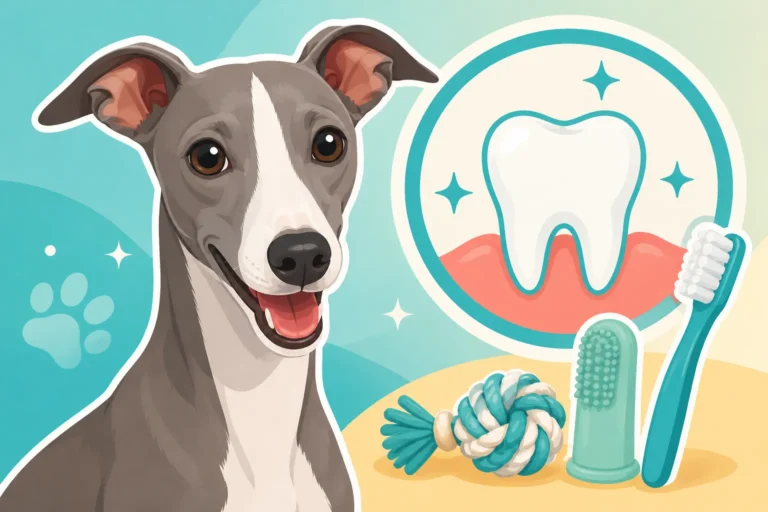
Even if your Italian Greyhound has had multiple dental cleanings throughout their life, the battle against gum disease doesn't end in their senior years. In fact, it often intensifies. How Common Dental Disease Is in an Italian Greyhound is alarmingly high, and for seniors, the progression can be rapid. Daily brushing, if your dog will tolerate it, remains the gold standard. Using a soft finger brush and enzymatic toothpaste designed for dogs can help slow the accumulation of new plaque.
However, many senior Iggies might have sensitive mouths, making brushing difficult. In such cases, alternative methods like dental rinses, water additives (which you can find readily on platforms like Amazon or Chewy), or specialized dental chews designed for small, older dogs can be considered. These are never a replacement for professional veterinary care but can help maintain oral hygiene between cleanings. The goal is to minimize discomfort and prevent the systemic spread of bacteria from an unhealthy mouth.
Managing Tooth Loss and Eating Comfortably
It's a harsh reality that many senior Italian Greyhounds will experience significant tooth loss. This can range from a few missing incisors to extensive extractions, sometimes leaving them with very few teeth, especially in the front of their mouth. The main concern here is their ability to eat comfortably and maintain adequate nutrition.
If your Iggy has lost many teeth, the need for softer food, as discussed earlier, becomes non-negotiable. They might struggle to pick up small pieces of kibble or to chew harder treats. Consider a shallow bowl that makes it easier for them to access their food without having to angle their head uncomfortably. You might also need to hand-feed them occasionally, especially if they are particularly sore or finicky. The priority is to ensure they are getting enough calories and nutrients without pain, rather than adhering strictly to traditional feeding methods.
Preventing and Addressing Dental Complications
Periodontal disease in senior Italian Greyhounds can lead to a host of complications beyond just bad breath and tooth loss. Infections can spread to the jawbone, potentially leading to painful abscesses or even jaw fractures during eating or extraction due to the thinness of their delicate jawbone. Untreated dental infections can also seed bacteria into the bloodstream, affecting vital organs like the heart, liver, and kidneys, ultimately shortening their lifespan.
Regular veterinary dental check-ups are crucial. Your vet can assess the severity of their dental disease, recommend appropriate cleaning schedules, and perform necessary extractions. While anesthesia carries inherent risks for any senior dog, modern veterinary medicine offers advanced protocols to make it as safe as possible for older Iggies, including comprehensive pre-anesthetic bloodwork and careful monitoring. Don't let the fear of anesthesia deter you from addressing dental pain; the relief and health benefits for your senior dog are immeasurable. Discuss Why Anesthesia Is Handled Differently in an Italian Greyhound with your vet to understand the precautions taken.
Protecting Their Delicate Skin and Thinning Coat
Italian Greyhounds are known for their incredibly fine, short coats and delicate, thin skin. As they age, these characteristics can become even more pronounced, making them susceptible to dryness, thinning hair, and pressure sores.
Dealing with Dry Skin and Thinning Hair
With age, many Iggies experience a natural thinning of their coat, especially along their back or flanks. Their skin can also become drier and less elastic, leading to flakiness or itchiness. This is particularly noticeable in cooler, drier climates.
To combat dry skin, ensure your Italian Greyhound's diet includes plenty of healthy fats, such as omega-3 and omega-6 fatty acids, which are often found in fish oil supplements or senior dog foods. A humidifier in your home can also make a big difference, especially during winter months. When bathing, use a mild, moisturizing shampoo specifically formulated for sensitive dog skin. Avoid harsh soaps or frequent baths, as these can strip natural oils. Gentle brushing with a soft brush or a grooming mitt can help stimulate circulation and distribute natural skin oils, all while providing a soothing massage your senior Iggy will likely appreciate.
Preventing Pressure Sores and Providing Soft Bedding
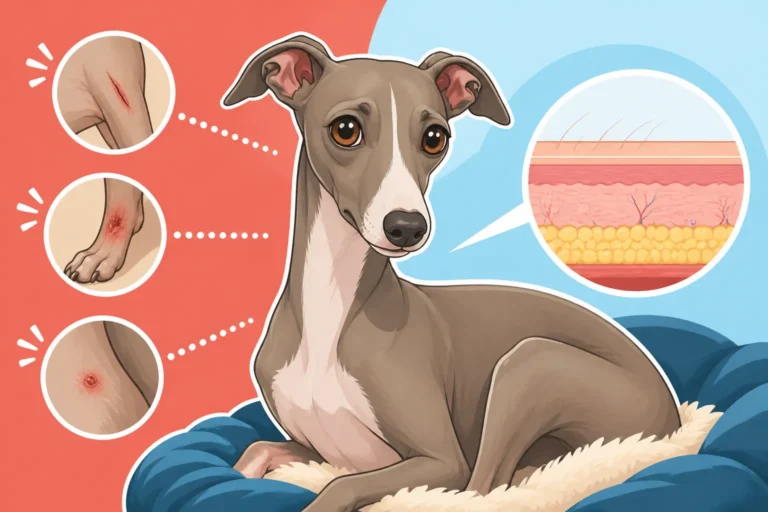
The lean build and prominent bony areas (elbows, hips, hocks) of an Italian Greyhound make them particularly prone to developing pressure sores as they age and spend more time resting. Their delicate skin and minimal fat padding offer little protection against hard surfaces.
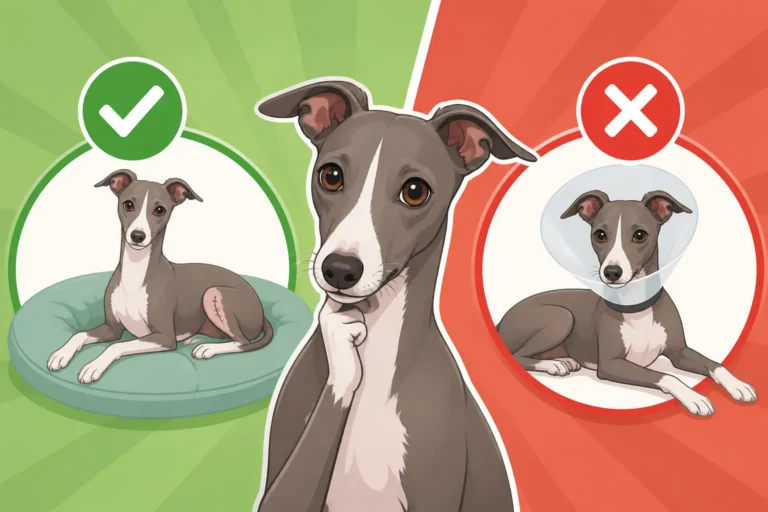
Investing in high-quality, orthopedic bedding is not a luxury; it's a necessity for senior Iggies. Look for beds with dense, supportive memory foam that conforms to their body and relieves pressure points. Brands available on Chewy or Amazon often have excellent options. Place these beds in multiple locations around your home – where they like to nap, by your feet, and in their crate if they use one. Ensure blankets are readily available, as their instinct to burrow will be even stronger. Regular repositioning, if they are very sedentary, can also help. Check their elbows and hips frequently for any signs of redness or irritation, which are early indicators of pressure sore development. Why an Italian Greyhound Gets Calluses on Its Elbows is directly related to inadequate cushioning.
The Importance of Gentle Grooming and Baths
Grooming for an older Italian Greyhound should always be a gentle, positive experience. While their short coats don't require extensive brushing, a soft brush or grooming glove can help remove loose hair, stimulate circulation, and allow you to check their skin for any lumps, bumps, or dry patches. These daily checks are vital for early detection of potential skin issues or even tumors.
Bathing should be done sparingly, perhaps once every few months or as needed if they get particularly dirty. Use lukewarm water and a gentle, moisturizing shampoo. Their thinner skin and reduced body fat mean they get cold very quickly, so ensure the bath is quick, the room is warm, and they are thoroughly dried immediately afterward, perhaps wrapped in a warm towel or snuggled under a blanket. Always make these sessions calm and reassuring, as an anxious senior dog can become stressed or even hurt themselves trying to escape.
Navigating Mobility and Comfort: Paws, Pads, and Warmth
As Italian Greyhounds age, their agility can diminish, making everyday movements a bit more challenging. Their paws and nails need special attention, and their innate need for warmth becomes even more pronounced.
Ensuring Easy Movement with Proper Nail and Paw Care
Long nails can make walking painful and can even alter their gait, putting unnecessary strain on their joints. For senior Iggies who might be less active, their nails may not wear down naturally, requiring more frequent trimming. However, long nails often mean long quicks, making trims tricky. If you're uncomfortable, don't hesitate to have your vet or a professional groomer handle it. A Dremel tool can be a great alternative to clippers, allowing for a smoother, less stressful trim.
Their paw pads can also become drier and more prone to cracking, especially in extreme weather. Regularly check their pads for cuts, cracks, or foreign objects. Applying a paw balm (many good ones available on Amazon or Chewy) can help keep them moisturized and supple. If your senior Iggy is slipping on hardwood or tile floors, consider non-slip socks or strategically placed rugs to give them better traction and prevent falls that could lead to injury. Why an Italian Greyhound's Feet Crack in Winter is a common issue for many owners.
The Need for Extra Warmth and Comfort
Italian Greyhounds are notoriously sensitive to cold due to their thin skin and lack of body fat. This sensitivity intensifies with age. An older Italian Greyhound's body struggles even more to regulate temperature, making them prone to shivering and discomfort even indoors.
You’ll likely find your senior Iggy seeking out warm spots more often – sunny patches, near heaters, or snuggled deep under blankets. Why an Old Italian Greyhound Feels the Cold More is a genuine physiological change. Provide them with a variety of cozy blankets and ensure their sleeping areas are free from drafts. Heated beds, specifically designed for pets, can be a godsend, providing constant, gentle warmth. Sweaters aren't just for fashion; an indoor sweater can genuinely keep a senior Iggy comfortable, especially during cooler months or if your home is kept at a lower temperature. This extra warmth can alleviate stiffness in arthritic joints and promote better sleep.
Adapting Your Home to Support an Older Italian Greyhound
Making your home senior-friendly is one of the kindest things you can do for your aging Italian Greyhound. This means assessing potential hazards and making modifications to ensure their safety and comfort.
Consider installing ramps or steps to allow them easy access to their favorite furniture, like the sofa or your bed. This reduces the strain on their joints and prevents dangerous jumps. Ramps and Steps for an Italian Greyhound's Furniture are a wise investment. Ensure all hard floors are covered with rugs or runners to provide traction, preventing slips and falls. If your Iggy's vision is declining, try to keep furniture in consistent locations to help them navigate. Baby gates might be useful for blocking off stairs or areas where they might get into trouble or become disoriented. The goal is to create a safe, navigable environment that empowers them to move about comfortably and independently for as long as possible.
Monitoring Health and Recognizing Pain in Your Senior Companion
Even with the best preventative care, aging brings an increased risk of health challenges. Being vigilant, understanding how Italian Greyhounds express pain, and maintaining a close relationship with your veterinarian are crucial for managing these conditions.
The Challenge of How an Italian Greyhound Hides Pain
As mentioned earlier, Italian Greyhounds have a stoic nature that often masks pain. This evolutionary trait, common in sighthounds, means they rarely vocalize discomfort until it's quite severe. Instead of yelping, you might notice subtle behavioral changes: a reluctance to play, decreased interaction, restlessness, changes in appetite or sleep, or even just a different look in their eyes.
Arthritis is particularly common in senior dogs, and an Iggy might show it by limping occasionally, stiffness after rest, or difficulty getting up. Don't dismiss these as "just old age." They are often indicators of pain that can be managed with medication, supplements, or physical therapy. Your detailed observations are invaluable to your vet, so keep a journal of any subtle changes you notice, no matter how small they seem.
Regular Vet Visits: How Often an Italian Greyhound Needs a Wellness Exam
For senior Italian Greyhounds, annual vet visits are often not enough. Many veterinarians recommend bi-annual (twice yearly) wellness exams for older dogs. This allows for more frequent monitoring of their overall health, early detection of age-related diseases, and timely intervention.
During these visits, your vet will perform a thorough physical examination, paying close attention to their joints, teeth, eyes, and heart. They may recommend routine blood work and urine analysis to screen for conditions like kidney disease, liver issues, or thyroid problems, which are more common in older dogs. These tests can catch problems before they become severe, when they are often easier to manage. Open communication with your vet about any changes you've observed in your Iggy's behavior or physical condition is vital to tailoring their care plan.
Supporting Kidney and Heart Health in Later Years
Two of the most common age-related health concerns in Italian Greyhounds are kidney disease and heart conditions, particularly mitral valve disease which can manifest as a heart murmur. These conditions often progress slowly and can be asymptomatic in their early stages.
For kidney health, the bi-annual blood work and urine tests are critical for early detection. If kidney disease is diagnosed, dietary modifications (e.g., specific prescription foods), increased water intake, and sometimes medications can help slow its progression and manage symptoms. Ensuring your Iggy always has access to fresh water is key; consider adding a pet water fountain (like those available on Chewy or Amazon) to encourage more drinking. For heart health, your vet will listen for murmurs during physical exams. If a murmur is detected, further diagnostics like an echocardiogram might be recommended to assess its severity. While not all murmurs require immediate treatment, some can benefit from medications to manage symptoms and improve quality of life. Regular monitoring allows for prompt adjustment of treatment plans as needed.
Essential Grooming Practices for the Aging Italian Greyhound
Grooming might seem minor, but for an older Italian Greyhound, it's a critical aspect of comfort, hygiene, and health monitoring. It's also a wonderful bonding opportunity.
The Subtle Changes in Their Coat
As an Iggy ages, their coat may undergo subtle changes. It might thin out in certain areas, particularly along the back, and in some cases, you might notice a slight dulling of color or a coarser texture. While Italian Greyhounds are low-shedding and low-odor dogs, regular, gentle brushing helps remove any loose hair and distributes natural oils, keeping the skin and coat as healthy as possible.
This daily or weekly ritual with a soft brush or grooming mitt is also an opportunity for a "health check." As you run your hands over their body, you can feel for new lumps, bumps, skin tags, or any areas of tenderness. Any unusual findings should be brought to your veterinarian's attention. Remember, their skin is delicate, so always use gentle strokes and be mindful of any bony protrusions or sensitive areas.
Nail Care: Adapting to Slower Lives
While adult Iggies might keep their nails relatively short through regular exercise, a senior Italian Greyhound often has a less active lifestyle. This means their nails may not wear down as much, leading to faster growth and a higher risk of becoming too long. Overgrown nails can cause discomfort, make walking difficult, and can even curl into the paw pads, causing painful infections.
Regular nail trims, perhaps every two to three weeks, become even more important. If your senior Iggy is anxious about nail trims, talk to your vet about desensitization techniques or even mild sedation for the process. A Dremel can be less jarring than clippers for many dogs. Be patient, use positive reinforcement, and take breaks if your dog becomes stressed. Consistency is key to keeping their nails at a healthy length and ensuring comfortable mobility.
Ear and Eye Maintenance
Even though Italian Greyhounds typically have clean, relatively problem-free ears, regular checks are still essential for seniors. Gently lift their ears and inspect the canals for any redness, discharge, or foul odor, which could indicate an infection. A soft, damp cloth can be used to wipe away any visible dirt or wax from the outer ear flap. Avoid inserting anything deep into the ear canal.
Their eyes also warrant attention. With age, some Iggies might experience increased tearing or mild discharge. Gently wipe away any crust or discharge with a soft, warm, damp cloth, wiping away from the eye. Keep an eye out for any cloudiness in the eyes (potential cataracts), changes in pupil size, or excessive redness, all of which should prompt a veterinary visit. What an Italian Greyhound's Yearly Eye Exam Covers goes beyond simple vision checks and can catch underlying issues.
| Care Aspect | Adult Italian Greyhound | Senior Italian Greyhound |
|---|---|---|
| Dietary Needs | Consistent portion, regular kibble, few supplements unless specifically needed. Often food-motivated. | Potentially smaller, more frequent meals; softened food or wet food due to dental issues; joint, kidney, or cognitive support supplements; may become finicky. |
| Dental Care | Daily brushing, annual professional cleaning. Focus on prevention and maintenance. | Daily brushing (if tolerated), more frequent professional cleanings if severe, may need extractions; focus on pain management and comfort; increased risk of jaw issues. |
| Warmth Requirements | Sweaters outdoors in cool weather, blankets for napping. Generally tolerant of indoor temperatures. | Sweaters indoors (even in mild temperatures), heated beds, extra blankets, avoidance of drafts. Highly sensitive to cold. |
| Grooming Frequency | Regular nail trims (often less frequent if active), occasional bath, quick wipe-downs. | More frequent nail trims (less active wear), gentle brushing to stimulate circulation and check for skin issues, careful bathing with moisturizing products. |
| Mobility Support | Free range of furniture, active play. May jump without thought. | Ramps/steps for furniture, non-slip surfaces (rugs, mats), orthopedic beds, gentle, shorter exercise sessions. Avoid high jumps. |
| Veterinary Visits | Annual wellness exams. | Bi-annual wellness exams, more frequent monitoring for chronic conditions. Early detection of age-related illnesses. |
Conclusion
Caring for an old Italian Greyhound is a journey of adaptation, deep love, and a commitment to their comfort and well-being. It means being attuned to their changing needs, from the type of food in their bowl to the softness of their bed, and understanding that while they may slow down, their capacity for affection and companionship only grows. By tailoring their feeding and grooming routines, providing a safe and warm environment, and partnering closely with your veterinarian, you can ensure your cherished Iggy enjoys a dignified, comfortable, and joy-filled senior life, truly living up to their potential for Why an Italian Greyhound Outlives Most Purebred Dogs.
Disclaimer
This article is for general informational purposes only and does not constitute professional advice. Laws, prices and regulations vary by location and change over time. Consult a qualified professional for guidance on your specific situation.