How Often an Italian Greyhound’s Teeth Need Brushing
One of the most disheartening things about owning an Italian Greyhound is realizing just how fragile their mouths can be. You might think you're doing a good job with their general care, only to be hit with the news at a vet visit that your beloved little companion already has significant dental disease. The truth is, their unique anatomy sets them up for a lifetime of potential oral health battles, and it can feel like you’re constantly fighting an uphill battle just to keep their tiny teeth healthy. This guide is here to shed light on exactly how often your Italian Greyhound's teeth need brushing, why it's so critical, and what you can do to give them the best chance at a healthy, pain-free smile.
The Harsh Reality: Why Dental Care Isn't Optional for Italian Greyhounds
Let's not sugarcoat it: Italian Greyhounds are practically poster children for dental disease. It's not a matter of "if" but "when," and often "how bad." This isn't because you're a bad owner; it's simply a genetic predisposition that comes with their adorable, petite package.
The Breed's Predisposition to Dental Woes
Imagine trying to fit a full set of adult human teeth into the mouth of a toddler. That's essentially what's happening with an Italian Greyhound. They have the same number of teeth as much larger breeds, crammed into an incredibly small, delicate jaw. This inherent crowding creates a perfect storm for dental problems. There's just not enough space for proper alignment, leading to teeth that overlap, rotate, or press against each other.
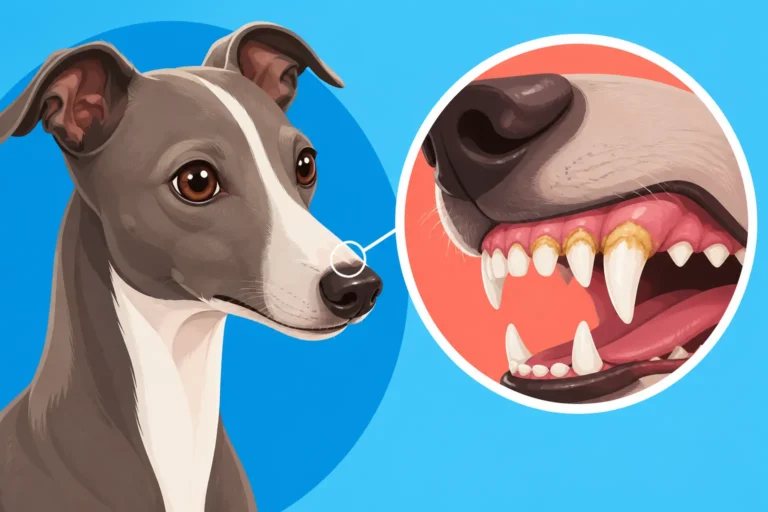
These tight spaces become prime real estate for food particles and bacteria to accumulate. Unlike dogs with well-spaced teeth where some natural friction might help dislodge debris, every tiny crevice in an Italian Greyhound's mouth acts as a sticky trap. This means plaque forms rapidly and relentlessly. You might notice their breath getting a bit "doggy" surprisingly early, even as puppies, and that's often the first warning sign that plaque is already setting in. It's a frustrating reality for many IG owners, who find themselves dealing with significant issues by the time their dog is only two or three years old, an age when many other breeds are just starting to show minor signs of wear.
The delicate nature of their jaws also means that bone loss due to periodontal disease can have more severe consequences, potentially leading to jaw fractures during routine dental procedures if the disease is allowed to progress unchecked. It's a constant tightrope walk, and it truly emphasizes why proactive, daily care is paramount for these specific little dogs.
Beyond Bad Breath: The Systemic Health Risks
While bad breath (halitosis) is often the most obvious symptom of dental disease, it’s merely the tip of a much larger iceberg. That pungent odor isn't just unpleasant; it's a sign of a mouth teeming with harmful bacteria. These bacteria aren't content to stay put; they can migrate from the oral cavity into the bloodstream. Once in the bloodstream, they can travel to vital organs, including the heart, kidneys, and liver, causing serious inflammation and infection. Over time, this can lead to chronic health conditions that significantly impact your Italian Greyhound's overall health and shorten their lifespan. This is often why we see older IGs facing issues that seem unrelated to their teeth but actually stem from years of untreated oral infections. How Dental Disease Shortens an Italian Greyhound's Life
Beyond the systemic health concerns, consider the pain your Italian Greyhound might be experiencing. Periodontal disease, with its inflamed gums, receding gum lines, and exposed tooth roots, is incredibly painful. Dogs are notoriously stoic, and an Italian Greyhound, being a sighthound, often hides discomfort incredibly well. They might continue to eat, albeit perhaps a little slower, or chew on one side, making it hard for you to spot the problem until it's advanced. You might notice subtle changes: a slight reluctance to play with toys, less enthusiasm for meal times, or even just being a bit more withdrawn. These are not just aesthetic issues; they are serious health and welfare concerns that require consistent intervention. Ignoring dental issues isn't just a matter of cosmetic concern; it's a direct threat to their comfort and longevity.
Daily Dedication: Why Brushing Every Single Day is the Gold Standard
When it comes to Italian Greyhounds, the general advice of "brush several times a week" simply isn't enough. For these dogs, daily brushing isn't just recommended; it's practically a necessity to stave off aggressive dental disease.
The Science of Plaque Accumulation
Think about your own teeth. If you skip brushing for a day, you can feel that fuzzy film, right? That's plaque, a sticky biofilm made of bacteria, food particles, and saliva. Now, imagine your Italian Greyhound's crowded mouth. Plaque starts forming on their tooth surfaces within hours of eating. It's a silent, relentless process. If that plaque isn't removed within approximately 24 to 48 hours, it begins to mineralize and harden into tartar (also known as calculus). Once plaque has turned into tartar, no amount of brushing will remove it. It's like trying to scrub concrete with a toothbrush; it simply won't work.
This is the critical reason why daily brushing is so important for Italian Greyhounds. By brushing every single day, you are consistently disrupting that plaque biofilm before it has a chance to solidify into tartar. You're physically sweeping away the bacteria and debris, denying them the opportunity to set up shop and cause harm. Missing even a day or two can give tartar a foothold, especially in those hard-to-reach, crowded areas of an IG's mouth. So, when we talk about daily brushing, it’s not just an ideal; it's based on the rapid biological process of plaque formation and mineralization. It's a proactive defense against the inevitable.
Establishing a Non-Negotiable Routine
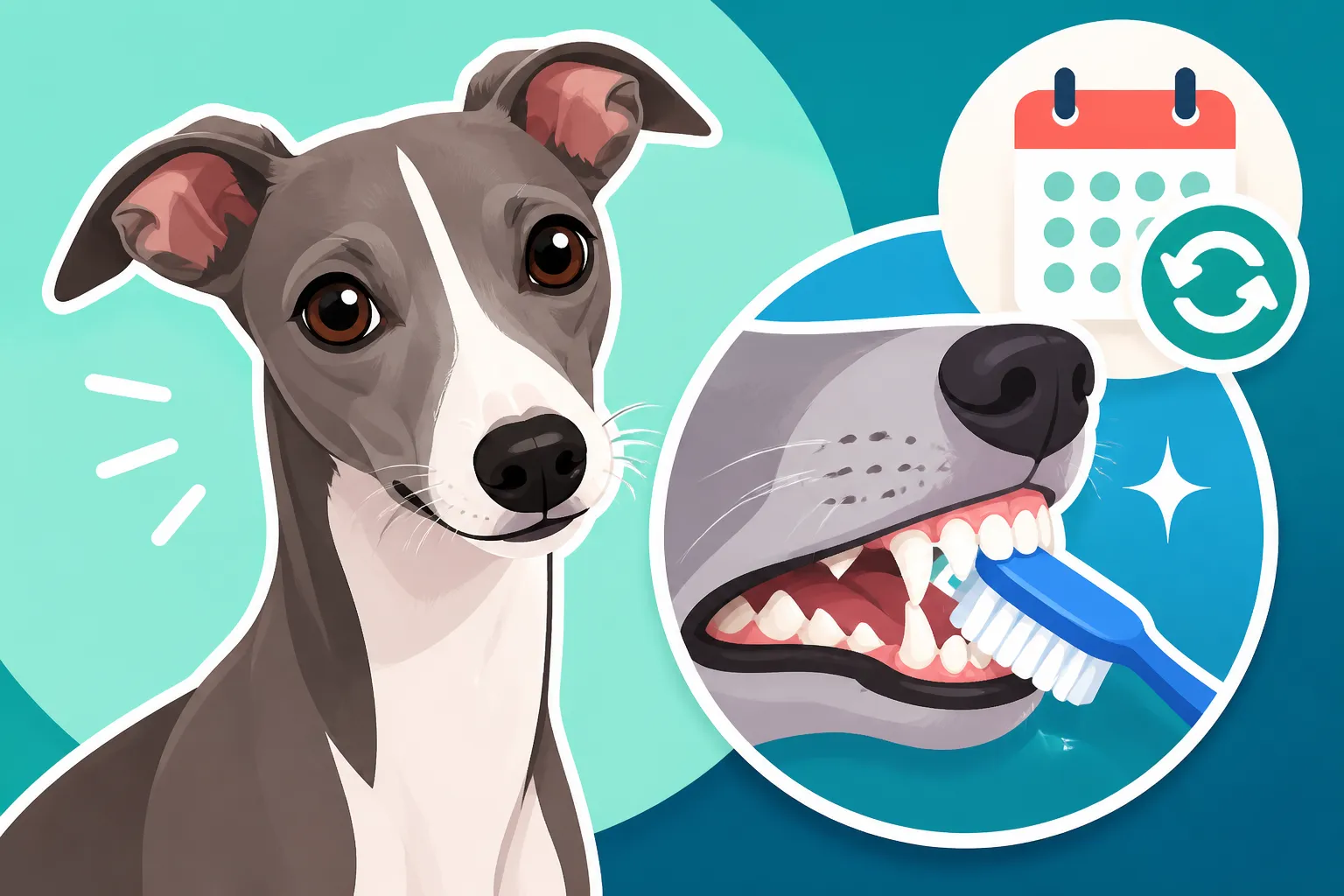
Making daily tooth brushing a part of your Italian Greyhound's routine might sound daunting, but it's entirely achievable and incredibly beneficial. The key is consistency and positive reinforcement, much like with any other aspect of their training or care. Just as you wouldn't skip their daily meal or walk, tooth brushing needs to become a non-negotiable part of their day. Many owners find it easiest to incorporate it at the same time each day—perhaps after their last meal, or right before bedtime. This helps both you and your dog anticipate the routine.
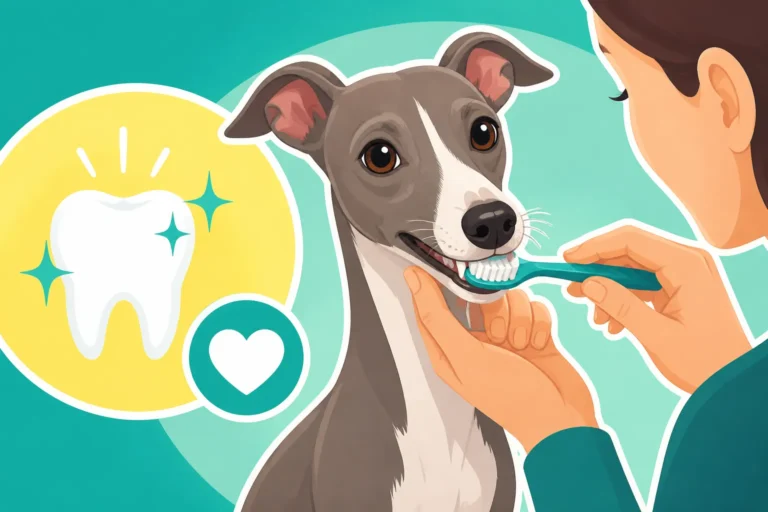
Start slow and keep sessions short, especially if your Italian Greyhound isn't used to it. The goal initially isn't perfect cleaning, but rather building tolerance and making it a pleasant experience. Use a pet-specific toothpaste that they enjoy the taste of (many come in poultry or peanut butter flavors). Praise them lavishly, offer gentle cuddles, and perhaps follow up with a favorite tiny treat. If you have a puppy, start as early as possible. Even gently rubbing their gums with your finger or a finger brush can lay the groundwork for a lifetime of accepting oral care. Teaching an Italian Greyhound Puppy to Have Its Teeth Brushed Remember, a few minutes of daily effort can literally add years to your Italian Greyhound's life and significantly improve their comfort and well-being, saving them from the discomfort of dental pain and you from potentially large vet bills down the line.
What Happens When Daily Brushing Isn't Possible (And What To Do)
Let's be real. Life happens. While daily brushing is the gold standard for Italian Greyhounds, there will inevitably be days when it just doesn't happen. Maybe you're traveling, maybe you're sick, or maybe your IG is just having one of those days. It's okay. The important thing is not to give up entirely.
The "Life Gets in the Way" Scenario
We've all been there. You have the best intentions, you bought all the right supplies, and you started strong. But then a work project takes over, you go on vacation, or your Italian Greyhound decides they are absolutely not in the mood tonight. Or perhaps you have multiple dogs and the sheer logistics of daily brushing for all of them becomes overwhelming. It's easy to feel guilty or defeated when you can't stick to the perfect routine.
However, missing a day or two here and there isn't the end of the world. The real problem arises when those missed days turn into missed weeks, and then months. If you find yourself in a situation where daily brushing truly isn't feasible, aim for the next best thing. Three to four times a week is still significantly better than once a month or never at all. Even inconsistent brushing can help disrupt some plaque buildup and get your Italian Greyhound accustomed to having their mouth handled. Don't let the pursuit of perfection derail your efforts entirely. Every little bit truly helps to maintain their oral hygiene and keeps those harmful bacteria somewhat in check. The goal is progress, not perfection, especially when dealing with the realities of busy modern life.
Supplementing Infrequent Brushing with Other Tools
When daily brushing isn't happening consistently, or even when it is, supplemental dental care products can play a supporting role. They are not a replacement for manual brushing or professional cleanings, but they can offer some assistance in controlling plaque and bacteria. Many owners turn to these options out of desperation, hoping for a magic bullet, but it's important to understand their limitations.
Dental Wipes and Oral Rinses: These can be useful for reducing bacterial load and removing some superficial plaque. Wipes typically contain antiseptic ingredients, and rinses can be squirted into the mouth. They don't offer the mechanical scrubbing action of a brush, but they can provide a quick freshen-up and some antibacterial benefits. Think of them as mouthwash for dogs. You can find a wide variety of these on pet supply sites like Chewy or Amazon.
Water Additives: These are liquids you add to your Italian Greyhound's drinking water, often containing ingredients designed to reduce plaque and freshen breath. The idea is that with every drink, your dog gets a dose of plaque-fighting agents. While they can be helpful for maintaining overall oral hygiene, their effectiveness varies widely, and they won't tackle existing tartar. They are best used as part of a comprehensive dental care plan, not as a standalone solution. Whether Dental Chews Do Anything for an Italian Greyhound
Veterinary-Approved Dental Chews: There are numerous dental chews on the market, but it's crucial to choose ones that have been scientifically proven to reduce plaque and tartar, ideally with a seal of approval from veterinary dental health organizations. Brands like Greenies or certain prescription dental diets can offer some abrasive action to help scrub teeth as your dog chews. However, you must always supervise your Italian Greyhound with chews to prevent choking, and be mindful of their calorie content, as IGs can gain weight easily. Also, remember that chews primarily clean the larger surfaces of the teeth and rarely get into those critical, crowded areas near the gumline or between teeth that are so problematic for IGs. They certainly don't address the age an Italian Greyhound starts losing teeth due to deep periodontal disease. Always discuss any dental chews with your vet to ensure they're appropriate and safe for your specific dog.
| Dental Care Method | Primary Benefit | Limitations for Italian Greyhounds | Recommended Frequency |
|---|---|---|---|
| Daily Tooth Brushing | Best for plaque removal, prevents tartar formation. Addresses gumline & crowded areas. | Requires consistent effort & dog cooperation. | Daily (gold standard) |
| Professional Dental Cleaning | Removes existing tartar, addresses subgingival disease, extractions. | Requires anesthesia, can be costly. | Annually or as vet recommends |
| Dental Wipes/Rinses | Reduces bacteria, freshens breath, removes superficial plaque. | No mechanical scrubbing, doesn't remove tartar. | Daily, as a supplement |
| Water Additives | Reduces bacteria in water. | Limited efficacy, doesn't remove existing plaque/tartar. | Daily in drinking water |
| Veterinary Dental Chews | Abrasive action on tooth surfaces, some chemical plaque reduction. | Limited reach (not between crowded teeth or gumline), calorie dense, choking risk. | Daily, with supervision |
The Crucial Role of Professional Dental Cleanings
Even with the most diligent home brushing routine, professional dental cleanings remain an absolutely essential part of your Italian Greyhound's oral health strategy. They are not an optional extra; they are a fundamental component, especially given the breed's extreme susceptibility to dental disease.
Why Home Care Isn't a Substitute for the Vet
While your daily brushing efforts are incredibly valuable for removing plaque, they simply cannot tackle the hard, calcified tartar that inevitably builds up, especially in those tight, challenging spaces unique to an Italian Greyhound's mouth. Once plaque hardens into tartar, it adheres firmly to the tooth surface and below the gumline, creating a rough surface where more bacteria can cling. This is where your veterinarian, or better yet, a veterinary dental specialist, comes in.
A professional dental cleaning goes far beyond what you can achieve at home. It involves scaling – the mechanical removal of tartar from both above and, crucially, below the gumline. This is a meticulous process that often requires specialized ultrasonic scalers and hand instruments. Furthermore, a thorough dental exam can only happen under anesthesia. Why an Italian Greyhound's Dental Requires Anesthesia This allows the vet to fully probe each tooth, identify pockets of infection, examine the entire oral cavity for lesions, fractured teeth, or signs of bone loss that would be impossible to see in a conscious, squirming dog. They can take dental X-rays, which are absolutely vital for assessing the health of the tooth roots and jawbone, revealing hidden problems that lie beneath the gumline, problems that can cause immense pain and lead to issues like jaw fractures if not addressed. Think of it as plumbing: you can clean the visible sink, but a professional is needed to clear the pipes.
How Often Professional Cleanings Are Needed
For many Italian Greyhounds, professional dental cleanings are often recommended annually. However, this isn't a one-size-fits-all recommendation. Some IGs, despite excellent home care, might develop tartar rapidly due to genetics or saliva chemistry, requiring cleanings every six to nine months. Others, with exceptional home care and good genetics, might stretch to every 18 months. Your veterinarian will be the best guide for your individual dog, based on their oral health assessment. How Often an Italian Greyhound Needs a Dental Cleaning
Factors influencing this frequency include:
- Genetics: Some Italian Greyhounds simply have a genetic predisposition to faster plaque and tartar accumulation.
- Home Care Consistency: Dogs whose teeth are brushed daily will generally need less frequent professional cleanings than those who only receive sporadic home care.
- Diet: While diet is less of a factor than brushing, some specialized dental diets can help reduce plaque, but they won't eliminate the need for cleanings entirely.
- Age: As Italian Greyhounds age, dental disease often progresses more rapidly, potentially necessitating more frequent cleanings.
It's important to view these cleanings as an investment in your Italian Greyhound's long-term health and comfort. Yes, they come with a cost, but this cost pales in comparison to the expenses involved in treating advanced periodontal disease, multiple extractions, or systemic illnesses linked to poor oral health. When budgeting for your Italian Greyhound, always factor in the cost of regular dental procedures, understanding that for this breed, it's a certainty, not a possibility. What an Italian Greyhound's Annual Dental Costs It’s also important to consider if their vet is familiar with sighthound-specific anesthesia protocols.
Tools of the Trade: Making Brushing Easier and More Effective
Having the right tools can make all the difference in turning a challenging task into a manageable part of your routine. For an Italian Greyhound's tiny mouth, specific choices in toothbrushes and toothpaste are paramount.
Choosing the Right Brush and Toothpaste
You wouldn't use a scrubbing brush to clean a delicate teacup, and the same principle applies to your Italian Greyhound's mouth. Their small size and delicate oral anatomy require specialized tools.
Toothbrush Selection:
- Small is Key: Forget standard dog toothbrushes. Look for brushes specifically designed for small breeds, toy breeds, or even pediatric toothbrushes for children. The brush head must be tiny to navigate their crowded mouths and reach the back teeth.
- Soft Bristles: Their gums can be sensitive, so opt for extra-soft bristles to prevent irritation.
- Finger Brushes: Some owners find finger brushes easier to use, especially when first introducing brushing. They fit over your finger, allowing you to feel the teeth and gums. However, they don't always offer the same reach as a tiny toothbrush. You can find these easily on platforms like Amazon.
- Double-Headed Brushes: Some small dog toothbrushes feature two heads at an angle, designed to clean both the inside and outside of the tooth simultaneously. This can be efficient once your Italian Greyhound tolerates the process.
Toothpaste Selection:
- Pet-Specific Only: This is non-negotiable. Human toothpaste contains fluoride, xylitol, and detergents that are toxic if swallowed by dogs. Always use enzymatic toothpaste formulated for canines.
- Flavor Matters: These toothpastes come in appealing flavors like poultry, beef, malt, or peanut butter. Experiment to find one your Italian Greyhound genuinely enjoys, as this will make them much more receptive to brushing. Many pet owners report that a particular flavor of toothpaste can make or break the brushing experience. Some brands of dog food, like Ollie, might even offer dental chews or supplements with flavors that could align with your dog's preferences, making the toothpaste more appealing by association. Which Toothpaste an Italian Greyhound Will Accept The taste can be a powerful motivator!
- Enzymatic Action: These toothpastes contain enzymes that help break down plaque even after you've finished brushing, providing an extra layer of defense.
When shopping, look for brands that cater to small dogs or have a veterinary dental health seal. Don't be afraid to try a few different options until you find the perfect combination that works for your Italian Greyhound and makes the daily routine as stress-free as possible for both of you. Which Toothbrush Fits an Italian Greyhound's Mouth
The Brushing Technique for Success
Once you have your tools, the technique is crucial for effective and gentle cleaning. Remember, patience and positive reinforcement are your best friends here.
- Preparation is Key: Get everything ready before you start: toothbrush, toothpaste, and a tiny, high-value treat for after. Find a comfortable, well-lit spot where you and your Italian Greyhound can be relaxed. For smaller IGs, holding them gently in your lap can work, or if they're comfortable on a sofa.
- Introduce Gradually: If your IG isn't used to it, don't just dive in. Start by letting them lick some toothpaste off your finger. Then, introduce the brush by letting them lick toothpaste off it. Once they're comfortable with that, gently lift their lip for a second and touch the brush to one tooth. Gradually increase the duration and number of teeth as they tolerate it.
- Focus on the Outer Surfaces: Most dental disease starts on the outer surfaces of the teeth, especially those facing the cheek. These are also the easiest to reach. Gently lift your Italian Greyhound's upper lip with one hand to expose the teeth.
- Angle and Motion: Hold the toothbrush at a 45-degree angle to the gumline, ensuring the bristles gently massage both the tooth surface and the gum tissue. Use small, gentle circular or back-and-forth strokes. Don't scrub vigorously; you're not trying to sandblast their teeth.
- Target Key Areas: Pay extra attention to the canine teeth (fangs) and the large molars and premolars at the back of the mouth, as these are often where tartar builds up most quickly. The front incisors can also accumulate plaque but are generally easier to clean. Given how crowded an Italian Greyhound's mouth is, reaching the very back can be tricky, but do your best.
- Keep it Short and Sweet: Aim for about 30-60 seconds of actual brushing per session, ideally covering most tooth surfaces. If your Italian Greyhound only tolerates 15-20 seconds at first, that's fine! Gradually build up.
- End on a Positive Note: Immediately after brushing, offer praise, affection, and that special treat. This reinforces that brushing is a positive experience, making them more cooperative next time. Never scold or punish during brushing, as this will create negative associations and make future attempts much harder.
- Consistency Over Perfection: It’s better to do an imperfect job daily than a perfect job once a month. The cumulative effect of consistent plaque disruption is what truly protects their teeth. Your goal is to keep their mouth as clean as possible between professional cleanings, aiming to keep what an Italian Greyhound's breath should smell like fresh and clean, and ensuring they don't lose too many teeth too early. How Many Teeth an Italian Greyhound Loses by Eight
Disclaimer
This article is for general informational purposes only and does not constitute professional advice. Laws, prices and regulations vary by location and change over time. Consult a qualified professional for guidance on your specific situation.