Whether an Italian Greyhound Should Be Fed Twice a Day
It's a common question that swirls in the minds of many Italian Greyhound owners: how often should I actually be feeding my delicate little companion? With their slender frames and sometimes finicky appetites, it can feel like a guessing game to get their meals just right. This guide aims to demystify the ideal feeding schedule, particularly focusing on why a twice-daily approach often makes the most sense for our beloved Italian Greyhounds.
Understanding the Italian Greyhound's Unique Digestive System and Metabolism
Italian Greyhounds are not built like many other dog breeds, and their internal workings are just as specialized as their external elegance. They are a toy breed, yes, but with the high-octane metabolism of a sighthound. This combination means their bodies process food differently, and a one-size-fits-all feeding approach simply won't do.
Why Their Small Stomachs Prefer Smaller, Frequent Meals
Imagine trying to cram a full buffet into a teacup – it simply won't fit, and it will likely overflow! An Italian Greyhound's stomach is, by design, quite small. It's perfectly proportioned for their compact bodies, but it means they don't have the capacity to handle one massive meal a day. Giving them too much food at once can lead to a host of uncomfortable issues.
When an Italian Greyhound's stomach is overfilled, it can cause discomfort, bloating, and sometimes even regurgitation or vomiting. This isn't just unpleasant for them; it means they're not properly digesting and absorbing all the vital nutrients from their food. A smaller, more manageable portion allows their digestive system to work efficiently, breaking down the food thoroughly and extracting every bit of goodness. This gentle approach helps prevent stomach upset and keeps them feeling more comfortable throughout the day.
The Role of Their High Metabolism in Energy Regulation
If you've ever watched an Italian Greyhound zoom around your living room, you know they are bundles of energy. This isn't just playful exuberance; it's a reflection of their incredibly high metabolism. They burn through calories at a faster rate than many other breeds, almost like tiny, highly efficient furnaces. This rapid energy expenditure means they need a consistent supply of fuel to keep their bodies functioning optimally.
A single large meal might give them an initial energy spike, but it's often followed by a crash as their fast metabolism quickly processes it. This can lead to dips in blood sugar, making them feel lethargic, weak, or even a bit shaky. Regular, smaller meals help to smooth out these energy fluctuations, providing a steady release of glucose into their bloodstream. This keeps them even-keeled, maintaining their characteristic zest for life without the dramatic highs and lows that can be detrimental to their overall health and mood.
Balancing Hunger and Preventing Overeating in a Sighthound
Despite their delicate build, Italian Greyhounds can be surprisingly food-motivated. They don't always have a strong "off" switch when it comes to eating, especially if the food is particularly tasty. This isn't necessarily a fault, but it means we, as their guardians, need to be diligent about managing their intake. A single, large meal can feel like a race against time for them, potentially encouraging rapid eating which can lead to indigestion.
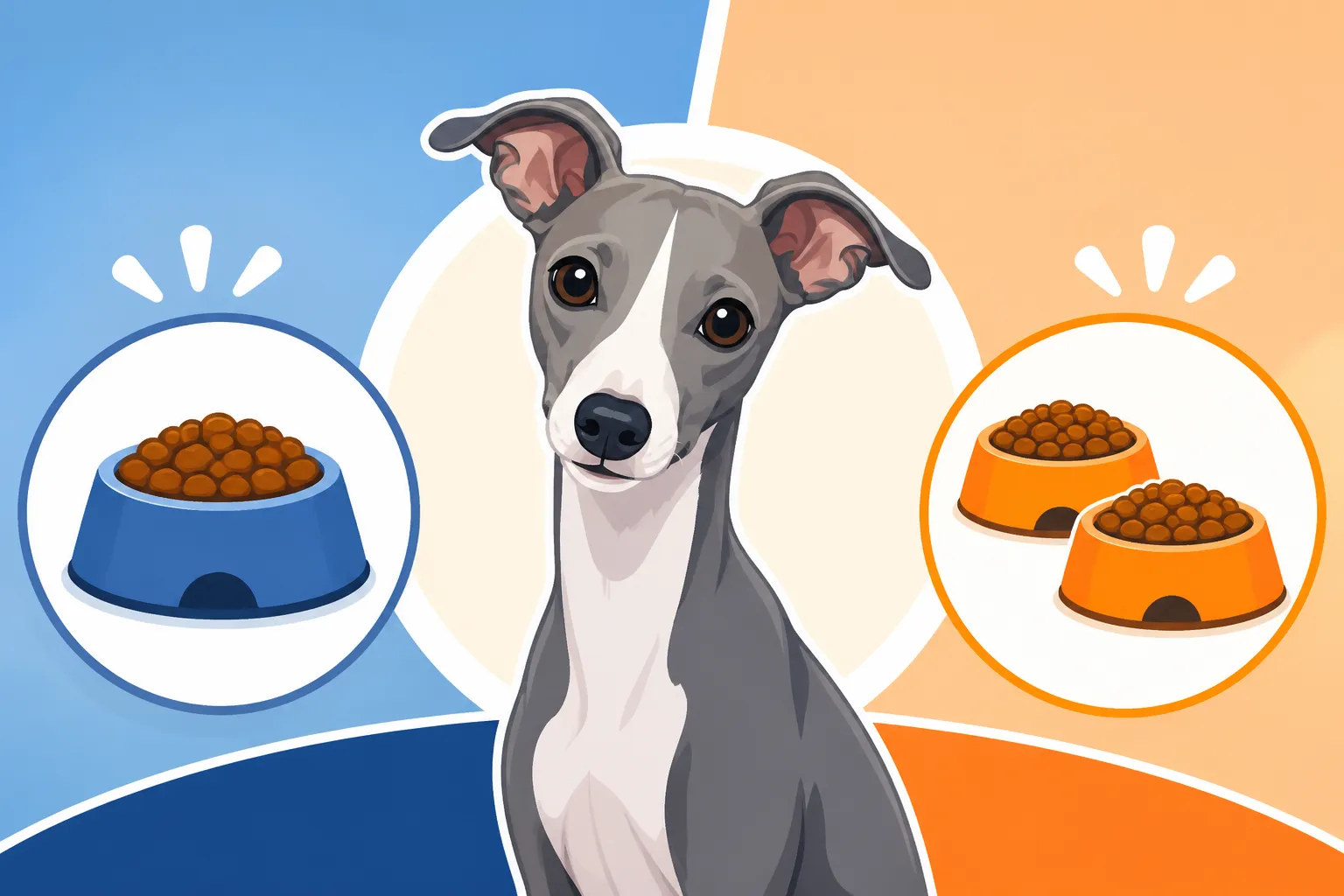
By dividing their daily food allowance into two distinct meals, you're not only better managing their physical capacity but also addressing their psychological need for regular sustenance. It helps them feel satisfied more often without ever feeling uncomfortably full. This approach can also curb that persistent "puppy dog eyes" begging that many Italian Greyhound owners are all too familiar with, as they know another meal isn't too far off. It's about creating a healthy relationship with food, ensuring they're nourished without succumbing to the temptation of overeating which can, over time, lead to unnecessary weight gain.
The Benefits of a Twice-Daily Feeding Schedule for Italian Greyhounds
Adopting a consistent twice-daily feeding schedule offers a wealth of benefits that directly support the unique physiology and temperament of an Italian Greyhound. It's more than just a routine; it's a foundational element of their long-term health and happiness.
Stabilizing Blood Sugar and Energy Levels
As we touched upon, Italian Greyhounds have a speedy metabolism. This means their bodies process and utilize nutrients at a rapid clip. If they only receive one meal a day, they're likely to experience significant fluctuations in their blood sugar levels. Imagine yourself going from a huge breakfast to nothing until dinner – you'd feel sluggish, irritable, and probably have trouble concentrating. Our Iggies feel much the same way.
A twice-daily schedule ensures a more consistent intake of calories and nutrients, preventing those uncomfortable sugar crashes. This steady supply of energy keeps them more alert and active without becoming overly hyper or, conversely, lethargic. You'll likely notice a more even temperament throughout the day, fewer instances of the "shivers" (which can sometimes be related to low blood sugar), and a generally more content dog. This stable internal environment is key to their overall vitality and well-being.
Supporting Digestive Health and Nutrient Absorption
Their small stomachs and sensitive digestive systems thrive on consistency and manageability. A single large meal can overwhelm their system, leading to rushed digestion, reduced nutrient absorption, and potential discomfort. It's like trying to drink from a firehose – most of it splashes out, and you don't get much in.
Dividing their daily allowance into two meals allows their digestive enzymes to work more effectively, thoroughly breaking down the food. This enhanced digestion means their bodies can extract and utilize a greater percentage of the vitamins, minerals, and proteins present in their kibble or wet food. It minimizes the chances of undigested food passing through their system, which can sometimes manifest as loose stools or stomach upset. Ultimately, this leads to better nutrient absorption, ensuring your Italian Greyhound is getting the most out of every bite and truly thriving. When you consider How Much an Adult Italian Greyhound Eats, splitting that into two helps manage the load.
Building Routine and Managing Hunger Between Meals
Dogs, including our intelligent Italian Greyhounds, are creatures of habit. A predictable routine provides a sense of security and reduces anxiety. When they know exactly when their meals are coming, they learn to regulate their hunger and expectations. This can significantly reduce nuisance behaviors like begging or excessive pacing around the food bowl as dinner time approaches.
Establishing a morning and evening feeding time creates a comforting rhythm to their day. It ensures they don't experience prolonged periods of intense hunger, which can sometimes lead to gulping food too quickly when it finally arrives. This routine is beneficial not just for their physical health but also for their mental and emotional well-being. Knowing when to expect their next meal allows them to relax and engage in other activities, confident that their nutritional needs will be met. It's a simple, yet profound, way to enhance their quality of life.
Practical Considerations for Implementing a Twice-Daily Schedule
So, you're on board with the twice-daily feeding plan! Now, let's talk about the practicalities of making it work for your Italian Greyhound. It's not just about splitting the food in half; it's about making informed choices tailored to your individual dog.
Calculating the Right Portions for Optimal Weight
This is perhaps the most crucial step. Italian Greyhounds are very lean, and it's easy for them to become either underweight or overweight if their food isn't precisely measured. Overweight Italian Greyhounds are at an increased risk of orthopedic issues, including potentially breaking a leg, while underweight ones lack vital reserves.
First and foremost, always consult your veterinarian to determine the ideal daily caloric intake for your Italian Greyhound. Factors like age, activity level, and current body condition will play a significant role. Once you have that daily total, simply divide it in half for your two meals.
You should be able to easily feel your Italian Greyhound's ribs without seeing them prominently, and they should have a clear tuck-up at their waist. If you can see their ribs clearly, they might be too thin – refer to Signs an Italian Greyhound Is Underweight. If you can't easily feel them, they might be carrying too much weight, and you should consider Signs an Italian Greyhound Is Overweight. Remember, the "correct" amount of food isn't static; it needs to be adjusted as your dog ages, their activity changes, or if they have specific health needs. Tools like kitchen scales can be incredibly accurate for measuring kibble, preventing accidental over or underfeeding.
Choosing the Best Food for Your Italian Greyhound
The quality of the food you offer your Italian Greyhound is just as important as the frequency. Given their sensitive digestive systems and unique nutritional requirements, opting for high-quality, easily digestible food is paramount. Look for formulas that list a named meat source (like chicken, lamb, or fish) as the first ingredient and avoid excessive fillers, artificial colors, or by-products.
Many owners find reputable online retailers like Chewy or pet food brands like Ollie a convenient source for high-quality kibble and wet food tailored to small breeds. Some Italian Greyhound owners even explore fresh or raw feeding options, but this should always be done under veterinary guidance to ensure a balanced diet. Whether you choose kibble, wet food, or a combination, ensure the food is appropriate for their life stage – puppies, adults, and seniors all have different needs. When an Italian Greyhound Moves to Adult Food is an important transition point to consider. And while some believe Whether Dry Food Keeps an Italian Greyhound's Teeth Clean, dental hygiene goes far beyond kibble alone.
Adapting the Schedule for Puppies, Seniors, and Specific Health Needs
While twice a day is a general recommendation for adult Italian Greyhounds, it's not a rigid rule that applies universally. Different life stages and health conditions often require adjustments.
- Puppies: Italian Greyhound puppies, with their even faster metabolisms and rapid growth, generally need to eat more frequently, often three or even four small meals a day. This ensures a constant supply of energy and nutrients crucial for their development. Your vet will guide you on when to transition them to a twice-daily schedule, typically around 4-6 months of age.
- Seniors: As Italian Greyhounds age (usually around 8-10 years, though The Age an Italian Greyhound Is Considered Senior can vary), their metabolism might slow down slightly, and their activity levels may decrease. They might also develop dental issues, making hard kibble difficult to chew. For senior Iggies, while twice a day often remains appropriate, you might need to adjust portion sizes, consider Softer Food for an Old Italian Greyhound, or choose specialized senior formulas. Regular vet check-ups are essential to monitor their weight and adjust their diet as needed.
- Health Needs: Dogs with certain health conditions, such as diabetes or specific digestive disorders, may require very precise feeding schedules recommended by your veterinarian. For example, a diabetic dog might need meals timed around insulin injections. Always follow your vet's advice for any medically prescribed dietary changes.
| Life Stage | Recommended Feeding Frequency | Key Considerations |
|---|---|---|
| Puppies (8 wks-6 mos) | 3-4 times a day | High metabolism, rapid growth, smaller stomach capacity |
| Adolescents (6 mos-1 yr) | 2-3 times a day | Continue growth, high energy, transition to adult food |
| Adults (1-8 years) | 2 times a day | Stable metabolism, maintaining ideal weight |
| Seniors (8+ years) | 2 times a day | Slower metabolism, potential dental issues, joint health |
Common Pitfalls and Troubleshooting Feeding Issues
Even with the best intentions and a perfectly planned twice-daily schedule, you might encounter some bumps in the road. Italian Greyhounds, for all their charms, can present unique challenges at mealtime.
Dealing with Picky Eaters and Meal Refusal
It's a frustration many Italian Greyhound owners share: a dog that turns up its delicate nose at a perfectly good meal. Unlike some breeds that gobble anything down, Iggies can be notoriously picky, or suddenly decide they don't like a food they once adored. Getting a Picky Italian Greyhound to Eat can feel like a full-time job.
First, rule out any underlying health issues with your vet. Dental pain, an upset stomach, or other medical problems can cause a loss of appetite. If medically cleared, consider whether their environment is too noisy or stressful during mealtimes. Some Iggies prefer peace and quiet. You might also try warming wet food slightly or adding a tiny bit of low-sodium broth to kibble to enhance its appeal. Resist the urge to constantly switch foods or offer too many human food scraps, as this can reinforce pickiness. Sometimes, simply taking the food away after 15-20 minutes and offering it again at the next scheduled meal, without any fuss, teaches them that food is available at certain times and then it's gone.
Managing Rapid Eaters and Bloat Concerns
While Italian Greyhounds typically do not experience bloat (gastric dilatation-volvulus), a life-threatening condition more common in deep-chested, large breeds, they can still be very fast eaters. This rapid consumption can lead to gulping air, indigestion, or even vomiting immediately after eating. It's a common sight to see an Italian Greyhound inhale their dinner in under a minute!
If your Italian Greyhound is a speed eater, consider investing in a slow-feeder bowl or a puzzle feeder. These bowls have raised obstacles that force the dog to eat around them, significantly slowing down their intake. Another simple trick is to spread their food out on a large, flat plate or cookie sheet, making it harder for them to grab big mouthfuls. While the risk of bloat for an Italian Greyhound is extremely low, as explored in Why an Italian Greyhound Does Not Bloat, slowing down their eating promotes better digestion and reduces post-meal discomfort.
Incorporating Treats and Supplements into the Daily Intake
Treats are a wonderful tool for training, bonding, and just spoiling our little sighthounds. However, it's crucial to remember that treats contain calories, and those calories contribute to their overall daily intake. It's easy to accidentally overfeed an Italian Greyhound with too many treats, leading to unwanted weight gain.
When using treats, opt for small, low-calorie options, and always factor them into their daily caloric budget. If you're giving a lot of training treats, reduce the size of their main meals slightly. You can find a wide array of specialized supplements on platforms like Amazon if your vet recommends them. Supplements, whether for joint health, skin and coat, or overall vitality, also need to be considered as part of their diet. Always consult your veterinarian before adding any new supplements to ensure they are appropriate for your dog's specific needs and won't interact negatively with their diet or any existing medications. Proper management of treats and supplements ensures they enhance, rather than detract from, your Italian Greyhound's balanced nutritional plan.
Disclaimer
This article is for general informational purposes only and does not constitute professional advice. Laws, prices and regulations vary by location and change over time. Consult a qualified professional for guidance on your specific situation.