Whether an Italian Greyhound Should Eat Wet Food
Deciding what to feed your beloved Italian Greyhound can feel like navigating a minefield of conflicting advice, and when it comes to wet food, many owners wonder if it's a good fit for their delicate little dogs. It’s a common frustration, especially with Italian Greyhounds who can be notoriously picky eaters or have unique health considerations. This guide is here to unravel the mystery and help you understand the nuances of feeding wet food to your Italian Greyhound, ensuring they get the nutrition they need to thrive.
Understanding the Italian Greyhound's Unique Dietary Needs
Our Iggies are truly one-of-a-kind, and their diet needs to reflect that. They aren't built like a Labrador or even a sturdy Beagle. With their slender frames, paper-thin skin, and incredibly fast metabolisms, they have some specific nutritional requirements that we, as their devoted caretakers, really need to pay attention to. Forget generic dog food recommendations; for an Italian Greyhound, it's all about precision.
The Italian Greyhound's Delicate Digestive System
It’s no secret that Italian Greyhounds can sometimes have stomachs as sensitive as their dispositions. Many owners have experienced the dreaded "Iggy tummy" – sudden bouts of upset, loose stools, or refusal to eat, often triggered by a minor change in diet or even just stress. This sensitivity means that any dietary change, including the introduction of wet food, needs to be approached with care and patience. You don't want to just swap out their kibble for a can overnight; that's a recipe for disaster. Their systems thrive on consistency, but also on high-quality, easily digestible ingredients that won't irritate their sensitive guts. It's not uncommon to find an Italian Greyhound that's a bit particular about what they eat, turning their nose up at perfectly good food if it doesn't meet their discerning standards. This pickiness can be a challenge, making palatable wet food an attractive option for some.
Nutritional Requirements for Optimal Health
Despite their small size, Italian Greyhounds are bundles of energy, and that energy demands proper fuel. They require a diet rich in high-quality protein to maintain their lean muscle mass. Remember, these dogs carry very little body fat, so muscle is paramount to their overall health and strength. Good fats are also essential for their skin and coat health, not to mention providing concentrated energy without a lot of bulk. When considering any food, wet or dry, look for ingredients that support this lean, active physique.
Calorie density is another factor. While they're small, their high metabolism means they burn through calories quickly. However, overfeeding can lead to unwanted weight gain, which puts undue stress on their delicate bone structure. Finding the right balance of nutrient-rich food in appropriate portions is key. It's a fine line to walk, ensuring they get enough to sustain their energy without piling on extra pounds. Keeping an eye on How Much an Adult Italian Greyhound Eats is vital, as it's often less than you might think. Also, understanding Feeding an Italian Greyhound That Carries Seventeen Percent Body Fat helps underscore just how lean they naturally are.
The Pros and Cons of Feeding Wet Food to Your Italian Greyhound
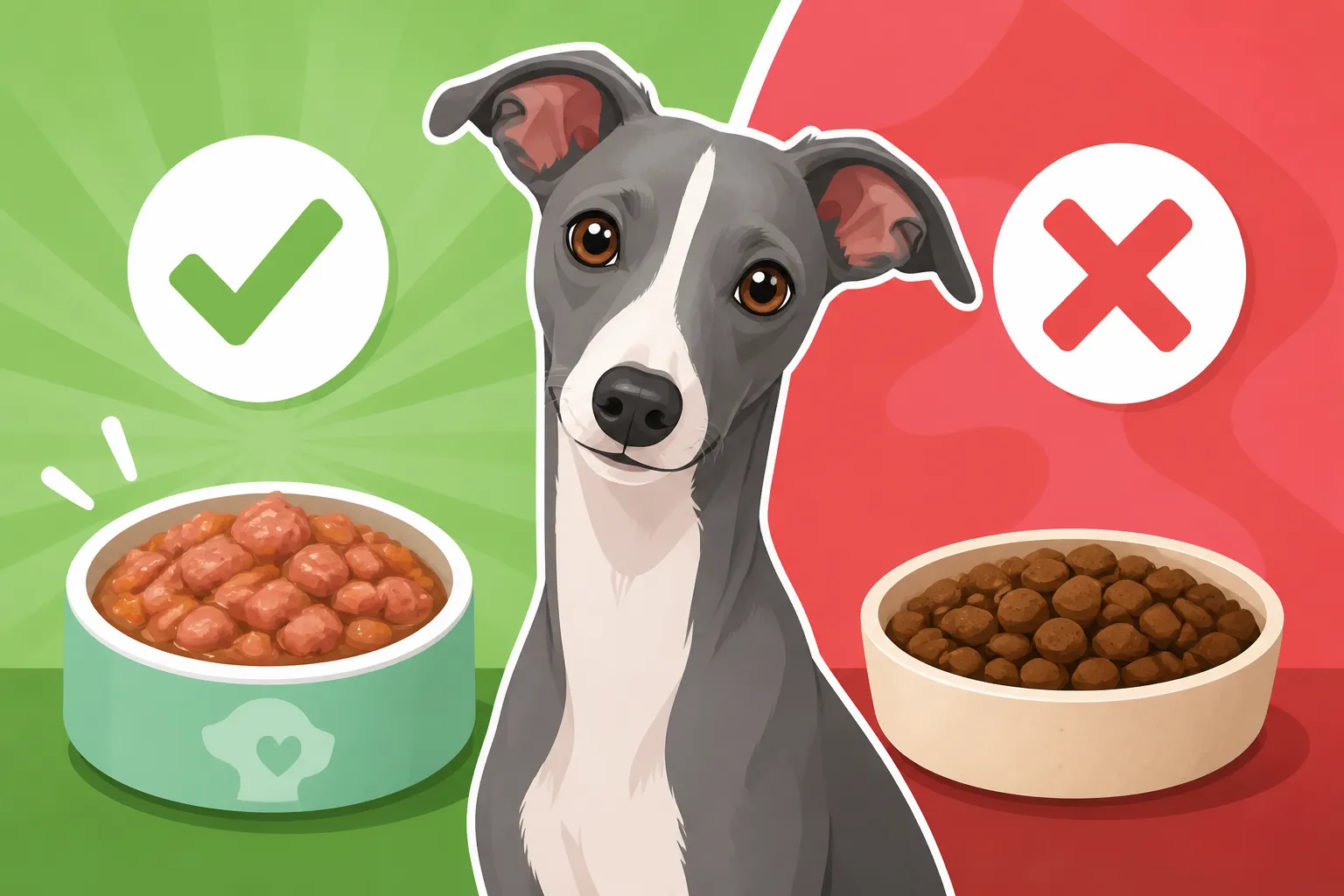
Now, let's get down to the nitty-gritty of wet food itself. It's not a simple yes or no answer for Italian Greyhounds. There are definite advantages that can make it a fantastic choice for some Iggies, but also potential drawbacks that every owner should be aware of. It's about weighing these factors against your individual dog's needs and your lifestyle.
Advantages of Wet Food for Iggies
One of the most immediate benefits of wet food is hydration. Italian Greyhounds, like many dogs, don't always drink enough water, especially if they're not particularly active or it's not a hot day. Wet food contains a significant amount of moisture, often up to 75-80%, which can dramatically boost their daily water intake. This added hydration is fantastic for kidney health, urinary tract function, and overall systemic well-being. It’s a passive way to ensure they're getting those crucial fluids, which is especially important if you live in a drier climate or have an Iggy who's a bit finicky about drinking.
Then there's the undeniable appeal of palatability. Let's be honest, wet food smells and tastes amazing to most dogs, and Italian Greyhounds are no exception. For those Iggies who are picky eaters, or if you're dealing with a senior dog whose appetite might be waning, wet food can be a game-changer. It can entice them to eat when kibble simply isn't cutting it. This can be a huge relief for owners who worry about their thin Italian Greyhounds not getting enough calories, especially if they're showing Signs an Italian Greyhound Is Underweight. A delicious wet food can make mealtime a much more positive experience for both of you.
For dogs with dental issues, which, let's face it, is a huge concern for Italian Greyhounds, wet food can be easier to manage. Periodontal Disease Is the Italian Greyhound's Most Common Diagnosis is a stark reality for the breed. Their tiny mouths and crowded teeth are prone to plaque and tartar buildup, leading to significant dental problems early in life. Chewing hard kibble can sometimes be painful for dogs with sore gums or missing teeth. Wet food, being soft and easy to swallow, allows them to eat comfortably without exacerbating any oral discomfort. This doesn't mean it solves dental problems, but it certainly helps them eat through them.
Finally, wet food can be nutrient-dense. Many high-quality wet foods are formulated with excellent protein sources and beneficial ingredients that can be packed into a smaller volume, meaning your Italian Greyhound gets a lot of goodness without needing to consume a huge amount. This is perfect for those Iggies with smaller appetites or sensitive stomachs who need efficient nutrient delivery. Brands like Ollie often provide fresh, human-grade wet food options that focus on these high-quality, digestible ingredients, which can be a real boon for an Italian Greyhound's specific needs.
Potential Drawbacks and Considerations
While wet food has its perks, it's not without its downsides, particularly for Italian Greyhounds. The most significant concern often revolves around dental hygiene. Contrary to popular belief, soft wet food provides no abrasive action to help clean teeth. In fact, some argue that it can even cling to teeth more easily, potentially accelerating plaque and tartar buildup. Given that How Common Dental Disease Is in an Italian Greyhound is incredibly high, relying solely on wet food without rigorous preventative care could spell trouble. Owners absolutely must commit to daily teeth brushing if wet food is a primary part of the diet. Ignoring this could lead to more frequent and costly dental cleanings. Brushing an Italian Greyhound's Teeth Is the Care Task That Matters is always true, but especially so with a wet food diet.
Another factor is cost. Generally, wet food tends to be more expensive per serving than dry kibble. For a breed that lives Why an Italian Greyhound Lives Fourteen to Fifteen Years, this can add up significantly over their lifespan. Budgeting for this higher cost is something every owner needs to consider. You also might find that larger stores like Chewy offer a wide range of wet food brands at various price points, but the premium, high-quality options suitable for a delicate Iggy often come with a higher price tag.
Storage and convenience can also be a slight hassle. Once opened, wet food typically needs to be refrigerated and used within a few days to prevent spoilage. This might not be an issue for a single-dog household, but if you're managing multiple pets or if your Iggy only eats small portions, it can lead to more waste or the need for smaller can sizes. Unlike a bag of kibble that can sit on the counter for weeks, wet food requires a bit more active management.
| Feature | Wet Food for Italian Greyhounds | Dry Food (Kibble) for Italian Greyhounds |
|---|---|---|
| Hydration | Excellent (high moisture content) | Low (dogs need to drink water separately) |
| Palatability | Very high (appealing aroma and texture) | Varies, some Iggies are picky |
| Dental Health | Provides no abrasive cleaning; requires diligent brushing | Can offer some abrasive cleaning, but often insufficient for Iggies |
| Cost | Generally higher per serving | Generally lower per serving |
| Convenience | Requires refrigeration after opening, shorter shelf life | Shelf-stable, easy to store and serve |
| Digestibility | Often highly digestible, good for sensitive stomachs | Varies greatly by brand and ingredients |
| Calorie Density | Can be very high quality and nutrient-dense in smaller portions | Can be energy-dense, but some Iggies may struggle with volume |
How to Choose and Introduce Wet Food Safely
If you've decided that wet food might be a good option for your Italian Greyhound, either as a primary diet or a supplement, the next step is to choose wisely and introduce it carefully. This isn't a decision to rush into, especially with their sensitive systems.
Selecting High-Quality Wet Food
Not all wet foods are created equal, and for an Italian Greyhound, quality truly matters. You want to look for brands that prioritize whole, identifiable ingredients. The first few ingredients on the label should be named meats (e.g., "chicken," "lamb," "salmon") rather than vague terms like "meat by-products" or "animal digest." These indicate a higher protein quality, which is crucial for their muscle maintenance.
Avoid foods with excessive fillers like corn, wheat, or soy, as these can be common allergens or difficult for sensitive Italian Greyhound stomachs to digest. Also, be wary of artificial colors, flavors, and preservatives. Opt for natural ingredients with added vitamins and minerals to ensure a complete and balanced diet. Some reputable brands offer small-breed specific formulas, which might be ideal as they are often designed with appropriate kibble size (though less relevant for wet food texture) and nutrient profiles for smaller, more active dogs. Reading reviews from other small breed owners, especially sighthound owners, can also be helpful in finding a good fit. Check out options on online retailers like Amazon, which often have detailed ingredient lists and customer feedback.
Gradual Transition and Monitoring
Once you've picked a high-quality wet food, the introduction process is paramount. A sudden switch can upset your Iggy's stomach, leading to diarrhea or vomiting, which is unpleasant for everyone involved. The golden rule is slow and steady. Over a period of 7-10 days, gradually mix increasing amounts of the new wet food with decreasing amounts of their current food.
Start by replacing just about 10-20% of their old food with the new wet food for a couple of days. If all goes well – meaning no digestive upset – you can then increase the new food to 30-40% for another few days, and so on, until they are entirely on the new diet. Throughout this process, keep a close eye on their stool quality, appetite, and overall demeanor. Any signs of discomfort or changes in their waste mean you should slow down the transition or consult with your vet. This careful approach helps their digestive system adjust without shock.
Addressing Dental Health with Wet Food
This is perhaps the most critical consideration if you choose a wet food diet for your Italian Greyhound. As mentioned, wet food doesn't clean teeth. Therefore, you absolutely must step up your dental care routine. Daily tooth brushing is no longer optional; it becomes a necessity. Invest in a small, soft toothbrush or a finger brush designed for small dogs, and a dog-specific toothpaste (never use human toothpaste). Make it a positive experience with praise and treats.
Beyond brushing, consider other dental health aids. Dental chews can help, but choose them carefully as some can be too hard and risk breaking teeth, which is a real concern for Iggies. There are also water additives and oral rinses that can help reduce bacteria and plaque buildup. Regular veterinary dental check-ups are non-negotiable, and your vet may recommend professional cleanings more frequently. Don't let the ease of eating wet food overshadow the critical need to protect your Italian Greyhound's precious teeth. Understanding Why an Italian Greyhound's Teeth Crowd and Whether an Italian Greyhound Can Keep Its Teeth for Life truly highlights the proactive approach needed.
Combining Wet and Dry Food: The Best of Both Worlds?
For many Italian Greyhound owners, the ideal solution isn't an either/or choice but a combination of wet and dry food. This approach can leverage the benefits of both while mitigating some of the drawbacks. It’s about finding a balance that works for your individual Iggy.
Topping Kibble with Wet Food: Enhancing Palatability
One of the most popular ways to incorporate wet food is by using it as a "topper" for their regular dry kibble. This method is fantastic for boosting the palatability of an otherwise uninspiring bowl of kibble. If your Italian Greyhound is a finicky eater or tends to leave food in their bowl, a tablespoon or two of delicious wet food mixed in can often make all the difference. The enticing aroma and texture can encourage them to finish their meal, ensuring they get all the necessary nutrients and calories. This is especially helpful for Iggies who are lean and need every bit of nutrition they can get. Plus, it adds a little extra moisture to their meal without completely switching their diet.
This approach means you're still relying on the kibble for the bulk of their dental stimulation (however minor) and the base nutrition, while the wet food acts as a tempting enhancement. You can easily find a variety of wet food toppers on platforms like Chewy, making it simple to experiment with different flavors and textures to see what your Italian Greyhound loves most.
Rotational Feeding Strategies: Variety and Nutrient Benefits
Another strategy is to practice rotational feeding, where you might offer wet food for one meal and kibble for another, or alternate between days. This approach offers a wider range of nutrients, as different wet and dry foods will have slightly different ingredient profiles. It also introduces more variety into your Italian Greyhound's diet, which can keep meal times exciting and prevent them from getting bored with the same old food day in and day out.
Rotational feeding can also be beneficial for dogs with mild food sensitivities, as it reduces prolonged exposure to a single set of ingredients. However, if you choose this method, it's even more crucial to introduce each new food gradually, as switching back and forth too quickly can still cause digestive upset. You'll want to ensure that all foods you offer are high-quality and complete and balanced for your dog's life stage. This method requires a bit more planning and a clear understanding of your dog's specific needs, but it can be very rewarding in terms of diet enrichment.
Ultimately, whether your Italian Greyhound should eat wet food depends on a multitude of factors, from their individual health needs and dental status to their pickiness and your budget. There’s no single right answer, but by understanding the pros and cons and committing to a diligent dental hygiene routine, you can make an informed choice that keeps your beloved Iggy healthy and happy.
Disclaimer
This article is for general informational purposes only and does not constitute professional advice. Laws, prices and regulations vary by location and change over time. Consult a qualified professional for guidance on your specific situation.