Why an Italian Greyhound Eats Through a Sore Mouth
It’s truly heartbreaking and often incredibly confusing when you suspect your beloved Italian Greyhound is in pain, especially when it comes to their mouth, yet they continue to eat. You watch them crunch their kibble or eagerly slurp up their wet food, and a part of you breathes a sigh of relief, thinking maybe it’s not as bad as you feared. But then that nagging worry creeps back in, because you know your little friend, and something just doesn't seem right. This guide is here to shed light on why IGs might eat through a sore mouth, what common issues could be at play, and how you can be their best advocate.
The Stoic Nature of the Italian Greyhound
Italian Greyhounds are exquisite creatures, known for their delicate build, their incredible speed, and their deep bond with their humans. What many new owners don’t realize, however, is that beneath that loving, often goofy exterior lies a strong, ancient instinct to hide weakness. This isn't stubbornness or a lack of trust; it's a deeply ingrained survival mechanism.
Masters of Disguise: Why IGs Hide Pain
Think about their lineage. Sighthounds, by nature, were bred to hunt, but in the wild, appearing weak or injured could make them a target for predators or challenge their standing within a pack. This instinct to mask vulnerability is still very much alive in our modern Italian Greyhounds, even though their biggest threat these days is usually a slippery floor or a high jump. They don't want to show pain because, on a primal level, it signals weakness.
This means you might not see the dramatic limp or hear the pained yelp you'd expect from other breeds. Instead, your Italian Greyhound might become a little more withdrawn, perhaps sleeping more, or simply being less enthusiastic about playtime. They might avoid certain interactions or positions that put pressure on a painful area. When it comes to mouth pain, they often don’t stop eating until the pain is truly excruciating, or they absolutely cannot physically chew. It’s a survival trait that, while admirable in a wild setting, makes things incredibly difficult for concerned pet parents who are trying to assess their well-being. This is a breed that truly exemplifies How an Italian Greyhound Hides Pain.
The Silent Struggle: Signs Your IG is in Pain (Even if They're Eating)
So, if eating isn't always the best indicator, what should you be looking for? The signs of mouth pain in an Italian Greyhound are often subtle, almost imperceptible to the untrained eye. It requires you to be a super sleuth, observing their normal behaviors and noticing the tiniest deviations.
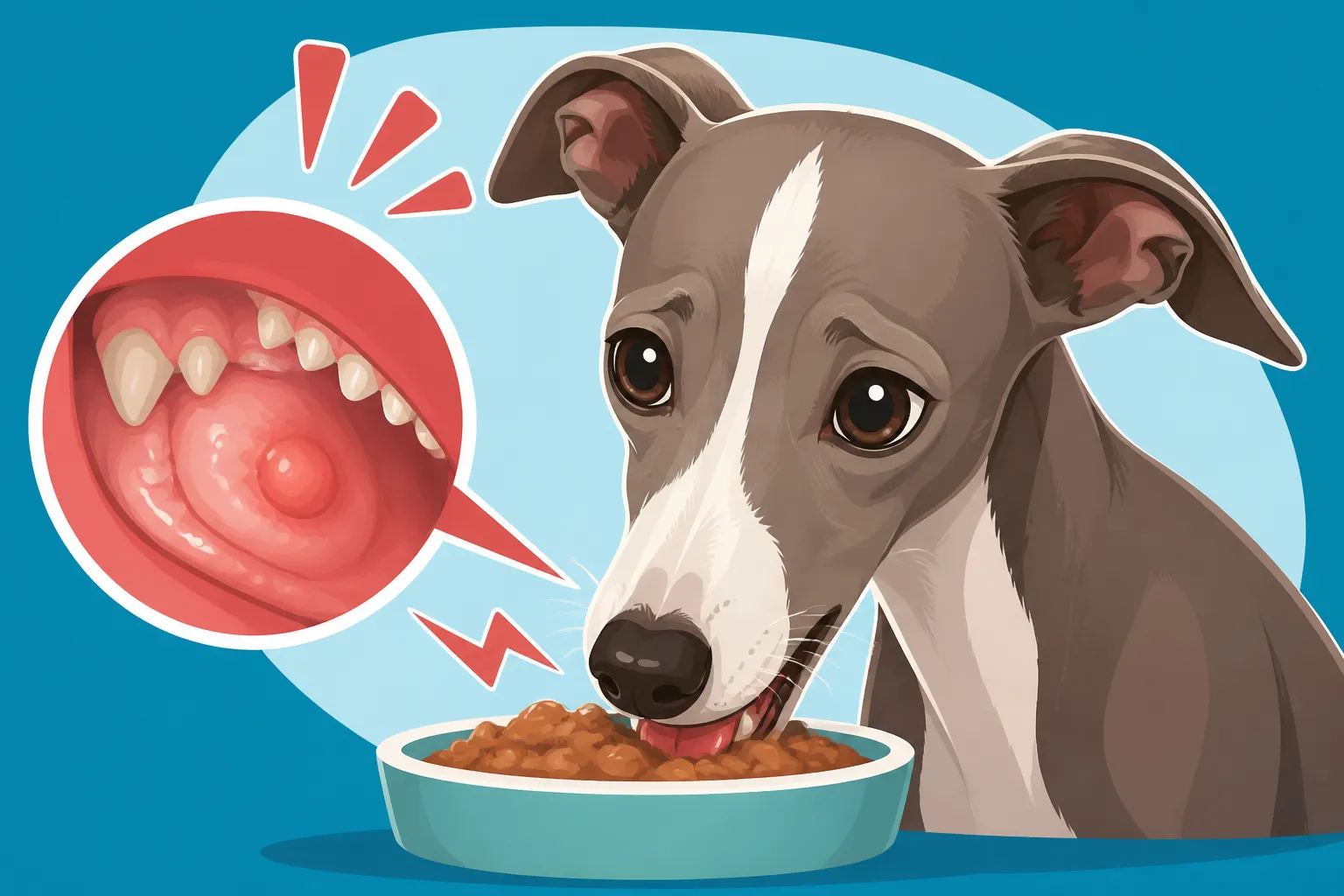
You might see them chew on one side of their mouth, or tilt their head at an unusual angle when picking up food. Perhaps they drop food more often than usual, or they suddenly prefer softer treats over crunchy ones. Sometimes, they might take longer to eat, or leave small bits of food behind. You might also notice excessive drooling, pawing at their mouth, rubbing their face on furniture, or even a sudden aversion to having their head or muzzle touched. Bad breath, of course, is a huge red flag for What Bad Breath Means in an Italian Greyhound. Changes in grooming habits, such as avoiding self-grooming or being less meticulous, can also point to oral discomfort. They might also shy away from toys they once loved, especially hard chew toys, opting for softer options that don't aggravate a sore spot.
When Eating Becomes a Reflex: Overriding Discomfort for Sustenance
For many Italian Greyhounds, the drive to eat is incredibly strong. They are often lean, active dogs with a good appetite. When their mouth hurts, it's not that they don't feel the pain; it's that the basic biological imperative to eat often overrides the discomfort, at least for a while. Imagine having a sore tooth yourself, but being so hungry you still push through the pain to eat. It's a similar concept.
They might adjust their eating style to cope. This could involve trying to swallow kibble whole, or only chewing on one side of their mouth. If you offer them soft food, they might devour it quickly, finding relief from the chewing motion, but this doesn't mean the underlying problem has vanished. In fact, it can sometimes make it harder for you to realize the extent of their discomfort because they're still cleaning their bowl. Their lean body condition, which is a hallmark of the breed, also means they don't have a lot of reserves, making them even more compelled to consume calories despite pain.
Common Dental Issues Leading to a Sore Mouth
Italian Greyhounds are notorious for their dental problems. Their long, narrow muzzles are often not designed to comfortably house all 42 adult teeth, leading to crowding, misalignment, and a host of other issues that can cause significant pain and discomfort, often unnoticed by their devoted owners until it's quite advanced.
Periodontal Disease: The Silent Destroyer
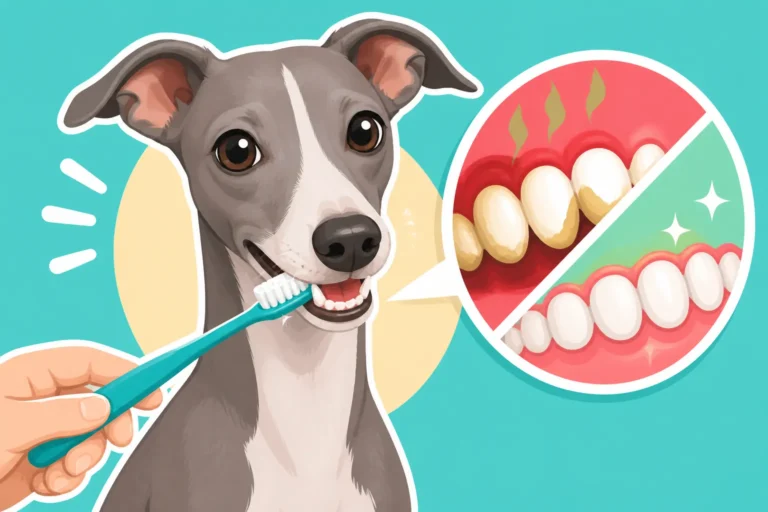
This is, hands down, the most common dental problem in Italian Greyhounds, and it’s a truly insidious one. Periodontal Disease Is the Italian Greyhound's Most Common Diagnosis. It starts innocently enough with plaque buildup, which hardens into tartar. This tartar then irritates the gums, leading to gingivitis. If left untreated, it progresses to full-blown periodontal disease, where the gums recede, infection attacks the bone supporting the teeth, and pockets form around the tooth roots.
Your IG might still eat through this because the pain escalates gradually. At first, it's just a bit of sensitivity, which they learn to ignore or work around. As bone loss occurs and roots become exposed, the pain becomes more severe, but by then, eating is a deeply ingrained habit. They might also have multiple teeth affected, making it impossible to favor just one area, so they just push through. The smell from severe periodontal disease is often one of the first things owners notice, but by then, the disease is already quite advanced and causing significant pain and infection. You might think, "Well, they're eating, so it can't be that bad," but periodontal disease is a constant, throbbing ache that your dog is simply enduring.
Fractured or Broken Teeth: Hidden Damage
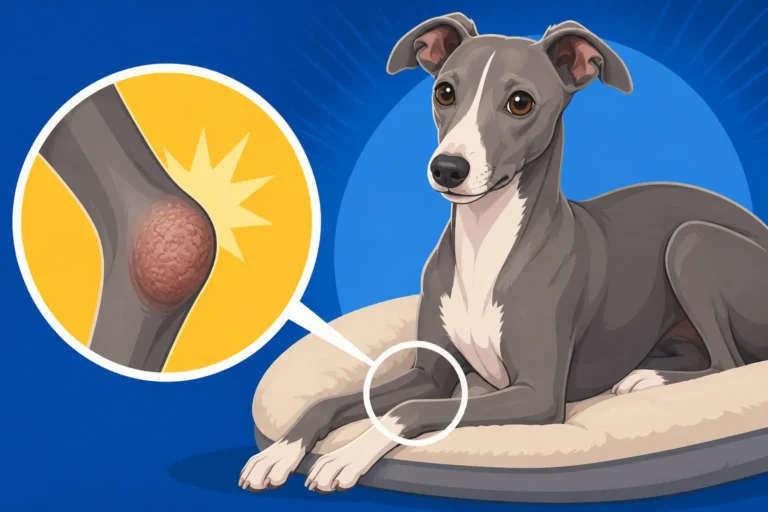
It's not just big, boisterous dogs who break teeth. Italian Greyhounds, despite their delicate appearance, can also suffer from fractured teeth. This can happen from chewing on hard toys, getting into something they shouldn't, or even an accidental fall where they impact their mouth. A cracked tooth might not be immediately obvious, especially if the fracture extends below the gum line or is on an inner surface.
If only one tooth is affected, your IG might simply learn to chew on the other side of their mouth, thus appearing to eat normally. However, a fractured tooth can expose the pulp, leading to excruciating pain, infection, and abscess formation. The pain can be sharp and intermittent, triggered by cold water, chewing, or pressure. Again, their stoicism means they might try to endure this pain, even if it causes them significant distress. You might notice them favoring certain textures of food, or being more hesitant with their favorite chews bought from stores like Chewy or Amazon.
Retained Deciduous Teeth and Crowding: Puppy Problems Persist
Many Italian Greyhound puppies have issues with Retained Baby Teeth in an Italian Greyhound. Their baby teeth often don't fall out when they should, and the adult teeth erupt right alongside them, leading to a crowded mouth. This overcrowding creates perfect little pockets for food particles and bacteria to accumulate, making it very difficult for owners to clean effectively, even with diligent brushing.
This crowding, even without retained baby teeth, often sets the stage for early-onset periodontal disease. The teeth rub against each other, trapping debris and leading to inflammation and infection. While not always immediately painful in the same way a fracture is, this constant irritation and infection can lead to a chronically sore mouth. Puppies and young IGs might still eat vigorously because they don't know any different – this crowded, irritated mouth might be all they've ever experienced. It's a low-grade, persistent discomfort rather than an acute, sudden pain.
Understanding an Italian Greyhound's Eating Habits Amidst Pain
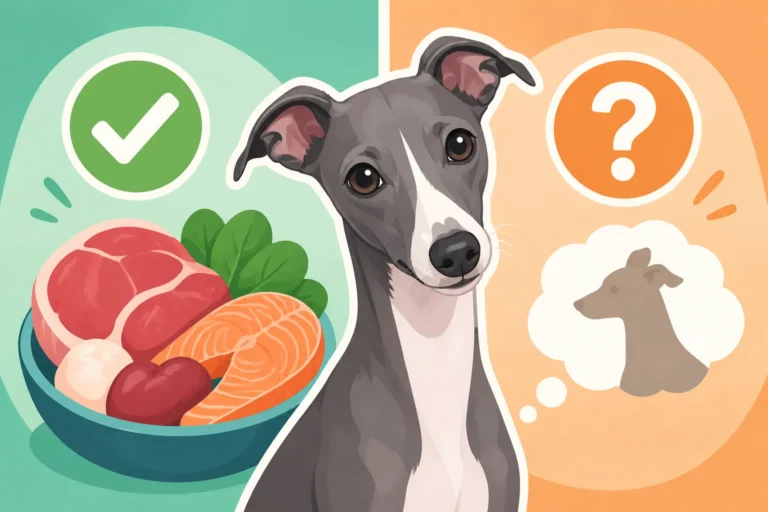
It's a perplexing paradox: how can a dog be in pain and still eat? It really comes down to a combination of their innate stoicism, basic survival instincts, and sometimes, our unwitting efforts to help them.
The "Soft Food Solution" A Temporary Mask
Many Italian Greyhound owners, upon noticing any hesitation with kibble, instinctively switch to softer food options. And rightly so, as we want to make our beloved pets comfortable! Offering canned food, soaked kibble, or fresh food from services like Ollie can certainly make it easier for an Italian Greyhound with a sore mouth to eat. They will often devour this food with gusto because it requires less chewing and causes less irritation to their sensitive gums or fractured teeth.
However, while this is a kind and immediate solution to ensure they get nutrition, it inadvertently masks the underlying problem. Because they are still eating, you might delay a trip to the vet, assuming the issue isn't severe. This can allow dental disease or a fracture to progress further, becoming more painful and more complicated to treat. It's a double-edged sword: you're helping them eat, but potentially hindering an early diagnosis. If your IG suddenly prefers soft food, consider it a serious clue, not a cure.
Small Bites, Fast Swallows: Adaptations to Discomfort
Watch your Italian Greyhound carefully when they eat. If they have mouth pain, you might notice them adopting some compensatory behaviors. Instead of a strong, rhythmic crunching, they might take smaller bites, chew very slowly, or try to swallow pieces of food whole. They might drop food, pick it up again, drop it, and eventually manage to get it down.
Another common adaptation is to eat very quickly, almost gulping their food. This can be an attempt to get the meal over with before the pain becomes too intense. They might also shift their head, trying to find an angle that minimizes contact with the painful area. These subtle changes can be easy to miss, especially if you’re not actively looking for them. It's important to differentiate this from a naturally fast eater; with mouth pain, these rapid eating habits often develop suddenly or become more pronounced. Pay close attention to Signs an Italian Greyhound Has Broken a Leg too, as a mouth injury might occur during the same accident.
The Role of Hunger Drive: Eating Out of Necessity
Ultimately, Italian Greyhounds are animals, and eating is a fundamental need. They have a strong metabolic rate for their size and typically carry very little body fat, making regular food intake crucial. Why an Italian Greyhound Carries Almost No Body Fat. When they continue to eat through a sore mouth, it’s not because they don't feel pain, but because their drive to survive and maintain energy levels is incredibly powerful. They understand, on an instinctual level, that they need calories to function.
This is why, as pet owners, we cannot rely solely on whether our Italian Greyhound is eating to determine their comfort level. A full food bowl might seem like a green light, but in the context of Italian Greyhounds and their propensity for dental issues, it's often a misleading signal. Think of it as them "powering through." Their instinct for survival is strong, and a meal is a resource they won't easily give up, even if every bite sends a jolt of pain through their jaw.
What to Do When You Suspect a Sore Mouth
If you have even the slightest inkling that your Italian Greyhound might have a sore mouth, it's time to take action. Early intervention can save them from prolonged pain, prevent more severe health issues, and often lead to less invasive and less costly treatments down the line.
Home Inspection: What You Can (Carefully) Look For
Before rushing to the vet, a quick, gentle home inspection can sometimes give you clues. Choose a time when your Italian Greyhound is relaxed and happy. Start by gently lifting their lips to examine their gums and visible teeth. Look for:
- Redness or Swelling: Are the gums inflamed or puffy?
- Tartar Buildup: Do you see hard, yellowish-brown deposits on the teeth, especially the molars?
- Missing or Broken Teeth: Are there any gaps or visible chips/fractures?
- Loose Teeth: Gently try to wiggle a few teeth (if your dog allows) – any movement is a concern.
- Foul Odor: Is their breath noticeably worse than usual? What Bad Breath Means in an Italian Greyhound
- Lesions or Growths: Any unusual bumps or sores inside the mouth?
Remember, be extremely gentle. If your Italian Greyhound shows any sign of pain or aggression, stop immediately. You don't want to cause further discomfort or create a negative association with mouth handling. Even if you don't see anything obvious, trust your gut if your dog is exhibiting other signs of discomfort.
The Importance of Veterinary Dental Exams: Don't Delay
This is paramount. Because Italian Greyhounds are so adept at hiding pain, and so many issues are below the gum line, a thorough veterinary dental examination is the only way to truly understand what's going on. This often requires sedation or general anesthesia, as a conscious dog will not allow a vet to fully probe gum pockets, take X-rays, or inspect every tooth surface. Why an Italian Greyhound's Dental Requires Anesthesia.
During this exam, your vet will perform a comprehensive oral assessment, including dental X-rays. These X-rays are critical because they reveal problems not visible to the naked eye, such as bone loss, root abscesses, and impacted teeth. Without them, even a skilled vet is only seeing about a third of the picture. Don't put off this crucial step, as delaying can lead to infections spreading to other parts of the body, affecting organs like the heart, liver, and kidneys, which can ultimately shorten Why an Italian Greyhound Lives Fourteen to Fifteen Years.
Supporting Your IG Through Dental Treatment and Recovery
If your Italian Greyhound needs dental work, the recovery process is just as important as the procedure itself. Your vet will likely prescribe pain medication and possibly antibiotics. Stick to the schedule faithfully to ensure your dog stays comfortable and infection-free.
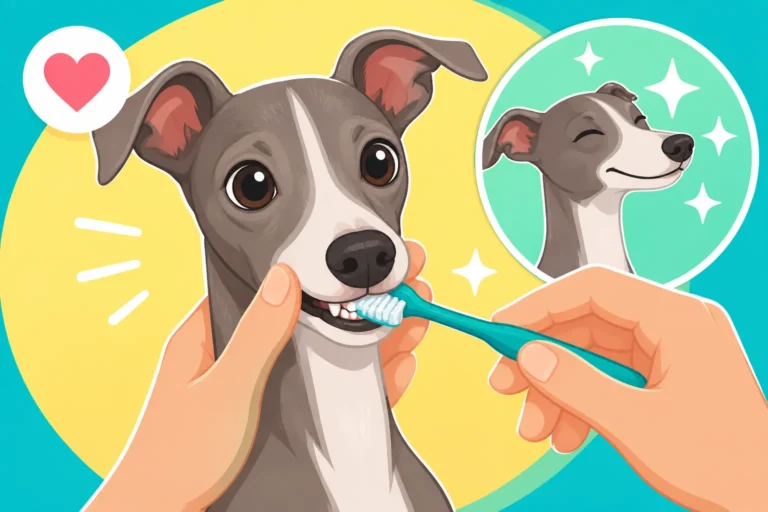
For several days, your IG will need soft food. This is where options from Chewy or Ollie, or even just soaking their regular kibble in warm water, become invaluable. Ensure they have access to fresh water. Keep an eye on their incision sites if they've had extractions, and watch for any signs of swelling, excessive drooling, or renewed pain. Limit strenuous activity and avoid hard chew toys until they're fully healed. It’s a temporary inconvenience that leads to a lifetime of better oral health and a much happier, pain-free Italian Greyhound. Once they’ve recovered, maintaining a consistent home dental care routine, including daily brushing with a specialized toothbrush from Amazon, can help prevent future issues. Brushing an Italian Greyhound's Teeth Every Day is key to long-term oral health.
Here’s a quick overview of some common dental issues and how your IG might try to cope:
| Dental Issue | Common Signs (Often Subtle) | How an IG Might Cope While Eating | Potential Consequences if Untreated |
|---|---|---|---|
| Gingivitis/Periodontal Disease | Red, swollen gums; bad breath; mild pawing at mouth | Chewing on one side; eating faster; favoring soft foods | Tooth loss; bone infection; systemic health issues |
| Fractured Tooth | Sudden aversion to hard chews; dropping food; favoring one side | Swallowing pieces whole; only chewing on opposite side | Abscess; pulp infection; severe pain; extraction needed |
| Retained Baby Teeth | Crowded teeth; food trapping; slight gum inflammation | No obvious eating changes (often chronic, low-grade pain) | Early periodontal disease; malocclusion; infection |
| Tooth Root Abscess | Facial swelling; eye discharge (if upper tooth); lethargy | Reluctance to open mouth wide; soft food preference | Spreading infection; bone destruction; severe pain |
| Oral Lesions/Growths | Visible bumps; changes in breath; difficulty closing mouth | Avoiding chewing on specific side; difficulty picking up food | Worsening pain; difficulty eating; potential malignancy |
Disclaimer
This article is for general informational purposes only and does not constitute professional advice. Laws, prices and regulations vary by location and change over time. Consult a qualified professional for guidance on your specific situation.