The Age an Italian Greyhound Is Most Likely to Break a Leg
One of the biggest anxieties for any Italian Greyhound owner, especially those new to the breed, is the dreaded broken leg. It's a heartbreaking, expensive, and often preventable incident, and understanding when your beloved companion is most at risk can make all the difference. This guide will meticulously break down the age ranges where Italian Greyhounds are most prone to fractures, explore the underlying reasons, and equip you with practical knowledge to safeguard your delicate friend.
The Critical Window: Why Young Italian Greyhounds Are Most Vulnerable
It's a stark reality that Italian Greyhounds are incredibly prone to leg breaks, and sadly, this risk isn't evenly distributed across their lifespan. There's a critical window, primarily in their youth, when their bones are still developing and their enthusiasm often outweighs their physical resilience. Owners often find themselves agonizing over every jump and every tumble, and for good reason—the statistics show a clear trend.
Understanding Bone Development in Italian Greyhound Puppies
Imagine a toddler's bones versus an adult's. They're simply not the same. Italian Greyhound puppies, like all young dogs, have bones that are still forming and hardening. Their long, slender limbs, while elegant, are not as dense or as strong as they will become. This means they're intrinsically more susceptible to trauma. The very structure that defines their grace also makes them fragile in their early years. This delicate skeletal system is a key factor in Why an Italian Greyhound's Leg Bones Break So Easily. It’s not just about size; it’s about bone maturity.
Consider a six-month-old Italian Greyhound puppy. They’re usually at the height of their playful, energetic phase. They haven't quite mastered their coordination, often misjudging distances or landings. Combine this with bones that are not yet fully ossified, and you have a recipe for potential disaster. Their bones are, in essence, still soft and pliable compared to an adult dog’s, making them less able to withstand the impact of a fall or an awkward twist. This developmental stage is often overlooked by new owners who might assume a puppy’s resilience, but for an Italian Greyhound, it’s a period demanding extreme caution.
The Peril of Peak Puppy Energy and Play
Italian Greyhound puppies are bundles of boundless energy, often engaging in spontaneous bursts of speed known as "zoomies." They love to play, chase, and leap. This natural exuberance, while adorable, becomes a significant risk factor during their formative months. Their bodies are pushing the limits of what their undeveloped bones can handle. They might launch themselves off furniture, forgetting the distance, or tumble mid-sprint while playing with a toy.
This is especially true when they interact with larger, more robust dogs. A playful nip or a clumsy bump from a bigger dog can easily result in a devastating injury for a small Italian Greyhound. Their sheer joy and lack of self-preservation instincts mean they'll often throw themselves into situations without a second thought. This period of peak puppy energy, typically between 4 months and 18 months, sees them at their most athletic and, paradoxically, their most vulnerable. It's a time when you need to be hyper-vigilant, constantly assessing their environment and interactions.
Growth Plates and Their Role in Fracture Risk
At the ends of the long bones in young dogs are areas called growth plates (or epiphyseal plates). These are areas of cartilage where bone growth occurs, and they don't fully close and harden until a dog reaches skeletal maturity. For Italian Greyhounds, these growth plates are particularly vulnerable. Until these plates fuse, they are weaker than other parts of the bone, making them prime locations for fractures.
When a young Italian Greyhound experiences trauma, a fracture is more likely to occur at the growth plate than in the shaft of the bone itself. A growth plate fracture can be more complex to treat and may, in some cases, lead to stunted growth or limb deformities if not handled correctly. Generally, Italian Greyhounds reach skeletal maturity and their growth plates close around 12 to 18 months of age, though this can vary slightly. Therefore, the entire period leading up to and including this timeframe is incredibly high-risk. Understanding The Age an Italian Greyhound's Bones Finish Hardening is crucial for knowing when your pup moves out of this most delicate stage.
Common Scenarios Leading to Breaks in Young Iggies
While accidents can happen at any age, certain situations are overwhelmingly common culprits for leg fractures in young Italian Greyhounds. These aren't always dramatic, high-impact events; sometimes, it's the seemingly mundane activities that pose the greatest danger. Owners need to be acutely aware of these typical scenarios to implement effective preventative measures.
The Sofa Jump and Other Household Hazards
It might seem innocuous, but a simple jump off the sofa is arguably the most common cause of fractures in Italian Greyhounds. Their lean build and long legs are not designed for the impact absorption needed for vertical leaps and uncontrolled descents. Young Iggies, full of curiosity and eagerness to be with their people, will frequently launch themselves off beds, chairs, and especially sofas, often without considering the landing. They love to be up high, looking out the window or cuddling with you, but the descent is where the danger lies.
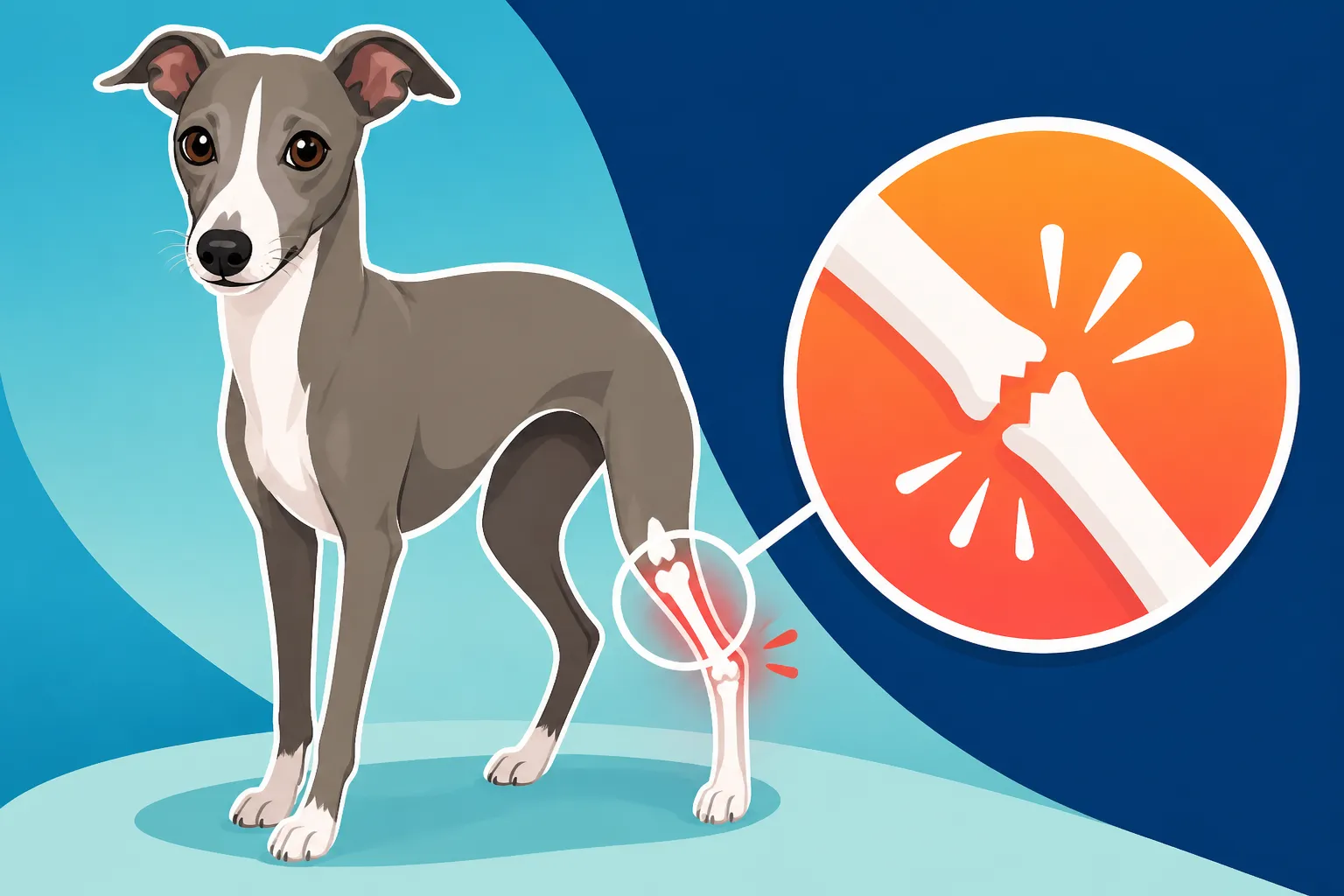
When a young Italian Greyhound misjudges a jump, or lands awkwardly on a hard floor, the force can be too much for their delicate bones. The radius and ulna in their front legs are particularly susceptible, often bearing the brunt of the impact. This isn't just about high furniture; even stepping off a small stool or a low bed can cause a break if the landing is poor. Many owners have shared harrowing stories of their dog breaking a leg from what seemed like a minor fall, demonstrating how little it takes for these fragile limbs to snap. This is precisely why articles like The Jump Off the Sofa That Breaks an Italian Greyhound's Leg are so relevant to new owners.
Playtime Mishaps with Other Pets or Children
While Italian Greyhounds are typically gentle souls, their playful nature, combined with their delicate build, can lead to accidents during interactions with other animals or energetic children. A larger, boisterous dog might accidentally step on an Italian Greyhound's leg or body during play, or a playful wrestle could result in a twist or fall. This isn't about malicious intent; it's simply a mismatch in size and durability. This is a primary reason why it's stressed to avoid certain interactions, as discussed in Why an Italian Greyhound Puppy Should Not Wrestle Big Dogs.
Similarly, young children, with their unpredictable movements and natural exuberance, can pose an accidental risk. A child might not understand how fragile an Italian Greyhound is, inadvertently stepping on them, falling on them, or dropping them. Even a quick, unexpected movement from a child can startle an Iggy, causing them to jump or twist in a way that leads to injury. It's not about blaming children or other pets, but about recognizing the inherent risks and supervising all interactions meticulously to prevent these heartbreaking accidents.
Accidental Drops and Falls
Another unfortunately common cause of fractures in young Italian Greyhounds stems from accidental drops. Because they are so small and often want to be held, Iggies are frequently picked up. However, their wiggly nature, smooth coats, and surprising ability to launch themselves unexpectedly can lead to them being dropped. This isn't just about human error; sometimes, they decide to leap from arms before they are safely on the ground, or a sudden noise startles them, causing them to squirm free.
A fall from even a relatively short height, like from an owner's arms or a countertop, can be catastrophic for a young Italian Greyhound's delicate bones. The impact on a hard surface is often enough to cause a spiral fracture or a clean break. Many vets will tell you that they see numerous cases of fractures from accidental drops, highlighting the importance of proper handling techniques and being extra cautious whenever you pick up or carry your Italian Greyhound, especially when they are puppies.
Navigating the Most Risky Age Range
Identifying the most perilous period for an Italian Greyhound's legs is paramount for preventive care. While a broken leg can occur at any point, there's a definite peak risk that aligns with specific developmental stages in their early life. Understanding this timeline allows owners to implement targeted safety measures when they are most needed.
The First Year: A Time of Rapid Change and High Risk
The first year of an Italian Greyhound's life is arguably the most dangerous period for leg fractures. This phase combines rapid growth, incomplete bone ossification, and a burgeoning sense of curiosity and energy. From around 4 months to 12 months of age, Iggies are growing quickly, but their bones haven't reached their full strength. They are also developing their coordination, which can be somewhat clumsy at first, leading to missteps and falls.
During these critical months, a puppy's fearlessness often outweighs their physical capabilities. They might attempt jumps or maneuvers that an adult dog would instinctively avoid. This is when their growth plates are most vulnerable, and their developing muscles aren't yet fully capable of protecting their delicate bone structure. Many reputable Italian Greyhound breeders will emphasize strict exercise and play restrictions during this time, often advising against allowing puppies to jump off furniture or engage in rough play. It’s a period of intense supervision and environmental modification.
Teenage Troubles: When Independence Outweighs Caution
Following the puppy stage, the "teenage" months, roughly from 12 months to 24 months, continue to present a significant risk. While their growth plates may be closing or have just fused, their bones are still gaining density and strength. More importantly, this is often when their confidence and independence truly blossom. They've learned how to jump, run, and play, and they feel invincible. This newfound bravado, combined with still-maturing bone structure, makes them particularly prone to injury.
During this adolescent period, Italian Greyhounds might push boundaries, attempting higher jumps or faster sprints. They might explore areas they previously avoided, increasing their exposure to hazards. They still have immense energy, but unlike a very young puppy who might be more easily managed, a teenage Iggy can be quite bold and independent, making close supervision even more challenging. This is the age when many owners lament, "They know better, but they just do it!" This period necessitates continued vigilance and consistent training, focusing on preventing risky behaviors rather than correcting them after the fact. Restricting an Italian Greyhound Under Two is not just a suggestion, but a crucial practice.
Moving Beyond the "Danger Zone": What Changes as They Mature
Once an Italian Greyhound passes the two-year mark, their risk of fracture significantly decreases. By this age, their bones have generally reached full density and strength, and their growth plates are completely closed. Their coordination has matured, and they tend to have a better understanding of their physical limits. While accidents can still happen to any dog, the structural fragility that characterizes their youth is largely behind them.
This doesn't mean you can throw caution to the wind, of course. An adult Italian Greyhound still possesses fine, delicate bones compared to many other breeds, and they can certainly break a leg if subjected to severe trauma. However, the incidental, "everyday" breaks from a simple jump or a misstep become much less common. Owners of mature Italian Greyhounds often breathe a sigh of relief as their dogs enter this more stable phase, though the underlying need for a safe environment and careful handling never truly goes away.
Here’s a simple table summarizing the risk by age:
| Age Range | Bone Development Status | Activity Level & Behavior | Fracture Risk Level | Common Scenarios Leading to Breaks |
|---|---|---|---|---|
| 0-4 Months | Very delicate, soft bones, open growth plates | Developing coordination, exploratory, moderate play | Moderate | Minor falls, accidental drops, clumsy steps |
| 4-12 Months | Rapid growth, open/closing growth plates | Peak energy, zoomies, fearless, still clumsy | High | Jumps off furniture, falls from heights, rough play with others |
| 12-24 Months | Growth plates closing/closed, bones hardening | High energy, confident, independent, testing limits | High-Moderate | Reckless jumps, high-speed tumbles, chasing prey, misjudged landings |
| 24+ Months (Adult) | Full bone density & strength | Mature coordination, generally more cautious, stable | Low-Moderate | Severe trauma, high-impact accidents, rare incidental breaks |
| 8+ Years (Senior) | Bone density may decrease with age | Activity slows, less agile | Low-Moderate | Falls due to weakness or vision loss, osteoporosis in rare cases |
Proactive Prevention Strategies for Vulnerable Italian Greyhounds
Knowing that young Italian Greyhounds are particularly susceptible to leg breaks isn't enough; you need actionable strategies to mitigate the risks. Prevention is always better than the cure, especially when the "cure" often involves complex surgery and a long, difficult recovery. Implementing these strategies can create a safer environment for your Italian Greyhound during their most vulnerable years.
Creating a Safe Home Environment
The home, surprisingly, is where most Italian Greyhound leg breaks occur. It's often from everyday activities like jumping off furniture or slipping on hard floors. Therefore, transforming your living space into an Iggy-safe zone is paramount, especially for puppies and young adults. Start by assessing all furniture your dog might jump on or off. Sofas, chairs, and beds can be major culprits. Provide Ramps and Steps for an Italian Greyhound's Furniture to offer a safe alternative for accessing elevated surfaces. Train them to use these from a young age, associating them with positive reinforcement.
Beyond furniture, consider your flooring. Hardwood, tile, or laminate can be incredibly slippery for an Italian Greyhound's delicate paws, leading to slips, falls, and twists that can easily cause a fracture. Lay down rugs or runners in high-traffic areas and near furniture to provide better traction. Even securing loose rugs can prevent tripping hazards. Furthermore, ensure staircases are gated, especially for puppies, to prevent accidental falls down flights of stairs. Child-proofing your home goes a long way in protecting your Italian Greyhound from common household dangers.
Responsible Play and Socialization Practices
While Italian Greyhounds need exercise and socialization, it must be managed carefully, particularly when they are young. High-impact activities, uncontrolled running on uneven surfaces, or rough play with larger dogs are major no-nos during their vulnerable period. Instead, opt for controlled play sessions on soft, level ground, such as a carpeted room or a fenced, grassy area. Focus on interactive games that don't involve excessive jumping or abrupt stops and turns.
When it comes to socializing with other dogs, choose companions wisely. Seek out other small, gentle breeds or known calm dogs that won't overwhelm your Italian Greyhound. Supervise all interactions closely, being ready to intervene at the first sign of rough play. Avoid dog parks entirely for young Italian Greyhounds, as the unpredictable nature and mix of dog sizes and play styles present too high a risk. Similarly, educate children on how to interact gently with your Italian Greyhound, always supervising their playtime. Teach them Why Children Should Not Carry an Italian Greyhound to prevent accidental drops.
The Importance of Crate Training and Supervised Rest
Crate training is an invaluable tool for Italian Greyhound owners, offering a safe, secure space for your dog and aiding in injury prevention. A well-crated Italian Greyhound cannot jump off furniture or engage in risky play when unsupervised. This is particularly important for puppies and young adults who require periods of enforced rest throughout the day. Crate time ensures they aren't pushing their physical limits when you can't actively watch them.
Beyond the crate, structured downtime is essential. Even when out of the crate, ensure periods of quiet rest. Provide comfortable, supportive bedding in designated safe zones. This might mean having them on a leash indoors if they are particularly excitable, or using baby gates to restrict access to certain areas. The goal is to manage their environment and activity levels to prevent those impulse decisions that can lead to catastrophic injuries. Think of it as strategic downtime to protect those precious, delicate limbs.
What Happens When a Break Occurs During the Vulnerable Years
Despite the most diligent efforts, accidents can still happen. The delicate nature of Italian Greyhounds means that even minor incidents can lead to a fracture. Knowing what to do in the immediate aftermath, and understanding the journey of treatment and recovery, is crucial for giving your dog the best possible outcome.
Recognizing the Signs of a Fracture
The first step after an accident is to recognize if your Italian Greyhound has broken a leg. Sometimes, it's obvious: a yelp, an unnatural angle of the limb, or an inability to put weight on it. However, Italian Greyhounds are incredibly stoic and can sometimes mask their pain, making it less apparent. They might even try to walk or run on a broken leg, driven by instinct or fear.
Look for signs like limping, holding the paw up, reluctance to move, swelling, or severe pain upon touching the limb. Sometimes, the only sign is a subtle change in gait or a slight tremor when trying to stand. Any unexplained lameness or discomfort after a fall or accident warrants immediate veterinary attention. Don't assume it's just a sprain; always err on the side of caution. If you suspect a break, keep your dog as still as possible to prevent further injury and head to the vet immediately. For more detailed information, consult Signs an Italian Greyhound Has Broken a Leg.
The Immediate Steps After an Injury
If you suspect your Italian Greyhound has broken a leg, remaining calm is paramount. Your panic will only add to your dog's stress. The immediate steps you take can significantly impact the outcome. First, gently try to restrict their movement. If possible, cradle them carefully to prevent them from moving the injured limb. A towel or small blanket can be used to create a makeshift sling if you need to transport them, but only if it doesn't cause more pain or jostling.
Avoid trying to splint the leg yourself unless you have specific training, as improper splinting can cause more harm. Your primary goal is to get your Italian Greyhound to an emergency veterinary clinic as quickly and safely as possible. Call ahead if you can, so they are prepared for your arrival. Time is of the essence, as prompt veterinary care can prevent complications and improve the chances of a successful recovery.
Understanding Treatment and Recovery for Young Italian Greyhounds
Once at the veterinary clinic, your Italian Greyhound will undergo X-rays to confirm the fracture and determine its type and severity. Due to their delicate bones, many Italian Greyhound fractures, especially those involving the radius and ulna, require surgical intervention. This often involves plating the bone with small metal plates and screws to stabilize the fracture. It's a specialized procedure that requires an experienced orthopedic surgeon. You'll want to ask Whether an Italian Greyhound's Fracture Needs a Plate and seek out a vet who has experience with sighthound fractures.
Recovery is a long and arduous process, typically involving strict crate rest for weeks, if not months, to allow the bone to heal. This period of restriction can be particularly challenging for an energetic young Italian Greyhound. Pain management, regular bandage changes (if a cast or external fixator is used), and potentially physical therapy will be part of the regimen. The financial aspect can also be daunting, as What Fracture Repair Costs on an Italian Greyhound can run into thousands of dollars. Be prepared for a significant commitment of time, effort, and resources during this recovery phase. For a deeper dive into the healing process, see How Long an Italian Greyhound Takes to Heal a Fracture.
Long-Term Considerations and Financial Preparedness
Surviving a broken leg in their youth is a huge hurdle for an Italian Greyhound, but the journey doesn't necessarily end with the cast coming off. There are long-term considerations for their health and mobility, and preparing for the financial impact is a critical part of responsible Italian Greyhound ownership.
The Potential for Re-injury and Ongoing Care
Unfortunately, once an Italian Greyhound has broken a leg, they can be predisposed to breaking it again, or even breaking the other leg. The initial trauma, surgical implants, and the lengthy period of immobility can sometimes leave the bone slightly weaker or change gait mechanics. An Italian Greyhound might overcompensate on their "good" leg, putting undue stress on it. For this reason, continued vigilance and adherence to a safe environment remain crucial even after full recovery.
Furthermore, a leg that has suffered a significant fracture, especially in a young, growing dog, may be more prone to developing arthritis later in life. Ongoing care might involve supplements, joint-friendly diets, and regular veterinary check-ups to monitor for signs of discomfort or degenerative changes. It’s a commitment for the life of your dog, reinforcing the idea that once a bone breaks, the implications can extend far beyond the initial healing period.
Pet Insurance: A Lifeline for Unexpected Veterinary Bills
The cost of treating an Italian Greyhound's broken leg can be astronomical, easily ranging from several thousand dollars to well over ten thousand for complex cases or revisional surgeries. This financial burden can be a devastating blow to even the most prepared owner. This is where pet insurance can truly be a lifeline. Many Italian Greyhound owners recognize the breed's predisposition to fractures and consider pet insurance not as a luxury, but as an absolute necessity.
Companies like Healthy Paws offer comprehensive plans that can cover a significant portion of emergency veterinary expenses, including diagnostics, surgery, hospitalization, and even rehabilitation. Having a robust pet insurance policy in place before an accident occurs can alleviate immense financial stress during an already traumatic time. It allows you to make medical decisions based on what's best for your dog, rather than being limited by your budget. It's a small monthly investment that can save you from a massive, unexpected bill. When considering a puppy, it’s wise to budget for this, as discussed in Budgeting for an Italian Greyhound's Broken Leg Before It Happens. Check different providers to find a plan that adequately covers accidents and emergencies for delicate breeds like the Italian Greyhound. Healthy Paws is one of the more popular choices among sighthound owners.
Preparing Emotionally for the Possibility
Beyond the physical and financial aspects, dealing with a broken leg in a young Italian Greyhound takes a significant emotional toll. Watching your playful puppy restricted to a crate, in pain, and unable to move freely can be incredibly heartbreaking and frustrating. The recovery period is long, demanding patience, consistency, and a huge amount of emotional resilience from the owner.
It's okay to feel overwhelmed, sad, or even angry when this happens. Acknowledging these feelings and seeking support from other Italian Greyhound owners, online communities, or even your veterinary team can be immensely helpful. Understanding the high risk of fractures in young Italian Greyhounds, and preparing yourself for the possibility, can help you navigate the emotional rollercoaster if it does occur. Remember, your love and dedication are the most crucial elements in your Italian Greyhound's recovery, and Healthy Paws can help ease the financial stress, allowing you to focus on their well-being.
Disclaimer
This article is intended for informational purposes only and does not constitute veterinary advice. Always consult with a qualified veterinarian for any health concerns or before making any decisions about your pet's health or treatment.