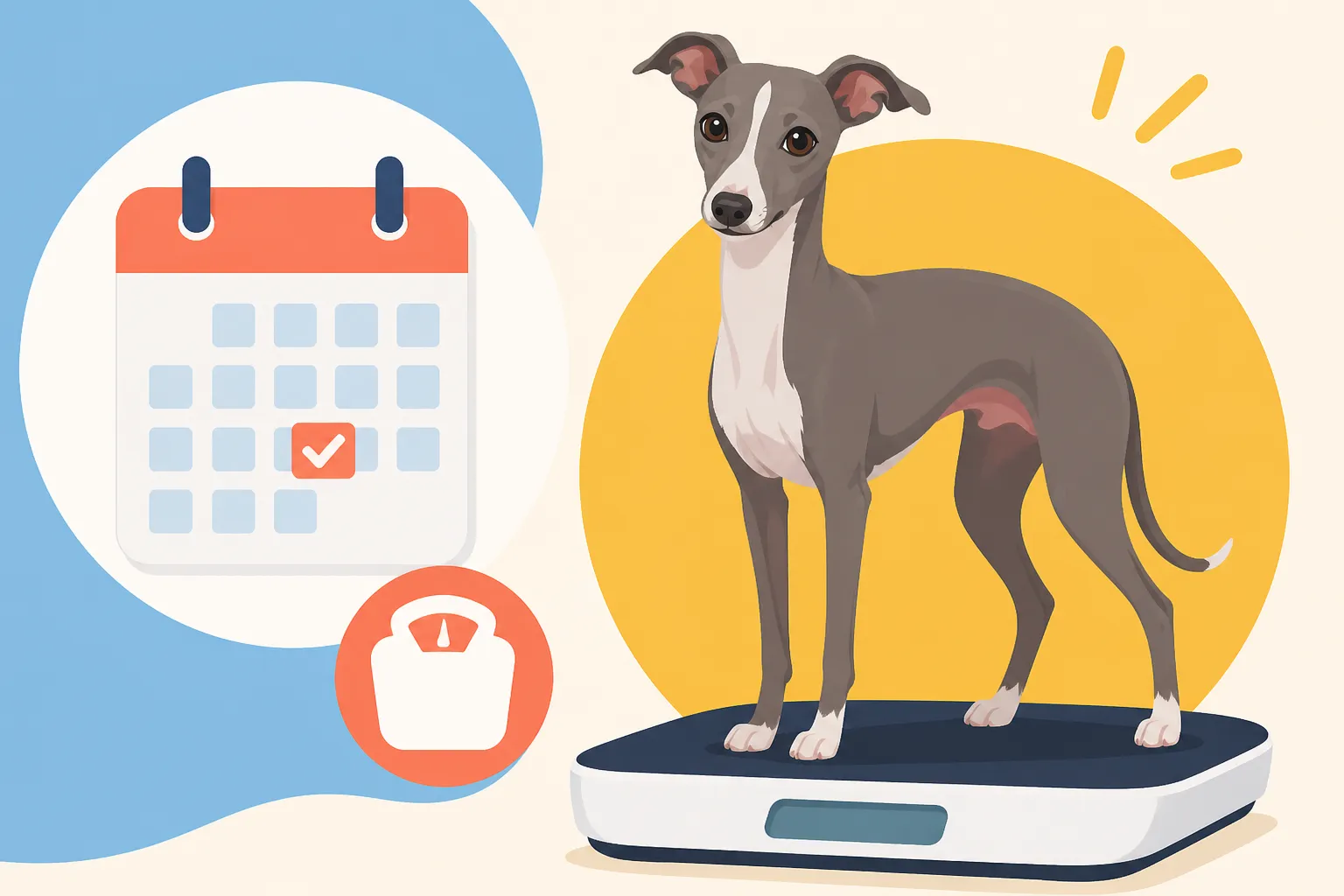
How Often an Italian Greyhound Should Be Weighed
For Italian Greyhound owners, the sight of their delicate, fine-boned companions can sometimes stir a little anxiety, especially when it comes to weight. It’s easy to look at those visible ribs and wonder if your beloved Iggy is truly healthy or if they’re just too thin. This guide is here to help you cut through that worry by explaining exactly how often you should be weighing your Italian Greyhound and what those numbers actually mean for their health.
Why Monitoring Your Italian Greyhound's Weight Is Crucial Beyond Just Looking Thin
It’s true that Italian Greyhounds are built like supermodels – all long lines, lean muscle, and barely any body fat to speak of. This natural elegance often makes new owners (and even seasoned ones!) second-guess whether their dog is at a healthy weight. But beyond the aesthetics, regular weight monitoring is one of the simplest yet most powerful tools you have for tracking your Iggy's overall health and well-being.
The Italian Greyhound's Unique Body Type and What It Means for Weight
Let's be honest, an Italian Greyhound simply doesn't look like most other dogs. They are sighthounds, bred for speed and agility, which means their physique is naturally slender. When you run your hand over their side, you should feel their ribs. You shouldn't see them jutting out dramatically like a washboard, but they absolutely should be palpable without much effort. Their waists should be distinctly tucked, and they should have an elegant, arched topline. This build is vastly different from, say, a Labrador or a Bulldog, and comparing them will only drive you crazy. Why an Italian Greyhound Carries Almost No Body Fat explains more about this unique physiology.
Many owners worry that their Italian Greyhound looks too skinny because they can see and feel their ribs so easily. This is a very common concern, and it's born from a natural instinct to care for your pet. However, for an Italian Greyhound, this leanness is often a sign of optimal health. An overweight Italian Greyhound, while perhaps looking "sturdier" to some, actually carries significant health risks, especially concerning their delicate bone structure. It's a fine line, and understanding their unique body type is the first step to feeling confident about their weight.
Early Detection of Health Issues Through Weight Changes
Think of your Italian Greyhound's weight as an early warning system. Sudden, unexplained weight loss or gain can be the very first sign that something is amiss internally, long before other symptoms become obvious. For instance, a gradual decline in weight might point to underlying dental problems that make eating painful, or even more serious issues like kidney disease or other metabolic disorders. Periodontal Disease Is the Italian Greyhound's Most Common Diagnosis is a common culprit for weight loss in Iggies, as painful teeth can make even the most delicious food unappealing. Similarly, Kidney Disease in an Old Italian Greyhound can lead to a noticeable drop in weight as their bodies struggle to process nutrients.
On the flip side, unexpected weight gain can also signal trouble. It could be a thyroid issue, or perhaps fluid retention, or simply that their diet isn't quite right for their activity level. Detecting these changes early gives your vet a head start, potentially allowing for quicker diagnosis and more effective treatment, which can make all the difference in managing a condition successfully. This proactive approach to their health is part of being a responsible Iggy parent.
Guiding Proper Nutrition and Exercise
Your Italian Greyhound's weight is your best friend when it comes to fine-tuning their diet and exercise routine. If you're consistently weighing them, you'll notice small shifts that can tell you if you're feeding them just the right amount, or if you need to make adjustments. Are they a little too lean after a particularly active week of zoomies and long walks? Perhaps a slight increase in their meal portion is warranted. Have they put on a few ounces because winter means less outdoor play and more couch snuggles? Then it might be time to slightly reduce their kibble or swap in some lower-calorie treats.
This isn't about rigid dieting; it's about balance. Knowing your dog's ideal weight range and monitoring them helps you ensure they're getting adequate nutrition without overdoing it. It also informs their exercise needs. An Italian Greyhound with a healthy weight is more agile, less prone to injury, and generally more comfortable. An overweight Italian Greyhound, for instance, might be at a significantly higher risk for fractures, which is a major concern for this breed, as detailed in Why an Overweight Italian Greyhound Is at Fracture Risk. Regular weighing empowers you to make informed decisions about their daily care, keeping them fit and fabulous.
How Often to Weigh Your Italian Greyhound: A Practical Guide for Every Stage of Life
The frequency of weighing your Italian Greyhound isn't a one-size-fits-all answer. It changes as they grow and age, reflecting the different health considerations at each stage of their life. What's right for a rapidly growing puppy won't be the same as for a stable adult or a senior who might be facing age-related changes.
The Puppy Phase: Frequent Checks for Critical Growth
When you first bring home an Italian Greyhound puppy, regular weighing is absolutely non-negotiable. Puppies are growing at an incredible rate, and any significant deviation from their expected growth curve can be a red flag. We're talking weekly weigh-ins here, without fail. Weighing an Italian Greyhound Puppy Every Week isn't just a suggestion; it's a critical part of ensuring they're thriving. You’re looking for consistent, steady weight gain, which indicates they’re absorbing nutrients properly and developing well.
If your puppy suddenly stops gaining weight, or even loses a little, it's time to call your vet. It could be something minor, like a tummy upset from a new food, or something more serious that needs immediate attention. During this rapid growth phase, their bones are still hardening, and proper nutrition is paramount for healthy development. The Age an Italian Greyhound's Bones Finish Hardening highlights how crucial this period is. Keeping a log of their weekly weight can also be incredibly useful for your vet, providing a clear picture of their development over time.
Adult Italian Greyhounds: Maintaining Optimal Health
Once your Italian Greyhound has reached adulthood, typically around 12 to 18 months, their growth rate stabilizes. At this point, you can usually scale back the weighing frequency to monthly or bi-monthly. Consistency is still key, even if it's less frequent. Pick a specific day of the month or every other month and stick to it. This routine allows you to catch any subtle weight trends that might otherwise go unnoticed.
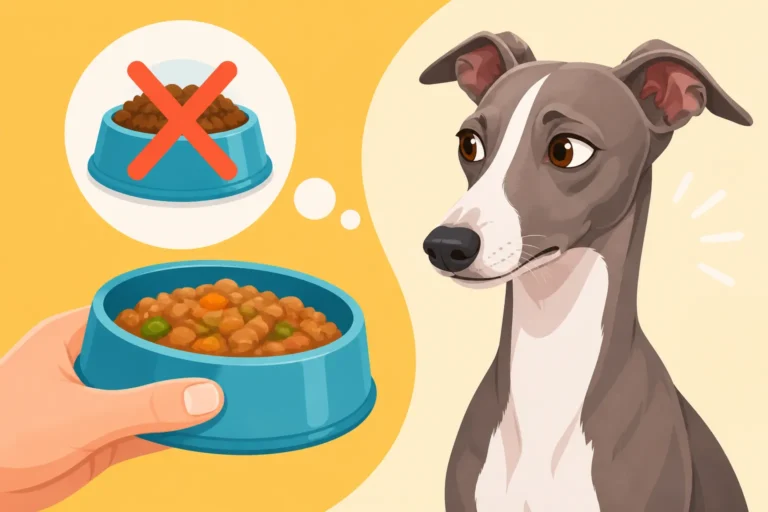
An adult Italian Greyhound's weight should be relatively stable. Small fluctuations of a few ounces here or there are usually normal, especially if their activity level or diet has changed slightly. However, a consistent increase or decrease of more than 5-10% of their body weight over a month or two warrants investigation. For a breed that can sometimes be particular about their food, as explored in Getting a Picky Italian Greyhound to Eat, even minor shifts in appetite could lead to weight changes over time, so regular checks help ensure they're maintaining their ideal physique. This regular check-up on the scale helps you confirm that your adult Iggy is maintaining the lean, athletic build that is so characteristic of the breed and vital for their long-term health.
Senior Italian Greyhounds: Vigilance for Age-Related Changes
As your Italian Greyhound enters their senior years, typically around the age of 8 or 9 (though The Age an Italian Greyhound Is Considered Senior might vary slightly), it's a good idea to increase the frequency of weigh-ins again. Every two weeks is a good benchmark, or even weekly if your vet has expressed any concerns. The reason for this increased vigilance is that senior dogs are more susceptible to age-related health issues that can manifest as weight changes.
For example, many older Italian Greyhounds experience some degree of muscle loss, even if their overall body fat remains the same. Whether an Old Italian Greyhound Loses Muscle discusses this common occurrence. This isn't always reflected accurately by a scale alone, but combined with visual assessment, it gives a fuller picture. Conditions like Kidney Disease in an Old Italian Greyhound can also cause insidious weight loss, often before other symptoms are obvious. Weight monitoring in seniors is about looking for trends rather than just isolated numbers. A slow, steady decline in weight over several months, even if it seems minor, should always be discussed with your veterinarian, as it could indicate an underlying issue that needs attention. Early intervention can significantly improve their quality of life in their golden years.
The Right Tools and Techniques for Accurate Weighing at Home
Getting an accurate weight measurement for your Italian Greyhound might sound simple, but anyone who's tried to get a wiggly, delicate dog to stand still on a scale knows it can be a bit of an art form. Having the right tools and a gentle, consistent approach makes all the difference.
Choosing the Best Scale for Your Italian Greyhound
When it comes to scales, you have a few options, each with its own pros and cons for an Italian Greyhound:
- Human Bathroom Scales: These are convenient if you already own one. The best way to use them is the "weigh yourself, then weigh yourself holding your Iggy, and subtract the difference" method. This works well for Iggies who are comfortable being held. The downside is that standard human scales aren't always super precise for very small animals, sometimes only registering in half-pound or full-pound increments. For an Italian Greyhound where even a few ounces can be a significant percentage of their body weight, this lack of precision can be frustrating.
- Baby Scales: These are often a fantastic option. They are designed for precision at low weights, typically measuring down to ounces or even grams. They usually have a tray that makes it easier for smaller dogs to sit or lie comfortably, reducing wiggliness. You can often find these at major retailers like Amazon, and they offer the accuracy you need for an Italian Greyhound.
- Dedicated Pet Scales: These are specifically designed for animals, often with a larger platform than baby scales but still offering good precision. Some are designed to be low-profile, making it easier for a nervous dog to step on. Online pet retailers like Chewy offer a range of these, though they can be a bit more of an investment.
Regardless of the type, look for a digital scale with a clear display and the ability to weigh in small increments (ounces or fractions of a pound). Consistency in the scale you use is also important to ensure comparable readings over time.
Tips for Getting a Calm and Accurate Reading
Italian Greyhounds are sensitive souls, and a strange, cold scale can be intimidating. Here’s how to make the experience as stress-free and accurate as possible:
- Positive Association: Introduce the scale slowly. Let your Iggy sniff it, give them treats when they get near it, then when they step on it. Make it a game!
- Use a Mat: Place a soft, non-slip mat or a small towel on the scale's surface. This can make it feel less cold and scary, and provide better traction.
- The "Hold and Subtract" Method: If your Iggy is too wiggly or small for the scale, pick them up, step on a human bathroom scale together, get that reading, then put your Iggy down and weigh yourself. Subtract your weight from the combined weight. Make sure you use the same human scale each time for consistency.
- Consistency in Timing: Try to weigh your Italian Greyhound at the same time of day, ideally before their first meal or after their morning potty break. This minimizes variables like digestion or bladder fullness that could slightly affect the reading.
- Be Patient: Don't rush. If your Iggy is stressed, take a break and try again later. Forcing them onto the scale will only make them more resistant next time. A calm approach yields better results.
Interpreting the Numbers: When to Consult Your Vet
Once you have a consistent weight, what does it mean? The most important thing is to look for trends and significant changes. For an adult Italian Greyhound, a sudden weight loss or gain of 5-10% of their body weight over a short period (a few weeks to a month) is generally considered significant enough to warrant a call to your veterinarian. For a 10-pound Iggy, that's half a pound to a full pound, which might not sound like much, but it's a considerable change for their small frame.
Beyond the numbers, pay attention to other signs:
- Weight Loss with Normal Appetite: This can be particularly concerning and could indicate an underlying metabolic issue or illness.
- Weight Loss with Decreased Appetite: This might point to dental pain, nausea, or other issues making them not want to eat.
- Weight Gain with Increased Appetite: Could be a hormonal imbalance, or simply overfeeding.
- Changes in Energy Levels: Is your Iggy more tired or sluggish? Or suddenly more hyper?
- Changes in Thirst or Urination: Increased thirst and urination can be signs of conditions like kidney disease or diabetes.
Always combine your weight monitoring with a general observation of your dog's overall demeanor, appetite, and activity levels. If you notice any concerning trends or accompanying symptoms, don't hesitate to contact your vet. Regular wellness exams, as discussed in How Often an Italian Greyhound Needs a Wellness Exam, also provide an opportunity for your vet to assess their weight professionally.
Understanding the Ideal Italian Greyhound Body Condition
While the scale gives you a number, that number needs context. An Italian Greyhound's "ideal" weight isn't just about hitting a specific figure on the scale; it's about their body condition. It's about how that weight distributes across their unique, athletic frame.
The Body Condition Score BCS for Italian Greyhounds
Veterinarians often use a Body Condition Score (BCS) system, typically on a scale of 1 to 5 or 1 to 9, to objectively assess a dog's fat reserves. For an Italian Greyhound, you're generally aiming for a BCS of around 4/9 or 2.5/5. This means:
- Ribs: You should be able to easily feel the ribs without having to press hard. They should be visible, but not sharply prominent like a rack of bones.
- Waist: There should be a very obvious waist when viewed from above, like an hourglass shape.
- Abdominal Tuck: When viewed from the side, the abdomen should tuck up sharply from the chest to the hindquarters.
- Spine and Hip Bones: The top of the spine and hip bones should be easily palpable but not sharply protruding or visible without feeling.
Essentially, a healthy Italian Greyhound should look and feel lean, athletic, and graceful. They are not meant to have a layer of padding. It's a look that makes some owners worry about their pet's thinness, but it's crucial for their health and mobility. Remember, what looks "thin" for a chunky breed might be perfectly ideal for your Iggy. For more on what to feel for, check out How to Feel an Italian Greyhound's Ribs.
Signs of Being Underweight vs. Overweight
Knowing the BCS helps you differentiate between a healthy, lean Italian Greyhound and one that is genuinely underweight or overweight.
Signs of an Underweight Italian Greyhound:
- Ribs, Spine, and Hip Bones: These are very sharply visible and prominent, almost without any effort.
- Lack of Muscle Mass: You might notice a visible loss of muscle, especially over the back and hindquarters.
- Sunken Abdomen: The abdominal tuck might be excessively deep, making them look gaunt.
- Lethargy: While Iggies love to sleep, extreme lethargy or weakness could be a sign of poor nutrition or illness.
- Dull Coat: Nutritional deficiencies can sometimes lead to a dull, dry coat.
Signs of an Overweight Italian Greyhound:
- Ribs: Difficult to feel without firm pressure, or not palpable at all.
- No Waist: The hourglass shape disappears, and they might look more cylindrical from above.
- Rounded Abdomen: The abdominal tuck is less defined, or the belly might sag.
- Fat Deposits: You might feel noticeable fat pads over the base of the tail or across the hips.
- Reduced Activity: They might be less enthusiastic about walks or playtime, or struggle with jumping.
- Increased Fracture Risk: As mentioned in Why an Overweight Italian Greyhound Is at Fracture Risk, excess weight puts undue stress on their delicate bones, significantly increasing the risk of breaks.
If you're unsure about your Iggy's body condition, a quick chat with your vet is always a good idea. They can show you how to properly assess their BCS.
Practical Steps to Adjust Weight if Needed
If your regular weigh-ins and BCS assessment indicate that your Italian Greyhound needs to gain or lose a little weight, don't panic! Making adjustments can be straightforward, but always do so gradually and ideally with veterinary guidance.
For Underweight Iggies:
- Rule Out Medical Issues First: Before increasing food, ensure there isn't an underlying health problem causing the weight loss. Your vet might recommend blood tests or other diagnostics.
- Increase Calorie-Dense, Quality Food: Once medical issues are ruled out, gradually increase their food portion or switch to a higher-calorie, high-quality dog food. Consider fresh, human-grade options like Ollie, which can be very palatable for picky eaters and nutrient-dense.
- Smaller, More Frequent Meals: Some Iggies do better with three smaller meals a day rather than two larger ones.
- Nutrient-Rich Toppers: A spoonful of plain canned pumpkin, cooked chicken, or a little raw goat's milk can add calories and temptation.
For Overweight Iggies:
- Reduce Calories Gradually: Slowly cut back on their daily food intake. Consult the feeding guidelines on your dog food, but remember these are just starting points.
- Increase Appropriate Exercise: More walks, controlled playtime, or even indoor games can help burn calories. Make sure the exercise is safe and appropriate for an Iggy's delicate build, avoiding high-impact activities if they are very overweight.
- Swap Treats: Replace high-calorie treats with low-calorie options like small pieces of carrot, green bean, or air-popped plain popcorn.
- Measure Food: Stop "eyeballing" portions. Use a measuring cup every single time.
- Be Patient: Weight loss should be slow and steady. Rapid weight loss can be unhealthy.
Always remember that these are general guidelines. Every Italian Greyhound is an individual, and what works for one might not work for another. Close collaboration with your veterinarian is crucial for any significant weight management plan.
Here's a quick reference table for weighing frequency:
| Life Stage | Recommended Weighing Frequency | Key Considerations |
|---|---|---|
| Puppy (8 wks – 1 yr) | Weekly | Rapid growth, developmental milestones, ensuring adequate nutrition. |
| Adult (1 – 8 yrs) | Monthly to Bi-Monthly | Maintaining stable weight, early detection of subtle changes. |
| Senior (8+ yrs) | Bi-Weekly to Monthly | Monitoring for muscle loss, age-related illnesses, appetite changes. |
| Post-Surgery/Illness | Weekly (or as Vet Advises) | Recovery tracking, ensuring proper healing and nutritional intake. |
| Pregnant/Nursing | Weekly | Monitoring health of mother and puppies, adequate nutrition. |
This article is for general informational purposes only and does not constitute professional advice. Laws, prices and regulations vary by location and change over time. Consult a qualified professional for guidance on your specific situation.