Whether an Old Italian Greyhound Sleeps More
It’s a natural worry when your beloved Italian Greyhound starts showing the undeniable signs of aging. You’ve noticed they're less active, their once boundless energy is now punctuated by long stretches of quiet repose, and the question starts to creep in: is this normal? This guide is here to walk you through the common changes in an old Italian Greyhound's sleep patterns, help you discern what’s typical from what might be a red flag, and offer practical advice to ensure their golden years are as comfortable and restful as possible.
Understanding Normal Sleep Changes in Senior Italian Greyhounds
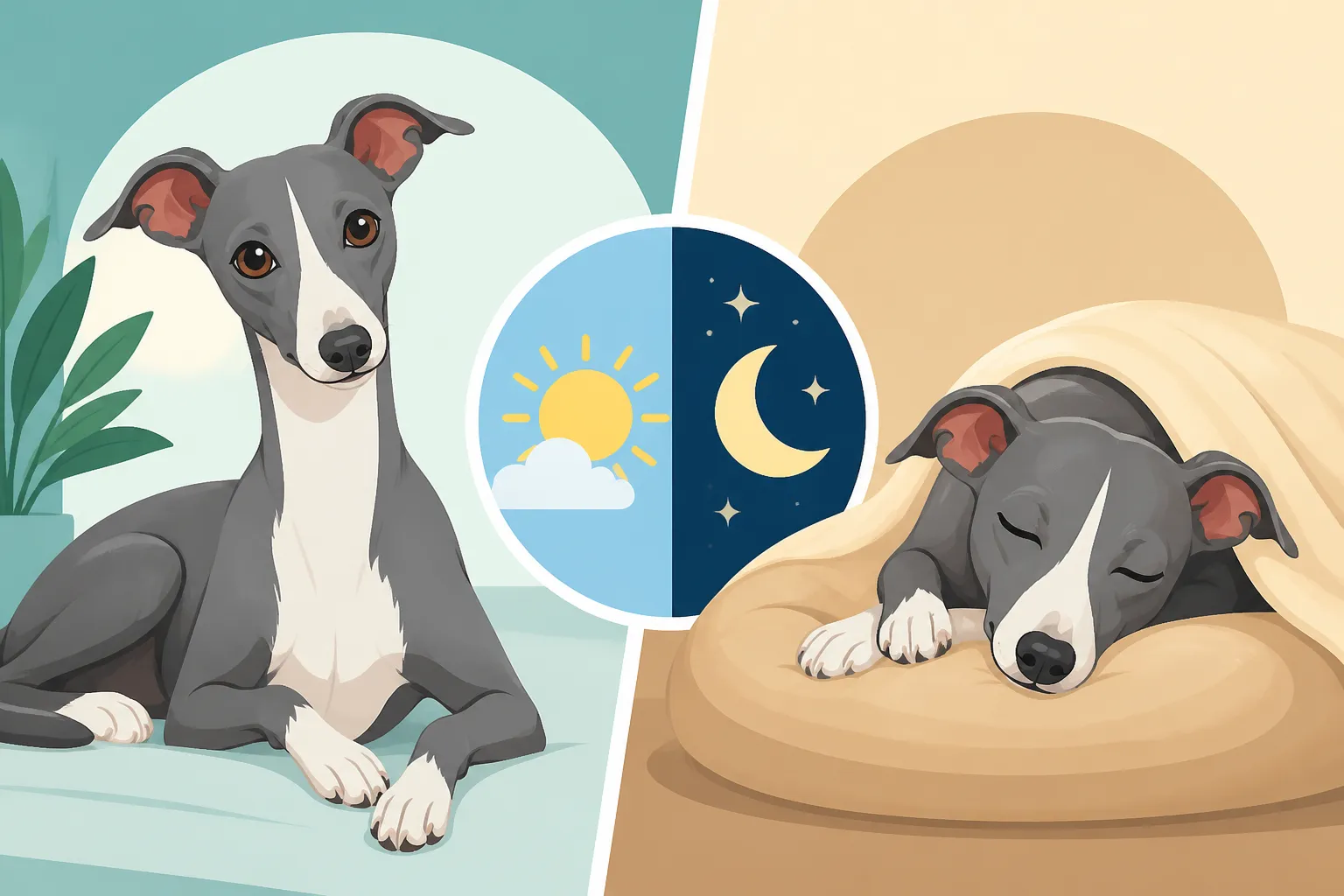
Absolutely, an old Italian Greyhound will almost certainly sleep more than their younger counterparts. It’s one of the most visible and common shifts you’ll observe as they enter their senior years. Just like us, as dogs age, their metabolism slows down, their energy levels naturally decrease, and their bodies simply require more rest to recover and maintain themselves. Think of it as their system needing more downtime to keep all the parts running smoothly.
This isn't just about longer nights, either. You’ll likely notice a change in their daily routine, too. Where a younger Iggy might have napped sporadically for short bursts, your senior companion might start taking more frequent, often longer, naps throughout the day. These naps become essential recharging periods, allowing them to conserve energy for their waking moments. They might still have those moments of spirited play or a sudden burst of "zoomies," but they'll be followed by a more pronounced need for rest. It's a natural, physiological progression that speaks to the gentler pace of Caring for an Italian Greyhound Past Eleven.
The key is to observe the quality of their awake time. Are they still engaged when they're up? Do they greet you with enthusiasm, enjoy their meals, and show interest in their surroundings? If so, then increased sleep is likely a perfectly normal part of them reaching The Age an Italian Greyhound Is Considered Senior. They might spend more hours in dreamland, curled up deeply in their favorite blanket nest, and that's usually a good thing. It means they're finding comfort and allowing their bodies the recuperation they need.
When "More Sleep" Becomes a Concern: Distinguishing Normal Aging from Health Issues
While increased sleep is a hallmark of aging in Italian Greyhounds, it's crucial for us as owners to recognize when "more sleep" crosses the line from normal into a potential health concern. Our Iggies are notoriously stoic about pain, and subtle changes in their sleep can be one of the few clues that something deeper is going on. It’s not about panicking every time they nap, but rather about being an observant advocate for their well-being.
One of the most common underlying issues that can manifest as excessive sleep is pain. Conditions like arthritis or other joint discomfort can make movement painful, leading your Iggy to seek rest more often. If getting up and down seems difficult, or they appear stiff after a long nap, it might not just be "old age." They might be experiencing chronic pain that needs veterinary attention. For example, a previously healed fracture might develop Arthritis in an Italian Greyhound's Healed Leg over time, making comfortable rest a challenge.
Cognitive decline is another significant factor. As Italian Greyhounds age, some can experience canine cognitive dysfunction, akin to dementia in humans. This can severely disrupt their natural sleep-wake cycles. You might notice them sleeping excessively during the day but then pacing, whining, or seeming disoriented at night, a common symptom often referred to as Night Confusion in an Old Italian Greyhound. This isn't just "more sleep"; it's disordered sleep, and it warrants discussion with your vet.
Beyond pain and cognitive changes, a host of underlying medical conditions can contribute to lethargy and increased sleep. This could include issues like an underactive thyroid (Signs an Italian Greyhound Has an Underactive Thyroid), developing heart disease (The Heart Murmur an Old Italian Greyhound Develops), or even kidney disease (Kidney Disease in an Old Italian Greyhound). Any of these conditions can make your dog feel generally unwell and less energetic, prompting them to sleep more.
It's about looking for accompanying symptoms. Are there changes in their appetite, thirst, or bathroom habits? Are they reluctant to participate in activities they once loved? Is their "more sleep" accompanied by a complete lack of interest when they are awake, or do they seem unusually withdrawn? Any sudden or extreme shifts in sleep patterns—such as going from normal napping to almost constant lethargy, or suddenly being awake and restless all night—should prompt a call to your veterinarian.
Here's a quick guide to help you differentiate:
| Characteristic | Normal Senior Sleep | Potentially Concerning Sleep |
|---|---|---|
| Duration | Longer, more frequent naps; more total hours asleep. | Extreme lethargy; difficulty rousing; constant napping with no engaged awake time. |
| Awake Behavior | Engaged, responsive, enjoys walks/meals, playful bursts. | Disoriented, withdrawn, uninterested in food/play, pacing at night. |
| Initiation of Sleep | Finds a comfortable spot, settles easily. | Restless before settling, inability to get comfortable, excessive panting while resting. |
| Response to Stimuli | Rouses easily to sounds/your presence. | Difficult to wake, sluggish response even to favorite treats. |
| Other Symptoms | Generally good appetite, normal potty habits. | Changes in appetite, increased thirst, accidents, stiffness, limping, behavioral shifts. |
| Progression | Gradual increase over months/years. | Sudden onset of extreme sleepiness or disrupted sleep. |
Creating a Comforting Sleep Environment for Your Senior Italian Greyhound
Given that your old Italian Greyhound is spending more time sleeping, their environment becomes incredibly important. We want to ensure that every snooze is as comfortable and beneficial as possible, supporting their health and happiness.
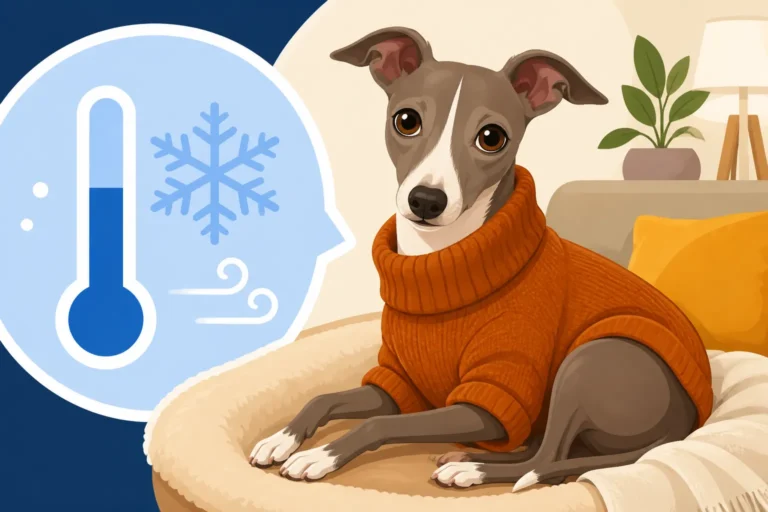
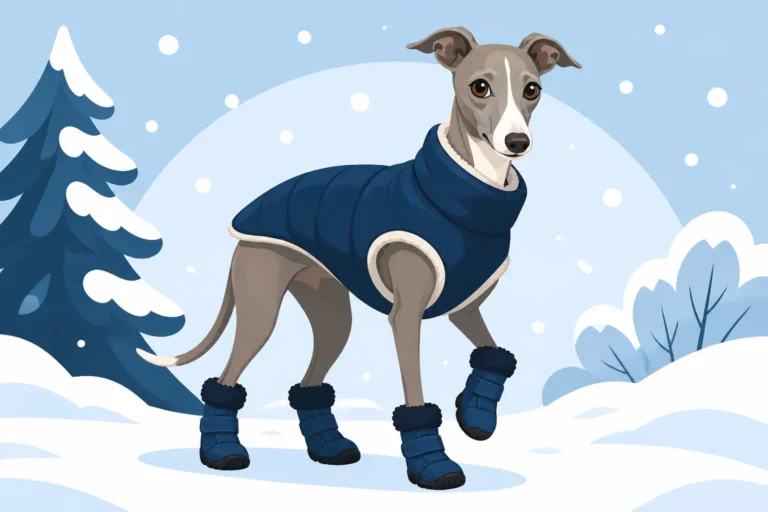
First and foremost, warmth is paramount. Italian Greyhounds, with their thin skin and minimal body fat, struggle to maintain body temperature, and this only becomes more pronounced with age. An old Italian Greyhound really does Why an Old Italian Greyhound Feels the Cold More. Providing ample blankets is a must; they love to burrow and create cozy nests. Consider a heated bed, especially during cooler months or if your home is a bit chilly. When looking for heated options, always ensure it's specifically designed for pets and used safely, as discussed in Whether a Heated Bed Is Safe for an Italian Greyhound. You can find excellent, safe heated beds and cozy blankets on platforms like Chewy or Amazon, making it easy to stock up.
Next, focus on orthopedic support. Their aging joints will appreciate a bed that provides proper cushioning and relieves pressure points. Look for orthopedic foam beds that cradle their body and prevent calluses or discomfort on their bony prominences, especially their elbows. Which Bed Protects an Italian Greyhound's Elbows highlights the importance of this type of bedding. Placing these comfortable beds in a quiet, secure space away from high-traffic areas in your home will minimize disturbances and allow for deeper, more restorative sleep. If your Iggy struggles with stairs or jumping, consider setting up ramps or steps to their favorite sleeping spots, like the sofa or your bed, because Whether an Old Italian Greyhound Needs Steps Everywhere is a real consideration to prevent unnecessary strain or even injury.
Finally, maintaining a consistent routine can significantly help their sleep patterns. Even for an older dog, predictable meal times, potty breaks, and a regular bedtime can help regulate their internal clock. This routine provides a sense of security and predictability, which can be especially comforting for senior dogs who might be experiencing some cognitive changes or anxiety.
Supporting Your Senior Italian Greyhound's Quality of Life (Beyond Just Sleep)
Beyond just ensuring they get enough quality sleep, a holistic approach to your senior Italian Greyhound’s well-being is key to a high quality of life. All aspects of their care intertwine to influence their overall comfort and health.
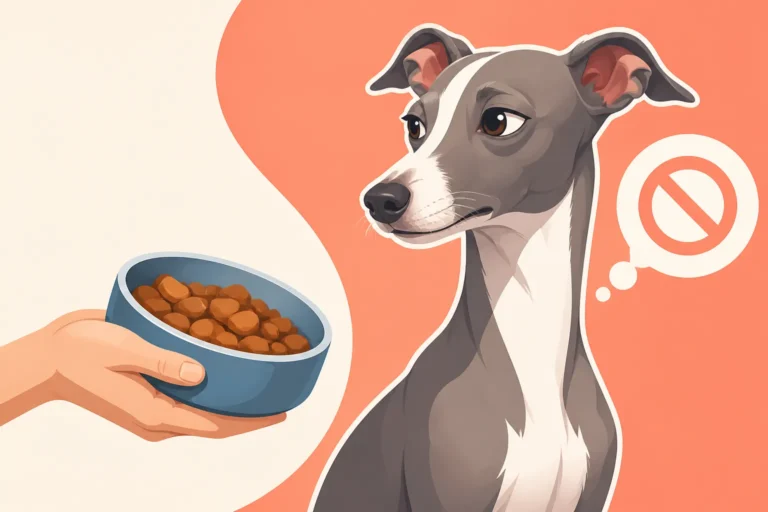
Dietary considerations are huge. As they age, their nutritional needs might change. Some senior Iggies might develop sensitivities, or their appetites might decrease. Switching to Softer Food for an Old Italian Greyhound or a senior-specific formula can make a big difference. Many brands, like Ollie, offer fresh, human-grade food options that can be easier for older dogs to digest and more enticing to picky eaters. These foods are often formulated with ingredients that support joint health and provide easily digestible nutrients. It’s also worth discussing with your vet whether supplements, such as those for joint support or cognitive health, could benefit your particular dog. While a younger Italian Greyhound might eat less than you'd expect, an older one still needs careful caloric management to maintain a healthy weight without becoming too thin or, conversely, overweight, which can stress joints.
Gentle exercise remains crucial. Even if they sleep more, senior Iggies still need to move their bodies to maintain muscle tone, joint flexibility, and mental stimulation. Short, frequent walks are often better than one long excursion. Listen to your dog; if they're slowing down or showing signs of discomfort, it’s time to head home. The question of Whether an Old Italian Greyhound Should Still Be Walked isn't if, but how. These walks also provide valuable opportunities for sniffing and engaging with the world, which is mentally enriching.
Regular veterinary check-ups are perhaps the most vital aspect of caring for an aging Italian Greyhound. These proactive visits allow your vet to catch potential health issues early, often before they become obvious through symptoms like extreme lethargy or pain. How Often an Italian Greyhound Needs a Wellness Exam may increase as they age, shifting from yearly to every six months, depending on their health status. These exams can include blood work to monitor organ function, especially important for conditions like kidney disease, and thorough physical examinations to check for lumps, dental issues, or signs of arthritis.
Finally, don't forget mental stimulation and affection. An old Italian Greyhound still craves interaction and attention. Gentle play sessions with their favorite toy, puzzle toys filled with soft treats, or simply spending quality time cuddling on the sofa can keep their minds engaged and reinforce their bond with you. The cost of caring for a senior Iggy, from specialized food to increased vet visits, can add up, making What an Old Italian Greyhound Costs a Year something to be prepared for, but the rewards of their companionship are immeasurable. Being proactive and observant of all these aspects will help ensure that their increased sleep is indeed restful, and their golden years are filled with comfort and joy, despite the reality of What an Italian Greyhound's Final Year Costs. They deserve nothing less.
Disclaimer
This article is for general informational purposes only and does not constitute professional advice. Laws, prices and regulations vary by location and change over time. Consult a qualified professional for guidance on your specific situation.