The Italian Greyhound Is Two Thousand Years Old
For thousands of years, the Italian Greyhound has captivated hearts with its delicate beauty and affectionate nature. But beneath that elegant exterior lies a history as rich and winding as any noble lineage, full of fascinating turns and moments when this beloved breed nearly vanished from the world. If you've ever wondered about the true age of the Italian Greyhound, where it came from, and how it survived the tides of history to become the cherished companion we know today, you're in for a treat. This guide will take you on a journey through time, exploring the breed's ancient origins, its rise to prominence among royalty, and the dedicated efforts that ensured its survival.
Tracing the Ancient Roots: Where Did the Italian Greyhound Begin?
It’s truly incredible to think that the little Italian Greyhound curled up on your sofa today has ancestors who might have walked with pharaohs or graced the courtyards of Roman emperors. The story of this breed isn't just a few centuries old; it stretches back millennia, showing just how deeply ingrained these sighthounds are in human history. They've always been more than just dogs; they were symbols, companions, and silent witnesses to the rise and fall of empires.
Early Evidence and Speculation
When we talk about the ancient origins of the Italian Greyhound, it's important to differentiate between confirmed historical records and intriguing archaeological evidence. While we don't have definitive birth certificates from 2000 years ago, we do have clues. For instance, tiny sighthound skeletons, remarkably similar to modern Italian Greyhounds, have been unearthed in archaeological digs. These findings, particularly in regions that correspond to present-day Turkey and Greece, suggest that small sighthounds were present in the Mediterranean basin at least two thousand years ago. Imagine these lithe, elegant dogs scampering around ancient cities, perhaps even keeping vermin at bay or simply offering comfort to their human companions. It makes you realize that their fundamental purpose as affectionate house dogs hasn't changed all that much. Some enthusiasts even point to artistic depictions from ancient Egypt, showing small, slender dogs that bear a resemblance to the Italian Greyhound. While it's a romantic notion to imagine them in the courts of pharaohs, it's more likely these were early forms of sighthounds from which the Italian Greyhound later developed, rather than the breed as we recognize it today. The general consensus, however, is that the breed's direct lineage certainly hails from the broader Mediterranean region. You can dive deeper into this fascinating debate by reading Whether the Italian Greyhound Really Dates to Ancient Egypt.
The Roman Connection
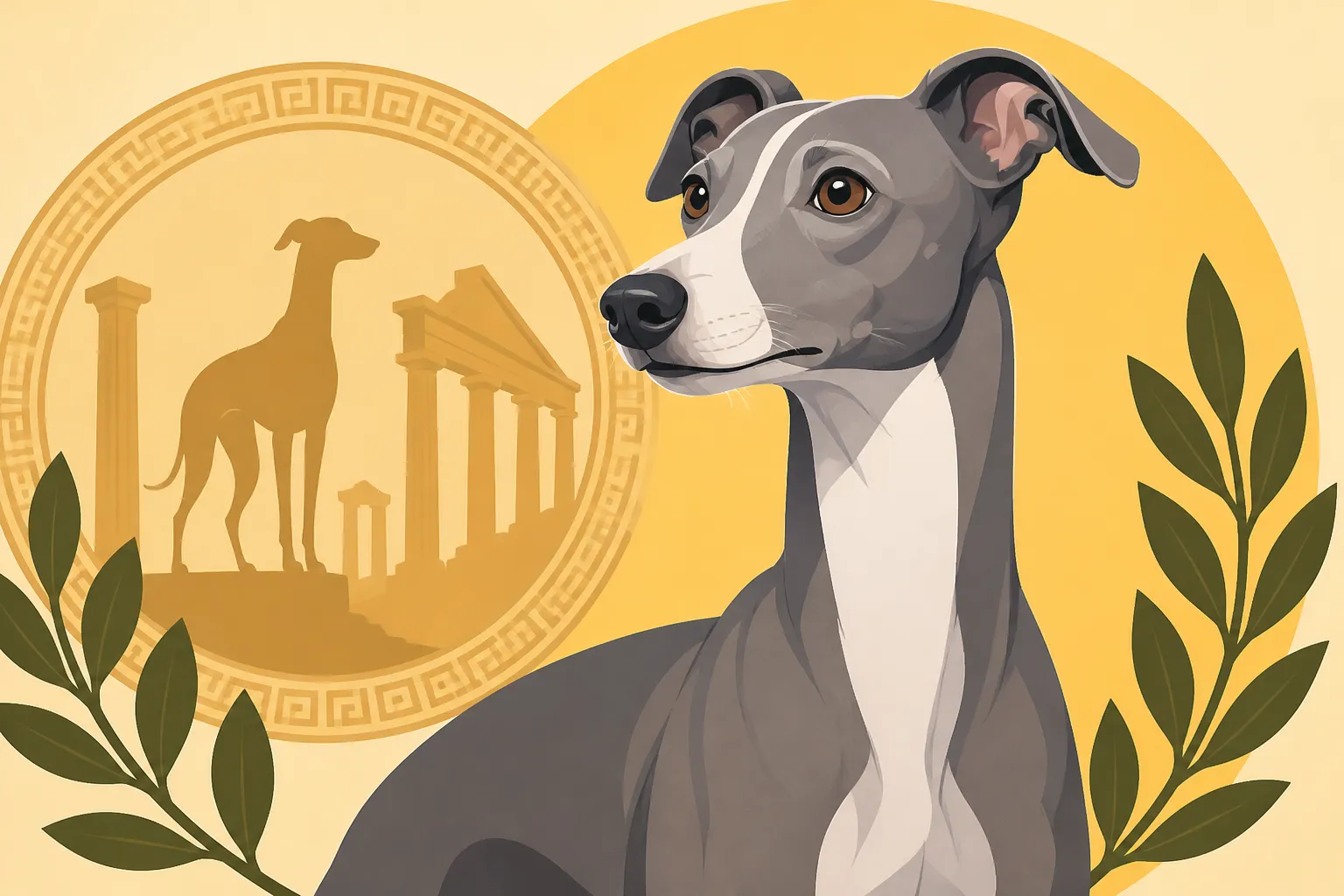
It's in the Roman Empire that the Italian Greyhound really starts to get a clearer historical picture. The very name "Italian Greyhound" hints at its strong ties to Italy, and indeed, Roman households were known to keep small, elegant dogs as companions. These dogs were not used for hunting in the same way larger sighthounds might have been; their role was primarily that of a cherished pet, a status symbol, and a warm body on a chilly night. Artwork and literature from the Roman era occasionally depict small dogs that, again, share many characteristics with the Italian Greyhound. They were valued for their grace and gentle demeanor, much as they are today. Owning such a dog signaled a certain level of refinement and wealth, making them a fixture in aristocratic homes. This historical presence in Roman society solidifies Italy's claim as a significant part of the breed's development, acting as a crucial bridge between their ancient roots and their later European popularity.
From Ancient to Renaissance
As the Roman Empire faded and Europe entered the Middle Ages, the Italian Greyhound's popularity seemed to wane slightly, but it certainly didn't disappear. The breed resurfaced with renewed vigor during the Renaissance, particularly in Italy, where it earned its enduring name. During this period, there was a conscious effort to breed these dogs for even smaller size and more refined features, often leading to a more delicate build. This selective breeding was driven by the desire for lapdogs that perfectly suited the opulent lifestyles of European nobility and royalty. They were bred primarily for companionship and beauty, rather than any working purpose. This era truly cemented their identity as a "toy" breed, distinct from their larger sighthound cousins. This focus on miniature size, while creating the iconic Italian Greyhound we adore, also introduced some of the delicate bone structure we still contend with today. Understanding Where the Italian Greyhound Comes From helps us appreciate the journey.
The Renaissance and Royal Courts: Italian Greyhounds in the Limelight
The Renaissance was a golden age for art, culture, and, it turns out, the Italian Greyhound. This period saw the breed truly blossom, moving from being merely present in noble households to becoming celebrated subjects in some of the most iconic paintings and cherished companions of powerful monarchs. It’s hard to imagine a dog more perfectly suited to the elegance and refinement of the Renaissance courts than the delicate, graceful Italian Greyhound.
Artistic Immortalization
If you've ever wandered through a European art gallery or thumbed through a book on Renaissance art, chances are you've seen an Italian Greyhound or two. Artists of the era frequently included these dogs in their portraits and narrative paintings, immortalizing them on canvas for centuries. Masters like Giotto, Vittore Carpaccio, and even Hieronymus Bosch depicted small, elegant sighthounds that are unmistakably Italian Greyhounds. They weren't just filler in these paintings; they were often placed strategically, sometimes at the feet of noblewomen, nestled in their laps, or even participating in the scene with a quiet dignity. Their presence added an element of domesticity, luxury, and sometimes, even symbolic meaning to the artwork. For an Italian Greyhound owner, seeing these historical depictions can be a real moment of connection, realizing that the same loving, couch-potato dog you cherish was once a muse for some of history's greatest artists. It truly shows the timeless appeal of the breed. If you're keen to see some examples, check out The Renaissance Painters Who Put Italian Greyhounds in the Frame.
Symbols of Status and Affection
In these aristocratic circles, the Italian Greyhound was more than just a pet; it was a potent symbol. Its delicate build and refined appearance made it an emblem of wealth, sophistication, and good taste. Only those with means could afford to keep dogs that served no practical purpose beyond companionship and beauty. They were a living accessory, signaling the owner's status and refined sensibilities. But it wasn't just about outward appearance. These dogs were deeply loved and cherished members of the household. Imagine the drafty castles and manor houses of the time; a small, warm Italian Greyhound curled on a lap or nestled under the covers would have been a source of immense comfort and affection. They were known for their gentle, devoted nature, forming strong bonds with their owners. This combination of status and genuine affection made them incredibly popular, proving that even centuries ago, people understood the unique charm of a "Velcro dog."
Royal Patrons and Their Beloved Iggies
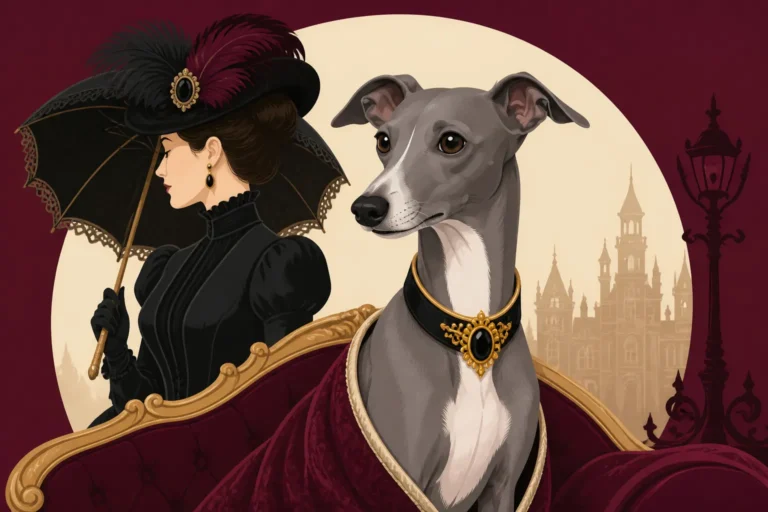
As the breed's popularity soared, it caught the attention of European royalty, securing its place in history. From the courts of Italy, Italian Greyhounds spread across the continent, becoming favorites of queens, kings, and emperors. Frederick the Great of Prussia, for example, was famously devoted to his Italian Greyhounds, even requesting to be buried alongside them. This was a man who led armies and shaped nations, yet he found profound solace and companionship in his small dogs. His affection for them was so deep that he reportedly carried one into battle, hidden within his tunic. Queen Victoria of England was another prominent patron, owning many Italian Greyhounds throughout her life and helping to popularize them in Victorian society. Her affection undoubtedly lent prestige to the breed, inspiring many others to seek out these charming companions. These royal endorsements speak volumes about the breed's enduring appeal – its ability to capture the hearts of even the most powerful individuals. If you want to know more about this remarkable story, be sure to read Frederick the Great Asked to Be Buried Beside His Italian Greyhound.
Near Extinction and Resurgence: The Italian Greyhound's Tumultuous Journey
Even a breed as beloved as the Italian Greyhound isn't immune to the harsh realities of history. Despite their popularity in royal courts, the breed faced several critical junctures where its very existence hung in the balance. These periods of decline highlight the fragility of breed lines and the immense dedication required to preserve them. It's a testament to the passionate breeders and enthusiasts that the Italian Greyhound is still with us today.
Periods of Decline
Throughout its long history, the Italian Greyhound experienced ebbs and flows in popularity, sometimes dipping dangerously low. One significant period of decline occurred in the late 18th and early 19th centuries. The craze for excessively small, almost fragile, dogs led some breeders to compromise the breed's health and vitality in pursuit of extreme miniaturization. This often resulted in weaker constitutions and a reduced ability to thrive, making them more susceptible to disease and injury. This practice weakened the overall gene pool, making it harder for the breed to recover from challenges. It was a classic case of aesthetic desires overshadowing practical health, and it nearly cost the breed everything. This pursuit of "teacup" sizes can happen in various breeds, but for the already delicate Italian Greyhound, it was particularly devastating, threatening its longevity and structural soundness. This is why reputable breeders today focus on health and conformation, not just diminutive size.
Impact of World Wars
Perhaps the most significant threats to the Italian Greyhound's survival came during the two World Wars of the 20th century. War, by its very nature, disrupts everything, and dog breeding is no exception. Resources became scarce, travel was restricted, and the focus of society shifted entirely to survival. Breeding programs, even for beloved companion animals, were often abandoned or severely curtailed. In Europe, where the breed had historically thrived, many bloodlines were lost, and the total number of Italian Greyhounds plummeted to dangerously low levels. Imagine breeders facing the impossibility of feeding their dogs, or having to flee with only what they could carry, leaving behind generations of carefully planned pedigrees. It was a truly desperate time for many breeds, and the Italian Greyhound was no exception. This catastrophic impact meant that by the end of World War II, the breed was on the brink of extinction in its ancestral European homelands. To understand more about this near-loss, you can read The Italian Greyhound Nearly Died Out Twice in Europe.
American and Global Revival Efforts
Thankfully, the Italian Greyhound was not entirely lost. Dedicated breeders, particularly in America, played a pivotal role in saving the breed. During the periods of European decline, American enthusiasts had maintained strong breeding programs, often importing dogs from Europe before the major conflicts. After the wars, these American bloodlines became vital. Dogs were carefully selected and, where possible, re-exported to Europe to help re-establish the breed there. It was a concerted effort by a global community of Italian Greyhound lovers who understood the importance of preserving this ancient and unique dog. These revival efforts weren't just about increasing numbers; they were about rebuilding genetic diversity and re-establishing sound conformation. Breeders worked diligently to move away from the extreme miniaturization that had previously harmed the breed, focusing instead on robust health within the breed standard. This painstaking work, often involving careful selection and sometimes even importing dogs from other continents, slowly but surely brought the Italian Greyhound back from the brink. You can learn more about these heroic efforts in How American Breeders Saved the Italian Greyhound.
Defining the Breed: What Makes an Italian Greyhound Distinct?
Stepping away from the history books and into the present, let's talk about what defines the Italian Greyhound today. While its lineage connects it to larger sighthounds, the Italian Greyhound has a very distinct identity. It's not just a miniature version of a Greyhound; it's a breed with its own unique characteristics, charm, and a very specific place in the dog world. Understanding these distinctions is key to appreciating this wonderful breed.
More Than Just a Miniature Sighthound
One of the most common misconceptions about the Italian Greyhound is that it’s simply a tiny Greyhound or a smaller Whippet. While it shares the sighthound ancestry and many physical traits like its slender build and elegant gait, the Italian Greyhound is recognized as its own distinct breed, belonging to the Toy Group rather than the Hound Group in many kennel clubs. This classification isn't just a technicality; it reflects its primary purpose as a companion animal, a role it has fulfilled for thousands of years. Unlike larger sighthounds historically bred for coursing game, the Italian Greyhound was selectively bred for size reduction and a gentle temperament specifically to be a lapdog and parlor pet. This means their instincts and needs, while retaining a sighthound's drive, are often geared more towards human companionship and indoor living. They are incredibly sensitive, affectionate, and thrive on close human contact, earning them the nickname "Velcro dogs." To grasp why this distinction is so important, read Why the Italian Greyhound Is a Toy and Not a Hound.
Distinguishing from Relatives
When you see an Italian Greyhound next to a Whippet or a full-sized Greyhound, the differences become immediately apparent, even beyond mere size. While all three share that unmistakable sighthound silhouette – lean, muscular, deep-chested, and long-legged – the Italian Greyhound’s proportions are unique. A Whippet is medium-sized, often weighing between 25-45 pounds, while a Greyhound is a large dog, commonly 60-80 pounds. The Italian Greyhound, however, typically weighs between 7 and 14 pounds, making it significantly smaller and more delicate. Their heads are also more refined, and their bone structure is finer. Their gait, while graceful, has a high-stepping elegance that is distinctly Italian Greyhound. They possess an almost ethereal quality due to their extreme leanness and fine skin. Furthermore, their temperaments, while all sighthounds are generally gentle, vary in terms of intensity of prey drive and independence. Italian Greyhounds are typically the most "needy" and people-oriented of the trio, desiring constant closeness with their humans. For a deeper dive into these comparisons, check out The Italian Greyhound Against the Whippet and the Greyhound.
Ideal Size and Structure
The breed standard for Italian Greyhounds outlines a very specific ideal, emphasizing elegance, grace, and a delicate yet sound structure. Typically, an adult Italian Greyhound stands between 13 and 15 inches tall at the shoulder and weighs between 7 and 14 pounds. This size range is crucial; dogs that are significantly smaller are often referred to as "teacup" IGs, a term not recognized by breed clubs and often associated with unsoundness and health issues due to extreme breeding practices. A healthy Italian Greyhound, though fine-boned, should not be fragile in a way that compromises its well-being. They should possess a lean, muscular body, a deep chest, and a gracefully arched back (known as a roach). Their thin skin, which makes them feel almost like velvet, also means they carry very little body fat, making them particularly sensitive to cold temperatures. This physical structure, refined over centuries, is what gives them their distinctive high-stepping gait and their unique agility, allowing them to leap and dash with surprising speed and precision, even if it sometimes leads to mishaps. If you're curious about the specifics of their ideal physique, reading What an Italian Greyhound Weighs and How Tall It Stands is a good next step.
Understanding the Italian Greyhound Standard: Form and Function
The breed standard isn't just an arbitrary list of traits; it's a blueprint developed over generations to preserve the unique characteristics and health of the Italian Greyhound. It describes the ideal Italian Greyhound, guiding breeders and judges alike. When you look at an Italian Greyhound, every part of its elegant form is a result of centuries of selective breeding, aiming for both beauty and a surprising degree of athletic function for a toy dog.
The Signature Gait and Conformation
One of the most enchanting qualities of the Italian Greyhound is its distinctive gait. They move with a high-stepping, springy action that is often described as "hackney-like," meaning it resembles the trot of a hackney horse. Their front legs lift gracefully, and their overall movement is light and effortless, conveying an impression of suspended animation as they float across the ground. This beautiful movement is supported by their unique body conformation: a moderately arched back that flows into a well-muscled loin, and a pronounced "tuck-up" where the abdomen gracefully rises from the chest to the hindquarters. Their long, fine legs, while appearing delicate, are surprisingly powerful, enabling them to reach incredible bursts of speed. A correct Italian Greyhound presents a picture of refined athleticism, even if their most strenuous activity might be a short sprint across the living room to greet you. Understanding The High Stepping Gait That Marks a Correct Italian Greyhound is essential for appreciating their elegance.
Accepted Colors and Markings
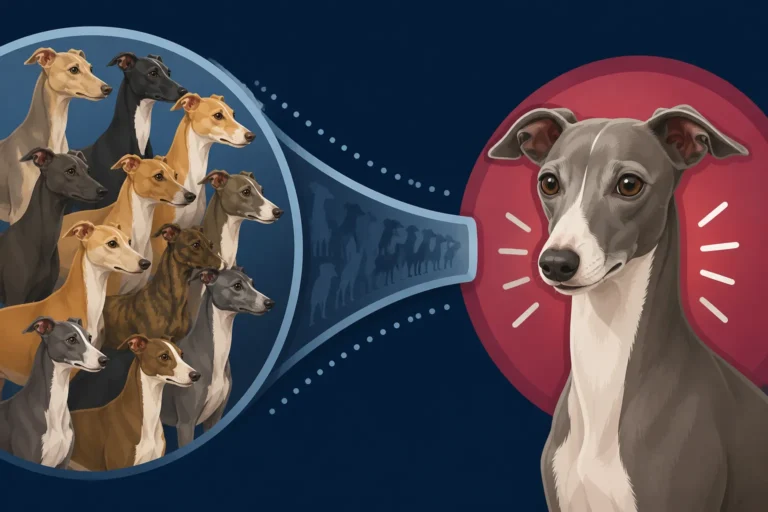
Italian Greyhounds come in a delightful array of colors, and the breed standard dictates which are permissible and which are considered faults or disqualifications in the show ring. Generally, most solid colors and combinations are accepted, including black, blue, fawn, red, seal, and various shades of sable. White markings are also usually permissible, often seen on the chest and feet, creating striking contrasts. However, there are specific color patterns that are considered disqualifying. For instance, brindle (a striped pattern) and black and tan markings (like those seen on a Doberman or Rottweiler) are typically not accepted in the show ring, even though they can occur genetically. This isn't to say dogs with these colors are unhealthy or less worthy as pets, but they do not conform to the established breed aesthetic for exhibition. Responsible breeders adhere to these standards, not just for show purposes, but to maintain the historical appearance of the breed. It's a fascinating aspect of breed purity, and you can explore it further by reading Every Color an Italian Greyhound Is Allowed to Be.
Ear Set and Eye Expression
Beyond their overall silhouette and color, specific details like ear set and eye expression contribute significantly to the Italian Greyhound's characteristic look. Their ears are small, fine in texture, and typically carried folded back against the head, often referred to as "rose ears." When the dog is alert or excited, the ears might semi-erect or "fly" to the side, but fully erect "prick ears" are considered a fault. Their eyes are dark, bright, and full of intelligent, gentle expression, contributing to their endearing and soulful gaze. These features, along with their long, fine muzzle, create an aristocratic and somewhat melancholic appearance that is instantly recognizable. The way an Italian Greyhound uses its ears to express emotion is truly captivating, from the relaxed rose ear to the slightly lifted "airplane ears" when they're curious. It all adds to the breed's unique communicative charm, making them expressive companions who seem to understand your every mood.
Living with an Ancient Breed: Modern Italian Greyhound Ownership
So, you've fallen in love with the historical elegance and delicate charm of the Italian Greyhound. Bringing one into your modern home is an incredibly rewarding experience, but it also comes with its own unique set of considerations. These are dogs bred for centuries to be close companions, and their ancient instincts and physical characteristics certainly play a role in their day-to-day lives today.
Temperament and Compatibility
Modern Italian Greyhounds are, at their core, companion dogs. They are renowned for being "Velcro dogs," meaning they adore being close to their human family, often following you from room to room and seeking out any opportunity for a cuddle. This intense bond is part of their charm but also something potential owners need to be prepared for. They thrive on companionship and can develop separation anxiety if left alone for extended periods. They are generally gentle, sensitive, and sweet-natured, making them wonderful pets for individuals, couples, and families with older, considerate children. Their delicate build, however, means they are not ideal playmates for rough-and-tumble toddlers who might accidentally injure them. They tend to be a bit reserved with strangers initially but warm up quickly once they feel safe. If you're looking for an independent dog that prefers its own company, an Italian Greyhound is probably not the right fit. But if you dream of a loyal, affectionate shadow, they are absolutely perfect. Learn more about their unique clinginess in The Velcro Dog: What Constant Company Means With an Italian Greyhound.
Exercise and Enrichment
Despite their delicate appearance and status as a toy breed, Italian Greyhounds are sighthounds, and they retain a surprising amount of athleticism and a strong prey drive. They aren't marathon runners, but they absolutely adore short, intense bursts of speed – often referred to as "zoomies" – whether it's tearing around the living room or galloping across a secure, fenced yard. Daily walks on a leash are a must, both for physical exercise and mental stimulation, but remember their fragile bones and instinct to chase; they should never be trusted off-leash in an unfenced area. A sudden movement or a squirrel can trigger their sighthound instincts, sending them off at incredible speeds, often oblivious to traffic or calls. Many Italian Greyhounds also excel in activities like lure coursing, which safely channels their natural chasing instincts. They don't require hours of vigorous exercise like some larger breeds, but consistent opportunities for short sprints and mental engagement are vital to their happiness and well-being. For ideas on keeping them active and happy, What an Italian Greyhound Does All Day is a great read. When shopping for their favorite toys or even a new cozy bed for after their zoomies, many Italian Greyhound owners find great options at retailers like Chewy, which often stocks a wide variety of enrichment items suitable for smaller, active breeds.
Training Considerations
Housetraining an Italian Greyhound can be one of the more challenging aspects of ownership, earning them a reputation for being difficult to potty train. This isn't due to a lack of intelligence, but rather a combination of factors: their small bladder, sensitivity to cold or wet weather, and a natural inclination to keep their den (your house!) clean by finding alternative spots. Consistency, patience, and positive reinforcement are absolutely key. Many owners find success with indoor potty solutions like pee pads or litter boxes, especially in colder climates or for apartment living. They are incredibly sensitive dogs, and harsh corrections or a raised voice will only make them shut down and regress, setting training back significantly. Instead, positive, reward-based training methods, short sessions, and plenty of praise work wonders. They are intelligent and eager to please their beloved humans, but they need a gentle touch and a clear understanding of expectations. Their delicate nature also extends to their bones, so teaching them not to jump off furniture is critical. This is a big topic that many owners struggle with, and you can find more detailed advice in Housetraining an Italian Greyhound Is the Hardest Part of Owning One. Investing in quality training treats and durable indoor potty solutions, often available from pet supply companies like Chewy, can make a huge difference in their training journey.
Essential Care for Your Ancient Companion
Caring for an Italian Greyhound means understanding their specific needs, many of which stem directly from their historical development as a delicate, companion-focused breed. From keeping them warm to ensuring their dental health, daily care is paramount to their well-being and longevity. These aren't dogs that you can just leave to their own devices; they need a proactive and attentive approach.
Keeping Them Warm and Comfortable
Given their extremely thin skin, minimal body fat, and short coat, Italian Greyhounds are notoriously sensitive to cold. This isn't just a preference; it's a physiological necessity. They shiver easily, even indoors, and can quickly become hypothermic in chilly weather. This means keeping your home at a comfortable temperature for them, and providing an ample wardrobe of sweaters and coats for walks outdoors, even on days that might feel mild to you. They absolutely adore burrowing under blankets, so soft, cozy bedding and plenty of blankets are essential. Many owners even provide heated beds or sleep with their Iggies under the covers to ensure they stay toasty warm. Think of them as tiny, furry heat-seeking missiles! This need for warmth isn't just a winter thing; air conditioning can also make them shiver, so year-round consideration is needed. When preparing for cold weather, a quick browse through Chewy's selection of dog sweaters and heated beds will show you just how many options are out there to keep your little one snug.
Nutrition and Weight Management
Italian Greyhounds are typically very efficient eaters for their size and don't require large quantities of food. However, their lean build means that maintaining an ideal weight is crucial. You should be able to easily feel their ribs, but not see them prominently. If their ribs are too visible, they might be underweight; if you can't feel them at all, they're likely overweight, which can put undue stress on their delicate bones and joints. They generally do well on high-quality small-breed kibble, fed twice a day. While some can be notoriously picky eaters, establishing a consistent feeding routine can help. Treats should be given sparingly to avoid unnecessary weight gain. Because they have minimal body fat, any weight fluctuation can be quite noticeable and impactful on their overall health. Monitoring their weight regularly and adjusting their food intake as needed is a simple but important part of their care. You can find excellent quality small-breed specific foods and treats from reliable sources like Chewy, making it easier to manage their diet effectively.
Prioritizing Dental Health
Perhaps one of the most critical and often overlooked aspects of Italian Greyhound care is dental health. They are highly predisposed to dental disease, often starting at a very young age. This is due to their small mouths and crowded teeth, which create prime environments for plaque and tartar buildup. Without diligent home care and regular professional cleanings, Italian Greyhounds can suffer from severe periodontal disease, leading to painful extractions, jawbone loss, and even systemic health issues. Daily tooth brushing with a dog-specific toothpaste is the gold standard and should be started as early as puppyhood to get them accustomed to it. Regular veterinary dental check-ups and professional cleanings under anesthesia are often necessary, sometimes annually. It’s an investment in their long-term health and comfort that cannot be skipped. Many owners are shocked by how early and aggressively dental issues can manifest, making proactive care absolutely non-negotiable for these charming dogs. Read Periodontal Disease Is the Italian Greyhound's Most Common Diagnosis to truly understand the importance of this.
Disclaimer
This article is for general informational purposes only and does not constitute professional advice. Laws, prices and regulations vary by location and change over time. Consult a qualified professional for guidance on your specific situation.