Who the Italian Greyhound Actually Suits
Bringing an Italian Greyhound into your life is an incredibly rewarding experience, but it’s also a commitment that asks a lot from an owner. Many folks fall in love with their delicate beauty and elegant appearance, only to find themselves unprepared for the unique needs and quirks of this ancient breed. This guide is here to help you honestly assess if your lifestyle, personality, and expectations truly align with what an Italian Greyhound thrives on, ensuring a harmonious and happy life together.
Understanding the Italian Greyhound Temperament: Beyond the Looks
When you first lay eyes on an Italian Greyhound, their slender form and graceful movements might suggest a perpetually calm, demure companion. However, IGs possess a complex and often surprising temperament that is anything but passive. They are full of life, bursting with personality, and come with a unique blend of sighthound instincts and toy dog affection that shapes their entire being. Understanding these foundational traits is key to knowing if you're the right match.
The Velcro Dog Phenomenon
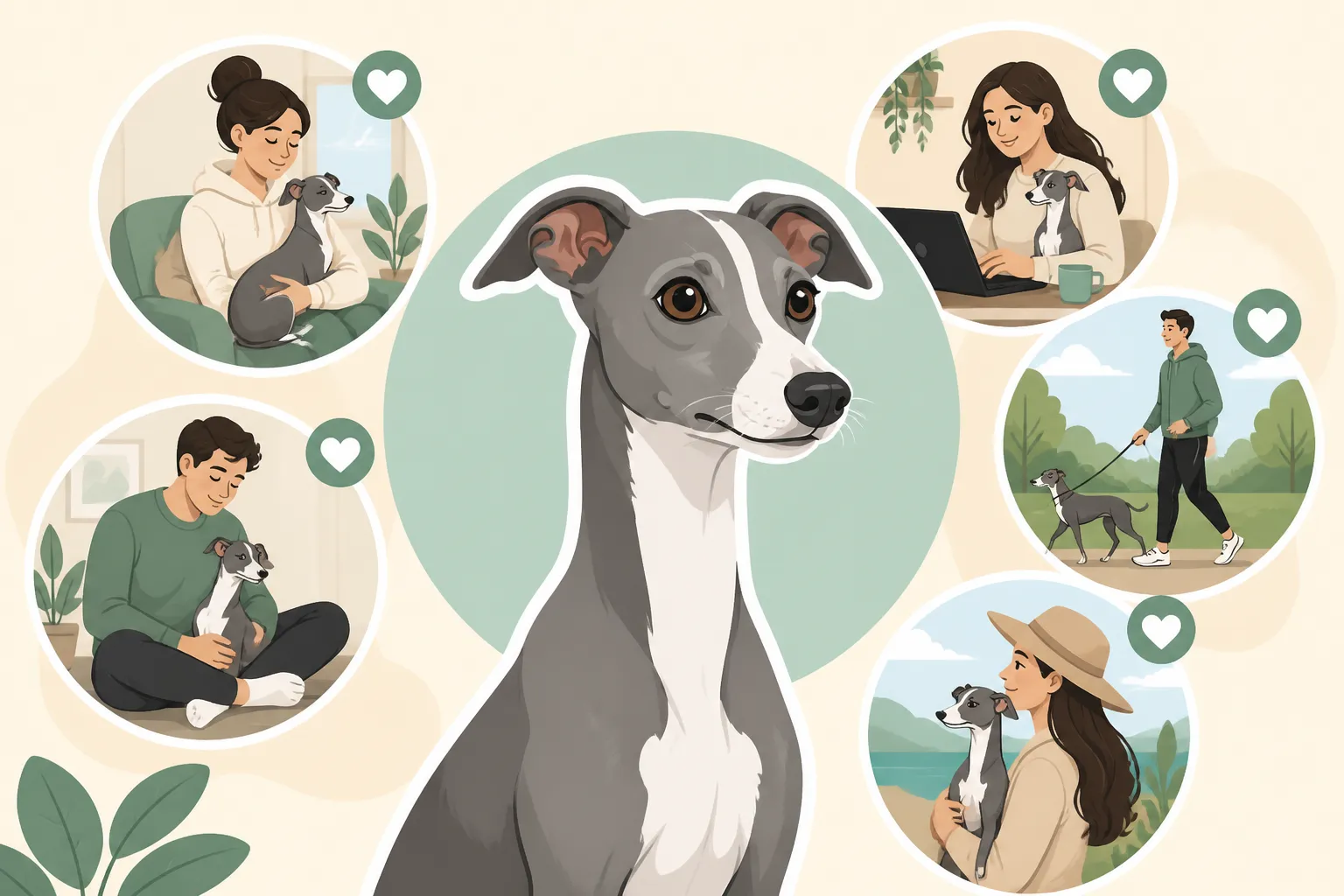
One of the most defining characteristics of an Italian Greyhound is their absolute devotion to their chosen person or family. They are, without a doubt, "Velcro dogs." This isn't just a cute saying; it's a fundamental aspect of their emotional makeup. An IG wants to be with you, on you, and near you at all times. If you move from the sofa to the kitchen, expect a shadow to follow. If you sit down, expect them to try and climb into your lap or burrow under the nearest blanket right beside you.
This intense need for companionship can be wonderfully heartwarming for someone who craves constant canine affection. They thrive on physical touch, snuggling deep under blankets, and sharing your space. However, for those who prefer a more independent dog, or who need their personal space for long stretches, this constant presence can feel overwhelming. It means your dog will often be underfoot, trying to wedge itself into the smallest crevice next to you. The Velcro Dog: What Constant Company Means With an Italian Greyhound explores this bond in detail, but suffice it to say, if you're not ready for a dog that will literally follow you to the bathroom, an IG might not be your ideal companion. They can develop significant separation anxiety if left alone too often or for too long, manifesting in destructive behaviors or excessive vocalization.
Shyness and Sensitivity
Italian Greyhounds are often described as sensitive souls. They can be incredibly shy, particularly around strangers or in new environments. This isn't aggression; it's usually a deep-seated apprehension that can make them withdraw, tremble, or even try to hide. A noisy, bustling household with constant new visitors might be a source of stress for many IGs, rather than an exciting adventure. They prefer a calm, predictable environment where they feel safe and secure.
Their sensitivity also extends to how they respond to correction. Harsh words or loud voices are almost entirely counterproductive with an Italian Greyhound. They are incredibly attuned to your tone and body language, and a raised voice can make them shut down, become fearful, or even regress in their training. Positive reinforcement, gentle encouragement, and patience are the only effective methods for training and building trust with this breed. If you're someone who believes in stern discipline or sharp corrections, an IG will likely suffer emotionally and trust will erode. Why Raising Your Voice Sets an Italian Greyhound Back a Month provides further insight into their sensitive nature.
Prey Drive and Independent Spirit
Despite their delicate appearance, Italian Greyhounds are sighthounds, and they possess the strong prey drive inherent to their lineage. This means that if they spot something interesting – a squirrel, a leaf blowing in the wind, a cat across the street – their instinct to chase can override everything else. They are incredibly fast, and once they're off, recall can be nearly impossible. This isn't defiance; it's instinct taking over.
This strong prey drive means that Italian Greyhounds generally cannot be trusted off-leash in unsecured areas, ever. A fully fenced yard (and one they can't jump or squeeze under) is absolutely essential. Even then, supervision is key. Walks must always be on a leash, preferably with a secure harness designed for their slender build, like those found on Chewy, to prevent them from slipping out. This characteristic demands a vigilant owner who understands the risks and is prepared to manage them consistently. If you dream of off-leash hikes in open fields or believe a "well-trained" dog will always come when called, an IG will likely challenge those assumptions with a dramatic, high-speed chase. Why an Italian Greyhound Cannot Be Trusted Off Leash, Ever elaborates on this critical safety concern.
Living Spaces and Environments: Apartment vs. House
The question of where an Italian Greyhound can live often comes down to balancing their energy bursts with their delicate structure and cold sensitivity. While they are small, their needs dictate specific considerations for their physical environment.
Apartment Living and Urban Dwellers
Many people assume Italian Greyhounds are perfect apartment dogs due to their small size. And they can be! Their low body fat and thin coats mean they prefer to be indoors, especially when the weather is anything less than ideal. They don't require vast acres to roam constantly. In fact, they thrive on indoor zoomies – those sudden, frantic bursts of running around the living room in tight circles – which can provide much of their necessary exercise. This makes them well-suited for urban living where outdoor space might be limited.
However, apartment living comes with caveats. You must be committed to leash walks for potty breaks, regardless of weather, or set up an indoor potty system. They are often reluctant to venture out in rain, snow, or even just chilly temperatures. Whether an Italian Greyhound Can Live in an Apartment details how to make this setup work, emphasizing the need for warmth and protection outdoors. Furthermore, while they aren't excessive barkers generally, an IG will often bark to announce visitors or suspicious sounds, which can be a concern for close neighbors. Their deep bond with their owner also means they don't do well left alone for long periods in an apartment, risking distress and potentially, nuisance barking.
Home with a Fenced Yard: The Best Scenario
For many Italian Greyhounds, a home with a secure, fenced yard offers the best of both worlds. It provides a safe space for those explosive, short bursts of speed that are so characteristic of the breed, allowing them to burn off energy safely without the risk of running into traffic or disappearing after a squirrel. Even a small urban yard can be a godsend for these dogs to stretch their legs and enjoy some sun.
Crucially, the fence must be high enough to prevent jumping and secure enough to prevent squeezing underneath. IGs are surprisingly agile and can scale fences or slip through small gaps. It’s not uncommon to hear stories of IGs finding the smallest imperfection in a fence line. The yard also needs to be free of hazards that could lead to injury, as their delicate bone structure is prone to fractures. This means no sharp objects, unstable furniture, or precarious climbing opportunities. If your yard offers easy access to high drops, or has gaps that a curious sighthound could exploit, it might be more of a risk than a benefit.
Climate Considerations: Warmth is Key
Italian Greyhounds are built for warmth. Their extremely short, fine coat and minimal body fat offer almost no insulation against cold weather. This isn't just a comfort issue; it's a health and safety concern. They shiver easily and quickly become hypothermic in cool temperatures. This means that if you live in a cold climate, you must be prepared to invest in a comprehensive wardrobe of sweaters, coats, and even boots, easily sourced from retailers like Chewy.
Indoor temperatures are equally important; they often shiver even in a home that feels comfortable to humans. Owners frequently find their IGs burrowed deep under blankets, seeking warmth. If you are someone who keeps your home on the cooler side or expects your dog to withstand cold outdoor conditions for long periods, an Italian Greyhound will be perpetually uncomfortable and potentially unhealthy. Their intolerance for cold also impacts their housetraining, as they may refuse to go outside in inclement weather. Keeping an Italian Greyhound Warm Is Daily Work, Not a Winter Job truly drives home how much of a daily consideration this is.
Lifestyle Compatibility: Active vs. Sedentary Owners
The lifestyle an Italian Greyhound needs is often misunderstood. While they are sighthounds, they are not endurance athletes like some larger breeds. Their exercise requirements are unique, a blend of explosive energy and long periods of rest.
The Myth of the Marathon Dog
Many see "greyhound" in their name and imagine a dog that needs to run for miles every day. This is a misconception. Italian Greyhounds thrive on short, intense bursts of activity, followed by equally intense naps. They love to sprint and play for 10-15 minutes, then they're ready to crash on the sofa or in a sunny spot for hours. A couple of these short, vigorous play sessions, interspersed with casual walks, are often sufficient. Long, arduous hikes or endurance runs are generally not what they are built for, and can even be detrimental to their delicate joints over time.
This makes them surprisingly suitable for individuals or families with a moderately active lifestyle, who appreciate a dog that can keep up for a sprint around the park, then happily cuddle up for movie night. If you're looking for a running partner for daily 5k training, an Italian Greyhound might not be the best fit. However, if you enjoy brisk walks, short play sessions, and plenty of couch time, they might be your perfect match. What an Italian Greyhound Does All Day covers their typical daily routine, which usually involves a lot of napping!
For the Couch Potato (Who Still Provides Play)
Conversely, Italian Greyhounds can also be excellent companions for those with a more sedentary lifestyle, provided they still get their opportunities for explosive play. Think of them as high-performance sports cars that spend most of their time in the garage but need to be taken out for a spin occasionally. Indoor zoomies are a common way for them to burn off energy, especially if outdoor conditions are poor.
The key here is understanding that "sedentary" doesn't mean "no exercise." It means their exercise is often self-directed, occurring in short bursts, and doesn't necessarily require their human to be running alongside them for miles. An owner who is happy to toss a squeaky toy across the living room or let them race around the dining table for a few minutes before settling down for a long nap will find an IG a delightful companion. Their love for warmth and soft blankets also makes them excellent professional nappers and cuddle buddies, perfectly content to share your sofa for hours on end.
Managing Delicate Bones: Safety First
A critical aspect of matching with an Italian Greyhound's lifestyle is acknowledging their fragile bone structure. Their slender legs, particularly the radius, are famously prone to breaks, especially during their puppy and adolescent years. This means active, rough-and-tumble play with larger dogs or unsupervised romping in risky environments is generally off-limits. Owners must be constantly vigilant to prevent falls from furniture, jumping from heights, or any activity that could put undue stress on their bones. Why an Italian Greyhound's Leg Bones Break So Easily is a must-read for any potential owner.
This doesn't mean they can't play or be active, but it means their play must be managed and often confined to safer, carpeted areas or supervised outdoors. Owners need to be proactive about things like providing ramps or steps for furniture, preventing access to high places, and teaching safe handling techniques. If you're someone who prefers a robust, sturdy dog that can withstand accidental bumps and tumbles, or if you're not prepared for the significant lifestyle adjustments needed to keep a delicate dog safe, an Italian Greyhound might bring more anxiety than joy.
Time Commitment and Companionship Needs
The phrase "Velcro dog" really isn't an exaggeration. Italian Greyhounds thrive on companionship and struggle significantly when left alone for extended periods. This makes them a particular fit for certain schedules and lifestyles.
Work-from-Home or Part-Time Schedules
The ideal owner for an Italian Greyhound is someone who works from home, has a flexible schedule, or is retired and can provide consistent companionship throughout the day. These dogs truly want to be part of your daily routine, whether it's napping at your feet while you work, following you from room to room, or demanding a good snuggle during a break. Their emotional well-being is deeply tied to feeling connected to their human.
If you have a demanding 9-to-5 job that requires you to be out of the house for eight or more hours a day, an Italian Greyhound might not be the best choice unless you have a robust plan for their care. This could involve a trusted dog walker who visits multiple times a day, or even a doggy daycare, though their shyness might make group daycare a challenge for some IGs. Simply leaving them alone with free run of the house can lead to stress, accidents, and potentially destructive behaviors born of anxiety.
Managing Separation Anxiety
Many Italian Greyhounds are prone to separation anxiety, which is a serious condition that can be heartbreaking for both dog and owner. It can manifest as excessive barking, destructive chewing, inappropriate urination or defecation, or frantic attempts to escape when left alone. This isn't naughtiness; it's genuine distress. Addressing separation anxiety requires immense patience, consistent training, and sometimes, professional help.
An owner must be prepared to work on building confidence incrementally, starting with very short periods of alone time and gradually extending them. Calming aids, specific training protocols, and ensuring they have a comfortable, secure "den" (like a soft-lined crate with a blanket) can help. But it's a significant time commitment. If your work or social life regularly takes you away from home for long stretches, and you're not prepared for the possibility of managing this challenging issue, an Italian Greyhound might not be the best fit.
The Value of Multiple IGs or a Compatible Companion
For owners who simply cannot be home all day, one strategy sometimes employed to mitigate separation anxiety is getting a second Italian Greyhound, or a calm, compatible canine companion. Often, two IGs will comfort each other and provide the companionship they crave, making the periods of alone time much more manageable. They tend to bond deeply with their own kind, sleeping in piles and playing together.
However, this is not a guaranteed fix and doubles the commitment, financially and otherwise. The second dog must also be a good fit for your home and the existing IG. Some IGs prefer to be the sole recipient of attention. If considering a companion dog, choose one with a similar energy level and gentle play style to avoid accidental injury to the delicate Italian Greyhound. This approach underscores the breed's deep need for connection, even if it means seeking it from another four-legged friend when their human isn't available.
Financial Realities: Budgeting for an Italian Greyhound
Italian Greyhounds are not a "cheap" breed to own, despite their small size. Their unique health vulnerabilities and care requirements mean potential owners must be prepared for significant expenses throughout their lifetime.
Initial Costs and Breeder Considerations
The upfront cost of an Italian Greyhound puppy from a reputable breeder can be substantial. This initial investment typically reflects the breeder's commitment to health testing, proper nutrition, early socialization, and quality care for their breeding stock and puppies. It's not just about the puppy itself, but the assurance that you're getting a dog from a responsible program that prioritizes the breed's health and future. Always inquire about health testing, especially for eyes and patellas. What an Italian Greyhound Puppy Costs From a Breeder explains the factors that contribute to their price.
Rescues are another option, and while adoption fees are generally lower, an older rescue IG may come with pre-existing health conditions or behavioral challenges that require immediate veterinary attention or specialized training, effectively front-loading some of those costs. Either way, preparing financially for the acquisition of your Italian Greyhound is just the beginning.
The Inevitable Broken Leg Fund
This is perhaps the most significant financial consideration for an Italian Greyhound owner. As mentioned, their slender legs are notoriously fragile, especially in their youth (up to 2 years old). A fall from a sofa, a misstep during play, or even being accidentally dropped can result in a serious fracture. These aren't minor injuries; they often require specialized orthopedic surgery, which can be incredibly expensive. Multiple surgeries might even be necessary if the first repair isn't successful, or if complications arise.
Owners must have an emergency fund specifically earmarked for a potential broken leg. It's not a question of if it might happen, but when for many unfortunate owners. Pet insurance can help, but it's crucial to understand waiting periods and what exactly is covered (or not covered as a pre-existing condition if acquired after the injury). Why a Broken Leg Is the Biggest Bill an Italian Greyhound Owner Gets details the financial impact of such an injury. If you are not in a position to cover a sudden, multi-thousand-dollar veterinary bill, an Italian Greyhound might unfortunately lead to a financially stressful situation should an accident occur.
Lifelong Dental Care
Italian Greyhounds are highly prone to dental disease, often starting at a very young age. Their small mouths are prone to overcrowding, leading to plaque and tartar buildup that can quickly escalate to periodontal disease, tooth loss, and even jaw fractures during extractions. This isn't just an aesthetic problem; poor dental health can lead to serious systemic infections affecting the heart, kidneys, and liver. Periodontal Disease Is the Italian Greyhound's Most Common Diagnosis highlights the prevalence of this issue.
Regular, professional dental cleanings under anesthesia are not a luxury; they are a necessity, often required annually, sometimes even every six to nine months, throughout their lives. These procedures involve scaling, polishing, and often extractions, and the costs add up significantly over a 14-15 year lifespan. Daily tooth brushing at home is crucial to extend the time between professional cleanings, but it rarely eliminates the need for them entirely. If you're not committed to this ongoing, expensive aspect of care, your Italian Greyhound will likely suffer from chronic pain and severe health issues. Dental Work Repeats Every Year of an Italian Greyhound's Life underscores this continuous financial demand.
| Expense Category | Description | Frequency | Potential Impact on Budget |
|---|---|---|---|
| Initial Purchase/Adoption | Cost of a well-bred puppy or adoption fee from a rescue. | One-time | Moderate to High. Varies by breeder/rescue. |
| Emergency Fund (Fracture) | Savings specifically for potential broken leg surgery and aftercare. | Pre-emptive/As needed | Very High. Can be a sudden, significant expense if not pre-planned. |
| Routine Vet Care | Annual check-ups, vaccinations, parasite prevention (flea, tick, heartworm – often bought from Chewy), blood work. | Annually/Monthly | Moderate. Consistent, but generally predictable. |
| Dental Cleanings | Professional dental cleaning under anesthesia, including extractions if needed. | Annually (or more often) | High. A recurring significant expense over the dog's lifetime. |
| Food & Treats | High-quality kibble or wet food, plus treats. IGs are relatively light eaters. | Monthly | Low to Moderate. Generally less than larger breeds due to smaller portions. |
| Clothing & Bedding | Sweaters, coats, pajamas for warmth, orthopedic beds, blankets. | Ongoing/As needed | Moderate. Essential for comfort and health, especially in cooler climates. Clothing an Italian Greyhound Is a Real Budget Line explains why this is not optional. |
| Training & Supplies | Leashes, secure harnesses, crates, indoor potty solutions (pads/boxes), ramps/steps, toys. | Initial/Ongoing | Moderate. Initial setup can be significant, ongoing replacement of toys/supplies. |
| Pet Insurance | Monthly premiums. | Monthly | Moderate. Can mitigate high unexpected costs like fractures or major illnesses, but requires understanding coverage details. |
| Senior Care | Increased vet visits, medications for age-related conditions (e.g., arthritis, heart issues), specialized food. | Annually/Monthly (later in life) | Moderate to High. Costs typically increase in the dog's later years as health needs change. Caring for an Italian Greyhound Past Eleven outlines these needs. |
Family Dynamics: Children, Other Pets, and Socialization
Bringing an Italian Greyhound into a family environment requires careful consideration of how they will interact with existing family members, especially children and other pets. Their delicate nature and sensitive temperament mean they don't fit every family dynamic.
Italian Greyhounds and Children
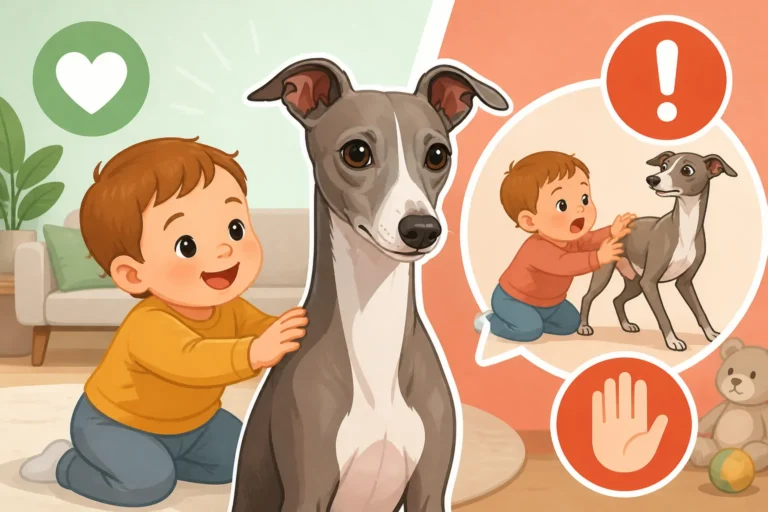
Generally, Italian Greyhounds are best suited for homes with older, respectful children, or no children at all. Their fragile bones make them incredibly vulnerable to accidental injury from young children who may not understand how gently they need to be handled. A toddler's clumsy grab, accidental drop, or even enthusiastic play can easily lead to a broken leg. The heartbreaking reality is that many IGs in rescue come from homes with young children where an accident occurred.
Older children (teens or pre-teens) who are mature enough to understand the importance of gentle handling, proper supervision, and respecting a dog's space can coexist beautifully with an Italian Greyhound. These dogs can be loving and playful companions with kids who know how to interact safely. However, parents must be committed to educating their children and always supervising interactions. If you have young, boisterous children, or are planning to start a family soon, an Italian Greyhound might not be the most responsible choice for either the dog or your peace of mind. Why an Italian Greyhound Suits Older Children Better provides more detail on this topic.
Coexisting with Other Pets
Italian Greyhounds can thrive in multi-pet households, especially with other IGs or similarly sized, gentle dogs. They often appreciate the companionship of another canine, which can help alleviate separation anxiety. They are prone to sleeping in piles, a common sighthound trait that speaks to their need for warmth and security.
However, caution is paramount when introducing an Italian Greyhound to larger, more boisterous breeds. Even the most well-meaning play from a larger dog can accidentally cause severe injury to an IG. A rough nudge, a clumsy paw, or an excited tumble could result in a fracture. Owners must be vigilant and ensure all interactions are supervised and appropriate. If you have a large, high-energy dog, you'll need to create safe, separate play spaces or limit interactions to very calm, controlled settings.
Their strong prey drive also means that smaller pets like hamsters, guinea pigs, or even outdoor cats can be seen as chase objects. While many IGs can learn to coexist peacefully with an indoor cat, especially if introduced as puppies, that ingrained instinct to chase small, fast-moving things is always present. An owner must understand this instinct and be prepared to manage it for the safety of all pets.
Socialization and Exposure
Proper socialization from a young age is crucial for Italian Greyhounds, but it needs to be done carefully and thoughtfully due to their sensitive nature. Exposing them to a variety of sights, sounds, people, and gentle dogs in a positive and controlled manner helps them build confidence and reduces shyness. However, overwhelming them with too much too soon can backfire, making them more fearful.
Dog parks, for instance, are generally not recommended for Italian Greyhounds. The unpredictable nature of play with unknown dogs, especially larger ones, poses a significant risk of injury. Instead, focus on small, curated playdates with known, gentle dogs or specific sighthound play groups. An owner committed to careful, positive socialization will help their IG grow into a more confident, well-adjusted companion, rather than a perpetually timid one.
Dealing with Specific Italian Greyhound Challenges
Owning an Italian Greyhound means accepting and preparing for some very specific challenges that are inherent to the breed. These aren't minor inconveniences but fundamental aspects of their care that require patience, consistency, and often, a sense of humor.
The Housetraining Hurdle
Let's not sugarcoat it: housetraining an Italian Greyhound can be notoriously difficult. This is perhaps one of the most common frustrations new IG owners face. They are often slow to grasp the concept, have small bladders, and are incredibly reluctant to go outside in anything less than perfect weather. Rain, cold, wind, or even wet grass can be enough to send them scurrying back indoors to relieve themselves in a more comfortable spot.
Consistency, positive reinforcement, and patience are absolute necessities. Many IG owners find success with indoor potty solutions, such as litter boxes or pee pads, to provide an acceptable alternative when outdoor conditions are undesirable. This doesn't mean they can't be housetrained to go outside, but it means you need to be prepared for a longer journey, potential setbacks, and possibly a hybrid indoor/outdoor system. Housetraining an Italian Greyhound Is the Hardest Part of Owning One offers a deep dive into this widespread struggle. If you're looking for a dog that will be perfectly housetrained in a few weeks with minimal effort, an Italian Greyhound might truly test your patience.
Managing Cold Weather Reluctance
Beyond just housetraining, an Italian Greyhound's aversion to cold weather impacts almost every aspect of their outdoor life. Shivering starts quickly, and they can become uncomfortable, even distressed, within minutes of exposure. This isn't just "being a diva"; it's a physical vulnerability due to their lack of insulating fat and fur.
Owners must be prepared to bundle their IGs in multiple layers for outdoor excursions, even for quick potty breaks. Quality coats, sweaters, and even insulated boots (many good options available on Chewy) are not optional accessories but essential gear. In severe winter weather, outdoor activity might need to be extremely limited, necessitating indoor exercise alternatives. If you live in a region with harsh winters and aren't prepared for this level of cold weather management, your Italian Greyhound will be miserable and your outdoor activities severely curtailed. Why a Nine Pound Italian Greyhound Gets Cold on the Table highlights their general physiological susceptibility to cold.
Grooming Simplicity and Skin Sensitivity
Compared to many breeds, Italian Greyhounds are incredibly low-maintenance in terms of grooming. Their short, fine coat requires minimal brushing and they shed very little, making them a relatively clean and odorless dog. A quick wipe-down or occasional bath is usually all that's needed. This is a huge bonus for owners who prefer not to deal with excessive shedding, complicated grooming routines, or strong doggy odors.
However, their thin skin is delicate and prone to cuts, scrapes, and tears. They can easily injure themselves on sharp edges, rough surfaces, or even during enthusiastic play. Owners need to be mindful of their environment to minimize these risks and have a basic first aid kit ready for minor skin injuries. While their grooming is simple, their skin requires careful handling and environmental management.
The Rewards of Italian Greyhound Ownership: Why They're Worth It
Despite the unique challenges, millions of Italian Greyhound owners around the world will tell you that the rewards far outweigh any difficulties. For the right person, an IG is more than just a pet; they are a deeply cherished family member.
Unparalleled Affection and Devotion
The intense bond and unwavering affection an Italian Greyhound offers are truly remarkable. They are incredibly loving, forming deep emotional connections with their owners. There's a profound joy in having a creature so utterly devoted to you, who greets you with ecstatic wiggles and seeks out your warmth and comfort at every opportunity. For those who crave a constant companion and a deep, emotional connection with their dog, an Italian Greyhound fulfills this need beautifully. They provide endless cuddles, comforting purrs, and a constant presence that enriches daily life.
They often seem to understand human emotions, offering quiet comfort when you're sad or joining in with joyful exuberance. This strong bond often means they are excellent listeners and confidantes, always there to offer a soft head in your lap.
Playful Antics and Engaging Personalities
Beneath their elegant exterior lies a mischievous, often clownish personality. Italian Greyhounds are full of endearing quirks and playful antics. Their "zoomies" are legendary, providing endless entertainment as they race around the house with abandon. They love to play with toys, engage in chase games, and often develop unique, silly habits that become part of their charm.
Observing an IG discovering a new sunbeam, burying themselves under a mountain of blankets, or performing an elaborate stretch can bring daily smiles. They have a sophisticated yet goofy sense of humor that is captivating. For an owner who appreciates a dog with a distinct personality and enjoys a good laugh, an Italian Greyhound will provide constant amusement and lighthearted moments. They are never dull, always finding a way to express their unique character.
Low Maintenance Grooming and Cleanliness
For those who dread dog hair, mud, and "dog smell," the Italian Greyhound is a breath of fresh air. Their extremely short coat means minimal shedding, making them a fantastic choice for people who prefer a clean home or have mild allergies (though no dog is truly hypoallergenic). Their lack of heavy undercoat means dirt and debris don't cling, and they have very little natural odor, even when wet.
This ease of grooming frees up time that can be spent on more important things, like snuggling or play. A quick wipe with a damp cloth is often all that's needed to keep them looking pristine. This low-maintenance aspect is a significant benefit for busy individuals or those who simply prefer a cleaner, less hairy household. It also means less worry about professional grooming costs, allowing more budget for other essential care items, like their ever-important coats or dental work.
Long Lifespan and Enduring Companionship
Italian Greyhounds are known for their relatively long lifespans, often living 14 to 15 years, and sometimes even longer. This extended period of companionship is a profound gift. Unlike many larger breeds with shorter life expectancies, an Italian Greyhound offers many years of devotion, affection, and shared memories. This longevity means you truly get to experience every stage of their life, from energetic puppyhood to dignified seniority. Why an Italian Greyhound Lives Fourteen to Fifteen Years delves into what contributes to their extended lives.
For an owner prepared for the long-term commitment, this extended lifespan deepens the bond and allows for a truly integrated family member who grows and changes with you. The investment of time, money, and emotional energy is returned many times over by the years of joyful companionship they provide.
Are You the Right Fit for an Italian Greyhound?
Let's distill it down to a quick assessment. Think about these traits and whether they genuinely describe you and your household.
| Characteristic | Good Fit for IG if… | Not a Good Fit for IG if… |
|---|---|---|
| Companionship Needs | You work from home, are retired, or have a flexible schedule that allows for constant companionship. You love a "Velcro dog." | You work long hours away from home consistently, prefer an independent dog, or value significant personal space. |
| Emotional Sensitivity | You use positive reinforcement, are patient, and have a calm, gentle demeanor. You understand a dog can be shy. | You believe in harsh corrections, raise your voice frequently, or expect a dog to be robust and fearless in all situations. |
| Activity Level | You enjoy short bursts of play, brisk walks, and plenty of couch cuddling. You can provide indoor exercise. | You need a running partner for long distances, expect an always-on-the-go adventure dog, or cannot commit to any form of regular exercise or play. |
| Financial Preparedness | You have an emergency fund for potential broken legs and are prepared for ongoing, frequent dental care costs. | You are on a very tight budget and cannot accommodate unexpected, significant vet bills or recurring specialized care. |
| Home Environment | You have a secure, fenced yard or are committed to indoor potty training and leash walks. Your home is warm, safe, and free of jumpable heights. | You have an unfenced yard, live in a cold climate without commitment to extreme warmth, or have many high, unguarded surfaces. |
| Family Composition | You have older, respectful children (or no children). Your other pets are small and gentle, or you can manage separate interactions carefully. | You have toddlers or very young children, or large, boisterous dogs that could accidentally injure a delicate IG. |
| Patience for Housetraining | You are prepared for a long, consistent housetraining journey, possibly involving indoor potty solutions, and understand cold weather reluctance. | You expect quick, easy housetraining and are unwilling to deal with potential accidents or cold-weather resistance. |
| Sighthound Instincts | You understand and are prepared to manage a strong prey drive, committing to leashed walks and secure outdoor areas always. | You desire an off-leash adventure companion for open spaces or underestimate the power of their chase instinct. |
Ultimately, the Italian Greyhound thrives with an owner who truly sees them for who they are: a delicate, affectionate, sensitive, and playful sighthound that needs constant companionship, warmth, and a secure environment. If you're ready to embrace these specific needs and offer boundless love, you'll find an Italian Greyhound to be an incredibly enriching and devoted companion, adding immeasurable joy and laughter to your life.
Disclaimer
This article is for general informational purposes only and does not constitute professional advice. Laws, prices and regulations vary by location and change over time. Consult a qualified professional for guidance on your specific situation.