Whether an Italian Greyhound Suits a First Time Owner
Bringing an Italian Greyhound into your life is a huge decision, and if you’re a first-time dog owner, the thought can be particularly daunting. You might be envisioning a graceful, easy-going companion, but the reality of owning an Italian Greyhound, especially if you’ve never had a dog before, involves some very specific challenges that often surprise even experienced pet parents. This guide will walk you through the unique temperament, physical needs, and lifestyle adjustments that come with these delicate sighthounds, helping you decide if you're truly ready for the wonderful, sometimes demanding, journey of Italian Greyhound ownership.
Understanding the Italian Greyhound Temperament: Is It a Good Match?
When people first meet an Italian Greyhound, they often see a sophisticated, quiet little dog. And while they certainly have their elegant moments, their temperament is far from generic. These dogs have deeply ingrained sighthound traits combined with an intense desire for companionship, making them a very particular breed to live with. A first-time owner needs to be prepared for a dog that forms an incredibly strong bond, sometimes to the point of being almost inseparable.
The "Velcro Dog" Phenomenon and Separation Anxiety
One of the most defining characteristics of an Italian Greyhound is their profound attachment to their human. They aren't just fond of you; they want to be with you, often literally. This is where the term "Velcro dog" comes from – they will follow you from room to room, sit on your lap, burrow under blankets with you, and generally insert themselves into every aspect of your daily life. For some first-time owners, this constant companionship is exactly what they're looking for, a deep connection that fulfills a profound need. It’s wonderful to always have a warm, soft presence by your side, a little shadow who adores you unconditionally.
However, this intense bond has a flip side: a predisposition to separation anxiety. An Italian Greyhound left alone for long periods can quickly become distressed. This isn't just about missing you; it can manifest as destructive chewing, inappropriate urination or defecation (even if perfectly housetrained), or incessant barking and howling. If you work long hours away from home, or your lifestyle involves frequent and extended absences, an Italian Greyhound might struggle immensely. It's not fair to expect them to simply "get over it," as their need for connection is inherent. Many experienced owners choose to have two Italian Greyhounds, believing that Whether Two Italian Greyhounds Are Easier Than One to help mitigate this issue, providing company for each other when the humans are out.
Sensitivity and Training Methods
Italian Greyhounds are exquisitely sensitive creatures, both physically and emotionally. This sensitivity means that traditional, harsh training methods, or even just a raised voice, can be incredibly counterproductive. Yelling at an IG for an accident indoors, for example, won't teach them not to do it again; it will likely just teach them to hide when they need to go, making housetraining even more challenging. They respond best to positive reinforcement, gentle encouragement, and a consistent, calm approach.
For a first-time owner, this can be a steep learning curve. You might be used to seeing dog training portrayed as a firm, dominant endeavor, but with an Italian Greyhound, that approach will only lead to a shy, fearful, and potentially shut-down dog. Patience, understanding, and a willingness to adapt your methods are paramount. They need to feel secure and loved, not intimidated. When you build trust with an IG, they are incredibly eager to please, but that trust is easily broken by harshness.
Prey Drive and Off-Leash Safety
Don't let their dainty appearance fool you – Italian Greyhounds are sighthounds, bred for speed and a keen eye. This means they possess a strong prey drive. A squirrel, a rabbit, or even a blowing leaf can trigger an immediate chase response, and they can reach incredible speeds in a matter of seconds. For a first-time owner, this can be incredibly alarming and dangerous if not managed properly. Why an Italian Greyhound Cannot Be Trusted Off Leash, Ever is not an exaggeration; it's a fundamental truth of the breed.
Even the most well-trained Italian Greyhound can be oblivious to your commands once their prey drive kicks in. They're not being disobedient; they are simply hardwired to chase. This means fenced yards are non-negotiable, and walks must always be on a leash, preferably with a secure harness designed for sighthounds that they can't slip out of. Imagining a casual off-leash stroll in a park is a fantasy that could lead to tragedy. This takes a certain level of vigilance and commitment that can be surprising for someone new to dog ownership.
Navigating the Unique Physical Fragility of an Italian Greyhound
One of the most beautiful, yet most challenging, aspects of Italian Greyhound ownership is their delicate physical nature. Their fine bones and thin skin require a level of awareness and proactive care that many other breeds simply don't demand. For a first-time owner, understanding and preparing for this fragility is absolutely critical.
The Reality of Broken Legs
It's the fear that haunts every Italian Greyhound owner, and it's something a prospective first-time owner must come to terms with: the very real risk of a broken leg. Their long, slender leg bones, particularly the radius and ulna, are notoriously delicate. A simple jump off the sofa, a misstep while playing, or even being accidentally dropped can result in a fracture. A Broken Leg Is the Emergency Every Italian Greyhound Owner Fears and it is not a rare occurrence; it's a known vulnerability of the breed.
This isn't to say every IG will break a leg, but the risk is significant enough to necessitate lifestyle adjustments. Ramps for furniture are often a necessity, and careful supervision, especially during playful moments, is key. Children and other large pets need to be taught how to interact safely with such a fragile dog. Beyond the emotional stress, the financial burden of fracture repair can be astronomical, potentially running into thousands of dollars. A first-time owner needs to be emotionally and financially prepared for this possibility.
Temperature Sensitivity and Keeping Them Warm
With their single, fine coat and minimal body fat, Italian Greyhounds are terribly susceptible to cold. They shiver even in moderately cool indoor temperatures where other breeds would be perfectly comfortable. This isn't just a preference; it’s a physiological necessity. Keeping an Italian Greyhound warm is a year-round job, not just a winter task. You’ll often find them burrowed under blankets, snuggling into sweaters, or seeking out warm laps. Keeping an Italian Greyhound Warm Is Daily Work, Not a Winter Job is a mantra in the IG community.
For a first-time owner, this means embracing a whole new wardrobe for your dog. Sweaters, fleeces, and even full winter coats become essential accessories. Indoor temperatures might need to be kept higher than you're used to, and heated beds or snuggle sacks are often appreciated. Taking them outside in cold or wet weather requires careful consideration, and sometimes, those walks simply won't happen if the weather is too harsh. This can be a significant adjustment for someone who hasn't experienced a breed with such specific thermal needs.
Dental Care: A Lifelong Commitment
Italian Greyhounds are notorious for dental problems. Their long, narrow muzzles and tendency for crowded teeth make them highly susceptible to tartar buildup, gingivitis, and early tooth loss. Periodontal Disease Is the Italian Greyhound's Most Common Diagnosis and it starts young. By the time they are just a few years old, many IGs already need their first professional dental cleaning under anesthesia, and these cleanings will likely become a yearly or bi-yearly event for their entire lives.
Daily tooth brushing is not optional; it’s a critical part of their routine care. For a first-time owner, establishing this habit can feel overwhelming. It requires patience, consistency, and the right tools, like a small toothbrush and dog-specific toothpaste, which you can often find readily on Chewy. Neglecting dental care doesn't just lead to bad breath; it can result in painful infections, bone loss in the jaw, and even systemic health issues affecting their heart and kidneys. This commitment to daily oral hygiene is a significant responsibility that many new dog owners simply aren't aware of until they're deep into IG ownership.
The Financial Commitment: Beyond the Purchase Price
Many prospective dog owners budget for the initial purchase price or adoption fee, and perhaps some basic supplies. However, owning an Italian Greyhound comes with a set of financial considerations that can be significantly higher than average, especially for a first-time owner who might not anticipate these unique costs.
Unexpected Vet Bills for Fragility
As we've discussed, the risk of a broken leg is real. The cost of repairing such an injury is not trivial. Fracture surgery often requires a specialist veterinary surgeon, and the bills can quickly escalate into the thousands of dollars, sometimes even five figures depending on the complexity and location. What Fracture Repair Costs on an Italian Greyhound is a question you should seriously consider before bringing one home. And sometimes, one surgery isn't enough, leading to additional procedures if pins loosen or the initial repair fails.
Beyond fractures, their delicate nature means they are prone to other injuries, and general veterinary care for a sighthound might be handled differently, particularly concerning anesthesia due to their low body fat. For a first-time owner, having an emergency fund specifically for a potential fracture is not just good advice; it's almost a necessity. Pet insurance can help, but it's crucial to understand what it covers, waiting periods, and how it handles pre-existing conditions. Without this financial cushion, a serious injury could leave you facing heartbreaking choices.
Ongoing Costs: Dental, Clothing, and Specialty Food
The ongoing costs for an Italian Greyhound are also noteworthy. As mentioned, dental cleanings are a regular and expensive part of their lives. Expect to budget for annual or bi-annual professional cleanings, each involving anesthesia and often extractions, which add to the bill. What an Italian Greyhound's Lifetime Dental Costs can be a surprising sum for many.
Then there's the wardrobe. Because of their temperature sensitivity, Italian Greyhounds require a collection of clothing to keep them warm indoors and out. Sweaters, fleeces, pajamas, raincoats, and winter coats are all necessary items, and because of their unique sighthound build, off-the-rack clothing often doesn't fit well, sometimes requiring custom-made garments. While not as expensive as vet bills, these clothing costs add up over the years. You'll likely find yourself browsing Chewy not just for food, but for the latest snuggly attire.
Even their food costs, while not exorbitant due to their small size, need consideration. Finding a high-quality food that suits their potentially sensitive stomachs and keeps their lean bodies in optimal condition is important. And while they aren't big eaters, a diet that supports bone health and overall vitality is crucial.
Budgeting and Emergency Preparedness
For a first-time owner, creating a comprehensive budget that includes these unique Italian Greyhound expenses is essential. It's not just about the monthly food and flea prevention; it's about setting aside funds for routine dental work, potential emergency fracture care, and the year-round need for appropriate clothing.
Consider the following breakdown for budgeting:
| Category | Italian Greyhound Specific Considerations |
|---|---|
| Initial Purchase/Adoption | Varies widely. Reputable breeders charge more, often including initial health checks and vaccinations. Rescues typically have lower fees but may include dental work or spay/neuter. |
| Vet Care (Routine) | Annual wellness exams, vaccinations, heartworm, and flea/tick prevention. Be prepared for potential specialized care for sighthounds (e.g., anesthesia protocols). |
| Vet Care (Dental) | Frequent and significant. Expect annual or bi-annual professional dental cleanings under anesthesia, often involving extractions. This is a primary ongoing expense. |
| Vet Care (Emergency) | High risk of broken legs. Crucial to have an emergency fund or robust pet insurance. Fracture repair can be very costly. |
| Food & Treats | Relatively low volume due to small size. Focus on high-quality, easily digestible formulas. |
| Grooming | Minimal. Short coat requires occasional bathing and nail trims. Dental care is the main grooming commitment. |
| Supplies | Bedding (orthopedic, heated), blankets, ramps/steps for furniture, secure sighthound-specific harness and leash, crate, indoor potty solutions (pads/litter box). |
| Clothing | Extensive and necessary. Sweaters, fleeces, coats for various weather conditions, pajamas. Custom options may be needed for best fit. |
| Pet Insurance | Highly recommended given fracture risk and dental issues. Research plans carefully to understand coverage, deductibles, and waiting periods. |
| Training | Positive reinforcement classes, especially for sensitive dogs. Addressing housetraining challenges might involve professional help. |
Thinking through these financial aspects realistically before committing is key to providing a secure and healthy life for your Italian Greyhound.
Training and Socialization Challenges for New Owners
Training and socialization are critical for any dog, but with an Italian Greyhound, their unique characteristics mean a first-time owner will face particular hurdles and require a specific approach. What works for a Labrador might completely backfire with an IG.
The Hurdles of Housetraining
Let's not sugarcoat it: housetraining an Italian Greyhound can be a marathon, not a sprint. Housetraining an Italian Greyhound Is the Hardest Part of Owning One for many owners, and this isn't due to a lack of intelligence. Their small bladders mean they need to go out frequently, and their extreme aversion to cold, rain, or even just slightly damp grass can make them outright refuse to do their business outdoors when the weather isn't perfect. This often leads to "stealth peeing" indoors, where they find a quiet, out-of-the-way spot.
For a first-time owner, this can be incredibly frustrating and disheartening. You might feel like you're doing everything right, but still finding accidents. Patience, consistency, and a multi-faceted approach are crucial. Many Italian Greyhound owners find success with indoor potty setups, such as litter boxes or real grass pads. This gives them a sanctioned indoor option when the weather is bad or you can't get them out in time. Punishment is never the answer; it only teaches them to fear you or hide their accidents, making the problem worse. A positive, understanding approach, coupled with realistic expectations about their weather-related preferences, is the only way through.
Managing Fear and Shyness
Italian Greyhounds can be prone to shyness and fear, especially with strangers or in new situations. This isn't always the case, but it's common enough that a first-time owner needs to be aware of it. An IG who hasn't been properly socialized as a puppy, or one who has had negative experiences, might cower, shake, or even try to bolt when confronted with unfamiliar people or noises. How Shy an Italian Greyhound Is can vary greatly, but generally, they are not "meet and greet" dogs with everyone they encounter.
Careful, positive socialization from a young age is vital, but it needs to be done gently, without overwhelming them. For a first-time owner, understanding the nuances of how to introduce your IG to new experiences without creating fear can be tricky. It means advocating for your dog, perhaps politely asking strangers not to rush up to them, and creating safe spaces for them to observe new things from a distance. Building confidence takes time and a consistent, reassuring presence from their owner. This isn't a breed you can throw into every social situation and expect them to thrive; they need a careful, measured approach.
Exercise Needs and Safe Play
Despite their sighthound heritage, Italian Greyhounds do not require hours of intense exercise every day. They love a good sprint, often demonstrating incredible bursts of speed and agility (the famous "zoomies"!). A couple of brisk walks a day, combined with safe, contained opportunities to run, like in a securely fenced yard, is usually sufficient. How Much Exercise an Italian Greyhound Needs is moderate, not excessive.
However, the "safe, contained opportunities" part is critical. As discussed with their prey drive, off-leash running in unsecured areas is a huge risk. For a first-time owner, this means ensuring your yard is truly escape-proof – no gaps under the fence, no low spots they can jump over. If you don't have a secure yard, finding a private, fenced dog park (not a public one with large, boisterous dogs who could accidentally injure them) or using a long line in a safe area is essential. Their play can also be quite intense with other IGs, but it's crucial to understand Why an Italian Greyhound Puppy Should Not Wrestle Big Dogs to avoid accidental injuries. Managing their play and exercise safely is a key part of responsible IG ownership.
Lifestyle Compatibility: Integrating an Italian Greyhound into Your Home
Bringing any dog into your home requires adjusting your lifestyle, but an Italian Greyhound demands some specific considerations that might be new territory for a first-time owner. Their unique needs for warmth, safety, and companionship mean your living situation needs to be well-suited to them.
Apartment Living vs. Larger Homes
Italian Greyhounds actually do remarkably well in apartments, perhaps even better than in large homes with many stairs. Their exercise needs are easily met with walks and indoor play, and their natural inclination to be near you means they don't necessarily crave vast amounts of space. In fact, fewer stairs can be a benefit, reducing the risk of a tumble that could lead to a fracture. Whether an Italian Greyhound Can Live in an Apartment is a resounding yes, provided their needs are met.
However, even in an apartment, safety measures are paramount. Furniture might still need ramps to prevent jumps. Windows need to be secured so they can't fall or escape if startled by something outside. And remember the housetraining challenges: an apartment means more intentional outdoor trips, or reliance on an indoor potty setup, which might not be ideal for every new owner. While their size is apartment-friendly, their fragility and housetraining quirks still demand attention.
Living with Children and Other Pets
For a first-time owner with a family, considering how an Italian Greyhound integrates into a household with children or other pets is vital. Due to their delicate build, Italian Greyhounds are generally not recommended for homes with very young, boisterous children who might not understand how to interact gently. Accidental falls or rough play could easily result in serious injury for the dog. Why Children Should Not Carry an Italian Greyhound is a very important rule; a squirming IG can slip and break a leg in a flash.
They often do well with older, considerate children who are taught how to handle them carefully. As for other pets, they can co-exist peacefully with cats, especially if introduced properly, but their strong prey drive means careful supervision is needed, especially if the cat is prone to running. Introducing them to larger dogs requires extreme caution; a playful nip or an accidental bump from a bigger dog could cause severe injury to an IG. It’s about managing interactions and ensuring the safety of your delicate companion.
The Importance of a Secure Environment
Creating a truly safe environment is a non-negotiable aspect of Italian Greyhound ownership, and it’s a mindset a first-time owner must adopt from day one. This goes beyond a fenced yard. It means constant vigilance regarding potential hazards. Imagine every surface, every jump, every doorway from the perspective of a fragile, fast, and curious little sighthound.
This includes:
- Secure Fencing: Not just tall, but with no gaps or places to dig under.
- Ramps and Steps: For all furniture they are allowed on to prevent dangerous jumps. Ramps and Steps for an Italian Greyhound's Furniture are a wise investment.
- Gated Stairs: If you have stairs, especially during their younger, more accident-prone years.
- No Open Doors/Gates: They are notorious "door dashers" with incredible speed.
- Supervised Play: Especially when other pets or children are present.
- Leash Security: A proper sighthound harness that prevents slipping, even on a loose leash.
- Temperature Control: Ensuring your home is always warm enough, with plenty of blankets and cozy spots.
This level of environmental management can feel like a lot for a first-time dog owner, but it's essential for preventing injuries and ensuring a long, happy life for your Italian Greyhound.
Making an Informed Decision: Are You Ready for an IG?
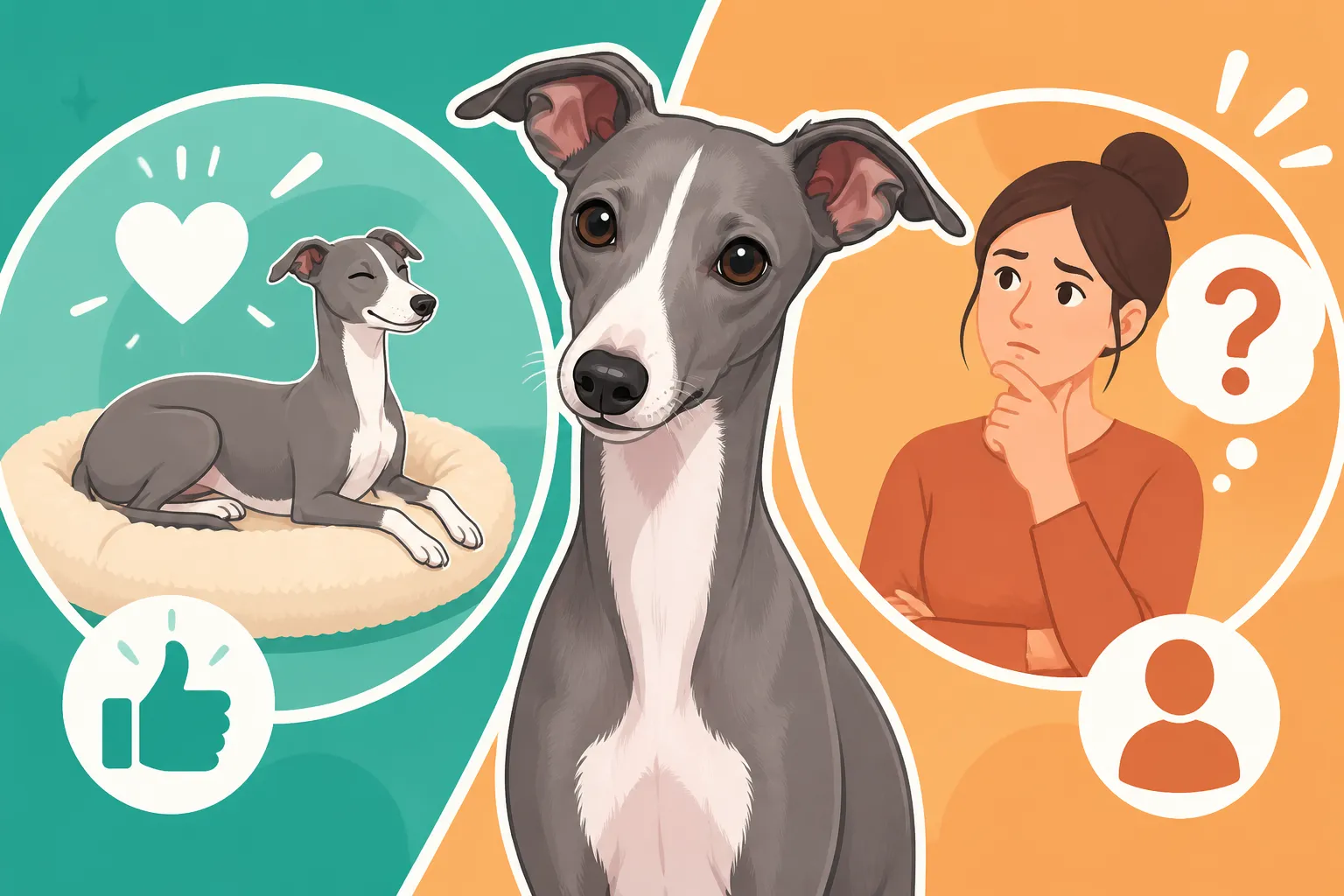
So, after all this, are you actually a good fit for an Italian Greyhound as a first-time owner? It's a question that deserves honest self-reflection, because while they are incredible companions, they require a very particular kind of commitment.
Self-Assessment: Time, Patience, and Resources
Before you take the plunge, take a moment to honestly assess your own readiness:
- Time Commitment: Are you prepared for a "Velcro dog" who wants to be with you almost constantly? Can you arrange for consistent care if you work long hours, perhaps hiring a dog walker or having family help out?
- Patience & Training Style: Are you willing to commit to positive, gentle training methods, even when housetraining feels like it's never-ending? Can you be consistent without resorting to frustration or anger?
- Financial Resources: Do you have an emergency fund, or are you prepared to invest in pet insurance, specifically to cover the high costs associated with potential fractures and ongoing dental care? Are you ready for the expense of keeping them warm and well-clothed?
- Lifestyle Adjustments: Are you prepared to make your home a truly "IG-safe" zone, with ramps, gates, and constant vigilance? Is your home generally quiet and calm, or is it a busy hub of activity that might overwhelm a sensitive dog?
- Emotional Resilience: Can you cope with the worry that comes with owning a fragile dog? Are you prepared for potential injuries and the emotional toll they can take?
What Italian Greyhound Owners Wish They Had Known often revolves around these very points – the intense bond, the fragility, and the dedication to housetraining. It's a lot to take on, especially if you've never had a dog before.
Finding Support and Resources
No matter how prepared you are, everyone needs support. As a first-time owner, this is even more critical. Connecting with experienced Italian Greyhound owners, either through local breed clubs, online forums, or social media groups, can provide invaluable advice, camaraderie, and resources. They can offer tips on everything from finding the right-fitting sweater to coping with a fractured leg.
Finding a veterinarian who has experience with sighthounds is also highly recommended. They understand the breed's unique physiology, including specific anesthesia protocols that are safer for their lean bodies. Don't be afraid to interview vets before you even get your puppy; it's a critical relationship. Brands like Chewy, with their vast selection of products and customer reviews, can also be a helpful resource for finding appropriate gear and food.
The Unmatched Joys of Italian Greyhound Ownership
Despite all the challenges, Italian Greyhound owners will tell you that the deep bond, the silly antics, and the unparalleled affection of these dogs make every single hurdle worth it. They are truly unique companions, graceful athletes one moment and warm, cuddly lapdogs the next. Their sensitive nature means they are incredibly attuned to their humans, often offering profound comfort and companionship.
For a first-time owner, the journey with an Italian Greyhound can be incredibly rewarding. It will teach you patience, resilience, and a deeper understanding of canine communication. You'll learn to appreciate the small victories in housetraining, the joy of a perfectly executed zoomie, and the quiet comfort of a warm body snuggled under the covers. If you go into it with open eyes, realistic expectations, and a commitment to their specific needs, an Italian Greyhound can be the most wonderful first dog you could ever imagine. They may be fragile, but their capacity for love is boundless.
Disclaimer
This article is for general informational purposes only and does not constitute professional advice. Laws, prices and regulations vary by location and change over time. Consult a qualified professional for guidance on your specific situation.