Epilepsy in an Italian Greyhound
The sudden, terrifying sight of your beloved Italian Greyhound collapsing, convulsing uncontrollably, is one of the most frightening experiences any pet parent can endure. It leaves you feeling helpless, panicked, and desperate for answers. This comprehensive guide will walk you through everything you need to know about epilepsy in Italian Greyhounds, from understanding its origins to managing daily life with a seizing dog, helping you navigate this challenging journey with confidence and compassion.
Understanding Italian Greyhound Epilepsy
Epilepsy is a neurological disorder characterized by recurrent, unprovoked seizures. For Italian Greyhound owners, this diagnosis can feel particularly daunting due to the breed's delicate nature and often high-strung personality. It's crucial to understand that epilepsy isn't a single disease but rather a syndrome, meaning it's a collection of symptoms that have different underlying causes. When you're first confronted with the possibility of epilepsy, it’s a lot to take in, and distinguishing between the types is a key first step.
What Epilepsy Means for Your Iggy
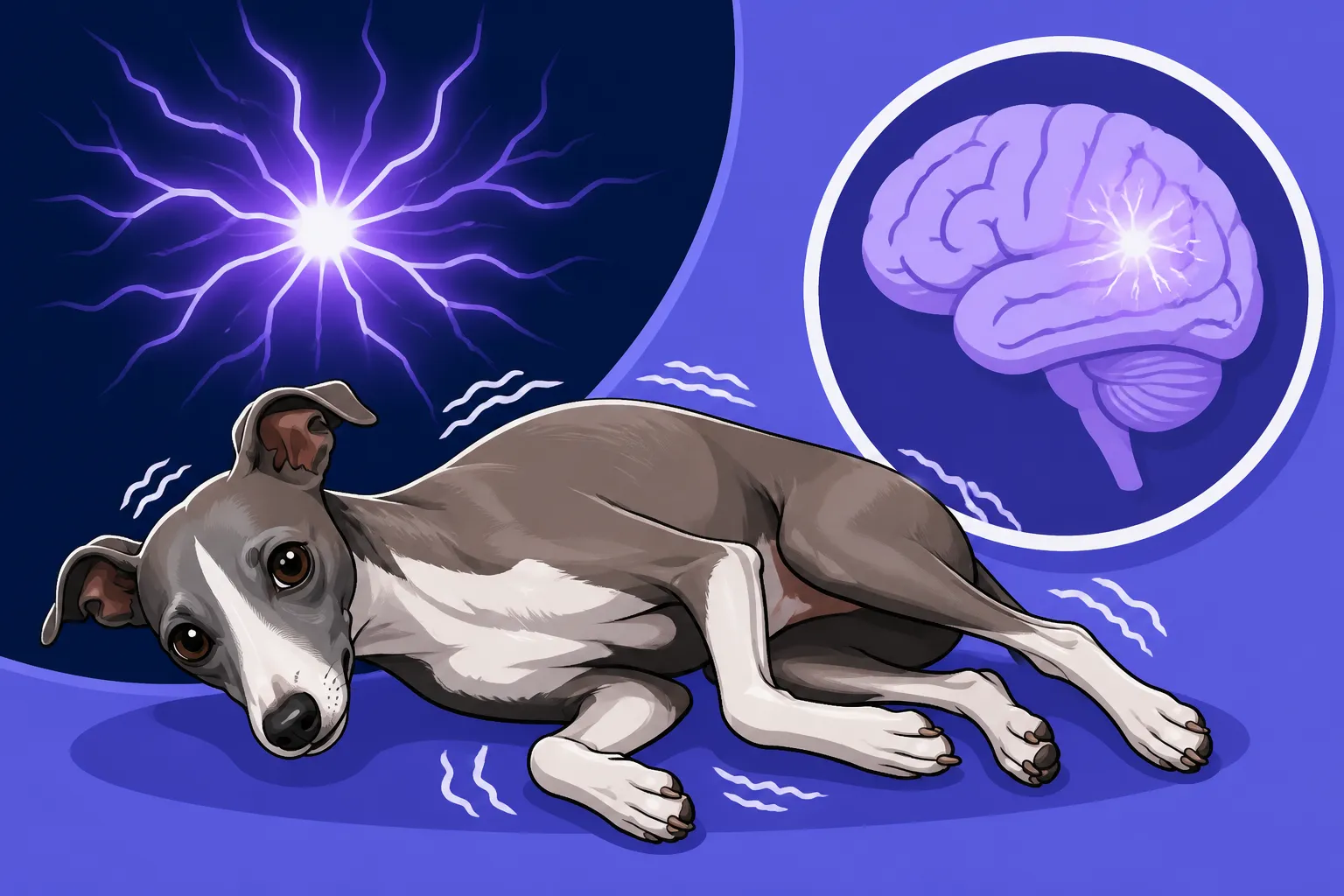
For an Italian Greyhound, epilepsy means their brain experiences abnormal electrical activity, leading to a temporary disturbance in normal brain function. This can manifest in a wide range of ways, from subtle twitching to full-body convulsions. Seeing your sleek, sensitive companion go through such a dramatic event is heartbreaking, and it's natural to feel overwhelmed. The good news is that for many Iggies, epilepsy can be managed, allowing them to lead relatively normal, happy lives. However, it requires vigilance, patience, and a close partnership with your veterinarian, ideally one who understands that Italian Greyhounds handle things differently. You might be interested in knowing Why an Italian Greyhound's Vet Should Know Sighthounds.
Italian Greyhounds, like other sighthound breeds, can sometimes be more sensitive to certain medications or anesthesia, making the management of any chronic condition, including epilepsy, a unique challenge. This sensitivity also sometimes extends to how they react to stress or environmental changes, which can, in some cases, act as seizure triggers. The breed's lean body mass and rapid metabolism also mean that medication dosages need to be carefully calibrated and monitored to prevent adverse effects or inadequate control. It’s not just about giving a pill; it’s about understanding your specific dog’s unique physiology.
Primary vs. Secondary Epilepsy
When a veterinarian discusses epilepsy, they'll often differentiate between primary (idiopathic) and secondary (symptomatic) epilepsy. This distinction is vital for determining the best course of action and understanding the long-term prognosis for your Italian Greyhound.
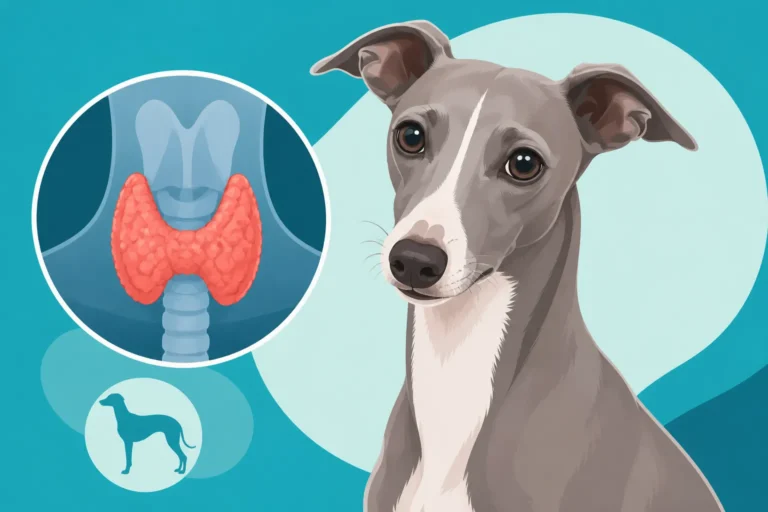
Primary, or idiopathic, epilepsy is diagnosed when there's no identifiable underlying cause for the seizures. It's thought to be genetic, meaning it's inherited, though the exact genes involved are still being researched. For many Italian Greyhounds, if they develop epilepsy, this is often the culprit. It typically starts in dogs between six months and five years of age. If your Iggy falls into this age bracket and all other diagnostic tests come back clear, your vet will likely lean towards an idiopathic epilepsy diagnosis. This doesn't make the seizures any less scary, but it does mean that the focus shifts entirely to managing the seizures themselves, rather than treating an underlying condition. You might also want to look into Epilepsy and Thyroid Disease in an Italian Greyhound, as sometimes these conditions can present similarly or even together.
Secondary, or symptomatic, epilepsy, on the other hand, is caused by an identifiable structural problem in the brain, or a metabolic issue elsewhere in the body affecting the brain. This could include brain tumors, infections, strokes, head trauma, or even severe organ dysfunction like liver or kidney disease. Sometimes, exposure to certain toxins can also induce seizures. This is why your vet will perform a battery of tests – they're trying to rule out these treatable underlying causes before landing on an idiopathic diagnosis. The treatment for secondary epilepsy focuses on addressing the root cause, if possible, in addition to managing the seizures. For example, if a brain tumor is found, surgery or radiation might be considered alongside anticonvulsant medication.
The Age Epilepsy Often Appears
One of the most defining characteristics of idiopathic epilepsy, which is the most common form in Italian Greyhounds, is the age of onset. Typically, owners begin to observe seizure activity when their Iggy is relatively young, making it particularly heartbreaking.
Most Italian Greyhounds with primary epilepsy will experience their first seizure between the ages of six months and five years. It's rare for an Iggy to suddenly develop idiopathic epilepsy outside of this window. If seizures begin much earlier or later than this, your veterinarian will likely be even more diligent in investigating potential secondary causes, as those age ranges might signal a different underlying issue. Imagine getting a new puppy, full of life and joy, only for them to start having seizures before their first birthday – it’s a jarring and confusing experience. This is common, and understanding the typical age range can help you mentally prepare if you have a young Iggy from a line with known epilepsy. You can read more specifically about The Age Epilepsy Starts in an Italian Greyhound.
For those instances where seizures manifest outside this typical window, it often indicates a different pathogenesis. For instance, very young puppies might have seizures due to congenital anomalies, severe hypoglycemia, or exposure to toxins. Older Italian Greyhounds, especially those past seven or eight years old, who suddenly start seizing, warrant a thorough investigation for conditions like brain tumors, strokes, or metabolic diseases that often present in senior dogs. It underscores the importance of a comprehensive diagnostic workup, regardless of age, but the age of onset can provide a significant clue to your vet.
Identifying Seizure Activity in Your Italian Greyhound
Understanding what a seizure looks like in an Italian Greyhound is crucial, not only for providing immediate care but also for accurately describing the events to your veterinarian. Seizures aren't always the dramatic, full-body convulsions many people imagine; they can be subtle and easily missed, especially in a breed as prone to shivering and anxiety as the Iggy. Observing and documenting these events, no matter how minor, provides invaluable information for diagnosis and treatment.
Recognizing a Grand Mal Seizure
The grand mal seizure, also known as a generalized seizure, is probably what most people picture when they think of a dog having a seizure. And let me tell you, when it happens to your little Iggy, it’s absolutely terrifying. Your dog will typically lose consciousness and fall to its side, their body becoming rigid before rhythmic paddling of all four limbs begins.
During a grand mal seizure, your Italian Greyhound might drool excessively, chew or froth at the mouth, urinate, or even defecate involuntarily. Their eyes may roll back, and they won't respond to your voice or touch. This phase usually lasts from a few seconds to several minutes. While it feels like an eternity when you're watching it unfold, seizures lasting longer than five minutes (status epilepticus) or multiple seizures in a short period without full recovery in between (cluster seizures) are medical emergencies and require immediate veterinary attention. It’s hard to stay calm in the moment, but knowing what constitutes an emergency can literally save your Iggy’s life. For a more in-depth look at what these episodes entail, check out What an Italian Greyhound's Seizure Looks Like.
The key thing is to ensure your Iggy is safe. Move any furniture or objects they could hit. Do not try to restrain them or put your hand in their mouth – you risk being bitten, and it won't stop the seizure. Once the convulsions subside, your Iggy will enter the post-ictal phase, which is equally important to understand. But for now, just focus on keeping them safe and timing the event, if you can manage it.
Spotting Focal Seizures
Not all seizures are as dramatic as a grand mal, and sometimes the more subtle focal seizures (also called partial seizures) can be harder to identify, especially in a breed known for its quirks. These seizures involve abnormal electrical activity in only a specific part of the brain, leading to more localized signs.
A focal seizure in an Italian Greyhound might manifest as twitching of one side of the face, rhythmic blinking, lip smacking, or an odd, repetitive movement of one limb. Your Iggy might appear dazed, stare blankly, or exhibit unusual behaviors like snapping at imaginary flies. They might even just shake one paw uncontrollably for a few moments, which could easily be mistaken for anxiety or a dream. Unlike grand mal seizures, your dog usually remains conscious during a focal seizure, though they might not be fully aware of their surroundings or respond normally to you. This can be confusing, making you wonder if they're just being "weird" or if something more serious is happening.
The challenge with focal seizures is their variability. One Iggy might chew on their foot repeatedly for a minute, while another might develop a sudden, unexplained fear or aggression that passes quickly. Keeping a detailed log of any unusual or repetitive behaviors is crucial. Video recording these episodes, if possible, can be immensely helpful for your veterinarian, as they provide concrete evidence of what's happening and can help differentiate a focal seizure from other neurological issues or even behavioral problems.
The Post-Ictal Phase: After the Storm
The period immediately following a seizure is known as the post-ictal phase, and it can be just as disorienting and distressing for your Italian Greyhound as the seizure itself. This phase can last from a few minutes to several hours, and sometimes even days, depending on the severity and duration of the seizure.
During the post-ictal phase, your Iggy might appear confused, disoriented, or restless. They might pace aimlessly, bump into objects, or try to hide. They could also be temporarily blind, deaf, or experience profound weakness in their limbs. Increased thirst and hunger are also common, as their body attempts to recover from the intense metabolic activity of the seizure. It's a vulnerable time for them, and they need quiet, gentle reassurance. This is not the time for loud noises or sudden movements; your Iggy is trying to regain their bearings and might not recognize you or their surroundings completely.
Your role during this time is to provide a safe, calm environment. Keep them away from stairs or sharp objects. Offer small amounts of water or food if they seem interested, but don't force it. Allow them to rest and recover at their own pace. Documenting the duration and characteristics of the post-ictal phase in your seizure log is just as important as recording the seizure itself. This information helps your vet understand the full impact of the seizures and gauge the effectiveness of any medication. Many owners find their Iggies are deeply exhausted and just want to cuddle close during this period, seeking comfort and safety in their human's presence.
Navigating the Diagnostic Process
Getting an epilepsy diagnosis for your Italian Greyhound can be a lengthy and often frustrating process. It’s not simply a matter of performing one test; instead, it often involves a series of eliminations to rule out other possible causes. This can be emotionally taxing, as you want answers quickly, but the thoroughness is essential for your Iggy's well-being and for ensuring the correct treatment plan is put in place.
Ruling Out Other Conditions
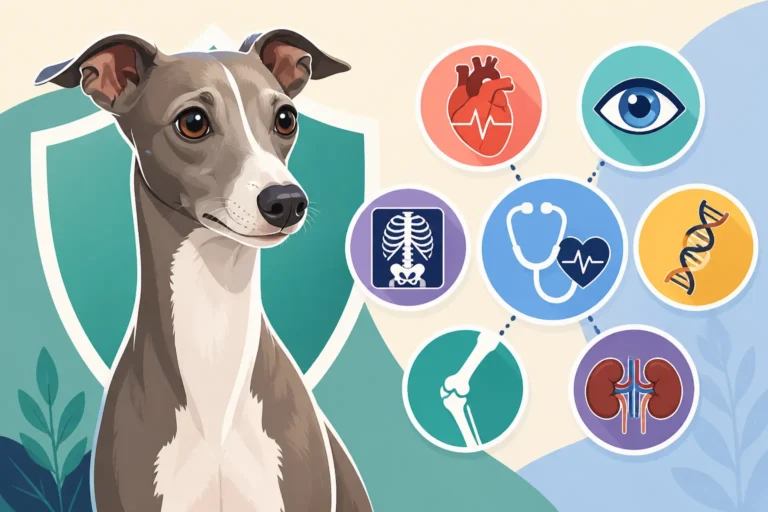
Before your veterinarian can confidently diagnose primary epilepsy, they must first rule out a myriad of other conditions that can cause seizures. This "rule-out" process is critical because treating an underlying cause is always preferable to simply managing symptoms, especially if that cause is something treatable.
Your vet will start with a thorough physical examination, neurological assessment, and a detailed history of your Italian Greyhound's seizures. Be prepared to answer many questions: When did the first seizure occur? How long did it last? What did your Iggy do during and after the seizure? Have there been any changes in diet, environment, or medication? This is where your detailed seizure log (which we’ll discuss soon) becomes invaluable. They’ll be looking for signs of head trauma, exposure to toxins, or other systemic illnesses. This initial consultation is vital, and an experienced vet will know which questions to ask.
Following the initial assessment, your vet will typically recommend a comprehensive blood panel and urinalysis. These tests help identify metabolic issues, such as liver shunts, kidney disease, low blood sugar (hypoglycemia), electrolyte imbalances, or even certain toxins, all of which can trigger seizures. For example, a liver shunt in an Italian Greyhound puppy can sometimes manifest with neurological signs, including seizures. They might also check for infectious diseases if relevant to your area or your Iggy’s lifestyle. It's a methodical process designed to leave no stone unturned, even if it feels like a waiting game for you.
The Role of Imaging and Blood Work
Once metabolic and infectious causes are largely ruled out through blood work and urinalysis, your veterinarian may recommend advanced imaging, particularly if your Iggy doesn't fit the typical age profile for idiopathic epilepsy or shows other concerning neurological signs.
Magnetic Resonance Imaging (MRI) of the brain is considered the gold standard for detecting structural abnormalities that could be causing seizures, such as brain tumors, inflammation (encephalitis), cysts, or abnormalities in brain development. While an MRI requires general anesthesia, which can be a concern for Italian Greyhounds due to their sensitivity, it provides incredibly detailed images that can reveal underlying problems that blood tests cannot. Your vet will discuss the risks and benefits, and if a brain lesion is suspected, the information gained from an MRI can be life-changing for guiding treatment.
In addition to imaging, a cerebrospinal fluid (CSF) tap might be performed, often in conjunction with an MRI. This procedure involves collecting a small sample of fluid that surrounds the brain and spinal cord, which can then be analyzed for signs of inflammation, infection, or abnormal cells. While these advanced diagnostics can be costly and require specialist referral, they are often necessary to differentiate between primary epilepsy and secondary epilepsy, particularly when the cause isn't immediately obvious. It's a heavy decision to make, especially when considering the potential financial burden. This is where a good pet insurance plan like Healthy Paws can truly make a difference, helping to cover some of these significant diagnostic costs, alleviating some of the stress during an already difficult time.
Keeping a Seizure Log for Your Vet
One of the most powerful tools you have as an Italian Greyhound owner battling epilepsy is a meticulously kept seizure log. This isn't just a casual jotting down of notes; it's a critical piece of diagnostic and treatment information for your vet.
Your seizure log should include the date and time of each seizure, its duration (even if it's just 30 seconds, timing is everything!), a detailed description of what your Iggy did before, during, and after the event (the pre-ictal, ictal, and post-ictal phases). Note any specific behaviors, such as paddling, drooling, vocalizing, loss of bladder or bowel control, and how long the recovery period lasted. Also, document any potential triggers you observed, such as loud noises, stress, changes in routine, or even specific smells. The more detail, the better. Consider having a video ready on your phone to capture parts of the seizure if it’s safe to do so.
This log helps your veterinarian establish a seizure frequency and pattern, which is vital for deciding when to start medication, adjusting dosages, and evaluating the effectiveness of treatment. Without this data, your vet is working blind. For example, if your Iggy's seizures are infrequent (say, less than one every few months) and mild, your vet might opt for watchful waiting. However, if they become more frequent or severe, the log provides the evidence needed to justify starting or increasing medication. It’s a real-time record of your Iggy’s brain activity, helping your vet make the most informed decisions for their care.
Here's an example of a simple seizure log you can use:
| Date | Time | Duration (mins:secs) | Type of Seizure (General, Focal) | Description of Event (Pre, Ictal, Post) | Potential Triggers | Medication Given (if any) | Notes & Recovery |
|---|---|---|---|---|---|---|---|
| 2024-03-10 | 10:15 PM | 2:30 | Generalized | Yelped, fell to side, rigid, then paddling, profuse drooling, urinated. Disoriented, thirsty for 1 hr post. | Loud thunder | None | Slept heavily |
| 2024-04-05 | 06:00 AM | 0:45 | Focal | Lip smacking, left eye twitching, dazed look. Walked into wall after. | Unknown | Phenobarbital 15mg BID | Confused for 30 min |
| 2024-05-01 | 03:20 PM | 3:00 | Generalized | Same as above, but also defecated. Very wobbly and hungry for 2 hrs. | Vet visit stress | Phenobarbital 15mg BID | Ate ravenously |
Treatment Options and Medication Management
Once an Italian Greyhound is diagnosed with epilepsy, the focus shifts to management. While there’s no cure for primary epilepsy, medication can significantly reduce the frequency, duration, and severity of seizures, giving your Iggy a better quality of life. This phase of treatment is a commitment, often requiring careful titration of drugs and consistent monitoring.
Common Anticonvulsant Medications
There are several effective anticonvulsant medications available for dogs, and your veterinarian will choose the best option (or combination) based on your Iggy's specific needs, seizure type, and overall health. The goal is to find the lowest effective dose with the fewest side effects. You can learn more about this in Daily Medication for an Epileptic Italian Greyhound.
Phenobarbital is one of the oldest and most commonly prescribed anticonvulsants. It's often the first-line drug due to its effectiveness and relatively low cost. However, it does come with potential side effects, including increased thirst, urination, appetite, and sedation, especially when first starting the medication. Long-term use requires regular blood monitoring to ensure therapeutic levels and to check liver function, as it is metabolized by the liver.
Another popular choice is potassium bromide (KBr), often used in conjunction with phenobarbital or as an alternative for dogs who can't tolerate phenobarbital. KBr has a very long half-life, meaning it takes time to reach therapeutic levels, but it can be very effective. Side effects are similar to phenobarbital, with increased thirst and urination being common. Other newer medications include Levetiracetam (Keppra), Zonisamide, and Gabapentin. Levetiracetam is often favored for its rapid onset and fewer reported side effects, making it a good choice for initial treatment or for dogs experiencing cluster seizures. It's also often used as an add-on therapy when other drugs aren't fully controlling seizures. Zonisamide is also well-tolerated and can be used alone or in combination. Gabapentin is more commonly used for pain management but can be a mild anticonvulsant, particularly for focal seizures or as an adjunct. Each medication has its unique profile, and your vet will explain the pros and cons for your specific Italian Greyhound.
Finding the Right Dosage and Combinations
Getting the medication dosage just right for an Italian Greyhound can feel like a delicate balancing act. It's not a "one size fits all" approach, and it often involves a period of trial and error as your vet monitors your Iggy's response.
When starting a new anticonvulsant, your vet will typically begin with a low dose and gradually increase it over time until the seizures are controlled or until side effects become unmanageable. This process, known as titration, is crucial because Italian Greyhounds, being a smaller, leaner breed, can be particularly sensitive to medication. They often have lower body fat, which can affect drug distribution and metabolism. Regular blood tests are usually required, especially for drugs like phenobarbital and potassium bromide, to measure the drug levels in your Iggy's bloodstream. This ensures they are within the therapeutic range – high enough to control seizures but not so high as to cause toxicity.
Sometimes, a single medication isn't enough to achieve satisfactory seizure control. In these cases, your vet might recommend adding a second or even a third anticonvulsant (polypharmacy). Finding the right combination can take time and patience, and it requires consistent communication with your veterinarian. It’s important not to get discouraged if the first medication or dose doesn't work perfectly. This is a journey, and your detailed seizure log will be invaluable in guiding these adjustments. The goal is to significantly reduce seizure frequency and severity, even if complete elimination isn't always possible.
Dealing with Medication Side Effects
While anticonvulsant medications are vital for managing epilepsy, they often come with a range of potential side effects that can impact your Italian Greyhound's quality of life. Being aware of these and knowing how to manage them is part of being a proactive Iggy parent.
Common side effects of many anticonvulsants include increased thirst (polydipsia), increased urination (polyuria), increased appetite (polyphagia), and sedation. Your Iggy might seem a bit wobbly or drowsy, especially during the initial weeks of treatment or after a dose increase. They might also appear more hungry than usual. While these side effects often lessen as your dog adjusts to the medication, some can persist. It’s important to provide constant access to fresh water and to accommodate their increased need to go outside for potty breaks, which can be challenging with a breed that is already difficult to housetrain.
More serious side effects can include liver damage (especially with phenobarbital), blood disorders, or paradoxical excitement (where the dog becomes more anxious or agitated instead of sedated). This is why regular blood monitoring is so important – your vet will periodically check liver enzymes and blood cell counts to catch any potential issues early. If you notice any severe or sudden changes in your Iggy's behavior, appetite, or energy levels, contact your vet immediately. It's a fine line to walk between seizure control and acceptable side effects, and your veterinarian will work with you to find the best balance. Remembering that the alternative is uncontrolled seizures, most owners find managing these side effects a small price to pay for their Iggy's safety and well-being.
Living Day-to-Day with an Epileptic Italian Greyhound
Bringing an Italian Greyhound with epilepsy into your life means embracing a special kind of daily routine and attentiveness. It’s not just about medication; it’s about creating a safe, stable environment that minimizes triggers and supports their overall health and happiness. The good news is, with dedication, your Iggy can still enjoy a rich, fulfilling life.
Creating a Safe Environment
A key aspect of caring for an epileptic Italian Greyhound is ensuring their home environment is as safe as possible to prevent injury during a seizure. Given their delicate build and often enthusiastic nature, this is paramount.
During a seizure, your Iggy will be completely unaware of their surroundings. This means they could fall off furniture, bump into sharp corners, or even tumble down stairs. To mitigate these risks, consider gating off stairs, especially if your Iggy often jumps on and off higher surfaces. Padding sharp furniture edges with corner guards can also be beneficial. For Iggies that seize on soft surfaces, ensure they have ample bedding in their designated safe spaces to cushion any impacts. You can learn more about Setting Up a House an Italian Greyhound Cannot Break a Leg In, which often overlaps with creating a seizure-safe home.
Another consideration is temperature. During a seizure, a dog's body temperature can rise. Ensuring they are not in an overheated room, and having a cool, quiet spot for them to recover in the post-ictal phase, is helpful. This also means being mindful of what they might bump into. A secure, comfortable crate can be a safe haven during and immediately after a seizure, offering a contained space where they can't injure themselves or wander off confused. The goal isn't to restrict their life, but to make their environment forgiving should a seizure strike.
Managing Stress and Triggers
While idiopathic epilepsy is not directly caused by stress, stress can absolutely act as a trigger for seizures in susceptible Italian Greyhounds. Identifying and minimizing these stressors in your Iggy’s daily life can play a significant role in reducing seizure frequency.
Common triggers can vary widely from dog to dog but often include loud noises (like thunderstorms or fireworks), sudden changes in routine, separation anxiety, extreme excitement, or even certain food additives. Keeping a detailed seizure log, as discussed earlier, can help you identify patterns and potential triggers specific to your Iggy. For instance, if you consistently notice seizures after a trip to the groomer, that might be a stressor to address. Italian Greyhounds are sensitive souls, and anything that disrupts their peace can be a factor. You also know that for many Iggies, just going outside in the cold can be a stressor; check out The Italian Greyhound That Refuses to Go Out in the Cold.
Once identified, proactive steps can be taken. If loud noises are a trigger, create a safe, sound-proofed "den" for your Iggy during storms or fireworks. For Iggies with separation anxiety, consider strategies to ease their distress, such as DAP diffusers, calming supplements, or even hiring a dog sitter. Maintaining a consistent daily routine for feeding, walks, and rest times can also provide a sense of security and predictability that many epileptic dogs thrive on. The goal isn't to live in a bubble, but to consciously manage environmental factors to create a calm and predictable existence for your furry friend.
The Importance of Regular Vet Check-ups
Regular veterinary check-ups are non-negotiable for an Italian Greyhound with epilepsy. This isn't just about refilling prescriptions; it's about ongoing management, monitoring, and adapting to your Iggy's evolving needs.
Your veterinarian will need to see your Iggy periodically to assess their overall health, review your seizure log, and evaluate the effectiveness of their medication. For dogs on certain anticonvulsants like phenobarbital, routine blood tests are crucial to monitor drug levels (ensuring they are therapeutic but not toxic) and to check organ function, especially the liver. These tests help your vet fine-tune dosages, ensuring your Iggy is receiving the optimal amount of medication to control seizures with the fewest possible side effects. Think of it as a constant feedback loop between you, your Iggy, and your vet. The frequency of these check-ups will depend on your Iggy's stability, but expect at least annual or semi-annual visits, and more frequently during initial titration phases or if seizures are poorly controlled. You might also be considering How Often an Italian Greyhound Needs a Wellness Exam to factor in these essential visits.
These visits are also an opportunity to discuss any new symptoms, behavioral changes, or concerns you might have. Sometimes, side effects can mimic other health issues, or new health problems can arise. Your vet can rule out or address these concurrently. Maintaining an open, honest dialogue with your vet, providing detailed updates, and following their recommendations are key to successful long-term management of your Italian Greyhound's epilepsy. And knowing that organizations like Healthy Paws can help manage the financial aspect of these ongoing vet bills can provide immense peace of mind.
Long-Term Outlook and Support
Receiving an epilepsy diagnosis for your Italian Greyhound can feel like a life sentence, but it's important to remember that many dogs with epilepsy live long, happy lives with proper management. Understanding the long-term outlook and knowing where to find support can make all the difference in navigating this journey.
Prognosis and Quality of Life
The prognosis for an Italian Greyhound with epilepsy can vary significantly depending on the underlying cause (if any), the response to medication, and the owner's commitment to consistent care. However, for most Iggies with idiopathic epilepsy, the outlook is generally good for achieving a reasonable quality of life.
With appropriate anticonvulsant medication, many Italian Greyhounds will experience a significant reduction in seizure frequency and severity. While complete seizure freedom isn't always achievable, reducing seizures to a level that doesn't severely impact their daily life is the primary goal. This means your Iggy can still enjoy walks, play with toys, and snuggle on the sofa, even if they have an occasional seizure. The key is consistent medication administration – missing doses can lead to breakthrough seizures or even clusters. Managing epilepsy is a marathon, not a sprint, and you'll likely be caring for an epileptic Iggy for a good portion of their life, possibly even into their senior years. This might mean considering Caring for an Italian Greyhound Past Eleven with this condition.
Factors that can negatively impact the prognosis include severe underlying brain disease (secondary epilepsy), seizures that don't respond well to multiple medications (refractory epilepsy), or frequent cluster seizures or status epilepticus. These situations often require more aggressive treatment strategies and carry a more guarded prognosis. However, with diligent care, monitoring, and adaptation, even Iggies with more challenging epilepsy can still have a good quality of life. It’s about managing the condition, not curing it, and focusing on the good days between seizures.
Financial Considerations and Pet Insurance
Let's be realistic: managing a chronic condition like epilepsy in an Italian Greyhound can be expensive. From initial diagnostics to ongoing medication and frequent vet visits, the costs can add up, and quickly. This is where preparing for the financial aspect becomes incredibly important.
The initial diagnostic workup, which might include extensive blood panels, specialist consultations, and potentially an MRI, can run into thousands of dollars. Once a diagnosis is made, the cost of daily medication can range from tens to hundreds of dollars per month, depending on the drug and dosage. Factor in regular blood tests for monitoring and routine veterinary check-ups, and you're looking at a substantial long-term financial commitment. This is a common and understandable frustration for pet owners. You want to give your Iggy the best care, but the bills can be overwhelming. To get a broader perspective on lifetime costs, consider reading What an Italian Greyhound Costs Over Fifteen Years.
This is precisely why many Italian Greyhound owners opt for pet insurance, and a provider like Healthy Paws can be a lifesaver. A good pet insurance policy can help cover a significant portion of the costs associated with diagnosing and treating epilepsy, including emergency visits, specialist consultations, medication, and ongoing blood work. While most policies have waiting periods and won't cover pre-existing conditions (meaning you ideally need to enroll before a diagnosis is made), having it in place can provide invaluable peace of mind when a chronic condition like epilepsy arises. It helps ensure that financial constraints don't dictate the level of care your beloved Iggy receives.
Finding Community Support
Caring for an Italian Greyhound with epilepsy can be emotionally draining. You might feel isolated, stressed, or even guilty after a seizure. Finding a community of fellow owners who understand what you're going through can provide immense emotional support and practical advice.
Online forums, social media groups, and breed-specific clubs (like the Italian Greyhound Club of America) often have sections or dedicated groups for owners of dogs with health issues, including epilepsy. Connecting with others who share similar experiences allows you to vent frustrations, ask questions about specific medications or triggers, and celebrate small victories. These communities can be a wealth of knowledge, offering tips on everything from managing medication schedules to finding specialized vets. There's a unique understanding among those who've witnessed their tiny Iggy convulsing, and simply knowing you're not alone can be incredibly comforting.
Additionally, your veterinary team can be a great source of support. Don't hesitate to ask them questions, express your concerns, or seek reassurance. They are partners in your Iggy's care. Remember, you're doing an incredible job navigating a challenging situation. Allowing yourself to seek and accept support from both professional resources and fellow pet parents is not a sign of weakness, but a testament to your unwavering dedication to your Italian Greyhound's well-being.
Disclaimer
This article is intended for informational purposes only and does not constitute medical advice. Always consult with a qualified veterinarian for any health concerns or before making any decisions about your Italian Greyhound's medical care.