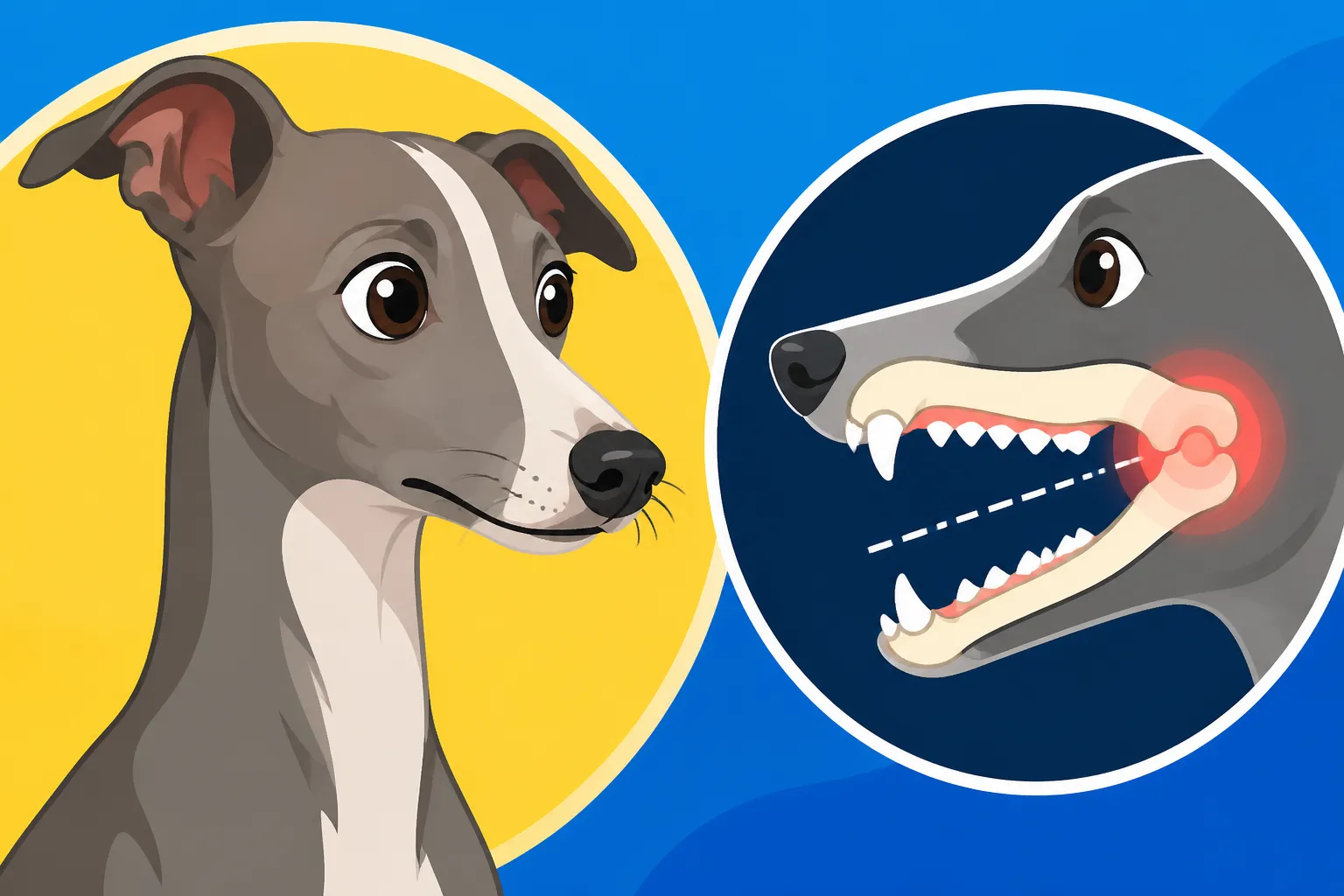
Why an Italian Greyhound’s Muzzle Cannot Hold Its Teeth
It's a heartbreaking reality for many Italian Greyhound owners: despite your best efforts, your beloved companion often struggles with dental issues, leading to extractions and even concerns about their tiny jaws. You're not alone in wondering why such an otherwise hardy little sighthound seems to have such fragile teeth and an equally fragile mouth. This comprehensive guide will delve deep into the unique anatomical reasons behind the Italian Greyhound's dental challenges, discuss common problems they face, and offer practical advice on how to protect their precious smiles throughout their lives.
The Unique Anatomy of an Italian Greyhound's Mouth
The moment you look at an Italian Greyhound, you can't help but be struck by their elegant, delicate features. Their refined appearance is part of their charm, but it also comes with specific anatomical quirks that directly impact their dental health. Unlike many other breeds, the Italian Greyhound possesses a particularly small, fine-boned skull and a long, slender muzzle. While this contributes to their distinctive profile, it also creates a confined space for a full set of teeth.
Cranial-Facial Structure and Tooth Crowding
Italian Greyhounds, like all dogs, are genetically programmed to have 42 adult teeth. However, the delicate structure of their skull and especially their narrow, elongated muzzle means there simply isn't enough room for all those teeth to sit comfortably and correctly. This overcrowding is incredibly common and often starts even before their adult teeth fully emerge. Imagine trying to fit a full set of human teeth into a child's mouth; that's essentially what happens with many Iggies.
When teeth are too close together, they often rotate, push against each other, or become misaligned. This isn't just an aesthetic issue; it creates tiny crevices and overlapping surfaces where food particles and bacteria can easily get trapped. These areas become breeding grounds for plaque and tartar, which are the precursors to serious dental disease. It's a frustrating genetic predisposition, and it means that even with perfect home care, Italian Greyhounds are fighting an uphill battle against the very architecture of their mouths. This explains Why an Italian Greyhound's Teeth Crowd.
The Delicate Nature of Their Jawbones
Beyond the sheer lack of space, the Italian Greyhound's jawbones themselves are remarkably fine and slender. This delicacy is a hallmark of the sighthound build, designed for speed and agility, not for gnawing on tough objects or withstanding significant force. While it allows for their graceful head shape, it also makes their jaws surprisingly vulnerable. This means that dental procedures, especially extractions, carry an elevated risk that veterinarians must always consider.
The roots of a dog's teeth are quite long, extending deep into the jawbone. When a tooth needs to be extracted, especially one with extensive root structure, the veterinarian has to carefully manipulate the tooth to loosen it. In a breed with such thin, brittle jawbones, this manipulation can sometimes lead to a jaw fracture, even when performed by the most skilled and cautious professional. This risk is a constant worry for owners and vets alike, particularly when dealing with stubborn, deeply rooted teeth or those impacted by severe disease. This vulnerability is why it's so important to understand Why an Italian Greyhound's Jaw Can Break During Extraction.
Common Dental Issues and Their Ramifications
Given their unique oral anatomy, Italian Greyhounds are unfortunately prone to a host of dental problems that can severely impact their quality of life, often starting at a surprisingly young age. These issues aren't just about bad breath; they can lead to pain, infection, and systemic health problems.
Early Onset Periodontal Disease
Periodontal disease is undeniably Periodontal Disease Is the Italian Greyhound's Most Common Diagnosis, and it strikes Iggies with alarming frequency and speed. Because of tooth crowding, plaque and tartar accumulate rapidly, forming a hard, rough coating on the teeth and beneath the gumline. This irritates the gums, leading to gingivitis – inflammation and redness. If left unchecked, gingivitis progresses to periodontitis, where the infection spreads to the supporting structures of the tooth, including the bone.
Once periodontitis sets in, it's a destructive process. The ligaments holding the teeth in place weaken, bone loss occurs, and teeth can become loose, painful, and eventually fall out. This can happen shockingly early in an Italian Greyhound's life. We're not talking about senior dogs losing a few teeth; it's not uncommon for Iggies to start losing teeth by the age of two or three. Many owners report that The Age an Italian Greyhound Starts Losing Teeth can be surprisingly young. By the time they reach eight, it's typical for them to have lost a significant number of teeth, sometimes even a full set.
The impact of periodontal disease extends far beyond the mouth. The bacteria from infected gums can enter the bloodstream and travel to vital organs like the heart, kidneys, and liver, contributing to serious systemic health issues and potentially shortening their lifespan. This is a critical point that emphasizes why How Dental Disease Shortens an Italian Greyhound's Life is a real concern.
The Inevitable Need for Extractions
For many Italian Greyhounds, extractions become a regular, unavoidable part of their dental care regimen. When teeth are severely affected by periodontal disease, are loose, or are causing pain, removing them is often the kindest and most effective solution. While extractions relieve pain and eliminate sources of infection, they are still surgical procedures that carry risks, especially in a breed with delicate jawbones.
The cost of these procedures can also be substantial, and because of the rapid progression of dental disease in Iggies, they often need annual or biannual cleanings with extractions. This means that owners must budget for significant recurring veterinary expenses. Many discover that What an Italian Greyhound's Annual Dental Costs is a major line item in their pet care budget. Insurance providers like Healthy Paws can be a lifesaver here, often helping to mitigate the financial burden of these essential, but costly, dental interventions. It's truly a recurring battle, and it's why How Often an Italian Greyhound Needs Dental Work is much more frequent than for many other breeds.
| Dental Issue | Description | Common Age of Onset | Potential Ramifications |
|---|---|---|---|
| Tooth Crowding | Insufficient space in the narrow muzzle for all 42 adult teeth, leading to misalignment and rotation. | Puppyhood (adult teeth) | Rapid plaque/tartar buildup, increased risk of periodontal disease. |
| Periodontal Disease | Inflammation and infection of gum tissues and supporting structures, progressing to bone loss. | 1-3 years old | Pain, tooth loss, jaw fractures during extraction, systemic organ damage, shortened lifespan. |
| Retained Deciduous Teeth | Baby teeth that fail to fall out, trapping adult teeth and worsening crowding. | 6-8 months | Malocclusion, accelerated periodontal disease. |
| Jaw Fractures | Breakage of the delicate jawbone, often during extractions due to severe bone loss or fragile structure. | Any age (during dental) | Significant pain, complex surgery, extended recovery. |
Proactive Dental Care for Your Italian Greyhound
While the genetic predispositions are strong, diligent proactive care can make a significant difference in managing your Italian Greyhound's dental health and potentially extending the life of their teeth. It's a commitment, but one that is absolutely essential for this breed.
The Power of Daily Brushing
This cannot be stressed enough: daily tooth brushing is the single most effective way to combat plaque and tartar buildup. For an Italian Greyhound, it's not optional; it's a non-negotiable part of their routine. You need to be brushing their teeth every single day, ideally twice a day, to physically remove the soft plaque before it hardens into tartar. Even if you only manage a few times a week, it's better than nothing, but aim for daily.
Start early, when they are puppies, to get them accustomed to the process. Use a soft, small toothbrush (a finger brush or a child's toothbrush often works well) and a pet-specific enzymatic toothpaste. Never use human toothpaste, as it contains ingredients toxic to dogs. Focus on the outside surfaces of the teeth, especially the molars and canines, as these tend to accumulate plaque the fastest. Consistency is key here. It's a small daily investment that can save your Iggy from significant pain and expensive procedures down the road. For more tips, check out Brushing an Italian Greyhound's Teeth Every Day.
Regular Professional Dental Cleanings
Even with diligent home brushing, professional dental cleanings under anesthesia are usually necessary for Italian Greyhounds. These procedures allow the veterinarian to thoroughly scale away tartar above and below the gumline, polish the teeth, and conduct a comprehensive oral examination, including dental X-rays. X-rays are crucial for identifying issues lurking beneath the gumline, such as bone loss, abscesses, or unerupted teeth, which would be impossible to see otherwise.
Your vet will recommend how often your Italian Greyhound needs these professional cleanings, but for Iggies, it's often every 6-12 months, starting as early as two or three years old. This is a much more frequent schedule than many other breeds. While the idea of anesthesia can be daunting, especially given Why Anesthesia Is Handled Differently in an Italian Greyhound, it's absolutely necessary for a thorough and pain-free cleaning. Modern veterinary practices employ safe anesthetic protocols, including pre-anesthetic bloodwork, IV fluids, and constant monitoring, to minimize risks. Don't let fear of anesthesia prevent vital dental care; discuss your concerns openly with your vet.
Dietary Considerations and Dental Chews
While diet alone cannot prevent periodontal disease in Italian Greyhounds, it can play a supporting role. Some veterinary dental diets are designed with special kibble that helps mechanically scrape plaque off teeth as the dog chews. Look for diets approved by the Veterinary Oral Health Council (VOHC) for proven efficacy.
Dental chews can also be helpful, but they must be chosen with extreme care. Many hard chews or bones are too rigid for an Italian Greyhound's delicate teeth and jaw, posing a significant risk of tooth fractures or even jaw injury. Opt for softer, pliable dental chews that are VOHC-approved and designed to reduce plaque. Always supervise your Iggy when they're enjoying a chew to ensure they don't break off large pieces or ingest something harmful. A discussion with your veterinarian about appropriate dental chew options is always a good idea. Remember, dental chews are a supplement, not a replacement for brushing or professional cleanings.
Recognizing the Signs of Dental Trouble
Italian Greyhounds, like many sighthounds, are incredibly stoic and often hide pain very well. This means that by the time you notice overt signs of dental discomfort, the problem is likely already quite advanced. Being vigilant and recognizing subtle cues is crucial.
Common Symptoms of Oral Pain and Disease
One of the first signs many owners notice is bad breath. If your Italian Greyhound's breath is noticeably foul, it's a strong indicator of bacterial overgrowth and infection in their mouth – a clear signal that What Bad Breath Means in an Italian Greyhound is likely periodontal disease. Other symptoms can include:
- Reluctance to eat: While Iggies can be notoriously picky, a sudden or consistent refusal to eat dry kibble, especially if they still enjoy softer treats, can point to mouth pain.
- Dropping food: If they pick up food and then immediately drop it, or chew on one side of their mouth, it might be due to painful teeth.
- Paw at mouth or rub face: This is a clear indicator of discomfort.
- Bleeding gums: Visible blood on toys, food, or when brushing.
- Swelling: Any swelling around the jaw, under the eyes, or on the muzzle could indicate an abscess.
- Changes in temperament: A typically social dog might become withdrawn, irritable, or less playful if they are in chronic pain.
Don't wait until these advanced signs appear. Regular visual checks of your Italian Greyhound's mouth at home, looking for red, inflamed gums, visible tartar, or missing teeth, can help you catch problems earlier.
When to Consult a Veterinary Dental Specialist
For severe cases of periodontal disease, complex extractions, or concerns about potential jaw fractures, a referral to a board-certified veterinary dental specialist might be warranted. These specialists have advanced training and equipment (like dental radiography and specialized surgical tools) to handle complicated oral surgeries, root canals, and jaw repair. They are often more experienced with the delicate anatomy of sighthounds.
While your primary veterinarian can handle routine cleanings and straightforward extractions, a specialist provides an extra layer of expertise for challenging situations. Don't hesitate to ask your vet for a referral if your Italian Greyhound's dental issues seem particularly complex or persistent. This ensures the best possible outcome for your precious companion and can significantly reduce the risk of complications, offering peace of mind to owners, especially when considering the potential for jaw fractures. Many pet insurance plans, like those offered by Healthy Paws, often cover specialist consultations and advanced dental procedures, making these crucial treatments more accessible.
Living with an Italian Greyhound's Dental Realities
Understanding and accepting the unique dental challenges of the Italian Greyhound is a crucial part of responsible ownership. It means embracing a proactive and preventative approach rather than waiting for problems to become severe.
Lifelong Commitment to Oral Health
Owning an Italian Greyhound means committing to their oral health for their entire life. This isn't just about avoiding bad breath; it's about preventing pain, infection, and prolonging their overall health and lifespan. While it can be frustrating and costly, it's a testament to the love and care you provide. By adhering to daily brushing, regular veterinary check-ups, and professional cleanings, you give your Iggy the best possible chance to live a comfortable life, even if they end up with fewer teeth than they started with.
Many Italian Greyhounds, despite losing numerous teeth, adapt remarkably well to eating with a greatly reduced dentition or even no teeth at all. They can thrive on softened kibble or wet food. The goal isn't necessarily to keep every tooth, but to ensure the teeth they do have are healthy and pain-free, and that any infected or loose teeth are removed to prevent further suffering and systemic health issues. This proactive care truly contributes to Whether an Italian Greyhound Can Keep Its Teeth for Life by maximizing the health of the remaining ones.
The Role of Pet Insurance
Given the high incidence and recurring nature of dental disease in Italian Greyhounds, pet insurance is a wise investment. Many comprehensive policies, such as those from Healthy Paws, cover a significant portion of the costs associated with accidental injuries, illnesses, and often, non-routine dental care like extractions due to periodontal disease. While routine cleanings are typically not covered, the major expenses associated with advanced dental disease – diagnostics, anesthesia, extractions, and post-operative care – can quickly add up. Having a good pet insurance plan can ease the financial stress and allow you to make treatment decisions based on your dog's health needs rather than your budget. It's a pragmatic step to take for a breed known for its dental fragility and the potential for expensive interventions.
Disclaimer
This guide provides general information and is not a substitute for professional veterinary advice. Always consult with a qualified veterinarian regarding your Italian Greyhound's specific health concerns and treatment options. Medical information changes rapidly, and while we strive for accuracy, individual cases may vary.