Whether Legg Calve Perthes Takes Both of an Italian Greyhound’s Hips
One of the most heart-wrenching things to witness as an Italian Greyhound owner is your beloved dog starting to limp, especially when they're still so young. The fear of a serious orthopedic condition like Legg-Calve-Perthes disease (LCP) can be overwhelming, and a common, deeply worrying question that arises is whether this painful condition could potentially affect both of your Italian Greyhound's delicate hips. This comprehensive guide aims to shed light on LCP, particularly focusing on the possibility of bilateral involvement, its diagnosis, treatment, and how to best support your cherished companion.
Understanding Legg-Calve-Perthes Disease (LCP) in Italian Greyhounds
Legg-Calve-Perthes disease, often shortened to LCP, is a non-inflammatory, aseptic necrosis of the femoral head. In simpler terms, it's a condition where the blood supply to the ball of the hip joint (the femoral head) is interrupted, causing the bone tissue to die and ultimately degenerate. This leads to collapse of the femoral head and significant pain, making movement incredibly difficult for your Italian Greyhound. It's a condition that disproportionately affects smaller breed dogs, with Italian Greyhounds unfortunately being one of them.
Understanding the Degeneration of the Femoral Head
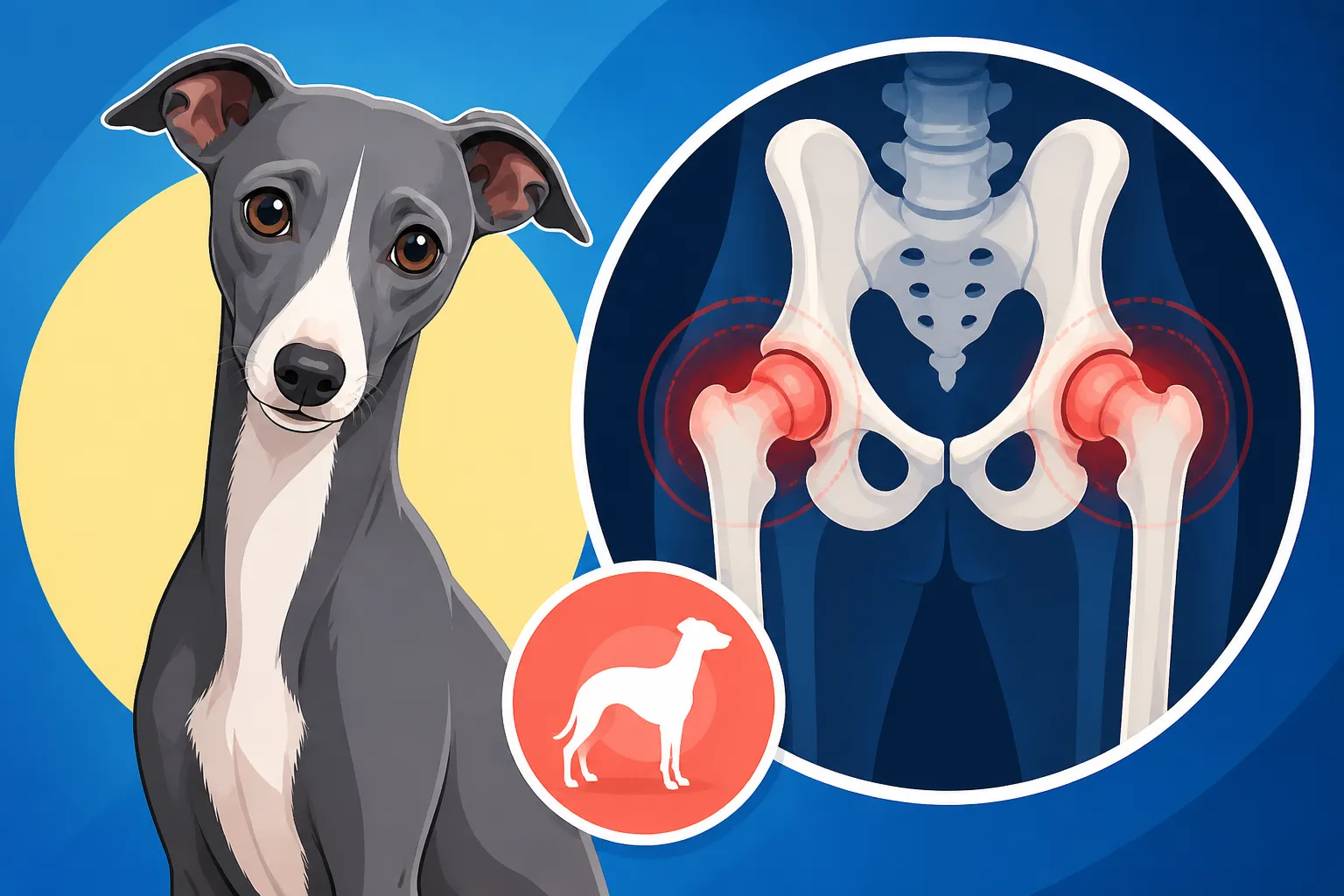
Imagine the ball-and-socket joint of the hip. The "ball" is the head of the femur, and the "socket" is part of the pelvis. In a healthy dog, this joint moves smoothly, lubricated by cartilage. With LCP, for reasons that aren't fully understood but are believed to have a genetic component, the blood vessels supplying the femoral head become compromised. Without a proper blood supply, the bone cells in the femoral head begin to die, a process called aseptic necrosis. This dead bone becomes weak and brittle, leading to microfractures and eventually a complete collapse and deformation of the femoral head.
This structural breakdown within the joint is incredibly painful. As the bone degenerates, the smooth surface of the femoral head becomes rough and irregular, causing agonizing friction within the hip socket every time your Italian Greyhound tries to move. This progressive deterioration can lead to severe lameness and muscle atrophy in the affected leg. Owners often report a very sudden onset of limping, which can be alarming to witness in such an active breed. You might find it helpful to read more about What Legg Calve Perthes Does to an Italian Greyhound to fully grasp the physical impact of this condition.
Common Signs of LCP Onset
Identifying LCP early can make a significant difference in managing the condition and your dog's comfort. The most obvious sign is usually a sudden or gradual lameness in one of the hind legs. Your Italian Greyhound might start carrying the affected leg, refusing to put weight on it, or showing an obvious limp that worsens with activity. This lameness typically appears in puppies or young dogs, often between 4 to 12 months of age, though it can sometimes manifest a little later. Understanding The Age Legg Calve Perthes Shows in an Italian Greyhound is crucial for early detection.
Beyond limping, you might observe other behavioral changes. Your usually playful Italian Greyhound might become reluctant to jump, climb stairs, or even engage in their typical zoomies. They might show signs of pain when the affected hip is touched or manipulated. Muscle wasting in the affected hind leg is also a common observation over time, as the dog tries to avoid using the painful limb. You might also notice stiffness, especially after resting, and a decreased range of motion in the hip joint. Sometimes, these signs can be subtle at first, manifesting as a slight hesitation or an unusual gait. If you've ever wondered How Suddenly an Italian Greyhound Starts Limping, LCP often presents this way.
Can LCP Affect Both Hips (Bilateral LCP) in Italian Greyhounds?
This is the big question that often keeps Italian Greyhound owners up at night. While LCP most commonly affects only one hip, the answer is a resounding yes, Legg-Calve-Perthes disease can indeed affect both of an Italian Greyhound's hips. When it occurs in both hips, it's referred to as bilateral LCP. This presents a much more complex challenge for both the dog and the owner, as the impact on mobility and quality of life is significantly greater.
The Frequency of Unilateral vs. Bilateral Cases
It's important to understand that bilateral LCP is less common than unilateral LCP, where only one hip is affected. Statistics vary, but generally, studies suggest that bilateral involvement occurs in approximately 10-15% of all LCP cases. This means that while the majority of Italian Greyhounds diagnosed with LCP will only have it in one hip, there's still a notable percentage that will develop the condition in both. This can be particularly frustrating because even if one hip has been successfully treated, the risk remains for the other hip to develop symptoms later.
The challenges of bilateral LCP are profound. When only one hip is affected, the dog can often compensate by shifting weight to the stronger limb. With both hips compromised, this compensation is impossible, leading to a much more severe impact on mobility, balance, and overall comfort. Imagine trying to walk when both of your knees are severely injured – that's a bit like what a dog with bilateral LCP experiences. This reality underscores the need for vigilant observation and proactive veterinary care for Italian Greyhounds, especially if one hip has already been diagnosed.
Genetic Predisposition and Bilateral Involvement
While the exact cause of LCP is not fully understood, there's a strong consensus that a genetic component plays a significant role. This genetic predisposition can increase the likelihood of LCP manifesting, and it also contributes to the chances of bilateral involvement. Breeds prone to LCP, like Italian Greyhounds, are thought to carry genes that make them susceptible to the disruption of blood supply to the femoral head. This inherited vulnerability means that if an Italian Greyhound has LCP in one hip, the genetic blueprint for the condition is present throughout their body, potentially affecting the other hip as well.
Therefore, responsible breeding practices are incredibly important. Breeders should be screening their dogs for a history of LCP in their lines to minimize the risk of passing on this debilitating condition. For owners of a diagnosed Italian Greyhound, discussing the possibility of bilateral involvement with your veterinarian is essential, even if only one hip is currently showing symptoms. Understanding these underlying genetic factors helps owners and vets anticipate potential future issues and plan for comprehensive care. While pet insurance companies like Healthy Paws may not cover pre-existing conditions, a diagnosis in one hip might prompt owners to ensure coverage is active for future issues in the other hip, if not already developed.
Diagnosing Bilateral LCP: What Your Vet Will Look For
Diagnosing LCP, especially bilateral cases, requires a thorough examination and diagnostic imaging. It's not always straightforward because some of the initial signs, like limping, can be indicative of other orthopedic issues. Your veterinarian, ideally one familiar with the delicate nature and common ailments of Italian Greyhounds, will combine physical assessment with X-ray imaging to get a clear picture of what's happening within the hip joints. You might want to refer to Signs an Italian Greyhound Puppy Has Hip Pain for more on what to look out for.
The Importance of Comprehensive X-Rays
When an Italian Greyhound presents with lameness that suggests LCP, your vet will undoubtedly recommend X-rays of the hips. For bilateral LCP, these X-rays are paramount. Your vet will take multiple views of both hip joints, usually with your dog under light sedation to ensure proper positioning and minimize discomfort. These images allow the veterinarian to visually assess the femoral heads and hip sockets for signs of degeneration, flattening, irregularity, or collapse. In the early stages of LCP, X-ray changes might be subtle, but as the disease progresses, the characteristic "moth-eaten" appearance or complete deformation of the femoral head becomes more evident.
For bilateral cases, the X-rays will clearly show changes in both femoral heads, though the severity might not be equal in both hips at the time of diagnosis. Sometimes one hip is significantly worse than the other, making it the primary focus of initial symptoms. However, the X-rays will reveal the early stages or even established disease in the seemingly unaffected hip, confirming the bilateral nature of the condition. This detailed imaging is critical for confirming the diagnosis and planning the most effective treatment strategy. It’s the definitive way to learn How Legg Calve Perthes Is Diagnosed in an Italian Greyhound.
Distinguishing LCP from Other Hip Conditions
It's crucial for your veterinarian to differentiate LCP from other conditions that can cause similar symptoms, particularly hip dysplasia. While LCP primarily affects the femoral head, hip dysplasia involves abnormal development of the hip joint itself, often resulting in a loose or ill-fitting joint. Both can cause pain and lameness, especially in growing puppies. However, hip dysplasia is more common in larger breeds, though small breeds can technically have it. Your Italian Greyhound is much more predisposed to LCP than classic hip dysplasia.
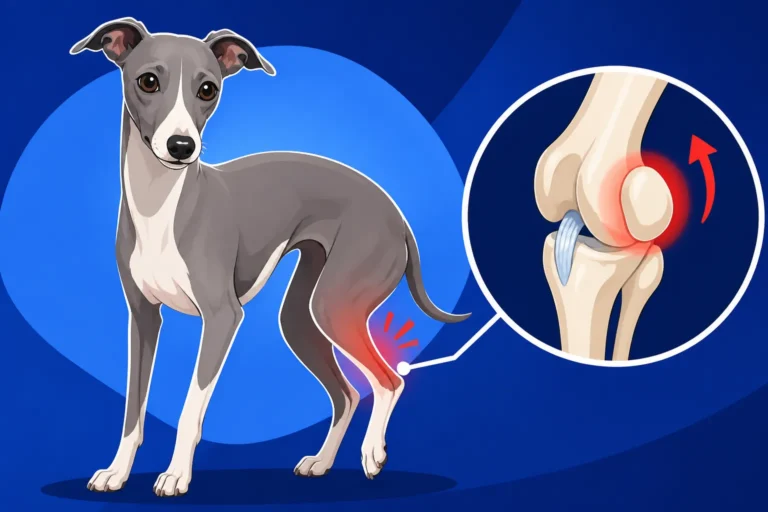
Your vet will carefully analyze the X-ray images, looking for specific patterns of bone degeneration characteristic of LCP versus the joint laxity or osteoarthritic changes associated with hip dysplasia. Other conditions, such as fractures, infections, or even patellar luxation (slipping kneecap), can also cause hind limb lameness and must be ruled out. Because of the inherent fragility of Italian Greyhounds, a precise diagnosis is vital to ensure that your dog receives the correct and most effective treatment. This meticulous diagnostic process ensures that the painful symptoms your Italian Greyhound is experiencing are attributed to the correct cause, paving the way for targeted relief.
Treatment Approaches for Bilateral LCP in Italian Greyhounds
Treating LCP, especially when both hips are affected, is a significant undertaking that aims to alleviate pain and restore as much function as possible. The primary treatment for LCP is surgical, specifically a procedure called Femoral Head Osteotomy (FHO). While conservative management (pain medication, rest, physical therapy) might be considered in very mild, early cases or for dogs who cannot undergo surgery, it rarely provides a long-term solution for the intense pain associated with the degenerating bone.
Surgical Intervention: Femoral Head Osteotomy (FHO)
The most common and effective surgical treatment for LCP is a Femoral Head Osteotomy (FHO). During an FHO, the surgeon removes the diseased femoral head and neck, eliminating the painful bone-on-bone friction that occurs when the damaged ball grinds against the hip socket. The body then forms a "false joint" of fibrous tissue and muscle, allowing the leg to move without the painful contact. For Italian Greyhounds, this procedure is generally quite successful due to their light body weight, which allows the false joint to support them more easily.
For bilateral LCP, the decision about when and how to perform two FHOs is critical. Typically, surgeons will operate on one hip at a time, allowing for a period of recovery and rehabilitation before addressing the second hip. The most painful or severely affected hip is usually tackled first. This staged approach allows your Italian Greyhound to regain some strength and mobility in one leg before the other is rendered temporarily non-weight-bearing. It's a challenging journey, but many Italian Greyhounds go on to lead comfortable lives after bilateral FHO. You can learn more about What Femoral Head Surgery Costs on an Italian Greyhound to prepare for the financial aspect. Also, understanding Whether Legg Calve Perthes in an Italian Greyhound Needs Surgery might provide further context.
Managing Recovery and Rehabilitation
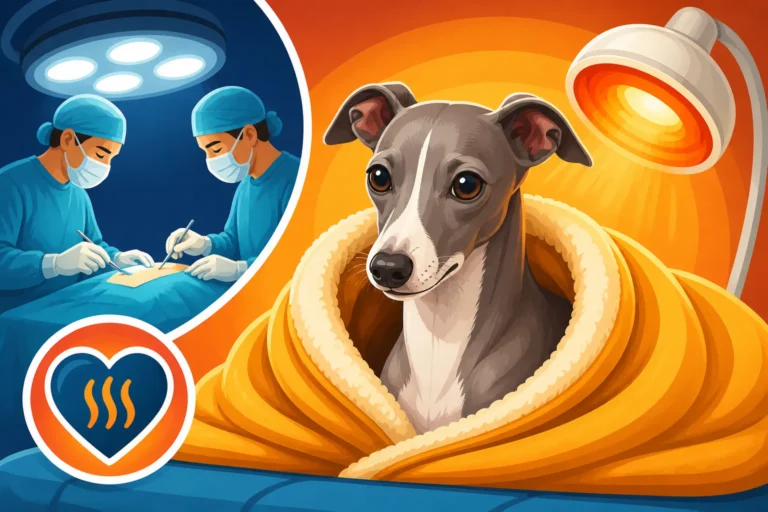
Recovery from an FHO, especially a bilateral one, requires dedication and patience. Immediately after surgery, pain management is paramount, and your vet will prescribe appropriate medications to keep your Italian Greyhound comfortable. Controlled activity is essential – this is not the time for zoomies! Instead, short, slow leash walks will be introduced to encourage weight-bearing and strengthen the surrounding muscles without putting undue stress on the healing area. Physical therapy, including gentle range-of-motion exercises, massage, and hydrotherapy, often plays a crucial role in speeding recovery and improving outcomes.
The rehabilitation process for bilateral LCP will involve two separate recovery periods, making it even more demanding. Each hip will need its own time to heal and strengthen. Owners will need to be diligent about following veterinary instructions, restricting activity, and consistently performing home exercises. This period can be frustrating, watching your active Italian Greyhound needing such strict limitations, but it’s vital for their long-term success. It’s also during times like these that having comprehensive pet insurance, such as through Healthy Paws, can be an immense relief, allowing you to focus on your dog's recovery without the added stress of overwhelming veterinary bills. Understanding How an Italian Greyhound Runs After Hip Surgery gives hope for their post-recovery life.
Living with an Italian Greyhound with Bilateral LCP
While a diagnosis of bilateral LCP can feel daunting, it’s absolutely possible for Italian Greyhounds to live full, happy lives after successful treatment. The key is consistent long-term care, vigilant pain management, and thoughtful adaptations to their environment. Your role as an owner transitions from managing an acute condition to supporting a chronic one, focusing on comfort and functional mobility.
Long-Term Pain Management and Support
Even after successful FHO surgeries, some Italian Greyhounds might experience residual discomfort or develop arthritis in the affected joints over time. This is particularly true for bilateral cases, where both hips have undergone significant trauma and remodeling. Your veterinarian will work with you to develop a long-term pain management plan. This might include:
- NSAIDs (Non-Steroidal Anti-Inflammatory Drugs): These can help manage inflammation and pain, especially during flare-ups or periods of increased activity.
- Joint Supplements: Glucosamine, chondroitin, and Omega-3 fatty acids can support joint health and potentially slow the progression of arthritis.
- Other Medications: Your vet might consider other pain-relieving medications or even nerve pain drugs if needed.
- Physical Therapy: Ongoing, gentle physical therapy, hydrotherapy, or therapeutic massage can maintain muscle strength and joint flexibility.
- Weight Management: Keeping your Italian Greyhound at a lean, healthy weight is crucial to minimize stress on their joints. Even a little extra weight can have a big impact.
Remember, Italian Greyhounds are incredibly stoic and often hide their pain. It’s up to you to observe subtle changes in their gait, activity level, or demeanor that might indicate discomfort. Regular check-ups with your vet are essential to adjust their pain management plan as needed throughout their life. This proactive approach helps to mitigate the effects of Arthritis in an Italian Greyhound's Healed Leg.
Adapting Your Home for Optimal Comfort
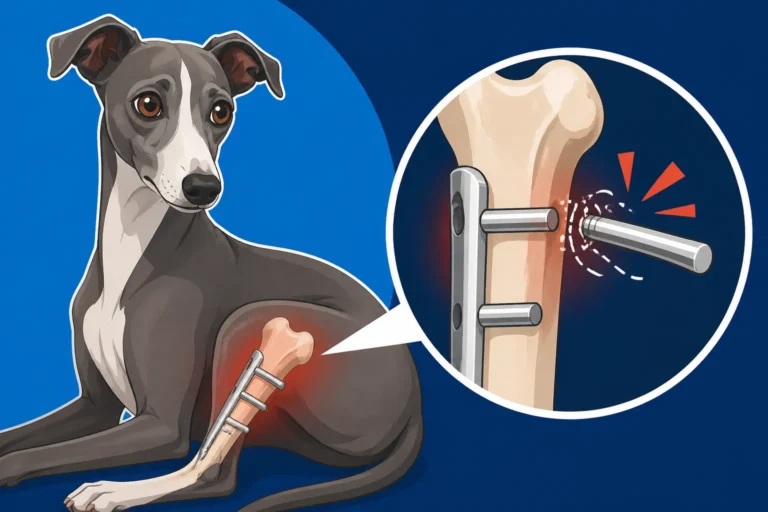
Because Italian Greyhounds are prone to broken legs and have such delicate bone structures, living with bilateral LCP means you'll need to be extra mindful of their environment. Even small jumps can be problematic, and a slip could lead to further injury. Making your home a safe haven will significantly improve their quality of life. Consider these adaptations:
- Ramps and Steps: This is non-negotiable for Italian Greyhounds, but even more so for those with compromised hips. Provide Ramps and Steps for an Italian Greyhound's Furniture so they can safely access sofas, chairs, and beds without jumping. This reduces impact on their hips and minimizes fracture risk.
- Non-Slip Flooring: Hardwood or tile floors can be very challenging for dogs with mobility issues, increasing the risk of slips and falls. Lay down rugs, runners, or carpet tiles, especially in high-traffic areas where your Italian Greyhound spends time.
- Orthopedic Bedding: A high-quality orthopedic bed can provide excellent support and cushioning for their joints, preventing pressure sores and promoting comfortable rest. Look for beds with dense, supportive foam. An Italian Greyhound with bilateral LCP will especially appreciate an orthopedic bed. You can find options designed to protect their elbows and other pressure points. You might consider What an Orthopedic Bed Costs for an Italian Greyhound.
- Restricted Access: If you have stairs, consider gating them off to prevent your Italian Greyhound from attempting to navigate them without assistance. If they must use stairs, carry them or use a secure ramp system.
- Warmth: Italian Greyhounds feel the cold acutely due to their thin coats and lack of body fat. Keeping them warm with sweaters and cozy blankets can also help relax muscles and reduce stiffness, which can exacerbate hip pain.
By creating an environment that supports their delicate frame and protects their healing hips, you can empower your Italian Greyhound to move more confidently and comfortably around your home. Investing in these adaptations upfront can save you significant heartache and veterinary bills down the line.
| Feature | Unilateral LCP (One Hip Affected) | Bilateral LCP (Both Hips Affected) |
|---|---|---|
| Initial Symptoms | Lameness in one hind leg, usually noticeable. | Lameness in one or both hind legs; often one hip appears worse initially. |
| Diagnosis | X-rays show degeneration in one femoral head. | X-rays show degeneration in both femoral heads, though severity varies. |
| Surgical Treatment | One FHO surgery, followed by single-leg rehabilitation. | Two FHO surgeries, typically staged with separate rehabilitation periods. |
| Recovery Challenge | Dog can use the unaffected leg for compensation during recovery. | No unaffected leg for compensation, making initial recovery harder. |
| Rehabilitation | Focus on strengthening one leg, gradual return to activity. | Focus on strengthening both legs, more intensive and longer rehabilitation. |
| Long-Term Impact | Often excellent prognosis, good mobility. | Good prognosis possible, but requires more diligent long-term care. |
| Pain Management | May need occasional pain meds or joint supplements. | Likely requires consistent, comprehensive pain management. |
| Home Adaptations | Recommended to prevent further injury. | Essential for maximizing comfort and preventing further injury. |
Disclaimer
The information provided in this article is for educational and informational purposes only, and does not constitute veterinary medical advice. Always consult with a qualified veterinarian for any health concerns or before making any decisions about your pet's health or treatment.