Why an Italian Greyhound Skips a Step When Running
It's a sight that can send a jolt of worry through any Italian Greyhound owner: your beloved companion is dashing across the living room or prancing gracefully outside, and then suddenly, one of their back legs seems to skip a beat, tucking up for a fleeting moment before they resume their stride as if nothing happened. You might shrug it off the first time, thinking it was just a stumble, but when it happens repeatedly, that little skip starts to feel like a big red flag. This guide is here to shed light on exactly why your Italian Greyhound might be skipping a step when running and what you, as a loving owner, can do about it.
Understanding the "Skip" Phenomenon in Italian Greyhounds
That distinctive skip or hop in your Italian Greyhound's gait isn't just a quirky habit; it's often a sign that something is amiss with their knee joint. Understanding what this looks like and why it happens is the first step toward getting your little one the help they might need.
What the Skipping Behavior Looks Like
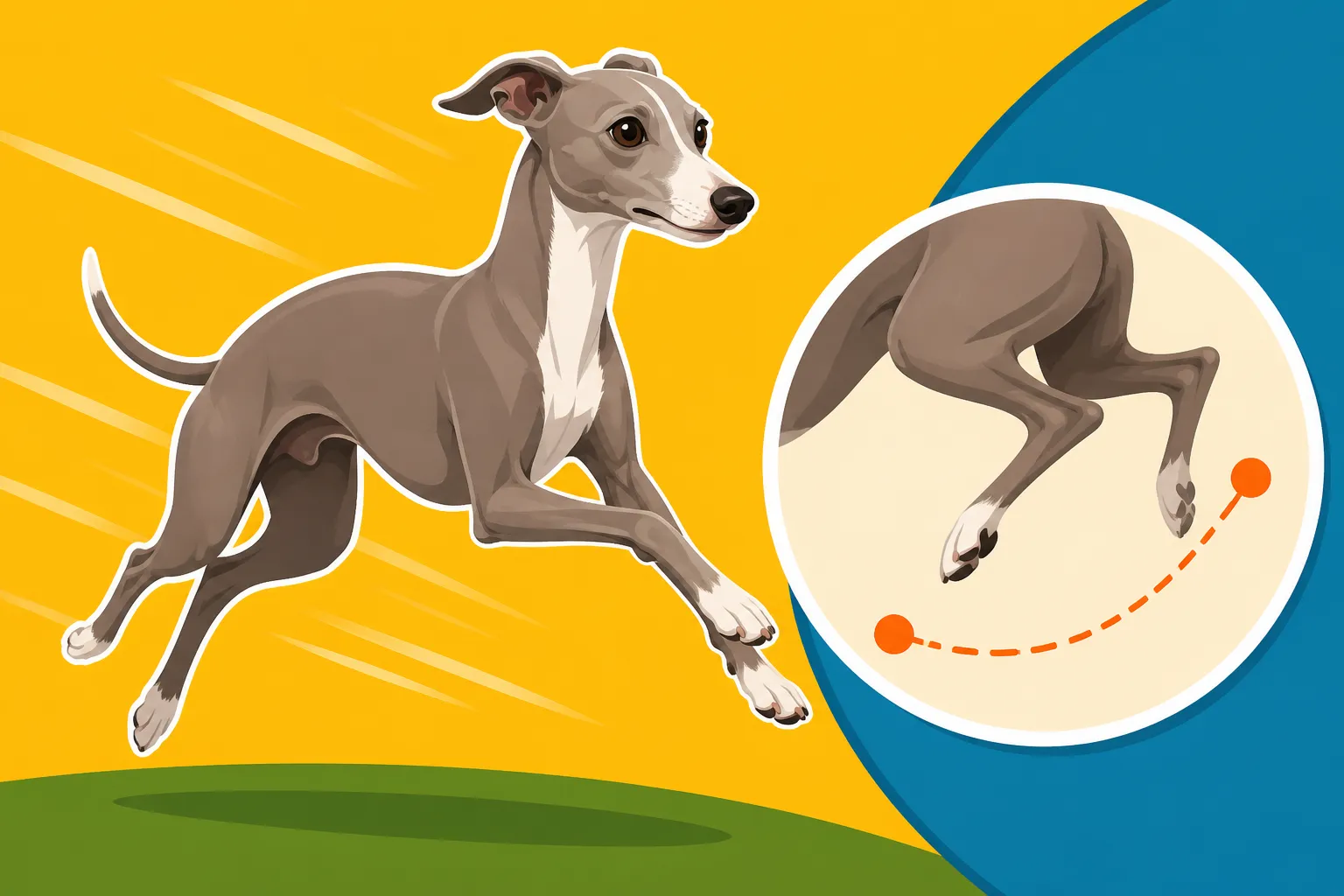
When we talk about an Italian Greyhound skipping a step, it's typically a very specific motion. Imagine them running or trotting along, and then for a second or two, one of their back legs suddenly stiffens and lifts off the ground, held up towards their belly. They might take a few hops on the other three legs before the affected leg pops back into place, and they continue as if nothing happened. It can be quick, almost imperceptible, or more pronounced, sometimes accompanied by a slight yelp or a moment of hesitation. This behavior is usually intermittent, meaning it doesn't happen every single time they move, which can make it confusing and frustrating for owners trying to figure out if it's a real problem or just an oddity. You might notice it more after they've been resting, or during periods of energetic play.
Many owners initially dismiss it as a momentary stumble or perhaps their dog just being playful. However, when it becomes a recurring event, even if it seems minor, it's important to pay attention. You know your dog best, and if something feels "off" about their movement, it likely is.
The Most Common Culprit: Patellar Luxation
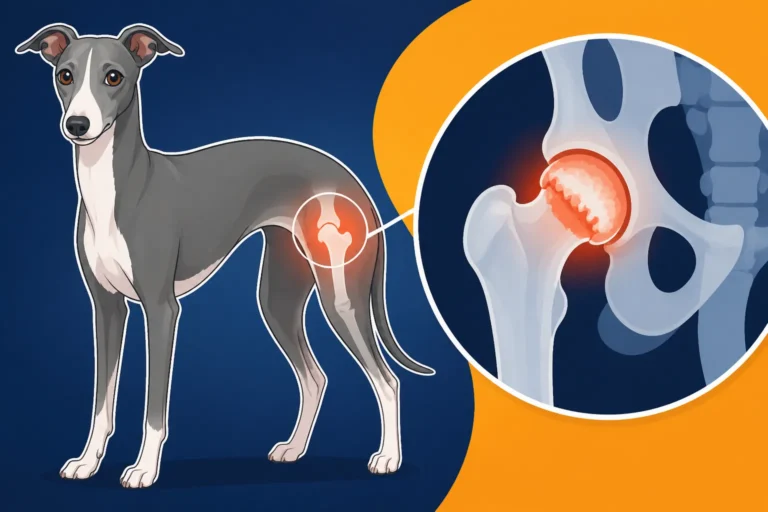
While there can be other, less common reasons for a dog to skip or limp, for Italian Greyhounds, the overwhelming majority of these "skipping a step" incidents point directly to a condition called patellar luxation. This is a fancy medical term for a fairly straightforward problem: their kneecap (patella) dislocates or "slips out" of its normal groove on the thigh bone (femur).
Think of your own kneecap. It's designed to glide smoothly up and down in a shallow groove at the end of your femur, protected by ligaments. In an Italian Greyhound with patellar luxation, this groove might be too shallow, or the surrounding ligaments and muscles might be misaligned, allowing the kneecap to pop out of place. When it pops out, it causes a momentary lock-up of the leg, leading to that characteristic skip or hop until it slides back into position. It's not usually a continuously painful condition, especially in milder cases, but it can be uncomfortable and, over time, can lead to more significant issues like arthritis or even an arthritis in an Italian Greyhound's healed leg.
Delving Deeper into Patellar Luxation
Now that we know patellar luxation is the likely cause, let's break down what this condition really means for your Italian Greyhound. It's not a one-size-fits-all diagnosis; there are different degrees of severity, and understanding them helps you gauge the situation.
Grades of Patellar Luxation and Their Significance
Veterinarians classify patellar luxation into four grades, from I to IV, to describe the severity of the condition. This grading helps determine the best course of action and what you can expect in terms of your dog's comfort and mobility.
- Grade I: This is the mildest form. The kneecap can be manually displaced from its groove but pops back into place on its own with very little effort. Dogs with Grade I luxation might rarely skip a step, or you might only notice it during very vigorous activity. They typically don't experience pain, but it's still a condition to monitor.
- Grade II: In this grade, the kneecap dislocates more readily, either spontaneously or with manipulation, and stays out until the leg is extended or manipulated back into place. Your Italian Greyhound might skip a step more frequently, holding the leg up for several strides before it corrects itself. This is often when owners start to really notice the issue. There can be mild discomfort, and over time, the constant popping in and out can start to cause wear and tear on the joint.
- Grade III: With Grade III, the kneecap is dislocated most of the time. It can be manually pushed back into the groove, but it immediately pops out again once the pressure is released. Dogs with this grade will show persistent lameness, often carrying the affected leg. The skipping becomes less of an intermittent hop and more of a consistent way of moving. This level of luxation significantly impacts the dog's mobility and comfort, and arthritis is a common secondary complication.
- Grade IV: This is the most severe grade. The kneecap is permanently dislocated and cannot be manually returned to its normal position. The groove for the kneecap is often severely underdeveloped or non-existent, and the bone structure might be significantly deformed. Dogs with Grade IV patellar luxation typically walk with a crouched, bow-legged stance, experiencing chronic lameness and pain. Surgical correction is almost always necessary, but even then, the prognosis can be more guarded due to the extent of the skeletal changes.
Here's a quick overview:
| Grade | Kneecap Position | Frequency of Skipping / Lameness | Pain Level | Impact on Mobility |
|---|---|---|---|---|
| Grade I | Usually in place, easily luxated | Intermittent, mild skipping | Usually none | Minimal |
| Grade II | Luxates easily, sometimes spontaneous | More frequent skipping | Mild discomfort | Noticeable, but often functional |
| Grade III | Luxated most of the time, reducible | Persistent lameness, leg often held up | Moderate pain | Significant impact, abnormal gait |
| Grade IV | Permanently luxated, non-reducible | Severe lameness, crouching gait | Chronic pain | Severely limited |
How Patellar Luxation Develops and Why IGs Are Prone
Patellar luxation is primarily a developmental and often inherited condition. It's not usually caused by a single injury, though a fall or trauma could exacerbate an existing predisposition. The root of the problem lies in the conformation (the physical structure) of the knee joint and the alignment of the bones in the hind leg.
In a normal knee, the patella sits securely in the trochlear groove, a channel at the end of the femur. However, in dogs prone to luxation, several factors can contribute:
- Shallow Trochlear Groove: This is one of the most common issues. If the groove isn't deep enough, the kneecap doesn't have a secure channel to glide in and can easily slip out.
- Malalignment of the Quadriceps Muscle: The powerful quadriceps muscle runs down the front of the thigh, over the patella, and attaches below the knee. If this muscle, or the associated patellar ligament, pulls at an angle, it can drag the kneecap out of alignment.
- Deformed Femur or Tibia: Sometimes, the thigh bone (femur) or shin bone (tibia) might be slightly twisted or bowed, which again creates an abnormal angle for the kneecap, encouraging it to pop out.
Italian Greyhounds, like many other toy and small breeds (such as Chihuahuas, Pomeranians, and Miniature Poodles), are particularly susceptible to patellar luxation. This breed-specific predisposition is largely genetic. Their delicate, fine-boned structure, while part of their charm, also makes them more vulnerable to these orthopedic issues. Responsible Italian Greyhound breeders will screen their breeding stock for patellar luxation as part of their health clearances to try and reduce the incidence of this condition. When considering an Italian Greyhound puppy, it's crucial to ask about the parents' health screenings, including specific checks for issues like patellar luxation, Legg-Calve-Perthes, and even The Eye Diseases an Italian Greyhound Breeder Screens For.
Other Potential Causes for Skipping
While patellar luxation is indeed the most common reason an Italian Greyhound might skip a step, it's worth briefly mentioning that other less frequent issues could sometimes mimic this behavior, especially in very young puppies or if the skip is extremely rare and doesn't quite fit the classic kneecap pattern.
One possibility could be a minor muscle strain or sprain from over-exertion or an awkward landing. Italian Greyhounds are incredibly agile and love to zoom, but their delicate build means they can sometimes pull a muscle or tweak a joint. If the skipping is a one-off event after particularly vigorous play and doesn't recur, it might just be a temporary strain. However, repeated incidents almost always point to something more structural.
Another, rarer, condition to be aware of, especially in young Italian Greyhounds (typically under a year old), is Legg Calve Perthes Turns Up in an Italian Greyhound at Six Months. This condition affects the hip joint, specifically the femoral head (the "ball" of the hip joint), causing it to degenerate. While it usually presents as a more consistent limp and pain in the hip area rather than a "skip," in its early stages, it might sometimes be confused with a knee issue. It's less likely to cause the specific "tuck and pop" motion of patellar luxation, but it's something a thorough vet exam would rule out.
Ultimately, if you observe your Italian Greyhound skipping a step, even if it's infrequent, assume patellar luxation until a vet confirms otherwise. It's better to be proactive than to let a treatable condition progress.
What to Do When Your Italian Greyhound Skips a Step
Seeing your dog skip a step can be unsettling, but knowing what actions to take can make all the difference. Early intervention and proper care are key to managing patellar luxation and ensuring your Italian Greyhound maintains a good quality of life.
When to Consult Your Veterinarian
The moment you first notice your Italian Greyhound skipping a step, even if it's very subtle or infrequent, it's time to make an appointment with your veterinarian. Do not delay, especially if:
- The skipping is becoming more frequent.
- Your dog shows any signs of pain (yelping, licking the leg excessively, reluctance to bear weight).
- They are hesitant to jump on furniture or use stairs, which they previously did easily.
- The lameness seems to be worsening or becoming more consistent.
Before your appointment, it can be incredibly helpful to capture the skipping behavior on video. Sometimes, dogs get excited or nervous at the vet's office and won't perform the "skip," making it harder for the vet to observe. A video can provide crucial evidence. Also, make notes on when you observe the skipping: Is it after rest? During play? Does it seem worse in the morning or evening? Does it happen on both legs, or just one? This information will greatly assist your vet in their diagnosis. Ideally, seek out a veterinarian experienced with sighthounds, as they are often more familiar with the nuances of their delicate anatomy and breed-specific health issues.
Diagnostic Process for Patellar Luxation
When you bring your Italian Greyhound to the vet, the diagnostic process for patellar luxation typically involves a thorough physical examination, with a focus on orthopedic assessment.
Your vet will likely:
- Observe your dog's gait: They'll watch your Italian Greyhound walk and trot to see if they can catch the skipping motion themselves.
- Palpate the knee joint: This involves gently manipulating the kneecap while the dog is standing and lying down. The vet will feel for how easily the patella moves in and out of its groove and whether it spontaneously luxates. This is how they determine the grade of luxation.
- Check for other orthopedic issues: They'll also examine other joints, like the hips and ankles, to ensure there aren't concurrent problems that could be contributing to the lameness or pain.
- Recommend X-rays: While patellar luxation can often be diagnosed by physical exam alone, X-rays are usually recommended. These images help the vet assess the depth of the trochlear groove, the alignment of the femur and tibia, and check for any secondary changes like early arthritis or bone deformation. X-rays are also vital if surgery is being considered, as they help the surgeon plan the procedure.
Management and Treatment Options
Once a diagnosis and grade of patellar luxation are established, your veterinarian will discuss management and treatment options. These vary greatly depending on the severity of the luxation, the dog's age, overall health, and your personal circumstances.
For Grade I and some Grade II luxations, especially if the dog is not showing pain or significant lameness, conservative management is often the first approach:
- Weight Management: Keeping your Italian Greyhound at a healthy weight is paramount. Even a few extra ounces can put undue stress on delicate joints. Regular weight checks are a must for these light-bodied dogs.
- Joint Supplements: Your vet might recommend joint supplements containing ingredients like glucosamine, chondroitin, and MSM. While these won't "cure" the luxation, they can help support joint cartilage health and reduce inflammation, potentially slowing the progression of arthritis.
- Physical Therapy & Restricted Exercise: Controlled exercise, such as leash walks and swimming, can help strengthen the muscles around the knee. Avoiding high-impact activities like jumping off furniture or wrestling with larger dogs is critical. Ramps and steps for furniture are invaluable to prevent sudden stress on the knees. You can read more about ramps and steps for an Italian Greyhound's furniture to get your home set up correctly.
- Anti-inflammatory Medications: In some cases, your vet might prescribe non-steroidal anti-inflammatory drugs (NSAIDs) for short periods to manage pain and inflammation, especially during flare-ups.
For Grade II luxations with persistent symptoms, Grade III, and Grade IV luxations, surgical intervention is usually recommended. The goal of surgery is to stabilize the kneecap within its groove and prevent it from dislocating. Common surgical techniques include:
- Deepening the trochlear groove (trochleoplasty): The surgeon reshapes the groove to make it deeper, providing a more secure channel for the kneecap.
- Transposing the tibial crest: The part of the shin bone (tibia) where the patellar ligament attaches is cut and repositioned to realign the pull of the quadriceps muscle.
- Lateral imbrication: Tightening the joint capsule on the outside of the knee to help hold the kneecap in place.
Post-operative care is just as crucial as the surgery itself. It typically involves strict rest for several weeks, followed by a gradual return to activity with guided physical therapy. This can be a challenging period for both dog and owner, but it's essential for a successful outcome. Many owners find pet insurance like Healthy Paws incredibly helpful in offsetting the substantial costs associated with surgical procedures and rehabilitation. Discussing options like what pet insurance actually covers on an Italian Greyhound before an emergency can save a lot of financial stress. Remember that a procedure like this is a significant expense, and considering how much fracture repair costs on an Italian Greyhound, it's always wise to be prepared.
Living With an Italian Greyhound Prone to Skipping
A diagnosis of patellar luxation doesn't mean the end of your Italian Greyhound's happy, active life. With proper management and care, many IGs live full, comfortable lives. It's about understanding their needs and making necessary adjustments.
Preventing Further Injury and Supporting Joint Health
Even after successful surgery or if you're managing a mild case conservatively, ongoing preventive measures are essential to support joint health and minimize the risk of further injury.
- Environmental Modifications: As mentioned, investing in ramps or steps for all furniture your Italian Greyhound uses (sofas, beds) is a non-negotiable. This eliminates the dangerous impact of jumping down, which can exacerbate patellar luxation or, worse, lead to a why an Italian Greyhound's leg bones break so easily. Ensure your home has non-slip surfaces, especially in areas where they play or run, as slick floors can cause legs to splay and put stress on joints. You can use runners, yoga mats, or even area rugs.
- Controlled Exercise: While IGs need exercise, it's about quality over quantity and avoiding high-risk activities. Stick to leash walks on even surfaces. Avoid dog parks where boisterous play with larger, heavier dogs could lead to accidental injury. If you have multiple dogs, supervise their play to ensure it remains gentle. Short bursts of zoomies in a safe, carpeted area are generally fine, but prolonged, uncontrolled running and sharp turns should be minimized.
- Nutrition and Supplements: Continue to feed a high-quality diet appropriate for small breeds. If your vet recommends joint supplements, administer them consistently. Some evidence suggests that certain omega-3 fatty acids can also help reduce inflammation, so discuss this with your vet. Maintaining a lean body condition is critical; even a small amount of excess weight can significantly increase the load on the knee joints.
- Regular Veterinary Check-ups: Even if your dog isn't actively skipping, regular check-ups (at least once a year, or more frequently if recommended by your vet) are important to monitor the condition of the knees and address any signs of arthritis or progression of luxation early. This proactive approach can lead to a longer, healthier life for your pet.
Long-Term Outlook and Quality of Life
The long-term outlook for Italian Greyhounds with patellar luxation is generally very good, especially for those with Grade I or II luxation managed conservatively, or those who undergo successful surgery for higher grades. Many dogs return to near-normal function and live long, comfortable lives. With proper care and attention, your Italian Greyhound can still enjoy all the things they love, from snuggling on the sofa to chasing squirrels in a safe, fenced yard.
However, it's important to be realistic. Even after surgery, the joint may never be "perfect," and there is always a risk of developing arthritis later in life. This is why ongoing management, including supplements, weight control, and appropriate exercise, remains vital throughout their lifespan. Keeping an eye on signs of discomfort, changes in gait, or reluctance to move is crucial, especially as they age. An old Italian Greyhound may feel the cold more, which can also impact joint comfort, making Why an Old Italian Greyhound Feels the Cold More an important read for senior care. Open communication with your veterinarian and adherence to their recommendations will ensure your Italian Greyhound enjoys the best possible quality of life. Pet insurance, such as Healthy Paws, can also be a valuable resource for covering potential future veterinary expenses related to ongoing joint care or unforeseen complications.
Disclaimer
The information provided in this article is for general informational purposes only and is not a substitute for professional veterinary advice. Always consult with a qualified veterinarian for any health concerns or before making any decisions related to your Italian Greyhound's care.