How Fast an Italian Greyhound Loses Its Sight
Watching your beloved Italian Greyhound navigate the world, only to gradually lose their keen eyesight, is a heartbreaking and confusing experience for any owner. It leaves you wondering how quickly this change will happen, what to expect, and most importantly, how to help your precious companion. This comprehensive guide aims to demystify the progression of vision loss in Italian Greyhounds, especially concerning common conditions like Progressive Retinal Atrophy, offering insights into what to watch for and how to ensure your dog continues to live a full, happy life.
Understanding Progressive Retinal Atrophy in Italian Greyhounds
One of the most common and devastating causes of vision loss in Italian Greyhounds is a condition known as Progressive Retinal Atrophy (PRA). This isn't just a simple case of "getting old"; it's a group of genetic diseases that cause the degeneration of the photoreceptor cells (rods and cones) in the retina, the light-sensitive tissue at the back of the eye. Think of it like the film in an old camera slowly degrading, making it impossible to capture clear images anymore.
The frustrating part about PRA is its insidious nature. It doesn't typically appear overnight. Instead, it's a slow, relentless process that can take months, or even years, to fully manifest. Many owners don't even realize their Italian Greyhound is struggling until the disease has already advanced significantly, simply because these intelligent and adaptable dogs are masters at compensating for their diminishing sight. They learn their environment, rely on their other senses, and navigate by memory, often fooling us into thinking everything is perfectly fine. This makes early detection incredibly challenging without specific veterinary screenings.
It's also important to understand that PRA isn't a single disease but rather a blanket term for several different genetic mutations. Some forms might progress faster than others, and the age of onset can vary significantly. This genetic component is why reputable breeders prioritize health testing. You can learn more about the specifics of Progressive Retinal Atrophy in an Italian Greyhound to understand the underlying science.
The Genetic Component of Vision Loss
The cruel reality of many eye conditions, especially PRA, is their strong genetic link. In Italian Greyhounds, several forms of PRA have been identified, each tied to specific genes. This means that if an Italian Greyhound inherits certain problematic genes from one or both parents, they are at a heightened risk of developing the condition. This isn't about blaming breeders, but rather about understanding the importance of responsible breeding practices to minimize the occurrence of such diseases.
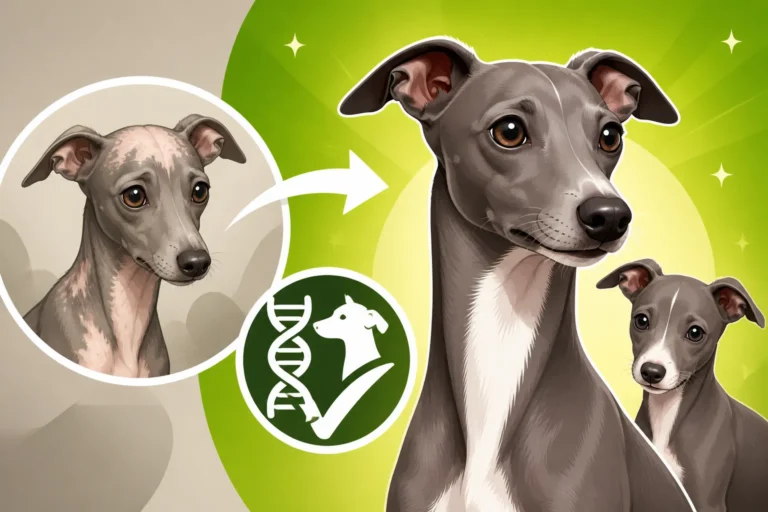
Breeders who are committed to the health of the Italian Greyhound often utilize DNA testing to identify carriers of these specific PRA genes. A dog can be a "carrier" without ever showing symptoms themselves, meaning they have one copy of the gene and can pass it on to their offspring. If two carriers are bred together, there's a 25% chance that their puppies will inherit two copies of the problematic gene and eventually develop PRA. This is why it's a critical recommendation that Why Two Carrier Italian Greyhounds Should Not Be Bred. When you're considering bringing an Italian Greyhound into your home, asking about these genetic screenings is paramount. Responsible breeders will be transparent about their testing protocols.
Other inherited eye conditions can also contribute to vision impairment. For instance, while less common than PRA, some Italian Greyhounds can also be prone to conditions like Cataracts in an Italian Greyhound or Glaucoma in an Italian Greyhound, which can also lead to gradual or even sudden vision loss. These, too, often have a genetic predisposition or can be secondary to other health issues. Knowing the genetic history of your dog, if possible, can provide invaluable insight into potential future health concerns.
Other Causes of Gradual Sight Loss
While Progressive Retinal Atrophy is a significant concern for Italian Greyhound owners, it's not the only reason your dog might experience a decline in vision. Just like humans, our canine companions can suffer from a variety of other ocular issues that can slowly erode their ability to see the world around them. These can range from more common ailments to less frequent, but equally impactful, conditions.
For example, age itself brings changes. Older Italian Greyhounds, much like senior people, can develop nuclear sclerosis, a bluish-grey haze in the lens of the eye. This is a natural aging process that causes the lens to harden and become slightly opaque. While it doesn't usually cause significant vision loss, it can reduce clarity and make things seem a bit foggy. However, it's important not to confuse this benign condition with true cataracts, which are more serious and involve opacities that do obstruct light and lead to blindness. Regular veterinary check-ups, including thorough eye exams, are crucial as your Italian Greyhound ages, especially if you're Caring for an Italian Greyhound Past Eleven.
Beyond aging, conditions such as Vitreous Degeneration in an Italian Greyhound, where the jelly-like substance filling the eyeball breaks down, can also lead to secondary eye problems affecting vision. Furthermore, systemic diseases like diabetes can sometimes lead to diabetic cataracts, causing rapid and severe vision impairment. Eye trauma or chronic inflammation can also contribute to a slow decline in eye health and visual acuity over time. This is why any change in your dog's eyes or behavior warrants a trip to the vet, as a proper diagnosis is the first step toward understanding the prognosis and potential treatments.
The Progression of Vision Loss: From Night Blindness to Full Blindness
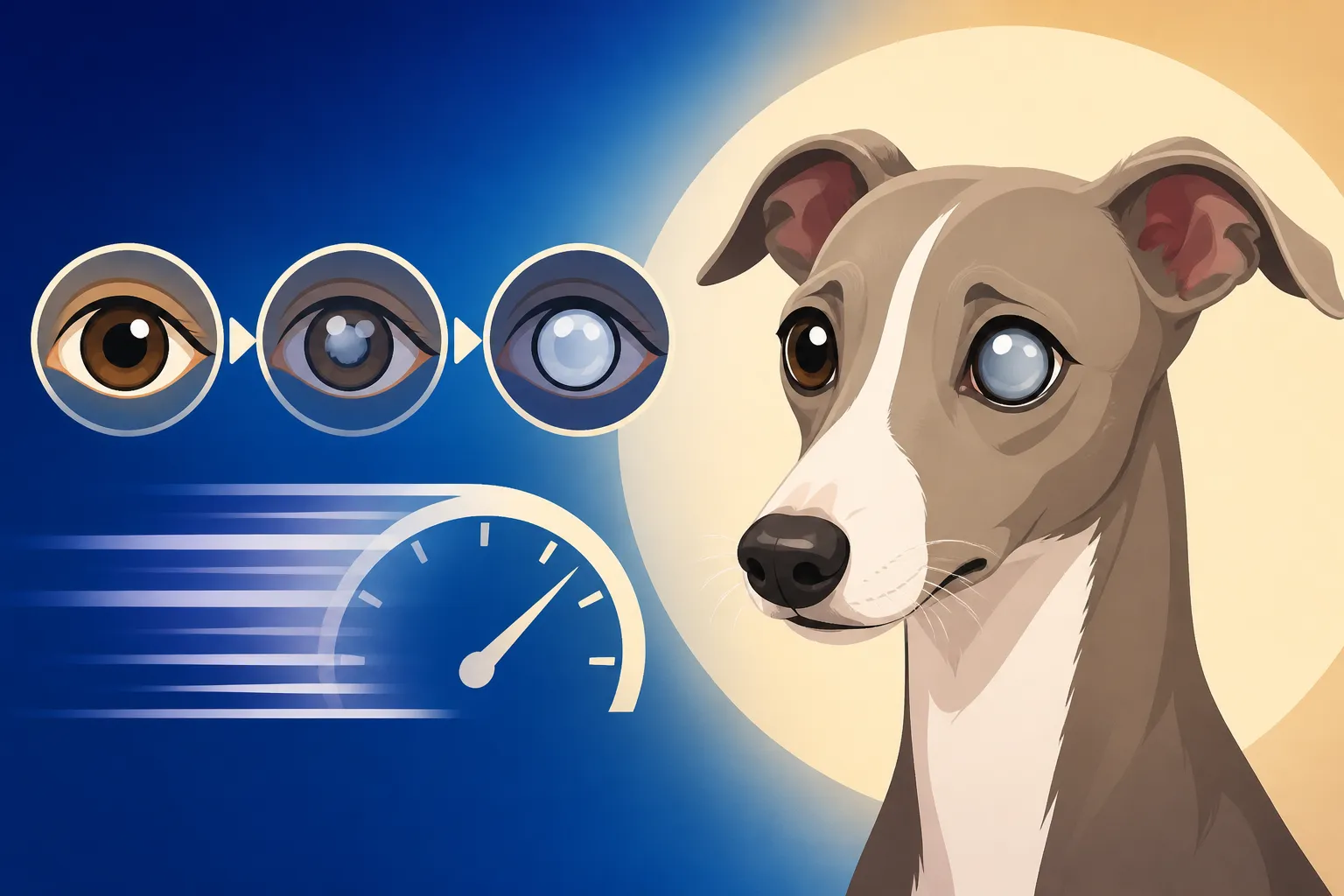
The journey of vision loss in an Italian Greyhound, particularly with PRA, is typically a gradual descent rather than a sudden plunge into darkness. It often begins subtly, with changes that are easy to miss, especially if you're not actively looking for them. Most forms of PRA affect the rod cells first, which are responsible for vision in low light conditions. This means the first noticeable symptom is usually a decline in night vision.
Imagine your Italian Greyhound, who once confidently navigated the backyard at dusk, now hesitates at the threshold or bumps into familiar objects in dim lighting. They might become more reluctant to go out for their last potty break after the sun sets, or seem disoriented when moving from a brightly lit room into a darker hallway. These are classic Signs an Italian Greyhound Is Losing Night Vision. It's a slow transition where they still see fine during the day, but their world becomes increasingly murky as evening falls. This stage can last for quite some time, often months, before any daytime vision is significantly impacted. As an owner, this is when you might first feel a prickle of worry, wondering what’s really going on with your usually agile companion.
As the disease progresses, the cone cells, responsible for daytime vision and color perception, also begin to degenerate. This is when daytime vision starts to diminish, and your Italian Greyhound's world becomes increasingly blurry and dark. They might start bumping into furniture even in well-lit rooms, or struggle to find dropped toys. Their confidence can take a hit, and they might become more clingy or hesitant in new environments. The speed of this progression can vary, but generally, once daytime vision is affected, the decline tends to accelerate.
Early Signs and Subtle Behavioral Shifts
Recognizing the subtle, early signs of vision loss is absolutely crucial. As empathetic Italian Greyhound owners, we need to be tuned into the nuances of their behavior, because they won't simply tell us something is wrong. Their innate prey drive and natural intelligence allow them to adapt remarkably well, often masking their struggles. This means you have to be a detective in your own home.
One of the first things you might notice, as mentioned, is a reluctance or hesitation in dimly lit areas. Your Italian Greyhound might be slower to react to toys thrown in the evening, or they might bump into the leg of a chair they usually zip around with ease. They might also become more dependent on you for guidance, sticking closer to your side during walks or seeming more anxious in unfamiliar places, particularly at night. Their peripheral vision might be compromised, leading to startling easily when approached from the side. You might also notice their eyes reflecting light more brightly in photographs (known as tapetal reflection) due to the thinning of the retinal layers, though this is often a subtle sign for professionals.
Beyond these direct visual cues, observe their confidence. A once bold and adventurous Italian Greyhound might become more reserved, especially when faced with new obstacles or environments. They might show increased hesitation descending stairs or stepping off curbs. They might rely more on their nose and ears, sniffing the ground more intently or turning their head to locate sounds. If you suspect any changes, don't wait. A veterinary ophthalmologist can conduct specialized tests, often including an electroretinogram (ERG) or The DNA Test for Italian Greyhound Retinal Atrophy, to definitively diagnose conditions like PRA even before clinical signs are obvious.
Accelerating Loss and Full Blindness
Once the rod and cone cells truly begin to break down significantly, the rate at which an Italian Greyhound loses its sight can feel dishearteningly quick. While the initial stages of night blindness can be quite slow, once daytime vision is compromised, the dog's ability to navigate independently diminishes more rapidly. It’s like watching a fog roll in, getting thicker and thicker each day. For some, within a few months of noticeable daytime impairment, they might be functionally blind. For others, it could take a year or more. Every dog's progression is unique.
When full blindness sets in, it’s a profound change, both for the dog and the owner. Your Italian Greyhound will no longer respond to visual cues, and their eyes may appear vacant or unfocused. They will rely entirely on their other senses – smell, hearing, and touch – to understand their surroundings. It's during this phase that you'll see their remarkable resilience truly shine through. They might bump into things more frequently initially, especially in unfamiliar territory, but with your help, they will quickly adapt.
The good news is that blindness, while challenging, is not a death sentence for an Italian Greyhound. They can and do continue to lead incredibly fulfilling lives. It requires patience, consistency, and a thoughtful approach to their environment. Many owners find that their bond with their dog deepens, as the dog becomes even more reliant on their human for security and navigation. This is where companies like Healthy Paws can truly make a difference, as the costs associated with repeated vet visits, diagnostics, and potential specialist consultations for worsening eye conditions can add up rapidly. Knowing you have support can ease some of the financial burden during such an emotionally taxing time.
Supporting Your Italian Greyhound Through Vision Loss
Living with a blind or visually impaired Italian Greyhound requires a thoughtful approach, but it’s entirely manageable and incredibly rewarding. The key is to create a safe, predictable, and enriching environment that fosters confidence and independence. Your Italian Greyhound still wants to be an active, happy member of your family, and with a few adjustments, they absolutely can be.
One of the most important things you can do is maintain consistency in your home environment. Avoid rearranging furniture, especially large pieces. If you must move something, do it gradually and guide your dog around the new obstruction multiple times until they learn its placement. Establish clear pathways and use different textures of rugs or runners to help them identify different rooms or areas. For example, a sisal rug at the entrance to the kitchen or a plush carpet in the living room can provide tactile cues.
Your voice becomes their eyes. Use verbal cues consistently. Phrases like "step up" for a curb, "step down" for a change in elevation, "watch out" for an obstacle, or "this way" for a direction can become invaluable. Always speak to them as you approach, so you don't startle them. A gentle touch to guide them is often appreciated. Remember, even with vision loss, your Italian Greyhound still loves their routines, walks, and cuddles. They still need mental stimulation and physical activity, adapted to their new needs.
Navigating the Home Environment
Making your home a safe haven for a visually impaired Italian Greyhound is a priority. Their natural agility and zest for life mean they'll try to do everything they did before, so it's up to us to minimize risks. Start by identifying potential hazards: sharp furniture corners, low-lying obstacles, or stairs without proper barriers.
One simple yet effective strategy is to "soundscape" your home. Different sounds can mark different areas. A quiet fan in the bedroom, a gurgling water fountain in the living room, or even a specific scent near their food bowl can become beacons for your dog. For stairs, consider installing baby gates to prevent accidental falls. Italian Greyhounds are prone to broken legs, and a fall down the stairs could be catastrophic. You might even consider investing in Ramps and Steps for an Italian Greyhound's Furniture to help them safely get on and off sofas or beds, regardless of their vision, which will be even more critical now.
Use scent markers too. A dab of essential oil (safe for dogs, like lavender or chamomile, used sparingly and diluted) on doorframes or furniture legs can help them orient themselves. Consistency is paramount. Don't move their food and water bowls, their bed, or their favorite resting spots. Let them map out their world in their mind, and then respect that map. While it might seem like a lot of work, these small adjustments make a monumental difference in your Italian Greyhound's quality of life, allowing them to move with confidence and reduce anxiety.
Adapting Outdoor Activities and Walks
Just because your Italian Greyhound is losing its sight doesn't mean their outdoor adventures have to end! They still need exercise, mental stimulation, and the joy of exploring the world through their other senses. It just means you, their trusted guide, need to be extra vigilant and adapt your routines.
For walks, a sturdy harness is essential. Avoid collars that put pressure on their delicate necks. A leash that gives you good control, perhaps a shorter one initially, will be your best friend. Always keep them on a leash; an Italian Greyhound with compromised vision should never be off-leash in an unfenced area, as their prey drive can still kick in, sending them blindly into danger. Talk to them constantly, narrating your surroundings: "We're turning right now," "Big step coming up," "Car coming," "Smell that interesting bush?" Your voice is their GPS. Consider walking during quieter times of day to minimize overwhelming sounds and sudden movements from other dogs or people.
For backyard time, ensure your yard is completely fenced and secure. Walk the perimeter with your dog on a leash a few times, letting them sniff and map out the boundaries. Always supervise them, even in a familiar yard. Interactive toys that make noise or are scented can still be a blast. A sturdy Kong filled with peanut butter, or a treat-dispensing puzzle toy, can provide hours of fun. If you're concerned about unexpected vet bills related to accidents or unforeseen health issues for your beloved Italian Greyhound, having pet insurance like Healthy Paws can provide much-needed peace of mind, allowing you to focus on their care rather than the financial strain. Ultimately, the goal is to keep them engaged, safe, and happy, proving that a lack of sight doesn't mean a lack of life.
Preventative Measures and Early Detection
When it comes to something as crucial as your Italian Greyhound's eyesight, an ounce of prevention is truly worth a pound of cure. While some conditions like PRA are genetically predisposed and can't be "cured," proactive steps can still make a huge difference in managing their health and detecting issues early. This includes responsible breeding choices, regular veterinary check-ups, and being an observant owner.
For anyone considering bringing an Italian Greyhound into their home, the most significant preventative measure starts with the breeder. Reputable breeders are keenly aware of the genetic risks within the breed, including various eye conditions. They should perform genetic testing on their breeding stock for known forms of PRA and other inherited eye diseases. Don't be shy about asking for proof of these screenings. A breeder who is transparent and willing to discuss their health protocols is a sign of a responsible program aimed at producing healthy puppies.
Furthermore, early detection through routine veterinary care is vital. Just because an Italian Greyhound might not show obvious signs of vision loss doesn't mean an underlying issue isn't developing. Regular check-ups with your general veterinarian are important, but for specific eye concerns, a consultation with a veterinary ophthalmologist is invaluable. These specialists have the equipment and expertise to diagnose subtle changes in the eye long before they become apparent to the untrained eye.
The Importance of Regular Eye Examinations
Routine eye examinations are not just for senior dogs or when you notice a problem; they are an essential part of your Italian Greyhound's overall wellness care throughout their life. Many people wonder Whether an Italian Greyhound Needs a Yearly Eye Exam, and the answer is a resounding yes! A general vet check-up will typically include a basic visual inspection of the eyes, but a comprehensive ophthalmic exam goes much deeper.
A veterinary ophthalmologist can perform a variety of tests that are far more sensitive than what you might observe at home. They can use specialized equipment to look deep into the eye, examining the retina, lens, and optic nerve for any abnormalities. They might measure intraocular pressure to check for glaucoma, or use a slit lamp to examine the cornea and lens for cataracts or other changes. For breeds prone to genetic eye conditions, an ophthalmologist can often identify early signs of degeneration before your dog's vision is overtly affected.
These exams are particularly crucial for Italian Greyhounds due to their genetic predisposition to conditions like PRA. Early diagnosis, while it doesn't always lead to a cure for genetic diseases, can help you prepare and make necessary adjustments to your dog's environment and lifestyle. It also allows your vet to rule out other treatable causes of vision impairment. Regular screenings, potentially combined with genetic testing like The DNA Test for Italian Greyhound Retinal Atrophy, offer the best chance of understanding and managing your Italian Greyhound's eye health effectively. Having pet insurance, such as through Healthy Paws, can certainly help manage the recurring costs of these specialized exams and any subsequent treatments.
Genetic Screening and Responsible Breeding
Understanding the genetic underpinnings of eye health is paramount, especially for a breed like the Italian Greyhound. Many of the most impactful eye conditions, particularly Progressive Retinal Atrophy, are inherited. This means that if an Italian Greyhound carries specific genes, they are at risk of developing the condition or passing it on to their offspring. Responsible breeding is the bedrock of preventing these issues from continuing through future generations.
Breeders committed to the long-term health of the Italian Greyhound breed will meticulously screen their breeding dogs. This isn't just a casual vet visit; it involves specific genetic tests to identify carriers of known disease genes, as well as regular examinations by board-certified veterinary ophthalmologists. These specialists can certify dogs as free of hereditary eye diseases, often through programs like those run by the Canine Eye Registry Foundation (CERF) or the Orthopedic Foundation for Animals (OFA). The results of these exams are incredibly important for breeders to make informed decisions about pairings. You can delve deeper into What an Italian Greyhound Breeder Should Have Tested to understand the full scope of screenings.
As a prospective owner, you have a powerful role to play by demanding transparency and proof of these health clearances. Ask to see the OFA or CERF certificates for both parents. Understand that a dog might be a "carrier" for a recessive gene without ever developing the disease itself, but if bred with another carrier, their puppies could be affected. Responsible breeders use this information to make wise choices, ensuring that no affected puppies are produced. By supporting these breeders, you're not just getting a healthier puppy; you're contributing to the overall health and longevity of the Italian Greyhound breed for years to come.
What to Expect in Terms of Timeline
The question of "how fast" an Italian Greyhound loses its sight is one that weighs heavily on every owner's mind, and unfortunately, there's no single, universally applicable answer. The timeline for vision loss is highly individual, influenced by the specific condition, its genetic presentation, and even individual variations in disease progression. However, we can look at some general patterns, particularly with Progressive Retinal Atrophy (PRA), which is a common culprit.
For most forms of PRA in Italian Greyhounds, the onset of symptoms is insidious and gradual. It rarely happens overnight. Often, the first noticeable change is the onset of night blindness, which can begin in early to mid-adulthood (anywhere from 3 to 8 years old, though some forms can start earlier or later). This initial stage, where the dog primarily struggles in dim light, can last for months or even a couple of years. During this time, owners might notice their dog hesitating in dark hallways or being more cautious outside at night. This is generally the slowest phase of progression.
As the disease advances, daytime vision becomes increasingly affected. This is where the pace can feel like it picks up. Once the cone cells begin to degenerate alongside the rods, your Italian Greyhound's world becomes blurrier, and their ability to see clearly in normal light diminishes. This transition from functional daytime vision to significant impairment can occur over a period of several months to a year or two. Eventually, most Italian Greyhounds affected by PRA will become completely blind. The entire process, from the first subtle sign of night blindness to full blindness, often spans 2 to 5 years, though some aggressive forms might progress faster, and very slow forms could take even longer. It’s a journey that requires patience, adaptation, and unwavering support from you, their loving family.
| Stage of Vision Loss (Typical PRA) | Approximate Onset | Key Characteristics | Duration of Stage | Impact on Dog |
|---|---|---|---|---|
| Night Blindness (Early PRA) | 3-8 years old | Difficulty seeing in low light/darkness | Months to 1-2 years | Increased caution in dark, relies on memory |
| Diminished Daytime Vision | Varies | Blurry vision, bumping into objects in familiar places | Several months to 1-2 years | Reduced confidence, increased reliance on other senses |
| Functional Blindness | Varies | Severe visual impairment, navigates primarily by memory, smell, sound | Lifelong | Full adaptation to blindness, requires owner support |
| Complete Blindness | Varies | No light perception | Lifelong | Same as functional blindness, but no visual input at all |
Note: This table provides a general timeline for PRA; individual progression can vary significantly based on the specific genetic mutation and other factors.
Disclaimer
The information provided in this article is for general informational purposes only and is not intended as a substitute for professional veterinary advice, diagnosis, or treatment. Always seek the advice of your veterinarian or other qualified animal health provider with any questions you may have regarding a medical condition or the health and welfare of your Italian Greyhound.