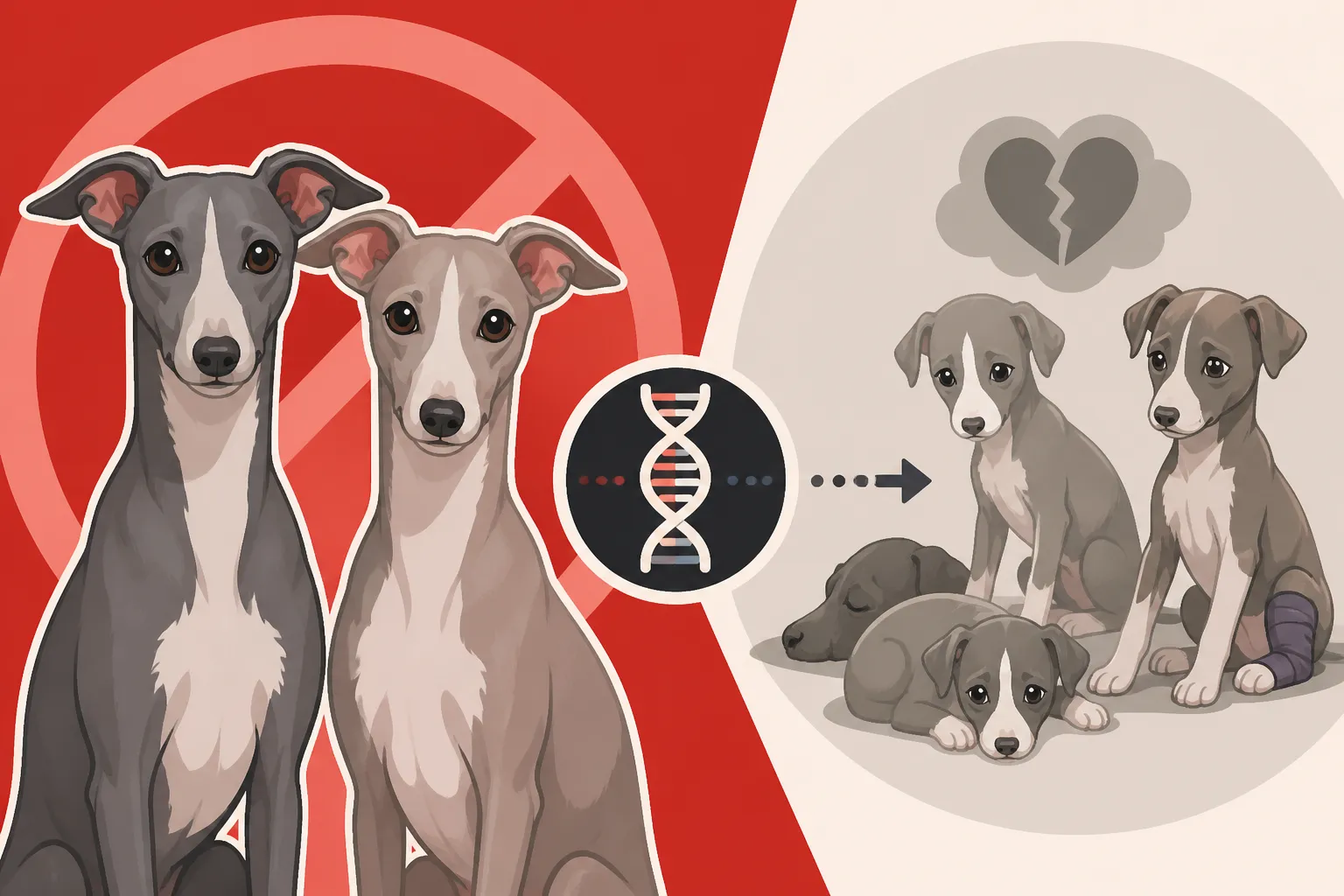
Why Two Carrier Italian Greyhounds Should Not Be Bred
The heartbreaking reality for many Italian Greyhound enthusiasts is the potential for inherited genetic conditions that can profoundly impact a beloved pet's health and lifespan. When you're dreaming of bringing an Italian Greyhound puppy into your home, the last thing you want to imagine is a future filled with preventable suffering. This comprehensive guide will meticulously explain why breeding two Italian Greyhounds who are both "carriers" for a specific genetic disease is a deeply irresponsible practice that often leads to tragic outcomes, offering insights into how to make informed choices for the health of the breed.
Understanding Genetic Inheritance and Carrier Status in Italian Greyhounds
Before we delve into the specifics of why certain breeding practices are ill-advised, it’s crucial to grasp the fundamentals of how genetic traits and diseases are passed down through generations in our Italian Greyhounds. The world of canine genetics can seem complex, but understanding a few key terms will empower you to appreciate the gravity of responsible breeding.
What "Carrier" Truly Means for Your Italian Greyhound
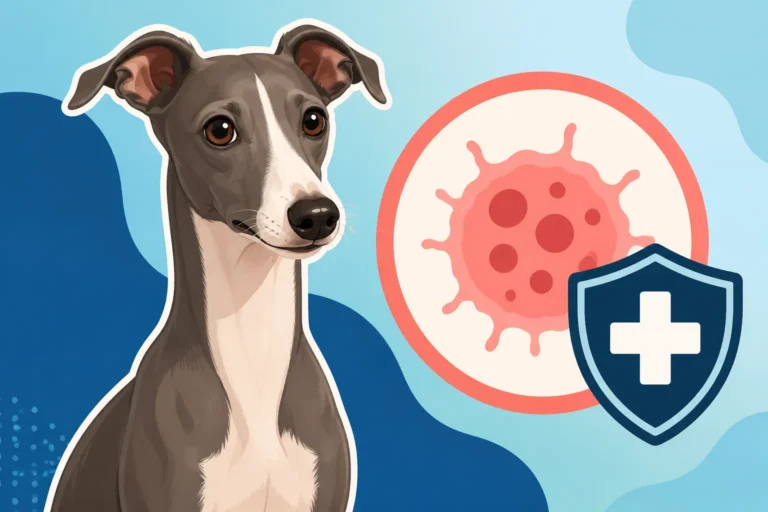
In the context of genetic diseases, a "carrier" Italian Greyhound is an animal that possesses one copy of a normal gene and one copy of a mutated, disease-causing gene for a specific condition. Because they have one healthy copy of the gene, carriers typically do not display any symptoms of the disease themselves. They are phenotypically normal, meaning they look and act perfectly healthy. This is why it can be so insidious; you wouldn't know your Italian Greyhound is a carrier just by looking at them. The disease-causing gene is usually recessive, meaning two copies are needed for the disease to manifest. Think of it like a hidden switch – a carrier has one switch that's always on "healthy" and another that's "disease," but the "healthy" switch overrides the "disease" one.
The danger arises because, while carriers remain healthy, they can pass that hidden, mutated gene on to their offspring. If they are bred with another Italian Greyhound who also carries the same mutated gene, there's a significant risk that some puppies in the litter will inherit two copies of the disease gene – one from each parent – and will, therefore, develop the genetic condition. This is why thorough genetic testing is so paramount for any potential breeding dog.
Identifying Genetic Risks Through DNA Testing
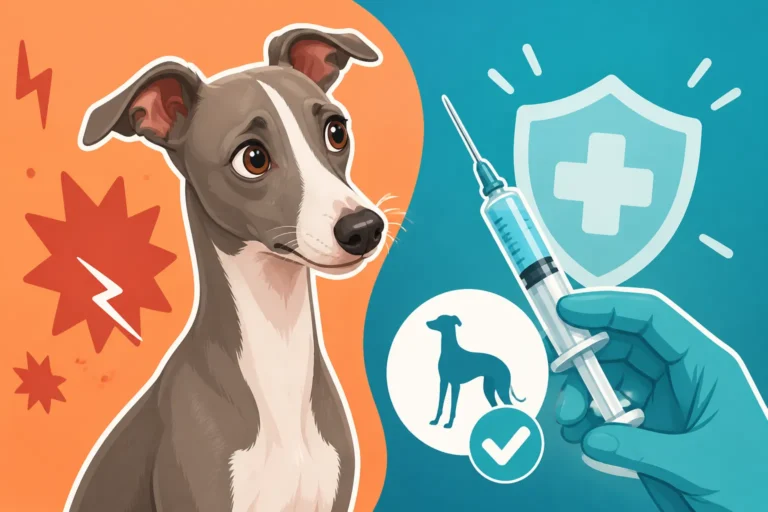
Thankfully, modern veterinary science offers powerful tools to identify these hidden genetic risks. For many known inherited diseases in Italian Greyhounds, specific DNA tests are available. These tests can accurately determine if an Italian Greyhound is "clear" (meaning they have two normal copies of the gene), a "carrier" (one normal, one mutated copy), or "affected" (two mutated copies, typically showing symptoms or destined to develop them).
For instance, Progressive Retinal Atrophy (PRA), a condition that causes eventual blindness, is a well-known inherited disease in Italian Greyhounds that can be screened for. A simple cheek swab or blood sample can be sent to a specialized laboratory to identify the dog's genetic status. This testing is not merely a formality; it's a critical step for any responsible breeder. Without it, you are essentially breeding in the dark, relying on luck rather than science to ensure the health of future generations. Ignoring available testing is not only irresponsible but can lead to immense heartache and financial strain for future puppy owners. Breeders should readily provide proof of these screenings, offering transparency about their breeding stock's genetic health. You can learn more about The DNA Test for Italian Greyhound Retinal Atrophy and how it helps responsible breeders.
The Inevitable Risk: Why Pairing Two Carriers is a Gamble No One Should Take
The core of responsible breeding lies in minimizing the risk of inherited diseases, not exacerbating it. When two Italian Greyhounds who are both carriers for the same autosomal recessive genetic condition are bred, the outcome isn't a "maybe" for affected puppies; it's a statistical certainty over multiple litters, and a high probability within any single litter. This isn't about bad luck; it's about predictable genetic outcomes.
The Punnett Square Probability Explained
To fully grasp the danger, we turn to the Punnett Square, a simple diagram used in genetics to predict the outcome of a cross or breeding experiment. Let's imagine 'N' represents the normal, healthy gene, and 'd' represents the disease-causing recessive gene.
- A "clear" dog would have the genotype NN.
- A "carrier" dog would have the genotype Nd.
- An "affected" dog would have the genotype dd.
If you breed two carrier Italian Greyhounds (Nd x Nd), the Punnett Square clearly illustrates the probabilities for each puppy:
| N | d | |
|---|---|---|
| N | NN | Nd |
| d | Nd | dd |
As you can see from the table above, for every puppy conceived from two carrier parents, there is:
- A 25% chance of being "clear" (NN): These puppies inherit two normal genes and will not develop the disease nor carry the mutated gene.
- A 50% chance of being a "carrier" (Nd): These puppies will be like their parents, healthy themselves but carrying the potential to pass on the disease gene.
- A 25% chance of being "affected" (dd): These puppies will inherit two copies of the mutated gene and will develop the genetic disease.
This isn't a prediction for the entire litter to have one of each type, but rather the probability for each individual puppy. This means a litter of four could, theoretically, have all affected puppies, all clear puppies, or any combination in between. However, statistically, over many litters from such a pairing, approximately 25% of the puppies will be born with the disease. This is a gamble with profound consequences for innocent lives.
The Ethical Imperative for Responsible Breeders
For any breeder, the primary goal should be to produce healthy, well-adjusted puppies. Knowing that there's a 25% chance of creating a puppy destined for a life of illness, pain, or disability places a significant ethical burden on the breeder. Breeding two carriers is a conscious decision to roll the dice with the health and well-being of a significant portion of a litter.
Consider the example of Progressive Retinal Atrophy. If two carriers are bred, a breeder is knowingly risking that one in four puppies will eventually go blind. Is it fair to bring a life into the world with such a predictable, devastating outcome? Responsible breeders are those who understand and respect these genetic principles. They use genetic testing not just to screen their dogs, but to make informed breeding decisions that prioritize health above all else, even if it means foregoing a particular pairing or line. The choice to breed two carriers demonstrates a severe lack of ethical consideration for the puppies, their future owners, and the overall health of the Italian Greyhound breed. It flies in the face of what it means to genuinely care for these delicate, loving creatures. The health and happiness of their dogs and future puppies should always be the top priority.
The Harsh Realities of Inherited Diseases in Italian Greyhounds
Understanding the probabilities is one thing, but truly grasping the impact of inherited diseases on an Italian Greyhound and its family is another. These aren't minor inconveniences; they can be life-altering conditions that require extensive care, cause suffering, and lead to immense emotional and financial strain.
Progressive Retinal Atrophy (PRA) as a Prime Example
Progressive Retinal Atrophy (PRA) is one of the most well-documented genetic eye diseases in Italian Greyhounds, and it serves as a stark reminder of why breeding two carriers is so dangerous. PRA is a group of degenerative diseases that affect the photoreceptor cells in the retina, ultimately leading to blindness. In Italian Greyhounds, the specific form is often a late-onset form, meaning affected puppies might not show signs until they are several years old, sometimes after they have already been bred themselves if testing wasn't done.
Initially, an affected Italian Greyhound might develop night blindness, becoming hesitant in dimly lit environments. As the disease progresses, their daytime vision will also deteriorate, eventually leading to complete blindness. Imagine the confusion and fear for a dog that slowly loses its ability to see the world it knows. While dogs adapt remarkably well to blindness, it significantly changes their quality of life and requires dedicated care from their owners. You can find more information about The Age Retinal Atrophy Appears in an Italian Greyhound and How Fast an Italian Greyhound Loses Its Sight to understand the timeline. This condition is not curable, and the progression cannot be halted. Owners are left to manage a dog that is slowly losing one of its most vital senses, often needing to re-train them for navigation and provide a consistent environment to keep them safe.
Other Important Genetic Considerations
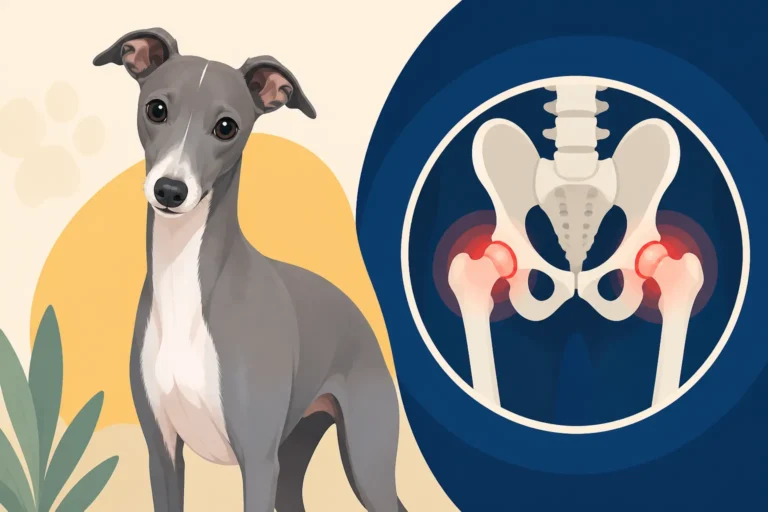
While PRA is a prominent example, Italian Greyhounds can also be carriers for other genetic conditions. For instance, Factor VII deficiency is a blood clotting disorder that can lead to excessive bleeding, which can be life-threatening during surgery or after an injury. While less common, it highlights the importance of comprehensive genetic screening. Reputable breeders should be aware of all health concerns prevalent in the Italian Greyhound breed and actively screen for them. What an Italian Greyhound Breeder Should Have Tested provides a more detailed list of important screenings.
When affected puppies are born, their lives are often marked by veterinary visits, specialized care, and sometimes chronic pain or disability. Owners face the emotional turmoil of watching their beloved companion struggle, coupled with the significant financial burden of ongoing treatment. Even with the best pet insurance, like Healthy Paws, which is often recommended for its comprehensive coverage, the emotional toll and sheer commitment required can be overwhelming. These conditions aren't just a concern for the puppies; they are a profound responsibility for the breeders who brought them into the world and a heavy burden for the families who ultimately take them home. Responsible breeders are meticulous about The Eye Diseases an Italian Greyhound Breeder Screens For and other crucial tests to ensure the health of their lines.
Responsible Breeding Strategies and Supporting Owners
Given the clear and present dangers of breeding two carrier Italian Greyhounds, it's essential to understand what constitutes responsible breeding and how potential challenges can be navigated. The goal is always to enhance the health and longevity of the breed, not to compromise it.
Smart Breeding Choices for a Healthier Future
A truly responsible Italian Greyhound breeder will never knowingly breed two dogs that are both carriers for the same genetic disease. This is a non-negotiable principle. Instead, they employ strategies designed to maintain genetic diversity while actively reducing the incidence of inherited conditions.
One key strategy is to breed a known carrier to a dog that has tested "clear" for the same condition. In such a pairing (Nd x NN), the Punnett Square looks like this:
| N | N | |
|---|---|---|
| N | NN | NN |
| d | Nd | Nd |
In this scenario, there is a 0% chance of producing an affected (dd) puppy. All puppies will either be clear (NN) or carriers (Nd), with a 50/50 split. This allows a breeder to safely utilize a carrier dog if that dog possesses other highly desirable traits (temperament, conformation, etc.) that would benefit the breed, without risking the health of any offspring. Any carrier puppies produced from such a mating can then be placed into pet homes with full disclosure, or potentially into other responsible breeding programs, but only to be bred with "clear" mates.
Responsible breeders also prioritize a broad genetic pool. They understand that constantly breeding closely related dogs can inadvertently concentrate other undesirable recessive genes. They might consider ethical outcrossing to introduce new, healthy bloodlines if their lines become too narrow, always with rigorous genetic screening. This meticulous approach ensures that Italian Greyhounds remain a Whether the Italian Greyhound Is a Healthy Breed overall, avoiding the pitfalls of narrow gene pools. Breeders also provide full disclosure about all health tests, not just the minimum requirements, demonstrating their commitment to the breed's future.
Supporting Families with Affected Italian Greyhounds
Even with the most rigorous breeding practices, genetic mutations can sometimes arise unexpectedly, or a rescue Italian Greyhound might come with an unknown history. When an Italian Greyhound is diagnosed with a genetic disease, the journey for the owner can be incredibly challenging. This is where a strong support system and practical resources become invaluable.
First and foremost, affected Italian Greyhounds require dedicated veterinary care. This can include regular check-ups, specialized treatments, medications, or even surgeries, depending on the condition. The financial outlay can be significant, often stretching into thousands of dollars over the dog's lifetime. For instance, dealing with chronic conditions from something like Legg Calve Perthes Turns Up in an Italian Greyhound at Six Months can lead to ongoing costs. This is precisely why early consideration of pet insurance, such as policies from providers like Healthy Paws, is so critical. A good pet insurance plan can cover a substantial portion of eligible veterinary bills, alleviating some of the financial stress during an already difficult time. However, it’s important to enroll your Italian Greyhound in a policy before any signs of illness appear, as pre-existing conditions are typically not covered.
Beyond the financial aspect, owners of affected Italian Greyhounds need emotional support and access to accurate information. Online communities, breed-specific forums, and local Italian Greyhound clubs can connect owners facing similar challenges, offering advice, shared experiences, and a sense of camaraderie. Responsible breeders will often remain a lifelong resource for their puppy buyers, offering guidance and support regardless of the circumstances. They understand that their responsibility extends far beyond the point of sale. Many will even require a contract that ensures the dog is returned to them if the owner can no longer care for it, regardless of health status. This provides a safety net for the dog and acknowledges the breeder's ongoing commitment.
Ultimately, the decision to bring an Italian Greyhound into your life means committing to their health and well-being. While genetic testing and responsible breeding aim to prevent suffering, being prepared for potential challenges, whether through insurance or community support, ensures that every Italian Greyhound has the best possible chance at a full and happy life. Knowing What an Italian Greyhound Costs to Buy in 2026 should always factor in the potential for health expenses, as discussed for topics like Why a Broken Leg Is the Biggest Bill an Italian Greyhound Owner Gets, even if not directly related to genetic conditions.
Disclaimer
The information provided in this article is for educational purposes only and should not be considered a substitute for professional veterinary advice. Always consult with a qualified veterinarian for any health concerns or before making any decisions related to your Italian Greyhound's care or breeding.