The DNA Test for Italian Greyhound Retinal Atrophy
Finding out your beloved Italian Greyhound might be at risk for a debilitating genetic condition, or worse, already showing signs, is every dog owner's nightmare. The thought of your lively, playful companion losing their sight is truly heartbreaking and can feel incredibly overwhelming, leaving you wondering what steps you can possibly take to protect them. This comprehensive guide is here to walk you through everything you need to know about Progressive Retinal Atrophy (PRA) in Italian Greyhounds, with a special focus on the crucial role of DNA testing in understanding, managing, and ultimately working to prevent this condition.
Understanding Progressive Retinal Atrophy in Italian Greyhounds
Progressive Retinal Atrophy, often simply called PRA, is a blanket term for a group of inherited eye diseases that cause the retina to degenerate over time. For Italian Greyhounds, a specific form of PRA can be particularly devastating. Imagine their world slowly dimming, colors fading, and shapes blurring until total blindness sets in. It's a cruel condition that robs these sensitive, sight-oriented dogs of their most vital sense.
How PRA Manifests and Progresses
In Italian Greyhounds, PRA typically involves the degeneration of the photoreceptor cells in the retina – those specialized cells responsible for detecting light. Initially, you might notice your dog having trouble seeing in dim light or at dusk. They might hesitate to enter a dark room or become clumsier during evening walks. This is often the first, subtle sign, indicating that their night vision is being affected. As the disease progresses, it impacts their daytime vision too, leading to a gradual loss of sight. It’s important to note that the exact The Age Retinal Atrophy Appears in an Italian Greyhound can vary, but it often becomes noticeable in young to middle-aged dogs, sometimes even before full maturity.
Owners often describe their dogs becoming more hesitant, bumping into furniture in unfamiliar environments, or struggling with stairs. They might rely more on their other senses – scent and hearing – which can sometimes mask the early stages of vision loss, making it harder to detect immediately. This slow, insidious progression is what makes PRA so challenging; it's not a sudden event, but a steady decline that can be easily missed if you're not paying close attention to subtle behavioral changes.
The heartbreaking reality is that for forms of PRA that affect Italian Greyhounds, there is currently no cure or effective treatment to halt the degeneration. Once the photoreceptor cells are gone, they cannot regenerate. This is why early detection and, more importantly, prevention through responsible breeding are absolutely paramount. Knowing that it's an inherited condition helps shift the focus from reactive treatment to proactive management and prevention.
The Heartbreaking Reality of Vision Loss
Witnessing your once agile and confident Italian Greyhound navigating their world with increasing difficulty due is truly heartbreaking. These dogs are so finely tuned, so dependent on their environment, and their joy in life often comes from zooming around and exploring. When their sight starts to fail, it profoundly impacts their quality of life. They may become more anxious, clingy, or even prone to startling easily because they can't anticipate movements or obstacles.
Imagine the frustration for a dog that once loved to chase a squirrel in the yard, now struggling to even find their favorite toy. Their entire world shrinks as they become more reliant on you and their familiar surroundings. Many owners feel a profound sense of helplessness watching this unfold. However, it's crucial to remember that while their vision diminishes, their spirit, their need for love, and their ability to enjoy life, albeit differently, remains strong. Understanding this progressive nature allows you to prepare and adapt your home to support them every step of the way.
It’s not just the practical aspects of navigating the home; it's the emotional impact on both dog and owner. The bond you share with your Italian Greyhound deepens as you become their eyes and guide. It requires immense patience and empathy, transforming your daily routines to prioritize their safety and comfort. This is where early awareness and prevention truly shine, offering hope to future generations of this wonderful breed.
Distinguishing PRA from Other Eye Conditions
While PRA is a significant concern, it's essential to understand that not every eye issue your Italian Greyhound faces is PRA. There are other conditions that can affect their vision, some of which are treatable. For instance, Cataracts in an Italian Greyhound can also impair sight, but these are often visible as cloudiness in the lens and, in some cases, can be surgically corrected. Another condition, Vitreous Degeneration in an Italian Greyhound, affects the gel-like substance inside the eye and can lead to secondary problems, but it has a different origin than PRA.
Your veterinarian, especially one with experience in sighthound breeds, can perform a thorough ophthalmic examination to differentiate between these conditions. They might use specialized equipment to look deep into the eye, checking the retina and other structures. This is why regular check-ups, even if your dog seems perfectly fine, are so critical. Early diagnosis of any eye condition, whether it's PRA or something else, allows for appropriate intervention or management strategies.
Sometimes, what appears to be vision loss might even be related to underlying neurological issues, rather than the eyes themselves. A comprehensive veterinary assessment is key to getting an accurate diagnosis. Without proper testing, specifically the DNA test for PRA, it's impossible to confirm if the vision loss is indeed due to this inherited condition. This highlights why the DNA test is such a powerful tool for clarity and peace of mind.
The Importance of DNA Testing for PRA
For Italian Greyhound owners and breeders, the DNA test for Progressive Retinal Atrophy isn't just another vet visit; it's a vital tool that provides invaluable insights into their dog's genetic health. This simple, non-invasive test has revolutionized the way we approach genetic diseases like PRA, allowing us to proactively identify risks and make informed decisions that can quite literally change the future for individual dogs and the breed as a whole.
How the DNA Test Works and What It Reveals
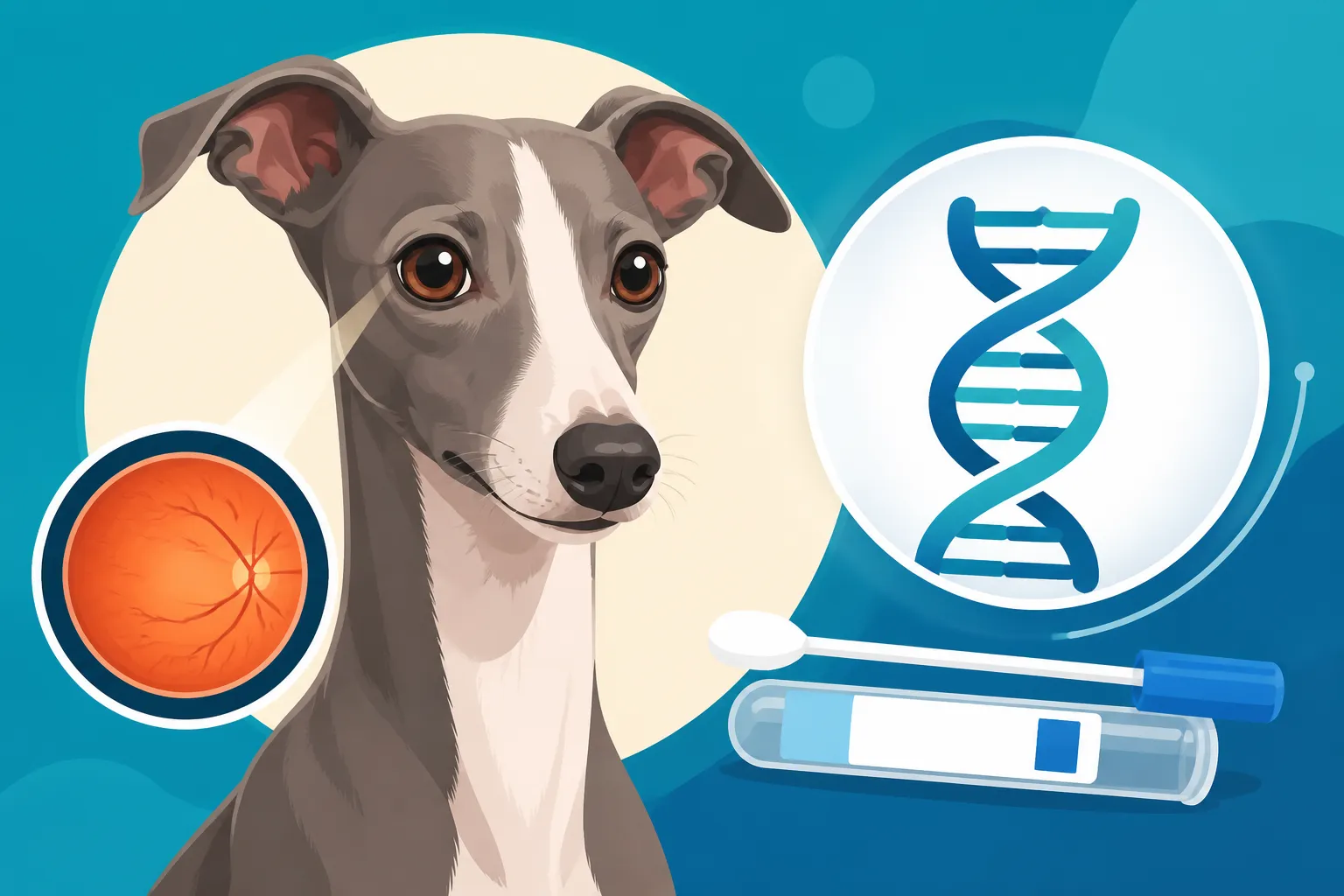
The DNA test for PRA is remarkably straightforward. It typically involves collecting a small sample of your dog's DNA, usually through a cheek swab or a blood sample taken by your veterinarian. This sample is then sent to a specialized laboratory, which analyzes it for the specific genetic mutation known to cause PRA in Italian Greyhounds. The results will categorize your dog into one of three distinct genetic profiles: Clear, Carrier, or Affected.
A "Clear" result means your dog does not carry the gene mutation for PRA and therefore will not develop the disease nor pass it on to their offspring. This is fantastic news, providing immense peace of mind. A "Carrier" result indicates that your dog carries one copy of the gene mutation. While they are highly unlikely to develop PRA themselves, they can pass the gene to their puppies. Finally, an "Affected" result means your dog has inherited two copies of the gene mutation (one from each parent) and will almost certainly develop PRA at some point in their life. They will also pass a copy of the gene to all of their offspring.
Understanding these results is crucial, particularly for breeders who are striving to produce healthy puppies. The test identifies the genetic predisposition long before any clinical signs of vision loss appear, often when puppies are just a few weeks old. This proactive knowledge is what truly empowers responsible breeding practices and helps to mitigate the spread of this devastating condition.
Identifying Carriers and Affected Dogs
Before the advent of widespread DNA testing, identifying carriers of PRA was a major challenge. A dog could be a carrier of the gene, appear perfectly healthy, and go on to produce affected puppies if bred with another carrier. This silent spread of the gene made it incredibly difficult to reduce the incidence of PRA in the breed. Now, with the DNA test, breeders can precisely identify these "hidden" carriers.
Knowing which dogs are carriers allows breeders to make educated decisions about mating pairs. For instance, a responsible breeder would avoid breeding two carriers together, as this pairing has a 25% chance of producing affected puppies. Instead, a carrier dog can still be safely bred with a clear dog, as all offspring would either be clear or carriers, but none would be affected. This strategic approach helps maintain genetic diversity within the breed while actively working to eliminate PRA.
For pet owners, knowing their dog's status, especially if they are "Affected," means they can prepare for potential vision loss. It allows them to start making adaptations to their home, begin desensitizing their dog to changes, and mentally prepare for the journey ahead. This foresight, provided by the DNA test, is invaluable in giving both dog and owner the best possible outcome. Many dog insurance providers, like Healthy Paws, understand the importance of preventative care and testing, often factoring it into their approach to covering genetic conditions.
Impact on Breeding Decisions and Puppy Health
The impact of DNA testing on breeding decisions for Italian Greyhounds cannot be overstated. It moves breeding from a game of chance to a science-backed, ethical practice. Breeders committed to the health of the breed will incorporate these tests into their routine health screening protocols, alongside other important evaluations like those for The Eye Diseases an Italian Greyhound Breeder Screens For and general health checks.
For a new puppy owner, receiving documentation that their puppy's parents were DNA tested and cleared for PRA offers immense reassurance. It means you're bringing home a puppy with a significantly reduced risk of developing this specific, heartbreaking condition. This transparency from breeders is a hallmark of ethical practice and should be a non-negotiable expectation for prospective Italian Greyhound owners. You should always ask a breeder What an Italian Greyhound Breeder Should Have Tested before committing to a puppy.
Furthermore, if a breeder has a valuable dog who is a carrier, the DNA test enables them to still contribute to the breed's gene pool without risking affected puppies. By carefully selecting a "Clear" mate, they can produce healthy litters where no puppy will ever develop PRA, even if some are carriers. This intelligent use of genetic information is key to improving the overall health of the Italian Greyhound breed over time, showing true dedication to puppy health.
Interpreting DNA Test Results and Managing Risk
Receiving the results of a DNA test for Progressive Retinal Atrophy can be a pivotal moment for any Italian Greyhound owner. Understanding what "Clear," "Carrier," or "Affected" truly means, not just genetically but for your dog's life and any potential future breeding plans, is essential for responsible pet ownership. It's about translating scientific data into practical, compassionate care.
Decoding "Clear," "Carrier," and "Affected"
Let's break down these terms to make them completely clear.
- Clear: This is the ideal result. A "Clear" Italian Greyhound does not possess the specific gene mutation for PRA. They will not develop this form of PRA, nor will they pass it on to any offspring. This gives breeders the freedom to breed them with any other clear or carrier dog, confident that no puppies will be affected by PRA. For pet owners, it means one less health concern to worry about, though routine eye exams are still important.
- Carrier: An Italian Greyhound designated as a "Carrier" has one copy of the PRA gene mutation and one normal gene. Generally, carriers do not develop PRA themselves. Their vision will remain normal throughout their lives. However, they are capable of passing that single mutated gene copy to approximately half of their offspring. This is where responsible breeding decisions become critical; Why two carrier Italian Greyhounds should not be bred is a golden rule to prevent affected puppies. If a carrier is bred with a clear dog, all puppies will either be clear or carriers, but none will develop PRA.
- Affected: An "Affected" Italian Greyhound has two copies of the PRA gene mutation, one inherited from each parent. These dogs will develop PRA, and their vision will deteriorate over time, leading to blindness. They will also pass one copy of the mutated gene to all of their offspring, making them unsuitable for breeding. For affected dogs, the focus shifts entirely to providing the best quality of life as their vision declines.
Understanding these distinctions is crucial, whether you're a breeder making informed decisions about mating pairs or a pet owner simply wanting to know your dog's future health trajectory. This knowledge allows for proactive planning, rather than reactive scrambling.
| DNA Test Result | Genetic Status | Will Develop PRA? | Can Pass Gene to Offspring? | Breeding Recommendation |
|---|---|---|---|---|
| Clear | Normal | No | No | Can breed with any dog (Clear/Carrier) |
| Carrier | Heterozygous | Highly Unlikely | Yes (50% chance per puppy) | Breed only with "Clear" dogs |
| Affected | Homozygous | Yes | Yes (100% chance per puppy) | Should not be bred |
Living with a Carrier or Affected Italian Greyhound
If your Italian Greyhound tests as a "Carrier," you can breathe a sigh of relief regarding their personal health; they are very unlikely to ever show symptoms of PRA. This result primarily impacts breeding decisions. For a pet Italian Greyhound, a carrier status simply means you have valuable information, but it doesn't necessitate any special care or lifestyle changes related to PRA. You can continue to enjoy your dog, knowing their eyesight is likely secure.
However, if your Italian Greyhound receives an "Affected" diagnosis, the journey ahead will involve supporting them through gradual vision loss. This is a challenging path, but it's important to remember that dogs are incredibly adaptable. Your primary role will be to ensure their safety and comfort. You'll want to start thinking about things like maintaining a consistent home layout, avoiding moving furniture, and perhaps adding tactile markers or scents to help them navigate. You might even want to explore ways for How a blind Italian Greyhound manages stairs.
Regular veterinary check-ups are still important to monitor their eye health and rule out any secondary complications. While there's no cure for PRA, managing their overall health and well-being becomes paramount. Pet insurance companies like Healthy Paws may offer different levels of coverage depending on when the condition was diagnosed, so it’s always wise to understand your policy. Remember, an affected Italian Greyhound can still live a full, happy life filled with love, just with a little extra help from their devoted human companions.
Ethical Breeding Practices to Reduce PRA Incidence
The ultimate goal of DNA testing for PRA, particularly for breeders, is to reduce and eventually eliminate the incidence of this disease from the Italian Greyhound gene pool. This requires a commitment to ethical breeding practices that prioritize health over all other factors. Simply put, any Italian Greyhound intended for breeding should be DNA tested for PRA, and those results should guide mating choices.
This doesn't mean that "Carrier" dogs can never be bred. As mentioned, a carrier can be safely bred to a "Clear" dog, producing only clear or carrier offspring, none of whom will ever develop PRA themselves. This strategy is vital for maintaining genetic diversity, especially in breeds with a relatively small gene pool like the Italian Greyhound. Completely removing all carriers from breeding programs could severely limit genetic options and potentially lead to other health issues down the line. The key is never to breed two carriers together.
Responsible breeders will be transparent about their dogs' health testing results, including PRA DNA tests, and should be willing to discuss their breeding philosophy with prospective owners. They play a crucial role in safeguarding the future health of the Italian Greyhound breed, ensuring that future generations can enjoy long lives with clear vision. For more information on responsible breeding, consider looking into What an Italian Greyhound Breeder Should Have Tested.
Supporting an Italian Greyhound with Vision Loss
Receiving the news that your Italian Greyhound is affected by PRA and will eventually lose their sight is a tough pill to swallow. It's natural to feel grief and worry. However, with thoughtful preparation and a lot of love, a visually impaired Italian Greyhound can still lead a wonderfully rich and fulfilling life. It’s all about adapting their environment and routines to suit their evolving needs.
Adapting the Home Environment
One of the most immediate and impactful things you can do for an Italian Greyhound experiencing vision loss is to create a safe, predictable, and consistent home environment. Think of it as building a mental map for them. Avoid moving furniture, especially large pieces, as this can disorient them and lead to bumps and falls. If you absolutely must rearrange, do it gradually and guide your dog through the new layout repeatedly until they’ve mapped it out again.
Consider adding tactile cues to help them navigate. For example, placing different textured rugs at the top and bottom of stairs, or near doorways, can give them a heads-up about changes in elevation or transitions to different rooms. Scent markers can also be useful – a drop of essential oil (safe for dogs, like lavender) near their food bowl or bed can help them locate important spots. Block off hazardous areas like steep stairs or balconies with baby gates to prevent accidents, especially as How fast an Italian Greyhound loses its sight can vary.
Investing in padded furniture corners can prevent painful bumps, and soft, comfortable bedding is always a good idea. For their outdoor time, ensure your yard is securely fenced and free of obstacles. Always supervise them, even in familiar spaces, as their confidence might wax and wane. Consistency and routine are your best friends in helping your visually impaired Italian Greyhound thrive.
Maintaining Quality of Life for a Blind Italian Greyhound
Even without sight, an Italian Greyhound can have an excellent quality of life. Their other senses – hearing, smell, and touch – become incredibly heightened and compensate remarkably. Engage these senses! Scent work games, where they track hidden treats, can be incredibly stimulating and fun. Toys that make noise, like squeaky balls or crinkly toys, will become favorites.
Maintain a consistent daily routine for feeding, walks, and playtime. Predictability helps reduce anxiety. When you approach them, speak to them first so they know you’re there and aren’t startled. Always use positive reinforcement and clear verbal cues. Leash walks are still vital for exercise and mental stimulation, but choose quiet, familiar routes at first, and use a harness for better control and comfort. Remember that Whether an Italian Greyhound needs a yearly eye exam is still important, even if they are blind, to monitor for secondary issues like glaucoma or infection.
Their emotional well-being is paramount. Provide lots of physical affection, cuddles, and reassuring words. They rely on your touch and voice to feel safe and loved. Many blind Italian Greyhounds form an even deeper bond with their owners, becoming true "velcro dogs" as they rely on you for guidance and security. Be patient, be consistent, and shower them with love, and they will adapt beautifully.
The Emotional Toll on Owners and Finding Support
Let's be honest, watching your beloved Italian Greyhound lose their sight takes an emotional toll on you too. It's okay to feel sad, frustrated, or even angry at the unfairness of it all. You're grieving the loss of what once was, and adapting to a new normal. It's a significant change, and it's important to acknowledge your feelings and seek support if you need it.
Connecting with other Italian Greyhound owners who have experienced similar situations can be incredibly helpful. Online forums, breed-specific social media groups, or local Italian Greyhound meetups can provide a safe space to share experiences, ask for advice, and feel understood. Knowing you're not alone in this journey can make a world of difference.
Your veterinarian can also be a valuable resource, offering not just medical advice but also guidance on adapting care and even recommending local support groups or behavioralists specializing in visually impaired dogs. Remember, your emotional well-being directly impacts your ability to care for your dog. Giving yourself grace and seeking support ensures you can continue to be the strong, loving guide your Italian Greyhound needs.
Disclaimer
Please note that the information provided in this guide is for informational purposes only and does not constitute veterinary medical advice. Always consult with a qualified veterinarian or a board-certified veterinary ophthalmologist for any health concerns or before making any decisions about your pet's care.