Which Italian Greyhound Eye Problems Are Inherited
One of the hardest things about bringing an Italian Greyhound into your life is knowing that despite their generally robust nature, they can carry certain genetic predispositions that can lead to heartbreaking health issues. Among these, inherited eye problems stand out, causing not just discomfort for our sensitive little companions but also significant emotional and financial strain for us, their devoted owners. This guide will walk you through the most common inherited eye conditions in Italian Greyhounds, how to recognize the signs, and what steps you can take to manage and mitigate their impact.
Understanding the Fragile Vision of Italian Greyhounds
Our beloved Italian Greyhounds are truly special creatures, known for their delicate build, affectionate nature, and those soulful, expressive eyes. But beneath that beautiful facade, there's a vulnerability that many new owners might not immediately realize. Their vision, while sharp and keen for spotting a squirrel across the yard, can unfortunately be susceptible to conditions passed down through generations. These aren't just random occurrences; they are deeply rooted in their genetic makeup, making proactive care and understanding absolutely critical. It's not about being alarmist, but about being realistic and prepared for what you might face.
The Importance of Breeder Screening
When you're looking for an Italian Greyhound puppy, it’s easy to get swept up in the excitement of tiny paws and a wagging tail. But a responsible breeder is doing so much more than just raising adorable puppies; they're safeguarding the future health of the breed. This means undertaking rigorous health screenings on their breeding stock, especially for known genetic conditions. For Italian Greyhounds, this includes thorough eye examinations by a board-certified veterinary ophthalmologist. They're looking for specific issues that, if present, mean that particular dog shouldn't be bred, or at least should only be bred to a mate clear of those genes.
Imagine the heartbreak of bringing home a puppy, only to discover at a young age that they're destined to lose their sight due to a condition that could have been screened for. A good breeder will be transparent about their testing protocols and should be able to provide you with certifications, like those from the Canine Eye Registry Foundation (CERF) or the Orthopedic Foundation for Animals (OFA) eye database, for both parents. Don't be shy about asking for these – it’s a sign of a reputable breeder and a vital step in ensuring your puppy has the best possible start. If you want to dive deeper into what specific tests a breeder should perform, you can learn more about What an Italian Greyhound Breeder Should Have Tested and The Eye Diseases an Italian Greyhound Breeder Screens For.
Why Genetic Predisposition Matters
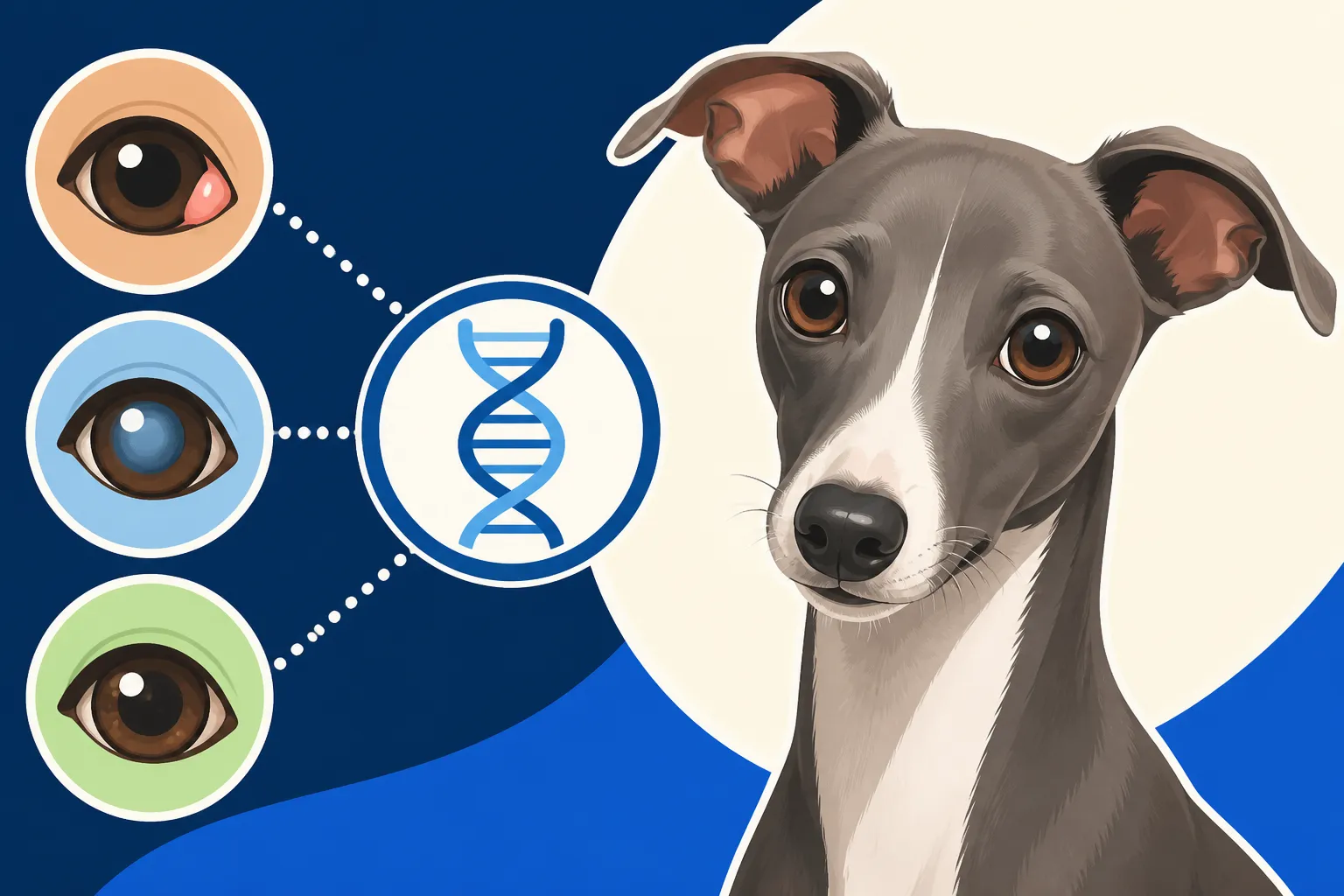
The term "inherited" means these conditions aren't just bad luck; they're written into a dog's DNA. Some conditions are recessive, meaning a dog needs to inherit the faulty gene from both parents to be affected, though one carrier parent can pass it on. Others are dominant, where only one copy of the gene is needed for the disease to manifest. Understanding this genetic basis is paramount because it informs breeding decisions and allows for the development of DNA tests to identify carriers even before symptoms appear.
This is why, for example, if two carrier Italian Greyhounds are bred, the likelihood of producing affected puppies significantly increases. It's a complex puzzle, but thanks to advancements in veterinary genetics, we have tools to map out these risks. This knowledge helps responsible breeders make informed choices, working to reduce the prevalence of these conditions in future generations. For owners, knowing a puppy's genetic background can help you anticipate potential health challenges and prepare accordingly, from lifestyle adjustments to budgeting for specialized veterinary care. Pet insurance providers, like Healthy Paws, often encourage these preventative measures, as early detection and management can greatly influence long-term outcomes and costs.
Common Inherited Eye Diseases in Italian Greyhounds
Italian Greyhounds are predisposed to several specific inherited eye conditions that can range in severity from mild impairment to complete blindness. Being aware of these conditions is the first step in protecting your furry family member. Early recognition of symptoms, even subtle ones, can make a significant difference in managing these diseases and preserving your dog's quality of life.
Progressive Retinal Atrophy PRA
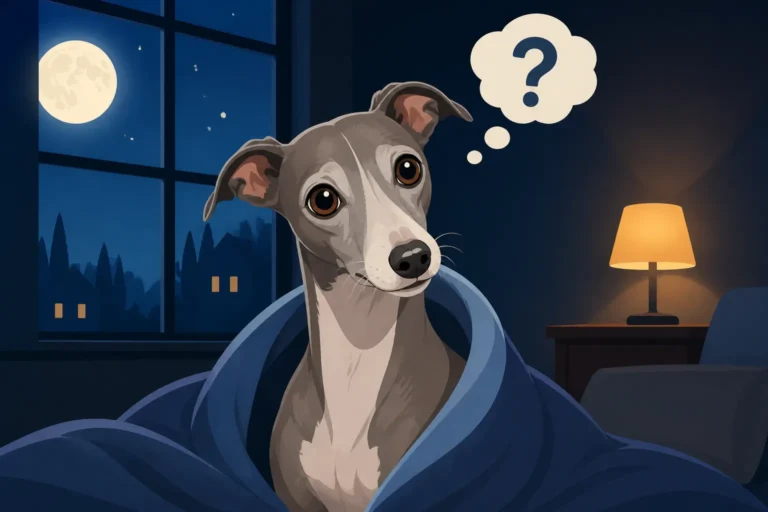
Progressive Retinal Atrophy, often referred to simply as PRA, is a collective term for a group of genetic diseases that cause the degeneration of the retina in both eyes. The retina is like the film in a camera, essential for capturing light and sending images to the brain. In PRA, the photoreceptor cells (rods and cones) in the retina gradually break down. Typically, the rods, responsible for night vision, are affected first, leading to what we often describe as "night blindness." This is usually one of the earliest signs an owner might notice. As the disease progresses, the cones, responsible for day vision and color perception, also degenerate, eventually leading to complete blindness.
There are different forms of PRA, and the age of onset can vary significantly. Some forms appear in puppies, while others manifest later in life. For Italian Greyhounds, there is a specific form, and thankfully, a DNA test is available to identify affected dogs and carriers. This is crucial for breeders to avoid passing on the gene. If you're seeing signs like your Italian Greyhound struggling to navigate in dim light, bumping into furniture at dusk, or being hesitant to go outside after dark, it’s worth discussing with your vet. These could be early signs of Progressive Retinal Atrophy in an Italian Greyhound. The progression is irreversible, but knowing about it early allows you to adapt your home and routine to help your dog cope. You can also explore The DNA Test for Italian Greyhound Retinal Atrophy to understand more about how these genetic markers are identified.
Primary Lens Luxation PLL
Primary Lens Luxation (PLL) is another inherited eye condition that Italian Greyhounds can suffer from. In PLL, the suspensory ligaments that hold the lens of the eye in place weaken and break down, causing the lens to dislocate or "luxate." This can happen either partially (subluxation) or completely (luxation), where the lens moves into the front or back chamber of the eye. When the lens dislocates, it can cause severe pain, inflammation, and quickly lead to other serious complications like glaucoma (increased pressure within the eye) or secondary cataracts.
Symptoms of PLL can appear suddenly. You might notice your Italian Greyhound pawing at their eye, squinting, excessive tearing, or a visible redness in the eye. Sometimes, you might even see the lens itself looking cloudy or out of place. This condition is an emergency, and if you suspect PLL, immediate veterinary attention from a specialist ophthalmologist is critical. Without prompt treatment, which often involves surgical removal of the luxated lens, it can lead to permanent blindness and even necessitate removal of the eye due to uncontrollable pain and glaucoma. While treatments are available, it's a stressful and expensive condition, highlighting the value of robust pet insurance like Healthy Paws for unexpected specialist vet bills.
Cataracts
Cataracts are often associated with old age, but in Italian Greyhounds, they can also be an inherited condition, appearing much earlier in life. A cataract is essentially an opacity or cloudiness in the lens of the eye, which obstructs light from reaching the retina. Think of it like looking through a foggy window; as the cataract progresses, the "fog" thickens, leading to decreased vision and eventually blindness if left untreated.
Inherited cataracts in Italian Greyhounds can vary in their age of onset and how quickly they progress. Some might develop slowly over years, while others can mature rapidly. Unlike age-related cataracts, which typically affect older dogs, inherited cataracts can be seen in young adults or even puppies. It's important for breeders to screen for these, as they are a significant health concern. While not all cataracts are visually significant or require surgery, those that severely impair vision can often be treated with surgical removal and replacement of the lens. This is a specialized and costly procedure, again emphasizing the peace of mind that a good pet insurance plan offers when facing such decisions. Knowing the difference between age-related and inherited cataracts is important, and you can learn more about Cataracts in an Italian Greyhound.
Recognizing Symptoms and Seeking Early Intervention
The subtle nature of some eye conditions means that as owners, we have to be incredibly observant. Italian Greyhounds are masters at hiding discomfort, a trait common in many sighthounds. This means by the time obvious symptoms appear, the condition might be quite advanced. That's why being proactive and knowing what to look for is so incredibly important for their long-term health and well-being.
Subtle Signs of Vision Trouble
It’s easy to miss the early signs of vision loss, especially if it’s gradual, like with some forms of PRA. Your Italian Greyhound knows your home layout perfectly and can compensate remarkably well. However, if you start noticing any of these behaviors, it's time to pay close attention:
- Hesitation in unfamiliar environments: They might be more wary of new places or dark corners.
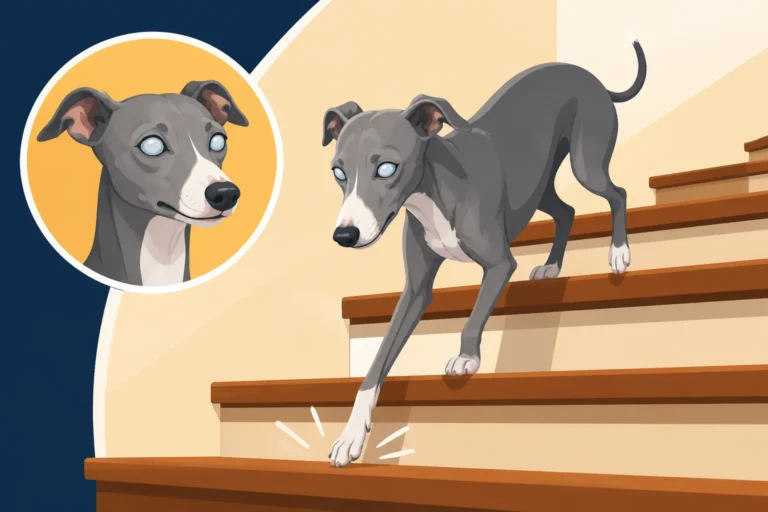
- Bumping into furniture: This is often most noticeable when furniture has been moved, or in low light conditions.
- Difficulty catching treats in the air: Their depth perception might be off.
- Startling easily: A dog with impaired vision might be more reactive to sudden sounds or movements because they can't see them coming.
- Changes in eye appearance: Cloudiness, redness, discharge, or pupils that seem unusually dilated.
- Reluctance to go out at night or in dim lighting: This is a classic sign of night blindness, often associated with early PRA. More specific details on how to spot this are covered in Signs an Italian Greyhound Is Losing Night Vision.
- Paw-rubbing or squinting: These indicate discomfort or irritation.
Keep a journal of any changes you observe, noting when they started and under what circumstances. This detailed information will be invaluable for your veterinarian. Remember, you see your dog every day, so you are often the first line of defense in spotting these subtle shifts.
The Role of a Veterinary Ophthalmologist
If you suspect any eye issues, your regular veterinarian is a great starting point. However, for inherited eye diseases, a referral to a board-certified veterinary ophthalmologist is almost always the next crucial step. These specialists have advanced training and equipment specifically for diagnosing and treating animal eye conditions. They can perform comprehensive eye exams, including tests that go beyond what a general vet can do, such as electroretinography (ERG) for PRA or gonioscopy for glaucoma risk.
Visiting a specialist can be intimidating and, let's be frank, expensive. But it’s an investment in your dog’s vision and comfort. They can confirm a diagnosis, assess the severity, and discuss all available treatment options, from medication to surgical interventions. Don’t hesitate to ask them about prognosis, potential complications, and long-term management strategies. Having a pet insurance plan like Healthy Paws can be incredibly helpful here, as specialist consultations and surgeries for these complex conditions can quickly add up, often making the difference between getting necessary treatment or struggling with the costs. Remember, whether an Italian Greyhound needs a yearly eye exam is a common question, and for breeds with predispositions, it’s often a very good idea, as discussed in Whether an Italian Greyhound Needs a Yearly Eye Exam.
Living with an Italian Greyhound with Vision Impairment
Receiving a diagnosis of an inherited eye condition can be devastating, but it's not a death sentence for your Italian Greyhound's quality of life. With patience, understanding, and some thoughtful adaptations, visually impaired Iggies can live full, happy, and surprisingly independent lives. Your bond with them might even deepen as they rely more on you and their other senses.
Adapting Your Home Environment
The key to helping a visually impaired Italian Greyhound is consistency and safety. They thrive on routine and familiarity.
- Maintain furniture layout: Avoid moving furniture if possible. If you must, do it gradually and guide your dog around the new arrangement until they're familiar with it.
- Create safe zones: Designate specific areas for eating, sleeping, and playing, making sure these areas are easily accessible and free of obstacles.
- Clear pathways: Keep floors clear of clutter, especially in high-traffic areas. This includes anything that could trip them or cause them to bump into something.
- Use tactile cues: Place different textured mats (e.g., a rubber mat before stairs, a soft rug near their bed) to help them identify key areas or transitions.
- Block off hazards: Use baby gates to block access to stairs, swimming pools, or areas with sharp corners. Remember, Ramps and Steps for an Italian Greyhound's Furniture are always a good idea to prevent broken legs, but for a visually impaired dog, they become absolutely essential for safe access to beloved sofas and beds.
- Sound and scent cues: Use distinct bells on family members' shoes, or spray a specific scent (like lavender) near their water bowl to help them locate things.
- Night lights: While they may not see shapes, night lights can sometimes help if they have any residual vision or help them discern light from dark areas, reducing anxiety.
It’s a process of trial and error, but your Italian Greyhound will amaze you with their ability to adapt once given a safe and consistent environment.
Maintaining Quality of Life
Beyond environmental adjustments, actively engaging your Italian Greyhound's other senses is crucial for their mental and emotional well-being.
- Scent work: Harness their incredible sense of smell. Hide treats around the house or use puzzle toys that require sniffing to find rewards. This is mentally stimulating and incredibly rewarding for them.
- Sound-based toys: Toys that squeak, crinkle, or have bells can keep them entertained and allow them to "track" their playthings.
- Consistent verbal cues: Use clear, consistent verbal commands and praise. They will learn to rely heavily on your voice for guidance and reassurance.
- Leash walks in familiar areas: Continue with walks, but stick to routes they know well. Allow them to sniff and explore at their own pace. A well-fitted harness is always recommended for an Italian Greyhound, especially one who might be more prone to startling.
- Physical touch and reassurance: Increased petting, grooming, and close contact will reinforce your bond and provide comfort.
- Socialization: While you might need to introduce them more carefully, maintaining appropriate socialization with calm, gentle dogs and people is still important. Alert others that your dog has vision impairment so they approach slowly and verbally, avoiding sudden movements.
It might seem daunting at first, but many owners find that caring for a visually impaired Italian Greyhound is incredibly rewarding. Their resilience and ability to adapt will inspire you, and the love they give in return is boundless. Many Iggies with impaired vision live long, happy lives, especially if they are well cared for into their senior years, as explored in Caring for an Italian Greyhound Past Eleven.
Here's a quick overview of some common inherited eye issues:
| Condition | Primary Impact | Typical Onset Age | Key Symptoms | Management/Prognosis |
|---|---|---|---|---|
| Progressive Retinal Atrophy (PRA) | Rod and cone degeneration, leading to blindness | Varies (early to adult) | Night blindness, bumping into objects, dilated pupils | Irreversible, adaptation to blindness |
| Primary Lens Luxation (PLL) | Lens dislocation, leading to glaucoma/blindness | Young to middle-aged | Pain, redness, squinting, cloudy eye, vision loss | Emergency surgery often required, fair to guarded prognosis |
| Inherited Cataracts | Lens opacity, reduced vision | Early (puppy to young adult) | Cloudy pupil, vision impairment, clumsiness | Surgical removal/lens replacement, good prognosis if treated |
| Glaucoma | Increased eye pressure, nerve damage | Adult | Pain, redness, dilated pupil, vision loss, blindness | Medical/surgical management, can be recurrent, guarded prognosis |
| Vitreous Degeneration | Liquefaction of vitreous gel | Middle-aged to senior | Can predispose to retinal detachment, often asymptomatic early | Monitor, treat secondary conditions (e.g., retinal detachment) |
Glaucoma is also a significant concern, often secondary to conditions like PLL, but can also be inherited. You can find more information about Glaucoma in an Italian Greyhound. Similarly, Vitreous Degeneration in an Italian Greyhound is another condition that can affect their eyesight. Remember, regular check-ups, even if just annual wellness exams, can help catch some of these issues early.
Disclaimer
This guide is intended for informational purposes only and should not be considered a substitute for professional veterinary advice. Always consult with a qualified veterinarian or a board-certified veterinary ophthalmologist for any health concerns or before making any decisions about your Italian Greyhound's care.