Breeding Away From Alopecia in an Italian Greyhound
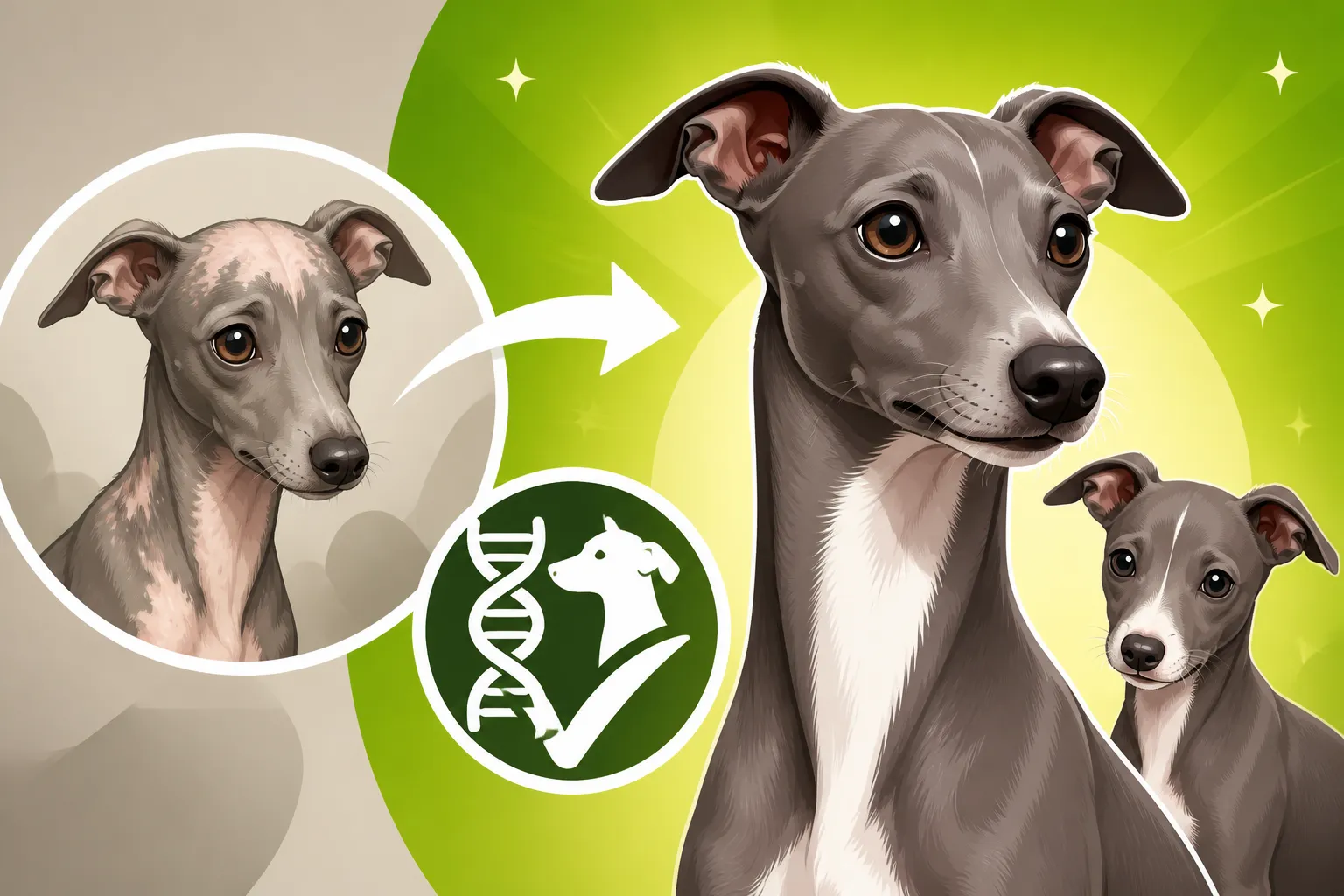
There's a specific heartache that comes with watching your beloved Italian Greyhound develop thin, patchy fur and recurrent skin issues, especially when you’ve done everything you can to keep them healthy. It's frustrating to see their delicate skin become inflamed or their once-sleek coat thin out, and often, owners feel at a loss, wondering what they could have done differently. This comprehensive guide is here to shed light on Color Dilution Alopecia (CDA), specifically how responsible breeding practices are crucial in preventing this genetic condition and helping ensure our Iggies live their longest, happiest, and healthiest lives.
Understanding Color Dilution Alopecia in Italian Greyhounds
Color Dilution Alopecia, or CDA, is a hereditary skin condition that affects dogs with dilute coat colors. In Italian Greyhounds, this most commonly impacts those with "blue" (a dilute black) or "fawn" (a dilute red/tan) coats. It’s not just a cosmetic issue; while it primarily manifests as hair loss and poor coat quality, it often leads to significant secondary skin problems that can seriously impact your dog's comfort and health. It’s important to understand that CDA isn't something that pops up due to poor diet or lack of grooming; it's written in their genes, and once it starts, there's no cure.
What CDA Looks Like and How It Progresses
The first signs of CDA usually appear when an Italian Greyhound is between 6 months and 3 years old, though it can sometimes manifest later. Initially, you might notice subtle thinning of the hair, often starting on the back, ears, and flanks. The fur that remains can become brittle, dry, and coarse, easily breaking off. As the condition progresses, large patches of skin can become completely bald, giving the dog a moth-eaten or patchy appearance. You might find yourself constantly cleaning up little broken hairs around the house, wondering why your dog's coat just isn't what it used to be. For a deeper dive into the specific physical changes, you can read more about What Color Dilution Alopecia Does to an Italian Greyhound.
Beyond the hair loss, the compromised skin becomes a real problem. Dogs with CDA often suffer from flaky, dry skin, which can become incredibly itchy. This leads to scratching, which further irritates the skin and can break its natural barrier. This broken skin is an open invitation for bacteria and yeast, leading to recurrent skin infections (pyoderma), folliculitis (inflammation of the hair follicles), and even painful boils. These secondary infections require veterinary attention, including antibiotics or antifungals, and can become a chronic, lifelong battle. It's a truly uncomfortable experience for the dog, and a worrying one for their dedicated owner.
The Genetic Basis Behind Dilute Coats and Alopecia
CDA is caused by a recessive gene. This means a dog must inherit two copies of the gene (one from each parent) to be affected by the condition. Dogs that carry only one copy of the gene are considered carriers; they won't show symptoms themselves but can pass the gene on to their offspring. The gene responsible for dilution is the D locus, and a dog with two copies of the recessive dilute gene (dd) will have a dilute coat color, such as blue or fawn. Not all dogs with dilute coats will develop CDA, but they are genetically predisposed to it, and the presence of the dd genotype is a prerequisite for the condition.
Genetic testing has become a game-changer here, as it allows breeders to identify if a dog carries the dilute gene, regardless of whether their coat is dilute or not. This is particularly important for dogs that appear to have a solid, non-dilute color but secretly carry the recessive gene. Understanding this genetic blueprint is the first critical step in ensuring responsible breeding practices. You might wonder Which Italian Greyhound Colors Carry the Alopecia Risk – and it’s not always obvious just by looking at them!
Identifying Italian Greyhounds at Risk
For prospective Italian Greyhound owners, and especially for breeders, identifying the risk factors for CDA is paramount. It’s about doing your homework and asking the right questions to make informed decisions that protect the health and well-being of these delicate dogs. This isn't always easy, as sometimes the allure of a rare blue or fawn puppy can overshadow the potential health consequences.
Coat Colors That Carry the Highest Risk
While CDA can theoretically affect any dilute colored dog, it is most commonly associated with blue Italian Greyhounds. The pigment in blue coats is actually a diluted form of black, and it's this dilution that creates the potential for the hair follicles to develop abnormally, leading to CDA. Fawn Italian Greyhounds, which are diluted red or tan, also carry a significant risk. Even though these colors are beautiful and highly sought after by some, it's essential to understand the inherent predisposition they carry.
It's a misconception to think that only certain "shades" of blue or fawn are at risk; any Italian Greyhound genetically confirmed to be a dilute color (dd genotype) has a higher likelihood of developing some degree of CDA. This means that a gorgeous, rich blue Italian Greyhound can be just as susceptible as a lighter, silvery-blue one. The cosmetic appeal of these colors often masks the underlying genetic vulnerability, a frustration many owners face when their puppy, purchased for its striking looks, begins to develop skin problems later. You can learn more about Why a Blue Italian Greyhound Thins on the Back in more detail.
The Role of Genetic Testing in Prevention
Genetic testing for the D locus is the most reliable tool we have to identify dogs at risk for producing puppies with CDA. This simple DNA test can determine a dog's genotype:
- DD: The dog does not carry the dilute gene and cannot pass it on.
- Dd: The dog carries one copy of the dilute gene. It will not express CDA itself (unless also having the dd genotype for another dilution gene, which is rare but possible), but it can pass the dilute gene to 50% of its offspring.
- dd: The dog has two copies of the dilute gene, meaning it is a dilute colored dog (blue, fawn, etc.) and is therefore at risk for developing CDA and will pass a dilute gene to all of its offspring.
For responsible breeders, testing both prospective parents is a non-negotiable step. Knowing the genetic status of each dog allows breeders to make informed choices about breeding pairs, significantly reducing the chances of producing affected puppies. If a breeder isn't doing these tests, or can't provide the results, that should be a major red flag. This due diligence is part of a broader commitment to health, which also includes considering how a good pet insurance plan from providers like Healthy Paws can help cover unexpected medical costs for conditions that aren't preventable through breeding, like accidents.
Responsible Breeding Practices to Avoid CDA
When it comes to breeding Italian Greyhounds, preventing Color Dilution Alopecia isn't just a suggestion; it's an ethical responsibility. No one wants to intentionally bring puppies into the world that will suffer from chronic skin issues, and with the tools we have today, there's no excuse not to breed away from this preventable condition. The goal is always to produce healthy, happy dogs with robust genetic backgrounds.
Avoiding High-Risk Pairings
The core principle of breeding away from CDA is simple: avoid breeding two dogs together if both are dilute (dd) or both carry the dilute gene (Dd) in a way that risks producing affected dilute puppies. Let’s break down the pairings:
| Sire Genotype | Dam Genotype | Expected Offspring Genotypes (Risk of Dilute/CDA) | Breeding Recommendation |
|---|---|---|---|
| DD | DD | 100% DD (No dilute genes) | Excellent; no CDA risk |
| DD | Dd | 50% DD, 50% Dd (No dilute puppies) | Safe; no CDA risk |
| Dd | Dd | 25% DD, 50% Dd, 25% dd (25% dilute puppies) | Avoid; high CDA risk |
| DD | dd | 100% Dd (All puppies are carriers) | Acceptable, but cautious |
| Dd | dd | 50% Dd, 50% dd (50% dilute puppies) | Avoid; high CDA risk |
| dd | dd | 100% dd (All puppies are dilute) | Never; 100% CDA risk |
As you can see from the table, the riskiest pairings are Dd x Dd, Dd x dd, and especially dd x dd. A responsible breeder will never breed two dd dogs together, as this guarantees all puppies will be dilute and highly susceptible to CDA. Breeding two Dd carriers together still creates a 25% chance of dilute (dd) puppies, which is a risk many responsible breeders choose not to take, especially when alternative pairings are available. Even breeding a DD dog with a dd dog (a dilute Italian Greyhound) will result in all Dd (carrier) puppies, which means those puppies will then need to be thoughtfully bred in the future to avoid passing on the gene further. This careful consideration is what separates truly ethical breeders from those simply focused on desirable coat colors. For additional information on breeder responsibilities, look into What an Italian Greyhound Breeder Should Have Tested and Which Health Tests an Italian Greyhound Breeder Should Run.
The Importance of Transparency and Pedigree Research
A truly responsible Italian Greyhound breeder will be completely transparent about the genetic health of their breeding dogs. They should readily provide DNA test results for the D locus, along with other relevant health screenings, to prospective puppy buyers. If a breeder is evasive or dismissive about genetic testing, it's a huge red flag that they might not be prioritizing the long-term health of their puppies. Beyond individual dog testing, reputable breeders also carefully research pedigrees, looking back multiple generations to understand the prevalence of CDA or other genetic conditions within a bloodline. They consider not just the parents, but the grandparents and beyond, recognizing that good genetics come from a consistent history of health.
For potential puppy owners, don't be afraid to ask direct questions about CDA and genetic testing. Ask to see proof of the parents' D locus test results. Understand the risks associated with dilute colors, even if you find them beautiful. It’s an investment in a living, breathing creature for many years, and knowing they've come from a line where breeders are actively working to prevent health issues like CDA is incredibly important.
Living With and Managing Color Dilution Alopecia
While the focus is on prevention through responsible breeding, sometimes an Italian Greyhound with CDA finds its way into a loving home, or an owner discovers their dilute-colored dog developing symptoms despite careful research. If you find yourself in this situation, it's important to know that while there's no cure, you can manage the condition to significantly improve your Italian Greyhound's comfort and quality of life. The goal is to minimize secondary infections and keep their skin as healthy as possible.
Daily Care and Veterinary Support
Managing CDA requires a proactive and consistent approach. The cornerstone of care is diligent skin hygiene. This often involves specialized shampoos and conditioners designed for sensitive, dry, or infection-prone skin. Your vet might recommend medicated baths containing ingredients like chlorhexidine or benzoyl peroxide to combat bacterial or yeast overgrowth. These baths need to be done regularly, sometimes weekly, to keep the skin balanced and prevent flare-ups. Following up with a good moisturizer or conditioner after bathing is crucial to prevent further dryness and irritation. It's a commitment, but it makes a world of difference to your Iggy's comfort.
Regular veterinary check-ups are also essential. Your vet will monitor the condition of your dog’s skin, look for early signs of infection, and might prescribe oral antibiotics or antifungals if a secondary infection takes hold. Don't be surprised if these infections become a recurring theme, requiring multiple rounds of medication over your dog's lifetime. Your vet might also discuss the use of omega-3 fatty acid supplements or even melatonin to potentially improve coat health, though results vary for individual dogs. For instance, you might be curious Whether Melatonin Helps an Italian Greyhound's Coat – it's a common question with mixed answers. Having a good relationship with your vet and a pet insurance plan, such as one from Healthy Paws, can be incredibly beneficial for managing these ongoing costs.
Environmental Considerations and Comfort
Beyond direct medical care, creating a supportive environment for an Italian Greyhound with CDA can significantly help. Because their skin is already compromised and prone to irritation, protecting it from external factors is key.
- Clothing: A thin sweater or coat can provide a protective barrier against minor scrapes and irritants, especially in cooler weather, preventing the delicate skin from drying out or sustaining micro-traumas.
- Soft Bedding: Ensure your Iggy has plenty of soft, clean bedding to rest on. Hard surfaces can put pressure on bald spots and lead to calluses or sores. Orthopedic beds with good padding are ideal.
- Humidification: In dry climates or during winter months when indoor air is dry, a humidifier can add moisture back into the air, which can be soothing for dry, itchy skin.
- Sun Protection: Areas with severe hair loss are highly susceptible to sunburn. When outdoors, consider dog-safe sunscreen on exposed skin or clothing that covers these areas.
Remember, while CDA doesn't typically shorten an Italian Greyhound's lifespan, it does impact their daily comfort and requires ongoing dedication from their owner. Understanding that this condition, while frustrating, is manageable with consistent care and veterinary partnership can bring a great deal of peace of mind. You can also explore Whether Color Dilution Alopecia Hurts an Italian Greyhound for more insights into their experience.
Disclaimer
Please remember that this article is intended for informational purposes only and is not a substitute for professional veterinary advice. Always consult with a qualified veterinarian regarding your Italian Greyhound's health, diagnosis, and treatment options. The information provided herein should not be used to diagnose, treat, cure, or prevent any disease.