Why a Broken Leg Is the Biggest Bill an Italian Greyhound Owner Gets
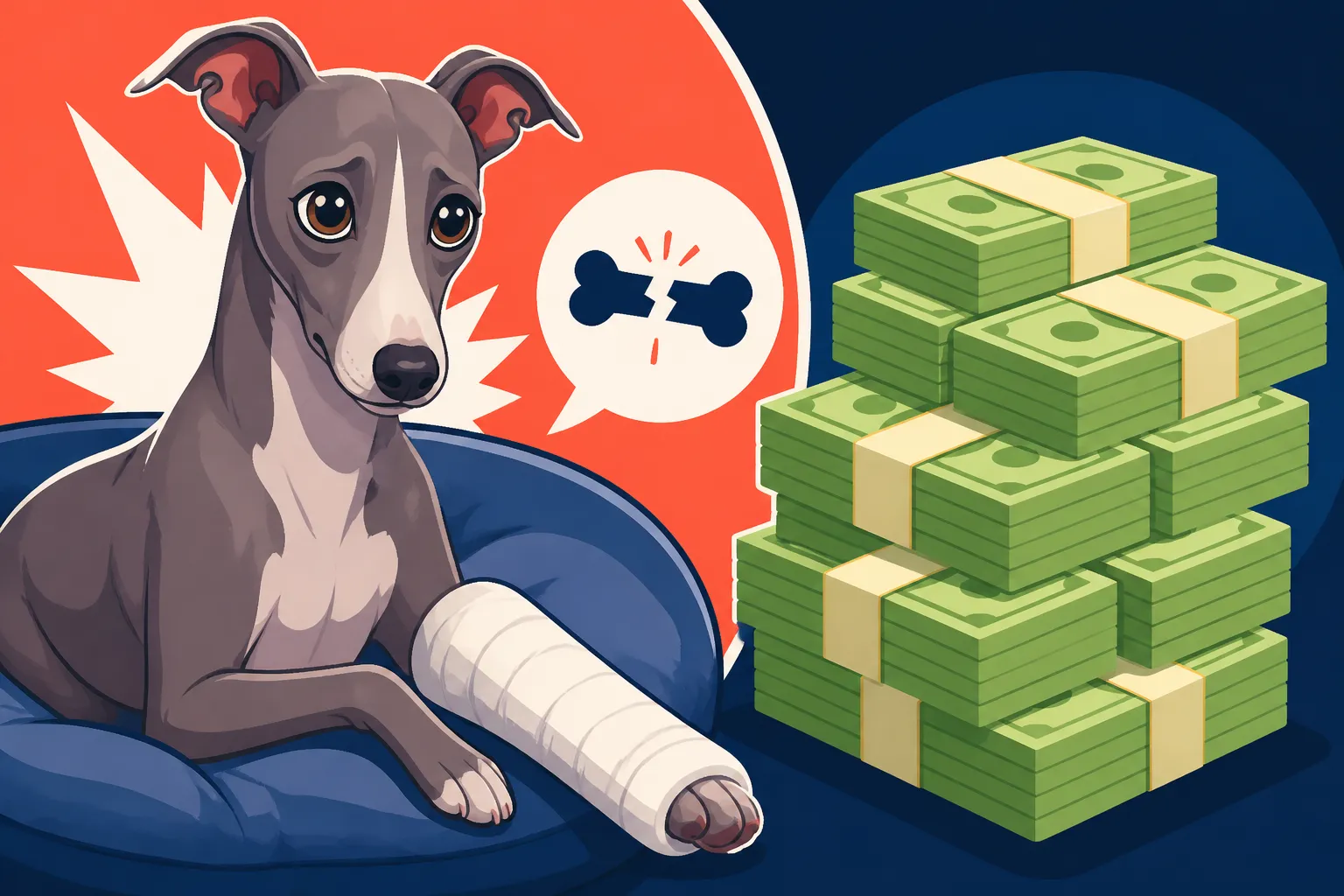
One of the most disheartening realities of owning an Italian Greyhound, and something that often catches new owners completely off guard, is the sheer fragility of their delicate little legs. While we fall head over heels for their elegant appearance and charming personalities, the truth is that a broken leg isn't just a heartbreaking ordeal for your beloved companion; it frequently becomes the single biggest veterinary bill you will ever face. This guide is going to walk you through exactly why these fractures are so common, what the typical repair process entails, and why the financial impact can be so significant, helping you understand this critical aspect of Italian Greyhound ownership.
The Anatomy of a Fragile Italian Greyhound
Italian Greyhounds are often described as dainty, delicate, or fragile, and unfortunately, when it comes to their leg bones, these descriptions are incredibly accurate. Their unique physical structure, while contributing to their stunning grace, also makes them prone to injuries that might barely faze a sturdier breed. It’s not just an old wives' tale; there's a real anatomical reason behind the breed's susceptibility to fractures.
The Delicate Leg Bones
Unlike many other breeds, Italian Greyhounds possess exceptionally fine, slender bones, particularly in their lower front legs – the radius and ulna. Think of them like fine porcelain, beautiful to behold but easily shattered with impact. These bones are long and thin, designed for speed and agility rather than brute strength or impact absorption. They don't have the same robust density or protective muscle mass that you find in, say, a terrier or a bulldog. This inherent skeletal delicacy means that what might be a minor stumble for a stockier dog can result in a catastrophic fracture for an Italian Greyhound. It’s a sad reality that highlights the need for constant vigilance and protective measures in their daily lives.
This particular vulnerability is why a substantial percentage of Italian Greyhounds will experience a limb fracture at some point, often during their younger, more boisterous years. The sheer length of the long bones, combined with their minimal circumference, creates a lever effect where even moderate twisting or direct force can lead to a clean break. The bone simply cannot withstand the torque or pressure. Understanding this fundamental aspect of their physiology is the first step in truly appreciating the gravity of protecting these wonderful creatures. We adore their elegant lines, but we must also acknowledge the inherent structural challenge that comes with them.
The Growth Plate Predicament
For young Italian Greyhounds, the situation is even more precarious due to their active growth plates. Growth plates, also known as physes, are areas of cartilage located near the ends of long bones in growing dogs. This cartilage gradually hardens into bone as the puppy matures. However, until they are fully closed, typically around 10-18 months of age, these growth plates are significantly weaker than the surrounding bone. They are the last part of the bone to fully calcify and strengthen, making them a prime location for fractures.
Imagine a young tree branch that’s still green and flexible versus a mature, hardened one. The young branch is more susceptible to snapping at a weak point. Similarly, a young Italian Greyhound’s long bones are still in the process of becoming robust, leaving those growth plate areas particularly vulnerable to damage. A fall or an awkward landing that might cause a sprain in an adult dog could easily result in a fractured growth plate in a puppy. These types of fractures can be more complex to repair and, if not treated precisely, can lead to long-term issues such as limb deformities or uneven leg length as the dog continues to grow. This is why restricting an Italian Greyhound under two is such critical advice.
Why Their Build Contributes to Breaks
Beyond the delicate bones, the overall build of an Italian Greyhound contributes to their fracture risk. They have an athletic, sighthound body type: deep chest, slender waist, and long, powerful legs relative to their body weight. This build is fantastic for explosive speed and dramatic leaps, but less so for absorbing sudden impacts or clumsy landings. When an Italian Greyhound jumps off furniture, for example, the force of their landing is concentrated on those thin leg bones. They don't have the short, stout legs or thick, shock-absorbing musculature of many other breeds.
Their signature high-stepping gait and propensity for "zoomies" – those bursts of frantic, joyful running – also mean they frequently engage in movements that can put extreme stress on their limbs. A quick turn at full speed, a misjudged jump off a sofa, or a tumble during play can lead to disaster. It's a cruel irony that the very characteristics that make them so captivating—their elegance and athleticism—are also what predispose them to these devastating injuries. This inherent build is a key reason why Why an Italian Greyhound's Leg Bones Break So Easily is a question many owners sadly find themselves asking.
Common Scenarios Leading to Fractures
It's easy to imagine a dog getting hit by a car or falling from a great height as the primary causes of broken bones. However, for an Italian Greyhound, the scenarios that lead to fractures are often far more mundane, making prevention a constant, sometimes exhausting, effort. It's these everyday risks that owners need to be most aware of.
Everyday Household Hazards
Believe it or not, your living room can be a minefield for an Italian Greyhound. Furniture, especially beds, sofas, and chairs, poses a significant threat. A seemingly innocent jump off the sofa can result in a spiral fracture if they land awkwardly or get a leg caught. The height isn't even that great, but the delicate structure of their bones combined with their eager, sometimes clumsy, enthusiasm means even small falls are dangerous. Many Italian Greyhounds are used to jumping up and down from furniture without incident for a long time, leading owners into a false sense of security. Then, one day, they misjudge a landing or slip, and suddenly you're facing an emergency.
Slippery floors like hardwood, tile, or laminate are another common culprit. A playful dash or a sudden stop on a slick surface can cause their legs to splay out, leading to strains, sprains, or worse, a fracture. Even everyday activities like running down stairs can be hazardous, especially for younger, more exuberant pups. This is why many experienced Italian Greyhound owners invest in Ramps and Steps for an Italian Greyhound's Furniture and add rugs or carpet runners to minimize slip hazards. It’s about being proactive and recognizing that their home environment needs to be tailored to their unique physical needs.
The Danger of Play and Falls
While Italian Greyhounds love to play, their playful nature, particularly with other dogs, can be a major source of fractures. Play with larger, heavier breeds is especially risky. A seemingly harmless tumble, a paw landing on a leg, or a rough-and-tumble collision can easily result in a broken bone. Larger dogs often don't realize their own strength or the fragility of an Italian Greyhound, and one wrong move can have devastating consequences. This is why many Italian Greyhound owners are incredibly selective about their dog's playmates and often supervise interactions with larger dogs extremely closely, or even avoid them altogether.
Falls from a human's arms are also tragically common. An Italian Greyhound can be wiggly, suddenly leap, or simply be dropped by accident. Because they are often carried, especially when venturing out into public, this risk increases. A fall from even waist height can create enough impact to cause a severe fracture. This is a particularly heartbreaking scenario because it’s usually preventable and often involves a moment of distraction or misjudgment on the owner's part. It reinforces the need for extreme caution and secure handling, especially when children are involved, as Why Children Should Not Carry an Italian Greyhound is a lesson often learned the hard way.
The Perils of Inexperienced Handling
Beyond falls and play, inexperienced handling, whether by an unfamiliar guest, a child, or even an overwhelmed owner, contributes significantly to fracture risk. People unfamiliar with the breed's delicate nature might pick them up incorrectly, hold them too loosely, or allow them to jump from heights they shouldn't. An Italian Greyhound's long, slender neck is another delicate area, and improper restraint can also lead to injury. Their propensity for darting away quickly means that even a momentarily loose grip on a leash or a door left ajar can lead to them bolting into dangerous situations.
The breed's sensitivity to loud noises, sudden movements, or rough handling can also cause them to panic and jump or struggle, potentially injuring themselves in the process. It's not just about physical strength, but also about understanding their temperament and how best to interact with them to prevent stress-induced accidents. Educating everyone who interacts with your Italian Greyhound about their fragility and specific needs is paramount to their safety. This includes explaining How to Pick Up an Italian Greyhound Safely and ensuring they are always on a secure harness when outdoors to prevent escapes or sudden pulls.
The Immediate Aftermath: Emergency Vet Care
When an Italian Greyhound breaks a leg, it's not a "wait and see" situation. It's an immediate, often terrifying, emergency that requires swift, decisive action and can be emotionally and financially draining from the very first moment. The initial hours are critical, both for your dog's well-being and for setting the stage for potential recovery.
Initial Assessment and Stabilization
The moment you suspect a broken leg—perhaps your dog is crying, holding up a limb, or has an obvious deformity—your first step is to get to an emergency veterinarian immediately. This isn't your regular vet check-up; it's a critical situation. Upon arrival, the veterinary team will prioritize pain management and stabilization. Your dog will likely be in immense pain and shock, which needs to be addressed quickly. They'll administer pain medication to make your dog more comfortable and to allow for a more thorough examination.
Stabilization might involve carefully splinting the injured limb to prevent further damage during transport or while waiting for diagnostics. This temporary measure is crucial because movement of the broken bone ends can cause additional soft tissue damage, nerve damage, or even compromise blood supply. The goal at this stage is to make your Italian Greyhound as comfortable and safe as possible while gathering the necessary information to formulate a treatment plan. This initial visit alone can involve emergency examination fees, pain medications, and basic stabilization, quickly adding up before any definitive treatment has even begun. This experience often makes owners realize the profound truth of A Broken Leg Is the Emergency Every Italian Greyhound Owner Fears.
Diagnostic Imaging: X-rays and Beyond
Once stabilized, the next crucial step is diagnostic imaging, primarily X-rays. Multiple views of the affected limb are taken to precisely identify the location, type, and severity of the fracture. Is it a clean break? Is it comminuted (shattered)? Is it an open fracture where the bone has pierced the skin, or a closed one? Is it a growth plate fracture in a young pup? These details are vital for determining the best course of action. X-rays are not just a one-time expense; they will be repeated throughout the healing process to monitor progress.
In some complex cases, particularly if there's suspicion of soft tissue damage, joint involvement, or other underlying issues, your vet might recommend more advanced imaging like a CT scan. These imaging costs accumulate quickly. For an Italian Greyhound, given the delicacy of their bones and the precision required for repair, detailed imaging is non-negotiable. Without a clear picture of the damage, effective surgical planning is impossible. These diagnostic costs, while necessary, add a substantial chunk to the initial emergency bill, laying the groundwork for the more extensive expenses to come.
The Urgent Need for a Specialist
The initial emergency vet might be able to stabilize your Italian Greyhound and get the first X-rays, but for definitive repair of a complex fracture, especially in a breed like the Italian Greyhound, referral to a veterinary orthopedic specialist is almost always necessary. General practice veterinarians are incredibly skilled, but orthopedic surgery, particularly on such fine bones, requires specialized training, equipment, and experience. Attempting to repair a challenging fracture without this expertise can lead to complications, failed repairs, and ultimately, higher costs down the line.
Finding a surgeon who has plated an Italian Greyhound is paramount, as their specific anatomy and bone density present unique challenges. The specialist will review the X-rays, discuss surgical options, and provide a detailed estimate for the procedure. This consultation fee, travel to the specialist, and the urgency of the situation mean decisions often need to be made quickly, under significant emotional stress. The cost of a specialist’s time and expertise reflects their advanced training and the precision required for these delicate operations, making it a major component of the overall bill. This is why Finding a Surgeon Who Has Plated an Italian Greyhound is so important.
Understanding Fracture Repair Options and Their Costs
Once a fracture is diagnosed, the focus shifts to repair. For an Italian Greyhound, conservative management with a cast is rarely a viable, long-term solution due to the nature of their bones and high activity levels. Surgical intervention is almost always recommended, and this is where the costs truly begin to escalate.
External Fixators vs. Internal Plating
There are generally two primary surgical approaches for stabilizing Italian Greyhound fractures: internal fixation or external fixation.
-
Internal Fixation (Plating): This is often the preferred method for many Italian Greyhound long bone fractures. It involves surgically opening the limb, realigning the bone fragments, and then securing them with a combination of tiny metal plates and screws, or sometimes pins and wires, inserted directly into the bone. These implants hold the bones together rigidly, allowing them to heal properly. The advantage is a highly stable repair that often allows for earlier, more controlled weight-bearing. However, it's a highly invasive procedure requiring immense surgical skill, specialized instruments, and meticulous attention to detail given the small bone size. The cost encompasses not just the surgeon's fee, but also the expensive specialized implants, anesthesia, surgical facility use, and several days of hospitalization.
-
External Fixation: In some cases, particularly if the fracture is open, severely comminuted, or involves significant soft tissue damage, an external fixator might be used. This involves pins inserted through the skin and bone, which are then connected externally by clamps and rods, forming a rigid frame outside the limb. This method allows for easier wound care if there's skin damage and can be adjusted as the bone heals. However, it requires careful management of the pin sites to prevent infection and can be cumbersome for the dog. The costs here include the surgery, the specialized external components, and potentially more frequent follow-up care for pin site cleaning and adjustments.
Regardless of the method, the goal is precise anatomical alignment and rigid stability for optimal healing. The choice between these methods is made by the orthopedic specialist based on the specific fracture type, location, and the individual dog's circumstances. Both are complex, resource-intensive procedures, and contribute significantly to What Fracture Repair Costs on an Italian Greyhound.
The Complications of Healing
Fracture repair, especially in a delicate breed, is not always straightforward, and complications can quickly drive up the cost. One of the most common issues is non-union or delayed union, where the bone fails to heal adequately or takes much longer than expected. This might necessitate additional procedures, such as bone grafting (taking bone from another part of the body to stimulate healing) or revising the existing fixation. Each additional surgery, anesthetic event, and hospitalization period adds substantial expense.
Infection is another serious complication. Any surgical site, particularly one involving metal implants, can become infected. This requires aggressive antibiotic treatment, which can be prolonged and costly, and in severe cases, might even necessitate removal of the implants or further surgical debridement. Implant failure, where plates or screws loosen or break, can also occur, again leading to the need for revisional surgery. Because pins loosen in an Italian Greyhound's bone more easily than in other breeds, follow-up is critical. The delicate nature of Italian Greyhound bones and their minimal body fat also mean they heal differently, sometimes requiring more careful management than other breeds. These potential complications highlight why the initial surgery cost is often just the beginning of the financial journey.
The Role of a Veterinary Orthopedic Surgeon
The expertise of a board-certified veterinary orthopedic surgeon is perhaps the most significant factor influencing both the success and the cost of fracture repair. These specialists undergo extensive additional training after veterinary school, including internships and residencies, to master complex surgical techniques. Their experience with specific breeds, like Italian Greyhounds, who present unique challenges due to bone size and quality, is invaluable. They understand the nuances of stress distribution on tiny bones and how to select and apply the correct implants for optimal outcomes.
The surgeon's fees reflect this advanced education, specialized skills, and the significant time and effort involved in each complex case. They also cover the pre-surgical planning, the surgery itself, and post-operative monitoring and care. While the cost may seem high, entrusting your Italian Greyhound's leg to a true expert dramatically increases the chances of a successful repair and a full recovery, potentially saving you from repeated surgeries and chronic issues down the line. It's an investment in your dog's long-term mobility and quality of life, and it's a cost that often dwarfs initial purchase prices or annual wellness visits.
| Cost Category | Description | Financial Impact (Relative) |
|---|---|---|
| Emergency Visit | Initial exam, pain meds, temporary splint, stabilization. | Moderate |
| Diagnostics | X-rays (multiple views), potential CT scans. | Moderate to High |
| Specialist Consult | Orthopedic surgeon's initial assessment and treatment plan. | Moderate |
| Surgery (Internal) | Anesthesia, surgeon's fee, surgical facility, implants (plates/screws). | Very High |
| Surgery (External) | Anesthesia, surgeon's fee, external fixator components, facility. | High |
| Hospitalization | Post-op monitoring, pain management, IV fluids. | Moderate |
| Medications | Pain relief, antibiotics, anti-inflammatories. | Moderate |
| Follow-up X-rays | Periodic imaging to monitor healing progress. | Moderate (recurring) |
| Rehabilitation | Physical therapy, hydrotherapy, laser therapy. | High (prolonged) |
| Complications | Additional surgeries for non-union, infection, implant failure, amputation. | Extremely High |
| Long-Term Care | Joint supplements, ongoing pain management for arthritis. | Moderate (ongoing) |
The Long Road to Recovery: Post-Operative Expenses
Surgical repair is a monumental step, but it’s far from the end of the financial journey. The post-operative period is a critical time for healing and requires meticulous care, strict confinement, and often extensive rehabilitation. These ongoing costs are easily overlooked when initially budgeting for surgery but can quickly add up.
Medication, Bandage Changes, and Follow-Up Visits
After surgery, your Italian Greyhound will need a regimen of medications, typically including pain relievers, anti-inflammatories, and antibiotics to prevent infection. These aren't just for a few days; they can continue for weeks. If your dog is prone to chewing, they'll also likely need an Elizabethan collar (the "cone of shame") to prevent them from licking or bothering the incision site or external fixator. These cones need to be worn diligently and may need to be replaced if damaged.
Regular bandage changes, if a cast or protective dressing is applied, are another recurring expense. These often need to be performed by veterinary staff to ensure they are done correctly, preventing pressure sores, moisture issues, or slippage. Each bandage change involves a vet tech's time, materials, and potentially sedation if your dog is stressed or in pain. Frequent follow-up visits with the orthopedic surgeon are also essential to monitor healing progress, check the incision, and take repeat X-rays. Each of these appointments carries a consultation fee, adding to the accumulating bill.
Rehabilitation and Physical Therapy
Once the initial healing phase is underway, rehabilitation and physical therapy often become vital components of recovery, especially if you want your Italian Greyhound to regain full function of the limb. Just like humans, dogs can suffer from muscle atrophy, joint stiffness, and compensatory gait issues after a serious fracture and surgery. Canine rehabilitation centers offer a range of services such as therapeutic exercises, hydrotherapy (underwater treadmill), laser therapy, and massage to help restore strength, flexibility, and proper movement.
These therapy sessions are not cheap, and they often require multiple visits per week for several weeks or even months. The financial commitment to rehabilitation can be substantial, but it can make a dramatic difference in the long-term outcome, preventing chronic pain and improving overall quality of life. For many Italian Greyhound owners, seeing their beloved companion run and play without a limp is worth every penny, but it's a significant financial investment often not covered entirely by basic pet insurance plans.
The Cost of Restricted Activity and Confinement
One of the most challenging aspects of post-operative care is the strict restriction of activity. For an active Italian Greyhound, this means weeks, sometimes months, of crate rest or confined living. How Long an Italian Greyhound Stays Crated After Surgery can feel like an eternity, but it's crucial to prevent re-injury and allow the bones to heal. This period often requires specialized crates or playpens, extra bedding for comfort, and more time and attention from the owner for supervised potty breaks and gentle mental stimulation.
While not a direct veterinary bill, the cost of time off work, hiring pet sitters, or adjusting your home life to accommodate a recovering dog can be considerable. You might need to buy new dog beds, ramps, or other mobility aids. Plus, there’s the emotional toll of seeing your once-lively companion confined. This indirect cost, combined with the direct medical expenses, paints a full picture of why a broken leg becomes such a financial burden, truly impacting every aspect of an Italian Greyhound owner's life.
The Unforeseen Financial Burdens and What-Ifs
Even with the best surgical care and diligent post-operative management, complications can arise, leading to unforeseen financial burdens. These "what-if" scenarios are heartbreaking to consider but are a realistic part of owning a fragile breed and budgeting for their care.
Re-fractures and Failed Repairs
Tragically, re-fractures can occur, particularly if the initial confinement protocols aren't strictly adhered to, or if the dog experiences another accident during recovery. A re-fracture means repeating the entire, expensive process: emergency vet visit, new X-rays, possibly another surgery, and another lengthy recovery period. This scenario is incredibly distressing, both emotionally and financially, as it means doubling or tripling the initial costs. It’s why strict adherence to veterinary instructions is non-negotiable during recovery.
Similarly, a "failed repair" can happen, meaning the initial surgery didn't achieve its intended outcome due to complications like non-union, infection, or implant rejection. In such cases, the orthopedic surgeon might recommend a revision surgery, which is often more complex and costly than the first procedure. A failed repair not only incurs additional surgical fees but also prolongs the dog's pain and recovery time, adding to medication and follow-up expenses. This is the financial nightmare that every Italian Greyhound owner dreads, demonstrating how a single incident can lead to cascading bills.
The Emotional and Financial Toll of Amputation Discussions
In the most severe cases—for example, if a fracture is so catastrophic that it cannot be repaired, or if complications like severe infection or non-union become untreatable—amputation might be discussed as the final, life-saving option. This is an incredibly difficult conversation for any owner. While it saves the dog's life and eliminates chronic pain from a non-healing limb, it represents a profound emotional and financial shift.
The cost of amputation surgery itself is significant, though often less than multiple failed fracture repairs. However, there are ongoing costs associated with caring for a three-legged dog, such as specialized harnesses, assistive devices, and potentially modifications to your home. While Italian Greyhounds often adapt remarkably well to three legs, it's a future that no owner anticipates or budgets for, and it adds another layer of emotional and financial complexity to an already overwhelming situation. It's a testament to the love owners have that many choose this path rather than euthanasia, despite the profound cost.
Long-Term Arthritis and Pain Management
Even with a successful fracture repair, the affected limb is often predisposed to developing arthritis later in life. The trauma to the joint, even if minimal, or the presence of surgical implants, can accelerate degenerative changes. Arthritis in an Italian Greyhound's Healed Leg is a common concern. This means potential long-term expenses for managing chronic pain and stiffness.
This might include daily oral medications, joint supplements, periodic injections, therapeutic diets, or ongoing physical therapy to maintain mobility and comfort. These costs, while individually smaller than a surgery bill, are ongoing for the rest of your Italian Greyhound's life. They represent a silent, continuous drain on your budget, reminding you daily of the initial injury. It underscores the fact that a broken leg isn't just a one-time expense but can create a lifetime of related care needs.
Proactive Measures and Financial Preparation
Given the significant financial risk associated with Italian Greyhound fractures, proactive measures and careful financial planning are not just advisable – they are absolutely essential for responsible ownership. Thinking ahead can literally save you thousands of dollars and immense heartache.
Creating a Safer Home Environment
The single most effective way to reduce the risk of a broken leg is to minimize household hazards. As discussed, jumps from furniture are a leading cause of fractures. Invest in ramps or steps for access to sofas and beds. Teach your Italian Greyhound to use them from an early age. This simple modification can prevent a devastating accident. The Jump Off the Sofa That Breaks an Italian Greyhound's Leg is a preventable scenario.
Cover slippery hard floors with rugs or carpet runners, especially in high-traffic areas where your dog tends to get zoomies. If you have stairs, consider baby gates to restrict access, particularly for puppies or older dogs. Supervise all interactions with other dogs, especially larger ones, and avoid dog parks where uncontrolled play can lead to serious injury. Always use a secure harness and leash when outside, and never allow your Italian Greyhound to jump out of your arms or off high surfaces. These preventative steps require an initial investment of time and perhaps money for equipment, but they are a tiny fraction of the cost of a fracture repair.
The Lifeline of Pet Insurance
For many Italian Greyhound owners, pet insurance is not a luxury; it's a necessity. Considering that a single fracture repair can easily run into the high thousands, having a good pet insurance policy can be a true lifeline. Look for comprehensive plans that cover accidents and illnesses, ideally with a high reimbursement rate and a reasonable deductible. It's crucial to understand the waiting periods before coverage kicks in, as well as any exclusions for pre-existing conditions.
Companies like Healthy Paws are often recommended for their accident and illness coverage, which could be invaluable in a fracture situation. While pet insurance has a monthly premium, it offers peace of mind and can prevent you from having to make difficult financial decisions during an emergency. Make sure to read the fine print carefully, especially regarding orthopedic issues, as some policies might have specific limitations or higher deductibles for certain conditions. What Pet Insurance Actually Covers on an Italian Greyhound is a vital research topic for any prospective owner. Budgeting for an Italian Greyhound's broken leg before it happens often means budgeting for pet insurance.
Building an Emergency Fund
Even with pet insurance, an emergency fund is a wise financial safety net. Insurance often has deductibles and might only cover a percentage of the total bill, leaving you with a significant out-of-pocket expense. An emergency fund specifically for your Italian Greyhound’s health can bridge this gap. Aim to save at least a few thousand dollars, understanding that the absolute minimum for a basic fracture repair can easily reach into that range.
This fund allows you to focus on your dog's care during a crisis rather than scrambling to find funds. You won't have to worry about financing options or delaying treatment due to cost. Consider setting up a separate savings account and contributing a small amount monthly. This proactive financial planning means you’re prepared for the inevitable "what if" moment that so many Italian Greyhound owners eventually face. It’s an act of love and responsibility that provides crucial security for your delicate companion.
The True Lifetime Cost of an Italian Greyhound
While this article focuses on the staggering cost of a broken leg, it’s important to understand that Italian Greyhounds, while small, come with a variety of other potential health expenses and a lifetime of care needs that contribute to their overall cost of ownership. A fracture bill might be the biggest single hit, but it's part of a larger financial picture.
Beyond the Broken Leg: Other Common Health Bills
Aside from fractures, Italian Greyhounds are prone to other health issues that can incur significant veterinary expenses. Periodontal Disease Is the Italian Greyhound's Most Common Diagnosis, often requiring yearly professional dental cleanings under anesthesia, which can be costly, especially if extractions are needed. Their crowded mouths mean tartar builds up quickly, and if left untreated, dental disease can lead to systemic health problems. These dental bills, while not as sudden as a fracture, are recurring throughout their lifespan and add up over time.
They can also be susceptible to certain eye conditions like Progressive Retinal Atrophy, or patellar luxation, where the kneecap slips out of place, sometimes requiring surgical correction. Autoimmune diseases and thyroid issues are also seen in the breed. While these conditions may not present the same immediate, sky-high emergency bill as a severe fracture, they contribute to the overall lifetime veterinary expenditure. It's important to be aware of the spectrum of potential health issues, not just the most dramatic ones.
The Value of Investing in Prevention
Investing in preventive care and a safe environment pays dividends in the long run. Quality food, like that offered by Ollie, tailored to their specific needs, contributes to overall health. Regular veterinary check-ups, appropriate vaccinations, and parasite prevention are foundational. But beyond the standard, the real investment for an Italian Greyhound is in preventing those unique breed-specific catastrophes. This means consistently making sure stairs are gated, furniture is ramped, play is supervised, and they are always dressed warmly enough to prevent shivering, which stresses their small bodies.
Good daily dental care, such as brushing their teeth every day, can help reduce the frequency and severity of professional dental cleanings, saving money over their lifespan. While an Italian Greyhound is cheap to feed compared to larger breeds, making smart choices about their overall care can prevent larger bills down the line. It's about being diligent and proactive, understanding that preventing an issue is almost always less costly and less stressful than treating one after it happens.
Accepting the Financial Commitment
Ultimately, owning an Italian Greyhound means accepting a significant financial commitment, especially regarding their health. Their delicate nature, propensity for fractures, and other breed-specific health concerns mean that veterinary bills can be substantially higher than for many other dogs. This isn't to deter potential owners, but rather to provide a realistic picture of the responsibilities involved. These dogs offer immense joy, companionship, and endless entertainment, but they also require a dedicated owner who is prepared for the potential financial realities.
Before bringing an Italian Greyhound into your home, it’s crucial to assess your financial capacity not just for the purchase price, food, and routine care, but for the potential of a major medical emergency like a broken leg. Having pet insurance, an emergency fund, and a commitment to preventive care are not optional extras; they are integral parts of responsible Italian Greyhound ownership. Understanding this upfront allows you to fully embrace the wonderful experience of sharing your life with these captivating, albeit fragile, creatures, without being blindsided by unexpected and substantial costs. Products from retailers like Chewy can help manage routine costs, but the big emergencies require dedicated planning.
Disclaimer
This article is for general informational purposes only and does not constitute professional advice. Laws, prices and regulations vary by location and change over time. Consult a qualified professional for guidance on your specific situation.