What the First Year With an Italian Greyhound Totals
Bringing an Italian Greyhound into your life is an absolute joy, but let's be realistic: that first year can feel like a whirlwind, especially when it comes to your budget. Many new owners are surprised by the specific and sometimes substantial costs involved beyond the initial adoption fee. This guide will meticulously break down exactly what you can expect to spend in those crucial first twelve months, from essential supplies to unexpected vet visits, helping you prepare financially for a happy, healthy life with your delicate companion.
Bringing Your Italian Greyhound Home: Initial Costs
The very first expense you'll encounter is getting your Italian Greyhound. Whether you're seeking a puppy from a breeder or opening your home to a rescue dog, this initial outlay sets the stage for everything that follows. It's more than just a purchase price; it's an investment in a well-started, healthy companion.
The Price Tag of a Puppy from a Reputable Breeder
When you decide to bring an Italian Greyhound puppy home from a reputable breeder, you're not just paying for a cute face. You're investing in years of careful breeding, health testing, and early socialization. The cost can vary significantly depending on factors like the breeder's reputation, the puppy's pedigree, the region you're in, and what health clearances the parents have had. A breeder who has invested in screening for common issues like eye diseases and patellar luxation, and who provides early neurological stimulation and proper nutrition, will naturally charge more. This initial investment often covers things like first vaccinations, deworming, and sometimes even microchipping.
It’s crucial to understand that a higher price often correlates with a healthier, better-adjusted puppy, reducing the likelihood of expensive health or behavioral issues down the line. Always ask to see proof of parentage health testing and be wary of anyone offering Italian Greyhound puppies for a price that seems too good to be true. Those lower prices almost always come with hidden costs later on, whether it's temperament issues or significant vet bills. For more on what to expect, consider reading What an Italian Greyhound Puppy Costs From a Breeder and What Health Testing an Italian Greyhound Breeder Should Show.
Adopting from an Italian Greyhound Rescue
Choosing to adopt an Italian Greyhound from a rescue organization is a wonderful, often very fulfilling path. The adoption fees are typically much lower than breeder prices, but they serve a vital purpose, covering some of the costs incurred by the rescue for the dog's care. These fees usually include spaying or neutering, up-to-date vaccinations, microchipping, and any initial veterinary care the dog needed before adoption. Many rescue IGs also come with a history of their personality and habits, which can be a huge bonus for new owners.
While the financial cost might be less upfront, adopting a rescue can sometimes come with its own set of challenges, such as addressing past trauma or specific health needs that required intervention. However, the emotional rewards are immense, and rescue organizations often provide incredible support and resources to help you and your new companion adjust. They are a treasure trove of knowledge specific to Italian Greyhounds.
Setting Up Your Home: Essential Supplies
Once you've secured your Italian Greyhound, the next set of costs revolves around preparing your home for their arrival. These aren't just luxuries; they are fundamental necessities for their safety, comfort, and well-being, especially for a breed as unique as the Italian Greyhound.
Bedding and Comfort Items
Italian Greyhounds are notoriously sensitive to cold and adore comfort. Their thin skin and low body fat mean they get chilly easily, even indoors. You'll quickly discover that a simple dog bed often isn't enough. Expect to invest in soft, plush bedding, and plenty of blankets for burrowing. Many IG owners find that a heated bed is a game-changer, especially during colder months, as it provides a constant source of warmth and comfort, preventing shivering and encouraging restful sleep. Orthopedic beds can also be a wise investment, protecting their delicate joints, particularly elbows and hocks, from developing calluses or discomfort on hard floors.
Think of it this way: your Italian Greyhound will seek out the softest, warmest spot in your home, and providing them with adequate options from the start can save your sofa from becoming their permanent excavation project. For more details on keeping them cozy, you might find The Bedding a Thin Skinned Italian Greyhound Actually Needs and Whether a Heated Bed Is Safe for an Italian Greyhound very helpful.
Crates, Gates, and Safety Gear
Safety is paramount for Italian Greyhounds, given their fragile bones. A crate is an indispensable tool for housetraining, creating a safe den, and providing a secure space when you can't actively supervise them. Look for a wire crate with a comfortable bed inside, large enough for them to stand, turn around, and lie down. Additionally, baby gates or pet gates are absolutely essential, especially if you have stairs or areas with tempting jump-off points. An Italian Greyhound puppy, in particular, can be prone to fractures from falls, so proactive safety measures are non-negotiable.
Beyond home safety, you'll need proper walking gear. Due to their unique body shape and slender necks, Italian Greyhounds can easily slip out of standard collars. A well-fitting martingale collar or a secure harness is crucial. A harness is often preferred as it distributes pressure across their chest rather than their delicate trachea. A sturdy leash, ideally six feet long, completes the ensemble. Learning more about Setting Up a House an Italian Greyhound Cannot Break a Leg In and Which Harness Suits an Italian Greyhound's Neck can help you make informed choices.
Feeding Bowls and Initial Food Supply
When your Italian Greyhound first arrives, you'll need appropriate food and water bowls. Stainless steel is often recommended for its hygiene and durability. While some owners prefer elevated bowls, flat bowls are perfectly fine. More importantly, you'll need to purchase their initial food supply. If you're getting a puppy from a breeder or a dog from a rescue, they'll usually tell you what food the dog has been eating, and it's always best to stick to that for at least a few weeks to avoid digestive upset during a stressful transition.
The cost of food will be an ongoing expense, but that first bag or two is an immediate upfront cost. Italian Greyhounds are typically efficient eaters and don't require massive quantities, which can help keep monthly food costs reasonable. However, choosing a high-quality kibble or preparing a fresh food diet will influence your budget. Brands like Ollie offer fresh, human-grade dog food that many Italian Greyhound owners appreciate for its quality and palatability, though it's often a higher price point than conventional kibble. For insights into their dietary needs, check out How Much an Adult Italian Greyhound Eats.
First Year Veterinary Care: Foundations of Health
The first year of an Italian Greyhound's life is packed with essential veterinary visits, laying the groundwork for a healthy future. These costs are non-negotiable and represent a significant portion of your initial investment.
Puppy Vaccinations and Wellness Exams
For a new Italian Greyhound puppy, the first few months involve a series of vaccinations to protect them from common and potentially deadly diseases like distemper, parvovirus, and rabies. These are usually administered in several rounds over a few months, each requiring a vet visit and associated fees. Beyond vaccines, regular wellness exams are crucial. Your veterinarian will monitor your puppy's growth, check for any developmental issues, listen to their heart and lungs, and discuss nutrition and parasite prevention. These early visits establish a relationship with your vet and ensure any concerns are addressed promptly.
Even if you adopt an older Italian Greyhound, they will need an initial check-up to establish care and ensure their vaccinations are current. Some rescues might even cover the initial vet visit as part of the adoption fee, but always confirm. Understanding The Vaccination Schedule an Italian Greyhound Puppy Needs and How Often an Italian Greyhound Needs a Wellness Exam will help you budget for these essential appointments.
Spay/Neuter Procedure
Unless you've adopted an Italian Greyhound who is already spayed or neutered, this procedure will be a significant veterinary expense in the first year. The timing of spay/neuter has become a topic of discussion among vets and breeders, with some advocating for waiting until the dog is more mature to allow growth plates to close. However, for most pet owners, the procedure typically occurs between six months and one year of age. The cost will vary based on your location and your veterinarian's fees, but it's important to budget for this elective surgery.
The procedure includes the surgery itself, anesthesia, pain medication, and post-operative care. It's an important step for preventing unwanted litters, and it can also offer health benefits such as reducing the risk of certain cancers and behavioral issues. For male Italian Greyhounds, neutering can curb marking behaviors, while for females, spaying eliminates heat cycles and reduces the risk of mammary tumors and uterine infections. Knowing Why Neutering an Italian Greyhound Costs More Than the Quote can help you prepare for the potential variables in pricing.
Parasite Prevention and Microchipping
Protecting your Italian Greyhound from parasites is an ongoing, year-round expense that starts in their first year. This includes monthly heartworm prevention, which is vital in many regions, as well as flea and tick prevention. These medications can come in various forms, such as topical treatments, oral chews, or injections, and their cost will depend on the brand and formulation. Your vet will recommend the best options based on your local climate and your dog's lifestyle.
Microchipping is another critical, one-time expense, often done during a routine vet visit or at the time of spay/neuter. While not technically a health prevention, it's invaluable for your dog's safety. Should your Italian Greyhound ever get lost, a microchip dramatically increases the chances of a happy reunion. Given how easily IGs can slip a collar or bolt if startled, a microchip provides a permanent form of identification that gives peace of mind. To understand specific medication choices, you might want to learn about Which Weight Band an Italian Greyhound Falls In for Flea Medication.
Nutritional Needs and Feeding Costs
Beyond the initial food purchase, budgeting for your Italian Greyhound's ongoing diet is a monthly commitment. The choices you make here will impact their growth, energy levels, and overall health.
Choosing the Right Food for Growth
In the first year, a puppy's nutritional needs are intense as they are growing rapidly. They require a diet specifically formulated for puppies or all life stages, providing the right balance of proteins, fats, and essential vitamins and minerals to support healthy bone and muscle development. Small breed puppy formulas are often recommended, as they cater to their higher metabolism and smaller kibble size can be easier for their delicate mouths. As mentioned earlier, options like Ollie can be excellent for quality and freshness, though they come at a premium.
The cost of food varies widely based on brand, ingredients, and where you purchase it. Buying larger bags can sometimes be more economical, but always check expiration dates and storage instructions. As your Italian Greyhound grows, you'll eventually transition them to an adult formula, typically around 9-12 months, but this transition should be gradual and ideally discussed with your vet. For further reading, Whether an Italian Greyhound Needs Small Breed Kibble offers valuable insights.
Treats and Supplements
Treats are an essential tool for training and positive reinforcement, especially during puppyhood. However, not all treats are created equal, and some can be too hard for an Italian Greyhound's delicate teeth. Look for soft, easily chewable treats, and consider breaking them into tiny pieces to manage caloric intake. The cost of treats can add up, so buying in bulk or making your own can be budget-friendly options.
Supplements are generally not necessary for a healthy puppy on a complete and balanced diet. However, if your vet identifies a specific need, such as for joint support later in life or addressing a nutritional deficiency, this could become an additional expense. Always consult with your veterinarian before introducing any supplements. When it comes to dental health, be cautious with dental chews; some can be too abrasive or hard, potentially causing tooth fractures. For a deeper dive into appropriate chews, refer to Whether Dental Chews Are Safe for an Italian Greyhound.
Training, Grooming, and Environmental Enrichment
These categories represent investments in your Italian Greyhound's quality of life, behavior, and basic hygiene. While some can be DIY, others may require professional assistance.
Housetraining Tools and Support
Housetraining an Italian Greyhound can be famously challenging, often taking longer than with other breeds. This means you might invest in a variety of tools and methods in their first year. Puppy pads are a common first step, providing an acceptable indoor potty spot. Some owners even have success with indoor litter boxes designed for dogs, using specific litter or real grass pads. These items, along with enzymatic cleaners for accidents, will be part of your initial and ongoing budget. Patience is key, and sometimes professional guidance from a positive-reinforcement trainer can be invaluable.
Remember, punishment for accidents can actually set an Italian Greyhound back, making them hide their potty breaks. A positive approach, consistent schedule, and appropriate indoor facilities are far more effective. For more comprehensive advice, exploring Housetraining an Italian Greyhound Is the Hardest Part of Owning One and Setting Up an Indoor Bathroom for an Italian Greyhound will be extremely beneficial.
Basic Grooming Supplies
Fortunately, Italian Greyhounds are a low-maintenance breed when it comes to grooming their coat. Their short, fine hair sheds minimally and doesn't require professional clipping or extensive brushing. You'll need a soft brush or grooming mitt for occasional coat conditioning and a mild dog shampoo for baths, which are typically only needed when they get visibly dirty. However, dental care is a major component of an Italian Greyhound's grooming routine and should begin in their first year.
Investing in a high-quality dog toothbrush and veterinary-approved enzymatic toothpaste is paramount. Daily brushing is the gold standard for preventing the severe dental disease common in the breed. Nail care is also important; you'll need clippers or a dremel to keep their nails trimmed regularly, preventing overgrowth that can cause pain or affect their gait. For detailed information on this critical task, read Brushing an Italian Greyhound's Teeth Is the Care Task That Matters.
Toys and Mental Stimulation
Italian Greyhounds, despite their delicate appearance, are playful and intelligent dogs who need mental and physical stimulation. In their first year, providing a variety of appropriate toys is important for their development, preventing boredom, and encouraging appropriate chewing habits. Look for toys that are not too hard, as their teeth can be fragile, and avoid anything easily destructible that could pose a choking hazard. Soft plush toys, crinkle toys, and interactive puzzle toys that dispense treats are often big hits.
The cost of toys can be a variable expense; some Italian Greyhounds are gentle with their toys, while others might go through them quickly. Budgeting for a rotating selection of toys helps keep them engaged and prevents destructive behaviors that can arise from boredom. Understanding Which Toys an Italian Greyhound Plays With can guide your selections, ensuring you choose safe and appealing options for your new companion.
Budgeting for the Unexpected and Ongoing Needs
Beyond the standard initial and recurring costs, Italian Greyhound ownership comes with a few unique considerations, as well as the universal need to prepare for the unforeseen.
Clothing for Warmth and Protection
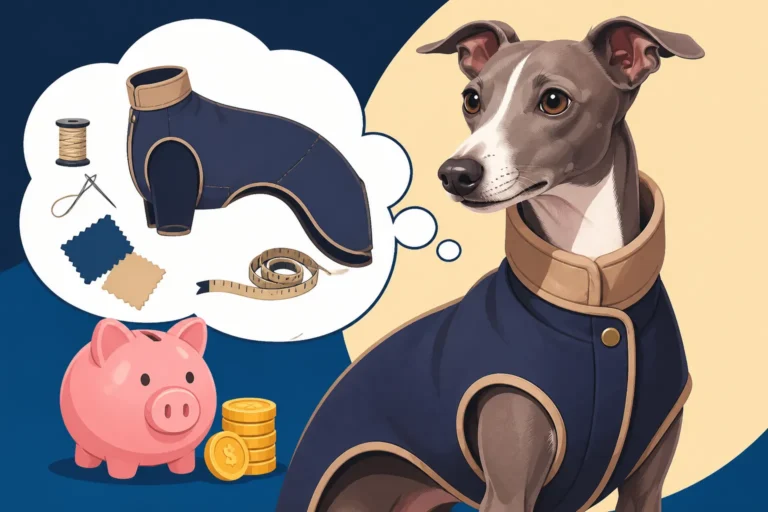
This might seem like a luxury for some breeds, but for an Italian Greyhound, clothing is a necessity year-round. Their almost non-existent body fat and thin coat mean they struggle to regulate their body temperature. In their first year, you'll likely accumulate a wardrobe of sweaters for indoor wear, coats for outdoor walks in cooler weather, and perhaps even pajamas for chilly nights. These items are not just fashion statements; they are essential for keeping your IG comfortable, preventing shivering, and protecting them from the elements.
The cost of quality Italian Greyhound clothing can add up quickly, especially if you're looking for well-fitting garments that allow for their deep chests and tucked-up waists. Off-the-rack items often don't fit well, leading many owners to seek out specialty retailers or even custom-made options. This is a significant budget line item that many new owners underestimate. To learn more about this, check out Keeping an Italian Greyhound Warm Is Daily Work, Not a Winter Job and Clothing an Italian Greyhound Is a Real Budget Line.
Pet Insurance or Emergency Fund
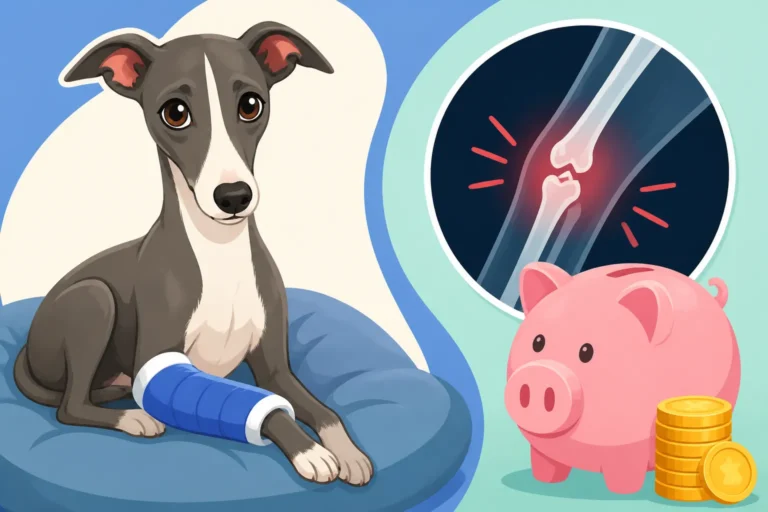
This is perhaps the most critical budget item for Italian Greyhound owners, especially in the first year. Italian Greyhounds are famously prone to leg fractures due to their fine bones and adventurous, sometimes reckless, nature. A broken leg is not just emotionally devastating; it's incredibly expensive, often requiring specialist surgery. The cost of such an emergency can easily run into thousands of dollars, far exceeding many initial adoption or purchase fees.
Therefore, securing pet insurance, preferably with a short waiting period for accidents, or building a robust emergency fund specifically for your Italian Greyhound, is non-negotiable. Companies like Healthy Paws offer various plans that can cover a significant portion of unexpected veterinary bills. While insurance is an ongoing monthly cost, it can be a lifesaver in a crisis. Don't wait until an accident happens to consider this; plan for it from day one. Reading A Broken Leg Is the Emergency Every Italian Greyhound Owner Fears and What Pet Insurance Actually Covers on an Italian Greyhound will provide essential context.
Miscellaneous and Hidden Costs
Beyond the major categories, there are countless small expenses that add up in the first year. This includes ID tags for their collar, a comfortable carrier for vet visits and travel, grooming tools like a nail dremel if you prefer that over clippers, and possibly professional training classes if you're struggling with housetraining or basic obedience. Many Italian Greyhound owners find themselves buying ramps or steps for furniture to prevent jumping injuries, which is a prudent investment.
If you travel or work long hours, you might also need to budget for dog walkers or pet sitters. Italian Greyhounds are extremely attached to their people and do not do well being left alone for extended periods. This 'velcro dog' tendency means they thrive on company, and arranging for care when you can't be there is crucial for their emotional well-being. These seemingly small costs can cumulatively impact your budget, so it's wise to have a buffer.
Here's a simplified breakdown of typical first-year Italian Greyhound expenses:
| Category | Description | Estimated Cost Type (Shape of Cost) | Frequency |
|---|---|---|---|
| Initial Acquisition | Purchase from breeder or adoption fee | Significant upfront investment, varies widely | Once |
| Vet Care & Prevention | Puppy vaccines, wellness exams, spay/neuter, microchip, parasite prevention | Moderate to high, one-time for surgery/microchip, ongoing for prevention | Multiple/Annual |
| Essential Supplies | Crate, beds, blankets, gates, bowls, leash, harness | Moderate upfront, some items may need replacing | Once/As Needed |
| Food & Treats | Puppy food, training treats | Moderate ongoing monthly expense, varies by brand/diet type | Monthly |
| Grooming & Dental Care | Toothbrush, toothpaste, nail clippers/dremel, shampoo | Low upfront, ongoing replenishment of consumables | Once/Ongoing |
| Clothing | Sweaters, coats, pajamas | Moderate to high upfront, ongoing as needed for different seasons/styles | Multiple |
| Safety & Enrichment | Ramps/steps, toys, puzzle feeders | Low to moderate upfront, ongoing for toy replenishment | Once/Ongoing |
| Emergency Preparedness | Pet insurance premium or emergency fund savings | Ongoing monthly/annual for insurance, or consistent savings for fund | Monthly/Annual |
| Miscellaneous/Optional | Training classes, dog walker/sitter, travel carrier | Variable, depends on individual needs and lifestyle, can be moderate to high if services are used often | As Needed |
The first year with an Italian Greyhound is an incredible adventure, full of joy and learning, but it also comes with financial responsibilities unique to the breed. By understanding and budgeting for these costs, from the initial adoption to essential safety gear, veterinary care, and even their specialized wardrobe, you can ensure a smooth, secure, and loving start to your life together.
Disclaimer
This article is for general informational purposes only and does not constitute professional advice. Laws, prices and regulations vary by location and change over time. Consult a qualified professional for guidance on your specific situation.