What Insuring an Italian Greyhound Costs a Month
The idea of insuring your beloved Italian Greyhound might feel like just another monthly bill, and it’s easy to dismiss it as an unnecessary expense, especially when you’re already juggling so many costs associated with these unique dogs. However, the truth is, Italian Greyhounds come with some very specific health vulnerabilities that can lead to eye-watering veterinary bills. This guide is here to walk you through exactly what goes into the monthly cost of insuring an Italian Greyhound, helping you understand the value and navigate your options.
Why Pet Insurance Isn't Just an Option, But Often a Necessity for Italian Greyhounds
Let's be real, owning an Italian Greyhound is a commitment, not just of love and time, but of financial resources. These elegant, delicate creatures are prone to certain health issues that can spring up unexpectedly, turning a normal day into an emergency vet visit with a hefty price tag. Pet insurance isn't just for peace of mind; for Iggies, it can be a financial lifeline.
The Ever-Present Risk of Fractures and Orthopedic Issues
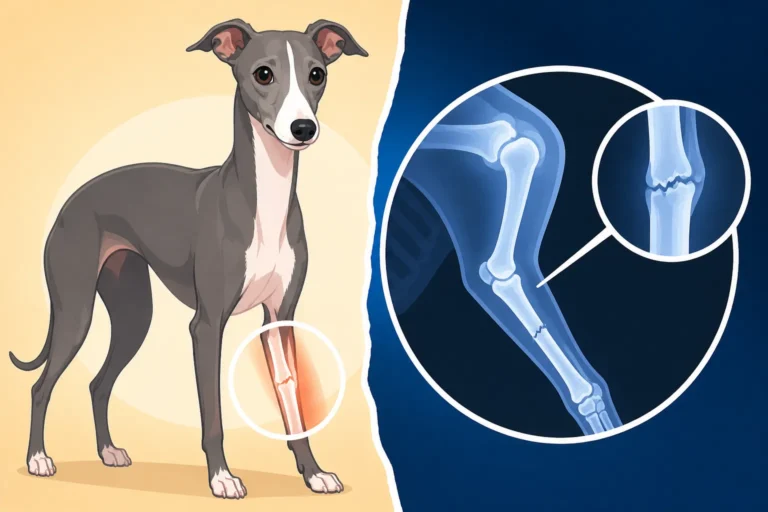
It’s the nightmare every Italian Greyhound owner dreads: the sudden yelp, the awkward landing, and the realization that their fragile friend has broken a bone. Italian Greyhounds are notoriously delicate, with fine, slender bones that are more prone to fractures than many other breeds. A seemingly innocent jump off the sofa or a misstep during a zoomie session can lead to a devastating injury. We've all seen videos or heard stories, and the fear is palpable.
The reality of a broken leg is not just the immediate trauma for your dog, but the incredibly high cost of repair. We've talked extensively about A Broken Leg Is the Emergency Every Italian Greyhound Owner Fears and What Fracture Surgery Costs on an Italian Greyhound, and these aren't minor expenses. You're looking at complex surgeries, specialist veterinarians, pins, plates, casts, and extensive aftercare. These bills can run into the thousands, sometimes tens of thousands, of dollars. Without insurance, these emergencies can put immense financial strain on a family, forcing difficult decisions that no pet owner should ever have to make. Understanding Why an Italian Greyhound's Radius Is the Bone That Breaks helps explain the specific vulnerability.
Even if you meticulously puppy-proof your home, using ramps and restricting access to high places, accidents can still happen. A playful tumble, a quick dash, or even just another dog bumping into them can cause injury. This breed's delicate nature means that orthopedic issues are not an "if," but often a "when." Insurance can cover a significant portion of these emergency costs, transforming a potentially ruinous event into a manageable one.
Navigating Lifelong Dental Care with Italian Greyhounds
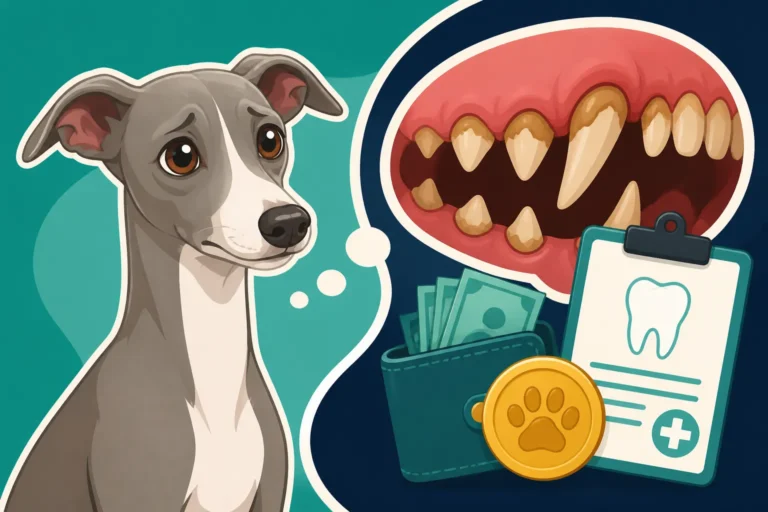
Beyond the dramatic emergencies, Italian Greyhounds are also genetically predisposed to significant dental problems. Their long, narrow muzzles and crowded teeth create a perfect storm for plaque and tartar buildup, leading to periodontal disease at a surprisingly young age. It's a silent struggle many owners face, often feeling guilty when their vet recommends another cleaning.
Regular dental cleanings are not just about fresh breath; they are crucial for preventing pain, infection, and even more serious systemic health issues. We've highlighted that Periodontal Disease Is the Italian Greyhound's Most Common Diagnosis for a reason. These aren't cheap procedures, often requiring anesthesia, blood work, and sometimes extractions. If you're looking at What a Dental Cleaning Costs for an Italian Greyhound, you know these aren't pocket change. And it's not a one-time thing; many Iggies need annual or biannual cleanings throughout their lives.
Without insurance that includes dental coverage or a wellness rider, these recurring costs can add up dramatically over your Italian Greyhound's lifespan. Proactive dental care is absolutely essential, and insurance can help mitigate the financial burden, allowing you to prioritize your dog's oral health without feeling the pinch every year. The alternative – neglecting dental care – leads to far greater suffering and even higher costs down the line.
Special Considerations for Anesthesia and Sensitive Systems
Italian Greyhounds are sighthounds, and like many sighthound breeds, they have unique physiological traits that require careful consideration, especially when it comes to anesthesia. Their very low body fat percentage means they metabolize anesthetic drugs differently and are highly susceptible to hypothermia during procedures. This isn't just a minor detail; it means veterinary teams need to take extra precautions, which can sometimes lead to increased costs for these specialized protocols.
We've discussed Why Anesthesia Is Handled Differently in an Italian Greyhound because it's a critical point for owners. When your Italian Greyhound needs surgery, whether for a fracture, a dental cleaning, or any other procedure, the veterinary team must be well-versed in sighthound-specific anesthetic protocols. This might include specialized warming blankets, specific drug choices, and extended monitoring, all designed to keep your lean little friend safe.
While these precautions are absolutely necessary, they can add to the overall cost of any procedure requiring sedation. Insurance can help cover these specialized needs, ensuring that your Italian Greyhound receives the safest, most appropriate care without you having to worry about the specific line items related to their unique physiology. It’s about being able to say "yes" to the best care, not "can we afford it?"
Decoding the Factors That Shape Your Italian Greyhound's Monthly Premium
You might get a quote for pet insurance and wonder why your friend in another state pays less, or why the premium jumped when your puppy turned two. It’s not arbitrary; several key factors play a significant role in determining how much you'll pay each month to insure your Italian Greyhound.
Age and the Escalation of Premiums
Just like with human health insurance, your pet's age is a huge determinant of their insurance premium. Puppies, while adorable, can be accident-prone, but their premiums are generally lower because they haven't yet developed chronic conditions. As your Italian Greyhound matures, their premiums will gradually increase. This reflects the higher likelihood of age-related illnesses and conditions cropping up.
The most significant jump in premiums often occurs as your Italian Greyhound enters their senior years. We know The Age an Italian Greyhound Is Considered Senior is usually around 8-10 years old. During these golden years, health issues like arthritis, kidney disease, or heart conditions become more prevalent. Insurance companies factor in this increased risk, which is why premiums can feel much higher for older dogs. It's a common frustration, but it's a reflection of the actuarial risks involved.
It's also crucial to understand the concept of pre-existing conditions. If your Italian Greyhound develops a condition before you enroll them in insurance or during the policy's waiting period, that condition will typically be excluded from coverage. This is why many owners advocate for insuring puppies or young adult Iggies before any significant health issues arise. Trying to get coverage for a fractured leg that happened last year? Most likely, it will be considered pre-existing.
Where You Live Matters: Geographical Cost Variations
The cost of veterinary care isn't uniform across the country, and neither are pet insurance premiums. Just like human healthcare, the prices charged by vets, specialists, and emergency clinics can vary significantly from one region to another, and even from city to suburban or rural areas within the same state. These variations directly impact the cost of pet insurance.
For example, if you live in a major metropolitan area with a higher cost of living, you can expect veterinary services to be more expensive. A specialist surgeon for a complex fracture or an overnight stay in an emergency clinic will likely cost more in a bustling city compared to a quieter, rural town. Insurance providers adjust their premiums to reflect these local veterinary costs. They base their rates on the average cost of claims in a particular zip code or region.
So, if your cousin with an Italian Greyhound in a less expensive part of the country pays less for their insurance, it's not necessarily a reflection of a better deal, but more likely a difference in the underlying cost of veterinary care in their area. It's a frustrating reality for many urban pet parents, but it's important to understand this geographical influence when comparing quotes.
The Italian Greyhound Factor: Breed-Specific Underwriting
Every breed has its quirks and predispositions, and the Italian Greyhound is no exception. Insurance companies analyze vast amounts of data on breed-specific health trends when calculating premiums. For Iggies, this means their well-documented propensity for certain issues will be factored into their premium.
The delicate bone structure leading to fractures is certainly one of these factors. Carriers like Healthy Paws are well aware of Why an Italian Greyhound's Leg Bones Break So Easily and the associated high treatment costs. Dental disease, patellar luxation, and certain eye conditions are also on their radar. This isn't to say Italian Greyhounds are "unhealthy"; rather, they have specific vulnerabilities that are statistically more common than in, say, a Labrador Retriever.
This breed-specific underwriting means that Italian Greyhounds might have slightly higher premiums than a breed with fewer known genetic or structural predispositions to costly conditions. It's part of the financial reality of owning a purebred dog. However, it's also why insurance is such a valuable tool for Iggy owners, as it directly addresses the most likely and often most expensive health challenges your dog might face.
Exploring Different Pet Insurance Coverage Options for Your Italian Greyhound
Just like you wouldn't buy a one-size-fits-all coat for your uniquely shaped Italian Greyhound, you shouldn't assume all pet insurance policies are the same. There's a spectrum of coverage options available, each offering different levels of protection and, consequently, different price points. Understanding these options is key to finding the right fit for your budget and your dog's needs.
Accident-Only Plans: A Safety Net for Sudden Mishaps
Accident-only plans are the most basic and typically the most affordable type of pet insurance. As the name suggests, these policies provide coverage exclusively for injuries or emergencies resulting from accidents. Think sudden, unexpected events like a broken leg (a very real concern for Italian Greyhounds!), ingesting a toxic substance, being hit by a car, or an unexpected cut or scrape that requires stitches.
For an Italian Greyhound owner, an accident-only plan can offer significant peace of mind against the high cost of orthopedic injuries. If you're constantly worried about The Jump Off the Sofa That Breaks an Italian Greyhound's Leg or other sudden traumas, this type of plan could be a good starting point. It covers the big, unforeseen bills that often cause the most financial stress.
However, it's crucial to understand what these plans don't cover. They will not pay for illnesses, chronic conditions, dental disease, cancer treatments, or routine veterinary care. If your Iggy develops an autoimmune condition or needs ongoing treatment for a respiratory infection, an accident-only policy won't help with those bills. This option is best suited for owners who are primarily concerned about emergency accident costs and are prepared to pay out-of-pocket for all illness-related care and routine check-ups.
Accident and Illness Plans: Comprehensive Peace of Mind
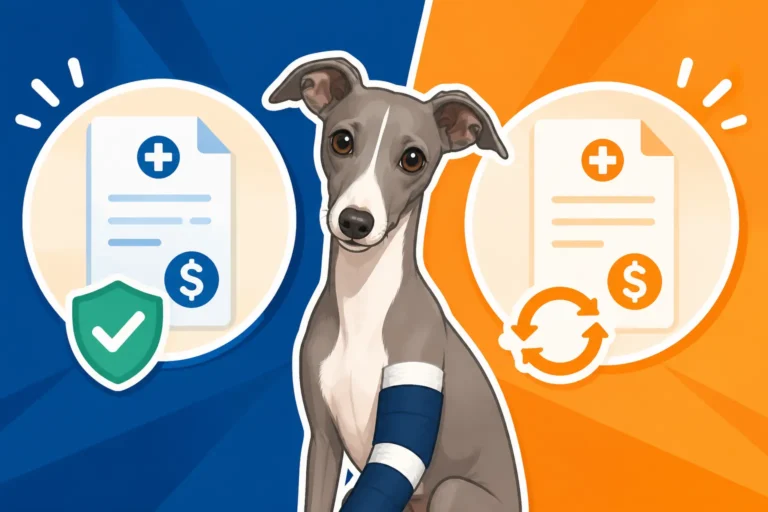
For most Italian Greyhound owners, an accident and illness plan is the gold standard for comprehensive coverage. These policies cover everything an accident-only plan does, plus a wide range of illnesses and conditions. This includes everything from minor ear infections and stomach upsets to major medical issues like cancer, diabetes, arthritis, and, crucially for Italian Greyhounds, chronic dental disease, thyroid conditions, or even epilepsy.
Given the Italian Greyhound's predisposition to several health challenges beyond just fractures – such as Periodontal Disease Is the Italian Greyhound's Most Common Diagnosis or potential for Epilepsy in an Italian Greyhound – an accident and illness plan provides a much more robust safety net. This means if your vet diagnoses something like hypothyroidism, the medication and ongoing care would likely be covered (after your deductible and according to your reimbursement rate).
While these plans come with a higher monthly premium than accident-only policies, they offer far greater protection against the full spectrum of veterinary expenses. Many owners find that the added cost is well worth the peace of mind, knowing that they won't have to make agonizing choices based on finances if their Italian Greyhound becomes seriously ill. When you consider What an Italian Greyhound Costs Over Fifteen Years, a comprehensive plan helps manage unpredictable health costs throughout their long life.
Adding Wellness and Routine Care Riders
Wellness riders, sometimes called preventative care add-ons, are optional extras you can attach to an accident and illness policy. These riders are designed to help with the predictable, routine costs of pet ownership that aren't typically covered by standard accident and illness plans. This can include annual wellness exams, vaccinations, parasite prevention (flea, tick, and heartworm medications), and often, dental cleanings.
For an Italian Greyhound, a wellness rider can be incredibly beneficial, especially considering their need for regular dental care. We know How Often an Italian Greyhound Needs a Dental Cleaning is often annually, and these costs add up. A rider that contributes to or fully covers a portion of these cleanings can offset the monthly premium. If you regularly use services from a platform like Chewy, you might notice they sometimes offer bundles or partnerships that encourage looking into comprehensive care, including preventative options.
It's important to weigh the cost of the wellness rider against the potential savings. Sometimes, the annual cost of the rider might be similar to what you'd pay out-of-pocket for routine care, but it can help spread out those costs into predictable monthly payments. For owners who are diligent about preventative health and want to budget for it, these riders can be a great option. Make sure to compare the specific benefits and exclusions of any wellness plan, as they vary considerably between providers.
Understanding the Financial Mechanics: Deductibles, Reimbursements, and Limits
Once you've decided on the type of coverage, you'll need to configure the financial structure of your policy. These aren't just abstract numbers; they directly impact your monthly premium and how much you'll pay out-of-pocket when your Italian Greyhound needs veterinary care. Getting a handle on deductibles, reimbursement rates, and annual limits is crucial for making an informed decision.
Your Deductible: The Amount You Pay First
The deductible is the amount of money you are responsible for paying toward your Italian Greyhound's veterinary bills before your insurance coverage kicks in. Think of it like the deductible on your car or home insurance. Most pet insurance policies offer a range of deductible options, typically from a few hundred dollars to over a thousand.
Generally, choosing a higher deductible will result in a lower monthly premium, and vice-versa. This is a trade-off many owners consider: do you want to pay less each month but potentially more upfront if an incident occurs, or pay more monthly for lower out-of-pocket costs at the time of treatment? For an Italian Greyhound owner, especially with the risk of high-cost emergencies like a broken leg, choosing a manageable deductible is essential. You want to be sure you can comfortably cover that amount when a crisis strikes.
Deductibles can also be structured in two main ways: annual or per-incident. An annual deductible means you pay that amount once per policy year, regardless of how many different conditions or accidents your dog has. A per-incident deductible means you pay that amount for each new condition or accident throughout the year. Most modern plans, especially those offered by leading providers like Healthy Paws, favor an annual deductible, which can be much more advantageous for pets with multiple issues or chronic conditions.
Reimbursement Rates: What Percentage Comes Back to You
After you've met your deductible, the reimbursement rate determines what percentage of the remaining eligible veterinary bill the insurance company will pay back to you. Common reimbursement rates typically range from 70% to 90%, with some providers offering 100% in certain circumstances.
For example, if your Italian Greyhound has a vet bill of $2,000, and you have a $250 annual deductible and an 80% reimbursement rate:
- You pay the first $250 (your deductible).
- The remaining eligible bill is $1,750 ($2,000 – $250).
- The insurance company reimburses you 80% of $1,750, which is $1,400.
- Your total out-of-pocket cost for this incident would be $250 (deductible) + $350 (20% of the remaining bill) = $600.
Choosing a higher reimbursement rate (e.g., 90%) means you'll get more money back, but it also means a higher monthly premium. A lower reimbursement rate (e.g., 70%) will lower your monthly premium but increase your out-of-pocket responsibility at the time of a claim. For Italian Greyhounds, where emergency costs can be extremely high (e.g., What Fracture Repair Costs on an Italian Greyhound can easily hit five figures), a higher reimbursement rate can be incredibly impactful on your finances during a crisis.
Annual Limits: Capping Your Coverage
The annual limit is the maximum amount of money the insurance company will pay out for your Italian Greyhound's eligible veterinary bills within a single policy year. These limits can range from a few thousand dollars to unlimited coverage.
Once you reach your annual limit, you are responsible for 100% of any further eligible veterinary costs for that policy year. Just like with deductibles and reimbursement rates, a higher annual limit (or unlimited coverage) will result in a higher monthly premium.
For a breed like the Italian Greyhound, which can incur very high costs for a single major event (like a complex fracture requiring multiple surgeries) or ongoing care for a chronic condition, a generous annual limit is often a wise choice. Imagine if your Iggy broke a leg, then needed follow-up surgery, and later developed a severe illness within the same year – a low annual limit could quickly be exhausted, leaving you exposed to significant additional costs. Some providers, including those found through resources like Chewy, may offer different tiers of annual limits.
It’s easy to think a $5,000 annual limit sounds like a lot, but a major orthopedic surgery or a prolonged cancer treatment can easily exceed that. When budgeting for your Italian Greyhound's potential health needs, consider how devastating it would be to hit that limit and still have bills to pay.
Here's a quick summary table of how these three components interact:
| Feature | Impact on Monthly Premium | Impact on Out-of-Pocket Cost at Claim Time | Considerations for Italian Greyhounds |
|---|---|---|---|
| Deductible | Higher Deductible = Lower Premium | Higher Deductible = More Paid Upfront | Choose a manageable amount for potential high-cost emergencies like fractures. |
| Reimbursement | Higher Rate = Higher Premium | Higher Rate = Less Paid Out-of-Pocket | Crucial for expensive treatments; 80-90% is often recommended. |
| Annual Limit | Higher Limit = Higher Premium | Higher Limit = More Coverage for Costly Events | Consider unlimited or high limits due to potential for very high vet bills. |
Comparing Providers and Making an Informed Choice for Your Italian Greyhound
Choosing the right pet insurance provider for your Italian Greyhound can feel overwhelming with so many options out there. It's not just about the monthly cost; it's about the reliability of the company, the ease of the claims process, and the specifics of their policy wording. Taking the time to compare thoroughly will pay off in the long run.
Researching Reputable Insurance Companies
When you start looking at pet insurance, you’ll find a landscape of different companies, each with their own strengths and weaknesses. It's not enough to simply pick the cheapest option; you need a provider that is financially stable, has a reputation for excellent customer service, and handles claims efficiently and fairly. A quick online search will reveal many well-known names. Healthy Paws is one such company often praised for its comprehensive coverage and quick reimbursement process. Many pet product retailers, like Chewy, also have partnerships or offer resources to explore various insurance providers.
Look for companies that are transparent about their policies, clearly outline exclusions, and have positive reviews from existing customers, especially those with small or sighthound breeds. Read through their sample policies, if available, and don't hesitate to call their customer service with any questions. A good indicator of a reputable company is one that understands the specific needs and potential vulnerabilities of Italian Greyhounds. You want to feel confident that if you face a major emergency, your insurance company will be there to support you without unnecessary hassle.
Navigating Exclusions and Waiting Periods
This is perhaps the most critical section of any pet insurance policy. Understanding what isn't covered and when coverage actually begins can prevent significant heartache and financial surprises down the road.
Exclusions: All pet insurance policies have exclusions. The most common exclusion is for pre-existing conditions – any illness or injury that occurred or showed symptoms before your policy started or during its waiting period. This is why insuring your Italian Greyhound when they are young and healthy is highly recommended. Other exclusions might include elective procedures, cosmetic surgeries, breeding costs, and sometimes, specific hereditary conditions if they have manifested before coverage began. For Italian Greyhounds, always check if there are any specific breed exclusions, though reputable providers generally cover common breed-specific issues.
Waiting Periods: Every pet insurance policy includes waiting periods – a specific amount of time from your enrollment date before certain types of coverage become active.
- Accident Waiting Period: This is usually the shortest, often just a few days to two weeks. This means if your Italian Greyhound breaks a leg two days after you enroll, it likely won't be covered.
- Illness Waiting Period: This is typically longer, ranging from 14 to 30 days.
- Orthopedic Waiting Period: Some policies, particularly those recognizing breed predispositions to conditions like patellar luxation or hip dysplasia, might have an extended waiting period for orthopedic issues, sometimes up to six or twelve months. This is particularly relevant for Italian Greyhounds with their delicate bone structure.
Make sure you know these waiting periods inside and out before you need to make a claim. There's nothing more frustrating than thinking you're covered only to find out you're still within a waiting period.
Beyond the Basics: Extra Perks and Unique Offerings
While core coverage is paramount, some providers offer additional benefits or features that might appeal to you. For instance, some companies offer multi-pet discounts if you insure more than one Italian Greyhound, which is a common scenario given their love of company! Others might offer direct vet pay, meaning they can pay the vet directly, reducing your upfront out-of-pocket expense, rather than you paying and waiting for reimbursement.
Some plans might include behavioral therapy coverage, which can be useful if your Italian Greyhound develops separation anxiety or other behavioral challenges. Certain food companies or subscription services, such as Ollie, cater to health-conscious pet owners and sometimes partner with insurance providers, or offer insights that align with proactive pet health. It's worth exploring if any such synergies exist that could benefit you.
Look for flexible payment options, easy-to-use online portals or mobile apps for submitting claims, and clear communication channels. While these aren't deal-breakers, they can certainly enhance your overall experience as an Italian Greyhound owner juggling their unique needs.
Is Pet Insurance Truly Worth the Monthly Cost for an Italian Greyhound?
This is the million-dollar question for many Italian Greyhound owners. When you see that monthly premium, it's natural to wonder if it's truly a smart investment, especially if your dog is currently healthy. But for a breed with such specific vulnerabilities and a potential for high-cost care, the value of pet insurance extends far beyond just crunching numbers.
The Priceless Value of Reduced Stress
Let’s be honest: the thought of an emergency vet bill is enough to make any Italian Greyhound owner's heart sink. These aren't just pets; they're family members. When something goes wrong – a sudden limp, a frightening cough, or the dreaded yelp of a broken bone – your first instinct is to get them the best care possible. Without insurance, that instinct often clashes with a harsh financial reality.
Imagine your Italian Greyhound needing immediate, specialized surgery for a fracture. We've talked about What an Italian Greyhound's Emergency Vet Visit Costs, and it's not a small sum. The stress of that situation is already immense, worrying about your dog's pain and recovery. Adding the crushing burden of an unexpected, multi-thousand-dollar bill can be overwhelming, forcing you to choose between your dog's optimal care and your family's financial stability.
Pet insurance significantly alleviates this stress. Knowing that a large portion of those unexpected costs will be covered allows you to focus on what truly matters: your Italian Greyhound's health and recovery. It’s the peace of mind that means you can make decisions based on what’s best for your dog, not just what you can afford at that moment.
Enabling Optimal Veterinary Care
Without pet insurance, financial constraints can inadvertently lead to compromises in veterinary care. Owners might delay seeking treatment for minor issues, hoping they'll resolve on their own, only for them to escalate into more serious, and more expensive, problems. Or, in a crisis, they might opt for a less expensive, but perhaps not ideal, treatment plan.
Consider an Italian Greyhound facing a complex orthopedic injury that requires a specialist surgeon. Without insurance, the owner might feel pressured to choose a general vet, even if the specialist offers a better prognosis. Or perhaps, when When Amputation Is Discussed for an Italian Greyhound due to a failed repair, the insurance would have covered the initial specialist surgery, potentially preventing the worst outcome. Insurance empowers you to say "yes" to the best diagnostics, the best treatments, and the best specialists, without having to deplete your savings or go into debt.
This doesn't just apply to emergencies. For chronic conditions, insurance can help cover ongoing medications, specialized diets (if prescribed by a vet), and regular check-ups, ensuring your Italian Greyhound maintains the highest quality of life possible. It means your vet can recommend the ideal course of action, and you can pursue it with confidence.
Long-Term Financial Planning and Stability
Italian Greyhounds, with proper care, can live long and healthy lives, often 14 to 15 years. We've seen discussions around Why an Italian Greyhound Lives Fourteen to Fifteen Years and Caring for an Italian Greyhound Past Eleven. Over such a long lifespan, it's almost inevitable that they will encounter some form of illness or injury, sometimes multiple times. These costs, both routine and emergency, can add up to a significant sum over more than a decade.
Pet insurance acts as a form of financial risk management. Instead of facing unpredictable, potentially huge bills that could strike at any time, you pay a consistent, predictable monthly premium. This allows you to budget for your Italian Greyhound's health care in a manageable way. It prevents the need for an emergency fund that might need to be replenished constantly or, worse, being caught unprepared. Many responsible owners create a budget for Budgeting for an Italian Greyhound's Broken Leg Before It Happens, and insurance is a structured way to do just that.
When you look at the total What an Italian Greyhound's Lifetime Dental Costs or the overall costs of owning an Iggy for their full lifespan, that monthly insurance premium starts to look like a very reasonable part of the equation. It's an investment in your dog's health, your financial stability, and your peace of mind, allowing you to enjoy all the wonderful years with your Italian Greyhound without constantly worrying about what medical challenge might be around the corner.
Disclaimer
This article is for general informational purposes only and does not constitute professional advice. Laws, prices and regulations vary by location and change over time. Consult a qualified professional for guidance on your specific situation.