How Shy an Italian Greyhound Is
It’s a common scenario for many Italian Greyhound owners: you’re out for a walk, or perhaps a guest comes to your door, and your usually playful, affectionate little companion suddenly transforms into a trembling, shrinking shadow. The question "How shy an Italian Greyhound is?" is one that often surfaces, and it's a completely valid concern. This breed, while undeniably charming and deeply devoted, often carries a sensitive streak that can manifest as profound shyness. This guide is here to walk you through understanding, recognizing, and gently nurturing your shy Italian Greyhound, helping them navigate a world that can often feel overwhelming to their delicate sensibilities.
Understanding the Italian Greyhound's Temperament
Italian Greyhounds are often described as elegant, loving, and intelligent. But tucked within that svelte, aristocratic package is a deeply sensitive soul. Their temperament is a unique blend of sighthound instincts and toy breed companionship, which often results in a dog that is both independent and incredibly attached to their chosen people. This attachment, while endearing, can sometimes be the very root of their shyness.
The Natural Inclination Towards Sensitivity
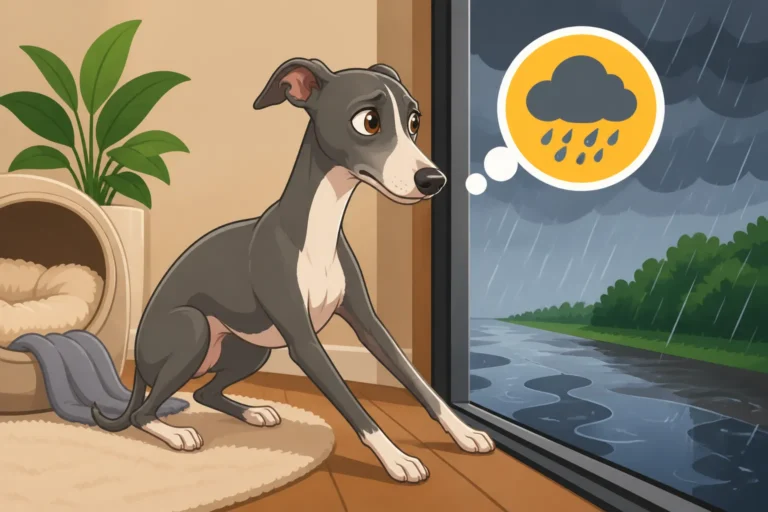
Think of an Italian Greyhound as the delicate flower of the canine world. They are not built for harshness, loud noises, or sudden changes. This isn't a breed that shrugs off startling experiences or adapts instantly to new environments. Their nervous system seems to be wired a little differently, making them highly attuned to their surroundings, the moods of their humans, and even subtle shifts in routine. What might be a minor inconvenience for another breed – a car backfiring, a new person entering the home, a sudden downpour – can be a deeply unsettling event for an Italian Greyhound. They often process these stimuli with a heightened sense of alert, which can quickly tip into apprehension or fear. This sensitivity is a defining characteristic, and understanding it is the first step in helping your IG thrive. Many owners find their Iggies are simply more reactive to things that other dogs take in stride, and it's not a flaw, but a trait of the breed.
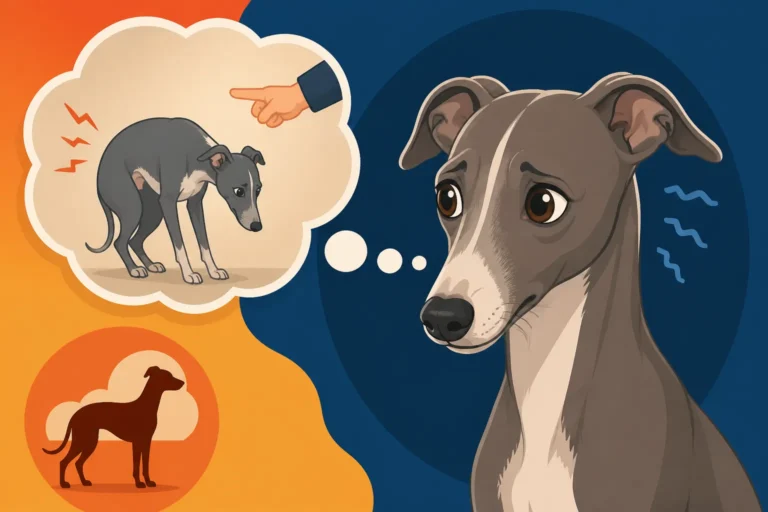
This natural sensitivity is also why they respond so poorly to harsh training methods or loud voices. If you've ever raised your voice at your Italian Greyhound, you've probably witnessed them completely shut down, perhaps tucking their tail, flattening their ears, and retreating to a safe spot. Why Raising Your Voice Sets an Italian Greyhound Back a Month is a harsh reality for owners of this particular breed. They learn through gentle repetition and positive reinforcement, not through fear or intimidation. Their fragile emotional state means that even well-intentioned but firm corrections can have lasting negative impacts, cementing a shy or fearful response rather than solving a behavioral issue. It’s crucial to remember that their reluctance isn't defiance; it's often a manifestation of their deeply ingrained sensitivity and desire to avoid conflict or perceived danger.
"Velcro Dog" Tendencies and Stranger Wariness
If you own an Italian Greyhound, you’re likely familiar with the term "Velcro dog." These little hounds are notorious for wanting to be constantly by your side, following you from room to room, and often finding their way under your blankets or right on top of you. This intense bond, while heartwarming, also contributes significantly to their wariness of strangers. Your Italian Greyhound sees you as their anchor, their protector, and their safe zone. When an unfamiliar person enters their space, they often perceive it as a potential threat to this secure attachment or an intrusion into their safe world. They don't have the boisterous, "everyone's my friend" attitude of many other breeds.
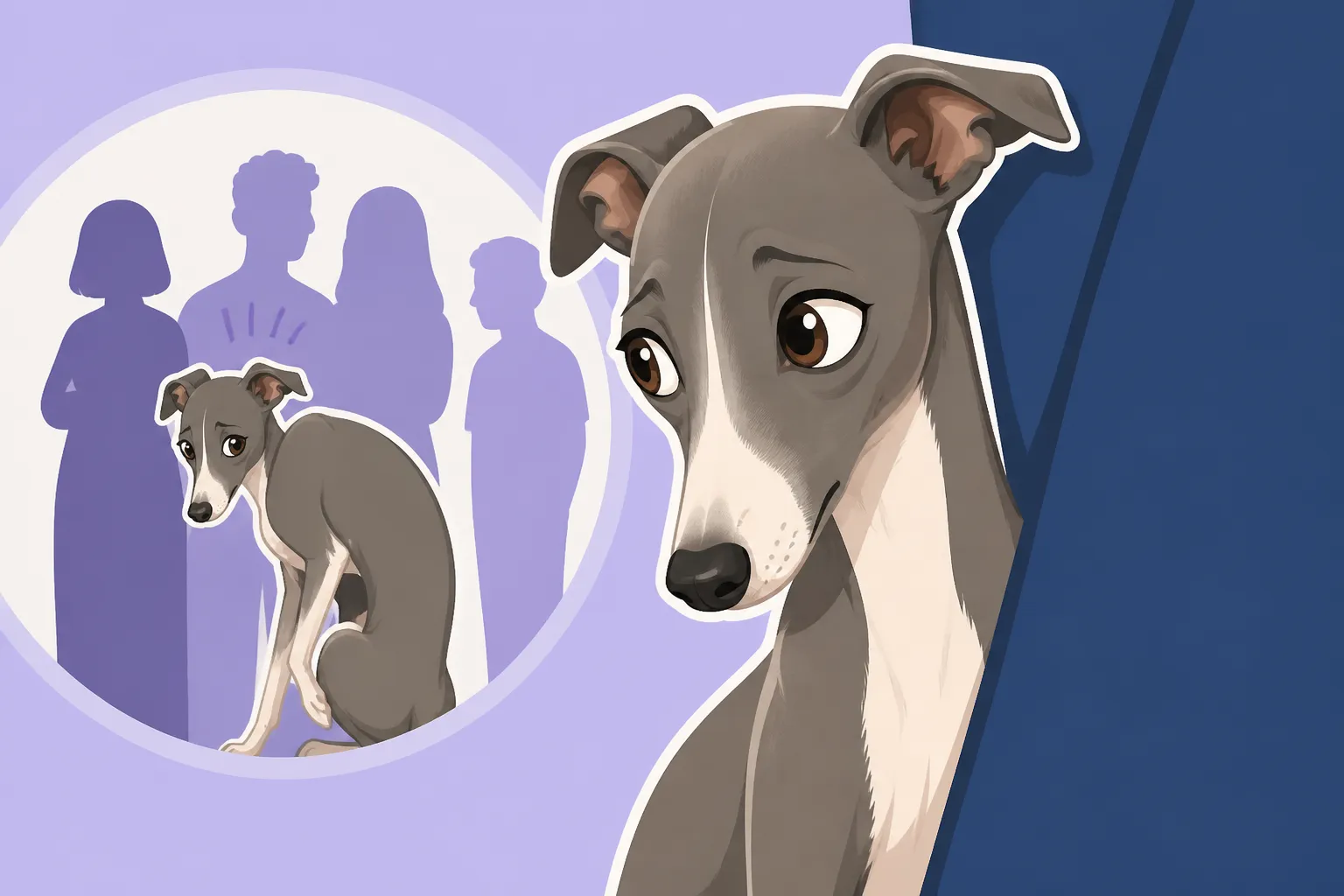
Their instinct is often to retreat, observe from a distance, or even hide behind their human. It’s not that they dislike people, but rather that new people represent an unknown, a potential disruption to their carefully constructed sense of security. This can make introductions tricky. A shy Italian Greyhound might initially bark or growl from a safe distance, not out of aggression, but out of fear and a desire to make the stranger go away. Over time, and with very gentle, patient introductions, they might cautiously approach, but it's rarely with the immediate exuberance you'd see in a Golden Retriever, for instance. Expecting them to be outgoing with everyone they meet sets both you and your dog up for disappointment. Instead, embrace their unique way of connecting and understand that their loyalty runs deep, even if it means being a bit reserved with outsiders. This bond is precisely why The Velcro Dog: What Constant Company Means With an Italian Greyhound is such a defining trait of the breed.
Recognizing the Signs of Shyness in Your Italian Greyhound
Understanding that Italian Greyhounds can be shy is one thing, but knowing exactly what that looks like in your individual dog is another. Shyness isn't always overt, dramatic trembling; it can be subtle, manifesting in a myriad of ways. Learning to read your Italian Greyhound's body language is key to providing them with the support they need before their shyness escalates into full-blown fear or anxiety.
Body Language Cues to Watch For
Italian Greyhounds are masters of subtle communication. Their sleek, unadorned bodies make their cues particularly clear if you know what to look for. When an Italian Greyhound feels shy or uncomfortable, their posture often changes significantly. You might see their tail tucked tightly between their legs, almost disappearing from view. Their ears, usually pricked or semi-pricked in an alert fashion, might flatten back against their head or hang low. Their head might drop, avoiding eye contact, or they might turn their head away completely, signaling a desire to disengage. A shy Italian Greyhound might also shrink their body, hunching slightly, making themselves appear smaller, as if trying to become invisible. They may lick their lips repeatedly, yawn excessively when not tired, or even paw at their face – these are all displacement behaviors, signs of stress and unease.
Another common sign is freezing. A shy IG might suddenly become stiff and unmoving, standing rigid with wide, unblinking eyes, indicating they're overwhelmed and unsure how to react. They might also try to put a physical barrier between themselves and the perceived threat, whether that's hiding behind your legs, under a chair, or retreating to a corner of the room. This isn't just a puppy trying to play hide-and-seek; it's a clear signal that they are feeling vulnerable and seeking safety. Ignoring these early signs can lead to increased anxiety, making future interactions even more challenging. Being observant of these quiet indicators can help you intervene gently and redirect them to a more comfortable space or situation. For more specific examples, observing How an Italian Greyhound Greets a Stranger can reveal a lot about their comfort levels.
Here's a quick comparison of behaviors to help you distinguish between a shy and a more confident Italian Greyhound:
| Behavior Type | Shy Italian Greyhound | Confident Italian Greyhound |
|---|---|---|
| Body Posture | Hunched, tail tucked, low head, avoids eye contact, may freeze | Relaxed stance, tail up (loose wag or relaxed curve), curious head tilt, makes eye contact |
| Vocalizations | Whimpering (soft), soft growls (rare, out of fear), mostly silent, may bark nervously from a distance | Soft, inquiring barks for attention, playful yips, generally quiet unless alerting |
| Movement | Retreats, hides, slow hesitant approach (if at all), avoids direct interaction, seeks escape | Approaches readily, explores new areas, loose and fluid gait, seeks interaction |
| Interaction | Avoids touch, flinches from sudden movements, tries to get away, may snap if cornered out of fear | Seeks attention, enjoys petting, leans into touch, relaxed during interaction with trusted people |
| New Situations | Trembles, excessive panting, seeks hiding spots, refuses to move, may have accidents | Curious sniffing, watches surroundings calmly, gradual exploration, seeks reassurance from owner |
Vocalizations and Retreating Behavior
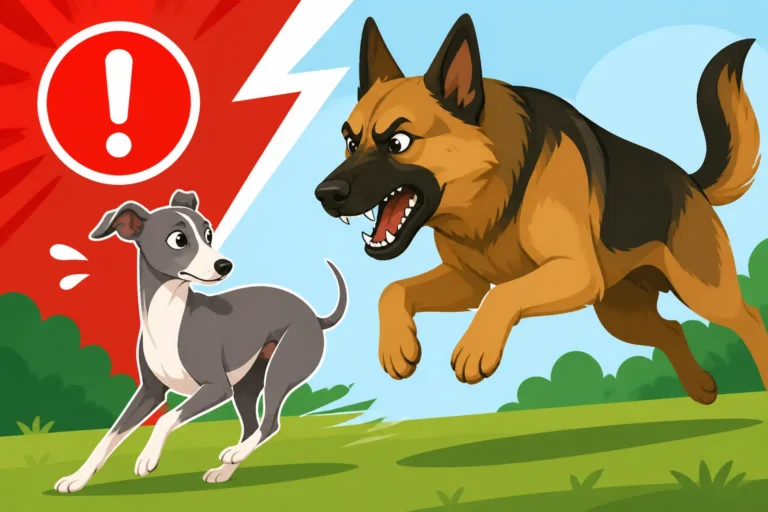
Beyond body posture, a shy Italian Greyhound will often express their discomfort through specific vocalizations and a strong inclination to retreat. When faced with something unsettling, you might hear a low, soft whine or whimper, almost as if they are trying not to draw too much attention to themselves while still expressing distress. Some shy Iggies might also let out a series of nervous, high-pitched barks, particularly if a stranger approaches too quickly or tries to engage them directly. This barking isn't usually aggressive in the traditional sense, but rather a "stay away" warning rooted in fear. It’s their way of saying, "I'm scared and I need space."
The most common and definitive sign of shyness, however, is their retreating behavior. This might look like them scooting under furniture, trying to hide behind your legs or another person, or making a beeline for their crate or a secluded bed. They’re seeking a safe haven, a place where they feel protected from the perceived threat. It’s crucial to respect this need for space and not force them into interactions. Dragging a shy IG out from under a chair to "be friendly" will only exacerbate their fear and distrust. Instead, create safe zones for them in your home. This could be a designated crate with a cozy blanket, or a snuggle sack on a favorite sofa. Recognizing and allowing them to retreat is a vital part of building trust and helping them feel secure. Providing ramps and steps for an Italian Greyhound's furniture can also help them access these safe spaces easily without having to jump, which is good for both their emotional and physical well-being.
What Contributes to an Italian Greyhound's Shyness
Understanding why an Italian Greyhound might be shy is just as important as recognizing the signs. It’s rarely a simple answer and often involves a complex interplay of genetic predisposition, early life experiences, and environmental factors. Untangling these threads can help owners develop a more effective and empathetic approach to managing their dog's shyness.
The Role of Genetics and Early Socialization
Unfortunately, genetics can play a significant role in how shy or confident an Italian Greyhound naturally is. Just like people, some dogs are simply born with a more anxious or sensitive temperament. If one or both parents of your Italian Greyhound had shy tendencies, there's a higher chance their offspring might inherit similar predispositions. Responsible breeders go to great lengths to breed for sound temperaments, aiming to produce puppies that are confident and well-adjusted. However, even with the best intentions, a puppy can still lean towards shyness. This isn’t a fault of the breeder, but rather a reflection of the intricate nature of genetics.
Equally critical, and often intertwined with genetics, is the impact of early socialization. The period from about 3 to 16 weeks of age is a crucial window for puppy development. During this time, positive exposure to a wide variety of sights, sounds, people, and other friendly dogs helps build a puppy's confidence and resilience. Puppies raised in isolation, or those who didn't experience enough gentle and positive exposure during this formative period, are far more likely to develop shyness, fear, or anxiety later in life. A puppy mill or backyard breeder situation, where puppies are often kept in deprived environments, can result in severely undersocialized Italian Greyhounds who struggle immensely with shyness. Even in a good home, if the owner isn't actively working on socialization during this critical window, a naturally sensitive IG puppy can quickly become fearful of the world outside their immediate family. This early period is vital for shaping The First Year With an Italian Greyhound Puppy, laying the groundwork for their future behavior.
Impact of Negative Experiences and Environment
Beyond genetics and early socialization, specific negative experiences can profoundly impact an Italian Greyhound's confidence and contribute to shyness. A single traumatic event, such as a scary vet visit, a fall, a loud argument, or an unpleasant encounter with another dog, can cement a shy or fearful response that takes considerable time and effort to undo. Because Iggies are so sensitive, what might seem like a minor incident to us can be deeply scarring for them. They remember these things, and their instinct is to avoid similar situations in the future, often by retreating or showing signs of discomfort.
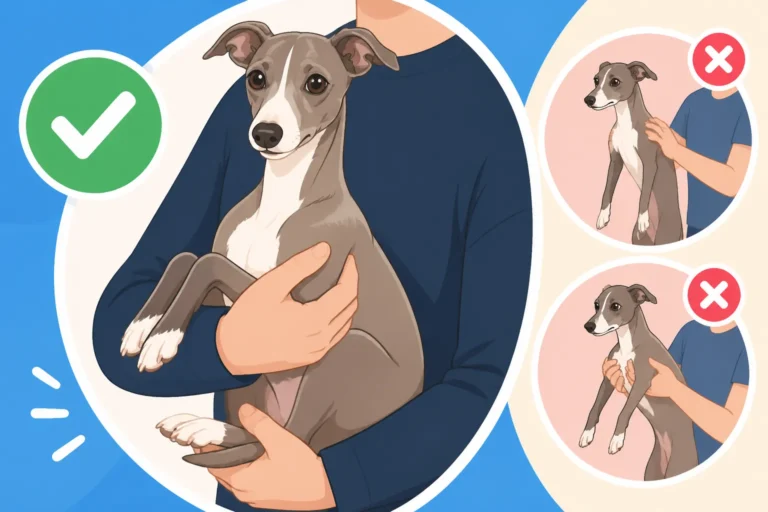
Their environment also plays a huge role. A chaotic household with constant loud noises, unpredictable routines, or frequent changes can be incredibly stressful for an Italian Greyhound. They thrive on predictability and a calm, stable environment. Living in a busy city apartment might be fine for some, but a shy IG might struggle with the constant influx of new sounds, smells, and strangers. Similarly, living with children who don't understand how to interact gently with a small, delicate dog can be a source of ongoing stress, leading to a shy dog who tries to avoid interaction. Why Children Should Not Carry an Italian Greyhound is a critical piece of advice, as an accidental drop can not only cause a broken leg but also psychological trauma that heightens shyness. Even subtle changes, like moving furniture or having new smells introduced, can cause an already shy IG to become more withdrawn. Creating a stable, safe, and positive environment is paramount for helping these sensitive dogs feel secure enough to let their true personalities shine.
Strategies for Helping a Shy Italian Greyhound Build Confidence
It can be incredibly disheartening to watch your beloved Italian Greyhound shrink away from new experiences or people. But the good news is that shyness, while often deeply ingrained, is not necessarily a life sentence. With patience, consistency, and the right approach, you can absolutely help your shy Italian Greyhound build confidence and navigate the world with greater ease.
Gentle Socialization and Positive Reinforcement
The key to helping a shy Italian Greyhound is gentle, controlled, and positive socialization. Forget the idea of throwing them into a busy dog park or forcing them to "meet everyone." That approach will likely backfire spectacularly. Instead, think about small, manageable steps. Start by identifying what triggers their shyness. Is it new people? Loud noises? Other dogs? Then, gradually and carefully expose them to these triggers in a controlled environment, always ensuring their safety and comfort.
For example, if new people are a trigger, arrange for a friend to visit who understands the situation. Have them sit quietly, ignoring your Italian Greyhound, perhaps reading a book. Allow your IG to approach on their own terms, rewarding any curiosity with high-value treats (think tiny pieces of cooked chicken or cheese). Never let the person reach out or force interaction. Let your IG initiate. Repeat this process with different calm individuals, making every encounter a positive, low-pressure experience. You can find excellent resources for positive reinforcement training on platforms like BAXTER & Bella, which offers comprehensive online puppy and dog training that emphasizes building confidence and positive associations. Their approach aligns perfectly with the sensitive nature of Italian Greyhounds. For dealing with shyness, understanding What Motivates an Italian Greyhound is crucial, as using their preferred rewards can make a huge difference in their willingness to engage.
This approach applies to other triggers too. If noises are an issue, try playing desensitization sounds quietly at first, slowly increasing the volume over time, always paired with delicious treats and praise. For dogs, a long-line leash walk in a quiet park where they can observe from a distance, rather than be rushed into meeting, is far more beneficial. Always celebrate their small victories, even if it's just looking at something new without retreating. Every positive interaction, no matter how brief, chips away at their shyness and builds a foundation of trust. Remember, patience is your most important tool here; don't rush, and always prioritize your Italian Greyhound's comfort.
Creating a Safe and Predictable Home Environment
Your home should be a sanctuary for your Italian Greyhound, a place where they feel completely secure and understood. For a shy IG, predictability is a powerful antidote to anxiety. Establishing a consistent daily routine for feeding, walks, potty breaks, and playtime can significantly reduce stress. When they know what to expect, they feel more in control and less prone to nervousness. Sudden changes, even minor ones, can be deeply unsettling for them.
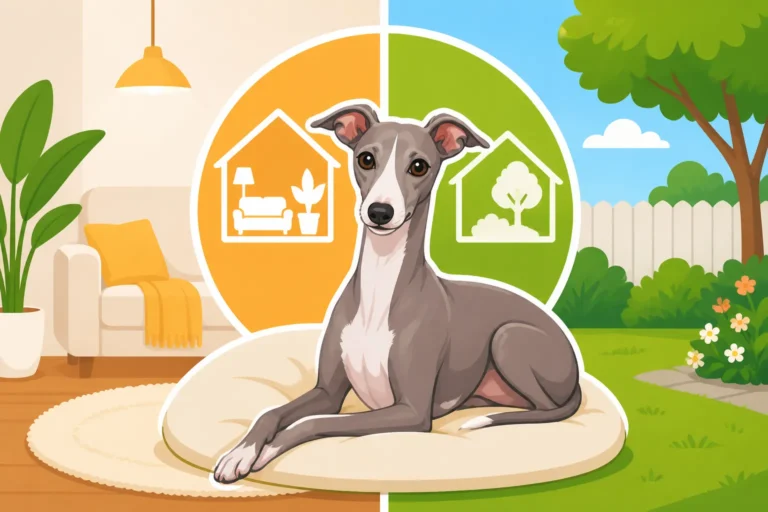
Beyond routine, ensure your home offers plenty of safe, cozy spots where your Italian Greyhound can retreat when they feel overwhelmed. This could be a soft bed in a quiet corner, a dog cave, or a Crating an Italian Greyhound Overnight setup that is their personal den. Many Iggies adore snuggle sacks and burrow beds, which offer a sense of security and warmth. Make sure these spots are respected by everyone in the household, especially children. They should understand that when your IG is in their safe space, they need to be left alone. Consider items like an orthopedic bed which protects their delicate joints and offers ultimate comfort, or perhaps a heated bed if your IG is particularly prone to feeling the cold. Why an Italian Greyhound Needs Blankets is a common topic because of their sparse coats, but for a shy dog, blankets also provide a sense of security and a place to hide.
Minimize loud noises and sudden movements where possible, especially around your Italian Greyhound. If you know guests are coming, or there will be a lot of activity, prepare a quiet room for your IG where they can relax away from the commotion. Always ensure they have access to fresh water and their favorite toys. The goal is to create an environment where they feel safe, loved, and understood, empowering them to eventually explore the world with a little more confidence, knowing they always have a secure retreat to return to.
Living with a Shy Italian Greyhound
Embracing the reality of a shy Italian Greyhound means adjusting your expectations and lifestyle to meet their unique needs. It's not about "fixing" them entirely, but rather about learning to navigate the world together in a way that minimizes stress and maximizes their happiness. This often involves a commitment to ongoing management and a deep well of empathy.
Managing Daily Interactions and Public Outings
Living with a shy Italian Greyhound means being their advocate in every situation. When guests come over, you are responsible for managing the interaction to ensure your IG feels safe. This might mean having guests initially ignore your dog, or even keeping your IG in a separate room until they are comfortable enough to venture out on their own. Politely explain your dog's sensitive nature and ask friends and family to respect their space. Encourage them to offer treats gently, without direct eye contact or sudden movements. Remember, a forced interaction is rarely a positive one for a shy dog.
Public outings require careful planning. Avoid overly crowded or noisy places, especially in the early stages of building confidence. Opt for quiet parks during off-peak hours or gentle walks in less populated areas. Always keep your Italian Greyhound securely on a leash and harness. Due to their strong prey drive and speed, Why an Italian Greyhound Cannot Be Trusted Off Leash, Ever is a rule that should never be broken, but it’s doubly important for a shy dog who might bolt if startled. If you use a harness, ensure it's a secure, sighthound-specific one that they can't slip out of if they panic. Sometimes, a simple car ride to a quiet spot for a short sniff-walk is a huge accomplishment. For travel, understanding How an Italian Greyhound Rides in a Car is crucial to make the experience as stress-free as possible. You might find comfort items like a familiar blanket or a special treat from Amazon can help them feel more secure in unfamiliar environments. Celebrate small victories, like a walk where they seemed less anxious, and don't push them beyond their comfort zone.
Patience, Understanding, and Long-Term Support
Perhaps the most crucial aspect of living with a shy Italian Greyhound is an endless supply of patience and understanding. Progress will not be linear. There will be good days where your IG seems to take a leap forward, and then there will be days where they regress, acting shyer than ever. This is normal, and it's vital not to get discouraged or frustrated. Frustration on your part will only feed into their anxiety, creating a negative feedback loop. Instead, meet them where they are each day.
Long-term support means consistently applying the strategies we’ve discussed: gentle socialization, positive reinforcement, and a predictable, safe home environment. It means continuing to be their protector and advocate, understanding that their shyness is a part of who they are, not a flaw to be eradicated. It’s about building a bond of trust so deep that even when they’re scared, they look to you for reassurance. Remember that your Italian Greyhound may never be the life of the party, and that's perfectly okay. Their quiet affection and deep devotion are gifts in themselves. By providing consistent love and support, you’ll help your shy IG develop into the most confident version of themselves, allowing them to experience joy and security in their own unique way. This journey often involves helping them How an Italian Greyhound Adjusts to a New Home, especially if they are a rescue, which can add another layer of challenges.
When Shyness Becomes More Than Just Timidity
While shyness is a common trait in Italian Greyhounds, it's important to distinguish between a naturally reserved temperament and a more serious underlying issue like fear or anxiety. Sometimes, what starts as mild shyness can escalate, or it might be indicative of something deeper that requires more targeted intervention. Recognizing this distinction is key to providing your Italian Greyhound with the most appropriate care and support.
Distinguishing Shyness from Fear and Anxiety
Shyness, at its core, is often a cautious reserve, a reluctance to engage immediately, and a preference for observation from a safe distance. A shy Italian Greyhound might initially retreat but can, with patience and positive reinforcement, eventually warm up to new situations or people. They might still be hesitant, but their overall demeanor doesn't suggest extreme distress or panic.
Fear and anxiety, however, manifest with a greater intensity and can be far more debilitating. A fearful Italian Greyhound might not just retreat; they might tremble uncontrollably, pant excessively, drool, or even lose bladder or bowel control. They might exhibit active avoidance behaviors, trying desperately to escape a situation. This can sometimes escalate to fear aggression, where they might snap or bite if they feel trapped and unable to escape. This is not true aggression, but rather a desperate attempt to create space and protect themselves. Signs an Italian Greyhound Has Separation Anxiety can often be mistaken for general shyness, but it's a specific form of anxiety with distinct symptoms that manifest when left alone. A truly anxious Italian Greyhound might also display destructive behaviors, excessive vocalization, or repetitive actions (like compulsive licking) even when the trigger isn't present, indicating a pervasive state of unease.
The key differentiator is the level of distress and the ability to recover. A shy IG will eventually calm down once the trigger is removed or they feel safe. A fearful or anxious IG might take a very long time to de-escalate, or their anxiety might persist even after the perceived threat is gone. It’s a spectrum, of course, but knowing where your dog falls on that spectrum helps you choose the right path forward.
Seeking Professional Guidance
If you suspect your Italian Greyhound's shyness is veering into true fear or anxiety, or if their behaviors are impacting their quality of life (or yours), it's absolutely time to seek professional guidance. This is not a sign of failure on your part, but rather a responsible step towards helping your beloved companion. The first stop should always be your veterinarian. They can rule out any underlying medical conditions that might be contributing to behavioral changes, such as pain, thyroid issues, or neurological problems. They can also discuss potential anxiety medications if the situation is severe.
Beyond medical evaluation, consulting with a certified professional dog trainer or a veterinary behaviorist is invaluable. These professionals have specialized knowledge in canine behavior and can help you create a tailored behavior modification plan. A qualified trainer, particularly one experienced with sighthounds and positive reinforcement, can teach you techniques for counter-conditioning and desensitization that are specifically designed to help fearful dogs. They can observe your Italian Greyhound's behavior in real-time and provide personalized strategies that you might not have considered. For persistent anxiety or phobias, a veterinary behaviorist can offer a deeper understanding of the neurological and physiological underpinnings of the behavior, often combining behavioral therapy with medication if necessary. Don't hesitate to reach out; these experts are there to help you and your Italian Greyhound lead a happier, more confident life.
This article is for general informational purposes only and does not constitute professional advice. Laws, prices and regulations vary by location and change over time. Consult a qualified professional for guidance on your specific situation.