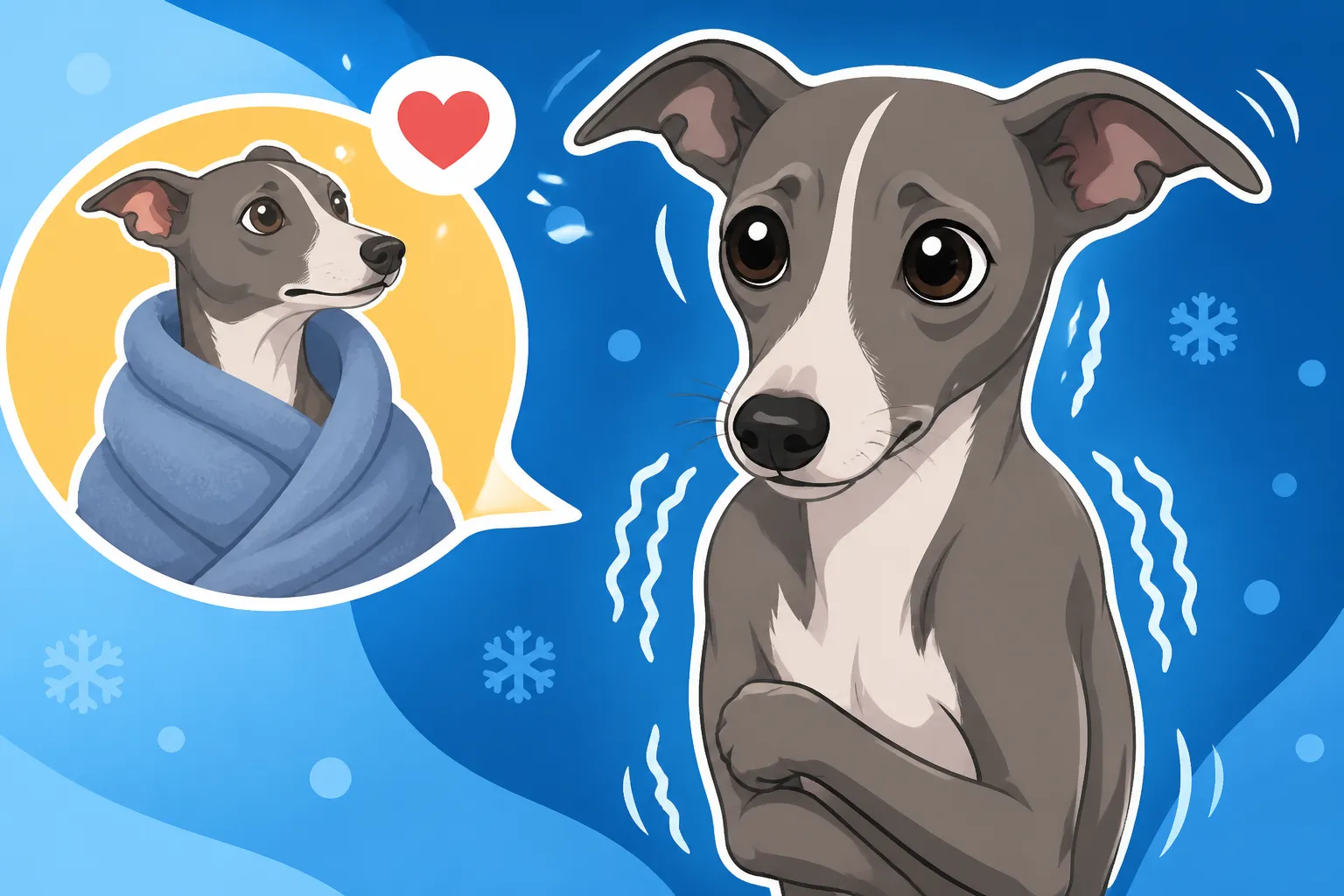
When an Italian Greyhound Starts Shivering
One of the most common sights for any Italian Greyhound owner is that distinctive little shiver. It’s a moment that can instantly send a wave of concern through you, making you wonder if they're cold, scared, or something more serious is going on. This guide will walk you through all the reasons your beloved Italian Greyhound might be shivering, from environmental factors to emotional responses and even health concerns, so you can better understand and care for your delicate companion.
Understanding the Italian Greyhound's Unique Physiology
Italians Greyhounds are, without a doubt, one of the most elegant and endearing breeds, but their unique physical characteristics also make them incredibly susceptible to the cold. It’s not just a stereotype; there are very real biological reasons why your Iggy might be shaking like a leaf when other dogs seem perfectly content. Understanding these fundamental differences is the first step to ensuring their comfort and well-being.
Lack of Body Fat and Thin Skin
Imagine trying to stay warm without any insulation. That’s essentially what your Italian Greyhound faces every day. Unlike many other breeds that come equipped with layers of fat beneath their skin, Iggies are remarkably lean. They are built for speed and agility, not for enduring harsh climates. Their sleek, streamlined bodies, while beautiful to behold, simply don't store much in the way of subcutaneous fat. This isn't a sign of ill health, but rather a characteristic of their sighthound build. They carry Seventeen Percent Body Fat, which is considerably less than many other breeds.
Think of it this way: fat acts as a natural insulator, trapping body heat and preventing it from escaping. Without this protective layer, an Italian Greyhound's body heat dissipates much more quickly. Their skin, too, is incredibly thin and fine, almost like parchment. This makes them feel every little change in temperature acutely. It's a double whammy: less natural insulation and a highly sensitive outer layer that registers cold air, cool surfaces, or a brisk breeze almost instantly. This sensitivity is often why you’ll find them burrowed deep under blankets or snuggled tightly against you, seeking out any available warmth. It's not just them being "needy" – it's a genuine physiological need for warmth.
Minimal Coat for Insulation
Beyond the lack of body fat, let's talk about that gorgeous, short coat. Italian Greyhounds boast a wonderfully soft, short, and fine coat that practically feels like velvet. While it's incredibly low maintenance when it comes to grooming — truly, a five-minute-a-week job at most – it offers almost no protection against the cold. It's essentially a single layer of fine hair, lacking the dense undercoat or coarse guard hairs that many cold-weather breeds possess.
Compare it to a husky or a Newfoundland, who have thick, multi-layered coats designed to shed snow and ice and keep them toasty in freezing temperatures. Your Iggy's coat is the polar opposite. It provides very little barrier against the cold air, wind, or even just a cool breeze wafting through an open window. This is Why an Italian Greyhound Cannot Hold Its Own Heat efficiently. Their bare bellies and chests are particularly vulnerable, often lacking even that thin layer of hair. So, when you see your Italian Greyhound start to shiver, it's a very clear signal that their natural defenses against the cold are insufficient, and they are actively struggling to maintain their core body temperature. They're telling you, in no uncertain terms, "I'm cold!"
Environmental Triggers: When the Temperature Drops
For an Italian Greyhound, the world can often feel like one big draft. Their delicate build means they react much more acutely to temperature changes than many other dogs. What might feel like a pleasant autumn breeze to you could be a bone-chilling gust for your Iggy, sending them into a shivering fit. It’s crucial for owners to recognize these environmental triggers and understand just how sensitive these little sighthounds truly are.
The "Magic Number" for Shivering
There isn't one single "magic number" on the thermometer that triggers shivering in every Italian Greyhound, as individual tolerance can vary slightly based on age, health, and activity level. However, a good rule of thumb is that once the ambient temperature drops below about 65-68°F (18-20°C), you should start being mindful of your Iggy's comfort. Many Italian Greyhounds will begin to feel noticeably chilly and start to shiver when the temperature dips into the low 60s or even upper 50s Fahrenheit (around 15-18°C). If you're standing in your living room in a t-shirt and feeling a bit cool, your Iggy is likely already quite cold.
For puppies, senior Iggies, or those recovering from illness, this threshold can be even higher. A young puppy, still developing its thermoregulation, might shiver at temperatures that an adult Iggy tolerates slightly better. Similarly, an older Italian Greyhound might find even moderate coolness uncomfortable because their metabolism has slowed and their ability to generate and retain heat decreases with age. The Indoor Temperature an Italian Greyhound Starts Shivering At can actually be quite high compared to what you'd expect for a robust, furry dog. It's not uncommon for an Iggy to shiver even indoors if the thermostat is set to what humans consider a comfortable 70°F (21°C) but there's a draft, or they're lying on a cool tile floor.
Cold Weather Exposure Indoors and Outdoors
Whether they're inside or out, Italian Greyhounds are vulnerable to cold exposure. Indoors, drafts are a huge culprit. Picture your Iggy curled up on their favorite dog bed near a window or door. Even if the room temperature is technically fine, a subtle draft can cause them to shiver uncontrollably. Hardwood or tile floors, while easy to clean, offer no insulation and can quickly draw heat away from their thin bodies. This is why you'll often see them seeking out sunny spots on the rug, or trying to burrow under blankets and pillows on the sofa. They're instinctively trying to find warmth and avoid heat loss to cold surfaces. Consider adding more rugs or providing soft, plush beds in every common area to give them warm options.
Outdoors, the cold presents an even greater challenge. Even on a seemingly mild day, a brisk wind can cut through their thin coat almost immediately. Forget about snowy days or freezing temperatures without proper protection; an Iggy would be shivering violently within minutes. For a short potty break, they might manage briefly, but prolonged exposure for a walk or playtime without a coat is simply not an option. How Long an Italian Greyhound Lasts Outdoors at Twenty Degrees is not long at all before they risk hypothermia. Even rain or dampness, which increases heat loss, can bring on shivering quickly, which is why many Italian Greyhounds absolutely loathe going out in wet weather. This is why specialized clothing isn't a fashion statement for an Iggy; it's a necessity for their health and comfort.
Beyond Temperature: Other Causes of Shivering
While cold is the most obvious reason an Italian Greyhound might shiver, it’s not the only one. These sensitive little dogs can also shiver due to strong emotions, whether positive or negative, and sometimes, shivering can even be a subtle sign of an underlying health issue. It’s important to learn to differentiate between these various causes so you can respond appropriately.
Fear, Anxiety, and Stress-Induced Shivering
Italian Greyhounds are known for their sensitive, often timid natures. They can be prone to anxiety, and one of their most common physical manifestations of stress or fear is shivering. Imagine a loud unexpected noise, like a sudden clap of thunder, a slamming door, or a passing siren – your Iggy might immediately start trembling, even if they're warm and cozy. They might also shiver if they're in an unfamiliar environment, like a vet's office, or meeting new people or dogs that make them feel uneasy.
This kind of shivering is often accompanied by other body language cues: a tucked tail, flattened ears, wide eyes, lip licking, yawning, or trying to hide behind your legs. It's their way of communicating that they are feeling overwhelmed or threatened. If you notice your Iggy shivering in a situation that isn't cold, take a moment to assess their environment for potential stressors. Loud noises, new visitors, strange smells, or even changes in routine can all trigger anxiety in these delicate dogs. The best response is usually to remove them from the stressful situation if possible, offer gentle reassurance, and create a calm, safe space for them to decompress. Remember, What a Raised Voice Does to an Italian Greyhound is often to make them shut down or become more anxious, so calm, soft tones are always best.
Excitement and Anticipation
On the flip side, Italian Greyhounds can also shiver from sheer joy and excitement! This is a much more pleasant type of tremor to witness. You might see this when you grab their leash for a walk, open a bag of their favorite treats, or when you walk through the door after being away. They're so utterly thrilled that their little bodies just can't contain their enthusiasm, and it manifests as an excited tremor.
This kind of shivering is usually accompanied by a wagging tail, bright eyes, a happy little dance, and possibly some happy vocalizations like whines or little barks. It's a completely normal and endearing part of their personality. There’s no need for concern when you see this; it simply means your Iggy is incredibly happy about what’s happening or about to happen. It's a testament to their vibrant, affectionate nature. They might even get The Indoor Zoomies an Italian Greyhound Gets and run around like mad, burning off that excess energy.
Pain or Illness
While less common than cold or emotional reasons, shivering can sometimes be a sign that your Italian Greyhound is experiencing pain or is feeling unwell. This is where it's crucial to be observant and know your dog's normal behavior. If your Iggy is shivering persistently, especially when they are warm and calm, and there are no obvious external stressors, it's time to pay closer attention.
Shivering due to pain or illness might be accompanied by other symptoms, such as lethargy, loss of appetite, vomiting, diarrhea, limping, tenderness when touched, or changes in their breathing. If you notice persistent shivering along with any of these other signs, it's a strong indication that a vet visit is in order. Conditions like an upset stomach, a fever, certain neurological issues (like early signs of Epilepsy in an Italian Greyhound), or even internal pain can all cause shivering. Because Italian Greyhounds are so delicate and can be prone to accidents like broken bones, an injury that causes subtle pain might also manifest as shivering. If you have any doubt, particularly if the shivering is sudden, unexplained, or accompanied by other concerning symptoms, always err on the side of caution and contact your veterinarian. It’s always better to be safe than sorry when it comes to your pet's health.
Practical Solutions to Keep Your Italian Greyhound Warm and Comfortable
Once you understand why your Italian Greyhound shivers, the next step is proactive care. Keeping these little sighthounds cozy and content isn't just about throwing a blanket on them when they're cold; it's about creating an environment and routine that caters to their unique needs. It’s daily work, not just a winter job, as their bodies constantly struggle to regulate temperature.
The Importance of Appropriate Clothing
For an Italian Greyhound, clothing is not a luxury; it’s a necessity. Their lack of body fat and fine coat mean they truly struggle to stay warm in even moderately cool temperatures. Investing in a wardrobe of sweaters and coats is one of the most effective ways to prevent shivering, both indoors and out. For indoor wear, lightweight sweaters made of fleece or soft knits are perfect. They provide that crucial extra layer of insulation without being too bulky, helping to maintain their core temperature even if there’s a slight draft in the house. You might be surprised When an Italian Greyhound Needs a Sweater Indoors, even when you feel perfectly comfortable.
When heading outdoors, even for a quick potty break, a proper coat is essential. Look for coats that are designed specifically for sighthounds, as their deep chests and narrow waists mean many standard dog coats won't fit well or provide adequate coverage. Brands like Chilly Dogs, Voyagers K9 Apparel, or even custom makers found on platforms like Etsy (or through larger pet retailers like Chewy or Amazon) often carry excellent options tailored to their unique shape. A good coat should cover their back, chest, and belly, offering maximum warmth. For colder temperatures, a waterproof and insulated winter coat is critical. Don't forget extremities: some Italian Greyhounds will also benefit from Which Boots Stay On an Italian Greyhound if you're out in snow or on salted sidewalks, though getting them to tolerate boots can be a training challenge! Think about layers: a thin sweater under a heavier coat can provide extra warmth for truly cold days.
Creating a Warm Indoor Environment
Your home should be a haven of warmth for your Italian Greyhound. Start with the overall ambient temperature. While you might be comfortable at 70°F (21°C), your Iggy might still be chilly. Aim for a slightly warmer setting, or at least ensure they have plenty of options to get warm. Drafts are silent enemies; check windows and doors for leaks and consider using draft stoppers. If your Iggy sleeps in a room with a cooler temperature, they absolutely need extra bedding.
Speaking of bedding, plush, soft, and insulating beds are non-negotiable. Forget sparse mats or thin blankets; Italian Greyhounds need deep, cozy beds where they can burrow. Orthopedic beds are not only great for their delicate joints as they age but also provide excellent insulation from cold floors. Many Iggies adore "snuggle sacks" or beds with hoods, which allow them to completely disappear into a warm, dark space. Providing a variety of warm spots throughout the house is also key: a dog bed in the sunny spot by the window, another by the fireplace, and of course, permission to snuggle on the sofa under a blanket with you. Whether a Heated Bed Is Safe for an Italian Greyhound is a common question, and yes, many Iggies love them, but always ensure it's a pet-safe product designed for continuous use and monitor for overheating.
Limiting Cold Exposure Outdoors
Even with the best coat, prolonged outdoor exposure in cold weather is detrimental to an Italian Greyhound. Short and frequent potty breaks are usually preferable to one long walk on a very cold day. On truly frigid days, consider using an Setting Up an Indoor Bathroom for an Italian Greyhound with a real grass pad or litter box to minimize their time outside. This isn’t a sign of failure in housetraining; it's a practical solution for a breed highly susceptible to the cold.
When you do go outside, keep walks brisk to keep their circulation going, and be mindful of the surfaces they're walking on. Cold pavement, snow, and ice can quickly cool their pads and overall body temperature. After coming inside, make sure to dry them thoroughly if they've gotten wet, as dampness dramatically increases heat loss. Always have their coat ready by the door, and be prepared to cut walks short if you notice any shivering or signs of discomfort. Remember, their comfort and safety are paramount, even if it means adjusting your outdoor activity plans.
| Shivering Cause | Accompanying Behaviors | Action to Take |
|---|---|---|
| Cold | Tucked tail, hunched posture, seeking warmth, lethargy | Add layers, increase room temp, provide warm bedding, limit outdoor exposure. |
| Fear/Anxiety | Tucked tail, flattened ears, wide eyes, hiding, panting | Remove from stressor, offer reassurance, create quiet space, consider training. |
| Excitement | Wagging tail, happy dance, vocalizations, jumping | Enjoy the moment! No action needed unless overstimulated. |
| Pain/Illness | Lethargy, loss of appetite, limping, vomiting, fever, changes in breathing | Contact your veterinarian immediately for assessment. |
When to Consult Your Veterinarian
While many instances of shivering in an Italian Greyhound are benign—a simple case of being chilly or overly excited—there are times when it can signal a more serious underlying issue. Knowing when to simply add a sweater versus when to pick up the phone and call your vet is crucial for their well-being. It’s always better to be cautious, especially with such a delicate breed.
Persistent or Unexplained Shivering
If your Italian Greyhound is shivering, and you've ruled out the obvious causes like cold and excitement, or if the shivering seems unusually intense or prolonged, it’s a red flag. For instance, if your Iggy is inside a warm house, wearing a sweater, curled up in a snuggly bed, and still shaking, that's not normal. This "unexplained" shivering warrants attention. Similarly, if they shiver for an extended period, say for hours, without letting up, even after you've tried to warm them or calm them, it's a cause for concern.
Pay close attention to the pattern. Does it happen at specific times? Is it constant or intermittent? If the shivering starts suddenly and without an apparent trigger, and doesn't resolve quickly, it could indicate an internal problem. Because Italian Greyhounds can be prone to various health issues, including Epilepsy and Thyroid Disease in an Italian Greyhound, persistent shivering could be a symptom of a metabolic imbalance, neurological event, or even an early sign of discomfort from an injury that isn't immediately visible. Don't dismiss it as "just nerves" if you can't easily identify and resolve the cause.
Accompanying Symptoms
The presence of other symptoms alongside shivering is often the clearest indicator that professional veterinary help is needed. Isolated shivering due to cold or excitement usually doesn't come with other signs of distress. However, if you observe shivering coupled with any of the following, don't delay in contacting your vet:
- Lethargy or weakness: Your Iggy seems unusually tired, doesn't want to play, or struggles to stand or walk.
- Loss of appetite or thirst: They refuse food or water, or their eating habits drastically change.
- Vomiting or diarrhea: Any digestive upset can point to illness.
- Pain or tenderness: They cry out when touched, seem stiff, or are reluctant to move.
- Difficulty breathing or coughing: Labored breathing or persistent coughing are always emergencies.
- Changes in urination or defecation: Accidents, straining, or changes in stool/urine consistency.
- Fever: Your Iggy's ears feel hot, or you notice other signs of elevated body temperature.
- Pale gums: A sign of shock or anemia.
- Disorientation or confusion: They seem lost, bump into things, or act unusually.
- Limping or reluctance to bear weight: This could indicate an injury, especially given their delicate bone structure. A Broken Leg Is the Emergency Every Italian Greyhound Owner Fears, and while shivering alone won't diagnose it, pain from such an injury could certainly contribute.
These accompanying symptoms, especially when combined with persistent shivering, paint a picture of an unwell Italian Greyhound that needs prompt medical attention. Your veterinarian can perform a thorough examination, run diagnostic tests, and determine the root cause of the shivering, ensuring your beloved companion gets the care they need to feel better. Early intervention can make a significant difference in the outcome of many health conditions.
Disclaimer
This article is for general informational purposes only and does not constitute professional advice. Laws, prices and regulations vary by location and change over time. Consult a qualified professional for guidance on your specific situation.