How to Feel an Italian Greyhound’s Ribs
One of the most common anxieties Italian Greyhound owners face is whether their beloved companion is too thin. Their naturally lean, sighthound build means you should be able to feel their ribs, but figuring out just how prominent those ribs should be without crossing into "underweight" territory can be genuinely confusing and even a little worrying. This guide is designed to help you confidently assess your Italian Greyhound's body condition by teaching you exactly how to feel their ribs and what those sensations mean for their overall health.
The Unique Italian Greyhound Physique: Why Ribs Matter So Much
Italian Greyhounds are a breed renowned for their delicate, athletic build. They don't carry much body fat, which is part of their charm and speed, but it also means their weight can fluctuate noticeably, and quickly. Unlike many other breeds where a thick coat or more muscular build might hide subtle changes, an Italian Greyhound's body condition is often right there, visible and palpable. This unique physiology makes understanding how to assess their ribs absolutely crucial for their health and well-being.
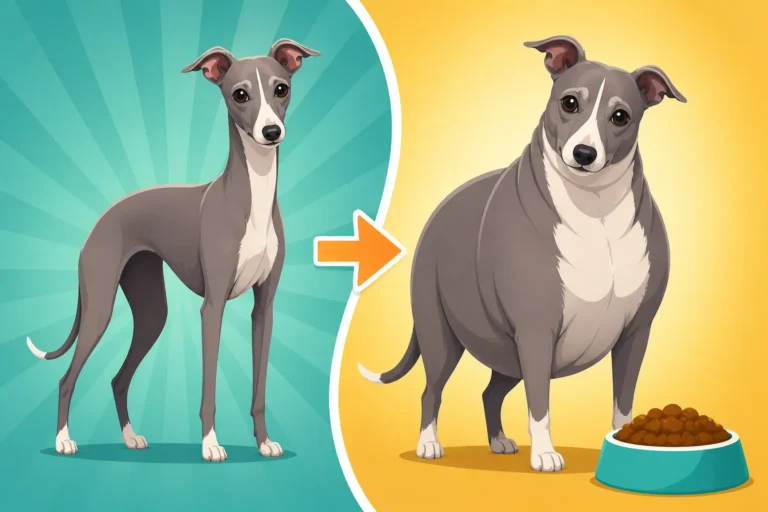
Your Italian Greyhound's body is a finely tuned machine, and maintaining the correct weight is paramount. When they are too thin, their already delicate bones, like the radius in their forelegs, can be even more susceptible to fractures. This breed is already prone to leg breaks, and adding unnecessary risk due to being underweight is something every owner wants to avoid. On the flip side, while it might seem counterintuitive for such a lean dog, Italian Greyhounds can also become overweight. Even a small amount of extra weight can put undue stress on their joints, impact their agility, and even contribute to other health issues over time. It's a fine line to walk, and checking their ribs regularly becomes your primary tool in keeping them on the right side of that line. Why an Italian Greyhound Carries Almost No Body Fat really highlights how different their body composition is from many other breeds, underscoring the importance of careful monitoring.
Moreover, changes in body condition, particularly sudden weight loss, can be an early indicator of underlying health problems. It could be something as simple as not liking their current food, or a more serious issue like dental pain that makes eating difficult. How an Italian Greyhound Eats With No Teeth touches on how severe dental disease can get, and often, subtle weight loss precedes such drastic outcomes. Regular, hands-on checks help you catch these signs early, giving you the best chance to intervene and seek veterinary advice before a small issue becomes a big one. It's not just about aesthetics; it's about being proactive in their care.
A Hands-On Approach: How to Gently Feel Your Italian Greyhound's Ribs
Getting a proper read on your Italian Greyhound's body condition involves more than just a quick glance. Because their skin is so fine and their coat so short, visual cues can sometimes be misleading. What looks like a healthy lean might actually be too bony, or a slightly "fuller" look might hide ribs that are too hard to feel. The most accurate way to truly understand their condition is by using your hands. It's a simple process, but it requires a gentle touch and knowing what you're feeling for.
Getting Your Italian Greyhound Comfortable
Before you start, make sure your Italian Greyhound is relaxed and comfortable. Many Iggys absolutely adore being petted and cuddled, so this can be a pleasant bonding experience rather than a stressful examination. Choose a quiet moment when they’re calm, perhaps after a nap or during a gentle petting session on the sofa. Approach them calmly, speak in soft tones, and offer plenty of praise and perhaps even a tiny, low-calorie treat. If they seem hesitant or wiggly, don't force it; try again later. This is about building trust and making it a positive routine, not a wrestling match. Having them stand or lie down comfortably by your side, or even on your lap, works well.
Running Your Hands Over the Side
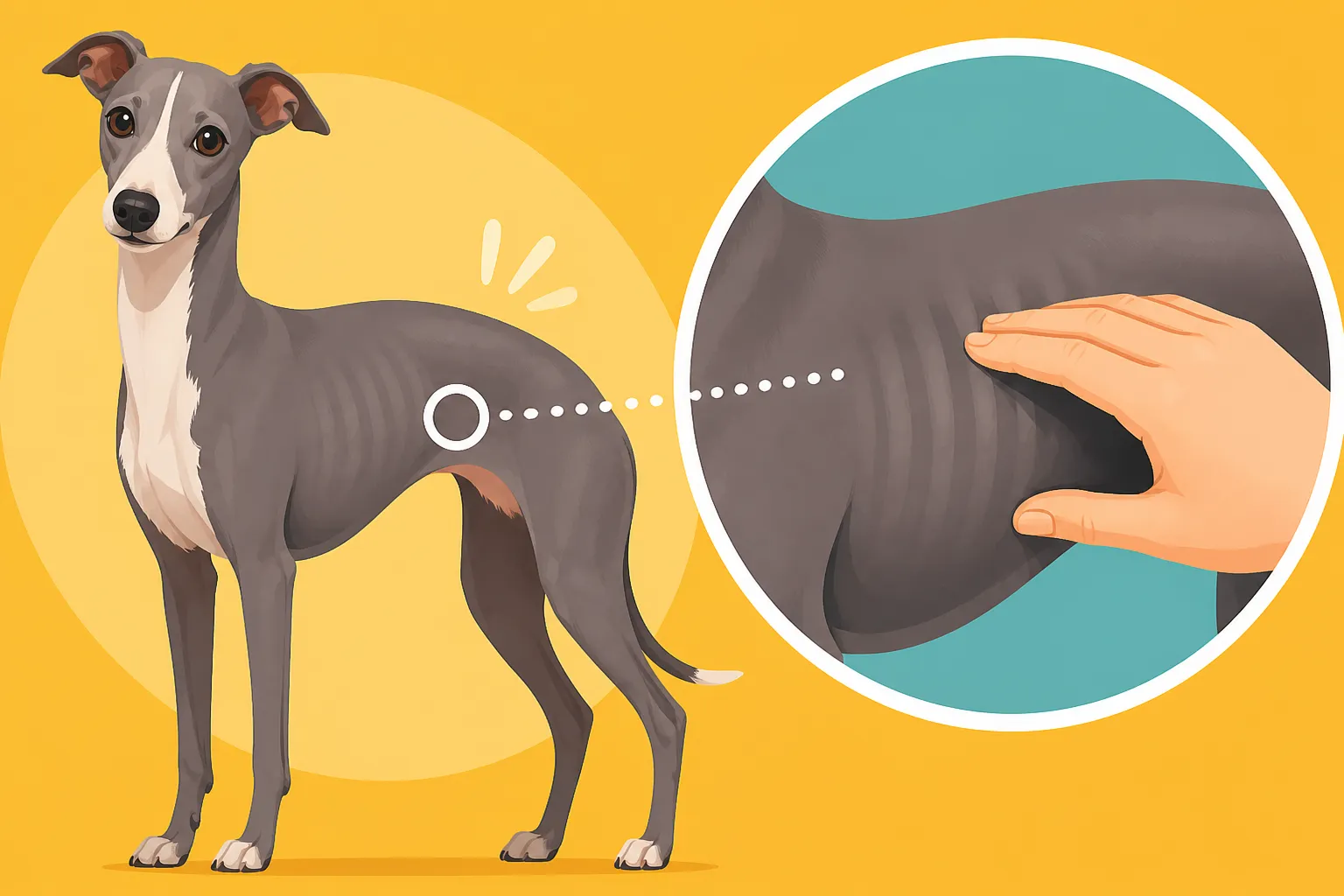
Once your Italian Greyhound is relaxed, place both hands gently on either side of their rib cage, just behind their front legs. Your fingers should be spread slightly, curving over their body. Now, with light pressure, run your hands backward along their sides, over the ribs, and towards their hips. Imagine you're trying to feel the individual bumps of the ribs under their skin and fur. You aren't trying to press hard into their body, but rather to feel the contours and the subtle give of the flesh over the bone. Pay attention to how easily you can distinguish each rib. You should be able to count them without having to push deeply. The sensation should be distinct but not sharp or alarming.
Feeling for the Spine and Hips
While you're at it, extend your assessment to their spine and hip bones. Continue to run your hand lightly down their back, feeling along the top of their spine. You should be able to feel the individual bumps of the vertebrae, but they shouldn't feel sharply protruding or painful to the touch. Similarly, feel for their hip bones, which are located at the very top of their hindquarters, near the base of their tail. In an Italian Greyhound of ideal weight, these hip bones should be palpable but not jutting out prominently. If they feel extremely sharp or have very little cushioning around them, it could indicate your Iggy is too thin. This holistic approach, checking ribs, spine, and hips, gives you a comprehensive picture of their body condition. How to Feel an Italian Greyhound's Ribs is just one part of a complete body condition assessment.
What Your Fingers Are Telling You: Interpreting Body Condition
Once you've run your hands over your Italian Greyhound, the next step is to interpret what you're feeling. There's a spectrum of body conditions, and understanding where your Iggy falls on that scale is key. This isn't about numbers on a scale alone, but about the tactile experience and what it signifies for their health.
Let's look at the different sensations you might encounter:
| Body Condition | Ribs Description | Spine Description | Waist/Tuck-up | Overall Impression |
|---|---|---|---|---|
| Too Thin | Ribs clearly visible, very sharp and easily felt with no fat covering. | Vertebrae and hip bones very prominent, no muscle or fat. | Extremely pronounced abdominal tuck-up, severe waist. | Gaunt, bony, looks malnourished. |
| Ideal | Ribs easily felt with slight pressure, like knuckles on the back of your hand. | Vertebrae palpable but not sharply protruding. | Clearly defined waist when viewed from above, good abdominal tuck-up. | Lean, athletic, well-muscled. |
| Too Heavy | Ribs hard to feel, requiring firm pressure. | Vertebrae difficult to feel under a layer of fat. | Little to no visible waist, minimal abdominal tuck-up. | Rounded appearance, lack of definition. |
Too Thin: Ribs Like a Washboard
If, when you run your hands over your Italian Greyhound's ribs, they feel like the ridges of a washboard – very sharp, distinct, and with absolutely no padding – your Iggy is likely too thin. You might even see their ribs clearly with minimal effort, even without them being wet. Their spine might feel like a row of sharp knobs, and their hip bones could protrude sharply. This isn't the healthy lean of an Italian Greyhound; it's underweight.
When an Italian Greyhound is too thin, it's a serious concern. It increases their risk of injury, particularly those dreaded leg fractures. Imagine their already fragile bones having even less muscle and fat to cushion them from impact. This also leaves them vulnerable to temperature changes, as they have less insulation, making cold vet tables (Why a Nine Pound Italian Greyhound Gets Cold on the Table) and general chilliness a constant battle. Signs an Italian Greyhound Is Underweight can also include dull coat, low energy, and sometimes, a poor appetite. This condition can stem from various issues, from not getting enough food (perhaps due to being a picky eater, which many Iggys can be) to underlying health problems that prevent nutrient absorption. If you suspect your Italian Greyhound is too thin, it's crucial to consult your vet to rule out medical causes and adjust their diet appropriately.
Just Right: Ribs Easily Felt, Not Protruding
The ideal body condition for an Italian Greyhound is when you can easily feel their ribs with minimal, gentle pressure, but they don't look or feel sharp and prominent. Think of it like feeling the knuckles on the back of your hand when you open and close it – you can feel the bones, but there’s some soft tissue over them. You should be able to count the individual ribs without having to press hard. From above, they should have a clear, defined waist, and from the side, a distinct abdominal tuck-up (their belly should curve up neatly towards their hind legs).
This "just right" body condition is the sweet spot for an Italian Greyhound. It means they have enough muscle and a healthy, albeit thin, layer of fat to protect their bones, maintain their body temperature, and fuel their active lifestyle. They move with ease, their coat is usually shiny, and their energy levels are good. Maintaining this ideal weight minimizes risks like fractures and promotes overall longevity. For guidance on what this might translate to in terms of actual pounds, check out How Much an Italian Greyhound Should Weigh. Achieving this requires a balance of high-quality nutrition, appropriate portion sizes (some Italian Greyhounds eat less than you’d expect, as discussed in Why an Italian Greyhound Eats Less Than You Expect), and regular, safe exercise.
A Little Too Cuddly: Ribs Hard to Feel
If you have to press quite firmly to feel your Italian Greyhound's ribs, and you struggle to distinguish individual bones, they are likely carrying too much weight. You might notice that they lack a distinct waist when viewed from above, and their abdominal tuck-up is less pronounced or even absent. Their hip bones might also be hard to locate under a layer of fat. While a little extra padding might seem harmless, especially on such a naturally slender dog, it poses significant health risks for Italian Greyhounds.
Even a few extra pounds can be detrimental to an Italian Greyhound. Their delicate skeletal structure is not designed to carry excess weight, which can lead to increased strain on their joints, especially their knees and hips. This can exacerbate conditions like patellar luxation or contribute to early arthritis. More concerningly, an overweight Italian Greyhound is at a higher risk for bone fractures because their muscles and ligaments might not be strong enough to support the added bulk during sudden movements or falls. Why an Overweight Italian Greyhound Is at Fracture Risk goes into more detail on this serious issue. Other potential issues include heart disease, diabetes, and a decreased lifespan. If your Iggy is a little too cuddly, it's time to re-evaluate their diet and exercise routine with your vet. Signs an Italian Greyhound Is Overweight can also include lethargy, panting more, and struggling with stairs or jumps.
Maintaining That Ideal Italian Greyhound Physique
Once you understand how to assess your Italian Greyhound's body condition by feeling their ribs, the next step is actively maintaining that ideal physique. It’s an ongoing commitment that involves careful feeding, appropriate exercise, and regular check-ups. Our Iggys rely on us to keep them in peak health, and a proactive approach goes a long way.
Feeding for Optimal Health
Nutrition is the cornerstone of maintaining your Italian Greyhound's ideal weight. They need a high-quality diet that provides all the necessary nutrients without excessive calories. This often means a premium kibble, wet food, or even a balanced fresh food diet. When choosing food, look for options with high-quality protein sources as the primary ingredients. Brands available through retailers like Chewy or specialty pet food providers like Ollie offer a wide range of choices, often with detailed nutritional information that can help you make an informed decision. Remember that Italian Greyhounds generally eat less than you might expect for their size, so accurate portion control is crucial. How Many Cups a Day an Adult Italian Greyhound Eats is a great resource to help you calculate the right amount.
Don't just fill the bowl. Use a measuring cup every single time. Even a small handful extra per day can add up quickly for such a tiny dog. If your Italian Greyhound is prone to being underweight, you might consider slightly higher calorie options or adding a small, healthy supplement under veterinary guidance. For those leaning towards being overweight, reducing portion sizes or switching to a lower-calorie, high-fiber food can be effective. Avoid free-feeding, as it makes it almost impossible to monitor their intake. Treats should be healthy and given in moderation, always factoring them into their daily calorie count.
Exercise and Enrichment
While Italian Greyhounds are known for their couch-potato tendencies, they are also sighthounds with a surprising amount of energy and a need for regular exercise. Maintaining their ideal weight isn't just about diet; it's about burning those calories and building healthy muscle mass. Daily walks, even short ones, are essential. They love opportunities to sprint and run in a safe, enclosed area, which is great for their cardiovascular health and muscle tone. Think about a securely fenced yard or a sighthound-specific park where they can really stretch their legs without fear of escape, given their strong prey drive.
Mental enrichment is also key. A bored Italian Greyhound might be less active, or conversely, develop anxious behaviors that affect their eating habits. Puzzle toys, training sessions, and interactive games can help keep their minds sharp and their bodies moving. Remember that an Italian Greyhound is a delicate creature, so always monitor their play and avoid roughhousing with larger dogs or in unsafe environments where their fragile bones could be at risk. Combining consistent, measured feeding with regular, appropriate exercise is the most effective way to keep their body condition in that "just right" zone.
Regular Vet Checks and Proactive Care
Even with diligent home monitoring, regular veterinary check-ups are invaluable. Your vet can provide an objective assessment of your Italian Greyhound's body condition, confirming if your tactile evaluation is accurate. They can also perform necessary blood work and screenings to rule out any underlying medical issues that might be causing unexpected weight fluctuations. This is especially important if you notice a sudden change in their weight, either up or down, despite no changes in diet or exercise.
Beyond routine wellness exams, don't hesitate to consult your vet if you're struggling to maintain your Iggy's ideal weight. They can offer tailored dietary advice, recommend specific food brands, or suggest strategies for picky eaters or dogs with high metabolisms. They can also discuss whether changes in lifestyle, such as installing ramps or steps to prevent jumping (which is linked to preventing fractures), might be beneficial. Amazon offers a variety of ramps and steps that can make your home safer for your Iggy, and these simple tools can help reduce the risk of injury, especially if they are underweight and more fragile. Proactive care, informed by both your keen observation and professional veterinary expertise, is the best path to a long, healthy life for your cherished Italian Greyhound.
Disclaimer
This article is for general informational purposes only and does not constitute professional advice. Laws, prices and regulations vary by location and change over time. Consult a qualified professional for guidance on your specific situation.