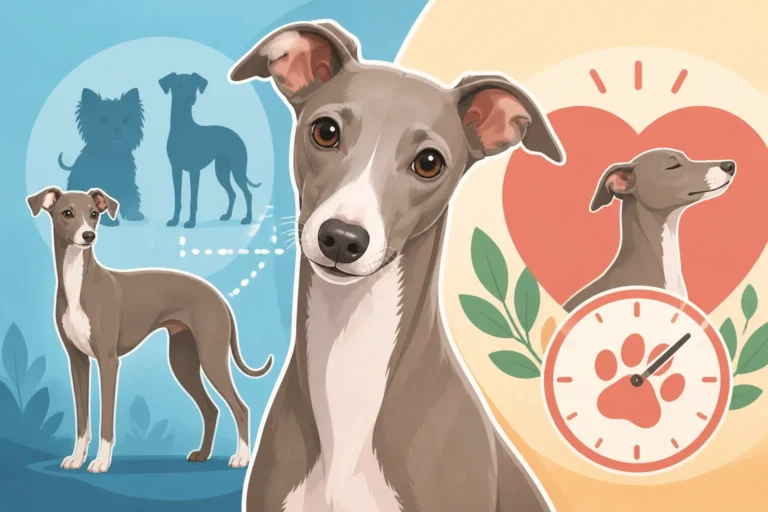
How Long an Italian Greyhound Lives on Average
It's completely normal to worry about how long your beloved Italian Greyhound will be by your side. These elegant, delicate-looking creatures often spark a bit of anxiety in their owners, particularly around their perceived fragility. But let me tell you, while they require specific care, Italian Greyhounds are actually quite robust when given the right environment, and they often enjoy a wonderfully long life, far exceeding what some might initially expect. This guide will walk you through their typical lifespan, the many factors that contribute to their longevity, and how you can help your special companion thrive for years to come.
Understanding the Italian Greyhound's Average Lifespan
When you bring an Italian Greyhound into your home, you’re not just getting a pet; you’re welcoming a family member who, with proper care, could be with you for a significant portion of your life. These sighthounds, known for their grace and affectionate nature, are generally considered a long-lived breed within the canine world. It’s a common misconception that their delicate appearance translates to a short life, but the reality is quite different.
The Typical Range for These Elegant Sighthounds
On average, an Italian Greyhound can expect to live between 12 to 15 years. This places them firmly among the longer-lived dog breeds, a testament to their overall genetic health when bred responsibly. Many dedicated owners will even tell you stories of their Iggies gracefully reaching 16, 17, or even 18 years of age. It's truly inspiring to see these seniors still full of personality and charm, even if their zoomies are a bit slower.
This impressive lifespan is often a huge relief for new owners who might be concerned about various breed-specific health issues. While certain conditions are more prevalent, their impact on overall lifespan is often manageable with proactive veterinary care and a vigilant owner. It goes to show that while they may look fragile, they have a surprising amount of resilience built into their sleek frames. For more on this, you might find our article, Why an Italian Greyhound Lives Fourteen to Fifteen Years, particularly enlightening.
Why the Perception of Fragility Doesn't Always Align with Longevity
It’s easy to look at an Italian Greyhound’s fine bones and thin skin and jump to conclusions about their fragility. Indeed, they are susceptible to certain injuries, most notably leg fractures, which can be absolutely terrifying for owners. Many new IG parents live in constant fear of a sudden jump or an accidental misstep leading to a broken leg. The reality of A Broken Leg Is the Emergency Every Italian Greyhound Owner Fears is a daunting one, and it certainly contributes to the breed's reputation for being delicate.
However, once they navigate the more accident-prone puppy and adolescent stages, and with careful management of their environment, these dogs often cruise into old age with relatively few major health crises compared to many other breeds. The perception of fragility often overshadows their inherent hardiness and strong genetic predisposition for longevity. It's a balance of acknowledging their physical quirks while celebrating their surprising resilience.
Key Factors That Influence an Italian Greyhound's Longevity
While the average lifespan provides a good benchmark, it's really the culmination of many interconnected factors that determine how long any individual Italian Greyhound will truly live. From their genetic blueprint to the food in their bowl and the warmth of their bed, every aspect of their care plays a vital role.
The Role of Genetics and Responsible Breeding
Perhaps one of the most significant predictors of a long, healthy life for an Italian Greyhound comes down to responsible breeding practices. A breeder dedicated to the welfare of their dogs will meticulously screen for genetic health issues that could shorten a dog's life or significantly impact its quality. This means health testing the parent dogs for conditions like patellar luxation, eye diseases such as Progressive Retinal Atrophy, and ensuring good dental health history.
When considering a puppy, asking about the health clearances of the parents and their lineage is crucial. A responsible breeder will be transparent about these screenings, often providing documentation from organizations like the Orthopedic Foundation for Animals (OFA) or the Canine Eye Registration Foundation (CERF). Knowing What an Italian Greyhound Breeder Should Have Tested is invaluable information for any prospective owner. These efforts to breed healthy dogs lay a strong foundation for a long life, potentially reducing the likelihood of debilitating inherited conditions cropping up later on.
Nutrition, Exercise, and Daily Wellness Habits
Just like with humans, a balanced diet and appropriate exercise are cornerstones of good health for Italian Greyhounds. Feeding a high-quality, species-appropriate diet provides all the necessary nutrients to support organ function, maintain a healthy immune system, and keep their delicate frames strong. Avoiding cheap fillers and opting for premium dog foods can make a noticeable difference over their lifetime. For insight into their dietary needs, explore What an Italian Greyhound Eats in a Month.
Beyond food, daily exercise is essential, even for a small dog. While they love to nap and cuddle, Iggies also thrive on opportunities to stretch their legs and sprint in a safe, enclosed area. Regular walks, short bursts of running, and engaging playtime keep their muscles toned and their minds stimulated. However, it's a delicate balance; too much strenuous, uncontrolled activity, especially in their younger years, can increase the risk of injury. Ensuring a safe play environment and monitoring their activity levels are key to their physical wellbeing and, ultimately, their longevity.
The Impact of Environment and Safety Measures
The environment your Italian Greyhound lives in has a profound impact on their safety and, by extension, their lifespan. These dogs are naturally curious and incredibly agile, but their bone structure, particularly in their legs, makes them prone to fractures from falls or rough play. This means taking proactive steps to "Iggy-proof" your home is not just a good idea, it's essential.
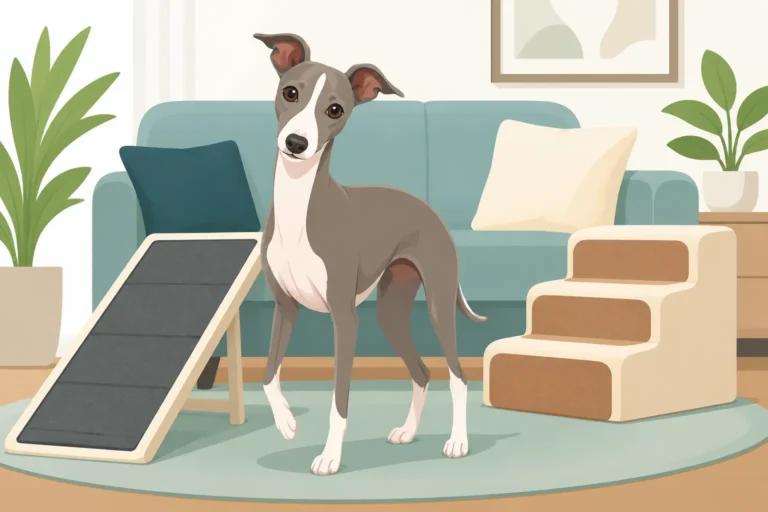
Many owners opt for Ramps and Steps for an Italian Greyhound's Furniture to prevent them from jumping on and off sofas or beds, which are common sources of injury. Gating off stairways, especially for puppies or seniors, can also significantly reduce risk. Keeping floors non-slip and ensuring that children or larger pets understand how to interact gently with these little guys are also critical for preventing accidents. An ounce of prevention is truly worth a pound of cure when it comes to Italian Greyhounds, safeguarding them from injuries that could lead to costly surgeries or, in tragic cases, impact their long-term health. Setting up a truly safe space is critical, as detailed in Setting Up a House an Italian Greyhound Cannot Break a Leg In.
Common Health Challenges and Their Effect on Lifespan
Every breed has its predispositions, and the Italian Greyhound is no exception. While they are generally healthy, being aware of common health challenges and addressing them promptly is vital to maximizing their time with you. Some issues can be managed to minimize their impact on longevity, while others require immediate and careful intervention.
The Ever-Present Threat of Leg Fractures
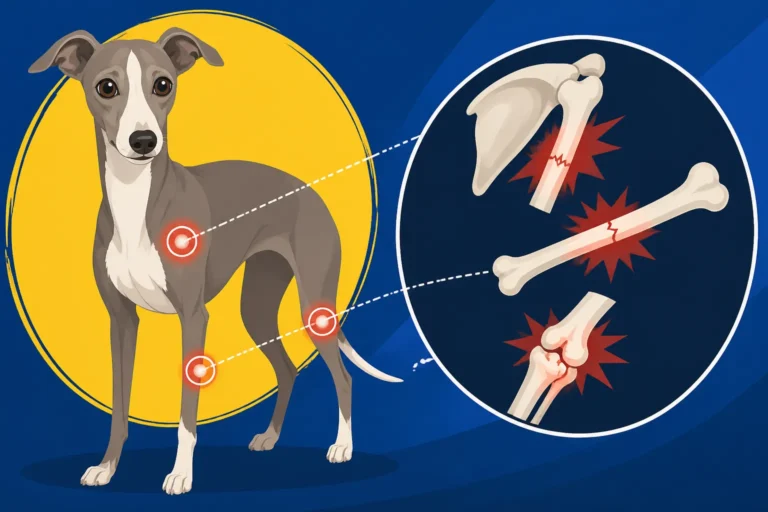
Without a doubt, one of the most talked-about and feared health concerns for Italian Greyhound owners is the dreaded broken leg. Their slender, fine bones, particularly the radius and ulna in the front legs, are notoriously delicate. A seemingly innocuous jump off a sofa, a tumble during a play session with a larger dog, or even being dropped accidentally can result in a painful fracture. Understanding Why an Italian Greyhound's Leg Bones Break So Easily is fundamental for owners.
While a broken leg in itself might not be life-threatening if treated promptly, the recovery process can be lengthy, costly, and sometimes complex, requiring specialized orthopedic surgery and extensive rehabilitation. In severe cases or with complications, there can be long-term mobility issues, chronic pain, or even the difficult decision of amputation. Preventing these fractures through careful management of their environment and activity, especially during their growth phases, is the best strategy for ensuring a full and active life. Should an injury occur, prompt veterinary attention and, often, the expertise of an orthopedic specialist are crucial for a good outcome, though the financial burden can be significant. Many owners find that having pet insurance, perhaps from a provider like Healthy Paws, helps cover these unexpected and substantial veterinary costs.
Addressing Periodontal Disease and Oral Health
It might sound surprising, but dental disease is incredibly common in Italian Greyhounds and can have a far greater impact on their overall health and lifespan than many owners realize. These dogs often have mouths that are a bit too small for their 42 teeth, leading to crowding, rapid tartar buildup, and early onset of periodontal disease. Ignoring this can lead to chronic pain, tooth loss, and systemic infections as bacteria from the mouth enter the bloodstream, potentially affecting the heart, kidneys, and liver. How Common Dental Disease Is in an Italian Greyhound is a staggering statistic, highlighting just how prevalent this issue is.
The good news is that periodontal disease is largely preventable and manageable with consistent home care and regular professional dental cleanings. Daily tooth brushing, appropriate dental chews, and annual (or even semi-annual) veterinary dental cleanings under anesthesia are paramount. These procedures can be costly, but they are a vital investment in your Iggy’s long-term health, directly contributing to their longevity by preventing more serious systemic issues down the line. Preventative care is often more affordable than treating advanced disease, and many pet insurance plans, such as those offered by Healthy Paws, may assist with the costs of routine dental care or cover unexpected extractions.
Other Breed-Specific Conditions to Monitor
Beyond fractures and dental issues, Italian Greyhounds can be predisposed to a few other health conditions, though these are generally less common or less acutely life-threatening than leg breaks. Responsible breeders strive to minimize these through selective breeding, but owners should still be aware.
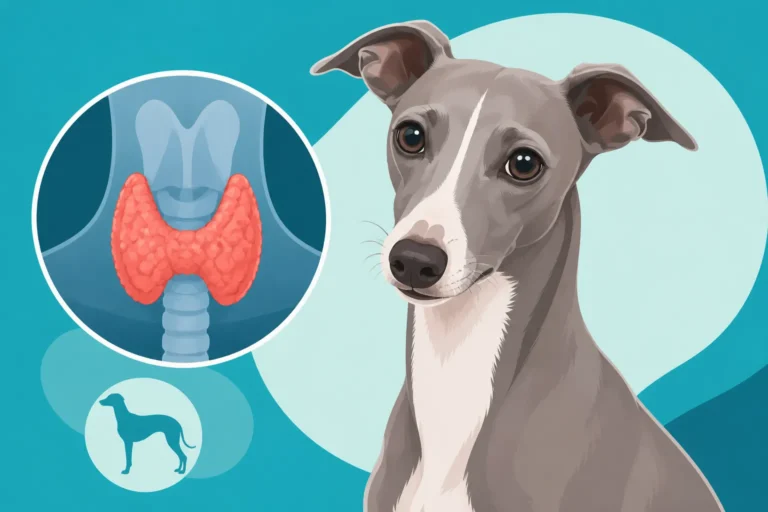
For instance, some Italian Greyhounds can be prone to certain eye diseases, such as cataracts or progressive retinal atrophy, which can lead to blindness but typically don't shorten their lifespan directly. Hypothyroidism and epilepsy are also conditions that can occur; however, with proper diagnosis and medication, dogs affected by these conditions can still lead long, fulfilling lives. Epilepsy and Thyroid Disease in an Italian Greyhound outlines how these conditions are managed. Regular veterinary check-ups are crucial for early detection of any of these issues. Your vet can perform screening tests, such as blood work for thyroid function or specialized eye exams, to catch problems before they become advanced. Staying vigilant and working closely with your veterinarian ensures that any emerging health concern is addressed promptly, maintaining your Italian Greyhound's quality of life and supporting their potential for a long and healthy existence.
Proactive Care for Extending Your Italian Greyhound's Life
It's clear that while genetics play a part, an owner's commitment to proactive care is perhaps the most significant determinant of an Italian Greyhound's lifespan. By focusing on preventative measures and a high standard of daily care, you can help your cherished companion not just survive, but truly thrive for many years.
Regular Veterinary Care and Preventative Screenings
Establishing a strong relationship with a veterinarian who understands sighthounds is invaluable. Regular wellness exams, ideally once a year for adults and twice a year for seniors, are essential. These visits aren't just for vaccinations; they're an opportunity for your vet to perform a thorough physical examination, check for subtle changes, and discuss any concerns you might have. Early detection of potential issues, from heart murmurs to lumps or changes in gait, can make a world of difference in treatment outcomes.
As your Italian Greyhound ages, your vet might recommend additional preventative screenings, such as senior blood panels to check organ function, urinalysis, and perhaps even regular blood pressure checks. These tests can catch conditions like kidney disease or Cushing's disease in their earliest stages, allowing for interventions that can slow progression and maintain quality of life for longer. Pet insurance, like policies from Healthy Paws, can be a valuable tool in making these preventative screenings and unexpected treatments more accessible, ensuring you can always provide the best care without financial strain.
Maintaining a Healthy Weight and Optimal Diet
One of the easiest yet most impactful ways to support your Italian Greyhound's long-term health is by maintaining their ideal weight. While Iggies are naturally lean, it's surprisingly easy for them to become overweight if their diet isn't carefully managed, especially as they get older and their metabolism slows. Even a few extra pounds put undue stress on their delicate joints and bones, increase the risk of injury, and contribute to other health problems like diabetes or heart disease.
Work with your vet to determine the appropriate portion sizes for your dog's age, activity level, and individual metabolism. High-quality kibble, supplemented with healthy treats in moderation, is usually sufficient. Remember that an Italian Greyhound should have a visible tuck-up and you should be able to easily feel their ribs without seeing them protruding sharply. If you're unsure about their ideal weight or if they're too thin, How Much of an Italian Greyhound's Ribs Should Show provides a good visual guide. Keeping them at their optimal body condition is a simple yet powerful way to reduce disease risk and support joint health, especially critical if they've had a previous leg injury and need to heal from How Long an Italian Greyhound Takes to Heal a Fracture.
Creating a Safe and Stimulating Home Environment
A safe home environment is paramount, not just to prevent acute injuries but also to reduce daily stress and provide mental stimulation. As discussed, preventing falls from furniture with ramps and steps is crucial. But safety also extends to protecting them from hazards like toxic plants, unsecured medications, or small objects they might swallow. Italian Greyhounds are intelligent and curious; ensuring their environment is both safe and engaging prevents boredom and destructive behaviors that could also lead to accidents.
Beyond physical safety, mental stimulation is just as important. Interactive toys, puzzle feeders, short training sessions, and opportunities for social interaction keep their minds sharp and help prevent cognitive decline as they age. A warm, comfortable bed with plenty of blankets for burrowing is also a necessity, given their thin coats and tendency to get cold. A well-loved, secure Italian Greyhound who feels safe and engaged is a happy Italian Greyhound, and a happy dog is often a healthier dog, equipped to enjoy a longer, more fulfilling life.
The Difference Between Average Lifespan and an Italian Greyhound's Senior Years
Understanding the average lifespan is one thing, but truly appreciating what it means for your Italian Greyhound to reach their senior years is another. It's a wonderful journey, but one that comes with its own set of considerations and joys.
What it Means to Live Past the Average
When an Italian Greyhound lives past the average 12-15 years, it's often a testament to exceptional care, good genetics, and a little bit of luck. These "super seniors" are truly special, and their longevity highlights the potential of the breed when all factors align. For dogs that reach 16, 17, or even 18 years old, owners will notice a gradual slowing down, but often a retained spark and love for life.
It's a misconception that living longer necessarily means more illness. While age certainly brings its own challenges, many Iggies age gracefully, experiencing a natural decline in energy and mobility rather than a cascade of severe health problems. Their bodies may be a bit stiffer, their hearing or eyesight may diminish, but their personalities remain intact. It's a time for adapting routines, providing extra comfort, and cherishing every moment with your wise old companion. Many proud owners share stories of their Iggies well into their late teens, proving that Whether an Italian Greyhound Can Reach Eighteen is indeed a possibility.
Recognising and Supporting Your Senior Italian Greyhound
Recognizing when your Italian Greyhound enters their senior years, typically around age 10-11, is important for adjusting their care. The Age an Italian Greyhound Is Considered Senior is a good marker for starting conversations with your vet about proactive senior care. You might notice them sleeping more, being less enthusiastic about long walks, or perhaps having trouble with stairs they once bounded up. Their appetite might change, or they might seem a bit confused at times, especially in unfamiliar surroundings or at night.
Supporting a senior Italian Greyhound means being attentive to these subtle changes. This could involve switching to a softer diet if their teeth are compromised, providing orthopedic beds to ease joint pain, or ensuring they have easy access to potty areas, perhaps even an indoor potty setup, if getting outside becomes difficult. Regular, gentle exercise is still important to maintain muscle mass and circulation. Most importantly, it means showering them with love, patience, and understanding as they navigate the natural processes of aging. Our guide on Caring for an Italian Greyhound Past Eleven offers comprehensive advice for this tender stage of life.
Here's a quick overview of factors that impact an Italian Greyhound's lifespan:
| Factor | Positive Impact on Lifespan | Negative Impact on Lifespan |
|---|---|---|
| Genetics | Responsible breeding, health screening of parents | Inherited conditions, poor genetic health |
| Nutrition | High-quality, balanced diet, appropriate portion sizes | Poor diet, obesity, nutritional deficiencies |
| Exercise | Regular, controlled activity, safe play spaces | Lack of exercise, excessive uncontrolled activity, high-impact jumps |
| Environment | Safe home (ramps, gates, non-slip floors), warm bedding | Unsafe home (jump risks, cold exposure), unsupervised outdoor access |
| Dental Care | Daily brushing, regular professional cleanings | Untreated periodontal disease, tooth loss, systemic infection |
| Veterinary Care | Annual check-ups, preventative screenings, early detection | Neglected vet care, delayed treatment of illnesses |
| Weight Management | Maintaining ideal lean body weight | Obesity, excessive strain on bones and joints |
| Injury Prevention | Proactive safety measures, gentle handling | Frequent falls, rough play, unmanaged interactions |
| Mental Stimulation | Interactive toys, training, social interaction | Boredom, stress, anxiety |
Disclaimer
As a friendly and helpful blog, the information provided here is for general educational purposes only and is not a substitute for professional veterinary advice. Always consult with a qualified veterinarian for any health concerns or before making any decisions about your Italian Greyhound's care.