Whether an Old Italian Greyhound Loses Muscle
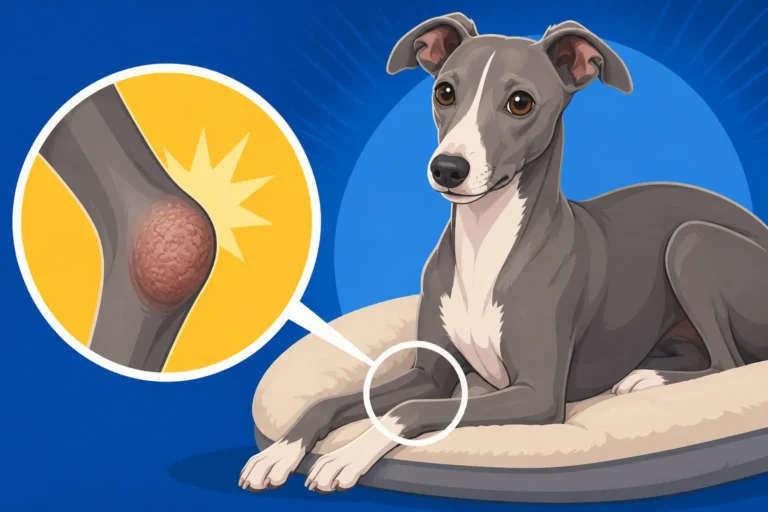
It’s a heart-wrenching moment for any Italian Greyhound owner when you notice your beloved companion’s once lithe, muscular frame starting to look a little bonier, a little less robust. That distinct, elegant profile can seem to hollow out, and you worry if it's just a normal part of getting older or if something more serious is at play. This guide aims to thoroughly explore the realities of muscle loss in senior Italian Greyhounds, helping you understand what’s normal, what might be a red flag, and how you can support your aging Iggy.
The Natural Process of Muscle Atrophy in Senior Italian Greyhounds
As our Italian Greyhounds enter their golden years, typically The Age an Italian Greyhound Is Considered Senior, their bodies, like ours, undergo a variety of changes. One of the most common and noticeable transformations is the gradual decrease in muscle mass. This isn't just about weight loss, though that can happen too; it's a specific diminishment of the actual muscle tissue. It's a natural, albeit unwelcome, part of the aging process, but understanding it is the first step toward managing it.
Sarcopenia: The Age-Related Muscle Loss
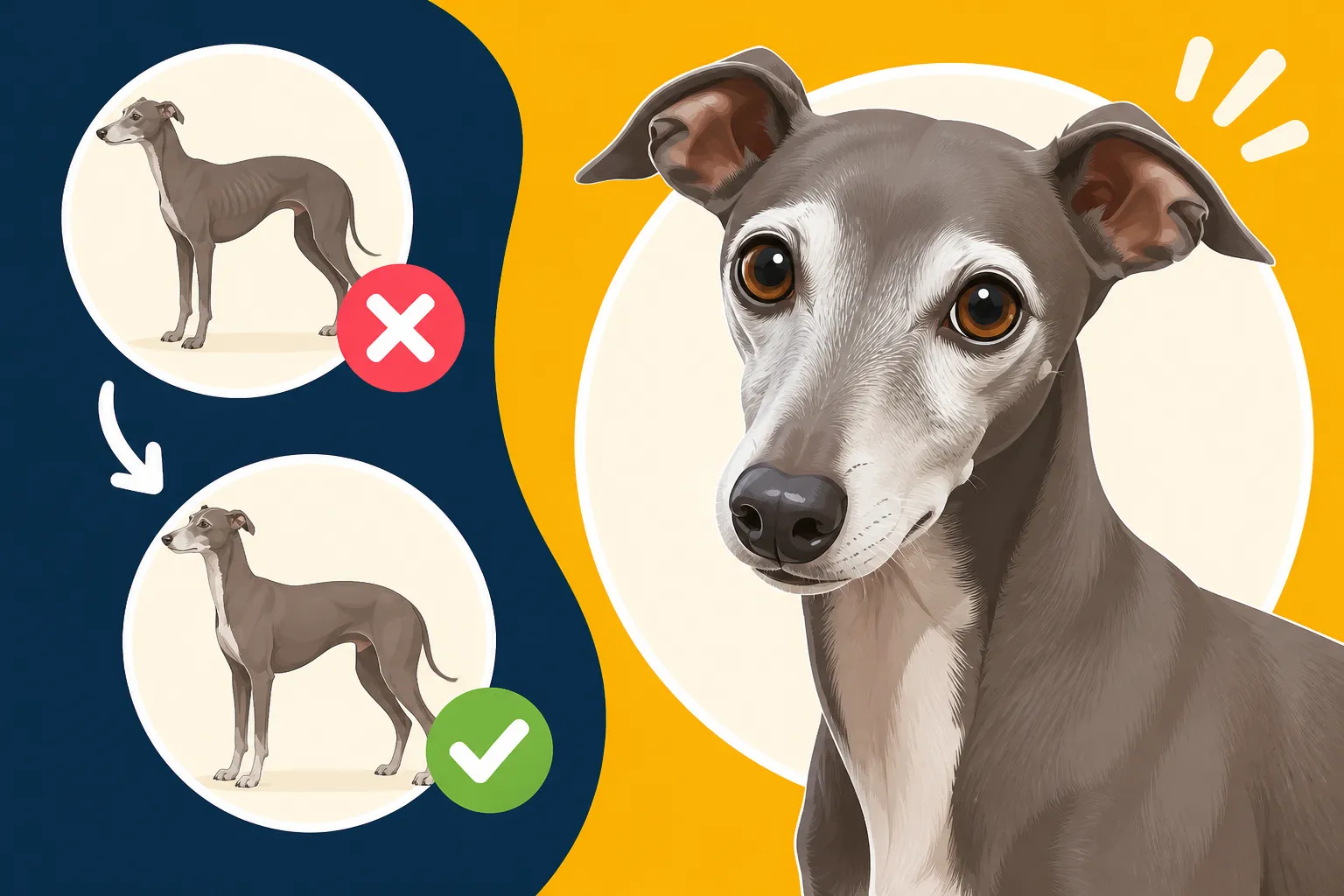
The scientific term for this age-related muscle wasting is sarcopenia, and it affects nearly all senior animals, including our slender Italian Greyhounds. It’s not simply that they’re moving less; there are complex physiological changes at play. Over time, the body becomes less efficient at repairing and rebuilding muscle fibers, and there can be a decrease in the number and size of muscle cells. For an Italian Greyhound, whose physique is already so lean and refined, the effects of sarcopenia can appear quite stark, making their spines and hip bones more prominent, and their legs seem thinner.
This process often begins subtly, perhaps around the age of eight or nine, and progresses slowly. You might first notice it as a slightly less athletic spring in their step, or a less defined musculature over their hindquarters. It’s important to remember that this is a natural biological process, and while we can't completely stop it, we can certainly work to slow its progression and minimize its impact on our Italian Greyhound's quality of life. The challenge is often distinguishing this normal aging from a sign of underlying health issues, which we'll delve into later.
How Reduced Activity Contributes to Muscle Wasting
Beyond the biological inevitability of sarcopenia, a significant factor contributing to muscle loss in older Italian Greyhounds is reduced physical activity. Think about it: a younger Iggy is a whirlwind of "zoomies," chasing squirrels with lightning speed, leaping onto the sofa effortlessly, and generally being in constant motion. As they age, many of these high-impact activities naturally diminish. They might sleep more, take shorter walks, or show less enthusiasm for vigorous play. This reduced activity leads to a "use it or lose it" scenario for their muscles.
When muscles aren't regularly challenged and engaged, they atrophy at a faster rate. If an Italian Greyhound starts to feel a bit stiff from arthritis or simply has less energy, they might choose to lie down more often, avoid stairs, or skip those enthusiastic greetings at the door that involve leaping. This cycle, where decreased activity leads to muscle weakness, which then further discourages activity, can accelerate muscle loss. It’s crucial for us, as their caretakers, to encourage appropriate, consistent movement to help counteract this effect, even if it means modifying their exercise routine significantly.
Distinguishing Normal Aging from Underlying Health Issues
While some muscle loss is an expected part of Caring for an Italian Greyhound Past Eleven, it's vital for owners to be vigilant and know when to seek veterinary advice. Not all muscle wasting is benign; sometimes, it's a symptom of an underlying health problem that requires intervention. Italian Greyhounds are notoriously stoic and can be quite adept at How an Italian Greyhound Hides Pain, making it even more important for us to observe subtle changes.
Signs of Healthy vs. Concerning Muscle Loss
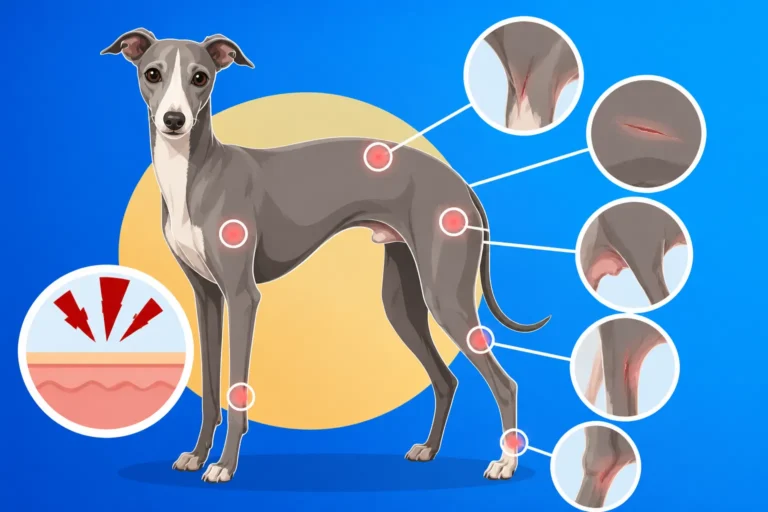
How do you tell the difference between typical sarcopenia and something more worrying? Normal, age-related muscle loss tends to be symmetrical, gradual, and not accompanied by overt signs of pain or sudden weakness. You might see a general thinning, especially over the back, hips, and upper thighs. Your Iggy might still be able to move comfortably, just perhaps a bit slower. Their appetite might remain good, and their demeanor largely unchanged.
Concerning muscle loss, on the other hand, might appear more rapidly, be asymmetrical (affecting one side or one leg more than the other), or come with other symptoms. If your Italian Greyhound suddenly starts limping, favoring a leg, or seems reluctant to bear weight, that’s a clear sign to call the vet. Other red flags include a sudden drop in appetite, lethargy beyond typical senior napping, changes in thirst or urination, or any signs of discomfort when touched. It's a fine line sometimes, but being attuned to your dog's usual habits and body condition is your best defense.
Here’s a quick overview to help you differentiate:
| Feature | Normal Age-Related Muscle Loss (Sarcopenia) | Concerning Muscle Loss (Potential Health Issue) |
|---|---|---|
| Onset | Gradual, over months or years | Rapid, often within weeks or days |
| Symmetry | Generally even across both sides of the body | Often asymmetrical, affecting one limb or side more |
| Associated Pain | Minimal to none, usually comfortable movement | Visible signs of pain, lameness, reluctance to move |
| Energy Levels | Generally good, though reduced overall activity | Significant lethargy, weakness, unwillingness to play |
| Appetite | Typically normal or slightly reduced | Marked decrease or loss of appetite |
| Other Symptoms | Few other notable changes | Vomiting, diarrhea, increased thirst/urination, coughing |
| Progression | Slow, steady thinning over time | Can be rapid and accompanied by other worsening signs |
Common Senior Health Concerns That Affect Muscle Mass
Several health conditions common in older Italian Greyhounds can mimic or exacerbate age-related muscle loss. These conditions can cause generalized weakness, pain that leads to inactivity, or metabolic changes that prevent proper muscle maintenance.
- Arthritis and Joint Pain: Conditions like Arthritis in an Italian Greyhound's Healed Leg or just general age-related osteoarthritis can make movement painful. When an Iggy experiences chronic pain, they naturally move less, placing less demand on their muscles, leading to accelerated atrophy. If one joint is particularly affected, you might see localized muscle wasting around that area as they try to protect it. Your vet might prescribe pain management or anti-inflammatory medications to help keep them comfortable and mobile.
- Hypothyroidism: An underactive thyroid, or Hypothyroidism in an Italian Greyhound, can lead to a host of symptoms, including lethargy, weight gain (despite muscle loss), and generalized weakness. Because thyroid hormones play a role in metabolism and energy production, an imbalance can directly impact muscle health. This is a condition that is easily managed with medication once diagnosed.
- Kidney Disease: As Italian Greyhounds age, kidney function can decline. Kidney Disease in an Old Italian Greyhound can lead to a loss of appetite, dehydration, and a buildup of toxins in the body, all of which contribute to muscle wasting and a general "poor doer" appearance. Early diagnosis and dietary management are key here.
- Heart Disease: Conditions like certain heart murmurs that can develop in older Iggys can reduce blood flow and oxygen delivery to muscles, leading to weakness and reduced stamina. An Iggy with heart disease might tire easily during walks, further limiting their activity and contributing to muscle loss.
- Cancer: Unfortunately, cancer is a risk for all senior dogs, and many types of cancer can cause cachexia, a severe form of muscle wasting and weight loss, even when appetite is maintained. If muscle loss is sudden, significant, and accompanied by other signs like lumps, persistent coughing, or unexplained weight loss, cancer should be considered.
- Dental Disease: While not directly causing muscle loss, severe Periodontal Disease Is the Italian Greyhound's Most Common Diagnosis can make eating painful, leading to a reduced food intake and subsequent weight and muscle loss. Ensuring good oral hygiene throughout your Iggy's life can help prevent this.
Always consult your veterinarian if you notice concerning changes in your Italian Greyhound's muscle mass or overall health. They can perform a thorough examination, run diagnostic tests, and help you create a plan to address any underlying issues.
Strategies to Combat or Slow Muscle Loss in Senior Italian Greyhounds
Seeing your Italian Greyhound lose muscle can feel discouraging, but there are many proactive steps you can take to slow the progression of sarcopenia and maintain their strength and quality of life. The key is often a multi-faceted approach involving appropriate exercise, targeted nutrition, and thoughtful environmental adjustments. Remember, even small changes can make a big difference in the long run.
Tailored Exercise Regimens for Older Iggys
Just because your Italian Greyhound is older doesn't mean they should become a couch potato – quite the opposite! Consistent, low-impact exercise is crucial for maintaining muscle mass, improving circulation, and supporting joint health. The focus shifts from high-speed sprints to gentle, regular movement.
- Short, Frequent Walks: Instead of one long, arduous walk, try several shorter, leisurely strolls throughout the day. A 10-15 minute walk, two or three times a day, can be much more beneficial and less taxing on their joints than a single 45-minute trek. The goal is consistent, gentle movement. This aligns with advice on Whether an Old Italian Greyhound Should Still Be Walked.
- Controlled Leash Walking: Keep them on a leash to prevent sudden bursts of speed or risky jumps, which could lead to injury. A harness that distributes pressure evenly can be more comfortable for an older Iggy.
- Gentle Play: Engage in soft, gentle play sessions, such as rolling a soft toy or short games of fetch on a carpeted surface. Avoid vigorous tug-of-war or high jumps.
- Canine Physical Therapy: A certified canine rehabilitation therapist can be an invaluable resource. They can design a customized exercise program, which might include underwater treadmill therapy (great for non-weight-bearing exercise), therapeutic exercises, and massage. These therapies are excellent for rebuilding and maintaining muscle without stressing fragile joints. They can also help with conditions like Patellar Luxation in an Italian Greyhound.
- Range of Motion Exercises: Your vet or therapist can show you how to gently move your Iggy's limbs through their full range of motion. This helps maintain joint flexibility and stimulates muscles, preventing stiffness and atrophy. These can often be done while your Iggy is relaxed on The Bedding a Thin Skinned Italian Greyhound Actually Needs.
Always monitor your Iggy for signs of fatigue or pain during exercise. It’s better to do less than to overdo it and cause discomfort, which could set back their progress.
Nutritional Support for Maintaining Muscle Mass
Diet plays a pivotal role in supporting muscle health in senior Italian Greyhounds. Their nutritional needs shift as they age, and providing the right balance of nutrients can help combat muscle loss.
- High-Quality Protein: Protein is essential for muscle maintenance and repair. Ensure your senior Iggy's diet includes high-quality, easily digestible protein sources. Look for dog foods that list meat (like chicken, turkey, lamb, or fish) as the first ingredient. Some senior-specific diets are formulated with higher protein content and fewer calories to support lean muscle mass while preventing unwanted weight gain. Brands like Ollie, known for fresh, human-grade ingredients, or a wide selection available on Chewy, might offer suitable options.
- Omega-3 Fatty Acids: These fatty acids, found in fish oil, have anti-inflammatory properties that can help ease joint pain (common with arthritis), making it more comfortable for your Iggy to move. Reduced pain can lead to increased activity, indirectly supporting muscle mass. Many senior diets include these, or you can add a supplement.
- Joint Supplements: Glucosamine and chondroitin are popular supplements for joint health. While they don't directly build muscle, by supporting cartilage and reducing joint discomfort, they can encourage mobility, which in turn helps maintain muscle.
- Calorie Management: While it might seem counterintuitive, you don't necessarily want to increase calories if your Iggy is thinning due to muscle loss. Often, their metabolism slows, and too many calories can lead to fat gain rather than muscle gain, which adds stress to their joints. Focus on nutrient-dense food. You can refer to articles like Feeding an Italian Greyhound That Carries Seventeen Percent Body Fat for more insights on their unique metabolic needs.
- Small, Frequent Meals: An older Italian Greyhound might benefit from smaller, more frequent meals rather than one or two large ones. This can aid digestion and ensure a steady supply of nutrients throughout the day. If they're struggling with harder kibble due to dental issues, consider softer food (Softer Food for an Old Italian Greyhound) options or adding warm water to their kibble.
- Consult Your Vet: Always discuss any significant dietary changes or supplements with your veterinarian. They can help you choose the best food for your individual Iggy's needs, especially if they have underlying health conditions. You can also find a vast array of specialized senior diets and supplements on platforms like Amazon or Chewy, but always with vet guidance.
Environmental Adjustments and Support
Creating a senior-friendly home environment is just as important as exercise and diet in supporting your Italian Greyhound's muscle health and overall well-being. These adjustments can prevent injury, encourage movement, and ensure comfort.
- Ramps and Steps: Italian Greyhounds love to be on furniture, but repeated jumping on and off sofas and beds can put immense strain on their joints and increase the risk of injury, especially with weakening muscles and bones. Providing Ramps and Steps for an Italian Greyhound's Furniture can protect their delicate structure and encourage them to access their favorite spots safely, reducing impact.
- Non-Slip Flooring: Hardwood or tile floors can be challenging for older dogs with less muscle strength and poorer balance. Lay down runners or rugs in frequently trafficked areas to provide traction. This can boost their confidence to move around the house, rather than limiting themselves to carpeted rooms.
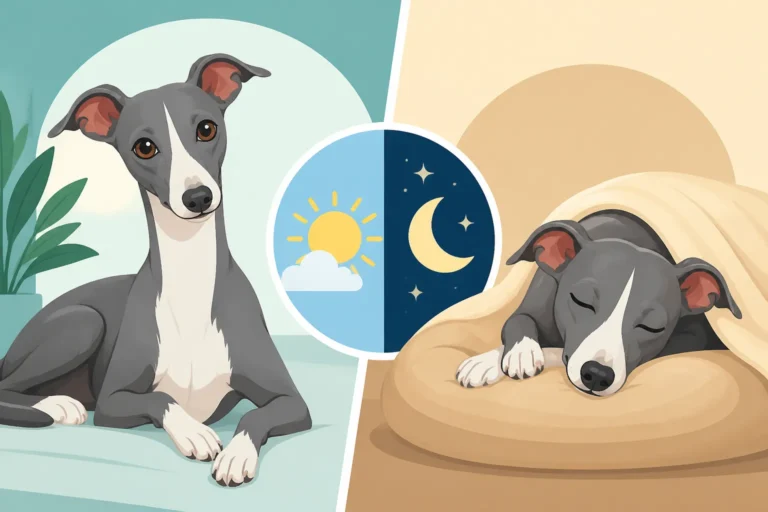
- Warm and Comfortable Bedding: Italian Greyhounds, being so lean, are prone to getting cold, and older Iggys feel it even more due to reduced body fat and potentially poorer circulation. A warm, orthopedic bed can make a huge difference. Look for beds with good support to cushion their joints and prevent pressure sores. Many older Iggys adore Whether an Old Italian Greyhound Needs a Warmer Bed, like heated beds or snuggle sacks, which provide extra warmth and comfort, encouraging deeper, more restorative sleep.
- Easy Access to Water and Food: Make sure food and water bowls are easily accessible and at a comfortable height for your senior Iggy, so they don't have to bend too much, which can be uncomfortable for stiff necks or backs.
- Consistent Routine: Older Italian Greyhounds often thrive on routine. Predictable meal times, walk schedules, and potty breaks can reduce stress and help them conserve energy.
- Regular Vet Check-ups: Proactive veterinary care is paramount. Regular check-ups allow your vet to monitor changes, catch potential issues early, and adjust care plans as needed. This comprehensive approach to What Changes in an Old Italian Greyhound's Care ensures they remain as comfortable and strong as possible.
Observing your senior Italian Greyhound and adapting their care as their needs evolve is a testament to the special bond you share. By understanding the causes of muscle loss and implementing these strategies, you can help your cherished companion enjoy their golden years with dignity, comfort, and as much strength as possible.
Disclaimer
This article is for general informational purposes only and does not constitute professional advice. Laws, prices and regulations vary by location and change over time. Consult a qualified professional for guidance on your specific situation.