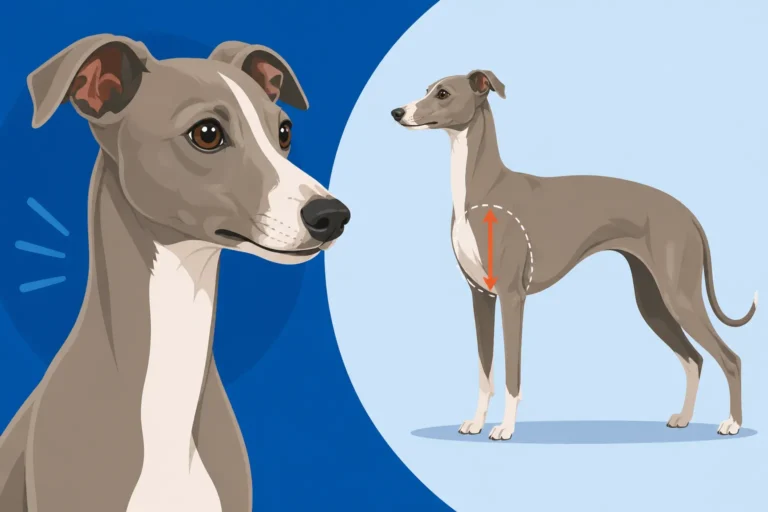
How an Italian Greyhound Differs From a Greyhound
When you hear "Greyhound," most people picture a sleek, powerful runner tearing around a track. But then there's the Italian Greyhound, a dog that shares the name but looks like it could fit in your purse. This often leads to a bit of confusion for prospective owners: are they just miniature versions of the same dog, or are they truly distinct breeds? The truth is, while they share a common ancestral sighthound heritage and a similar elegant silhouette, the Italian Greyhound and the standard Greyhound are vastly different creatures with unique needs, temperaments, and histories. This guide will walk you through the key distinctions, helping you understand which of these magnificent sighthounds might be the right fit for your home and lifestyle.
Beyond the Name: Understanding the Fundamental Differences in Size and Build
The most immediate and striking difference between an Italian Greyhound and a standard Greyhound is, without a doubt, their size. It's not just a small difference; it's like comparing a pony to a Shetland miniature. This size disparity informs almost every other aspect of their existence, from how they move through the world to their unique vulnerabilities.
The True "Toy" vs. the "Giant" Sighthound
Italian Greyhounds are squarely in the "toy dog" category, a classification that speaks volumes about their stature. They typically stand between 13 to 15 inches tall at the shoulder and weigh a mere 7 to 14 pounds. To put that into perspective, an average house cat weighs around 10-15 pounds. This means your Italian Greyhound is an incredibly delicate, light-boned creature that can easily be scooped up with one arm. Their fine bones, especially in their legs, are notoriously fragile, making them prone to injuries from even seemingly minor falls or rough play. How an Italian Greyhound's Leg Bones Break So Easily is a reality many new owners face, often to their dismay.
In stark contrast, the standard Greyhound is a medium-to-large breed, built for incredible speed and powerful strides. They usually stand a commanding 27 to 30 inches tall and weigh anywhere from 60 to 80 pounds, sometimes more for males. Their bone structure is robust, designed to withstand the immense forces generated during a full-speed sprint. While graceful, they are substantial dogs that require a sturdy leash and a firm hand, unlike the feather-light presence of their Italian cousins. Their sheer size means they command a different kind of respect and consideration in a home environment, especially around small children or other pets.
Proportionality and Physical Finesse
While both breeds share the classic sighthound silhouette – deep chest, tucked abdomen, arched back, and long, slender legs – the proportions are scaled very differently. An Italian Greyhound possesses an exquisite, almost fragile elegance. Their heads are long and narrow, their necks gracefully arched, and their overall build suggests a finely tuned miniature. Their gaits are often described as high-stepping, almost like a miniature horse, showcasing their delicate balance and agility. This finesse makes them incredibly aerodynamic and quick, but also highlights their vulnerability to impact.
Greyhounds, on the other hand, exude power and athletic prowess. Their proportions are optimized for sustained speed, with a powerful hindquarters providing the drive and a deep chest housing large lungs. Their legs are longer in proportion to their body than an IG's, giving them an incredible stride length. When they run, it's a magnificent display of strength and coordinated movement, covering ground with breathtaking efficiency. The sheer musculature and bone density behind a Greyhound's build are a testament to their history as racing and hunting dogs.
| Feature | Italian Greyhound | Greyhound |
|---|---|---|
| Size (Height) | 13-15 inches at the shoulder | 27-30 inches at the shoulder |
| Weight | 7-14 pounds | 60-80 pounds (or more) |
| Build | Delicate, fine-boned, agile | Muscular, robust, powerful |
| Bone Fragility | High risk of fractures (especially radius/ulna) | Robust bones, fewer spontaneous fractures |
| Speed/Agility | Extremely quick, nimble, high-stepping gait | Exceptionally fast, powerful, long-striding gait |
| Appearance | Exquisitely elegant, miniature, almost fragile | Athletic, powerful, sleek, and majestic |
Temperament and Lifestyle: How Their Personalities Manifest
Despite their shared sighthound lineage, the temperaments of Italian Greyhounds and Greyhounds, while having some overlaps, also present notable differences, largely influenced by their size and historical roles. Both breeds are known for their quiet nature indoors, but how they interact with their environment and their families can vary significantly.
The "Velcro" Companion vs. the Gentle Giant
Italian Greyhounds are famously known as "Velcro dogs." This isn't just a cute nickname; it's a core aspect of their personality. They thrive on close companionship and physical contact with their chosen humans, often preferring to be touching you, whether curled up on your lap, tucked under a blanket beside you, or following you from room to room. The Velcro Dog: What Constant Company Means With an Italian Greyhound is a very real commitment. They are sensitive souls, highly attuned to their owners' moods, and can become anxious or distressed if left alone for long periods. This intense bond makes them wonderful, devoted companions, but it also means they require a home where someone is usually present or where strategies are in place to manage separation anxiety.
Greyhounds, while deeply affectionate and loyal to their families, tend to be a bit more independent in their attachment style. They love to be near you, certainly, and will happily share a sofa, but they often aren't quite as insistent on constant physical contact as an IG. They are calm, gentle, and remarkably adaptable, often referred to as "45-mph couch potatoes." Once their exercise needs are met, they are content to lounge quietly, observing the household. Retired racing Greyhounds, in particular, are accustomed to a quieter life after their careers and often make wonderful, placid pets, even for first-time dog owners, given their mild manner.
Social Dynamics and Interaction
Italian Greyhounds, due to their delicate nature, often do best in homes with older, considerate children or adults who understand how to interact gently with a small, fragile dog. They can be wary of strangers and may take time to warm up, sometimes displaying shyness. Their prey drive, while present, is often directed at small critters in the yard rather than larger, more intimidating animals. They generally get along well with other small, gentle dogs, and sometimes even cats, if introduced properly. However, their fragility means that rough-and-tumble play with larger, boisterous breeds can be dangerous for them. Why an Italian Greyhound Puppy Should Not Wrestle Big Dogs is a crucial lesson for any IG owner.
Greyhounds, despite their imposing size, are typically incredibly gentle and polite dogs. They tend to be good with children, often showing remarkable patience, though supervision is always key with any dog and child. They are generally more open to meeting new people than IGs, often greeting with a calm curiosity. Their powerful prey drive is very much intact, however, and small, fast-moving animals (like squirrels, rabbits, or even cats if not raised with them) can trigger an irresistible chase instinct. This means that a securely fenced yard and leashed walks are non-negotiable for a Greyhound. When it comes to other dogs, Greyhounds are typically very social and enjoy the company of other sighthounds or calm, respectful breeds.
Exercise and Activity Needs: Built for Different Paces
Both Italian Greyhounds and Greyhounds are sighthounds, meaning they are built for speed and chasing, but the intensity and duration of their exercise requirements differ significantly. Understanding these differences is key to providing a fulfilling life for either breed.
The Indoor Zoomie Enthusiast vs. the Outdoor Sprinter
Italian Greyhounds, while incredibly fast in short bursts, don't require miles of daily running like their larger cousins. Their exercise needs are moderate. They love quick sprints and "zoomies" around the house or a securely fenced yard. A couple of short, brisk walks a day, combined with indoor play, usually suffices. What they absolutely do need is a safe space to stretch their legs and run at full speed, which is why a securely fenced area is vital. Their fragile bones also mean high jumps or falls are a major concern, so steps and ramps for furniture are often a necessity to prevent serious injury. Ramps and Steps for an Italian Greyhound's Furniture are common items in an IG home.
On the other hand, Greyhounds, particularly ex-racers, might surprise you with their relatively low-key demeanor indoors. They are famously content to nap on the sofa for hours. However, they are still sighthounds, and they need opportunities to run. This usually means one to two intense 15-20 minute sprints in a securely fenced area daily, or a good long walk. They are not dogs for off-leash adventures in open parks unless the area is absolutely, unequivocally escape-proof. Their instinct to chase anything that moves is incredibly strong, and they can cover vast distances in seconds. A Greyhound in pursuit is unlikely to heed your calls, making a reliable recall a statistical anomaly rather than a given. How Reliably an Italian Greyhound Comes When Called is similar in nature to a Greyhound, though the scale of the escape risk is different.
Leash Manners and Escape Artistry
Neither an Italian Greyhound nor a standard Greyhound can typically be trusted off-leash outside of a confined, secure area. Their prey drive is hardwired, and their speed is incredible. For IGs, a proper harness is crucial as they can easily slip a collar due to their fine, narrow heads and necks. A martingale collar or a well-fitting sighthound harness is often recommended to prevent escapes. Due to their small size, they can also squeeze through surprisingly small gaps in fences.
Greyhounds are equally, if not more, adept at escaping. They can jump surprisingly high fences or dig under them if motivated. For this reason, many Greyhound owners ensure their yards have fences that are at least 6 feet high, with consideration for secure bottom edges. Leash walks are mandatory for their safety, and a secure, non-slip collar or harness is essential. The sheer power of a full-grown Greyhound can make an unexpected lunge a real challenge for even a strong handler, so good leash manners are important. Why an Italian Greyhound Cannot Be Trusted Off Leash, Ever applies equally to their larger cousins, just with more significant consequences due to their size and speed.
Health and Longevity: Unique Vulnerabilities and Lifespans
While both breeds share some general canine health considerations, their distinct sizes, builds, and genetic predispositions mean they face very different sets of common health issues and often have different average lifespans.
Fragile Bones vs. Athletic Injuries
The Italian Greyhound is notorious for its delicate bones. Fracture is by far the most common and devastating injury an IG can experience, particularly in their radius and ulna. These breaks often occur from seemingly innocuous activities like jumping off furniture, slipping on a slick floor, or roughhousing. The Age an Italian Greyhound Is Most Likely to Break a Leg is often under two years old, when their bones are still hardening. This fragility means owners must be hyper-vigilant about their environment, often using ramps, gates, and constant supervision. Dental disease is another significant concern, with IGs being prone to severe Periodontal Disease Is the Italian Greyhound's Most Common Diagnosis that often requires frequent professional cleanings and extractions. Other health concerns can include patellar luxation, progressive retinal atrophy, and occasionally epilepsy or Legg-Calve-Perthes disease. Despite these vulnerabilities, Italian Greyhounds are generally a long-lived breed, often enjoying a lifespan of 14 to 15 years. Why an Italian Greyhound Lives Fourteen to Fifteen Years is a testament to their otherwise robust health.
Greyhounds, while not as prone to spontaneous fractures from everyday activities, do have their own set of health challenges, many stemming from their athletic build and historical use in racing. Common issues include specific types of cancer (like osteosarcoma), bloat (gastric dilatation-volvulus), and various musculoskeletal injuries, especially in retired racers who may have chronic issues with their feet, hocks, or stifle joints. They can also be sensitive to certain anesthetics due to their low body fat. Why a Nine Pound Italian Greyhound Gets Cold on the Table highlights a similar sensitivity in IGs, due to their low body fat, and Why Anesthesia Is Handled Differently in an Italian Greyhound is crucial for both breeds to consider. Additionally, Greyhounds can be prone to dental disease, though perhaps not with the same severity or frequency as IGs. Their average lifespan is typically 10 to 14 years, a respectable age for a larger breed.
Anesthetic Sensitivity and Recovery
Both Italian Greyhounds and Greyhounds share a common sighthound trait: sensitivity to certain types of anesthesia. This is largely due to their very low body fat percentage, which affects how they metabolize and recover from drugs. Barbiturate-based anesthetics, in particular, can stay in their system for longer, leading to prolonged recovery times and potential complications. It's crucial for any sighthound owner to ensure their veterinarian is experienced with the unique physiological needs of these breeds. Vets experienced with sighthounds will often use different anesthetic protocols and pay close attention to keeping them warm during and after procedures. This is a vital point of discussion for any planned surgery, from routine dental cleanings to fracture repairs.
Historical Roots and Purpose: From Hunter to Companion
Delving into the history of these two breeds reveals entirely different paths, even though they share an ancient connection through their sighthound ancestry. Their differing purposes shaped not only their physical attributes but also their societal roles and even their temperaments over centuries.
The Ancient Hunter vs. the Noble's Lapdog
The Greyhound's history is incredibly long and distinguished, dating back thousands of years to ancient Egypt, where they were revered hunting companions, depicted in tombs and art. They were bred for one primary purpose: to course and catch fast-moving prey by sight. This meant selecting for incredible speed, agility, and keen eyesight. Over centuries, they became prized by nobility across Europe for hunting deer, hares, and other game. More recently, they were famously bred and raced for sport, a testament to their unparalleled athleticism. This lineage as a working dog, built for performance, is deeply ingrained in the Greyhound's genetics and physical form.
The Italian Greyhound, while sharing the sighthound ancestry, took a different evolutionary path. Originating in ancient Mediterranean lands (likely Greece and Turkey, before gaining immense popularity in Italy during the Renaissance), these smaller sighthounds were bred purely for companionship. They were the favored lapdogs of royalty, nobles, and artists, cherished for their delicate beauty, elegant demeanor, and affectionate nature. Their small size made them perfect for keeping laps warm and being carried about as fashionable accessories. Their purpose was not to hunt game, but to offer comfort and charm. This historical role as a dedicated companion dog explains much of their "Velcro" nature and deep attachment to their human families. The Italian Greyhound Is Two Thousand Years Old and has always been cherished for companionship.
Cultural Significance and Modern Day Roles
The Greyhound's cultural impact is immense, instantly recognizable as a symbol of speed and grace. From racing tracks to art, their image is iconic. Today, while still used in some areas for racing or lure coursing, many Greyhounds find their forever homes through adoption programs after their racing careers conclude. These retired racers often transition beautifully into family pets, bringing their gentle nature and surprising calmness to homes that appreciate a low-maintenance, affectionate companion. They're ambassadors for the breed, showing the world that even a champion athlete can be a wonderful, quiet house dog.
The Italian Greyhound retains its historical role as a beloved companion. They are primarily kept as house pets, often excelling in dog sports like agility and obedience, despite their delicate build, proving their intelligence and athleticism in controlled environments. They are also popular in the show ring, where their elegant lines and distinctive gait are admired. Their presence continues to be one of refined companionship, a small dog with a big heart, designed to be a constant, loving presence in their owner's life.
Everyday Care: What to Expect in Grooming, Feeding, and Warmth
Caring for an Italian Greyhound versus a standard Greyhound involves some similar principles due to their sighthound nature, but also crucial differences that stem from their size, body fat, and bone structure. From keeping them warm to managing their diet, their daily needs have their own specific considerations.
Keeping Warm and Comfortable
Both breeds have very short, fine coats and very little body fat, making them highly susceptible to cold. This means sweaters, coats, and warm bedding are not optional accessories; they are necessities for both. However, the Italian Greyhound's extreme small size and even lower body mass mean their need for warmth is even more critical. They will shiver indoors if the temperature is too low, and cold weather can even set back housetraining efforts. Keeping an Italian Greyhound Warm Is Daily Work, Not a Winter Job is a core responsibility. They often seek out blankets and snuggle under covers, and many owners invest in heated beds or self-warming pads to keep them cozy. Multiple layers of clothing are common for outdoor excursions in cooler weather.
Greyhounds also need protection from the cold, especially in winter. A good quality coat is essential for walks, and many Greyhounds appreciate a sweater indoors if the house is chilly. They love soft bedding and comfortable places to nap, often preferring a dog bed with good cushioning to protect their bony joints. While they tolerate cool weather better than their miniature counterparts due to their larger mass, prolonged exposure to cold can still be dangerous for them. Neither breed is suited to being an outdoor dog or spending extended periods outside in inclement weather.
Nutritional Needs and Weight Management
When it comes to feeding, the sheer difference in size translates to vastly different caloric needs. An Italian Greyhound eats surprisingly little, and it's easy to overfeed them, leading to obesity, which can put even more strain on their delicate bones and contribute to dental issues. Owners need to be mindful of portion control and choose high-quality food appropriate for small breeds. Feeding an Italian Greyhound That Carries Seventeen Percent Body Fat means careful attention to their energy expenditure and metabolism. Despite being thin, they can still gain weight quickly if treats or meal portions are too generous. You'll often find Italian Greyhound owners browsing brands like Chewy for small-breed specific kibble or wet food options to meet their dog's dietary needs without excess calories.
Greyhounds, being much larger, require significantly more food. Their high metabolism, especially if they are active, means they need a good quality, nutritionally balanced diet designed for large, active breeds. Weight management is still important to prevent joint strain, but underfeeding can also be an issue, particularly for retired racers who might be on the leaner side. Monitoring their weight and body condition is essential for both breeds. Access to fresh water is, of course, critical for both, but particularly for active Greyhounds.
Grooming and Hygiene
Both breeds are remarkably low-maintenance in terms of grooming. Their short, smooth coats shed minimally and require very little upkeep. A quick wipe-down with a damp cloth or a brush with a soft mitt once a week is usually all that's needed to keep their coats shiny. They don't have a strong "doggy" odor, which is a bonus for many owners. Baths are infrequent, usually only when they've rolled in something messy.
However, dental care is a major priority for both, but especially for Italian Greyhounds. Due to their crowded mouths and genetic predisposition, IGs are highly prone to severe dental disease, requiring daily tooth brushing from an early age and frequent professional cleanings. Brushing an Italian Greyhound's Teeth Every Day is arguably the most important regular care task for an IG owner. Greyhounds also benefit from regular tooth brushing and professional dental cleanings, though perhaps not with the same urgency as their smaller cousins. Nail trims are important for both to prevent discomfort and potential injury, particularly for active dogs. Their ears should also be checked regularly for cleanliness, though neither breed is particularly prone to ear infections. For all these grooming essentials, you can find a wide range of products, from toothbrushes and dog-friendly toothpaste to nail clippers and ear cleaners, readily available on sites like Chewy.
Disclaimer
This article is for general informational purposes only and does not constitute professional advice. Laws, prices and regulations vary by location and change over time. Consult a qualified professional for guidance on your specific situation.